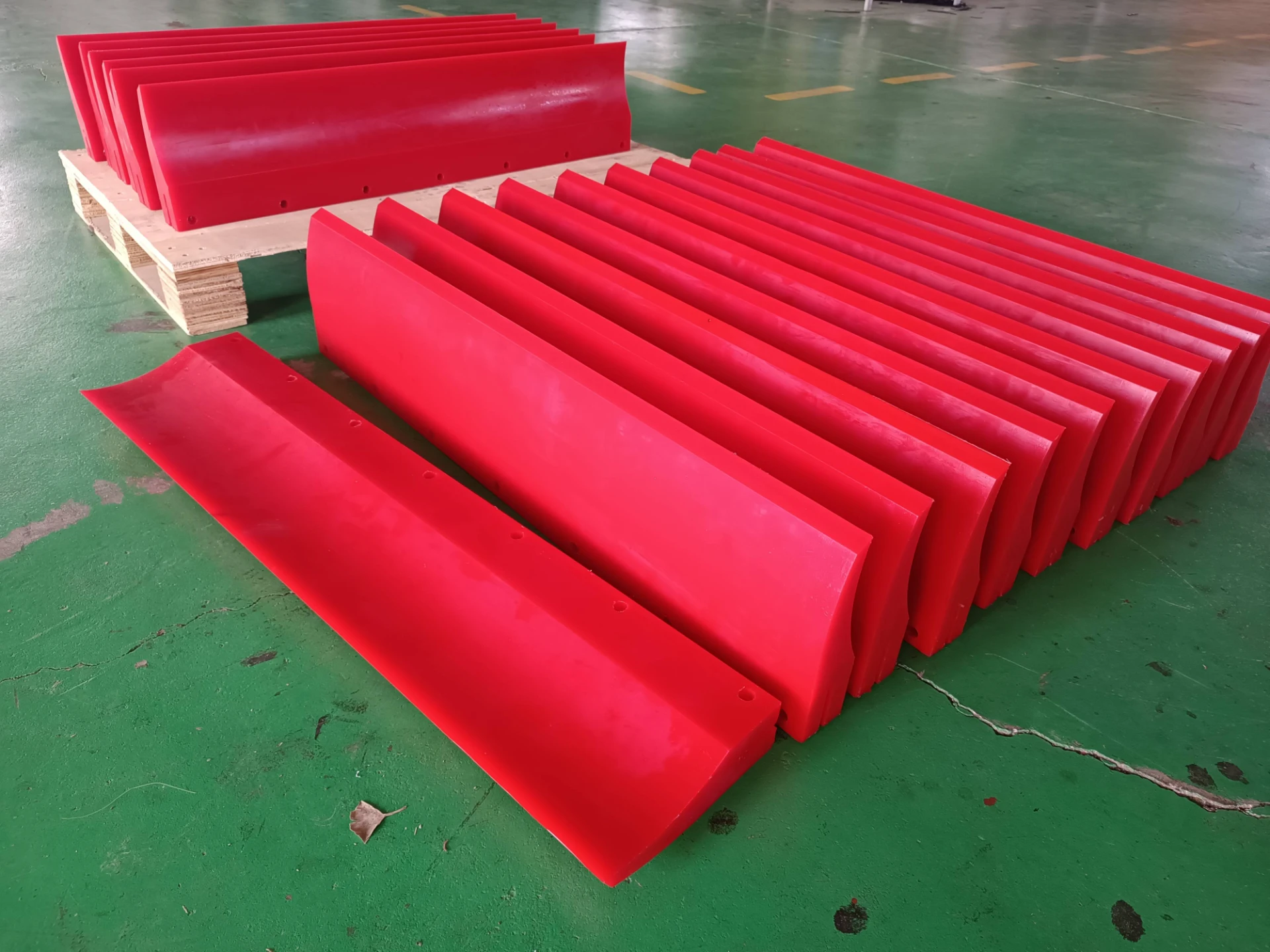
Bivitec Flip Flow Screens: Innovative Water Screening Solutions for Sustainable Treatment
The Quiet Revolution: Understanding Bivitec Flip Flow Screens and Their Global Impact
Water, waste, and resource management remain critical global challenges, one that governments, NGOs, and industries wrestle with daily. Among the tools quietly gaining traction worldwide are bivitec flip flow screens — a piece of technology that might sound niche but actually holds immense promise for improving water treatment processes everywhere. So what exactly are these screens, and why should you care beyond the jargon?
Simply put, bivitec flip flow screens are engineered filtration devices designed to separate solid particles from wastewater or industrial effluent efficiently. Globally, with over 2 billion people lacking access to safely managed sanitation systems according to the UN, innovations like these are more urgent than ever. Beyond humanitarian urgency, there's a mounting environmental pressure to refine industrial water management for sustainability and cost savings.
Let’s walk through what makes bivitec flip flow screens tick, their real-world roles, and why many experts consider them a pivotal advancement in environmental engineering.
The Global Context: Why Bivitec Flip Flow Screens Matter
According to the World Bank, untreated wastewater is one of the primary sources of pollution in both developing and developed regions. The challenge? Efficiently removing debris, grit, and solids before water returns to ecosystems or re-enters industrial cycles.
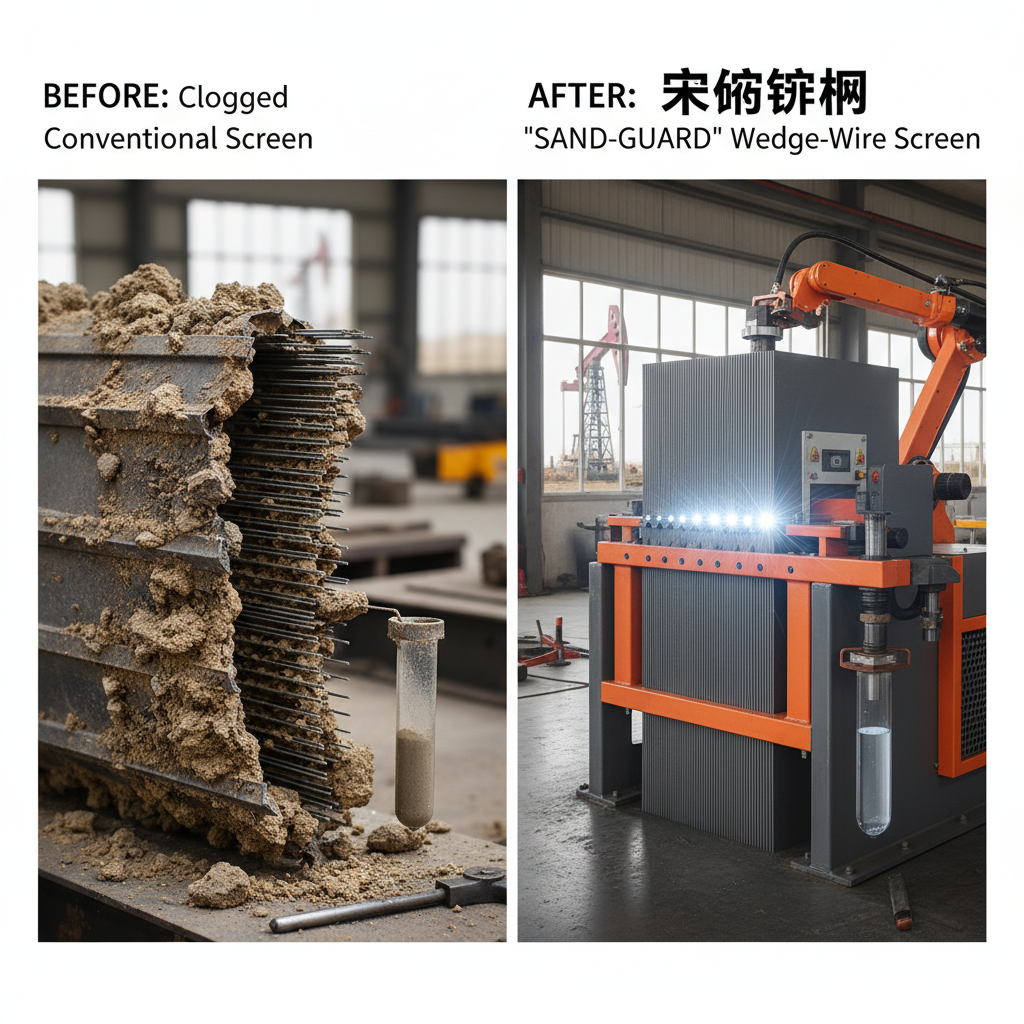
Bivitec flip flow screens neatly address this gap. These screens operate with a unique “flip-flow” mechanism, which self-cleans the screen surface, reducing downtime and maintenance. Especially in large-scale treatment plants, employing such technology can drastically reduce operating costs and environmental footprints.
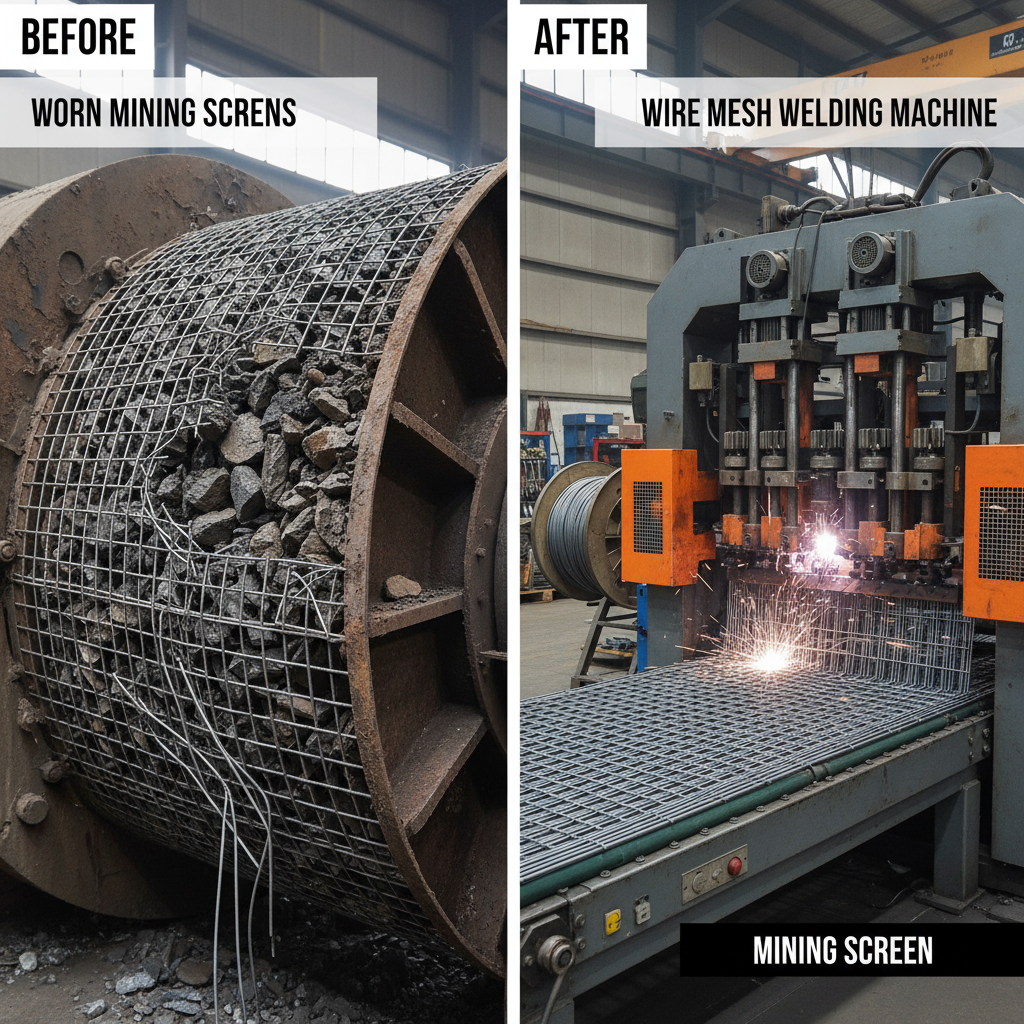
Oddly enough, such screens have also found themselves where you wouldn’t expect—remote mining operations, post-disaster relief water setups, even maritime waste handling. These instances underscore the adaptability and sizable impact of this technology worldwide.
What Exactly Are Bivitec Flip Flow Screens?
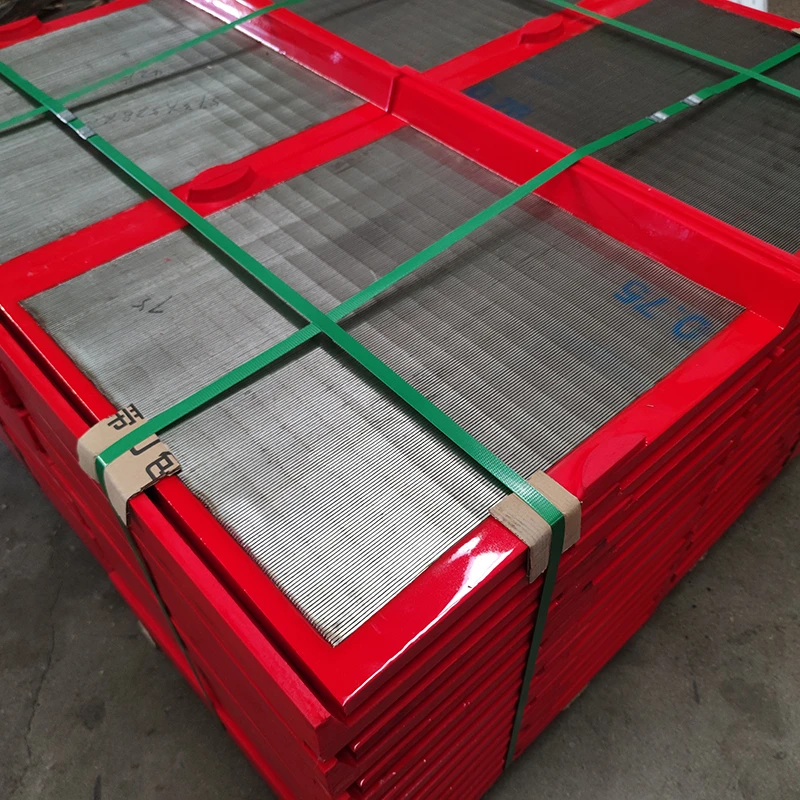
At their core, bivitec flip flow screens are advanced bar screens with an integrated mechanism that prevents clogging by periodically “flipping” the trapped solids off the screen face. Unlike traditional static screens that require frequent manual cleaning or auxiliary systems, the flip flow method offers a dynamic, automated alternative.
This means the screens can handle a continuous influx of wastewater without the typical operational hiccups, which is critical in scenarios where uninterrupted processing is non-negotiable.
In industries like food processing, municipal purification, or even emergency relief camps, the willingness to adopt these screens is tethered to their reputation for simplicity paired with industrial strength — kind of a best-of-both-worlds situation.
Key Components and Factors Behind Their Effectiveness
Durability
Manufactured from corrosion-resistant materials like stainless steel, bivitec flip flow screens handle aggressive wastewater types and harsh climates alike. Engineers often praise their longevity, which directly translates to lower life-cycle costs.
Scalability
Available in various sizes and bar spacings, these screens can be custom-fitted for tiny local plants or massive metropolitan treatment hubs. The modular design supports quick expansions without full system overhauls.
Cost Efficiency
Though initially pricier than standard static screens, many operators find that reduced maintenance and higher throughput make the investment worthwhile over time. Energy savings are an additional perk, thanks to the adaptive cleaning process that avoids excessive motor strain.
Environmental Sustainability
The self-cleaning action means fewer chemical cleansers and wastewater interrupting agents are necessary. Plus, capturing solids effectively upfront aids in safer sludge processing downstream.
User-Friendly Operation
From intuitive controls to easy access points for inspection and repairs, simplicity is a hallmark which helps bridge the gap between cutting-edge technology and field operability.
Mini takeaway: The blend of durability, scalability, and efficiency gives bivitec flip flow screens a unique edge — lending themselves to versatile and reliable water management projects.
Applications Around the World: Real-Life Use Cases
- Post-Disaster Water Treatment: After floods or hurricanes, quick deployment of water filtration is vital. NGOs leverage bivitec flip flow screens for their ease of setup and minimal maintenance demands in chaotic environments.
- Municipal Wastewater Plants: Cities in Europe and Asia are adopting these screens to meet stringent discharge standards enforced by entities like the ISO and the EU Water Framework Directive.
- Industrial Processes: Food and beverage factories, pulp and paper industries, and mining operations utilize these screens to separate solids and prevent machinery fouling.
- Remote Mining Sites: With limited access to repair crews, these low-maintenance, robust screens ensure uninterrupted operations in challenging terrain and weather.
Interestingly, some ports have begun employing them for controlling shipyard wastewater, demonstrating their cross-sector versatility.
Advantages and Long-Term Value: Why Invest in Bivitec Flip Flow Screens?
Choosing the right screening technology means balancing immediate budget constraints against sustainability, reliability, and safety. Here’s why bivitec flip flow screens often win on all fronts:
- Cost Savings: Reduced mechanical failures and lower cleaning needs save thousands annually.
- Green Impact: Less chemical use and better solids separation help reduce environmental pollution.
- Safety & Dignity: For communities relying on clean water, consistent filtration is a matter of health and human dignity.
- Trust & Innovation: Using progressive technology fosters trust among stakeholders, be it local governments or international donors.
In short, it’s more than just a piece of metal; it’s an enabler of healthier lives and cleaner industries.
What Lies Ahead — Future Trends in Bivitec Flip Flow Screen Technology
Looking forward, several innovations are merging into screen design. Future bivitec models may include:
- Smart sensors and IoT integration for real-time clog detection and predictive maintenance.
- Eco-friendly, lightweight composite materials replacing steel to cut transport emissions and improve durability.
- Enhanced energy efficiency through solar-powered actuator systems.
- More compact designs aimed at decentralized wastewater treatment in rural communities.
These advances align with global clean water targets and digital transformation trends reshaping water infrastructure worldwide.
Common Challenges and How Experts Are Overcoming Them
Of course, no technology is without its hurdles:
- High initial investment: Addressed by leasing schemes and phased implementation tactics.
- Specialist installation requirements: Many vendors now offer on-site training or turnkey solutions.
- Variations in wastewater composition: Customizable bar spacings and modular accessories make adaptations feasible.
Ultimately, the collaborative approach between engineers, operators, and suppliers is key to tailoring the screens for local needs.
Product Specification Table
| Specification | Typical Value/Range | Notes |
|---|---|---|
| Bar Spacing | 3–25 mm | Customizable per application |
| Throughput Capacity | Up to 10,000 m³/h | Depends on size and flow rate |
| Material | Stainless Steel AISI 304 / 316 | Resistant to corrosion |
| Cleaning Mechanism | Flip Flow Self-Cleaning | Reduces downtime dramatically |
| Power Requirement | 0.5 – 2 kW (variable) | Motor size depends on screen size |
Vendor Comparison: Finding Your Ideal Bivitec Flip Flow Screen Partner
| Vendor | Customization Options | Turnaround Time | After-Sales Support | Estimated Price Range |
|---|---|---|---|---|
| MutoScreen Solutions | High, full custom design | 4–6 weeks | 24/7 technical hotline | $$$ (mid to high) |
| EnviroFilter Corp. | Standard and semi-custom | 3–5 weeks | On-site installation support | $$ (budget) |
| ScreenTech International | Limited customization | 2–4 weeks | Remote assistance only | $ (low) |
Frequently Asked Questions About Bivitec Flip Flow Screens
Q: How does the flip flow mechanism reduce maintenance?
A: The flip flow mechanism works by flipping the trapped solids off the screen surface at regular intervals, essentially self-cleaning without manual intervention. This automated process drastically cuts downtime and lowers labor costs typically associated with static screen cleaning.
Q: Can these screens be adapted to handle high solid loads?
A: Absolutely. The bar spacing can be customized from 3 to 25 mm, and screens can be scaled up for greater throughput. Engineers tailor the screen design based on target solid concentrations and flow rates, ensuring reliable operation even under heavy load.
Q: Are bivitec flip flow screens suitable for emergency water treatment setups?
A: Yes. Due to their simplicity and minimal maintenance needs, these screens are ideal for rapid deployment in disaster relief scenarios. Their robust build allows them to operate reliably even in unstable or remote conditions.
Q: What kind of power sources can operate these screens?
Typically, bivitec flip flow screens require electric motors ranging from 0.5 to 2 kW. Some models now offer compatibility with solar power or other renewable energy sources, supporting off-grid installations.
Q: How do we ensure compliance with environmental regulations using these screens?
By effectively removing solids upfront, bivitec flip flow screens contribute significantly to meeting discharge standards set by regulatory agencies such as the EPA or EU directives. Their efficiency reduces the risk of downstream processing failures, supporting compliance efforts.
In Conclusion: The Path Forward with Bivitec Flip Flow Screens
When you piece it all together, bivitec flip flow screens aren’t just another filtration tool; they’re a quiet backbone underpinning cleaner water, safer communities, and leaner industrial processes worldwide. Their blend of robustness, cost-effectiveness, and flexibility positions them well for ongoing and emerging challenges in water treatment.
For engineers, project managers, or even NGO coordinators eyeing long-term solutions, exploring bivitec flip flow screens is well worth your time. Because beyond all the tech specs, it’s about making water treatment smarter, simpler, and more sustainable—one flip at a time.
References:
1. United Nations, Sustainable Development Goal 6: Clean Water and Sanitation.
2. World Bank Global Water Data, 2023 Report.
3. ISO 24512:2019 - Activities relating to drinking water and wastewater services.