Flip Flow Screen: The Unsung Hero in Modern Screening Technology
If you’ve ever dealt with water treatment, mining, or waste management, you might have heard of something called the flip flow screen. It’s one of those clever pieces of technology that quietly keeps a ton of industrial processes humming smoothly. But why should you care about it beyond the dusty factory floor? Well, the flip flow screen helps solve a surprisingly global problem — clogging and fouling during solid-liquid separation — a challenge that impacts industries from clean water initiatives in developing countries to large-scale mining operations in Australia.
Understanding this technology is vital not only because it reduces downtime and operational costs, but also because it supports sustainability efforts worldwide. By efficiently separating solids, it plays a crucial role in minimizing environmental footprints and making supply chains more resilient.
Why the Flip Flow Screen Matters Globally
Across the world, industrial sectors grapple with removing solids from liquids efficiently. According to the United Nations, access to clean water is still a pressing issue affecting over 2 billion people worldwide. To help provide cleaner water and manage wastewater, technology like the flip flow screen has become an essential piece of equipment.
In mining and bulk material handling, fouling from sticky materials can cause massive delays. The World Bank notes that inefficiencies in resource extraction often stem from outdated screening techniques. The flip flow screen addresses this by offering a design that automatically cleans itself, keeping processes running longer without manual intervention.
So, the challenge it faces is real: how to balance reliability, cost, and environmental impact in industries that need constant solid-liquid separation. The flip flow screen’s evolution attempts just that.
What Exactly Is a Flip Flow Screen?
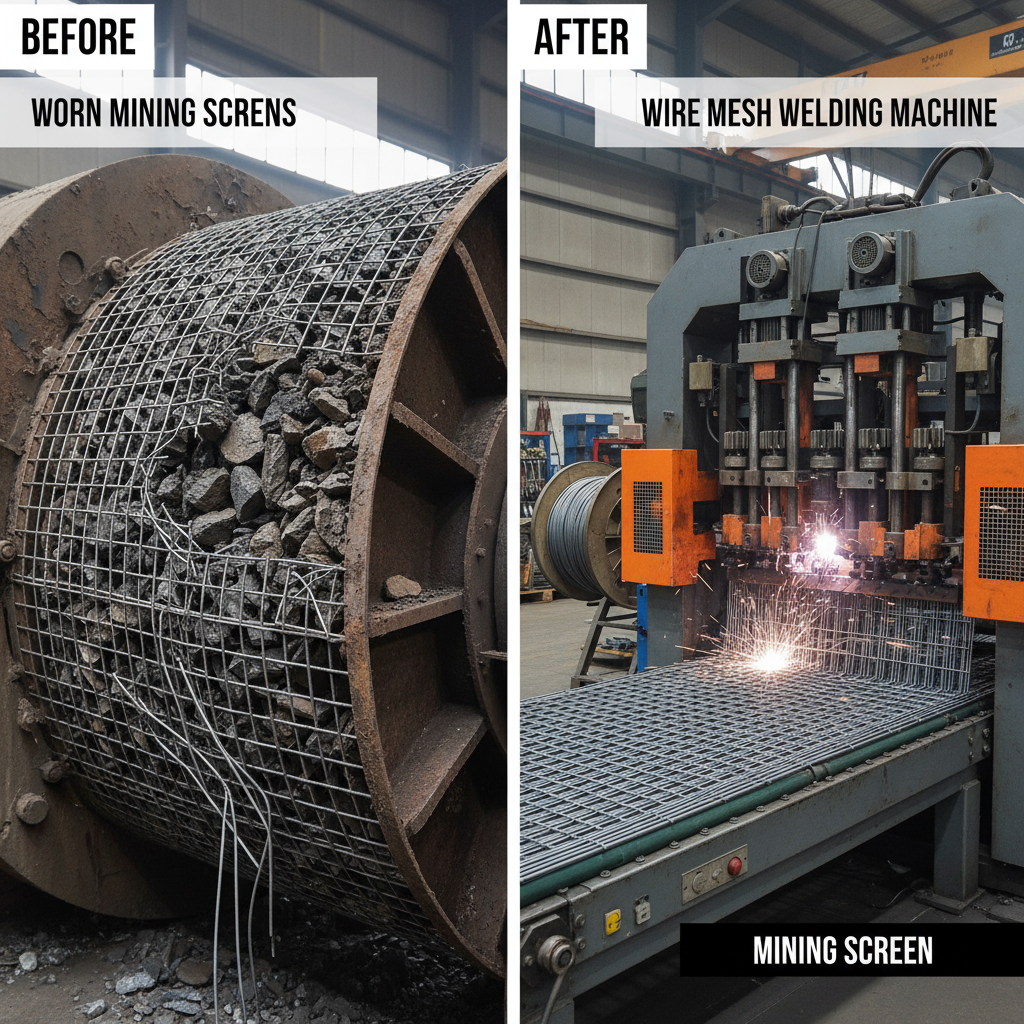
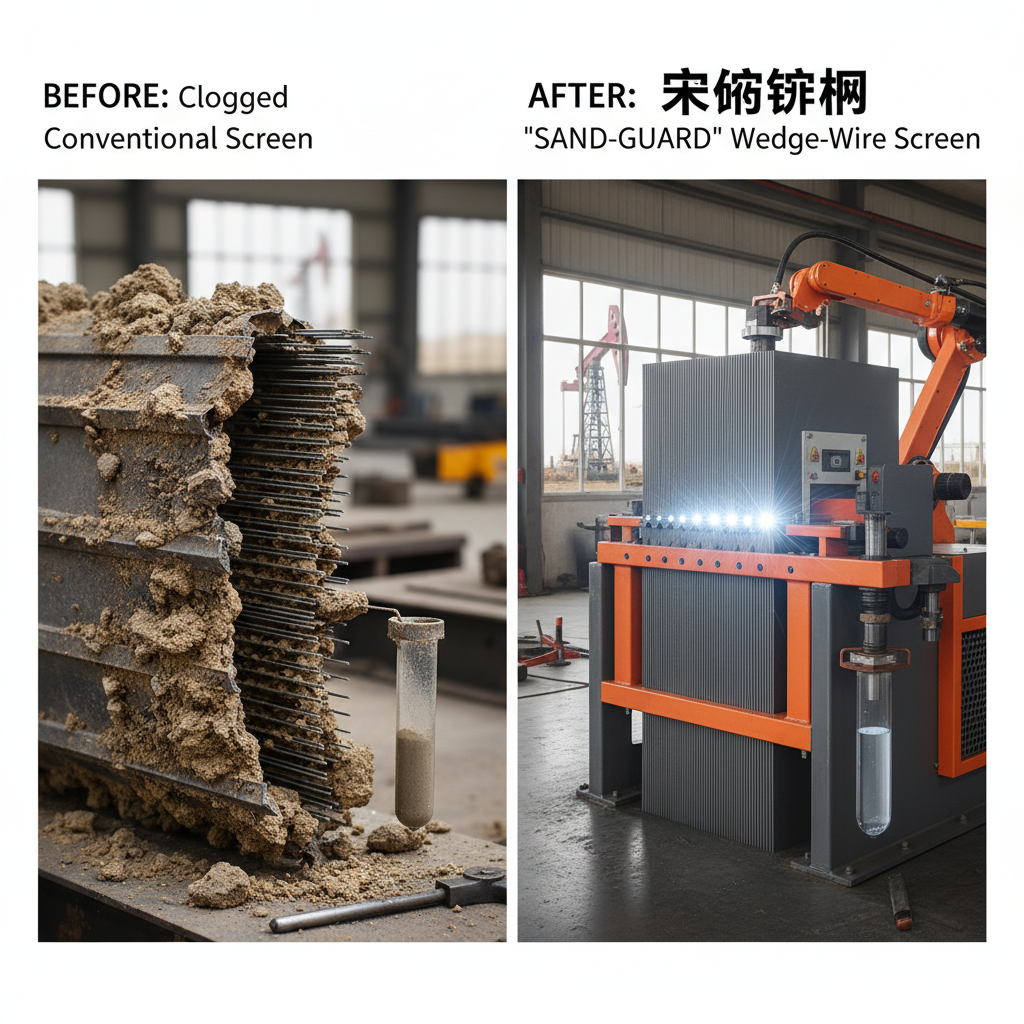
Put simply, a flip flow screen is a type of mechanical screening device that separates solids from liquid streams by using an elastic perforated surface that flips or “snaps” back and forth during operation. This flipping action prevents solids from sticking and clogging the screen — a common problem in conventional flat or wedge-wire screens.
It’s kind of like giving the screen a little shake every time the liquid pushes through – the solids don’t stand a chance of sitting still long enough to gum it up. Originally invented to serve mining operations, the technology now finds itself in wastewater treatment plants, industrial food processing, and even environmental cleanup projects in remote regions.
Core Components That Make It Tick
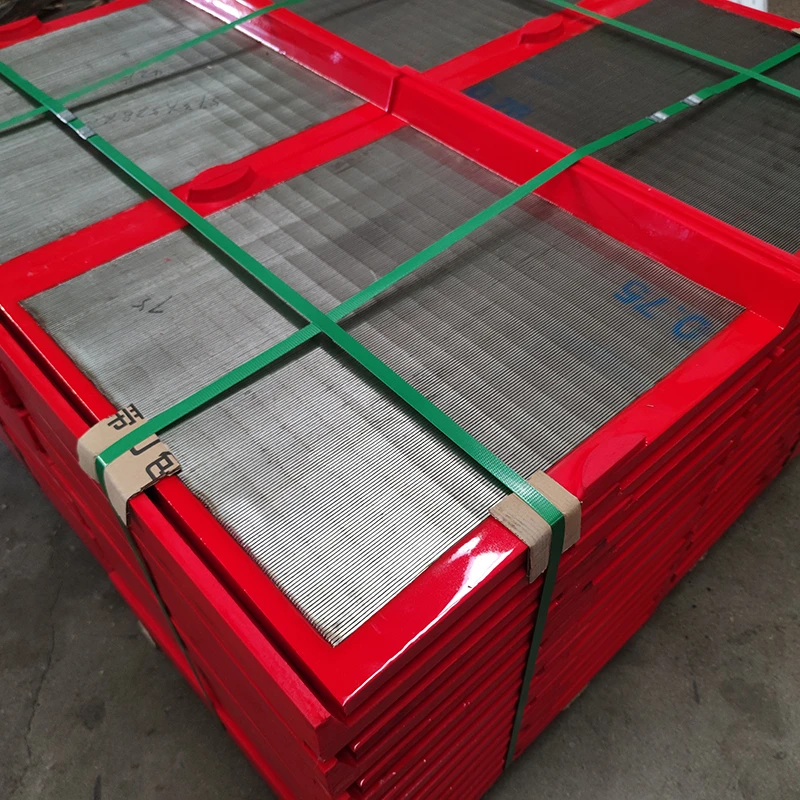
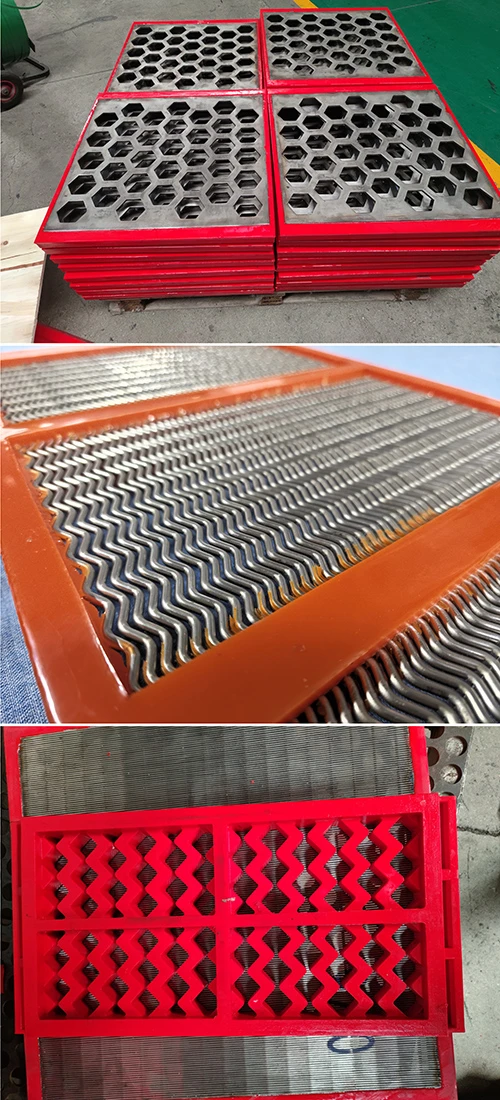
- Elastic Screen Media: This is the heart of the device. Usually made of polyurethane, it contains precision holes to allow liquids to flow through but blocks solids. Its elastic properties enable the flipping action that shakes off buildup.
- Drive Mechanism: Often a motor with a cam or eccentric system powers the periodic oscillation of the screen surface, maintaining self-cleaning without external scrapers.
- Support Frame: Provides structural stability and houses hydraulic or electric drives. The design is rugged but also modular for onsite maintenance.
- Control System: A modern flip flow screen may integrate sensors to monitor flow rates, screen condition, and energy consumption — which ties nicely into digital factory automation trends.
I’ve noticed many engineers say the elastic screen is what really makes the flip flow screen feel different from older static screens — it’s the dynamic “heartbeat” of the system.
Where Are Flip Flow Screens Used? Real-World Examples
Globally, from dusty outback mines in Western Australia to compact wastewater treatment plants in Europe, flip flow screens have carved a niche. Here are a few standout applications:
- Mining Industry: In heavy mineral extraction, the flip flow screen reduces clogging of slurry mixtures that could stop production and lead to expensive downtime.
- Wastewater Treatment: Municipal plants use them to efficiently remove solids from influent water before biological processing, helping local governments meet stringent discharge regulations.
- Food Processing Plants: To separate unwanted particles from liquids during processing—think fruit juice clarification or dairy filtration.
- Disaster Relief Efforts: Oddly enough, their capability to manage water purification in less accessible areas has proved invaluable during humanitarian crises where clean water is scarce.
Mini Takeaway:
Flip flow screens bridge simple mechanics with smart design to solve a longstanding industrial headache — effectively separating solids without the hassle of constant cleaning or replacement.
Advantages and Why They’re Worth the Investment
One could argue the flip flow screen offers a neat blend of reliability and innovation. Here’s what makes it stand out:
- Cost Efficiency: Less downtime for maintenance means operational savings. Materials last longer compared to damaged wedge-wire screens.
- Sustainability: Lower energy consumption than some alternative screening tech, plus the ability to handle higher solid loads reduces waste.
- Safety and Worker Comfort: Automated cleaning means human operators rarely need to dive in to manually clear blockages—cutting risk.
- Versatility: Can be tailored for various flow rates and industrial materials, making it adaptable to diverse sectors.
Product Specification Highlights
| Specification | Typical Value | Notes |
|---|---|---|
| Screen size (surface area) | 0.5 to 50 m² | Scalable for small to large plants |
| Material | Polyurethane elastomer | Flexible, abrasion-resistant |
| Flow capacity | Up to 400 m³/h per m² | Varies by hole size & media tension |
| Drive system | Electric or hydraulic | Dependent on site power availability |
| Control features | Integrated sensor options | For automation and predictive maintenance |
How Do Flip Flow Screen Vendors Compare?
| Vendor | Max Screen Area (m²) | Material Used | Automation Features | Lead Time |
|---|---|---|---|---|
| Screenco Ltd. | 45 | Polyurethane blend | Basic sensor package | 6-8 weeks |
| FlowTech Systems | 50 | High-grade elastomer | Advanced IoT integration | 8-10 weeks |
| AquaClear Tech | 35 | Standard polyurethane | Manual controls only | 4-6 weeks |
Looking Ahead: The Future of Flip Flow Screens
Since technology rarely sleeps, we’re already seeing innovations creeping into flip flow screens: smarter sensor tech to prevent wear before it happens, greener materials made from recycled polymers, and integration with digital factories for real-time performance checks. Some vendors are even exploring solar power to make these units more self-sufficient in remote locations.
Automation and AI could soon optimize drive patterns, adjusting the flip frequency based on flow characteristics — a little “brain” to keep everything running ultra-smooth and energy-efficient.
Common Challenges and Pathways Forward
Oddly enough, while the flip flow screen excels at many things, it’s not perfect. Its elastic media, though abrasion-resistant, may wear faster in highly aggressive chemical environments. Also, installation requires some upfront design expertise to match the screen size exactly to system needs.
Experts suggest pairing flip flow screens with regular predictive maintenance and modular components to minimize these issues. Plus, ongoing material science improvements promise longer-lasting media and easier retrofits. Essentially, it’s a technology that evolves — like all solid industrial solutions.
FAQ: Your Flip Flow Screen Questions Answered
- Q: How does a flip flow screen differ from conventional wedge-wire screens?
- A: The flip flow screen uses an elastic surface that flips during operation to shake off solids, reducing clogging—unlike static wedge-wire screens which often requires manual cleaning.
- Q: Can flip flow screens handle highly abrasive materials?
- A: Yes, they are designed to manage abrasive solids with polyurethane media; however, extreme abrasion may shorten life expectancy, requiring more frequent replacement depending on conditions.
- Q: Are flip flow screens suitable for small-scale wastewater plants?
- A: Absolutely. Their modularity means screens can be scaled down for smaller flows, making them well suited for municipal plants or remote communities.
- Q: What kind of maintenance do flip flow screens require?
- A: Routine inspections and sensor monitoring are key. The self-cleaning reduces manual cleaning, but periodic checks of screen tension and drive components help maximize longevity.
Final Thoughts and Next Steps
The flip flow screen might not be the most glamorous technology out there, but its quiet efficiency makes a significant global impact on sustainability, cost savings, and operational safety. Whether you’re working in water treatment or mineral processing, investing in this kind of smart screening tech offers clear long-term benefits — less downtime, cleaner inputs, and a healthier planet.
If you want to explore the product and see how it fits your requirements, visit flip flow screen for more detailed info, demos, and vendor contacts.