What’s a Flip Flow Screen and Why It’s on Everyone’s Radar
Ever stumbled upon flip flow screen for sale and wondered why it’s suddenly so relevant? Well, these screening systems are quietly transforming industries worldwide — from mining to wastewater treatment and beyond. The ability to efficiently separate materials with minimal downtime and maintenance makes flip flow screens a game-changer for operations struggling with clogs or slow processing.
Understanding their impact isn’t just industry insider chatter. It ties directly into global efforts to boost resource efficiency, reduce waste, and optimize water usage. That’s why governments, NGOs, and corporations alike are scouting for reliable flip flow screens — the kind that don’t just work but endure harsh conditions without flinching.
Quick takeaway: Flip flow screens provide a flexible, low-maintenance solution for separating solids and liquids, critical for industries from environmental cleanup to heavy materials processing.
Global Trends Driving the Demand for Flip Flow Screens
Flip flow screens aren’t some new fancy gadget; they’re foundational equipment responding to real-world pressures. Consider that the UN estimates around 2.2 billion people lack access to safely managed drinking water. Efficient solid-liquid separation technologies—like flip flow screening—play crucial roles in water purification and sanitation infrastructure.
Meanwhile, mining and aggregate processing industries are battling tougher environmental regulations globally. Roughly 25% of global energy consumption relates to material extraction and processing (source: IEA). Flip flow screens help optimize these processes, cutting downtime and reducing waste.
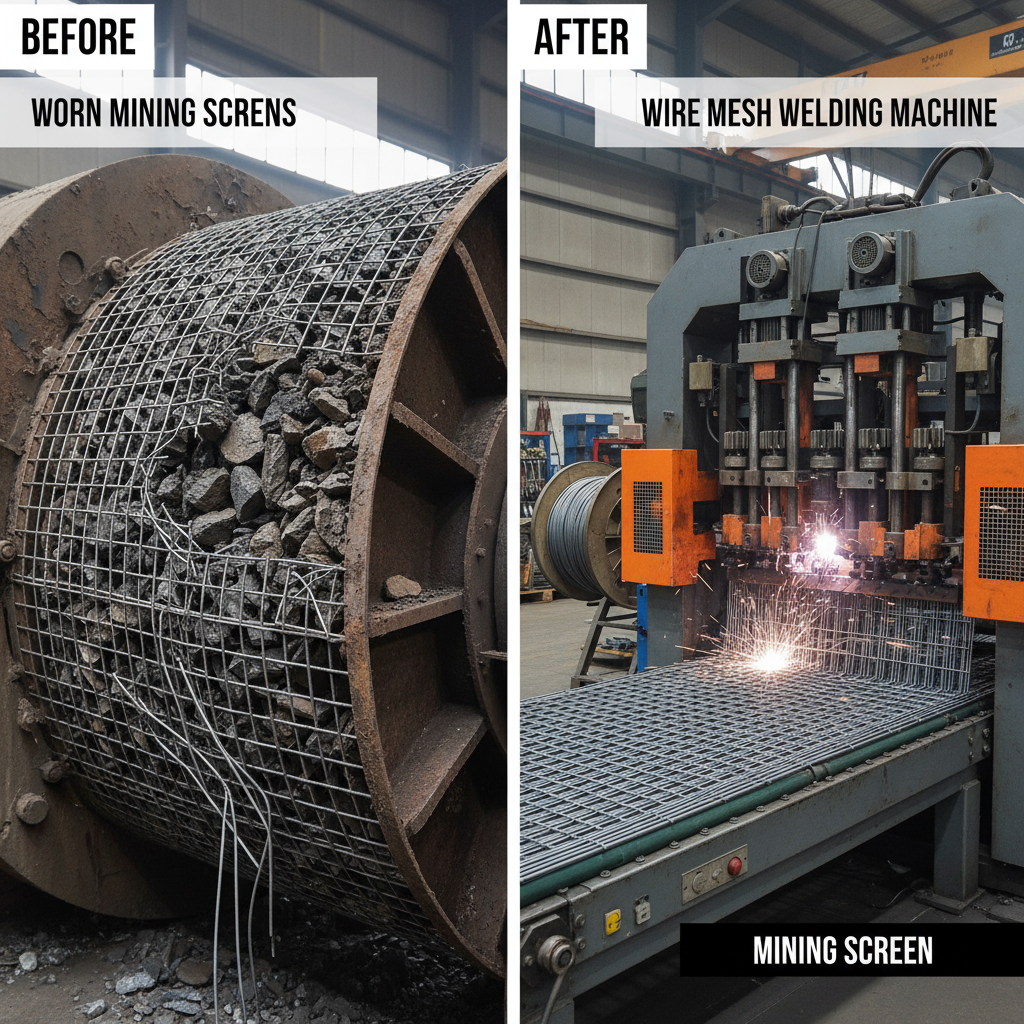
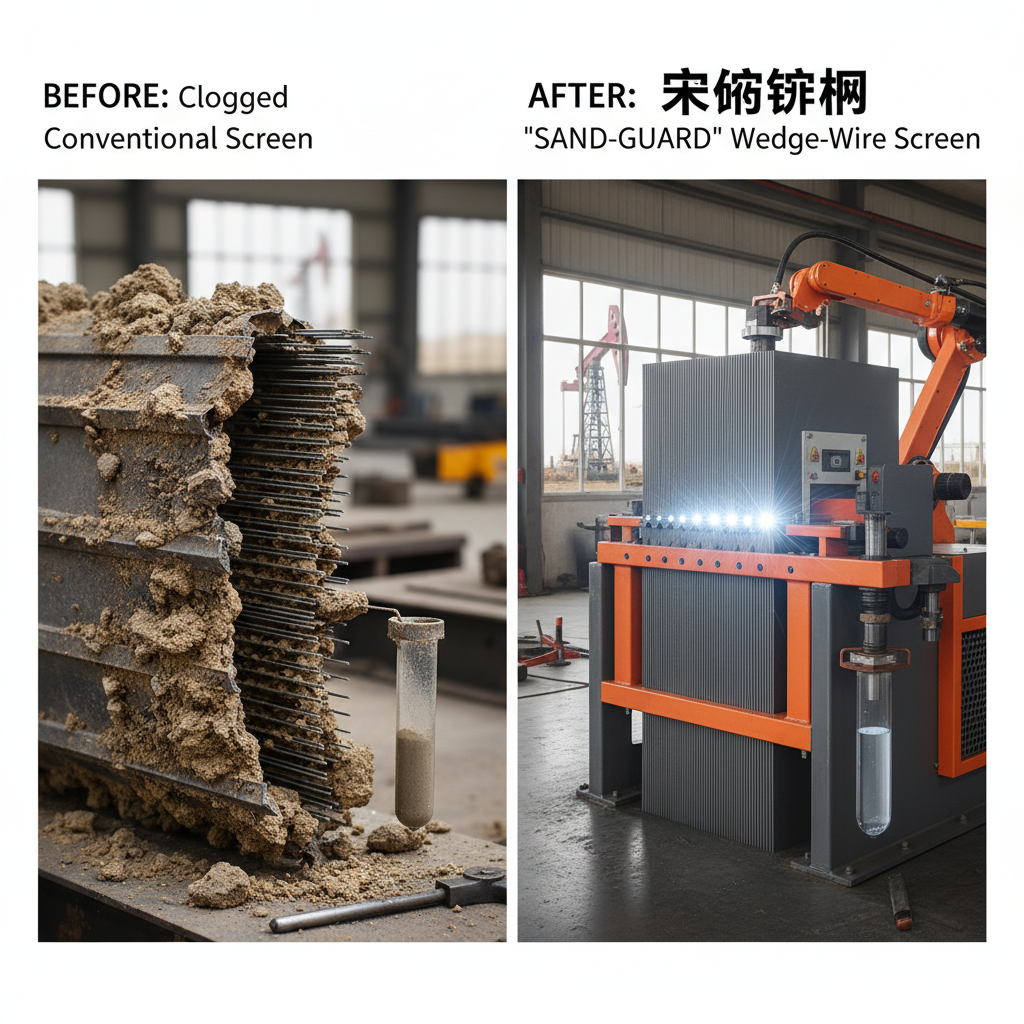
But the challenge is clear: traditional static screens clog quickly, demand frequent cleaning, and stall operations. Enter flip flow screens as a smart answer to this bottleneck.
What Exactly Is a Flip Flow Screen?
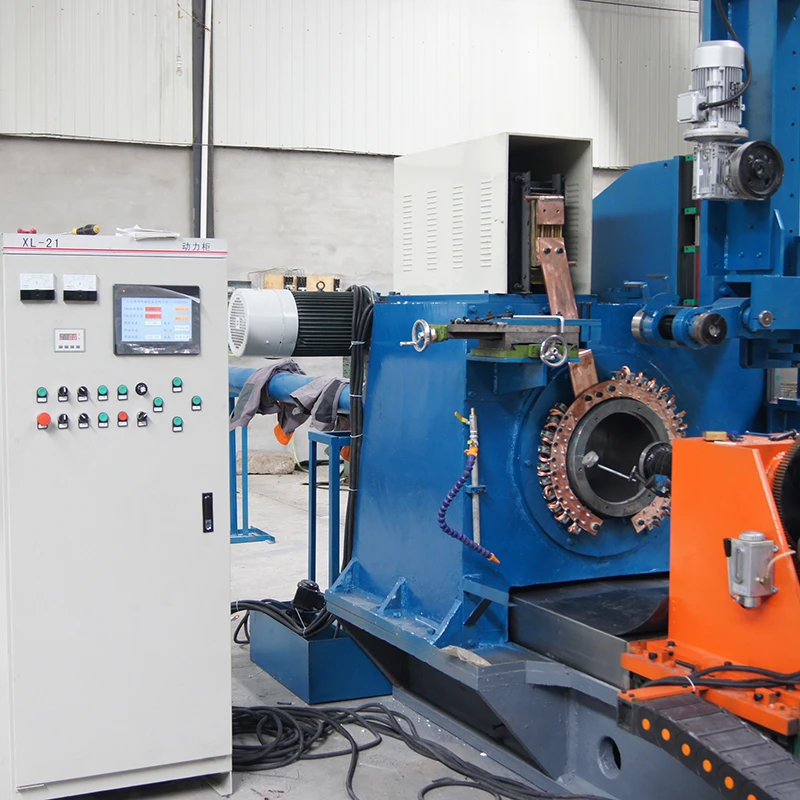
In simplest terms, a flip flow screen is a type of vibrating screen designed to keep the surface clear by periodically “flipping” or vibrating in a controlled manner. This action prevents clogging and allows continuous, efficient screening of mixtures—usually solids from liquids.
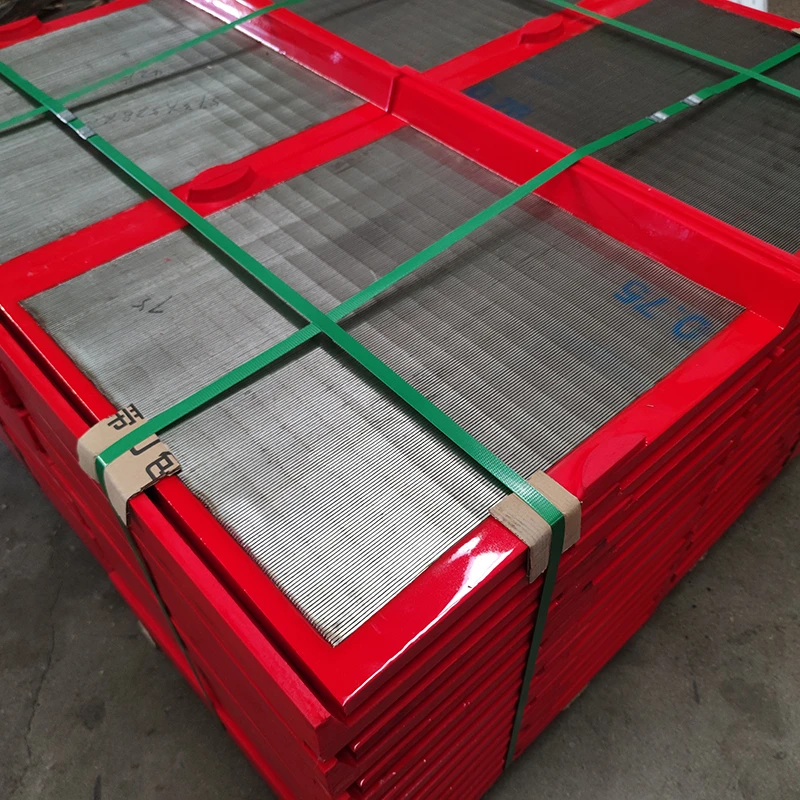
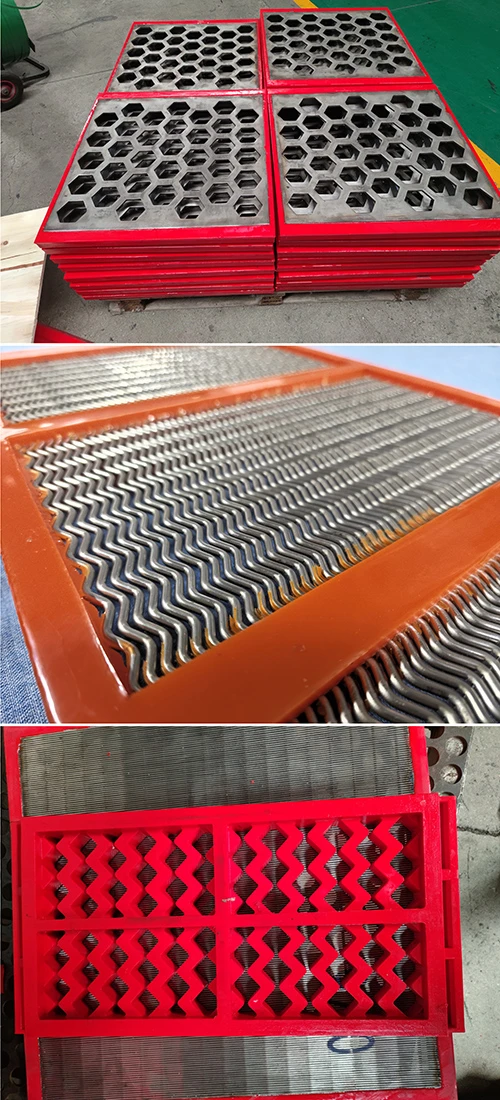
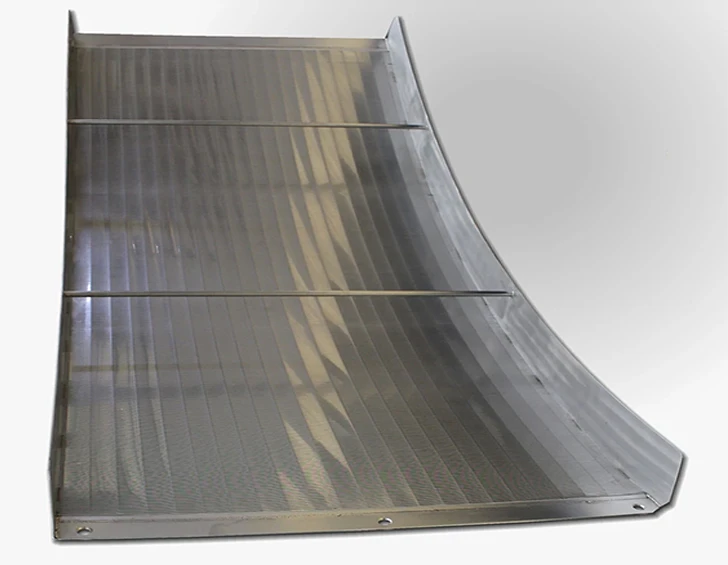
Most models feature modular screen panels that flip back and forth, shaking off debris that would otherwise build up. This enables steady throughput with less maintenance, saving time and money.
Flip flow screens are widely used in wastewater treatment plants, quarrying, food processing, and sometimes emergency humanitarian relief situations where fast water filtration matters.
Mini summary: They’re smart, self-cleaning sieve systems that keep things moving when clogged screens would stop production cold.
Key Features That Make Flip Flow Screens Work Their Magic
1. Durability Built for Tough Environments
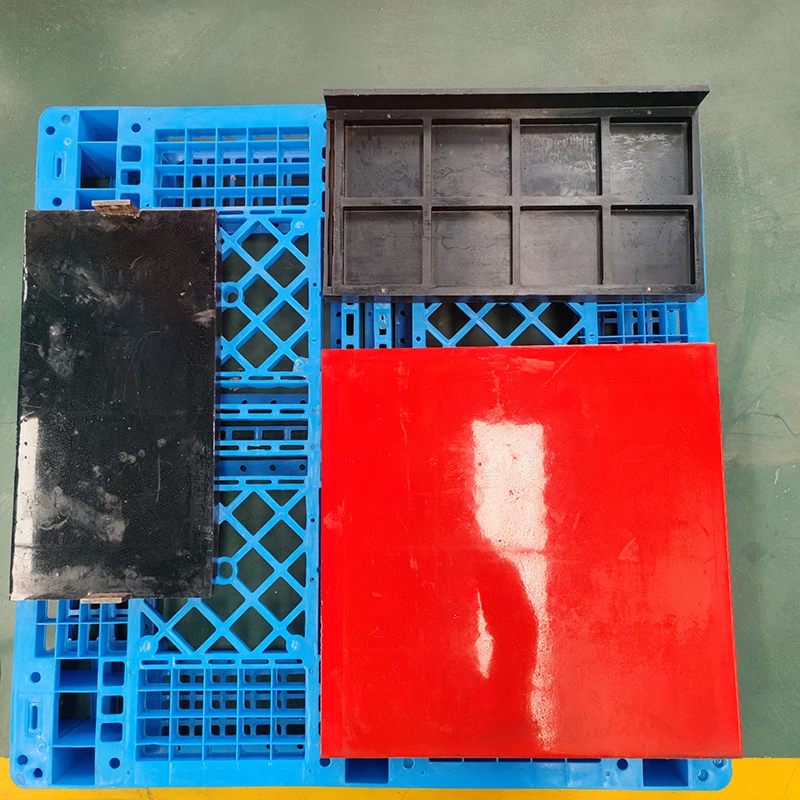
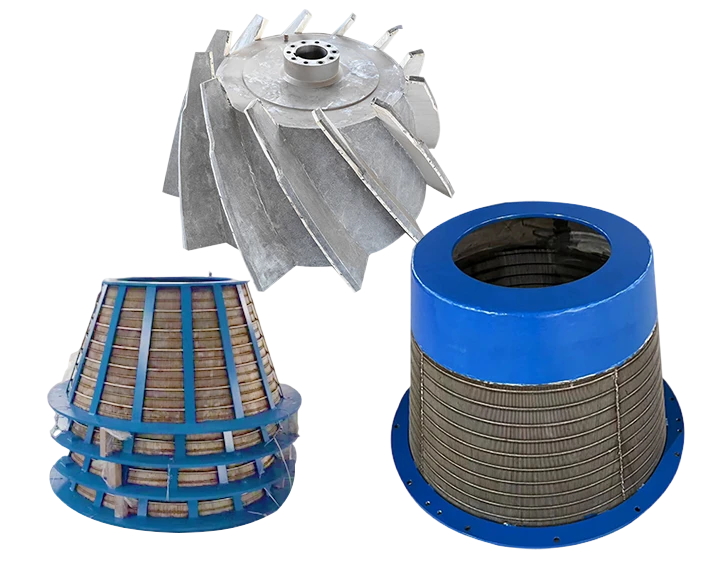
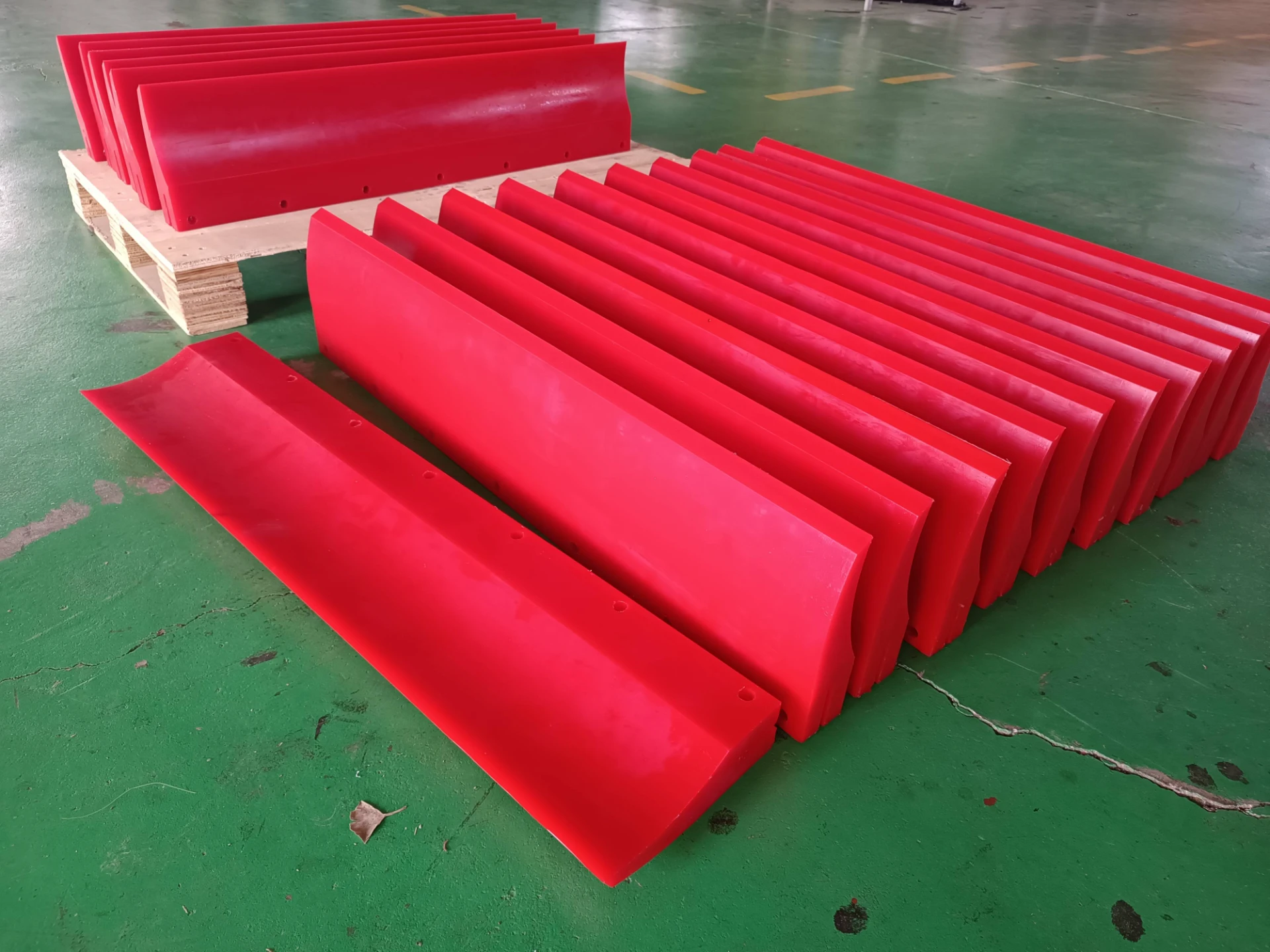
Flipping back and forth can be strenuous on materials, so these screens are usually crafted from corrosion-resistant stainless steel or high-grade polymers, depending on environment and use. Many manufacturers incorporate replaceable panels, so wear doesn’t halt operations.
2. Scalability for Small and Large Operations
The modular design means these screens can be customized to fit anywhere from a small water treatment facility to a massive mining plant. You can stack or link multiple units to scale your screening capacity.
3. Energy Efficiency
Because flip flow screens reduce clogging, they need less intense vibration, which means energy savings. Some systems even integrate with smart sensors to optimize operation dynamically.
4. Low Maintenance Requirements
Less manual cleaning, fewer breakdowns, and easy access points make upkeep straightforward. In remote or disaster-prone areas, this reliability can be a literal lifesaver.
5. Cost Efficiency
Although initial investments may seem higher than simpler static screens, the long-term gains in uptime and reduced labor quickly add up.
| Parameter | Value / Description |
|---|---|
| Screen Area | 10 - 50 m² (modular) |
| Material | Stainless steel or polypropylene |
| Drive Type | Electric motor with adjustable frequency inverter |
| Vibration Frequency | 50 - 100 Hz |
| Power Consumption | 3 - 7 kW (depending on model) |
| Cleaning Interval | Automatic, continuous operation |
Flip Flow Screens in Action: Where They Really Shine
Industries and regions across the globe are finding flip flow screens indispensable:
- Wastewater Treatment Plants: Efficiently removing grit and solids, supporting millions with cleaner water. Many treatment plants in Europe and North America depend on these systems.
- Mining and Quarrying: Screening out debris and oversized material while handling heavy loads and harsh abrasives—common in Australia, South Africa, and Canada.
- Food & Beverage Industry: Separating pulp or solid waste in juice or brewing processes, especially in ISO-certified factories.
- Post-Disaster Relief: NGOs sometimes deploy portable flip flow screens to provide clean water rapidly in disaster zones, where conventional treatment infrastructure is damaged.
- Remote Industrial Sites: In places like offshore oil platforms or desert mineral extraction, reliability and low maintenance count a lot—flip flow screens fit perfectly.
So, it truly feels like wherever there’s a need to efficiently sort solids from liquids under tough conditions, these screens have found their niche.
Mini takeaway: Flip flow screens power critical processes worldwide, especially where reliability and low maintenance are non-negotiable.
The Upside: Why Investing in Flip Flow Screens Makes Sense
Is it just hype? Not really. Here’s where their value truly shines:
- Reduced Downtime: Less clogging means your plant runs longer and smoother. Engineers I’ve talked with often cite uptime improvements up to 30%.
- Cost Savings: Low maintenance cuts labor costs, while energy-efficient operation trims utility bills.
- Sustainability: Optimized screening reduces waste, water use, and environmental impact—key for meeting ISO 14001 standards.
- Improved Safety & Dignity: In humanitarian water programs, clean water means fewer illnesses and better quality of life—pretty vital in the grand scheme.
- Innovation: Their modular design and integration potential with automation systems keep industries future-ready.
What’s Brewing: Upcoming Innovations in Flip Flow Screens
Technology is never static. Here’s what vendors are tossing into the mix:
- Smart Monitoring: Sensors detecting clogging early, adjusting vibration frequency automatically.
- Eco-Friendly Materials: Developing biodegradable or recyclable screen panels to cut waste footprint.
- Hybrid Power Drives: Solar or battery-backed drives for off-grid application, especially in remote or developing regions.
- Digital Twins & Simulation: Virtual models to test new configurations before building physically.
Common Hiccups and How Experts Fix Them
Of course, no tech is perfect. Users sometimes face:
- Wear and Tear: High abrasion leads to panel degradation—solution? Robust materials and quick-replace modular segments.
- Energy Use: Vibrations consume power—smart controls can optimize this, balancing efficiency with performance.
- Initial Cost: Some hesitate due to upfront investment—yet total cost of ownership analysis usually tips the scales.
Many manufacturers offer tailored solutions, including on-site support and preventive maintenance agreements that prevent surprises.
Flip Flow Screen for Sale: FAQ
- How does a flip flow screen reduce clogging compared to traditional screens?
- By continuously flipping or vibrating the screen surfaces in controlled motions, these screens shake loose debris that typically clogs static screens, allowing uninterrupted material flow.
- Are flip flow screens suitable for all industries?
- While highly versatile, they are especially suited for solid-liquid separation tasks prone to clogging, like wastewater treatment, mining, and food processing. Customizations may be needed for certain specialized uses.
- What is the typical lifespan of flip flow screens?
- With proper maintenance and depending on materials and operating conditions, flip flow screens can last anywhere from 5 to 15 years—sometimes longer with timely panel replacements.
- Can flip flow screens operate in remote or off-grid locations?
- Yes! Some models come with energy-efficient drives that can be powered by solar or battery packs, making them especially useful in remote industrial or humanitarian setups.
- How can I verify the quality and certifications of flip flow screens?
- Look for manufacturers with ISO 9001 quality management certification and check material and performance test reports. Reputable suppliers often provide third-party verification.
Vendor Comparisons: Navigating Your Flip Flow Screen Options
| Vendor | Product Range | Customization | Lead Time | Price Range (USD) |
|---|---|---|---|---|
| MutoScreen | Small to large modular units | High — tailored panel sizes & materials | 4-6 weeks | $15,000 – $70,000 |
| EcoVibe Screens | Medium & large units | Moderate — standard panel options | 6-8 weeks | $25,000 – $90,000 |
| ScreenMaster Pro | Small units optimized for food & pharma | High — hygienic designs, materials | 3-5 weeks | $20,000 – $50,000 |
Wrapping It Up: Why Now’s a Good Time to Explore Flip Flow Screens
For operators and infrastructure planners, flip flow screens represent a solid investment into the future of efficient, sustainable processing. Their proven ability to keep things flowing with minimal fuss means less downtime, less cost, and a gentler environmental footprint. Frankly, anyone with a serious stake in clean water, mining, or food production ought to consider these adaptable, durable systems.
If you’re interested, don’t hesitate to check out flip flow screen for sale listings to find models tailored exactly to your needs—because the right screen really can make all the difference.