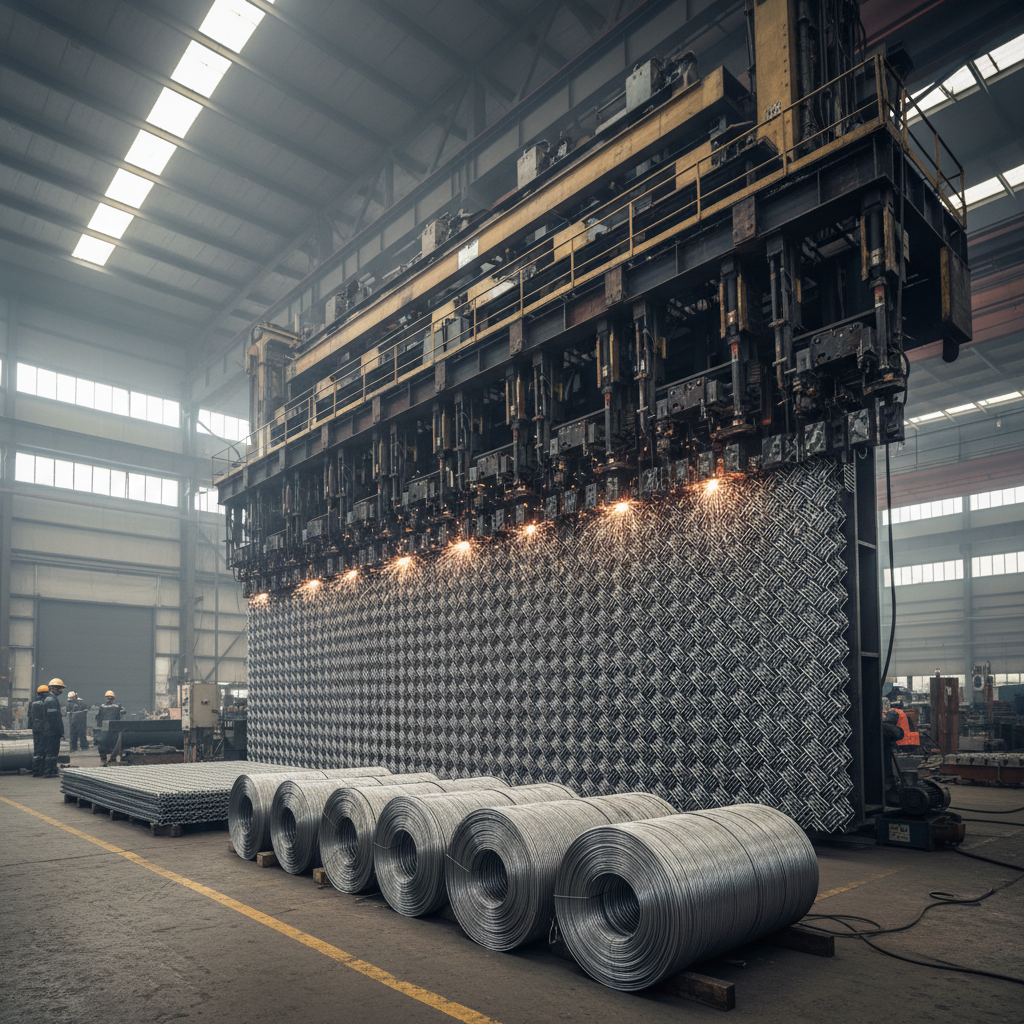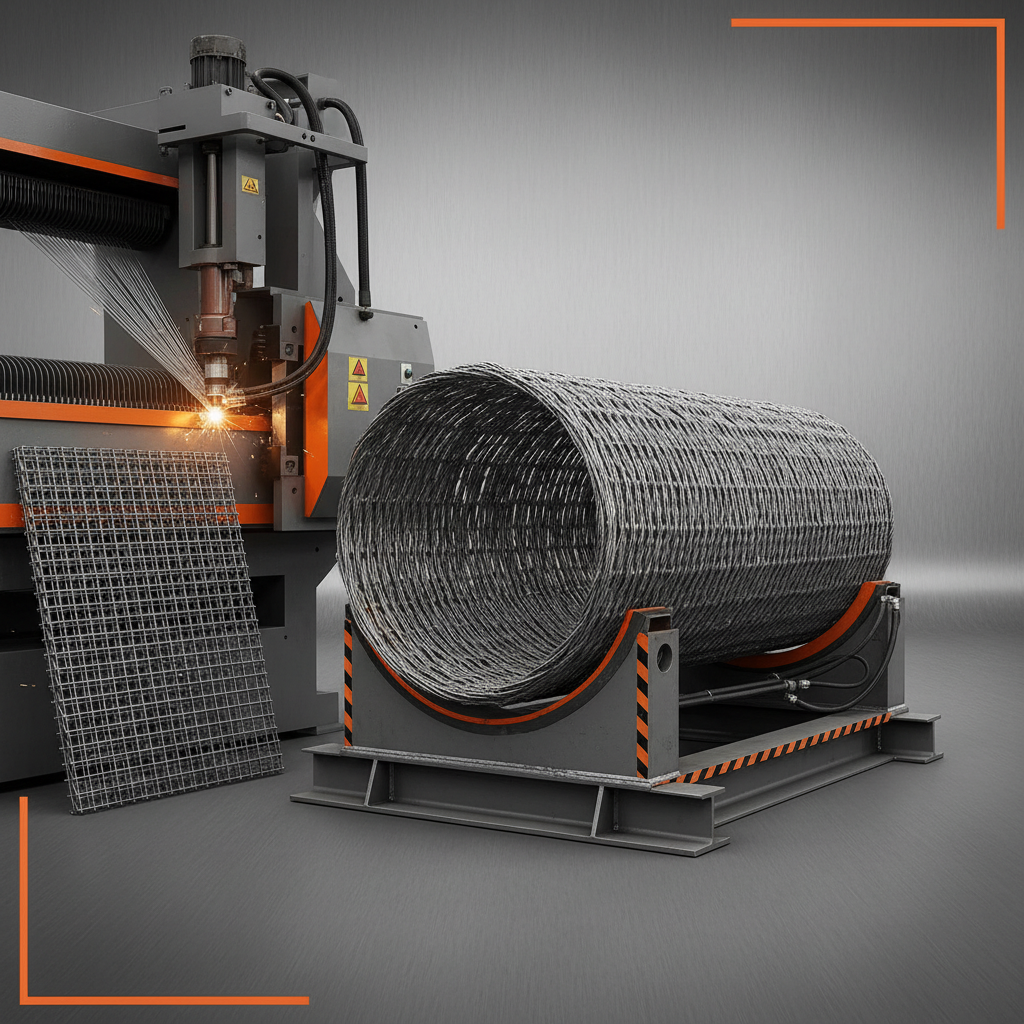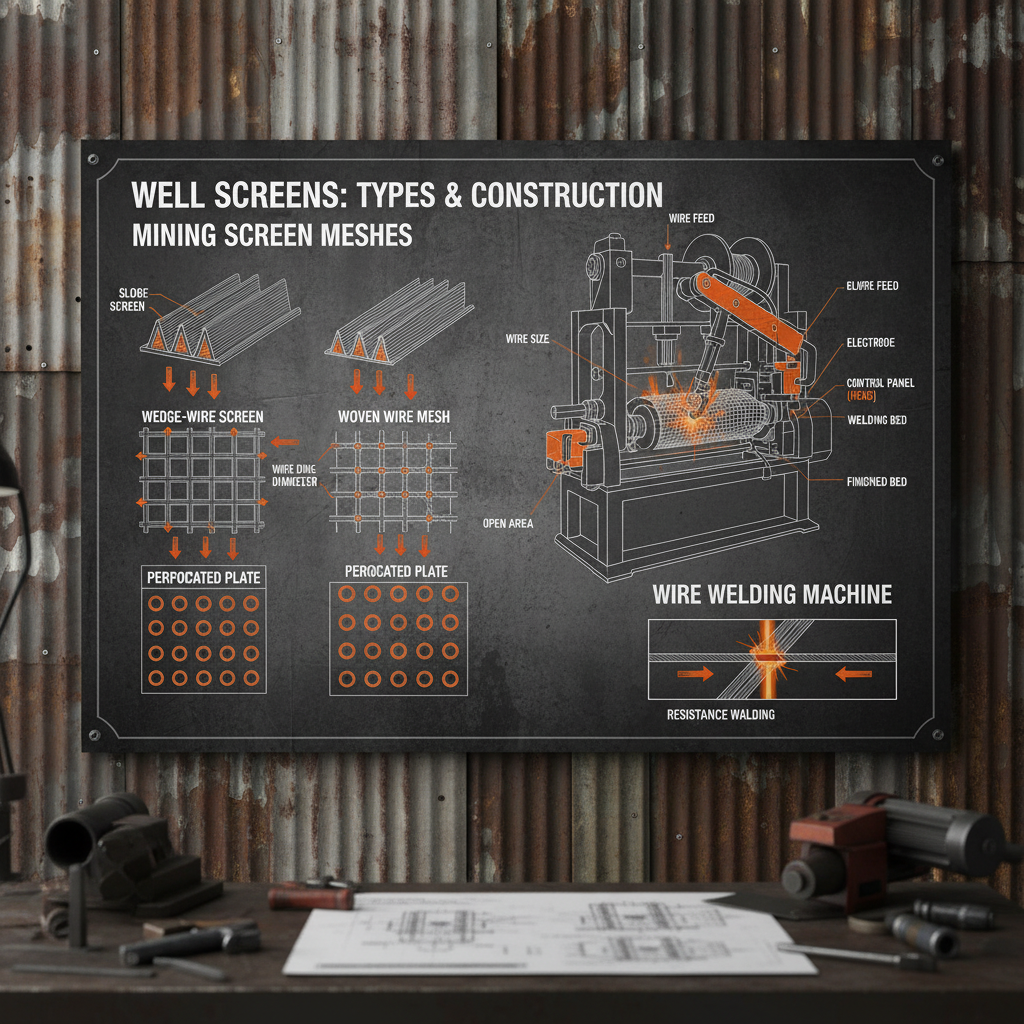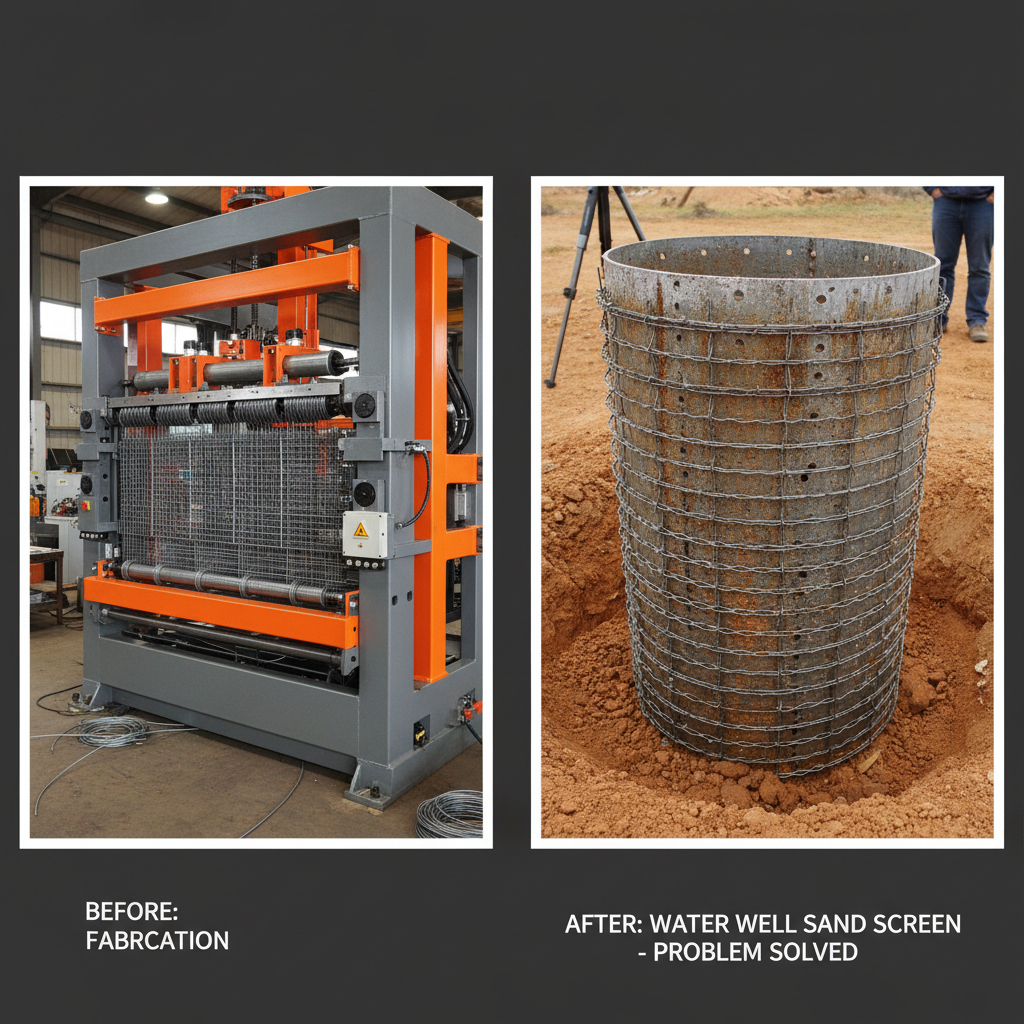
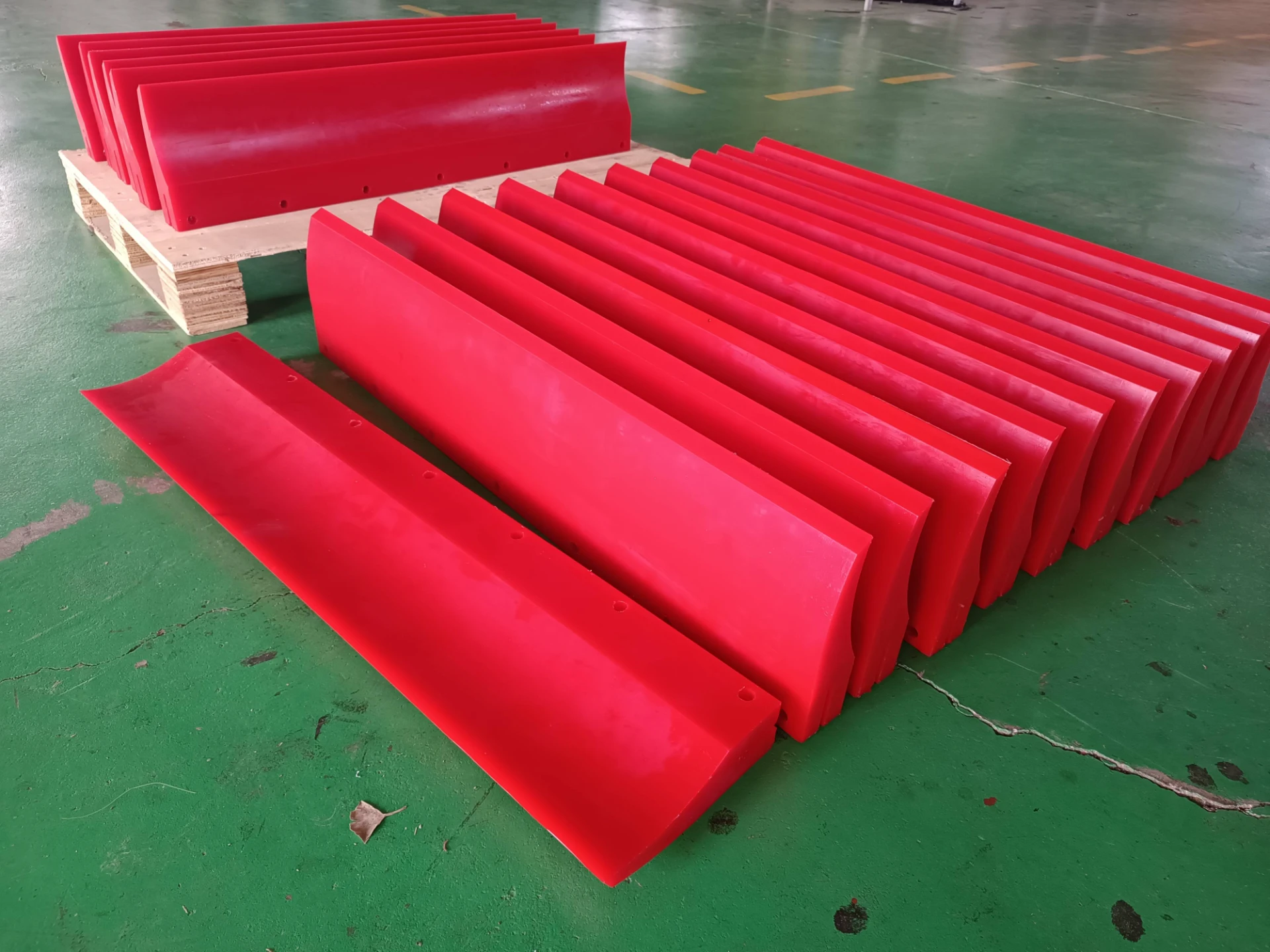
I’ve walked more intakes than I care to admit, boots muddy, notebook soggy, and yet the same question keeps coming up: where do you find a dependable Coanda Screen For Sale that won’t choke on leaves or frazzle the O&M budget? Short answer: you look for real engineering under the hood—tilted wedge wire, correct slot geometry, and a manufacturer who tests, not just promises.
What a Coanda screen actually does
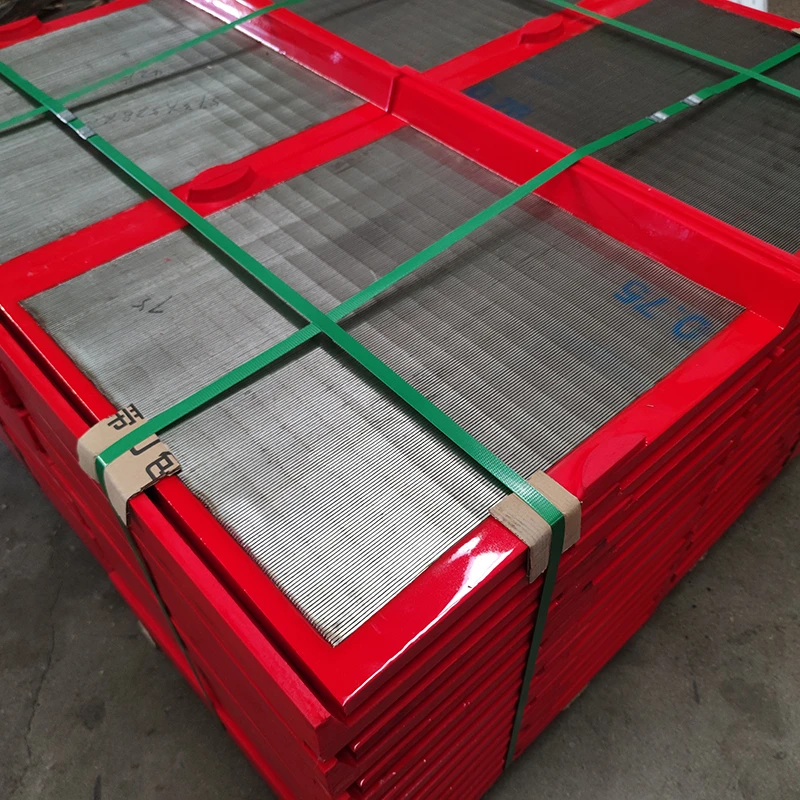
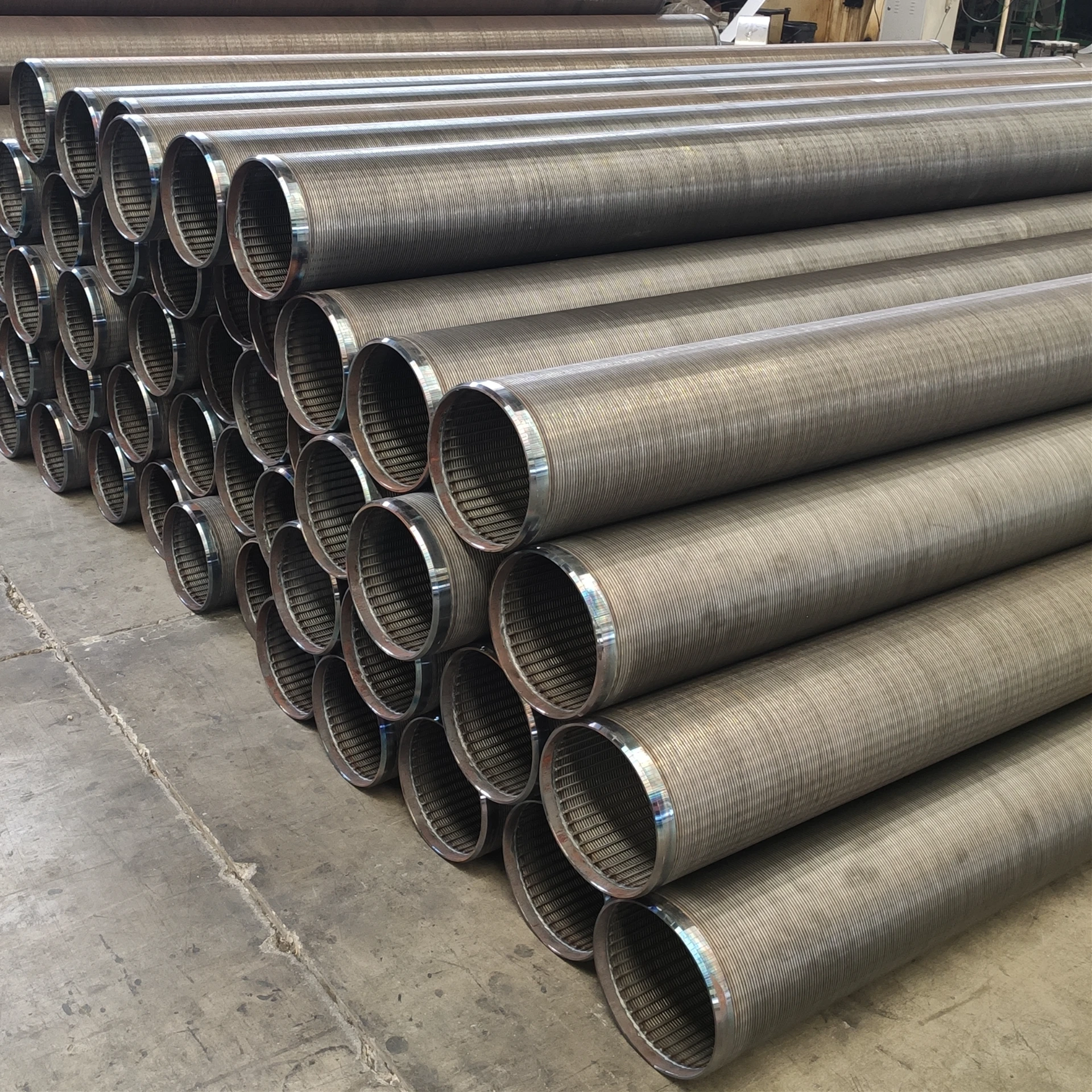
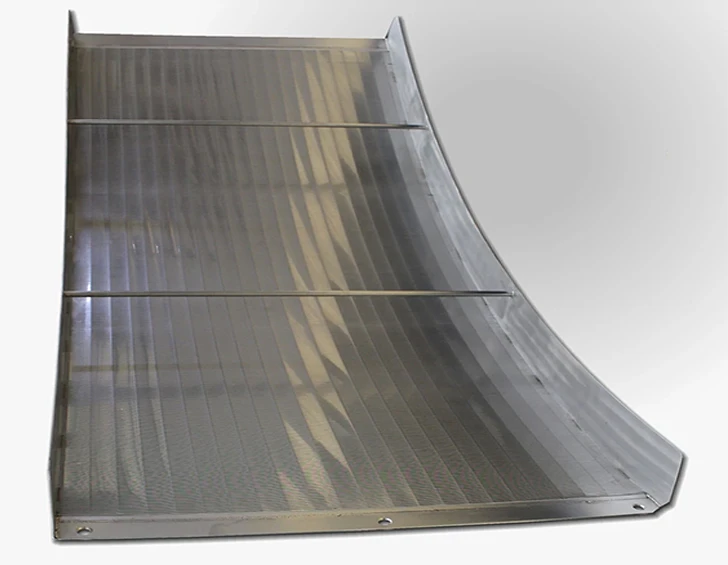
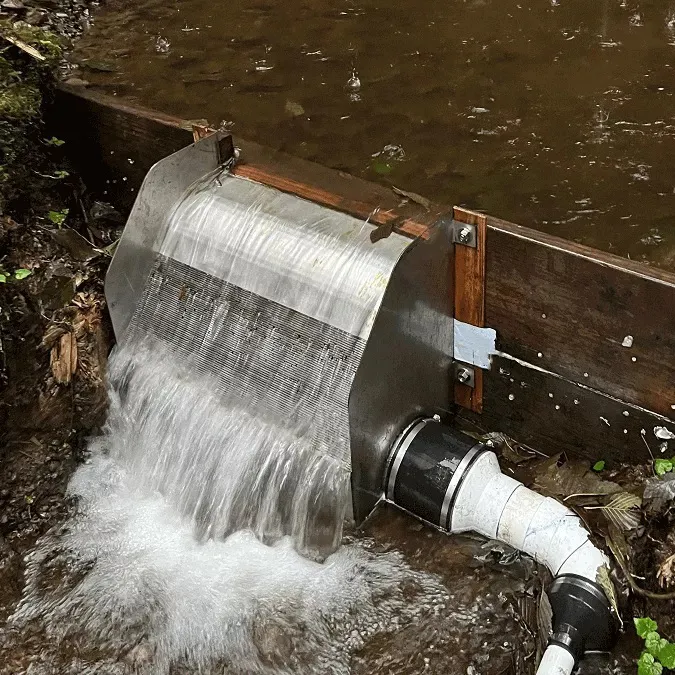
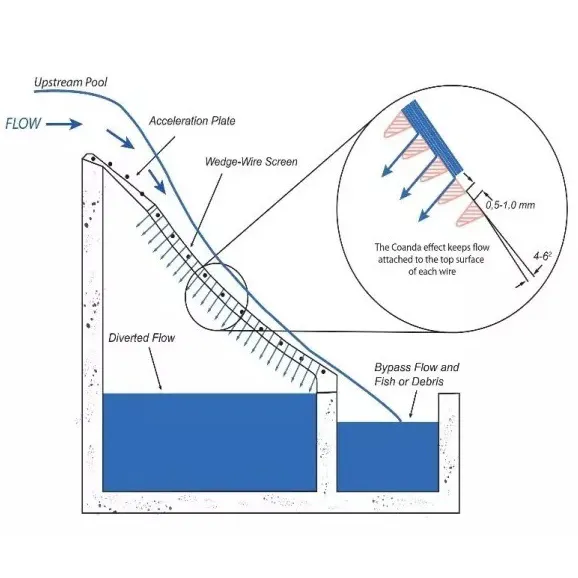
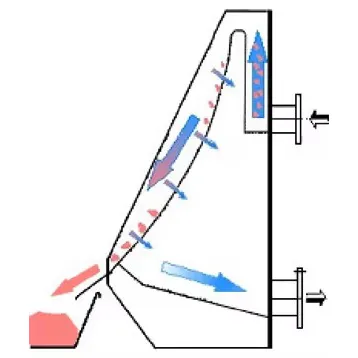
Also called Coanda hydro screen or Coanda intake screen, the design exploits the Coandă effect—water clings to the curved approach and rides across tilted wedge wires, shedding debris and air. In practice, that means self-cleaning filtration for hydro, municipal water intakes, irrigation, and industrial process water. Many customers say the biggest surprise is the drop in maintenance rounds; others mention the consistent head available to turbines.
Product snapshot
| Material | AISI 304/316L stainless; frame 304/316L; per ASTM A240/A276 |
| Slot opening | 0.25–2.0 mm (±0.03 mm typical, real-world use may vary) |
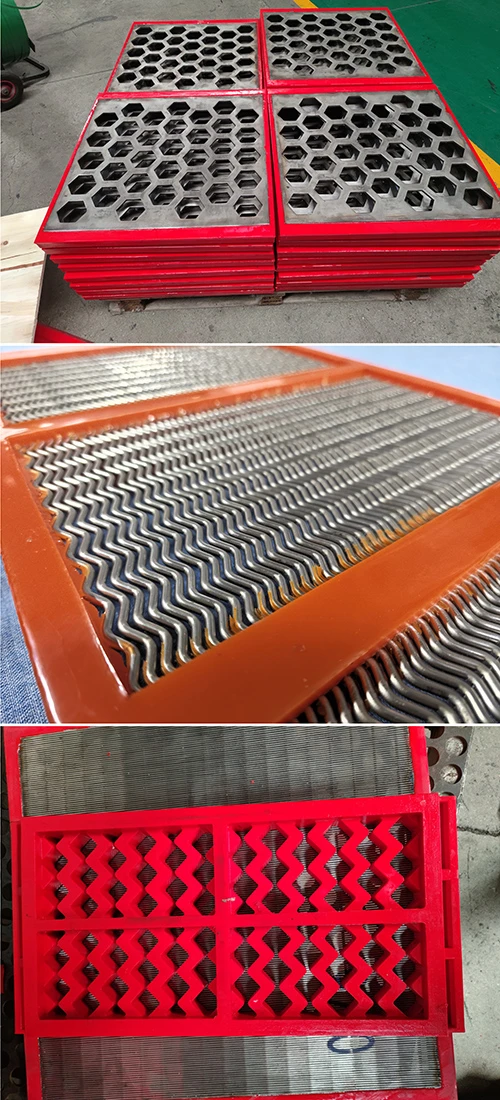
| Wire profile | V-shaped wedge wire (common: 12S/22S) |
| Tilt angle / curvature | ≈ 60–75° wire tilt; approach curvature tuned for Coandă adhesion |
| Typical capacity | Up to ≈140–220 L/s per meter width at ≤ 10–25 mm headloss (clean screen) |
| Finish | Pickled & passivated (ASTM A380/A967); welds to AWS D1.6 |
| Service life | 10–25 years+ depending on water chemistry and load |
Industry trends I keep seeing
- Hydro operators pushing for fish-friendly intakes with verified approach velocities.
- Municipal plants asking for NSF/ANSI/CAN 61 documentation on wetted metals.
- More off-grid micro-hydro and irrigation diversions demanding low-maintenance screens.
Where it fits
Hydropower intake sills, mountain streams, irrigation canals, desal pre-screening, brewery/food plants reclaim lines, and stormwater polishing. To be honest, it’s the floating leaf mats and algae blooms where a good Coandă unit really earns its keep.
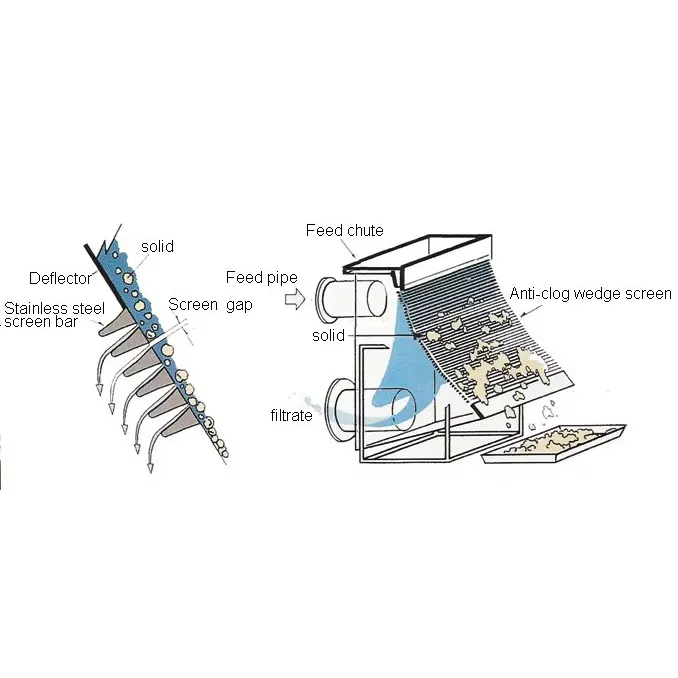
How it’s built (process flow)
- Materials: 304/316L plate, wedge wire, support rods; fasteners in 316L.
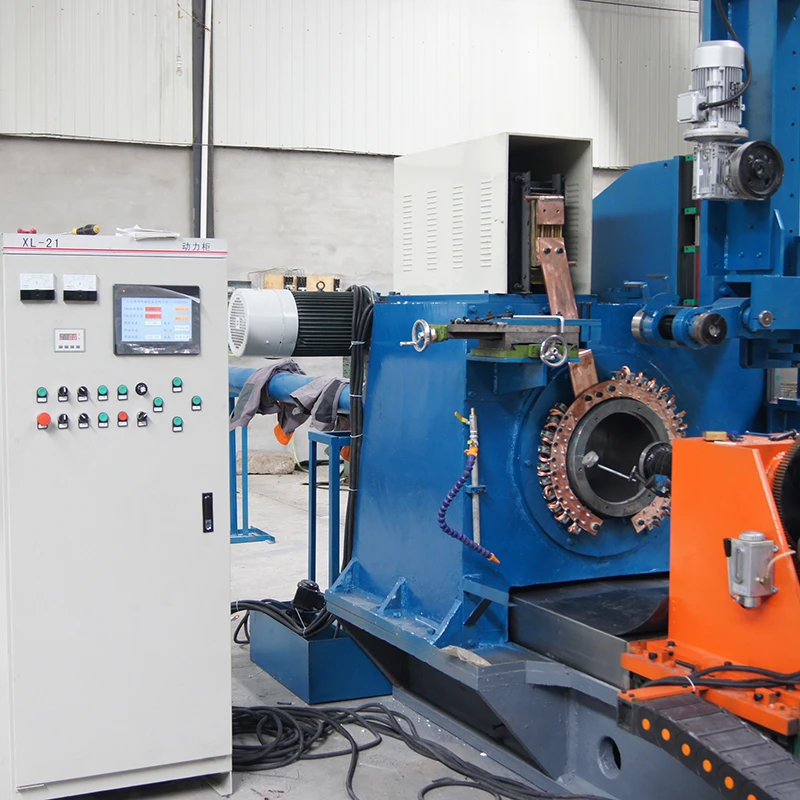
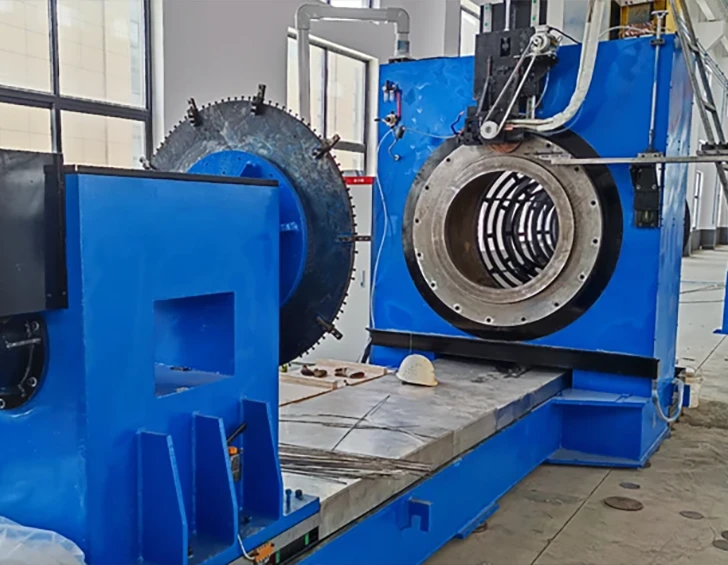
- Methods: roll-forming, resistance/TIG welding, laser-cut frames; pickling + passivation.
- Testing: slot gauge verification, dye-penetrant on critical welds (ASTM E165), hydraulic headloss bench tests; dimensional checks to ±0.5 mm.
- Documentation: MTCs, ITPs, and optional ISO 9001 QA pack; NSF/ANSI/CAN 61 available on request for potable service.
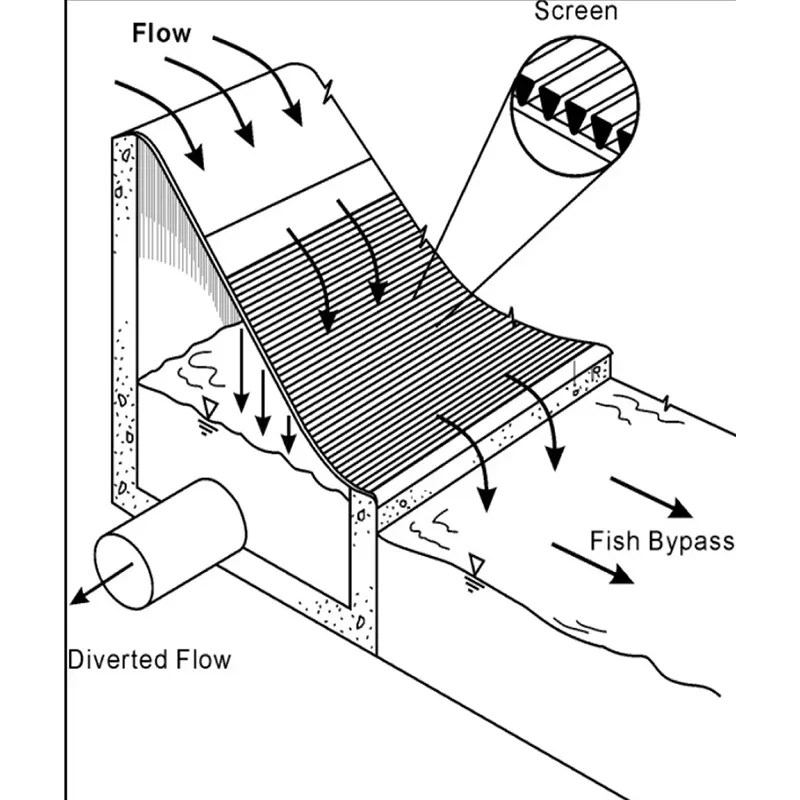
Vendor snapshot (what differs)
| Vendor | Min Slot | Max Width | Certs | Lead Time | Warranty |
|---|---|---|---|---|---|
| MutoScreen (Hehuang Rd., Anping, Hengshui) | 0.25 mm | ≈ 3.0 m | ISO 9001; NSF/ANSI 61 (option) | 3–6 weeks | 12–24 months |
| Vendor B (EU) | 0.3 mm | ≈ 2.5 m | ISO 9001 | 6–10 weeks | 12 months |
| Vendor C (US) | 0.5 mm | ≈ 2.0 m | ISO 9001 | 5–8 weeks | 12 months |
Real-world notes and data
- Headloss, clean screen: ≈ 6–12 mm at 120 L/s·m; with moderate debris: ≈ 15–25 mm (bench tests, lab water).
- Debris rejection: coarse organics down to slot size; approach velocity typically tuned ≤ 0.4 m/s for fish guidance criteria.
- Customer feedback: “once-a-week brush-down,” “no rotating brushes,” and “stable turbine output,” which honestly aligns with what I’ve seen.
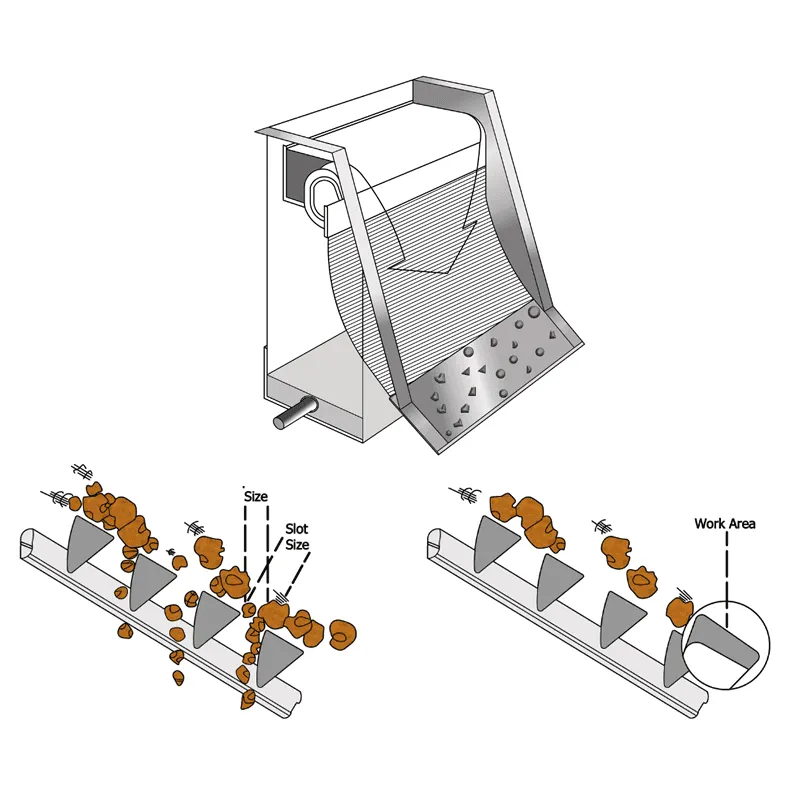
Customization
Custom curvature, slot mapping (mixed slots across the width), integral bypass gate, anti-ice heating pads, and fish-friendly flow conditioning. Frames can be hot-dip galvanized carbon steel with stainless screen when budgets are tight, though I prefer full 316L in brackish water.
Case snippets
- Mountain micro-hydro (≈110 kW): self-cleaning reduced daily rake time to weekly checks; headloss stayed under 20 mm during fall leaf drop.
- Municipal raw water intake: potable-compliant build; operators reported clearer screens compared with bar racks and no moving parts to service.
- Irrigation diversion: sediment load high; switched to larger wire profile with 0.75 mm slot to balance silt passage vs. weed exclusion.
If you’re pricing a Coanda Screen For Sale, don’t forget certification needs (ISO 9001, NSF/ANSI 61), local fish-screen criteria, and realistic lead times. Origin matters too—these units ship from Hehuang Road, Anping County, Hengshui, Hebei Province, which has a long-standing wire products supply chain.
Citations