Understanding Aggregate Screens: Essential Tools for Modern Material Processing
Aggregate screens are a quiet powerhouse behind many of the infrastructure projects, construction sites, and resource extraction operations that keep our cities running and economies growing worldwide. If you’re unfamiliar, aggregate screens are basically specialized machines that sort and separate mixed raw materials — like rocks, sand, gravel, or recycled construction waste — by size. This sorting is critical because it ensures materials meet precise standards for quality, usability, and safety before being used in concrete, road-building, or even humanitarian projects.
Why does this matter? Globally, as populations swell and urbanization accelerates, the demand for high-quality building materials is surging (the global construction market hit over $12 trillion in 2022 according to the World Bank). Efficient aggregate screening reduces waste, improves material quality, and supports sustainability efforts. Frankly, without effective screening, the entire chain of construction or resource recovery risks bottlenecks, delays, or safety issues.
What Are Aggregate Screens?
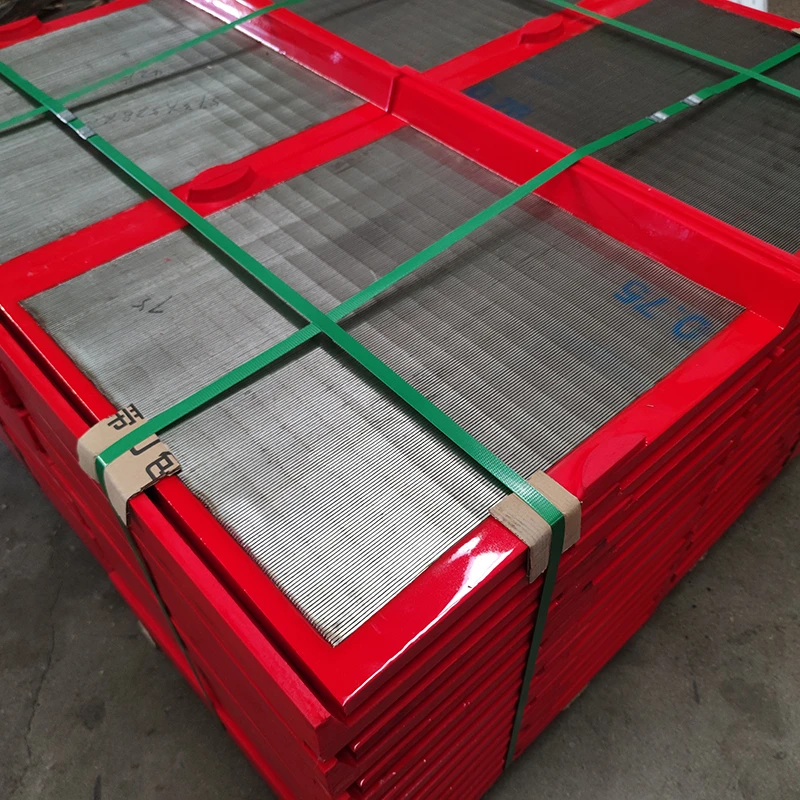
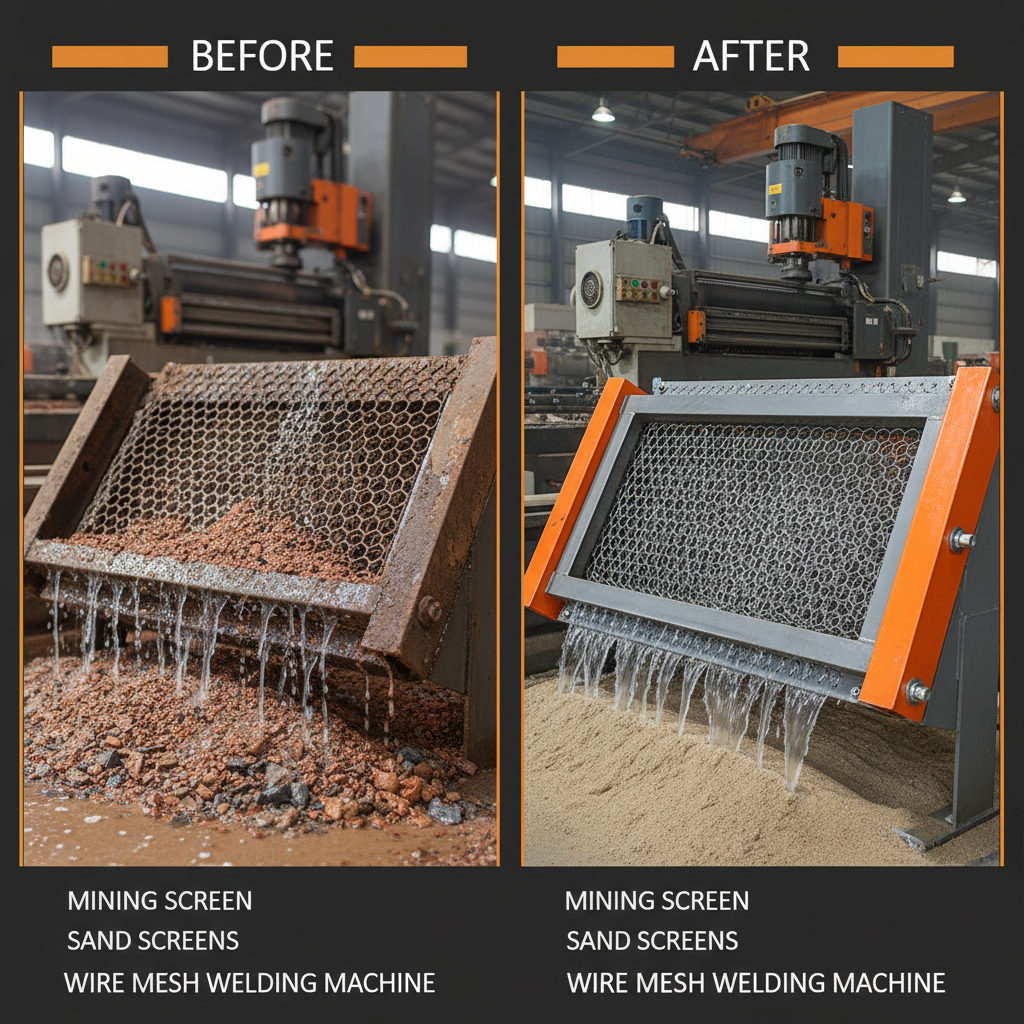
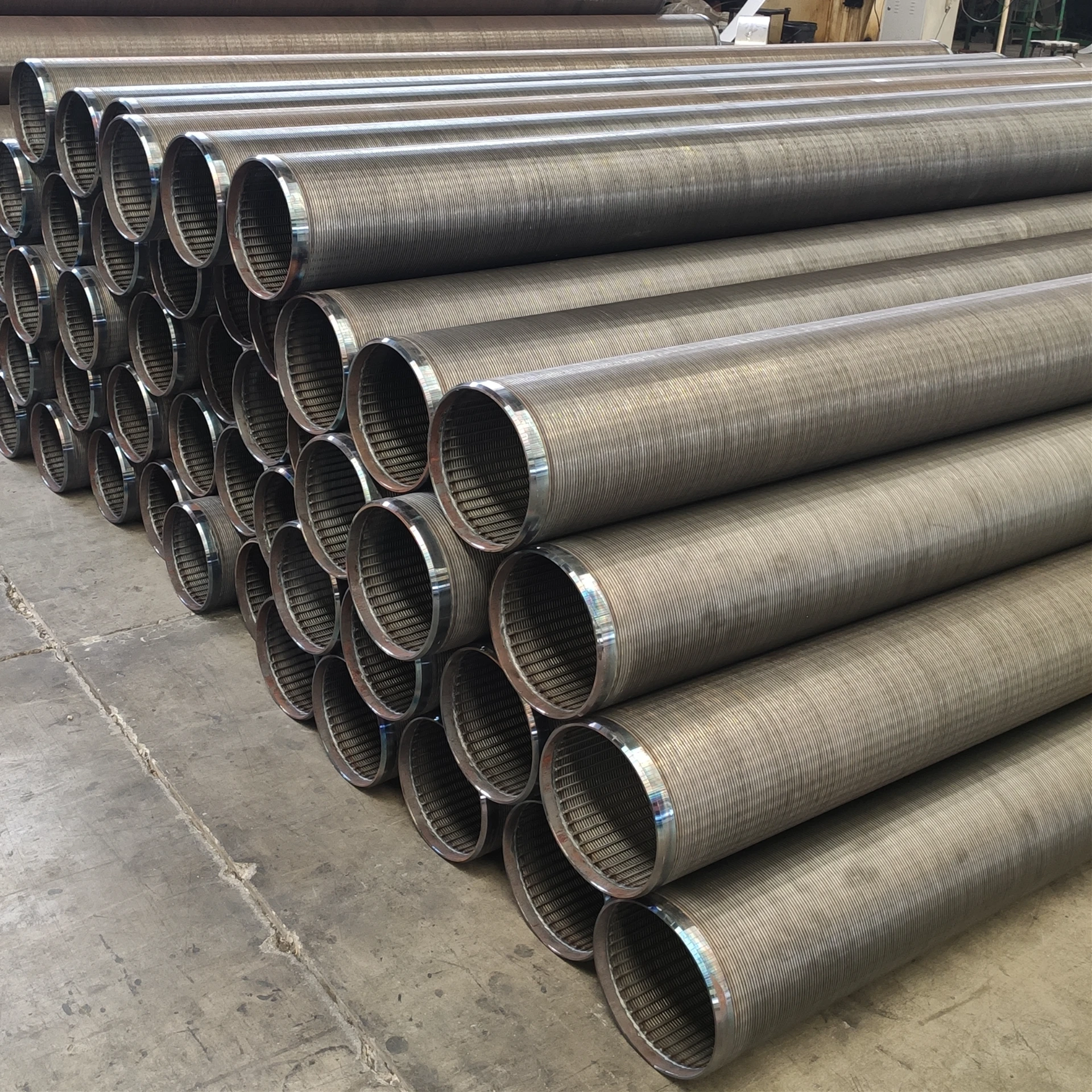
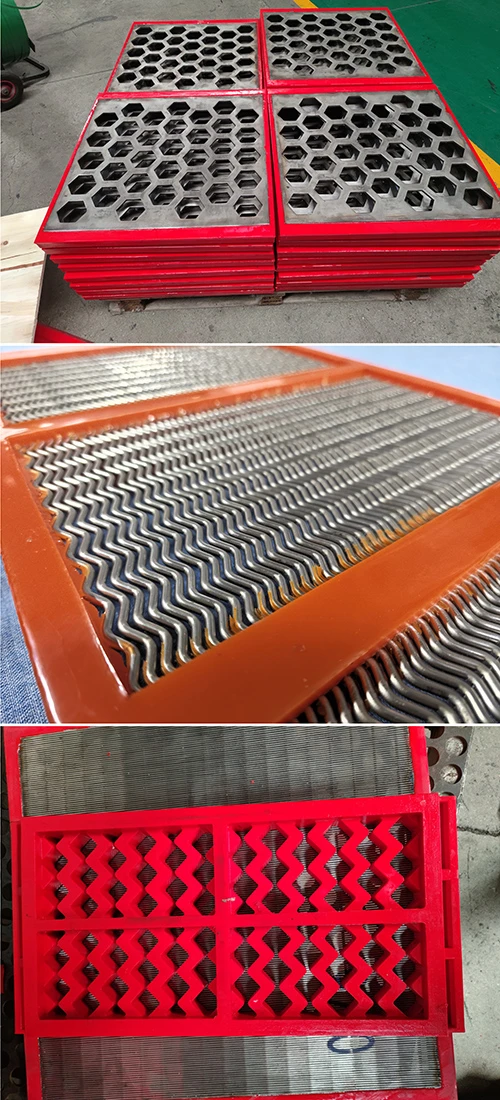
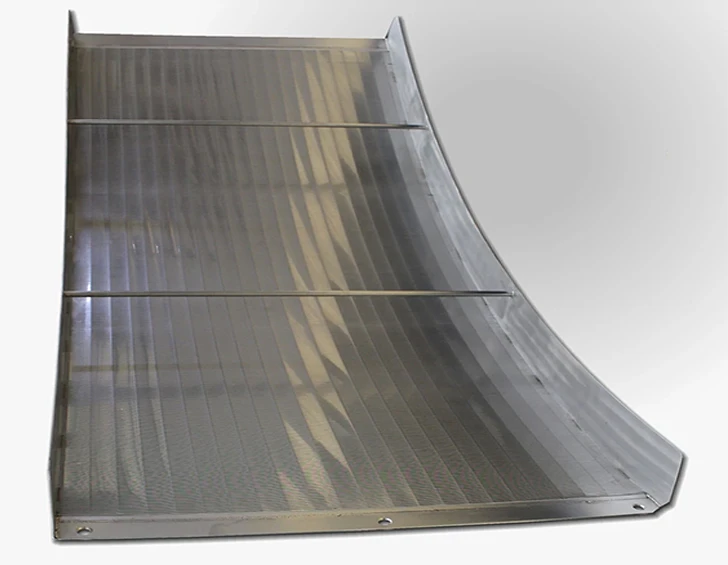
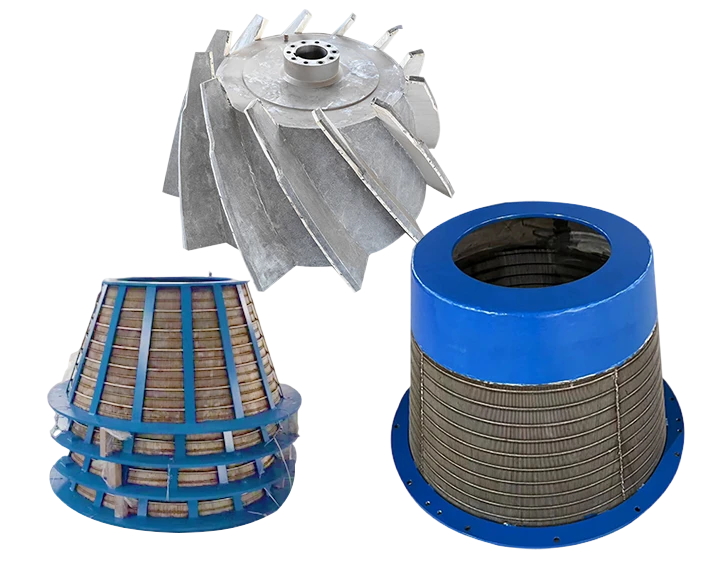
In simple terms, aggregate screens are mechanical devices equipped with layers of meshes or vibrating decks designed to separate particles by size. Think of them as massive sieves powered to handle tons of raw material every hour. The “aggregate” part refers to the mix of materials processed — often crushed stone, sand, gravel, or demolition debris — and the “screen” is the part that sorts these materials.
These machines play a huge role in industries from mining and quarrying to recycling and construction. They ensure materials are uniform, which is critical for product consistency — for instance, a road built with properly screened gravel lasts longer and prevents potholes. In humanitarian contexts, like post-earthquake rebuilding, quick access to screened aggregate can speed up shelter construction and infrastructure repair.
Key Components & Factors in Aggregate Screens
- Durability: Aggregate screens are built tough, often with steel frames and wear-resistant mesh, because they need to handle abrasive, heavy materials continuously.
- Scalability: From small portable units used onsite to huge fixed plants serving entire mining operations, screens come in varied sizes and capacities.
- Efficiency & Throughput: The design of vibrating motors, screen angle, and mesh size determines how fast and cleanly materials separate.
- Cost Efficiency: Both initial investment and maintenance costs matter, especially for operations in remote areas or emerging economies.
- Versatility: Modern aggregate screens often allow quick mesh changes to handle different types of materials or grades.
- Environmental Compliance: Dust control features and low energy consumption are increasingly standard to meet strict environmental regulations.
Mini takeaway: A good aggregate screen balances endurance, flexibility, and cost — factors that directly impact operational success.
Global Applications and Real-World Use Cases
Aggregate screens are everywhere, sometimes invisibly underpinning infrastructure:
- Quarries in Europe and North America use advanced multi-deck screens to sort high volumes of stone for roads and buildings.
- Africa and Asia see rising demand for portable screens deployed in small-scale mining or off-grid construction projects.
- In post-disaster relief efforts, NGOs leverage aggregate screens to quickly process local rubble into reusable materials, reducing reliance on imports.
- Recycling plants globally utilize screening to separate demolition debris into reusable fractions, supporting circular economy goals.
For example, after the 2015 Nepal earthquake, local organizations employed mobile aggregate screens to turn debris into building blocks — significantly accelerating rebuilding efforts. Oddly enough, these machines also support innovative projects like artificial island reclamation in coastal cities, ensuring foundation materials meet strict engineering standards.
Aggregate Screens Product Specifications at a Glance
| Feature | Typical Value | Remarks |
|---|---|---|
| Screen Deck Size | 4 ft x 10 ft to 8 ft x 20 ft | Varies by model; larger decks process higher volumes |
| Vibration Frequency | 900-1800 RPM | Adjustable to optimize material flow |
| Screen Mesh Size | 0.5 mm – 50 mm | Customizable based on material grade |
| Capacity | 10-400 tons/hr | Dependent on screen size & material type |
| Power Source | Electric or Diesel engines | Options for onsite electricity or standalone |
Vendor Comparison: Popular Aggregate Screen Manufacturers
| Feature | Brand A | Brand B | Brand C |
|---|---|---|---|
| Deck Sizes | Up to 8x16 ft | Custom sizes available | Standard 6x12 ft |
| Screening Capacity | 50-300 t/h | 40-250 t/h | 30-200 t/h |
| Mobility | Fixed & portable models | Mostly portable | Fixed only |
| Energy Efficiency | High-efficiency motors | Standard motors | Energy-saving options |
| Price Range | $$$ | $$ | $ |
Advantages and Long-Term Benefits of Effective Aggregate Screening
The benefits are pretty compelling. Properly screened aggregate improves product quality, ensures reliability in construction, reduces raw material wastage, and can even lower operational costs by limiting equipment wear downstream. Additionally, from a sustainability standpoint, optimizing material reuse and recycling through screening supports circular economy initiatives — a crucial goal for many countries seeking ISO 14001 certification or adhering to international environmental standards.
On an emotional level, using well-screened materials also builds trust with communities and clients. Builders know their roads won’t crumble; disaster survivors can count on durable shelters; governments save tax dollars. It all adds up to a more resilient, sustainable future. And frankly, there’s a quiet satisfaction in knowing that a simple machine like this can support dignity and progress across the globe.
Looking Ahead: Future Trends in Aggregate Screens
The industry is evolving rapidly. We’re seeing growing adoption of automation and sensor integration to monitor throughput and wear in real time. Some manufacturers use AI algorithms to optimize screening parameters dynamically, boosting efficiency while reducing downtime. Materials research is introducing advanced alloys and coatings to extend screen life.
Another exciting trend is the rise of eco-friendly designs incorporating solar-powered units and dust suppression technologies — fitting for stricter emissions laws and greener supply chains. Looking even further, 3D printing could revolutionize custom parts manufacturing for screens, enabling rapid field repairs or bespoke configurations.
Challenges and Solutions in Aggregate Screens
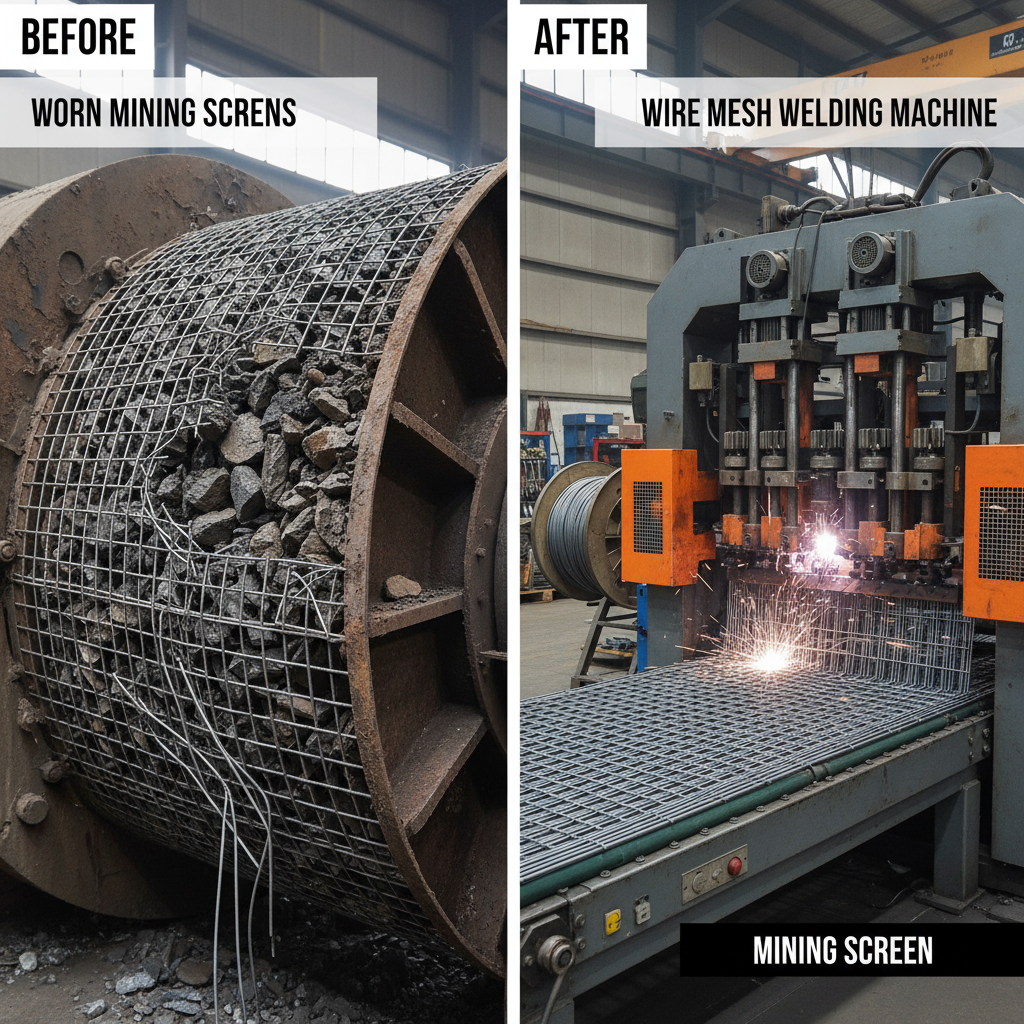
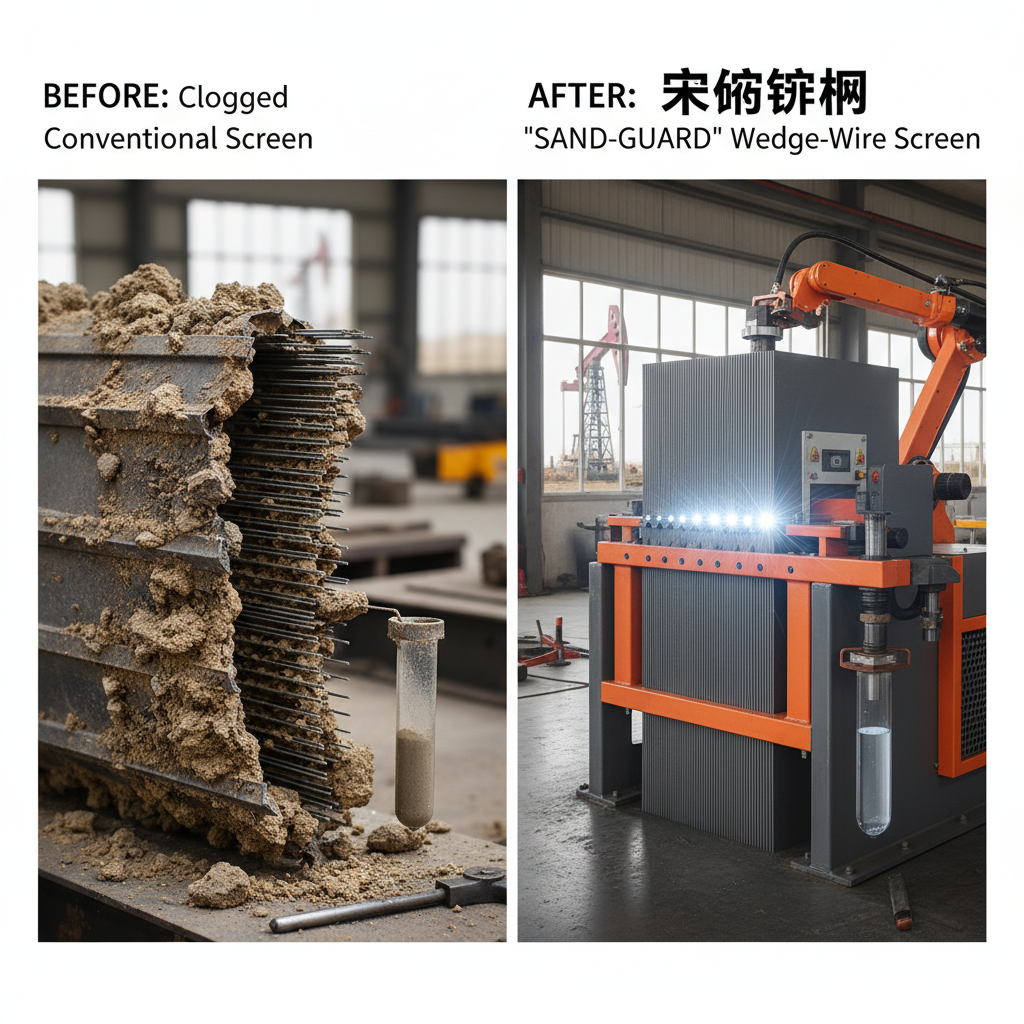
Challenges remain — abrasive wear, maintenance downtime, and site logistics can complicate operations. Field teams often face tough tradeoffs between mobility and throughput. Poor mesh selection can cause clogging, reducing efficiency.
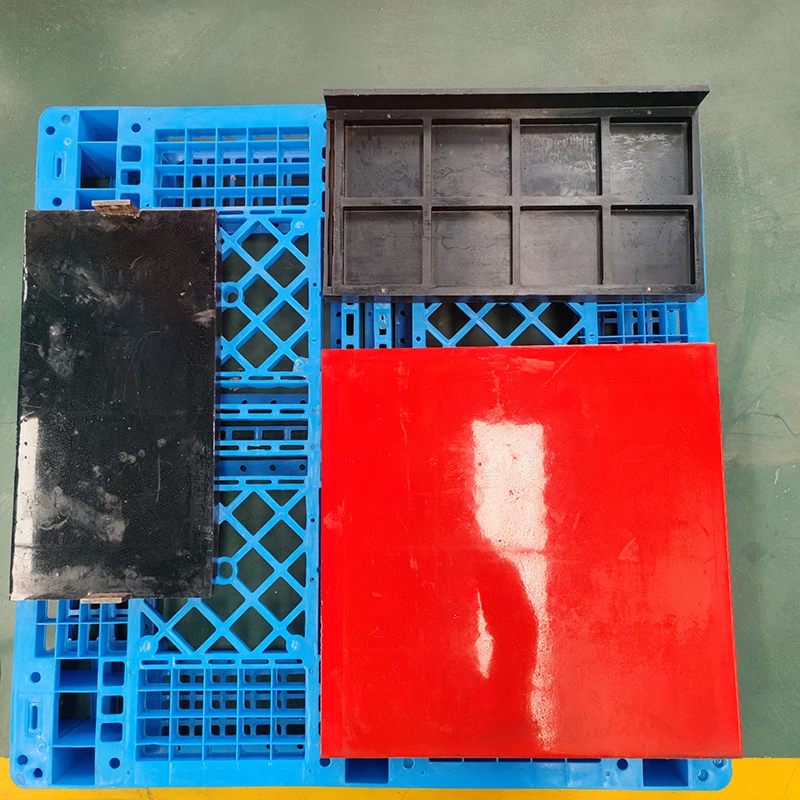
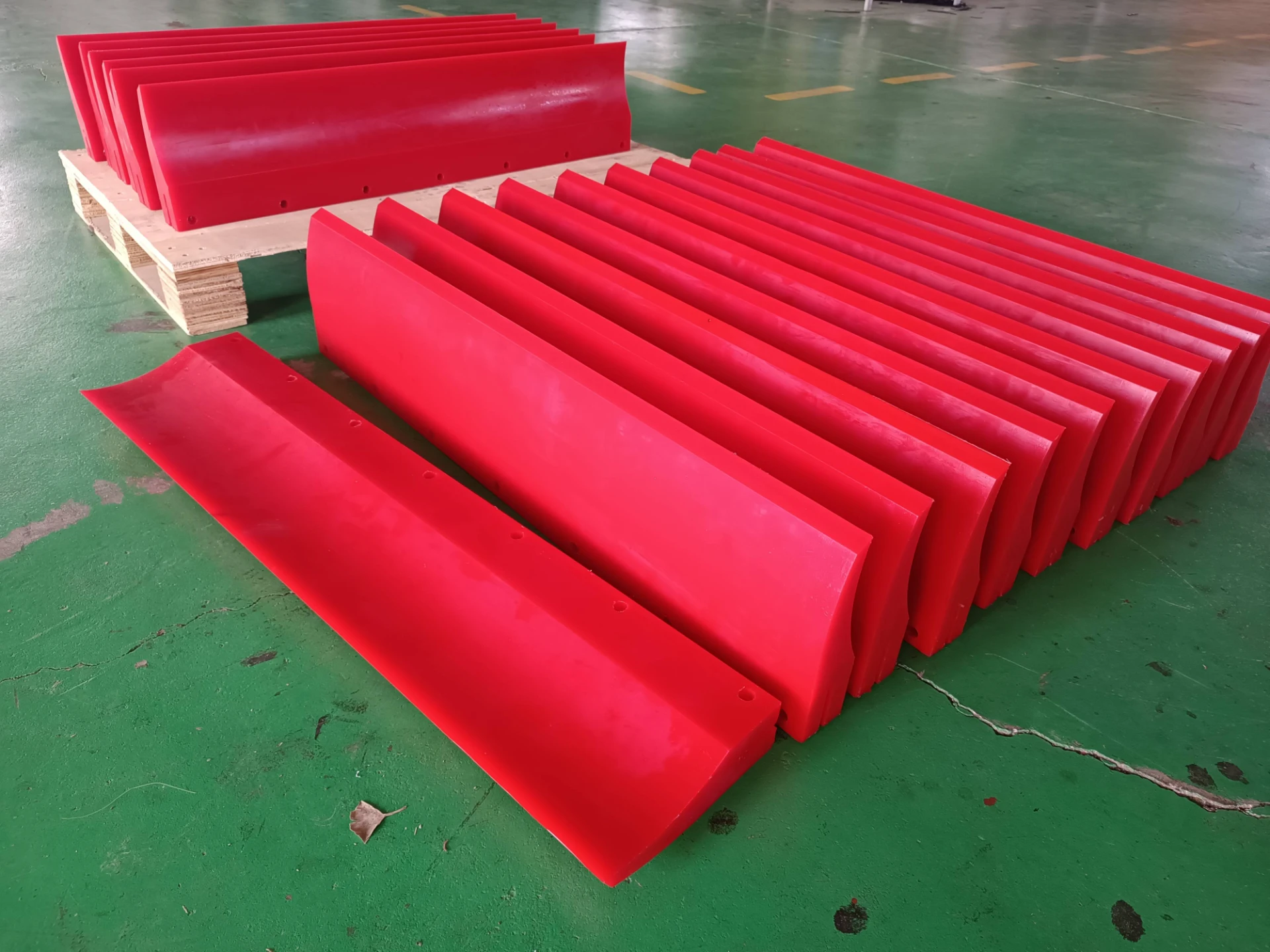
Innovative solutions include adopting modular screen panels for fast swaps, using wear-resistant polyurethane mesh, and implementing predictive maintenance schedules based on IoT sensor data. Training operators on site-specific material characteristics also dramatically improves outcomes. In short, knowledge plus adaptable equipment = success.
FAQ: Frequently Asked Questions About Aggregate Screens
- Q: How do I choose the right aggregate screen for my operation?
- A: Consider material types, required throughput, site mobility needs, and budget. It’s helpful to consult with vendors and review performance data to select an optimum deck size and mesh configuration.
- Q: What maintenance is required for aggregate screens?
- A: Regular inspection of screen mesh for wear, vibration motor maintenance, and cleaning of dust and debris are key. Implement a maintenance schedule based on manufacturer guidelines and workload.
- Q: Can aggregate screens handle recycled construction materials?
- A: Yes, they are widely used to separate and grade recycled concrete, asphalt, and other demolition debris for reuse.
- Q: Are portable aggregate screens less efficient than fixed models?
- A: Generally, fixed screens handle larger volumes, but portable models offer flexibility for onsite jobs or remote locations, often equipped with efficient features.
Conclusion
Aggregate screens might not grab headlines like skyscrapers or high-tech gadgets, but their role is foundational. These machines make sure the materials that shape our world are up to the task — strong, consistent, and sustainable. In the long run, investing in the right aggregate screening technology means safer infrastructure, less waste, and a more circular economy.
If you’re interested in exploring quality aggregate screens and solutions tailored to your needs, I strongly recommend checking out aggregate screens and related products from leading providers. It can make a genuine difference in your project’s success—trust me on that.
A final reflection: sometimes, the smallest parts of a project—like how well you screen materials—can be the biggest determinants of success.