Self-Cleaning Mesh: Revolutionizing Filtration and Protection
At its core, self-cleaning mesh is exactly what it sounds like — a mesh material that can rid itself of dirt, debris, and contaminants automatically. But why does that matter so much today, globally? It’s a deceptively simple innovation with big ramifications, especially as industries and communities wrestle with contamination, maintenance costs, and health risks. Understanding self-cleaning mesh helps us grasp how advanced materials can solve everyday problems — from improving water filtration to boosting air quality — while reducing human labor and waste. Frankly, it’s one of those innovations quietly poised to improve environmental resilience and public health worldwide.
Introduction: Why Self-Cleaning Mesh is More Relevant Than Ever
Globally, the need for effective filtration and protective barriers has skyrocketed. According to the United Nations, water scarcity affects over 2 billion people worldwide, often compounded by water contamination issues (UN Water Facts). Combine that with rising urban pollution, industrial emissions, and the growing importance of hygiene post-pandemic, and the urgency becomes clear. Conventional meshes often clog or require frequent manual cleaning, which is costly and sometimes impossible in remote or sensitive environments. Self-cleaning mesh steps into this gap by offering a solution that reduces maintenance and downtime — a true game-changer for industries, humanitarian efforts, and environmental applications alike.
Mini takeaway: Self-cleaning mesh addresses persistent filtration and maintenance hurdles, making it indispensable in water management, air quality control, and beyond.
What Is Self-Cleaning Mesh?
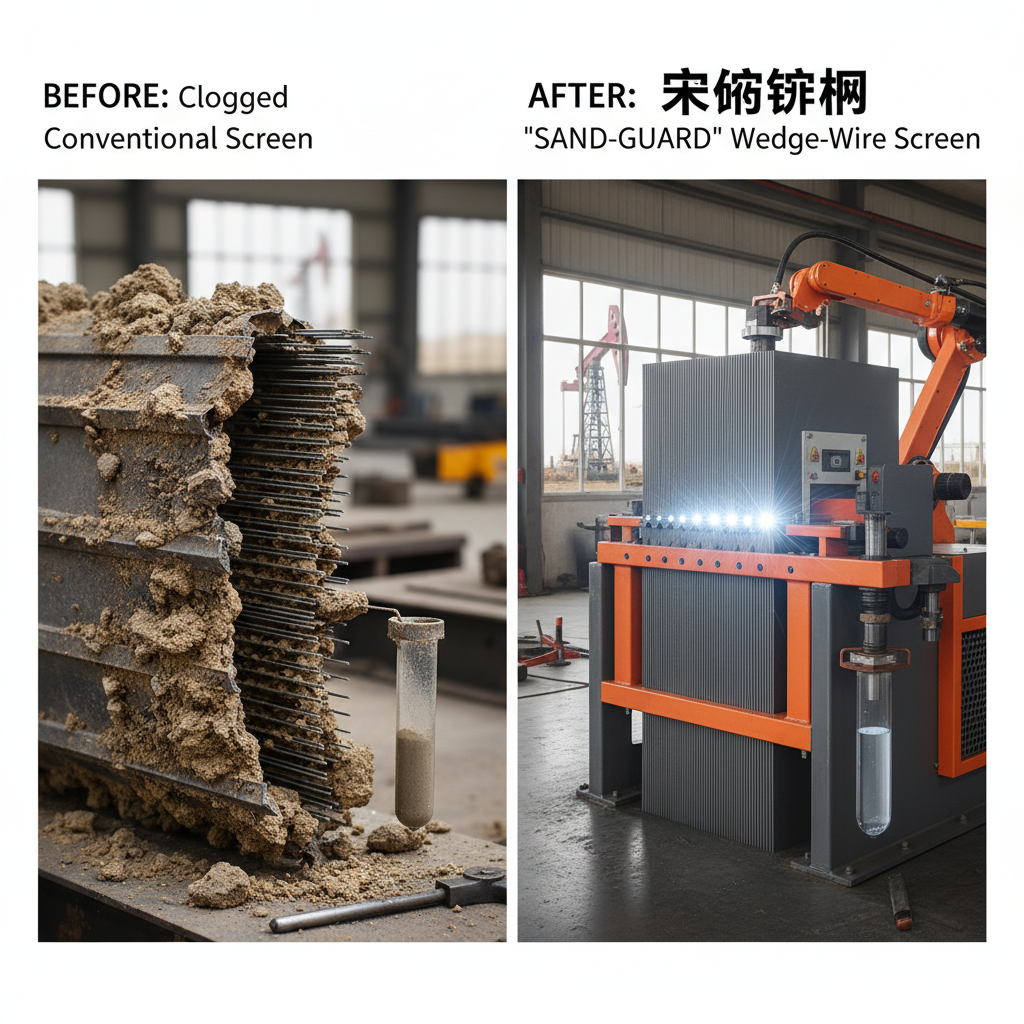
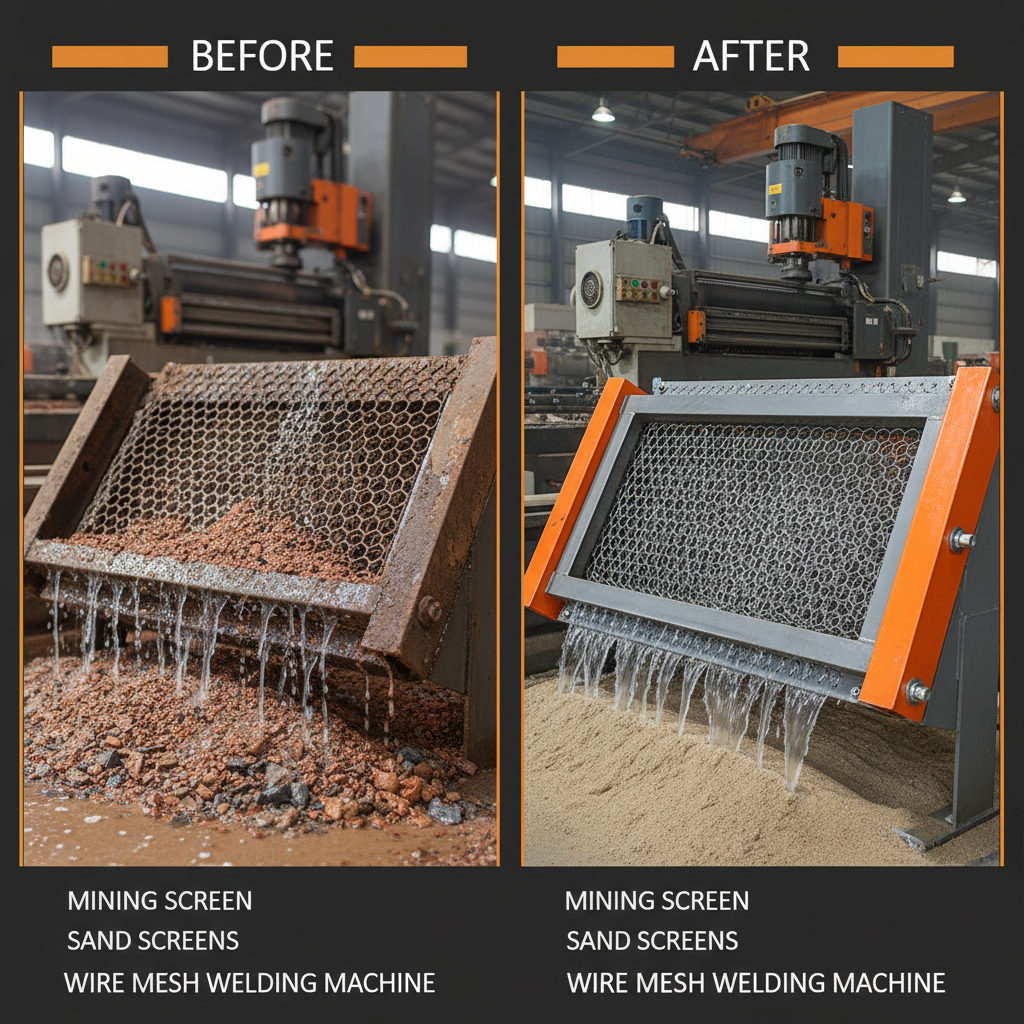
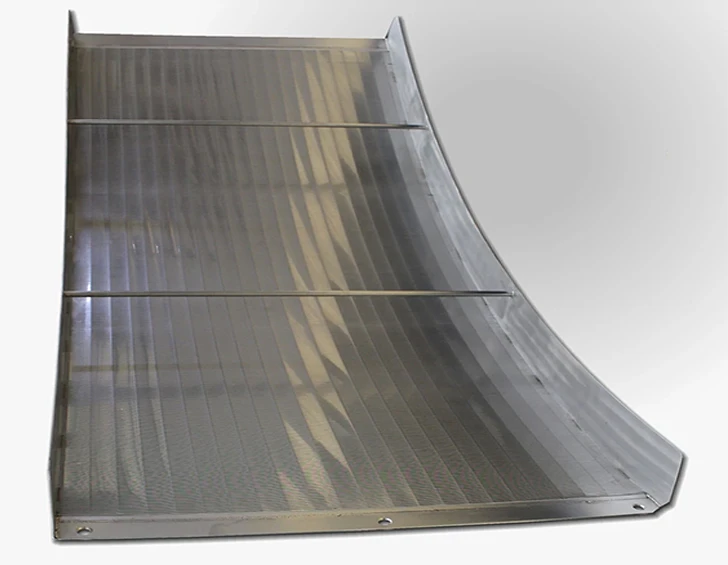
Simply put, a self-cleaning mesh is a specially engineered screen or fabric that resists fouling and automatically removes particles that would otherwise clog it. Think of it like a screen door that shakes off dirt on its own or a water filter that cleans without disassembly. This property typically arises from innovative coatings, surface textures, or embedded nano-materials that repel contaminants or use physical mechanisms (like vibration or flow dynamics) to keep clean.
Self-cleaning meshes are more than industrial novelties; they connect deeply with humanitarian needs (clean water access in remote areas) and cutting-edge industries (semiconductor manufacturing, environmental hygiene). They bridge the gap between functionality and sustainability.
Key Factors Defining Self-Cleaning Mesh
Durability
The mesh must withstand harsh environments — chemicals, UV rays, abrasion — without degrading. Longevity is key, especially for outdoor or industrial use.
Cost Efficiency
While initial costs can be higher than traditional meshes, the reduction in manual cleaning time, replacement frequency, and downtime often means substantial savings long-term.
Scalability
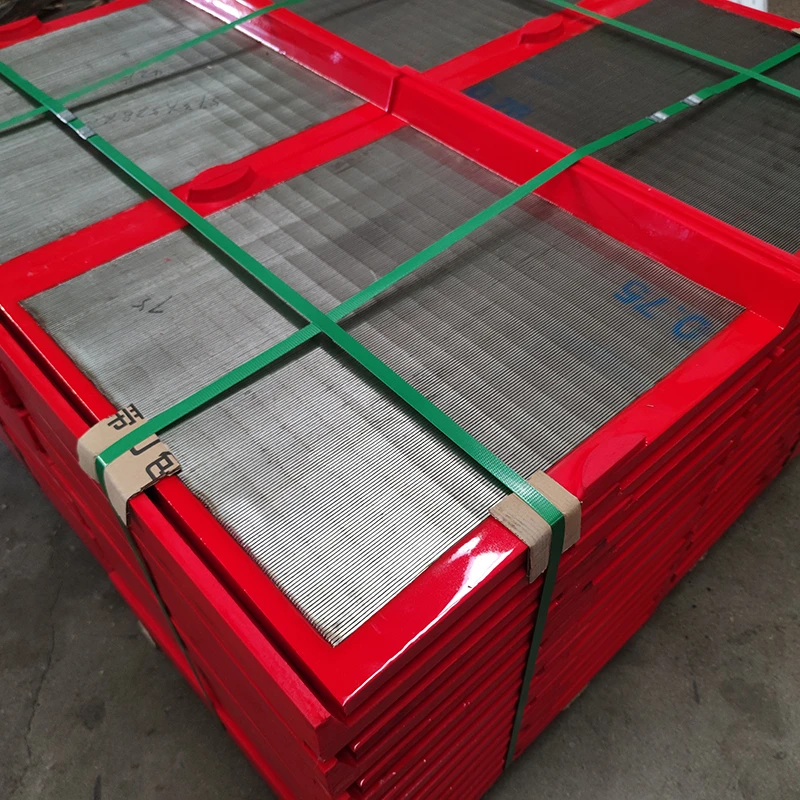
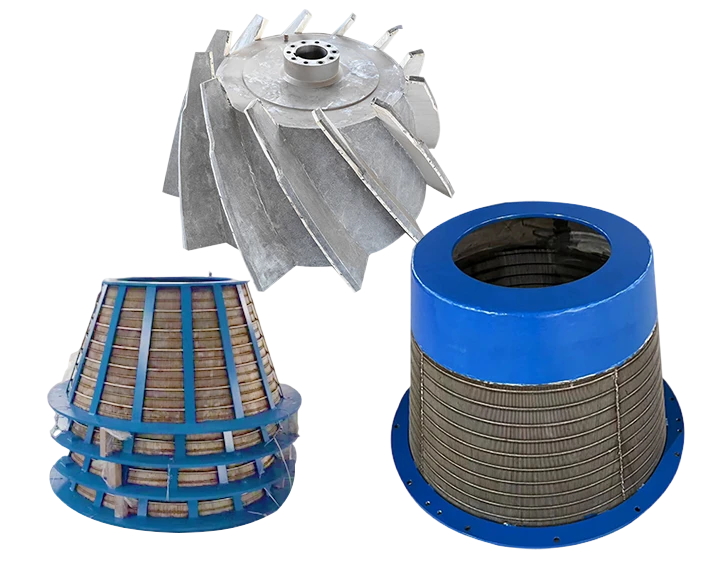
Good self-cleaning mesh solutions can be made at various scales—from small filter inserts to large industrial-sized panels—allowing broad application.
Environmental Compatibility
Many designs prioritize eco-friendly materials or coatings to minimize pollution and align with global sustainability goals. Some are even biodegradable.
Performance Consistency
The mesh should maintain filtration ability and self-cleaning efficiency over repeated use cycles, without decline.
| Feature | Typical Specification | Benefit |
|---|---|---|
| Material | Stainless Steel or Polymer Composite | Corrosion resistance, flexibility |
| Coating Type | Hydrophobic / Superhydrophobic Nano-coating | Repels water and debris to prevent clogging |
| Mesh Aperture | 20–100 Microns | Balances filtration and flow rate |
| Operating Temperature | -40°C to 150°C | Widely applicable across industries |
| Self-Cleaning Cycle | Every 4-12 hours (variable) | Sustains filtration efficiency effortlessly |
Mini takeaway: Understanding these features clarifies why self-cleaning mesh often proves a cost-effective and durable upgrade in various scenarios.
Global Applications and Use Cases
The beauty of self-cleaning mesh is its versatility. For instance, in post-disaster relief operations, clean water access is critical. Rapid deployment filters equipped with self-cleaning mesh minimize clogging caused by debris and bacteria, ensuring survivors get safe water without the logistical nightmare of constant filter replacement.
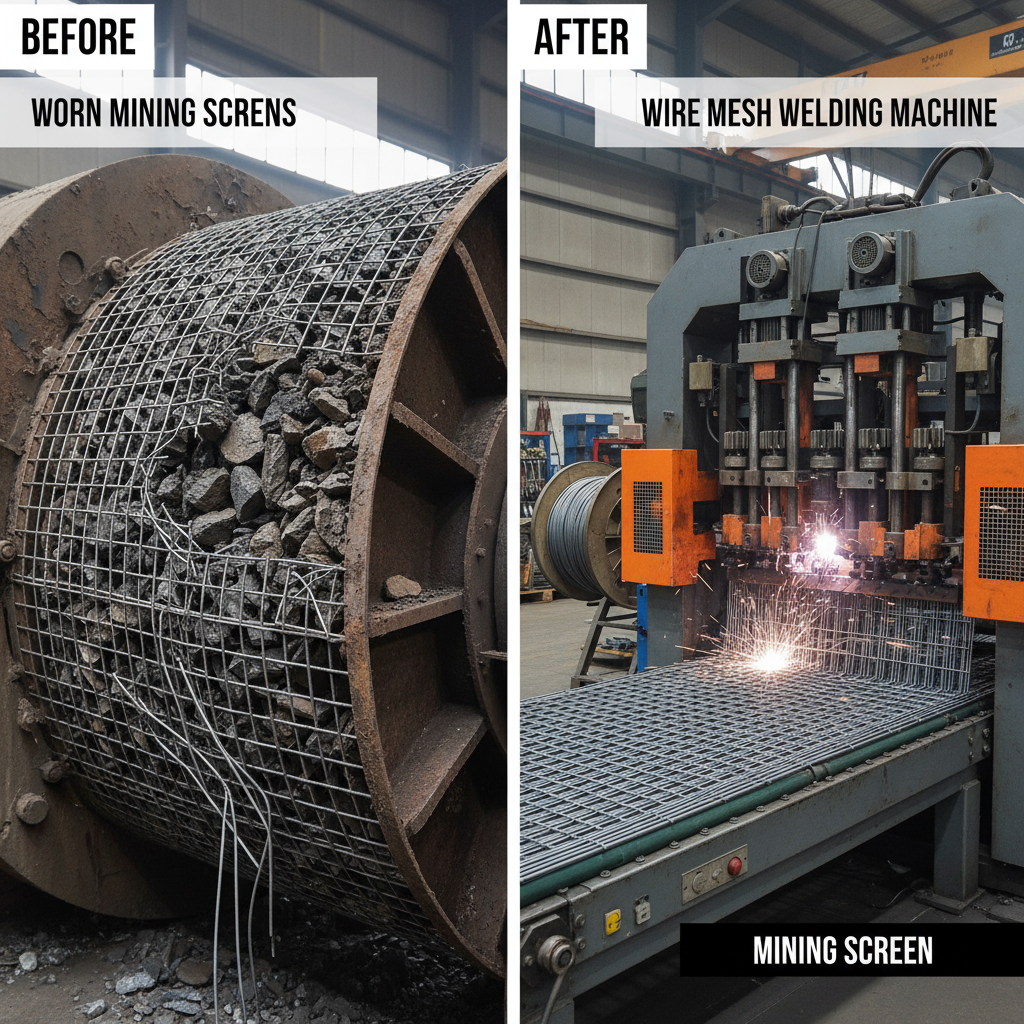
In industrial zones, such as chemical plants or mining operations in Australia and Canada, meshes guard against particulate pollution with minimal downtime. These meshes’ resistance to chemical degradation is a lifesaver (literally and figuratively).
On a grander scale, countries focused on sustainability use self-cleaning meshes in urban air filtration systems, reducing smog and particulate matter in highly polluted cities like Delhi or Beijing.
Vendor Comparison: Leading Self-Cleaning Mesh Providers
| Vendor | Material Tech | Customization | Price Range | Best Use Case |
|---|---|---|---|---|
| NanoClean Solutions | Superhydrophobic coatings on stainless steel | High customization | $$$ | Industrial & municipal filtration |
| BioMesh Technologies | Biodegradable polymers with embedded anti-microbial agents | Medium customization | $$ | Humanitarian & environmental applications |
| FlowGuard Mesh | Vibrating mesh filters with nano-coatings | Low customization | $ | Small-scale industrial and commercial use |
Advantages & Long-Term Value
- Reduced Maintenance Costs: Less frequent cleaning cycles save labor and replacement expenses.
- Sustainability: By extending mesh lifetime and reducing waste, it aligns with environmental goals.
- Improved Safety & Dignity: Ensures safer water and air, especially in vulnerable communities.
- Reliability: Consistent filtration performance boosts trust in critical infrastructure.
Oddly enough, many engineers say incorporating self-cleaning mesh feels like future-proofing your system — less fuss now, fewer headaches later.
Future Trends & Innovations
Looking ahead, we see a surge in green energy-powered self-cleaning mechanisms (solar or kinetic energy-driven vibration) and smarter materials integrating IoT sensors for real-time filtration status. Expect bio-inspired surface coatings mimicking lotus leaves or insect wings that naturally repel debris. Policy-wise, increasing environmental regulations worldwide push industries to adopt such innovations.
Challenges & Solutions
Naturally, it’s not all perfect. Some self-cleaning meshes underperform in highly viscous or oily environments. Coating wear over time remains a concern, requiring ongoing research. Experts recommend combined approaches — pairing self-cleaning surfaces with automated flushing or backwashing systems to maximize effectiveness. Sourcing eco-friendly materials without compromising durability also remains an ongoing balancing act.
FAQ: Frequently Asked Questions About Self-Cleaning Mesh
Q1: How does self-cleaning mesh save money in the long run?
It reduces manual labor, cleaning downtime, and extends filter lifespan, meaning fewer replacements and less maintenance-related production halts. Over years, this represents significant cost savings.
Q2: Can self-cleaning mesh be customized for harsh chemical environments?
Yes, vendors offer coatings and materials resistant to specific chemicals — making them usable in industries like petrochemicals and wastewater treatment.
Q3: How often does self-cleaning mesh need to be replaced?
Replacement intervals vary depending on the environment but typically range from 2 to 5 years, much longer than conventional meshes.
Q4: Are self-cleaning meshes environmentally friendly?
Many models use sustainable materials or coatings; plus, their longevity reduces waste, contributing positively to environmental goals.
Q5: How can humanitarian organizations acquire self-cleaning mesh solutions?
Many vendors provide international shipping and partnerships. Organizations should look for certified suppliers with proven track records and seek guidance on local regulations.
Conclusion
Simply put, embracing self-cleaning mesh is about merging innovation with practical impact. It not only improves filtration and protection but promotes sustainability, reduces costs, and safeguards health. If you want to explore how these meshes can fit your specific needs, visit our website for detailed solutions and expert advice. The future of cleaner, smarter filtration is already here — and it’s self-cleaning.
In real terms, adopting self-cleaning mesh feels like installing peace of mind.