Understanding Self Cleaning Wire Mesh: What It Is and Why It Matters Globally
Self cleaning wire mesh is one of those clever engineering solutions that quietly solves everyday and industrial challenges — from keeping water systems clear to enhancing filtration efficiency. Globally, as we grapple with environmental changes, infrastructure aging, and the need for smarter resource management, the role of such innovations can't be overstated. It might sound niche but understanding these meshes unlocks better designs for sustainable industry and humanitarian missions worldwide.
Introduction: The Global Context of Self Cleaning Wire Mesh
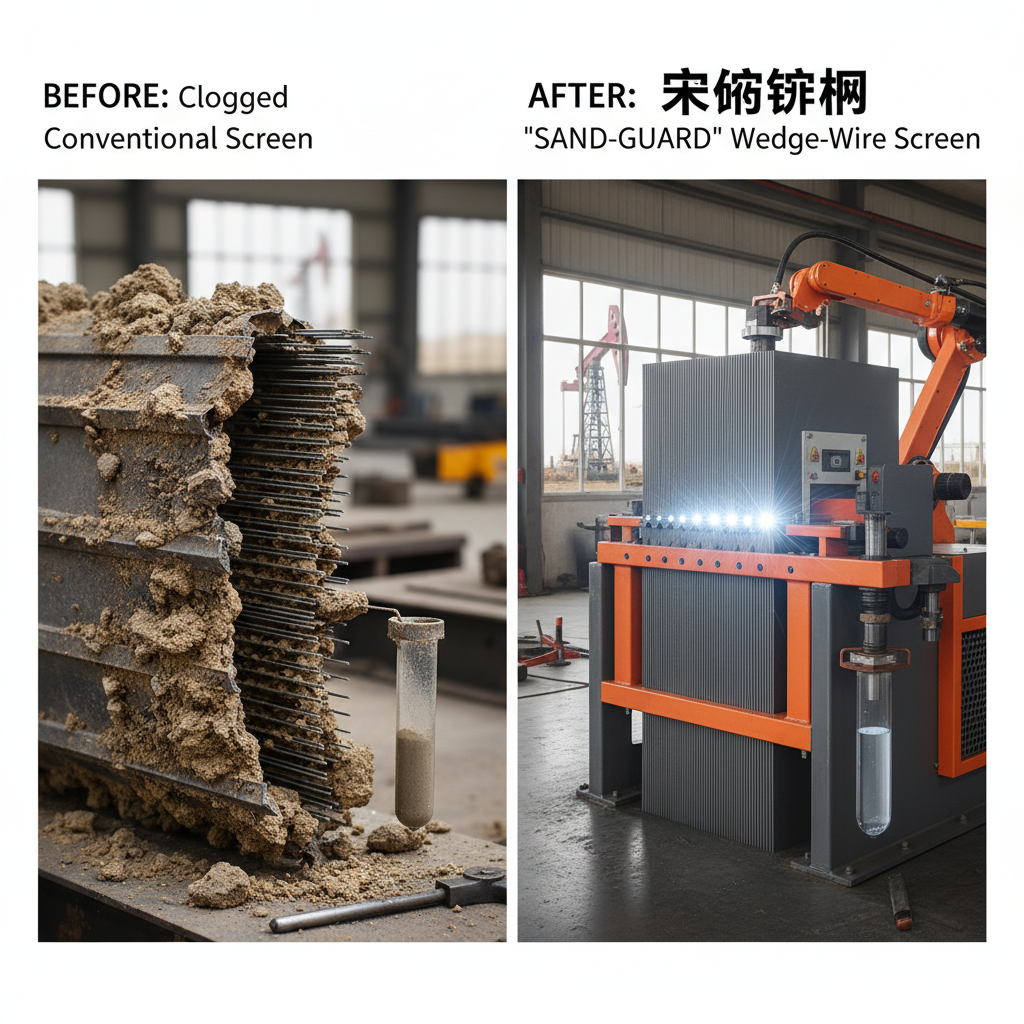
Across the world, water scarcity, pollution, and costly maintenance of filtration systems burden industries and communities alike. According to the UN Water Report 2018, 2 billion people live in water-stressed areas. Industrial processes, wastewater treatment, and potable water supply systems all rely on filtration to work efficiently. Yet, conventional wire mesh filters often clog, requiring frequent cleaning or replacement — which increases cost and environmental impact.
Enter the self cleaning wire mesh: designed to resist clogging by automatically shedding debris, this technology significantly improves operational uptime and reduces manual labor and resource expenditure.
What Is Self Cleaning Wire Mesh?
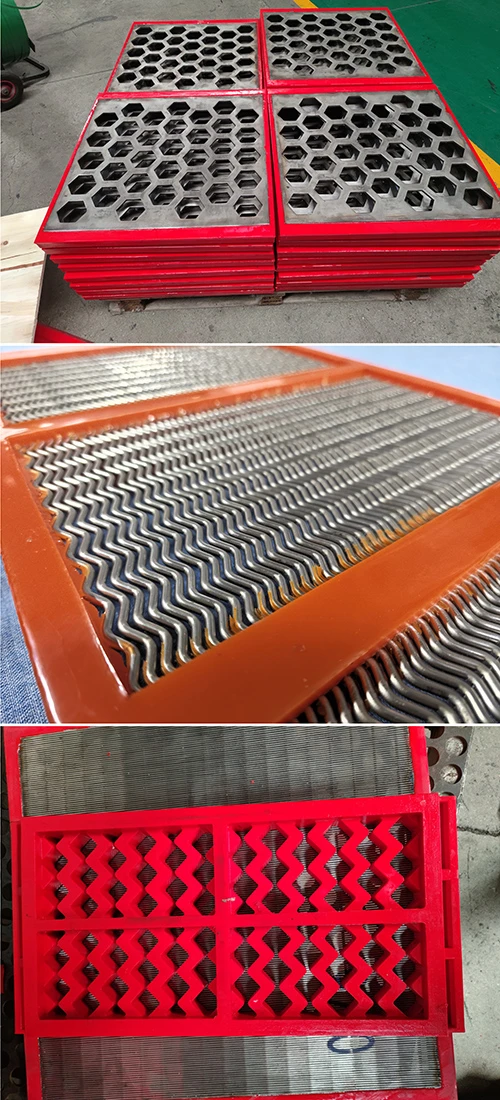
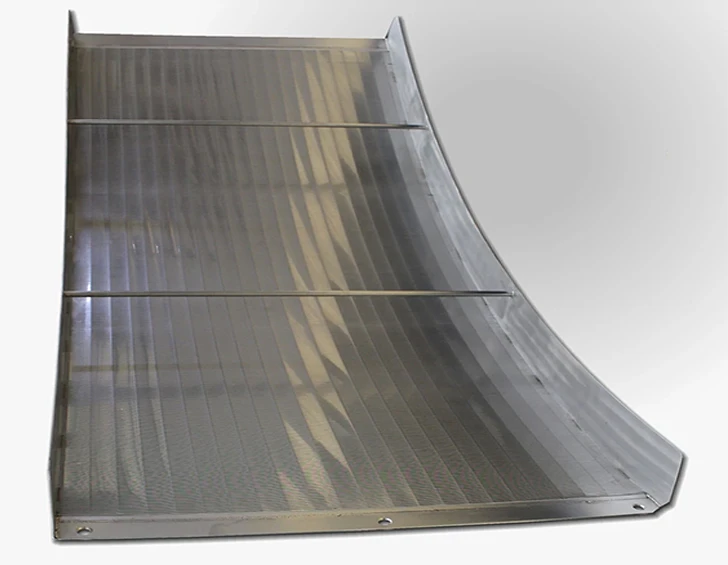
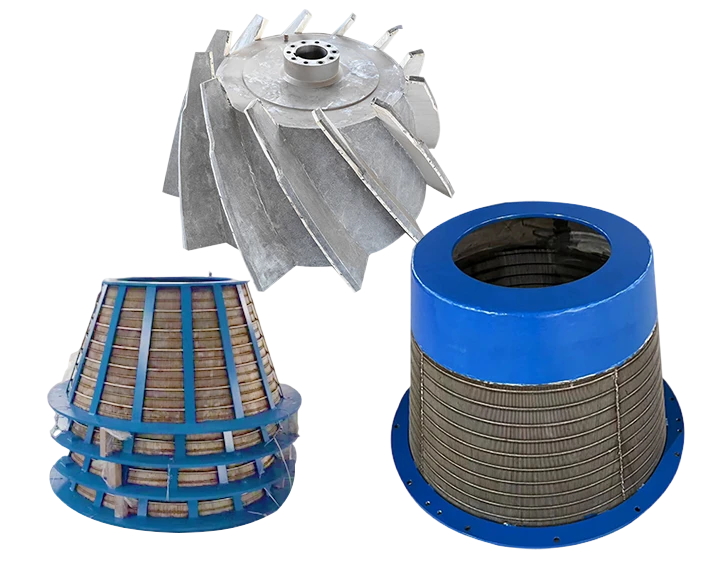
In simple terms, a self cleaning wire mesh is a wire mesh filter or screen that has the ability to clean itself without continuous human intervention. This is achieved through specialized mesh design, material properties, or accompanying mechanical actions like vibration or back flushing.
Its connection to modern industries is prominent — especially in water treatment, food production, chemical processing, and even post-disaster humanitarian efforts where quick, reliable filtration and durability matter most.
Key Factors in Self Cleaning Wire Mesh
1. Durability
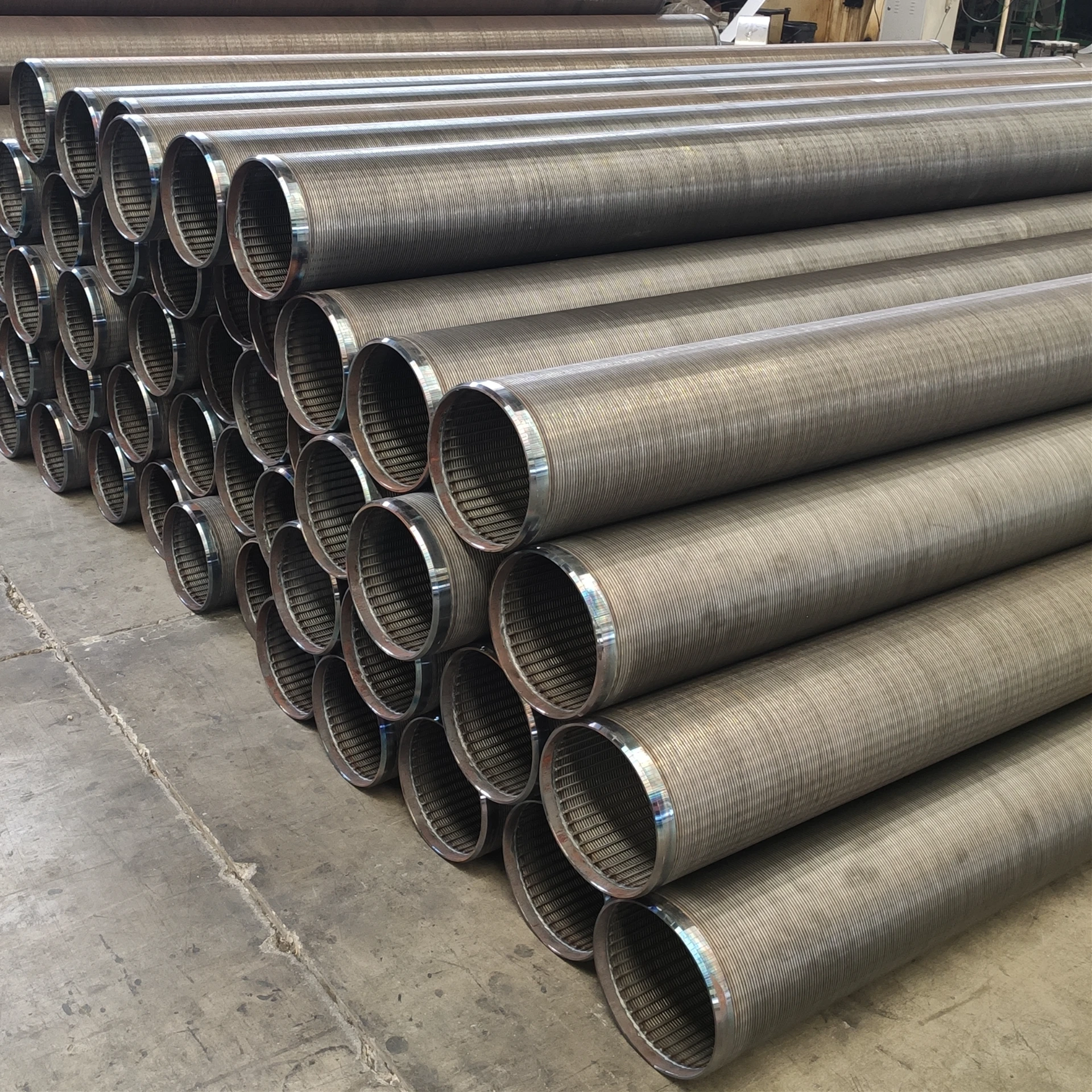
These meshes are often made from stainless steel or innovative alloys to resist corrosion and mechanical wear. Durability directly impacts the lifespan and reliability of filtration systems, especially in harsh environments.
2. Clogging Resistance
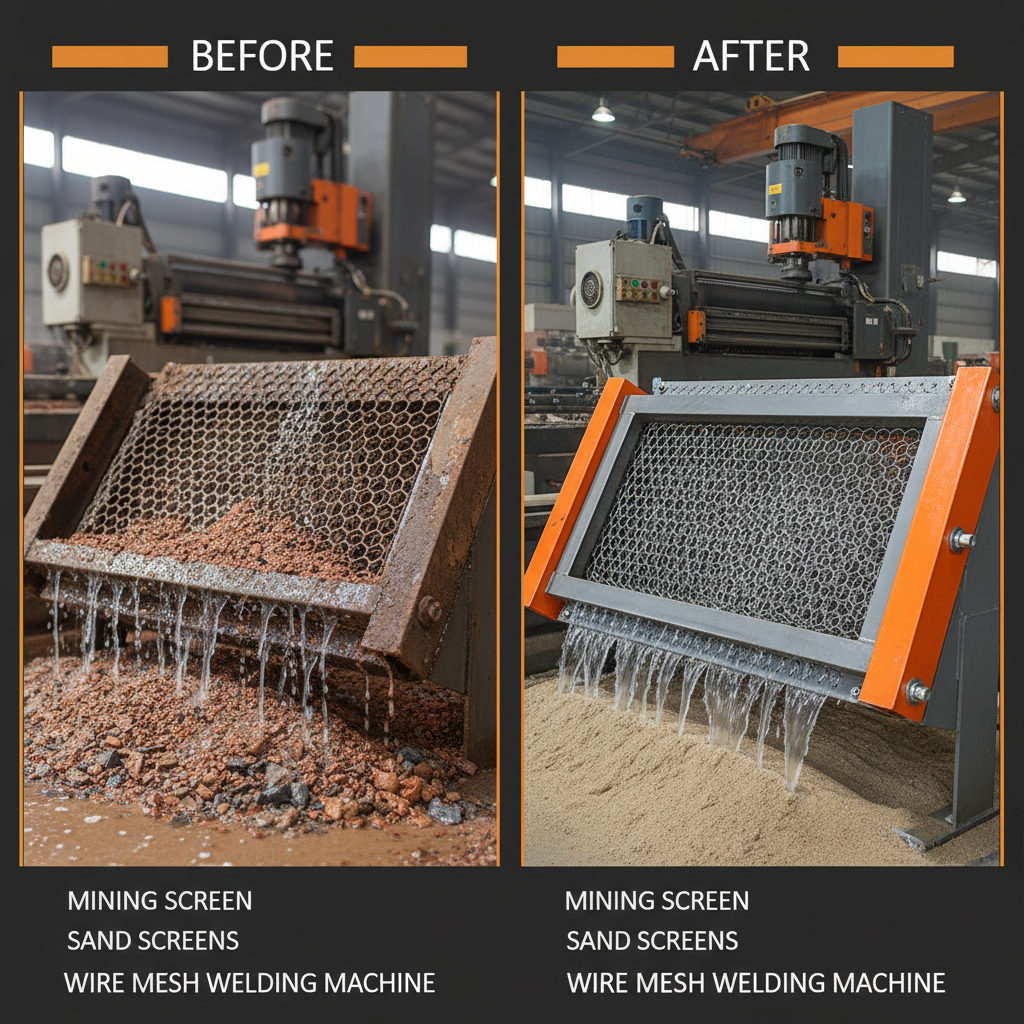
The core design involves mesh geometry and surface treatments that minimize material build-up. By shedding contaminants actively or via motorized systems, the mesh maintains flow efficiency without frequent stops.
3. Scalability
Self cleaning wire meshes come in various sizes — from small-scale laboratory filters to massive industrial panels. This scalability is vital to their wide adoption across sectors.
4. Cost Efficiency
Albeit with an upfront cost premium versus traditional screens, the savings from reduced maintenance, downtime, and replacement parts often offset investments in the medium term.
5. Environmental Impact
By lowering waste generation (fewer disposable filters) and reducing water and chemical usage in cleaning, these meshes contribute to greener, more sustainable operations.
Product Specifications: Typical Self Cleaning Wire Mesh
| Specification | Typical Value | Notes |
|---|---|---|
| Material | 304 or 316 Stainless Steel | Corrosion resistant for durability |
| Wire Diameter | 0.2 mm – 1.5 mm | Affects filtration precision |
| Mesh Opening | 10 – 200 microns | Customizable based on filtration needs |
| Surface Treatment | Hydrophobic or Electropolished | Enhances self cleaning capacity |
| Operating Temperature | -20°C to 300°C | Suitable for wide industrial use |
Global Applications and Real-World Use Cases
Oddly enough, self cleaning wire mesh has found critical roles in some unexpected places:
- Water Treatment Plants: Used globally to ensure screens for water intake do not clog with organic debris, particularly in coastal regions with high silt content.
- Disaster Relief: In regions hit by floods or hurricanes, portable self cleaning wire mesh filters enable rapid deployment of water purification units — protecting public health without constant maintenance.
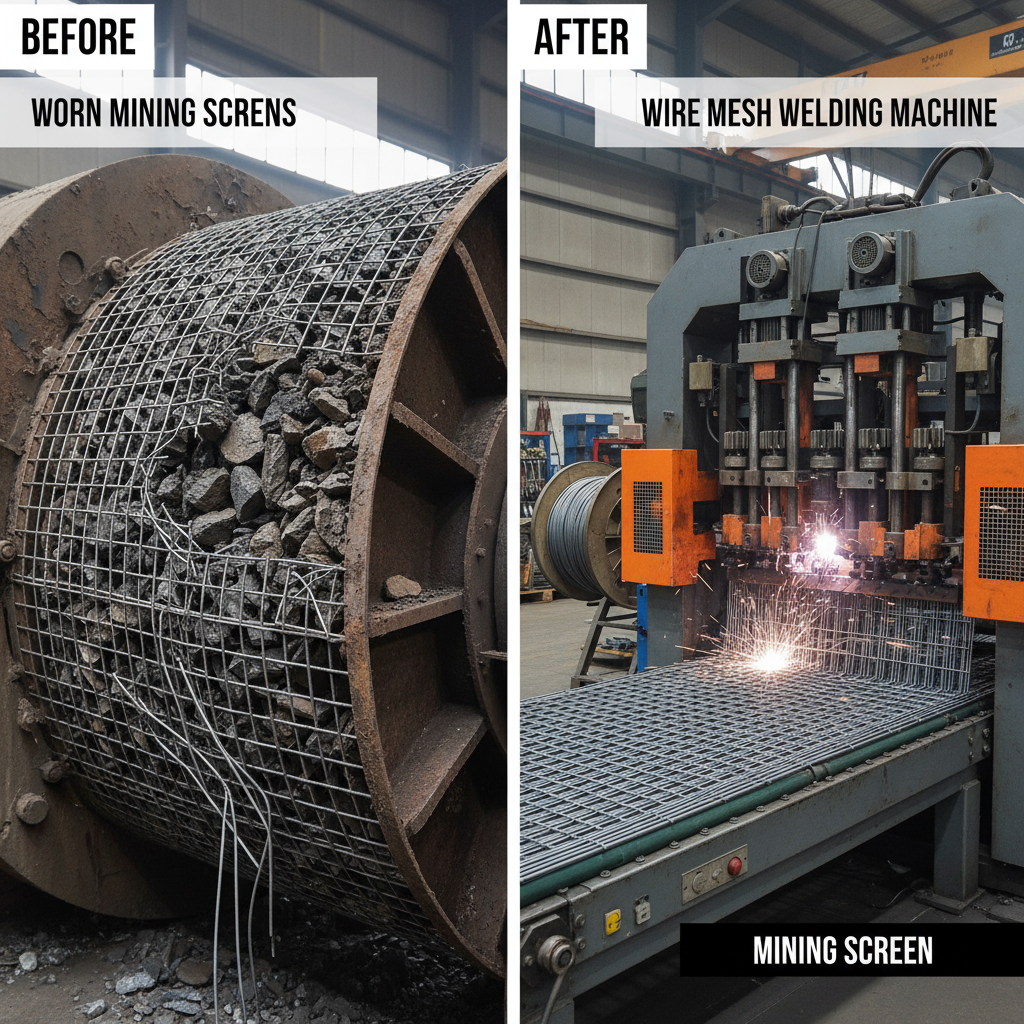
- Mining and Chemical Industries: High particulate loads require filtration systems that won’t halt production for cleaning, making these meshes invaluable in places like Australia’s mineral belts or South Africa’s processing plants.
- Agriculture: Irrigation systems in arid zones, especially in the Middle East and parts of Africa, utilize self cleaning meshes to reduce clogging from mineral deposits and organic matter.
One customer story I find fascinating is from a wastewater plant in India, where installation of these meshes cut cleaning downtimes by nearly 50%, and operators were pleasantly surprised by the reliability given the challenging water quality.
Vendor Comparison: A Snapshot
| Feature / Vendor | MutoScreen | CleanMesh Co. | AutoMesh Solutions |
|---|---|---|---|
| Material Options | 304/316 SS, Custom Alloys | Primarily 304 SS | 316 SS & Polymer Coated |
| Self Cleaning Method | Passive Mesh Design + Electropolishing | Vibration Assisted | Automated Backflush Systems |
| Customization | High – tailored for diverse industries | Moderate | Low |
| Global Reach | Worldwide (Including India, Europe) | North America Focus | Southeast Asia & Australia |
| Typical Lead Time | 4-6 weeks | 6-8 weeks | 3-5 weeks |
Advantages and Long-Term Value of Self Cleaning Wire Mesh
The benefits go beyond simple filtration — these meshes translate into savings, sustainability, and safety. From a financial perspective, less downtime means increased productivity. Environmentally, they reduce chemical cleaning agents and material waste. On an emotional level, operators gain trust in their systems, which can feel like a big relief in stressful industries. It’s innovation that supports dignity and reliability.
Future Trends and Innovations
Frankly, the future looks bright. Advances in nanomaterials and smart coatings are making meshes even more effective at repelling debris. Integration with IoT and automated backflush technology means operators monitor and maintain their systems remotely. Meanwhile, sustainability mandates push manufacturers toward greener materials and more circular product lifecycles.
Challenges and Practical Solutions
Of course, it’s not all smooth sailing. Some limitations include upfront cost, occasional maintenance of the cleaning mechanism itself, and compatibility with certain industrial fluids. However, many engineers suggest hybrid systems — combining passive mesh design with active cleaning methods — can mitigate these issues. Ongoing R&D and field testing continue to refine these approaches.
FAQs About Self Cleaning Wire Mesh
- Q: How does self cleaning wire mesh reduce maintenance costs?
A: By minimizing clogging and debris buildup, it reduces frequency of manual cleaning and filter replacement, leading to lower labor and material expenses over time. - Q: Can self cleaning wire mesh be customized for different filtration sizes?
A: Absolutely – the mesh opening sizes and wire diameters are adjustable, allowing tailored filtration levels for various applications. - Q: Is self cleaning wire mesh suitable for harsh chemical environments?
A: Yes, especially when made from corrosion-resistant alloys like 316 stainless steel or coated with protective layers designed to withstand chemical exposure. - Q: How quickly can these systems be deployed in emergency situations?
A: Many modular systems featuring self cleaning meshes can be installed within days, making them ideal for disaster relief and rapid infrastructure restoration. - Q: Are self cleaning wire mesh filters eco-friendly?
A: Yes, since they extend filter lifespan, reduce chemical cleaning needs, and lower waste output, they align well with sustainable operation goals.
Conclusion
Long-term, self cleaning wire mesh offers a compelling combination of efficiency, sustainability, and reliability. It’s exactly the kind of innovation modern industry and humanitarian efforts need to meet growing challenges head-on. If you’re interested, I encourage you to explore more detailed options and technical resources by visiting MutoScreen. There’s a lot more beneath the surface that’ll help you make smarter filtration choices.
Takeaway: Smart, durable, and efficient — self cleaning wire mesh is quietly shaping a cleaner, safer future.
2. ISO standards on filtration mesh materials, 2023 update
3. Case studies from industry journals in Water Research and Environmental Engineering