Understanding Polyurethane Screen Panels: Durable Solutions for Modern Industry
Polyurethane screen panels might not be the flashiest topic you come across every day, but they quietly play a huge role in industries from mining to waste management. Globally, as we push for more efficient and sustainable processes, these panels offer a clever solution to common problems like wear, tear, and efficiency losses on vibrating screens and separators. If you’re in manufacturing, environmental management, or construction, understanding how these panels work—and why they matter—opens doors to better productivity and sustainability.
Global Relevance and Industry Context
In an increasingly industrialized world, addressing the challenge of material separation, sifting, and screening is vital. According to the International Organization for Standardization (ISO), efficient screening processes can reduce waste by up to 25% in mining and agricultural industries alone. Polyurethane screen panels enhance these processes by offering durability and resistance far beyond traditional materials like metal or rubber. Especially in harsh environments, where abrasive materials cause massive downtime, these panels reduce maintenance frequency and improve operational efficiency. So, while the global industry gears toward more eco-friendly, longer-lasting products, polyurethane panels are quietly being adopted worldwide—from Europe’s recycling plants to Australia's mining operations—to meet these demands.
What Are Polyurethane Screen Panels?
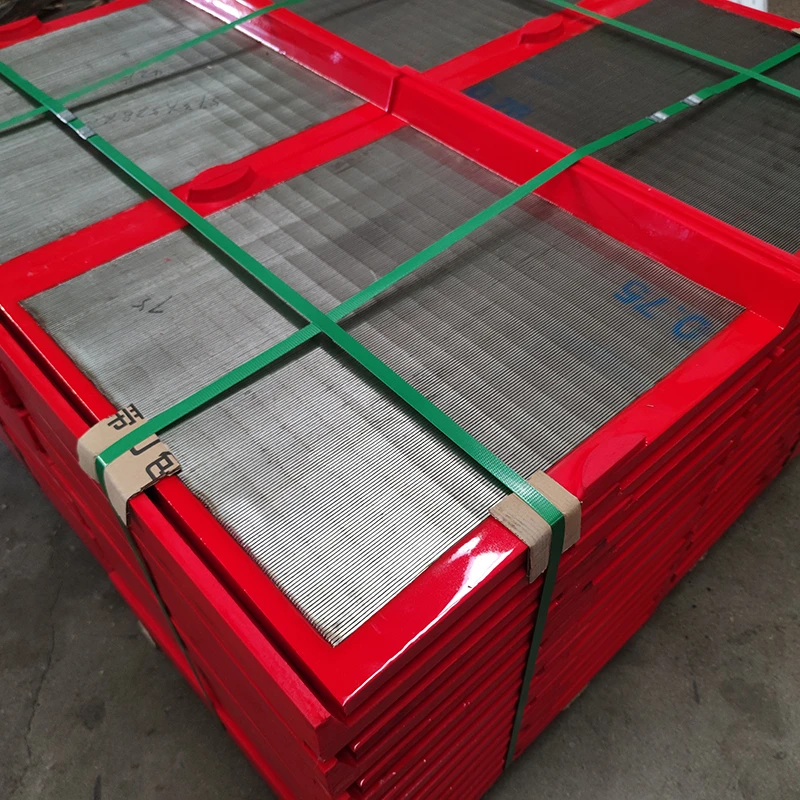
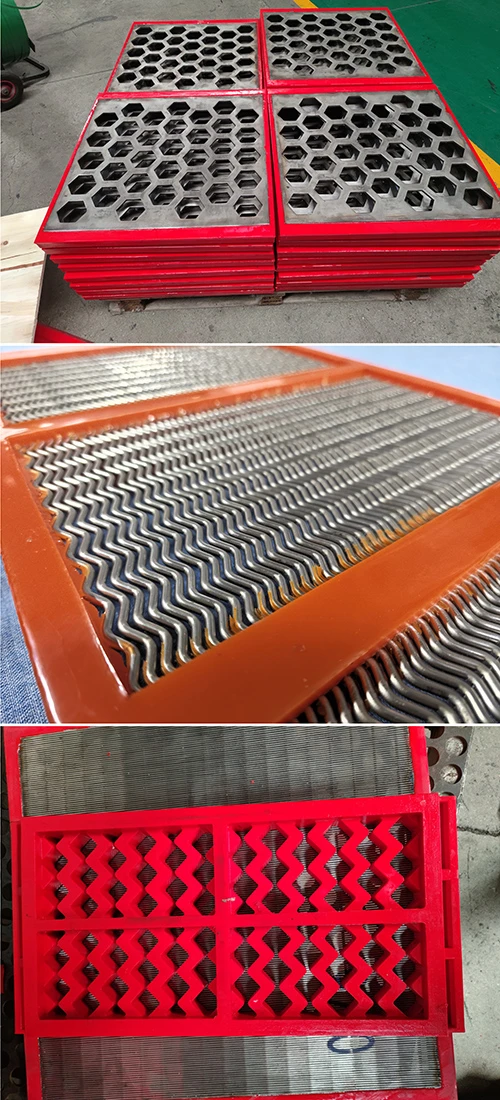
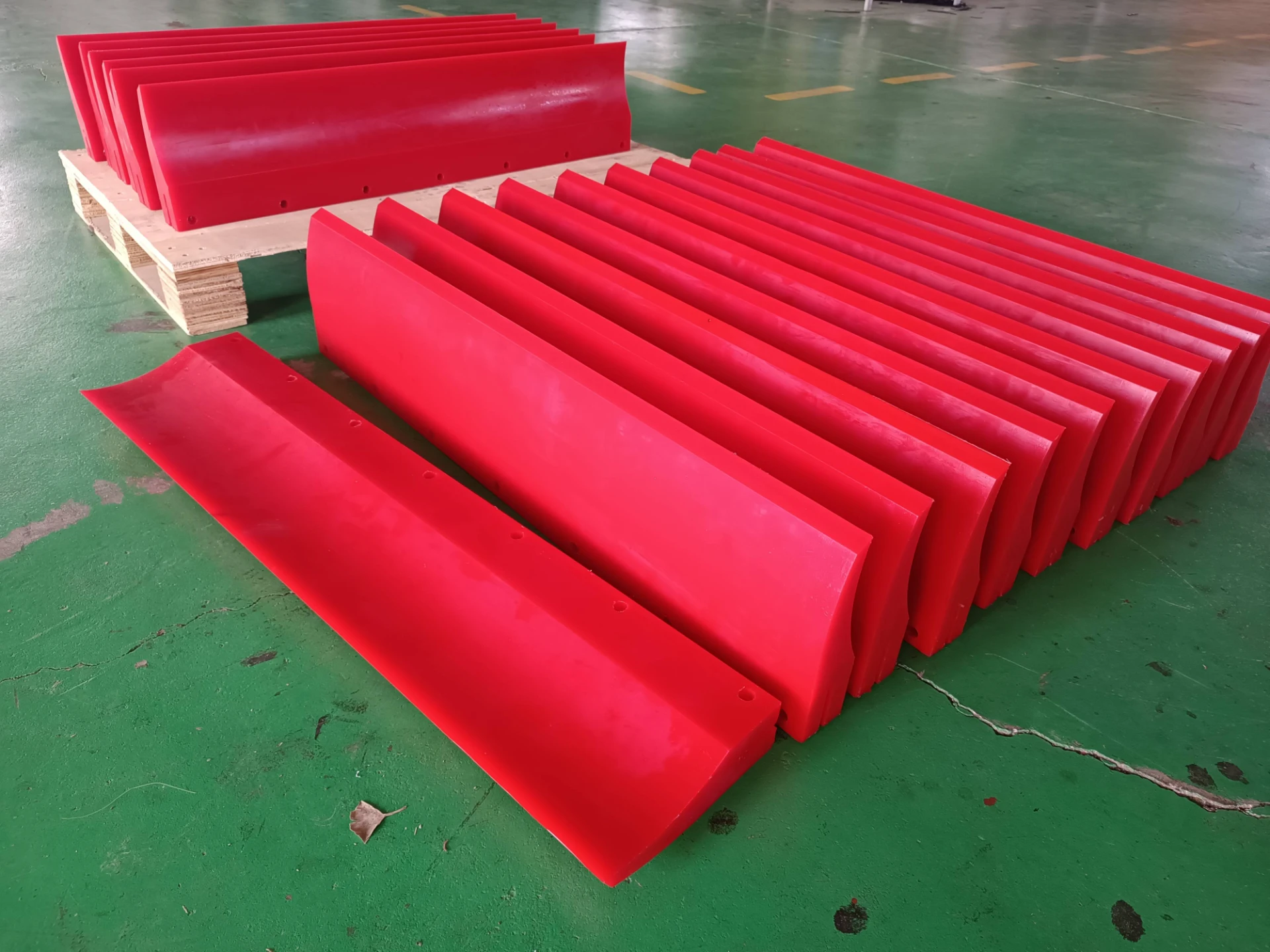
At their core, polyurethane screen panels are wear-resistant sheets made from a synthetic polymer called polyurethane. These panels attach to vibrating screens, where they act as the primary surface that separates and sorts materials by size. Unlike steel, they’re lighter and offer better elasticity, which means less noise and vibration shock. Oddly enough, this resilience not only extends the panel’s lifespan, often several years, but also protects downstream equipment from damage. More than a simple replacement for old metal screens, polyurethane panels integrate with today’s industrial needs for efficiency, sustainability, and durability.
Core Features of Polyurethane Screen Panels
Durability
Perhaps the most lauded attribute, durability means these panels stand up to abrasion, impact, and most chemicals encountered in industrial settings. This means less frequent downtime for repairs or replacements—a critical advantage.
Elasticity and Noise Reduction
The material’s rubber-like flexibility allows it to absorb vibrations instead of transmitting them. This reduces noise pollution on site, making working conditions safer and more comfortable.
Customization and Scalability
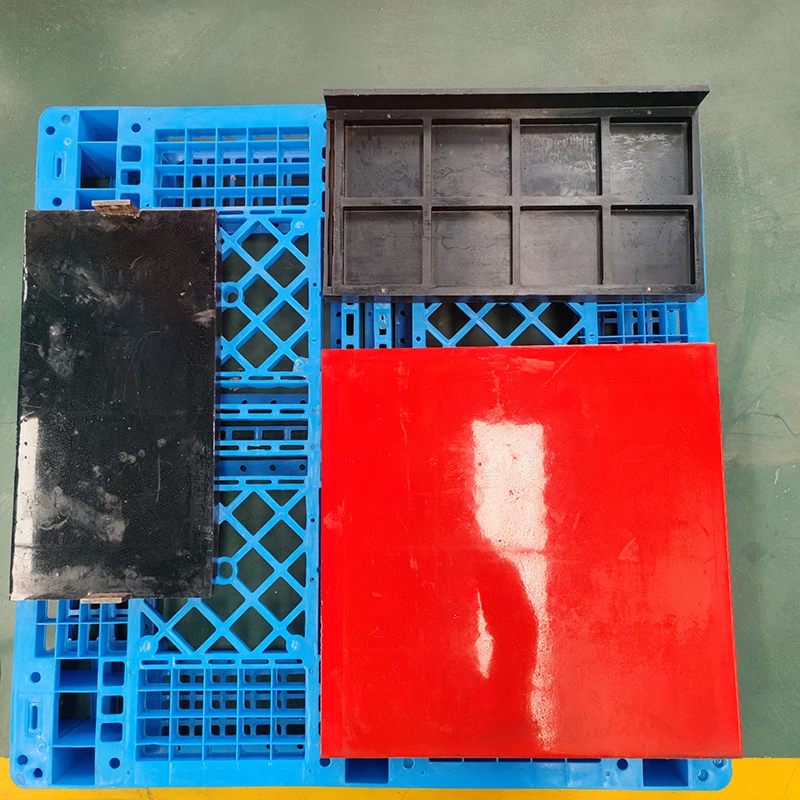
Panels come in various thicknesses, sizes, and hole patterns adapted to specific applications—whether for fine powders or coarse rock screening.
Cost Efficiency
True, polyurethane panels have a higher upfront cost compared to metal screens, but their extended service life and reduced maintenance collectively lower total lifecycle expenses.
Environmental Resistance
Resistant to oils, greases, and many chemicals, polyurethane panels maintain performance in extreme environments, from desert mining to coastal waste facilities.
Product Specifications at a Glance
| Specification | Typical Range | Notes |
|---|---|---|
| Material Hardness (Shore A) | 75 - 92 | Balances wear resistance and elasticity |
| Panel Thickness | 6 - 30 mm | Customized per application |
| Temperature Range | -40°C to +80°C | Suitable for most industrial environments |
| Tensile Strength | 15 - 25 MPa | Supports heavy mechanical stress |
| Typical Lifespan | 2 - 5 years | Varies by application and wear |
Global Applications and Use Cases
Where aren’t polyurethane screen panels used these days? From large-scale mining operations in South America to waste recycling centers in the European Union, these panels improve material separation processes daily.
- Mining & Quarrying: Used for sorting aggregates, ores, and minerals, improving throughput and reducing contamination.
- Waste Recycling: Helps separate plastics, metals, and organic waste efficiently, contributing to better recycling rates.
- Agriculture: Sorting grains and seeds with minimal damage thanks to elastic panel surfaces.
- Construction: Screening sand, gravel, and demolition debris for reuse, aiding sustainable building practices.
- Post-Disaster Relief: Field operations requiring quick setup of screening units to recycle debris and facilitate cleanup.
In fact, many institutions are investing in polyurethane screen panels to upgrade aging infrastructure with modern, reliable components that save money and reduce environmental impact.
Advantages & Long-Term Value
Considering both the hard numbers and softer benefits, polyurethane screen panels deliver arguably unmatched value:
- Cost Savings: Less downtime equals more production hours. Over time, this saves significant operational funds.
- Sustainability: Longer life and reduced need for replacements mean less raw material consumption.
- Worker Safety & Comfort: Noise reduction and lower vibrating shocks improve workplace conditions.
- Process Reliability: More consistent screen performance means less product contamination or loss.
- Innovation Catalyst: They’re often the foundation for automated or IoT-enabled screening systems, tying into the digital transformation sweeping industries.
Vendor Comparison: Conventional Metal vs. Polyurethane Panels
| Feature | Metal Screens | Polyurethane Screen Panels |
|---|---|---|
| Weight | Heavy | Lightweight |
| Wear Resistance | Moderate (subject to corrosion) | High (abrasion and corrosion resistant) |
| Noise Levels | High | Significantly reduced |
| Installation | Complex, longer downtime | Simpler and quicker |
| Cost | Lower initial cost | Higher upfront, lower lifecycle cost |
Emerging Trends and Innovations
Looking ahead, the next generation of polyurethane screen panels is being designed with enhanced environmental credentials. Biodegradable and bio-based polyurethane formulas are under research to reduce their ecological footprint. Digital sensors embedded into panels for real-time wear monitoring are making waves, enabling predictive maintenance. There’s a growing push towards “smart” screening solutions that connect with plant management systems to optimize throughput and reduce waste even further. It’s exciting to see how industries embrace this blend of material science and digital tech to transform something as straightforward as screening into a high-tech process.
Challenges and Overcoming Them
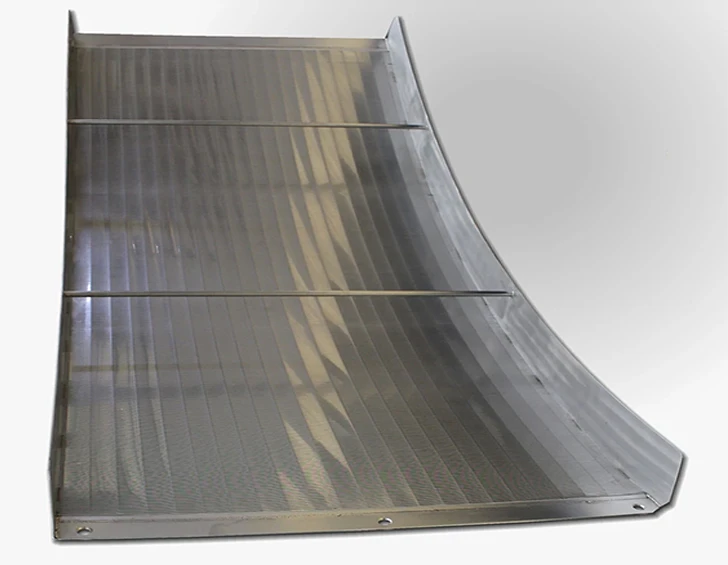
Of course, even the best materials face hurdles. Some critics point out the higher initial costs and limitations of polyurethane panels around extreme heat sources or chemical exposures beyond their design. But manufacturers are innovating with hybrid panels; combining metal frames and polyurethane surfaces for balanced performance. Plus, the long-term savings in maintenance often justify the upfront expense. Installation expertise matters, too. Selecting the right panel thickness, hole size, and fitment ensures performance and longevity. Frankly, a good vendor partnership makes all the difference here.
Frequently Asked Questions About Polyurethane Screen Panels
- Q: How do polyurethane screen panels compare with traditional metal screens in harsh mining environments?
- A: Polyurethane panels typically outperform metal screens in abrasion resistance, significantly extending service life and reducing costly downtime. Their flexibility also helps absorb impact, protecting both equipment and workers.
- Q: Can polyurethane screen panels be customized for specialized screening applications?
- A: Absolutely. Sizes, thicknesses, hole patterns, and hardness levels can be tailored to suit materials ranging from fine powders to large aggregates, making them versatile for many industries.
- Q: Are these panels suitable for outdoor and extreme weather conditions?
- A: Yes, they are designed to resist UV degradation, moisture, and temperatures from -40°C to 80°C, making them reliable for outdoor industrial use worldwide.
- Q: What maintenance is required for polyurethane screen panels?
- A: Maintenance is minimal compared to traditional screens. Regular inspections for wear and tear and timely replacements when necessary will keep operations smooth without frequent disruptions.
- Q: How can organizations source genuine, high-quality polyurethane screen panels?
- A: Partnering with reputable suppliers—many of which can be found at mutoscreen.com—ensures quality, warranty support, and expertise for optimal application.
Conclusion: Why Polyurethane Screen Panels Are a Smart Investment
In the grand scheme of industrial processes—where uptime, efficiency, and sustainability reign supreme—polyurethane screen panels provide a thoughtful balance between performance and cost-effectiveness. Their durability, adaptability, and reduced environmental impact make them an excellent choice for businesses aiming to upgrade or maintain screening systems. If your operations depend on consistent, reliable screening, it’s worth exploring these panels as a practical and innovative solution.
Interested in learning more or upgrading your existing systems? Visit our website: https://www.mutoscreen.com for detailed product info and expert advice.
Takeaway: Polyurethane screen panels combine smart material science with practical benefits, unlocking improved efficiency and sustainability across industries.