Understanding ESS Belt Cleaners: Essential Tools for Industrial Efficiency
At first glance, ESS belt cleaners might seem like a small detail in the vast world of industrial conveyor systems. But oddly enough, they play a critical role in keeping operations smooth and machinery efficient worldwide. Globally, conveyor belts are ubiquitous—from mining to agriculture to manufacturing—and the efficiency of these systems often hinges on how well excess materials, dirt, and debris are removed from the belt surface. This is where ESS belt cleaners come in, offering increased uptime, lower maintenance costs, and improved safety. Understanding their importance is crucial for industrial operators everywhere.
Introduction: Why ESS Belt Cleaners Matter Globally
The global conveyor belt market is expected to reach a staggering $5.5 billion by 2027, according to market analyses. Conveyor belts power vital supply chains in mining, food processing, and logistics—industries central to economic growth and humanitarian needs such as disaster relief logistics. However, one persistent challenge operators face is material carryback, where residue clings to the belt and causes downtime, wears out equipment, and dusts the environment. ESS belt cleaners help solve this challenge by scraping the belts clean efficiently and reliably. The UN Environmental Programme even highlights dust control as vital to industrial workplace safety.
What Are ESS Belt Cleaners?
Put simply, ESS belt cleaners are mechanical devices installed on conveyor belts designed to remove residual material clinging to the belt after it passes the loading zone. ESS stands for Engineered Scraper System, a proprietary term often used to describe advanced cleaners that combine durable blade materials and smart mounting systems for superior cleaning action. Their connection to modern industry is foundational since clean belts reduce spillage, equipment wear, and environmental concerns, directly affecting operational costs and safety compliance.
Key Factors of ESS Belt Cleaners
Durability
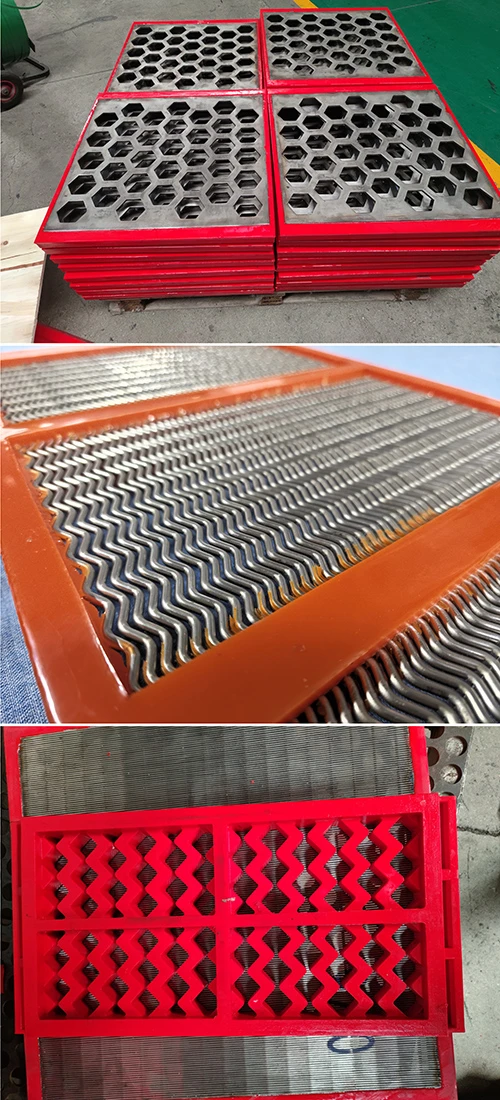
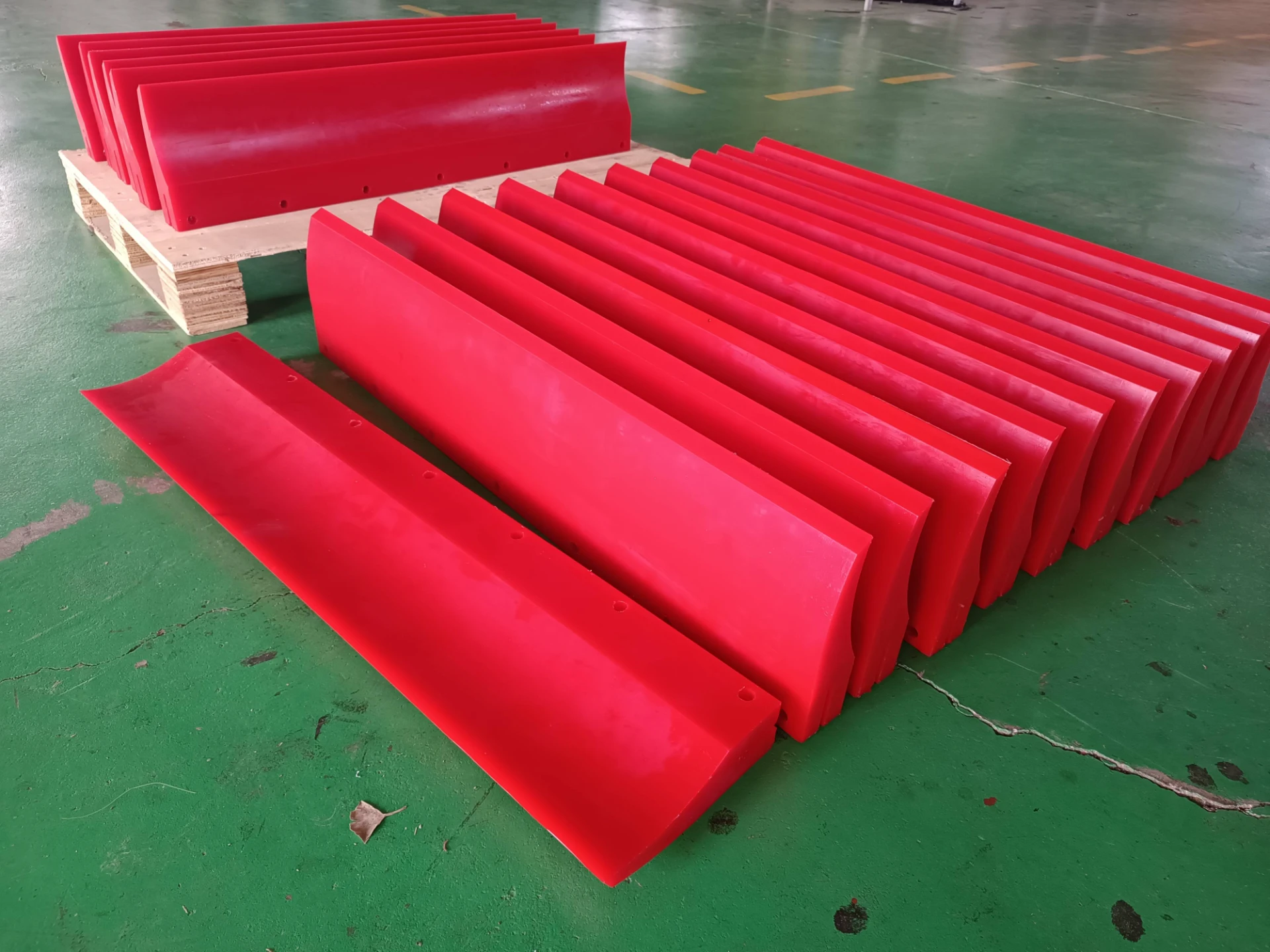
ESS belt cleaners are built to withstand tough environments — abrasive minerals in mining or sticky agricultural produce can quickly degrade lesser systems. The use of high-grade polyurethane blades or tungsten carbide tips extends service life dramatically.
Ease of Maintenance
Many ESS cleaners feature hinged or quick-release mounting brackets, so maintenance teams don’t have to dismantle the conveyor for blade changes. This translates to faster downtime and lower labor costs.
Adjustability
Adjustability ensures the blade maintains optimal contact pressure with the belt, which varies based on belt tension and material type. Some cleaners have spring-loaded systems to adapt dynamically.
Cost Efficiency
Investing in a quality ESS belt cleaner pays off by reducing belt wear and damage to downstream rollers or idlers. Over time, the expense of replacement belts and repairs far surpasses the cleaner’s cost.
Compatibility
With conveyor systems differing in width, speed, and angle, ESS belt cleaners come in various models tailored to these requirements, ensuring a fit for almost any industrial setup.
ESS Belt Cleaner Product Specifications
| Feature | Typical Specification |
|---|---|
| Blade Material | Polyurethane / Tungsten Carbide |
| Blade Thickness | 10-15 mm |
| Belt Width Compatibility | 300 mm up to 2400 mm |
| Mounting Type | Hinged, Spring-loaded, Quick-release |
| Operating Temperature Range | -20°C to 80°C |
| Expected Blade Life | 6-12 months (varies by application) |
Global Applications of ESS Belt Cleaners
These devices aren’t tied down to a single region or sector.
- Mining operations: Widely used in Australia, Canada, and South Africa, cutting down spillage and hazardous dust.
- Agriculture: In grain silos and sugarcane processing plants in Brazil and India, cleaners keep sticky residues off belts.
- Port logistics: Europe and North America rely on them for bulk cargo handling to maintain clean belt surfaces and reduce fire risk.
- Disaster relief logistics: In post-flood or earthquake zones where rapid material handling is critical, reliable equipment minimizes delays.
One interesting case: a remote mining outpost in Western Australia reported reducing unscheduled maintenance by 30% after upgrading to an ESS belt cleaner system.
Vendor Comparison: Popular ESS Belt Cleaner Suppliers
| Supplier | Blade Material Options | Adjustability Features | Typical Price Range |
|---|---|---|---|
| MutoScreen | Polyurethane, Tungsten Carbide | Spring-loaded, Tool-free adjustment | $350 - $700 |
| CleanTech Systems | Rubber, Steel | Manual screw adjustment | $300 - $600 |
| EcoBelt Solutions | Recycled polymers | Spring-loaded, semi-automatic | $400 - $750 |
Advantages & Long-Term Value of ESS Belt Cleaners
On one hand, ESS belt cleaners save money — less downtime and faster maintenance mean you’re not bleeding cash on avoidable repairs or replacement parts. On the other hand, these systems contribute to sustainability by reducing fugitive dust, a concern to operators and surrounding communities alike. Furthermore, there’s an emotional side. Knowing your equipment runs smoothly brings peace of mind and helps maintain workforce safety standards. Innovation in ESS cleaners also demonstrates trust in reliable technology, something I’ve noticed earns respect in tough industrial circles.
Future Trends & Innovations
Looking ahead, ESS belt cleaners are evolving alongside broader industrial tech transformations. Materials research into thermoplastic elastomers and nanocomposites promises more durable and environmentally friendly blades. Some companies are integrating sensors to monitor blade wear in real time, linking to plant operator dashboards—a small glimpse of automation and digitalization intertwined with conventional mechanical tech. Additionally, energy-efficient designs reduce power draw indirectly by minimizing belt slippage and friction. Sustainability remains a driving focus, matched by regulatory pressure—ISO standards on conveyor safety continue to tighten globally.
Challenges & Solutions
Okay, no system is perfect. ESS belt cleaners face issues like blade wear variability depending on material processed or sticky substances that require specialized blade coatings. Maintaining consistent tension can sometimes be tricky, causing suboptimal cleaning. The key to overcoming these issues lies in selecting the right cleaner for specific conditions and ensuring regular inspections. I've often heard from engineers that pairing ESS belt cleaners with ess belt cleaners’ pre-cleaners or dust control solutions maximizes efficiency.
FAQ: Frequently Asked Questions About ESS Belt Cleaners
Q1: How often should ESS belt cleaner blades be replaced?
A1: Blade life varies by material type and operation hours but typically ranges between 6 to 12 months. Regular inspections every 3 months can help detect wear before it causes belt damage.
Q2: Can ESS belt cleaners be installed on existing conveyor systems?
A2: Yes, most ESS belt cleaners are designed for easy retrofitting without major conveyor modifications, especially models with adjustable mounting systems.
Q3: Are ESS belt cleaners effective on wet or sticky materials?
A3: Many models have blades made from special materials like polyurethane with anti-adhesive coatings to handle wet or sticky substances efficiently.
Q4: Do ESS belt cleaners help with environmental compliance?
A4: Absolutely. By reducing material carryback and dust generation, ESS belt cleaners contribute to cleaner work sites and compliance with workplace air quality regulations.
Q5: What’s the typical return on investment (ROI) for ESS belt cleaners?
A5: ROI varies but often operators see cost savings in maintenance and downtime reduction within the first year of installation.
Conclusion: The Long-Term Value of ESS Belt Cleaners
In sum, investing in quality ESS belt cleaners is a no-brainer for industrial operators seeking to extend equipment life, reduce operational disruptions, and lower environmental impact. These devices quietly help maintain a safer, more efficient workplace—something I suppose is easy to overlook until you experience the difference. Curious how they fit into your setup? Visit https://www.mutoscreen.com to explore options that might just revolutionize your conveyor belt maintenance.
Mini takeaway: ESS belt cleaners are small but mighty industrial tools—engineered to clean conveyor belts more effectively, saving time, money, and reducing environmental dust. Worth paying attention to, wherever conveyors run.