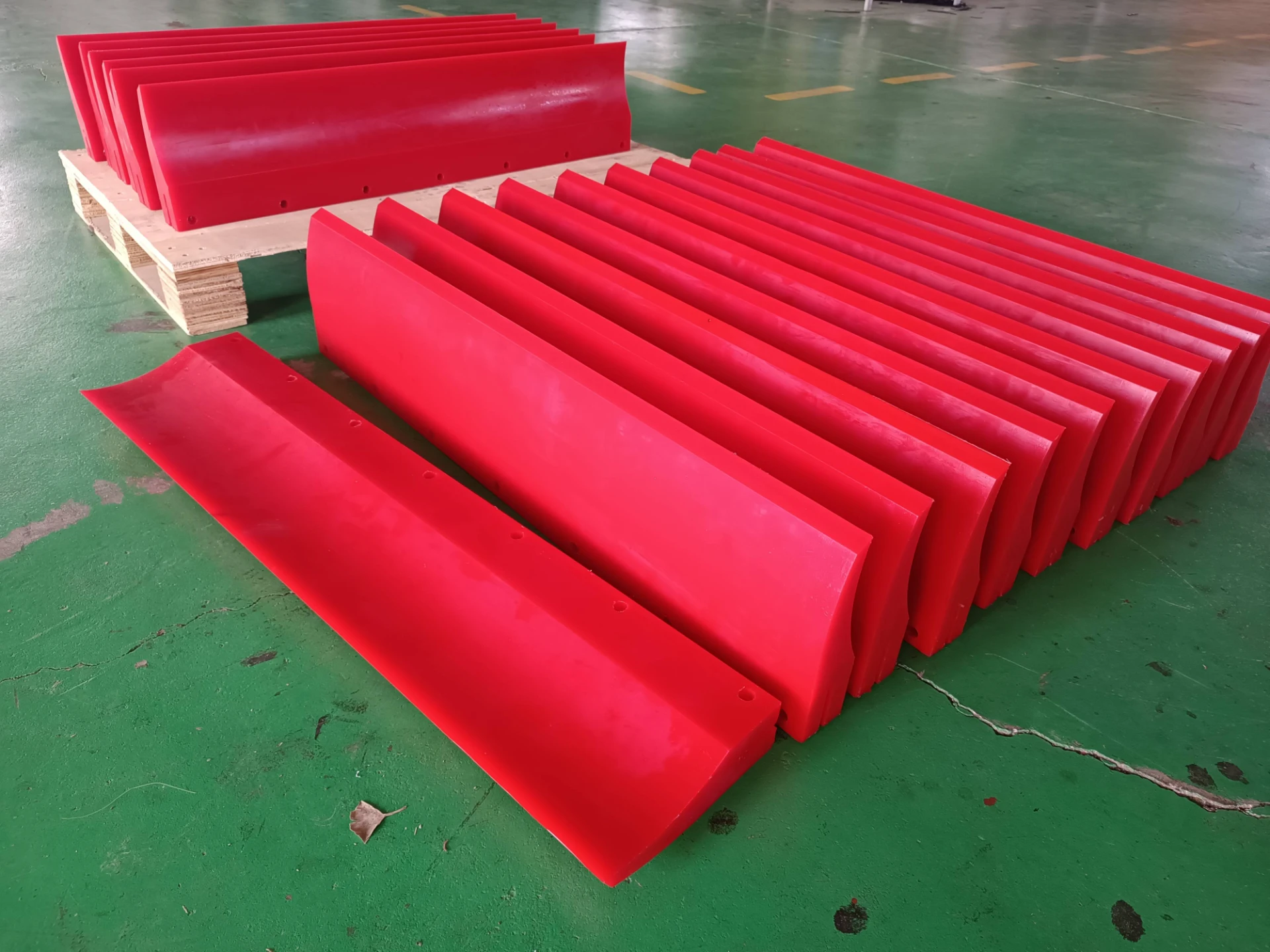
Understanding Conveyor Belt Secondary Cleaners: Essential Tools for Industrial Efficiency
Conveyor belt secondary cleaners might not be household terms, but in industries around the globe—from mining to manufacturing—they play a crucial, sometimes unsung, role. These devices help keep conveyor belts clean and operational, enhancing productivity and safety. Grappling with such technologies is vital in a world that increasingly demands efficiency and sustainability in supply chains and raw material handling.
Why Conveyor Belt Secondary Cleaners Matter Globally
It’s fascinating how something as seemingly mundane as a conveyor belt cleaner can ripple so widely across global industries. The World Bank highlights that mining and mineral production sectors maintain millions of conveyor systems worldwide. These systems underpin essential supplies—everything from construction materials to consumer electronics components. However, conveyor belts often suffer from material carryback, leading to wasted product, equipment wear, and safety hazards. Secondary cleaners address these issues directly, minimizing losses and environmental impact.
Frankly, the global push toward optimized industrial processes amplifies the importance of these cleaners. In regions like Australia’s mineral belt or North America’s vast manufacturing zones, the cleaner a conveyor belt, the better the throughput, downtime reduction, and compliance with environmental standards (ISO 14001 standards emphasize waste minimization in industrial settings).
What Are Conveyor Belt Secondary Cleaners?
In simple terms, conveyor belt secondary cleaners are devices mounted typically just after the primary belt cleaner (or scraper). While the primary cleaner removes the bulk of spilled material from the conveyor belt, the secondary cleaner targets the finer residuals stuck to the surface, ensuring that the belt is almost spotless before it loops back.
This stage is critical because leftover particles can build up on idlers, pulleys, and structure, increasing wear and energy costs, and sometimes causing environmental pollution from dust or spillage. In humanitarian or remote industrial operations—where maintenance can be sporadic—they become even more indispensable, helping extend equipment life and reducing manual cleaning risks.
Key Factors Defining Conveyor Belt Secondary Cleaners
Durability
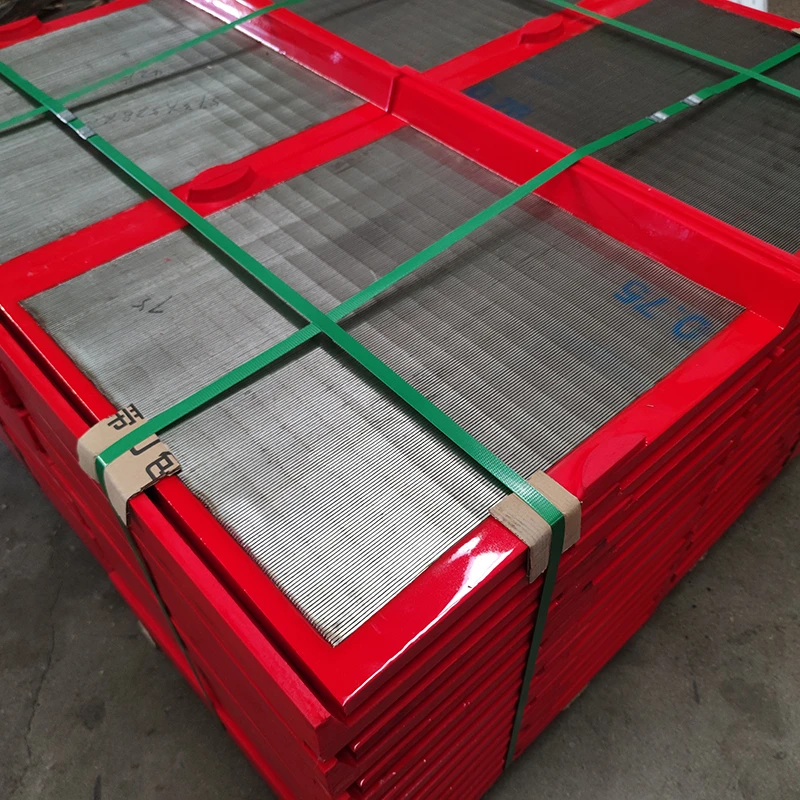
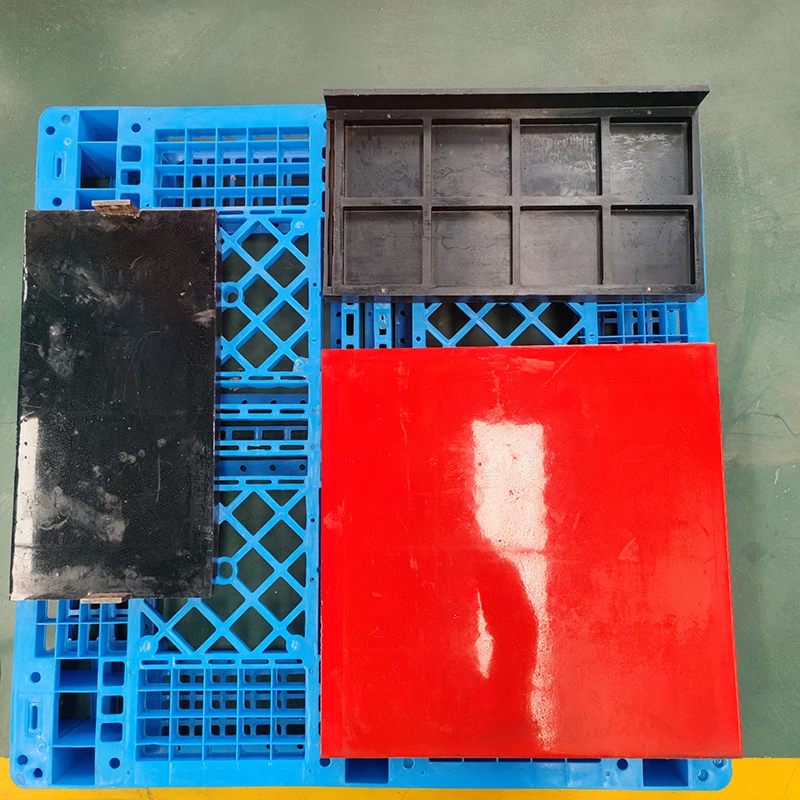
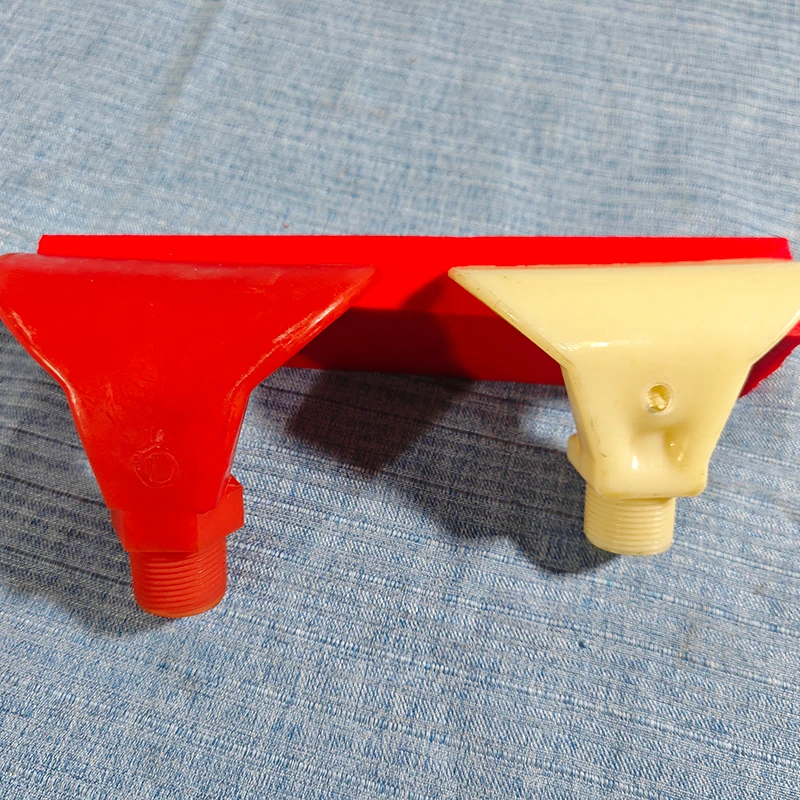
Secondary cleaners must withstand harsh operational environments: abrasive materials, wet conditions, and constant vibration. Typically made of polyurethane or other elastomers, their blades resist chemicals and wear substantially longer than simple rubber, making them suitable for prolonged use.
Adjustability & Scalability
These devices often have adjustable tensioning to accommodate belt wear and variable material loads. For expanding industrial setups, modular designs allow adding or removing cleaning blades, scaling with the conveyor's width or changing operational needs.
Cost Efficiency
By reducing carryback and the need for frequent manual cleaning, secondary cleaners indirectly save on labor and maintenance. Though the initial cost may seem moderate to high, life-cycle savings and reduced downtime often justify the investment.
Compatibility
They integrate with different belt types—from fabric to steel-cord—and can be deployed in various industries, from cement plants to coal mining, adaptable to belt speeds ranging from slow-moving conveyors to high-velocity systems.
Product Specification Table: Example Conveyor Belt Secondary Cleaner
| Feature | Specification |
|---|---|
| Blade Material | Polyurethane - High Abrasion Resistance |
| Mounting Type | Adjustable Secondary Frame |
| Maximum Belt Speed | 6 m/s |
| Belt Width Range | 800 mm – 2000 mm |
| Temperature Range | -20°C to +60°C |
| Lifespan | Up to 12 months (depends on application) |
Where Are Conveyor Belt Secondary Cleaners Used Worldwide?
From Australia to South Africa, and from the bustling factories of Germany to remote mining operations in Chile, conveyor belt secondary cleaners find their place. For instance, in large-scale mining, such as iron ore extraction, they ensure that the vast quantities transported along conveyors don't lead to excessive spillage and equipment damage.
Similarly, cement factories in Europe rely on these cleaners to manage dusty environments, preserving machinery and lowering environmental dust emissions. In humanitarian or disaster relief contexts, quick-deploy conveyor systems often require effective cleaners to maintain functional supply lines with minimal maintenance—critical where labor or resources might be limited.
If you’re curious, you can read more about their role in various sectors via conveyor belt secondary cleaners.
Benefits & Long-Term Value of Secondary Cleaning Systems
- Cost Reduction: Less spillage means fewer losses in transported materials and less downtime for conveyor maintenance.
- Environmental Protection: Cleaner belts reduce dust emissions and contamination risks, aiding compliance with sustainability standards.
- Safety Improvements: Cleaner conveyor systems lower slip and trip hazards, protecting on-site workers.
- Extended Equipment Life: Less abrasive build-up means longer-lasting conveyor belts and rollers.
It’s one thing to save money, but another to enhance workplace safety and environmental stewardship. These cleaners manage to do all—it feels like a win in every meaningful sense.
Innovations & Future Trends
In recent years, we’ve seen innovations like self-tensioning secondary cleaners that adjust blade pressure automatically, reducing manual maintenance. Moreover, companies experiment with sustainable materials—biodegradable or recycled polymers—that keep performance high but reduce environmental footprints.
Digital transformation is also impacting this space: sensors monitoring blade wear and conveyor cleanliness feed data into predictive maintenance systems. Integration with IoT just might save industrial operators untold hours and costs. And green energy solutions powering conveyor systems mean secondary cleaners might soon be part of broader sustainable supply ecosystems.
Common Challenges and How Experts Overcome Them
Despite the benefits, challenges remain. One major issue is correct installation—if tensioning is wrong, cleaners either under-clean or cause excessive belt wear. Additionally, variability in material types and environmental conditions can shorten blade life.
Many industry experts recommend regular inspections and tailored blade materials for specific applications. Also, modular systems make replacing components less disruptive. Partnering with experienced vendors, like those compared below, helps alleviate these pain points.
Vendor Comparison Table: Leading Conveyor Belt Secondary Cleaner Suppliers
| Vendor | Material Options | Customization | Price Range | Geographic Reach |
|---|---|---|---|---|
| CleanBelt Co. | Polyurethane, Rubber | Standard & Custom Blades | $$ | Global |
| PolyBlade Systems | Advanced Polyurethane | High Customization | $$$ | Americas, Europe |
| EcoClean Technologies | Recycled & Biopolymers | Standard Sizes | $ | Europe, Asia |
FAQ: Your Questions About Conveyor Belt Secondary Cleaners Answered
- What is the primary difference between primary and secondary conveyor belt cleaners?
- Primary cleaners remove the bulk of material from the conveyor belt after the head pulley, while secondary cleaners catch residual material remaining on the belt to protect belt components and reduce carryback. Both work together for optimal cleaning.
- How often should conveyor belt secondary cleaners be inspected or replaced?
- Inspection frequency depends on operating conditions but generally every 3-6 months is advisable. Replacement is typically every 12 months or when blade wear reduces cleaning effectiveness significantly.
- Are polymer blades for secondary cleaners suitable for all industries?
- Polyurethane blades are widely suitable due to abrasion resistance and flexibility but specialized industries with chemical exposure may require tailored materials. Consulting with manufacturers or suppliers ensures correct material choice.
- Can conveyor belt secondary cleaners be retrofitted to existing systems?
- Yes, many secondary cleaners are designed for retrofit with adjustable mounting to fit different belt widths and types, making upgrades straightforward with minimal conveyor adjustments.
Conclusion: Why Investing in Conveyor Belt Secondary Cleaners Makes Sense
Ultimately, conveyor belt secondary cleaners may seem simple, but they pack a big punch supporting global industrial efficiency, environmental responsibility, and safety. As industries aspire to smarter, cleaner operations, these tools will only grow more indispensable. If optimizing conveyor performance while reducing downtime and spillage sounds like your kind of upgrade, you should definitely explore options and innovations in the market.
Explore more about conveyor belt secondary cleaners and related systems at our website.
Reflecting on this, I noticed how often minor components like belt cleaners get overlooked, yet they’re the backbone of smoother, safer industrial workflows. Oddly enough, their impact is massive each time I visit a site.