Understanding Conveyor Belt Cleaner Scrapers: Essential Tools for Global Industry
Conveyor belt cleaner scrapers may not be the most glamorous industrial equipment you think about daily, but frankly, they’re crucial in keeping operations smooth and sustainable worldwide. These devices remove residue and debris from conveyor belts—vital in industries ranging from mining to food processing, preventing downtime, reducing damage, and improving safety. Globally, efficient material handling impacts output and costs on a scale that most people barely realize, so understanding conveyor belt cleaner scrapers isn’t just for engineers or facility managers; it’s a peek into a foundational industrial necessity that keeps supply chains flowing.
Introduction: Why Conveyor Belt Cleaner Scrapers Matter Globally
Imagine millions of tons of raw materials like coal, grains, or recyclables moving daily on conveyor belts around the world. According to the International Organization for Standardization (ISO), conveyor systems optimize bulk material transport in over 70% of manufacturing and extraction operations globally. Yet, belt contamination leads to misalignment, spillage, and costly equipment wear. Conveyor belt cleaner scrapers tackle this problem head-on.
The World Bank notes that efficient infrastructure is key to sustainable industrial growth, and somehow, those humble scrapers play a silent yet significant role. Wherever there’s bulk material handling—be it mining in Australia, manufacturing in Germany, or port operations in South Africa—these scrapers mitigate downtime and enhance environmental compliance by managing inevitable belt dust and residue.
What Is a Conveyor Belt Cleaner Scraper?
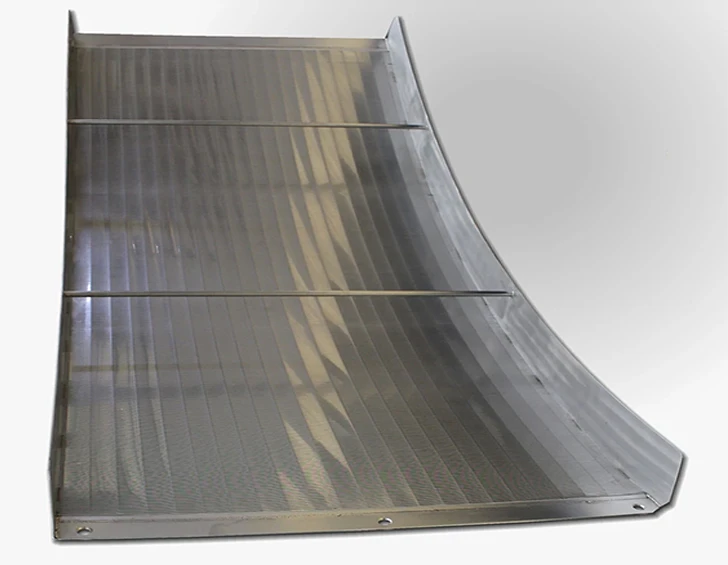
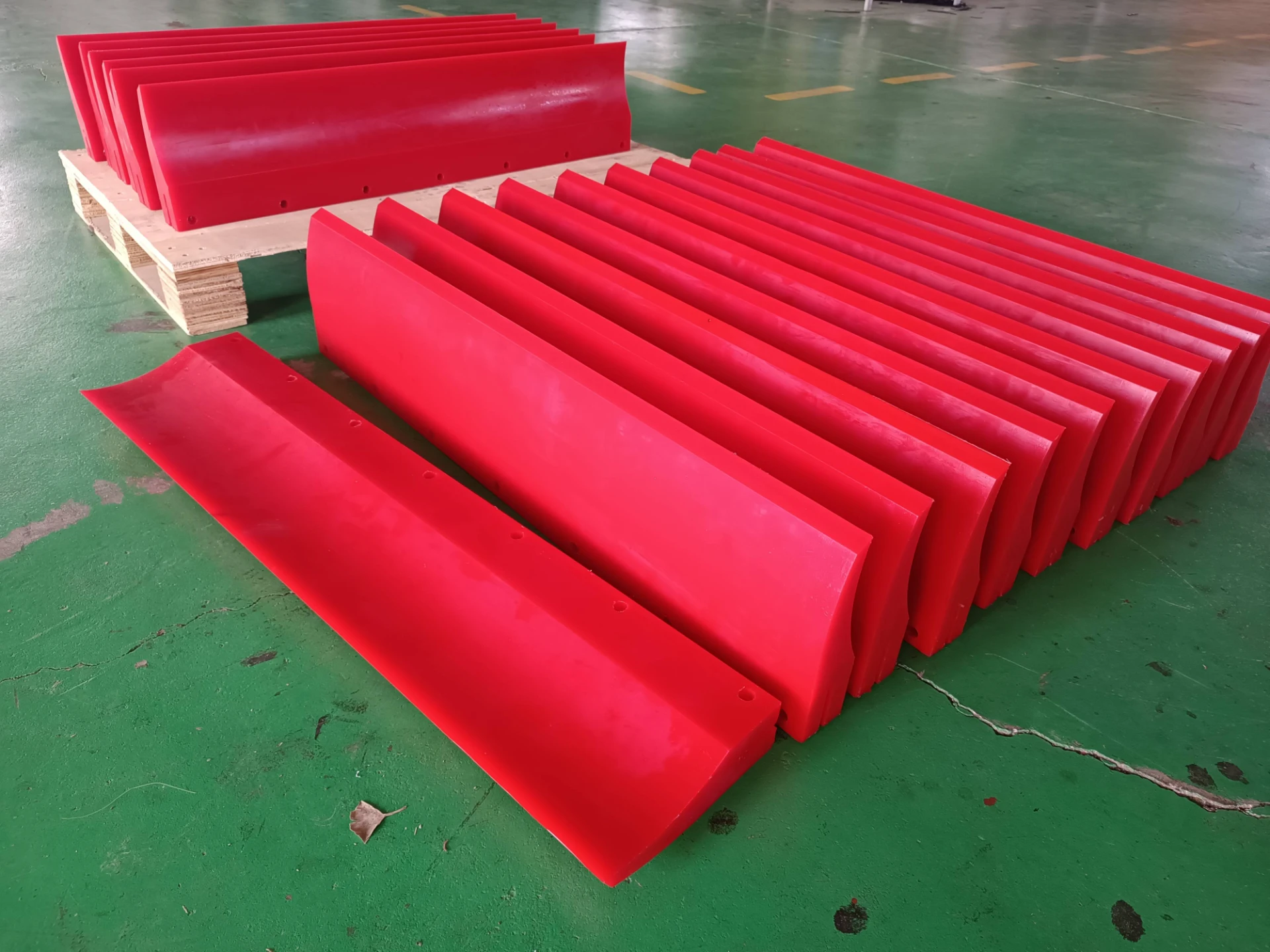
Put simply, a conveyor belt cleaner scraper is a device attached to the return side of a conveyor belt that scrapes off residual material sticking to the belt surface after the load has been discharged. Think of it like a squeegee for industrial belts—it cleans the belt to prevent carryback, spillage, and consequent damage.
These scrapers are indispensable in modern industry to maintain belt integrity, reduce maintenance, and meet environmental regulations by limiting dust emissions. In humanitarian contexts, for example disaster relief logistics using conveyor systems, clean belts mean fewer equipment failures and faster material handling—a subtle but critical benefit.
Core Components and Key Factors of Conveyor Belt Cleaner Scrapers
- Material Composition: Usually crafted from polyurethane, tungsten carbide, or stainless steel blades to resist abrasion, chemical exposure, and temperature variations. Choosing the right material influences lifespan and efficiency.
- Durability and Maintenance: Scrapers must withstand continuous friction; those with self-tensioning or easy replacement features reduce downtime.
- Installation Flexibility: Scrapers come in primary or secondary positions, adjustable to belt widths and speeds for optimized cleaning.
- Cost Efficiency: While initial costs vary, durable scrapers reduce overall maintenance spend and energy losses caused by belt slippage or damage.
- Environmental Impact: Effective cleaning minimizes spillage, dust, and waste—helping companies meet increasingly strict environmental standards.
In real terms, engineers continuously tweak scraper angle, blade hardness, and mounting pressure to maximize cleanability without harming belts. It’s a bit of an art combined with science.
Product Specification Table
| Feature | Typical Value | Notes |
|---|---|---|
| Blade Material | Tungsten Carbide | Balance of hardness & durability |
| Belt Width Range | 300 mm to 2000 mm | Fits most conveyor sizes |
| Operating Temperature | -20°C to 80°C | Suitable for most climate zones |
| Mounting Type | Adjustable Tensioning Bracket | Enables easy maintenance |
| Typical Lifespan | 12 - 24 months | Depends on material and usage |
Global Applications: How Conveyor Belt Cleaner Scrapers Make a Difference
You’ll find conveyor belt cleaner scrapers in many corners of the world. For instance, mining operations in Canada rely heavily on them to reduce dust and material carryback, especially during harsh winters. In Asia, manufacturers handling food items use scrapers that comply with hygiene standards to prevent contamination. Oddly enough, even disaster relief operations deploying portable conveyor systems have come to count on these scrapers to keep logistics lines operational amid chaotic conditions.
Governments and NGOs benefit when material handling is efficient, supporting everything from agricultural exports in Africa to assembling automotive parts in Europe. The applications are as diverse as the materials carried—coal, grains, recyclables, cement, or parcels.
Vendor Comparison Table: Leading Conveyor Belt Cleaner Scrapers
| Vendor | Material Options | Key Feature | Price Range |
|---|---|---|---|
| Mutoscreen | Polyurethane, Tungsten Carbide | Easy blade replacement system | $$$ |
| CleanSweep Solutions | Stainless Steel, Rubber | Custom tension adjustment | $$ |
| EcoBelt Tech | Recycled composites | Sustainability-focused design | $$$ |
Advantages and Long-Term Value
Using quality conveyor belt cleaner scrapers translates into direct cost savings by reducing unscheduled maintenance and energy consumption caused by belt drag or slippage. There’s also the less tangible but equally important benefit of improved safety for workers who deal with cleaner, less hazardous environments. In a way, investing in scrapers feels like voting for operational dignity and reliability—a sort of peace of mind for managers and teams alike.
Companies striving for sustainability applaud scrapers’ role in limiting spillage and dust pollution, aligning with global environmental directives such as those championed by the United Nations Environment Programme. Long term, this also helps build trust with regulators and communities — pretty critical these days.
Future Trends & Innovations in Conveyor Belt Cleaning
Frankly, the conveyor belt cleaner scraper industry is evolving with exciting trends. Increasingly, manufacturers focus on eco-friendly materials—bio-based polymers and recycled composites—to shrink environmental footprints. Automation enters the scene too; digital monitoring systems now track belt cleanliness and scraper wear in real time, allowing predictive maintenance instead of reactive fixes.
Then there’s the shift towards energy-efficient scrapers that reduce belt tension and power consumption. Industry 4.0 embraces this with smart sensors feeding into plant-wide control platforms. Oddly enough, even AI-driven analytics are helping optimize scraper settings for different transport loads and belt types.
Challenges & Practical Solutions
Not everything’s rosy, though. Deploying scrapers in dusty, abrasive environments sees blade wear that can cause downtime if unmonitored. Some scrapers poorly suit unconventional belt materials or widths, creating cleaning gaps. The solution often involves tailoring scraper design—materials, angles, tensioning—to specific operational contexts and investing in robust maintenance training.
Experts often recommend partnering with vendors who provide comprehensive service and rapid spare parts delivery. It’s also worth trialing conveyor belt cleaner scraper models in actual sites before full rollout. Flexibility and feedback loops remain key.
FAQ: Frequently Asked Questions About Conveyor Belt Cleaner Scrapers
- Q: How often should conveyor belt cleaner scrapers be replaced?
A: Depending on material and usage intensity, blades typically last 12–24 months. Regular inspection every 3-6 months helps detect wear before causing problems. - Q: Can scraper blades damage conveyor belts?
A: Properly selected blade material and tension drastically reduce belt damage risk. Over-tightening or wrong materials might cause abrasion; quality designs minimize this. - Q: Are conveyor belt cleaner scrapers adjustable for different belt widths?
A: Yes, most modern scrapers feature adjustable brackets allowing them to work efficiently on various belt widths, usually from 300mm up to 2000mm or more. - Q: How do scrapers help with environmental compliance?
A: By removing residual material and reducing carryback and spillage, scrapers minimize dust and waste emissions, helping plants meet environmental standards. - Q: What industries benefit most from conveyor belt cleaner scrapers?
A: Mining, agriculture, food processing, recycling, and manufacturing industries commonly benefit. Anywhere bulk materials move on belts, scrapers improve efficiency and safety.
Conclusion: Why Investing in Conveyor Belt Cleaner Scrapers Pays Off
At the end of the day, conveyor belt cleaner scrapers might feel like an unsung hero in industrial systems—but their impact is palpable, from cutting costs and downtime to supporting sustainability goals. For any bulk materials operation, they’re simply a must-have.
If you’re looking to explore options or upgrade existing solutions, consider visiting https://www.mutoscreen.com for expert advice and trusted products tailored to your needs.
Takeaway: In the conveyor belt ecosystem, a good cleaner scraper isn’t just accessory; it’s the linchpin for smoother, safer, and greener operations.