Arch Belt Cleaners: What They Are and Why They Matter Globally
If you’re involved in bulk material handling—whether in mining, agriculture, or manufacturing—you’ve likely wrestled with the challenge of keeping conveyor belts clean and efficient. Arch belt cleaners, a kind of industrial scraping tool, tackle this problem head-on. Though they sound niche, these devices have a surprisingly global significance. They improve efficiency, cut downtime, reduce maintenance costs, and even impact worker safety worldwide.
Understanding arch belt cleaners is more than just a technical curiosity. As global infrastructure and industry expand, bulk transport systems become the backbone of countless supply chains. That means cleaner, better-performing conveyor belts help companies be sustainable, competitive, and safer. Let’s dig deeper.
Global Context: Why Arch Belt Cleaners Are Essential Today
According to the International Organization for Standardization (ISO), conveyor belts move millions of tons of material daily across thousands of businesses worldwide [1]. Yet, one common issue persists: belt carryback, where residual materials cling to the belt after discharge, causing spillage and damage downstream.
World Bank data suggest that inefficient bulk handling leads to significant productivity losses—counted in billions globally—especially in sectors like mining, agriculture, and logistics. Arch belt cleaners address these challenges, ensuring belts stay clean in harsh environments, reducing waste, and limiting environmental contamination.
Moreover, sustainability is a growing concern across industries. Clean conveyor systems consume less energy and require fewer repairs over time, aligning with corporate social responsibility goals.
What Exactly Are Arch Belt Cleaners?
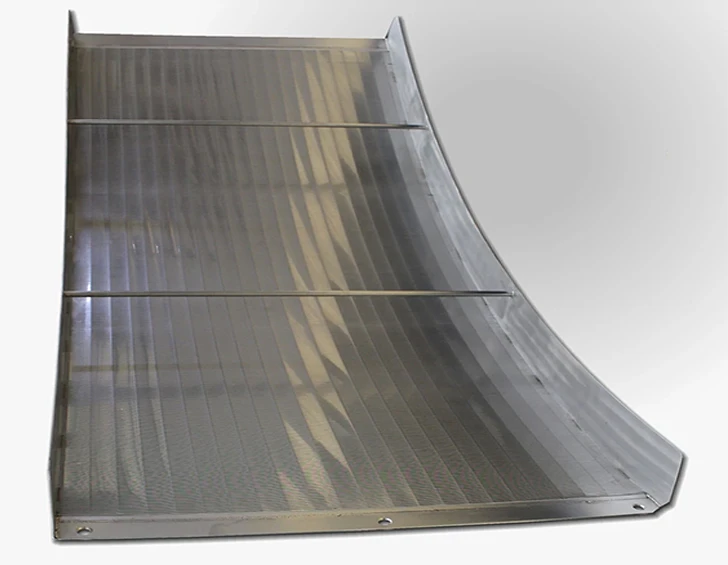
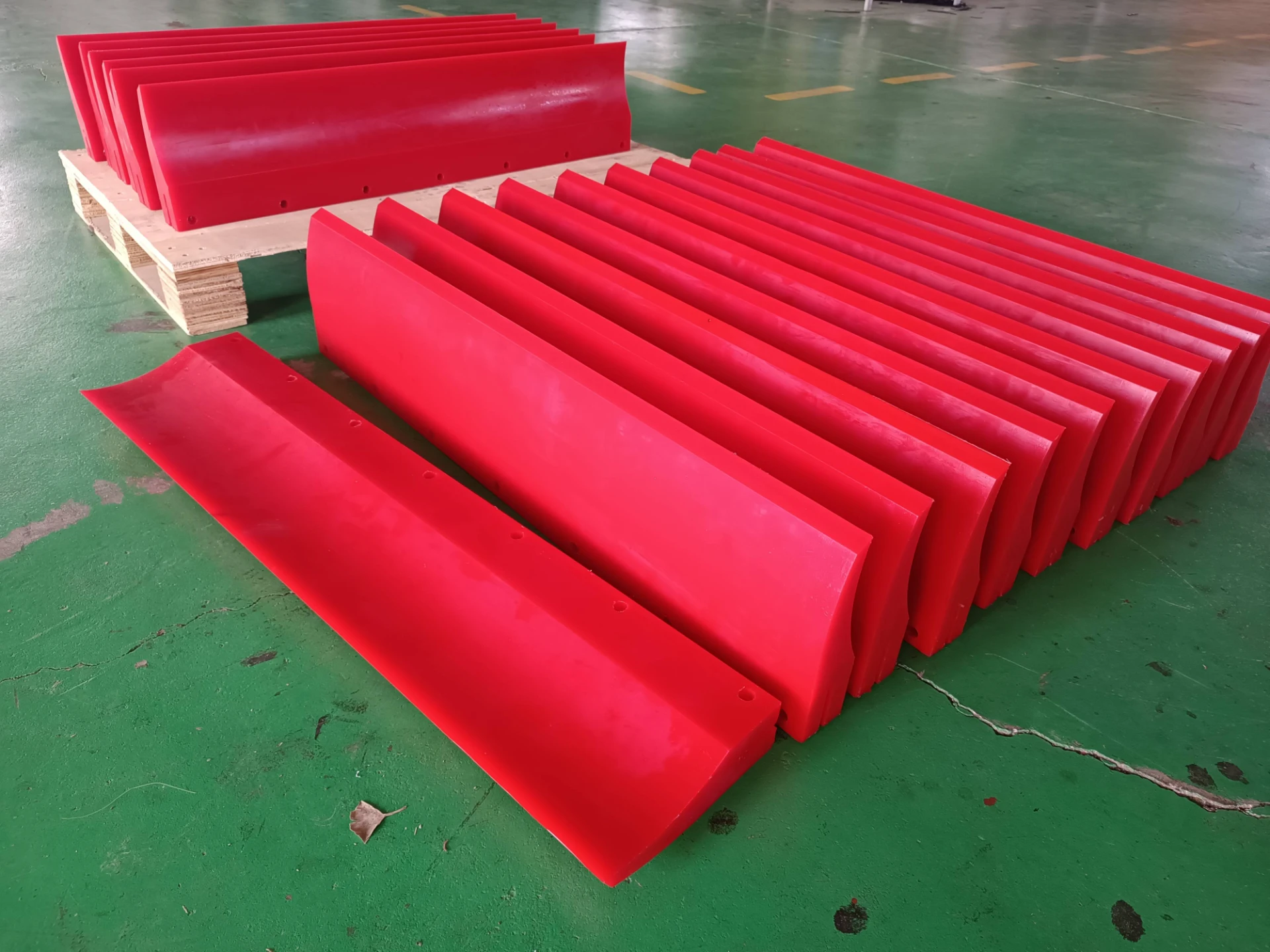
Arch belt cleaners are mechanical tools designed to scrape off material stuck to conveyor belts. Unlike standard flat blade cleaners, arch belt cleaners have a curved or arched design that applies uniform pressure along the belt’s surface, ensuring a more thorough cleaning.
Their design helps accommodate variations in belt dimensions, material stubbornness, and speed, making them adaptable across many industries. In humanitarian contexts — think disaster relief warehouses or large-scale food distribution — keeping conveyor systems running without interruption is critical. Arch cleaners aid in that reliability.
Core Components and Features of Arch Belt Cleaners
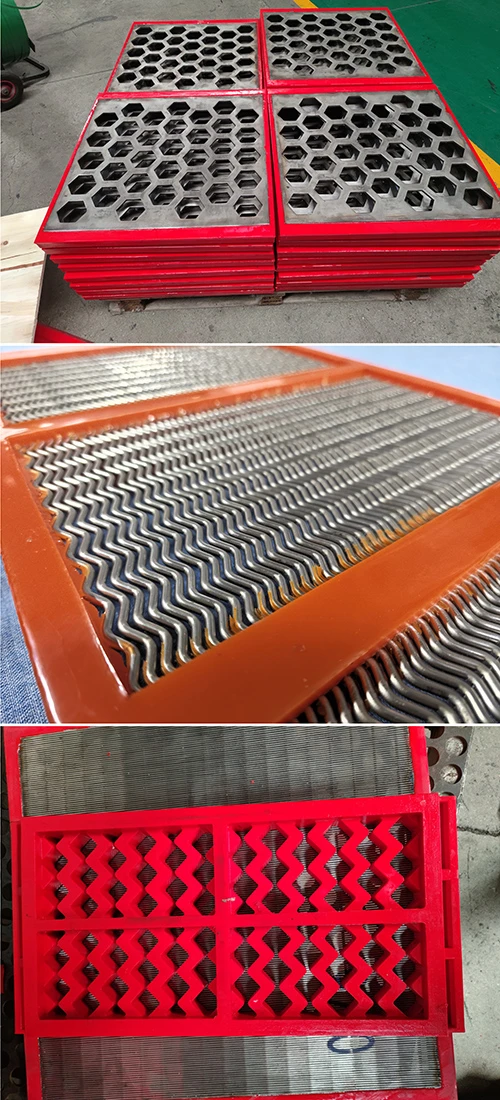
- Durability: Made from abrasion-resistant materials such as polyurethane or tungsten carbide-tipped blades, they’re built to endure harsh abrasives and weather.
- Adjustability: Spring-loaded or pneumatically controlled arms help maintain consistent blade-to-belt pressure as the belt wears down.
- Ease of Maintenance: Quick-release mechanisms allow frontline technicians to swap blades without stopping the entire conveyor system.
- Customization: Sizes and blade profiles can be matched precisely to belt width, material type, and operational speed.
- Safety Features: Many models integrate guards and non-slip handles to protect maintenance staff during adjustments.
Each of these factors relates in practical terms to reduced downtime, improved cleaning efficiency, and extending the lifespan of conveyor belts.
Mini Takeaway:
Arch belt cleaners are thoughtfully engineered to handle tough industrial realities—ensuring durability, easy upkeep, and adaptable design for diverse needs worldwide.
Global Applications & Use Cases
Across continents—from coal mines in Australia, grain silos in the US Midwest, to cement plants in Europe—arch belt cleaners have carved out essential roles.
- Mining sectors rely on them to prevent carryback that can damage belts or pose slip hazards on site.
- Agriculture supply chains use arch cleaners to efficiently handle grains and fertilizers without contamination.
- Large-scale recycling plants deploy them to keep conveyor belts free of sticky residues, optimizing throughput.
- Disaster relief logistics benefit when they quickly set up clean, reliable bulk transport lines for critical supplies.
For example, in post-flood recovery zones in Southeast Asia, modular conveyor setups equipped with reliable arch cleaners support rapid distribution of clean water and grain—saving time and ensuring safety.
Advantages & Long-Term Value
Frankly, the biggest wins come down to cost efficiency and sustainability. Cleaner belts mean less material waste, less power consumed by drag and spillage, and fewer emergency repairs that halt production.
There’s also a human side of the story. In noisy, dust-filled environments, every drop in manual cleanup lowers accidents and improves morale. Engineers talk about the trust factor: reliable equipment breeds confidence—not only with operators but clients on the receiving end.
Future Trends & Innovation in Arch Belt Cleaners
Emerging trends hint at even smarter solutions:
- IoT-enabled sensors: To monitor blade wear and conveyor belt residue in real-time, signaling maintenance before failures.
- Green materials: Biodegradable or recyclable cleaner blades that reduce environmental footprint.
- Automation: Robots or pneumatic arms adjusting scraper pressure dynamically based on load changes.
- Integration with digital twins: Helping companies simulate conveyor wear and optimize maintenance schedules.
These breakthroughs match broader shifts around digital transformation and sustainability that industries worldwide pursue.
Challenges & How Experts Solve Them
Challenges remain around wear rates in extremely abrasive conditions, and installation complexity in retrofit situations. Also, sometimes poorly fitted cleaners cause belt damage themselves.
Experts recommend:
- Thorough site assessments before selecting products.
- Using modular components that simplify customization and maintenance.
- Training operators in safe adjustment techniques.
- Partnering with suppliers who provide strong technical support and warranties.
Because honestly, the best arch belt cleaner in the lab won’t perform well in the field if these factors are ignored.
Product Specs at a Glance
| Feature | Typical Value/Option |
|---|---|
| Material | Polyurethane, Tungsten Carbide |
| Blade Length | 300mm to 1200mm |
| Adjustment Mechanism | Pneumatic or Spring-loaded |
| Operating Temperature | -20°C to +80°C |
| Application Speed Range | 0.5 to 8 m/s |
Vendor Comparison
| Vendor | Blade Material Options | Warranty | Customization Level | Global Support |
|---|---|---|---|---|
| CleanScrape Co. | Polyurethane, Tungsten Carbide | 3 years | High | Yes (24/7 hotline) |
| BeltGuard Industries | Polyurethane only | 2 years | Medium | Regional offices |
| EcoClean Systems | Recycled Composite Materials | 1.5 years | Low to Medium | Online only |
Frequently Asked Questions About Arch Belt Cleaners
- What makes arch belt cleaners better than flat blade cleaners?
- Arch belt cleaners apply consistent pressure over the conveyor belt’s surface due to their curved design. This uniform contact reduces carryback more effectively than flat blades, especially on uneven or slightly damaged belts. That means less spillage and less damage downstream.
- How often should arch belt cleaner blades be replaced?
- Blade replacement depends on material abrasiveness and conveyor speed. Typically, blades last from six months to two years. Some systems include sensors to monitor wear and alert maintenance teams proactively.
- Are arch belt cleaners compatible with all conveyor belt sizes?
- Most arch belt cleaners come in adjustable sizes to fit a wide range of belt widths, from narrow industrial conveyors to large mining belts. Customizations allow them to fit specialized setups, too.
- Can arch belt cleaners work in extreme temperatures?
- Yes. High-quality arch belt cleaners use materials engineered for operating ranges from approximately -20°C to +80°C, suitable for most industrial and outdoor environments.
- How do I choose the right arch belt cleaner for my industry?
- Start by assessing your material type, belt width, speed, and environmental conditions. Then, consult manufacturers or suppliers — many provide site assessments and tailored recommendations. Don’t forget to factor in maintenance capabilities and budget constraints.
Conclusion: Embracing Cleaner, Safer Conveyors
In the long run, investing in dependable arch belt cleaners pays off through smoother operations, reduced costs, and environmental benefits. Industries around the world—from mining rigs in Canada to produce packing plants in Spain—stand to gain from their consistent performance and adaptability. If you want to explore top-quality arch belt cleaning solutions, I recommend checking out arch belt cleaners designed with both innovation and practical reliability in mind.
It feels like one of those essential, quietly powerful tools that keep the wheels of industry turning—cleaner, safer, and smarter than ever.
Mini Takeaway:
Arch belt cleaners might not be headline-grabbing, but their impact on industrial efficiency and sustainability worldwide is undeniable.