Rubber Belt Cleaner: Essential Solutions for Industrial Efficiency
Rubber belt cleaners might sound like a niche topic, but they’re quietly pivotal in industries worldwide. From mining to manufacturing, these devices keep conveyor belts spotless, ensuring smooth operations and reducing costly downtime. In an increasingly globalized and automated economy, understanding the ins and outs of rubber belt cleaners matters—not just for engineers and facility managers but for anyone interested in the backbone of modern production.
Global Importance of Rubber Belt Cleaners
Globally, conveyor belts move billions of tons of materials daily—everything from coal to food products. The International Labour Organization (ILO) notes that conveyor safety and efficiency are critical for workforce wellbeing and productivity. However, belt contamination and material spillage remain persistent challenges causing downtime, equipment wear, and safety hazards. Rubber belt cleaners play a key role in addressing these issues by maintaining belt cleanliness, which ultimately enhances safety and operational flow.
According to industry reports, around 20–30% of conveyor system failures stem from buildup and spillage, surprisingly high when you think about it. So, effective cleaning solutions like rubber belt cleaners are not just conveniences but strategic tools for improving efficiency and sustainability.
rubber belt cleanerWhat Is a Rubber Belt Cleaner?
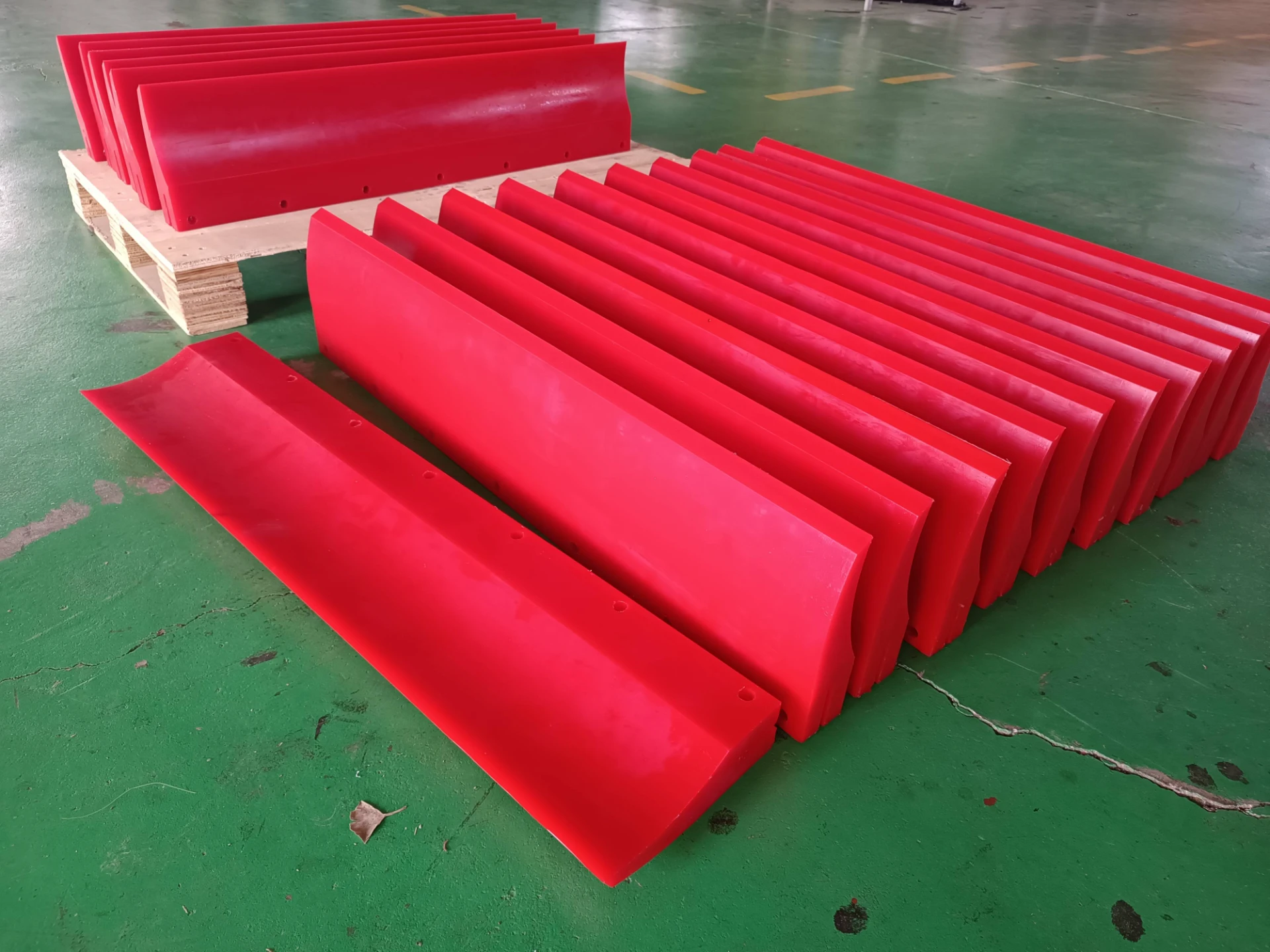
Simply put, a rubber belt cleaner is a device attached to conveyor belts designed to remove residual material after it has been transported. Typically, this involves flexible blades or scrapers made from durable rubber or polyurethane that scrape off particles stuck to the belt surface.
By stripping away this residue, the cleaner prevents carryback (the unwanted return of material on the belt’s underside), thus reducing wear on pulleys, minimizing dust generation, and maintaining belt tracking. In the grand scheme, it’s an understated bit of gear that keeps complex logistics humming.
Core Components and Key Factors
Durability
The true test of any rubber belt cleaner is how long it lasts under harsh conditions. These cleaners often face abrasive materials, temperature extremes, and continuous mechanical stress. Materials like polyurethane and nitrile rubber rank highly for toughness and elasticity. Manufacturers also use reinforced mounting brackets to prevent vibration damage.
Cleaning Efficiency
The efficiency depends on blade design, tension adjustment, and placement. A well-tensioned blade conforms closely to the belt, shaving off residue without damaging it. Some cleaners offer self-adjusting mechanisms to maintain optimal pressure, which can really reduce hands-on maintenance.
Cost Efficiency
While cheap cleaners might look appealing, their frequent replacement costs and downtime can outweigh upfront savings. Investing in quality leads to fewer belt replacements, less system wear, and lower labor costs—important when system uptime translates directly to profit.
Ease of Maintenance
Quick blade change-outs, corrosion-resistant components, and minimal tool requirements keep maintenance fast and safe. When technicians can service cleaning equipment easily, they avoid long conveyor shutdowns and safety risks.
Rubber Belt Cleaner Product Specifications
| Feature | Standard Model | Heavy Duty Model |
|---|---|---|
| Blade Material | Polyurethane Rubber | Nitrile Rubber reinforced with Kevlar |
| Belt Width Compatibility | Up to 1000 mm | Up to 1800 mm |
| Operating Temperature | -10°C to 60°C | -20°C to 90°C |
| Adjustable Tension | Manual Screw | Self-Adjusting Spring |
| Expected Lifespan | 12 months | 24 months |
Global Applications & Use Cases
Rubber belt cleaners are everywhere—from the copper mines of Chile to textile factories in Southeast Asia and food processing plants in Europe. Oddly enough, they’re also proving useful in humanitarian logistics, where remote deployment sites rely on conveyor systems for rapid material handling, such as aid distribution centers after natural disasters.
- Mining Industry: Cleaning abrasive ore residue to prevent damage and reduce downtime.
- Food Processing: Preventing contamination by wiping off residues, crucial for hygiene.
- Waste Management: Handling recycled materials while minimizing dust and spillover.
- Post-Disaster Relief: Ensuring conveyor belts in temporary sorting stations remain operational and safe.
Each of these requires unique specifications but relies on the same fundamental technology: a reliable rubber blade keeping things clean and moving.
Advantages & Long-Term Value of Rubber Belt Cleaners
On a tangible level, rubber belt cleaners reduce maintenance costs significantly by preventing belt damage and mechanical faults. They cut down on material loss, a win both economically and environmentally—less waste, less cleanup effort, and fewer unscheduled stoppages. Frankly, the safety benefits alone justify their implementation: cleaner belts mean less dust and contamination, lowering respiratory hazards for workers.
From a social angle, continuous, reliable operation fosters trust with clients and partners—conveying professionalism and care. Plus, longevity and reusability align with sustainable practices increasingly demanded by customers and regulators alike.
Future Trends & Innovations in Rubber Belt Cleaners
Manufacturers are exploring greener materials, such as bio-based rubbers, to reduce environmental impact. Digital sensors embedded in cleaners now offer predictive maintenance alerts—telling engineers when blade wear nears critical levels before failures happen.
Automation is advancing, too—some systems automatically adjust tension and cleaning pressure in real time to optimize cleaning efficiency while minimizing belt abrasion. These smart systems could represent the future, marrying old-school toughness with high-tech precision.
Challenges & Solutions
Of course, the real world throws curveballs. High-temperature operations or highly abrasive materials can wear blades quickly despite good materials. Also, improper installation or adjustment can reduce cleaning efficiency or damage belts—something novice operators sometimes underestimate.
Solutions involve better operator training, modular cleaner designs for quick blade swaps, and routine inspection protocols. Ongoing innovation in flexible blade materials also offers hope, increasing durability without sacrificing cleaning effectiveness.
Rubber Belt Cleaner Vendor Comparison
| Vendor | Product Range | Innovation Level | Global Availability | Price Range |
|---|---|---|---|---|
| MutoScreen | Standard & Heavy Duty | High (Smart Tension Systems) | Worldwide | $$$ |
| CleanSure | Standard Only | Medium | North America, Europe | $$ |
| BeltCare Pro | Heavy Duty Only | Medium (Modular Blades) | Asia-Pacific | $$$ |
Frequently Asked Questions About Rubber Belt Cleaners
- Q: How often should a rubber belt cleaner blade be replaced?
- A: Blade lifespan varies by usage but generally ranges from 12 to 24 months. Inspections every 3–6 months are recommended to check for wear or damage.
- Q: Can rubber belt cleaners work with all conveyor belt types?
- A: Most are compatible with standard flat belts, but for specialty belts (like modular or textured belts), customized cleaners may be necessary.
- Q: What maintenance is required for rubber belt cleaners?
- A: Routine cleaning, tension adjustment, and blade replacement are essential. Regular inspections help prevent unexpected failures.
- Q: Do rubber belt cleaners help improve workplace safety?
- A: Absolutely. By reducing material spillage and dust, these cleaners lower slip hazards and airborne particles harmful to workers.
- Q: Are there eco-friendly options available?
- A: Yes, some vendors now offer bio-based rubber blades and recyclable components to reduce environmental footprints.
Conclusion
In real terms, a rubber belt cleaner is more than just a simple tool. It’s foundational to operational continuity, safety, and sustainability across multiple industries. Investing time and resources into selecting the right cleaner can pay huge dividends—less downtime, lower costs, and a cleaner, safer work environment.
Interested in learning more or upgrading your system? Visit our website: https://www.mutoscreen.com and discover how tailored rubber belt cleaning solutions can transform your operations.
Takeaway: Efficiency often lies in the details—sometimes, it’s just a blade quietly making all the difference.