Understanding Conveyor Belt Cleaners: Why They Matter in Modern Industry
If you’ve ever seen huge conveyor belts chugging along in mining, manufacturing, or recycling plants, you probably haven’t stopped to think about what keeps those belts running smoothly. Well, that’s where conveyor belt cleaners come in. They may not get the spotlight, but they play a critical role in operational efficiency and workplace safety worldwide. Globally, conveyor systems move billions of tons of materials annually, and without effective cleaning, everything from downtime to costly repairs can spiral out of control.
Frankly, understanding conveyor belt cleaners isn’t just about a niche industrial fix — it’s about boosting sustainability, cutting waste, and reducing hazards in industries that power economies from coal mines in Australia to food processing plants in Europe. Even more, with the rise of automated logistics centers and environmental awareness, conveyors and their cleaners are taking center stage in innovation.
The Global Context: How Conveyor Belt Cleaners Solve Big Industry Challenges
According to the International Organization for Standardization (ISO 5048), conveyor belt contamination leads to slippage and performance issues in up to 30% of belt operations worldwide. The UN Industrial Development Organization tracks a related statistic: maintenance inefficiencies drain roughly $50 billion annually from the material handling sectors worldwide. And the costs? Not just financial — unclean belts cause increased dust, spillage, and emissions, undermining workplace safety and environmental targets.
So, what challenge does the conveyor belt cleaner tackle? Simply put, they reduce material carryback — the stubborn debris that sticks to the belt, falling off where it shouldn’t. Which means fewer shutdowns, safer workplaces, and a more sustainable footprint. In remote mining operations or urban recycling centers, an effective cleaner saves time and reduces the environmental load, making the industry safer and greener.
What Is a Conveyor Belt Cleaner? A Straightforward Explanation
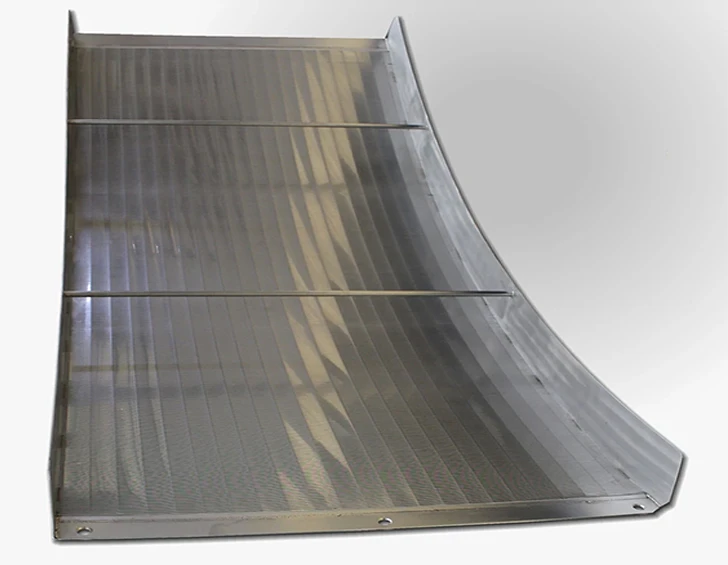
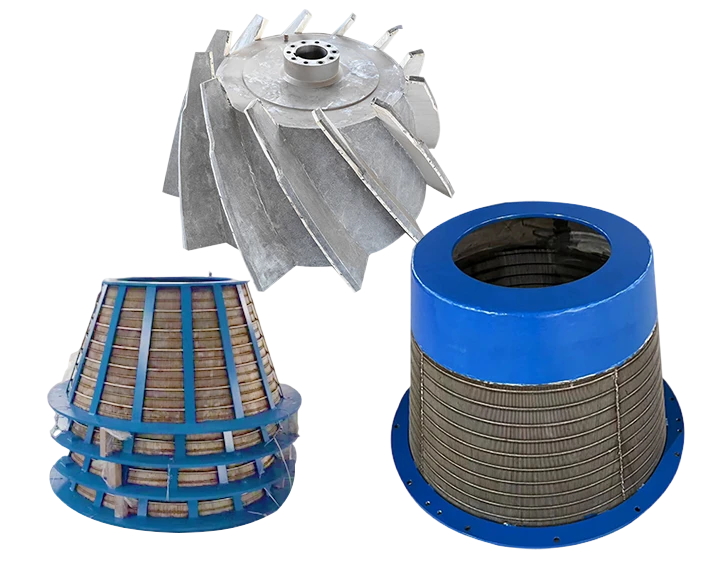
At its heart, a conveyor belt cleaner is a mechanical device designed to scrape, brush, or otherwise remove unwanted material from conveyor belts. Usually mounted at key positions around the belts, like right behind the head pulley, they keep the belt surface clean by removing residual materials. This reduces wear and tear not just on the belt, but on the entire system — rollers, pulleys, motors.
These cleaners come in various forms — primary, secondary, and even tertiary cleaners — differing in complexity and purpose, but all sharing the same mission: promote a smooth, efficient operation. In humanitarian or post-disaster settings, cleaned conveyor belts even appear in temporary supply chains, where efficiency literally impacts lives.
Core Components: What Makes a Conveyor Belt Cleaner Tick?
1. Durability
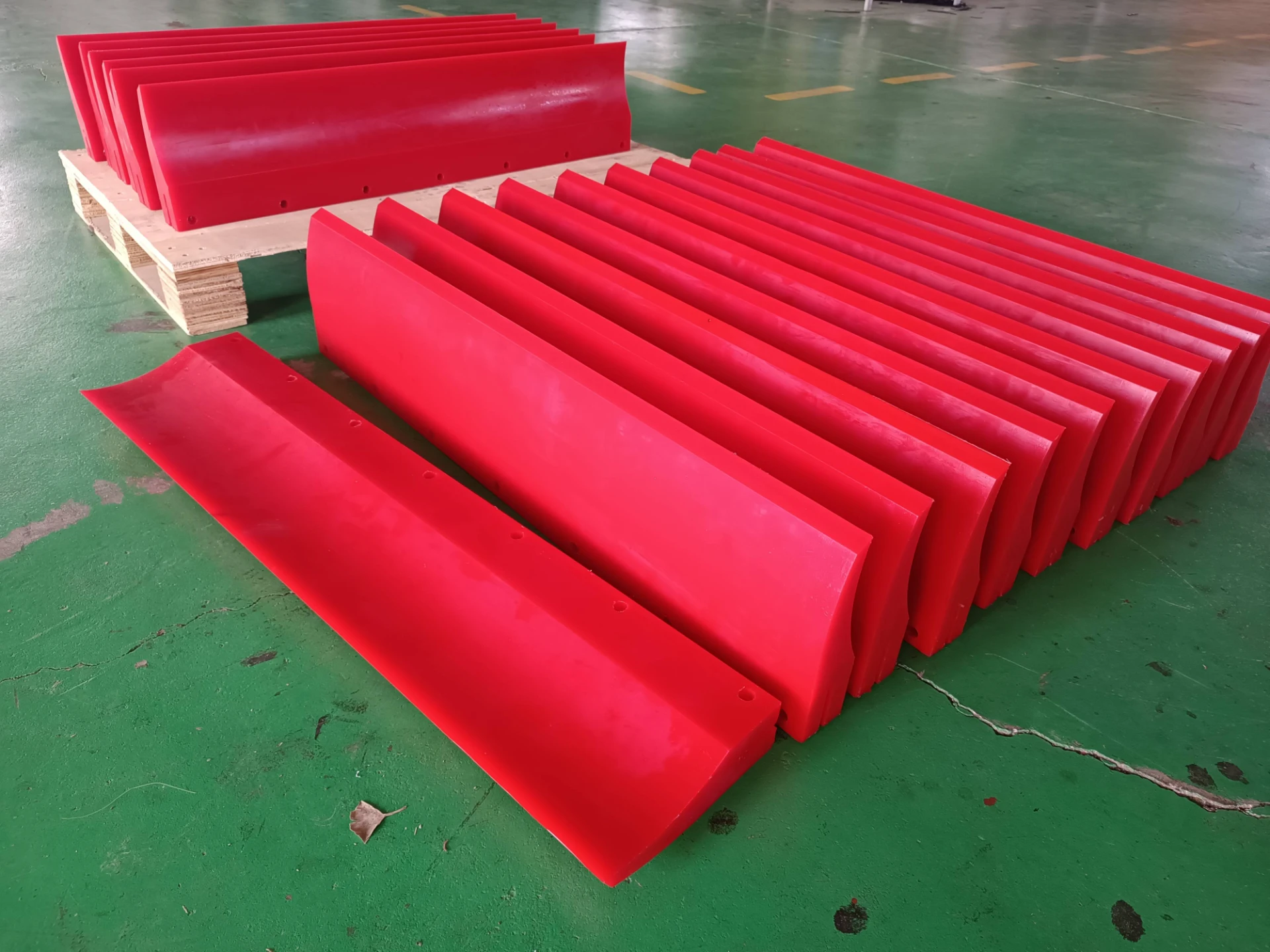
Many engineers swear by polyurethane or tungsten carbide blades for longevity. The cleaner needs to withstand abrasive materials for months without warping. Believe me, selecting materials can be the difference between smooth operation and frequent downtime.
2. Adaptability
The best conveyor belt cleaners fit a variety of belt widths and speeds. Modularity helps operators swap parts without halting production — a lifesaver in high-throughput facilities.
3. Cost Efficiency
Cleaning systems shouldn’t break the bank. Cost-efficient designs minimize maintenance costs and reduce energy consumption. Oddly enough, investing in a quality belt cleaner pays off much quicker than skimping on cheap units.
4. Installation & Maintenance
Fast, bolt-on installations and easy blade replacements make life easier for onsite technicians. It’s less about the tech, more about practical, repeatable ease.
5. Safety Features
Indeed, certain cleaners feature enclosed blades and safety guards, reducing risk for workers, especially in hazardous environments.
6. Environmental Impact
Modern materials and designs reduce dust and spillage, which helps companies hit sustainability targets. Some cleaners are even designed to operate with minimal water or chemical use, an often overlooked plus.
Product Specification Table: Typical Industrial Conveyor Belt Cleaner
| Specification | Details |
|---|---|
| Blade Material | Polyurethane with tungsten carbide edges |
| Belt Width Compatibility | 600 mm – 1800 mm |
| Installation Type | Bolt-on with adjustable tensioners |
| Blade Life Expectancy | 6 to 12 months (depending on material handled) |
| Maintenance Interval | Monthly inspection & cleaning |
| Safety Features | Enclosed blades, emergency stop included |
Global Applications & Use Cases
Mining operations in Canada and Australia rely heavily on conveyor belt cleaners to maintain continuous ore transport, even in harsh weather conditions. Meanwhile, recycling plants throughout Europe use secondary cleaners to reduce plastics contamination, which improves material quality for resale.
In post-disaster relief—where temporary conveyors move supplies just as urgently as trucks—cleaners ensure smooth, uninterrupted flow. Oddly enough, even the food industry, traditionally scrupulous about hygiene, uses specialized belt cleaners to avoid cross-contamination.
It’s not just heavy industry. Road construction companies in the Middle East use portable cleaning units on site, reducing dust and mess that could otherwise threaten workers’ health and nearby communities.
Mini Takeaway
Conveyor belt cleaners aren’t one-size-fits-all. They’re tailored to environmental and operational demands — whether it’s a remote mine, urban recycler, or disaster relief supply chain.
Advantages & Long-Term Value of Conveyor Belt Cleaners
- Cost Savings: Less lost material, reduced downtime, and lower maintenance costs mean improved profit margins.
- Safety: Cleaner belts reduce slip hazards and dust—great for protecting worker health and morale.
- Sustainability: Lower spillage translates to less environmental contamination and waste.
- Trust & Reliability: Investing in quality cleaners signals operational excellence to clients and partners.
Many operators report that once they upgraded to advanced conveyor belt cleaners, they saw a 20–30% decline in unscheduled downtime, which in complex industrial systems is huge. Plus, it feels good to do the right thing environmentally, doesn't it?
Looking Ahead: Future Trends in Conveyor Belt Cleaner Technology
The future is about smart cleaning. Companies are experimenting with sensors that monitor belt cleanliness and trigger automated scraping. There’s also a growing focus on eco-friendly materials; some cleaners now sport biodegradable components that reduce landfill waste.
Integration with Industry 4.0 means digital twins and AI could optimize maintenance schedules, based on real-world belt wear and residuals. Oh, and let’s not forget solar-powered cleaning units for off-grid operations — a neat trick for sustainable mining and remote sites.
Challenges & Expert Solutions
Despite these advances, problems linger: abrasive materials wear cleaner blades quickly, and sticky residues resist removal. Experts suggest hybrid solutions combining scraping and brushing, sometimes paired with minimal water sprays, to tackle stubborn debris.
Another challenge is fitting belt cleaners into multi-belt systems without interrupting flow. Modular, adjustable cleaners that technicians can install without disassembly are game-changers here. Frankly, the best solutions come from operators who talk openly with vendors to customize designs.
Vendor Comparison: Top Conveyor Belt Cleaner Manufacturers
| Vendor | Material Quality | Price Range | Customization Options | Global Reach |
|---|---|---|---|---|
| MutoScreen Inc. | High-grade polyurethane & carbide | $$$ | Fully modular & adjustable units | Worldwide |
| CleanBelt Solutions | Polyurethane standard blades | $$ | Standard sizes, limited adjustability | North America, Europe |
| EcoScrape Tech | Biodegradable & recycled composites | $$$ | Custom eco-friendly designs | Europe & Asia |
Frequently Asked Questions About Conveyor Belt Cleaners
Q1: How often should I replace conveyor belt cleaner blades?
A1: Typically, blades last between 6 to 12 months, depending on material abrasion and operating hours. Regular monthly inspections help catch wear early — replacing blades promptly reduces downtime and extends belt life.
Q2: Can conveyor belt cleaners be retrofitted to existing systems?
A2: Yes, most modern cleaners are designed for bolt-on installation with adjustable tensioners, allowing retrofitting to various belt sizes without significant downtime or modifications.
Q3: Are conveyor belt cleaners environmentally friendly?
A3: Many newer models use sustainable materials and reduce dust or spillage, contributing to a cleaner workplace and lower environmental footprint. Some vendors even offer biodegradable blades or low-water consumption designs.
Q4: What industries benefit most from advanced conveyor belt cleaning?
A4: Mining, recycling, food processing, logistics, and construction all rely heavily on reliable cleaners to maintain operational efficiency and comply with safety and environmental standards.
Q5: How can I ensure the best performance from my conveyor belt cleaner?
A5: Follow manufacturer maintenance schedules, inspect blade conditions regularly, and customize cleaners to fit your belt type and material. Consulting with vendors about your specific application often yields tailored solutions.
Conclusion: Why Investing in Conveyor Belt Cleaners is a Smart Move
Over time, effective conveyor belt cleaners prove their worth by cutting downtime, saving money, and supporting safer, more sustainable operations. Whether you run a massive mining site or a compact recycling plant, they’re a silent backbone of productivity and environmental compliance. For those curious to dive deeper or explore options, visit our website: conveyor belt cleaner — your gateway to top-tier cleaning solutions that really deliver.
Final Takeaway:
In real terms, the right conveyor belt cleaner is an investment that pays you back with every clean sweep.