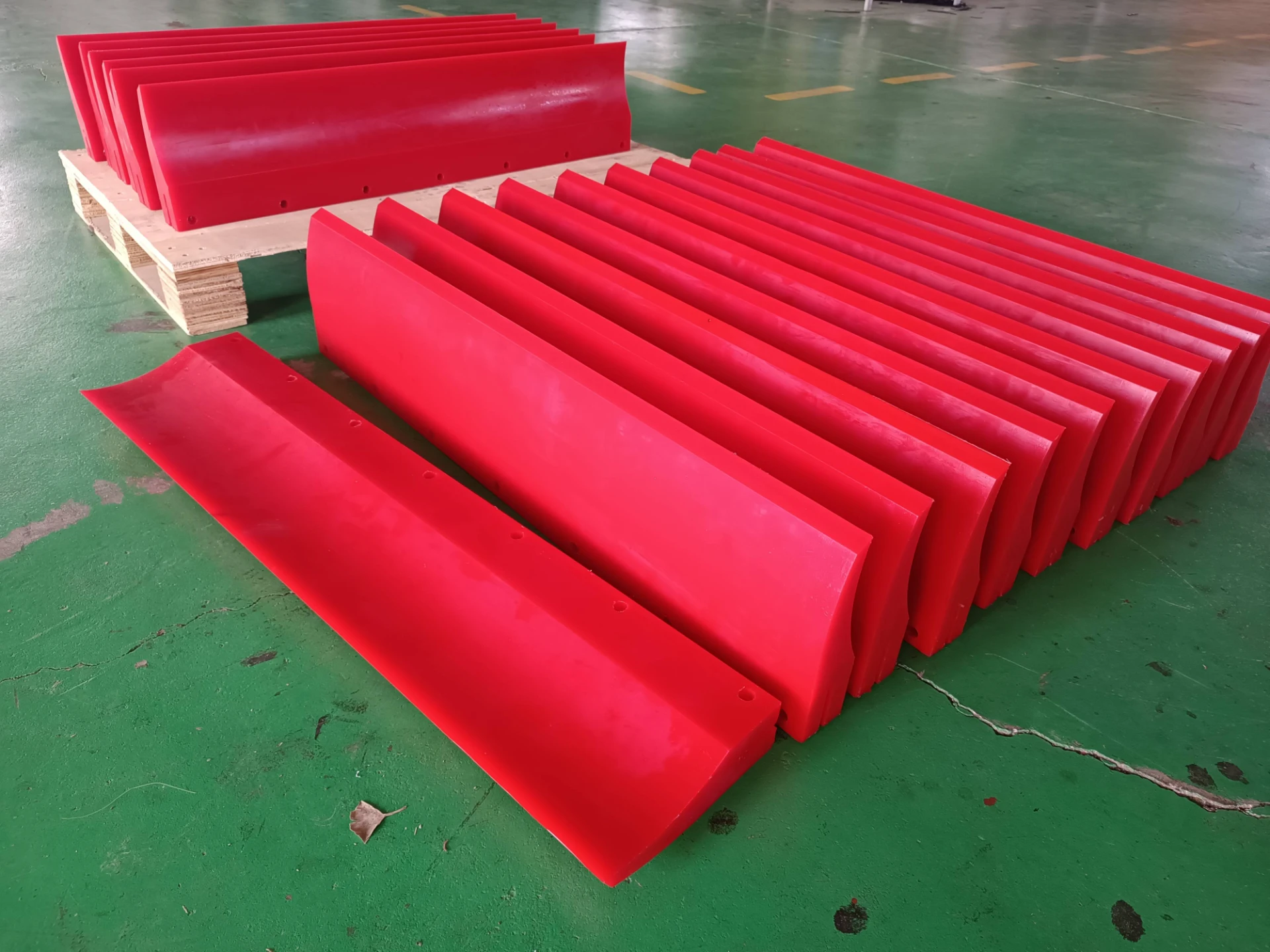
Understanding the Primary Belt Cleaner: Why It Truly Matters
If you've ever worked around conveyor belts, you’ve probably run into the frustration of belt carryback — that stubborn leftover material clinging to the belt after discharge. Enter the primary belt cleaner, a small but mighty device designed to scrape off this residual material, maintaining belt efficiency and extending equipment life. But beyond just keeping things tidy, primary belt cleaners play a key role—in mining, manufacturing, logistics, and even disaster relief supply chains—helping industries reduce downtime, minimize waste, and improve safety.
Globally, conveyors move billions of tons of materials annually. According to the ISO, conveyor systems are essential infrastructure, vital to everything from raw materials extraction to food processing. Yet, carryback can cause costly conveyor damage, environmental spills, and workplace hazards. Understanding and choosing the right primary belt cleaner ensures smoother operations, which, frankly, often flies under the radar but should be a top priority for engineers and plant managers worldwide.
The Global Context: Where Primary Belt Cleaners Make a Difference
Conveyor belts underpin countless industries across continents—from the coal mines in Australia, iron ore fields in Brazil, to manufacturing hubs in Europe and Asia. The World Bank estimates that mining and minerals contribute about 15% of global GDP, yet inefficiencies like carryback cause millions of dollars in losses yearly. That’s where the primary belt cleaner—sometimes called belt scrapers—steps in.
Problems arise because materials sticking to belts get dropped on the ground, creating slide-back hazards, dust pollution, and increased cleaning time. And don’t forget the impact on workers’ safety—slippery surfaces from spilled material can cause accidents. A reliable primary belt cleaner reduces these risks and even improves energy consumption since less material build-up means less belt drag.
So yeah, while it might seem like a small component, the ripple effects on productivity, environment, and safety are significant.
What Exactly Is a Primary Belt Cleaner?
In simplest terms, a primary belt cleaner is a type of scraper installed immediately after the conveyor discharge point. Its job? To scrape off the carryback and prevent it from traveling back onto rollers, idlers, or the return side of the belt. Typically made with polyurethane or rubber blades, these devices press firmly against the belt surface to ensure optimal cleaning.
By design, the primary belt cleaner is your conveyor’s first line of defense against material residue. Without it, belts get dirty quickly, rollers clog, and maintenance costs explode. In modern industry, from automated car assembly lines to food packaging plants and heavy-duty mining operations, these cleaners keep things moving smoothly—saving time, energy, and money.
Key Factors to Consider in Primary Belt Cleaners
Durability & Material Composition
Primary belt cleaners typically face abrasive materials, extreme weather, and continuous mechanical stress. You want blades that resist wear but are still flexible enough to adapt to slight belt imperfections. Polyurethane blends tend to outperform standard rubber due to better abrasion resistance and longer lifespan. Engineers often select materials after lab testing under ISO abrasion norms.
Adjustability and Tensioning
A cleaner’s blade tension affects cleaning efficiency and blade life. Features like spring-loaded or manually adjustable tensioners are critical. Spring-loaded systems can maintain consistent pressure automatically as blades wear—a popular option when you want lower maintenance and higher uptime.
Installation & Maintenance Ease
Since conveyors run non-stop, primary belt cleaners designed for quick blade replacement and minimal downtime are preferred. Modular designs with tool-less blade changes are becoming more standard. After all, every minute saved in maintenance pays back dividends in production.
Compatibility & Customization
Not all conveyors are created equal. Whether you have a narrow belt running light materials or a heavy-duty wide belt hauling rock, a range of models and sizes exist. Some manufacturers offer custom blades or corrosion-resistant frames for specific environments, which is a game-changer in harsh conditions like high-moisture or chemically abrasive sites.
Environmental Considerations
Increasingly, companies want clean conveyor solutions that reduce spillage, dust, and material buildup—especially in food and pharma sectors. New coatings and blade designs target eco-friendliness by extending blade life and lowering waste.
Mini take-away:
- Choose blades with durable materials like polyurethane for longer life.
- Look for tensioning systems that maintain optimal blade pressure.
- Easy-to-maintain designs minimize downtime.
- Don’t overlook environmental and customization needs.
Product Specifications at a Glance
| Specification | Details |
|---|---|
| Blade Material | Polyurethane / Rubber Blend |
| Blade Widths | Up to 2,400 mm (custom sizes available) |
| Tensioning System | Spring Loaded / Manual |
| Blade Life Expectancy | 6–12 months under typical use |
| Installation Type | Bolt-on, Modular, Quick-Change Blades |
Where Do Primary Belt Cleaners Get Used Around the World?
You’ll find primary belt cleaners in diverse settings. Mining sites like those in Canada’s Sudbury Basin rely on robust cleaners to handle abrasive ore dust. In South Africa, steel plants use them to maintain high-speed conveyor belts that transport scrap material. Even in humanitarian logistics—like in remote disaster zones or refugee camps—temporary conveyor setups benefit from primary belt cleaner systems to keep supply lines efficient.
Industrial parks across Europe use these cleaners in automated sorting facilities, where even small residues cause major disruption. Similarly, food companies in North America invest heavily to maintain sanitary conveyor systems, reducing cross-contamination by using specialized cleaners made from FDA-approved materials.
Advantages & Long-Term Value
The value of a primary belt cleaner is often underestimated until you face downtime or costly cleanups. Here’s what it delivers:
- Cost savings: Less build-up means fewer belt replacements, less wear, and reduced conveyor idling.
- Enhanced safety: By minimizing spillage and dust, it lowers workplace hazards.
- Sustainability: Prevents material loss and environmental contamination.
- Reliability: Continuous, well-maintained operations without surprises.
Beyond dollars, it’s about peace of mind. Many plant managers say that a great belt cleaner is a “silent partner” in their workflow — out of sight but absolutely essential.
What’s Next? Future Trends in Primary Belt Cleaner Technology
As automation transforms industries, so do belt cleaning solutions. We’re seeing developments like:
- Smart blades equipped with wear sensors, offering real-time monitoring.
- Eco-friendly materials designed to reduce plastic waste and carbon footprints.
- Integration with conveyor control systems for predictive maintenance.
- Self-adjusting tensioners using pneumatic or hydraulic mechanisms, minimizing manual intervention.
It’s odd yet exciting how something as simple as a scraper is now jumping on the Industry 4.0 bandwagon.
Common Challenges and How to Overcome Them
Despite the clear benefits, primary belt cleaners can face issues like:
- Improper installation: Leading to uneven wear or ineffective cleaning.
- Blade damage from sharp or sticky materials.
- Incompatible blade materials for specific environments.
Experts suggest thorough site assessment before purchase, routine inspections, and choosing modular designs for quick part replacement. Collaborating closely with vendors who understand your application can make all the difference.
The Leading Brands: Quick Vendor Comparison
| Vendor | Material Options | Customization | Maintenance Support | Typical Sectors |
|---|---|---|---|---|
| MutoScreen | Polyurethane, Rubber, FDA-Approved | Full custom blade sizes & pressures | 24/7 remote and onsite service | Mining, Food, Recycling |
| CleanBelt Tech | Rubber compounds, Standard options | Limited | Regular business hours only | Manufacturing, Logistics |
| EcoScrape Industries | Bio-based polymers, eco coatings | Moderate customization | Consultative support with sustainability focus | Food, Pharmaceuticals |
Frequently Asked Questions About Primary Belt Cleaner
1. How often should I replace the blades on my primary belt cleaner?
Blade replacement depends on material abrasive properties and conveyor usage. Generally, polyurethane blades last 6–12 months under typical conditions. It's important to monitor blade wear regularly and replace before performance drops to avoid damage to the belt or spillage.
2. Are all primary belt cleaners compatible with every conveyor belt?
Not exactly. Compatibility varies based on belt width, material conveyed, and environmental conditions. It’s best to consult with manufacturers or experts to choose a cleaner tailored to your conveyor specs and operational environment.
3. Can a primary belt cleaner reduce dust emissions significantly?
Yes. By removing carryback efficiently, it helps reduce spillage and dust generation along the conveyor path, improving workplace safety and reducing environmental impact.
4. Is it possible to retrofit primary belt cleaners onto existing conveyor systems?
Absolutely. Many belt cleaners are designed for bolt-on installation with minimal modification, making retrofitting feasible. However, professional assessment is recommended to ensure proper fit and performance.
5. How do spring-loaded tensioners improve belt cleaner performance?
Spring-loaded tensioners maintain consistent pressure between blade and belt as the blade wears, ensuring effective cleaning throughout the blade’s lifespan and reducing manual maintenance efforts.
Wrapping It Up: Why Your Conveyor Needs a Reliable Primary Belt Cleaner
Investing in a quality primary belt cleaner isn’t just an operational decision—it’s about sustainability, safety, and cost savings, all wrapped into one. Whether running a mining operation or managing a food processing line, the cleaner keeps the entire system humming along smoothly. As automation advances and sustainability goals sharpen, the right primary belt cleaner is going to be ever more essential.
Curious to upgrade your conveyor system? Check out primary belt cleaner solutions tailored for industries worldwide.