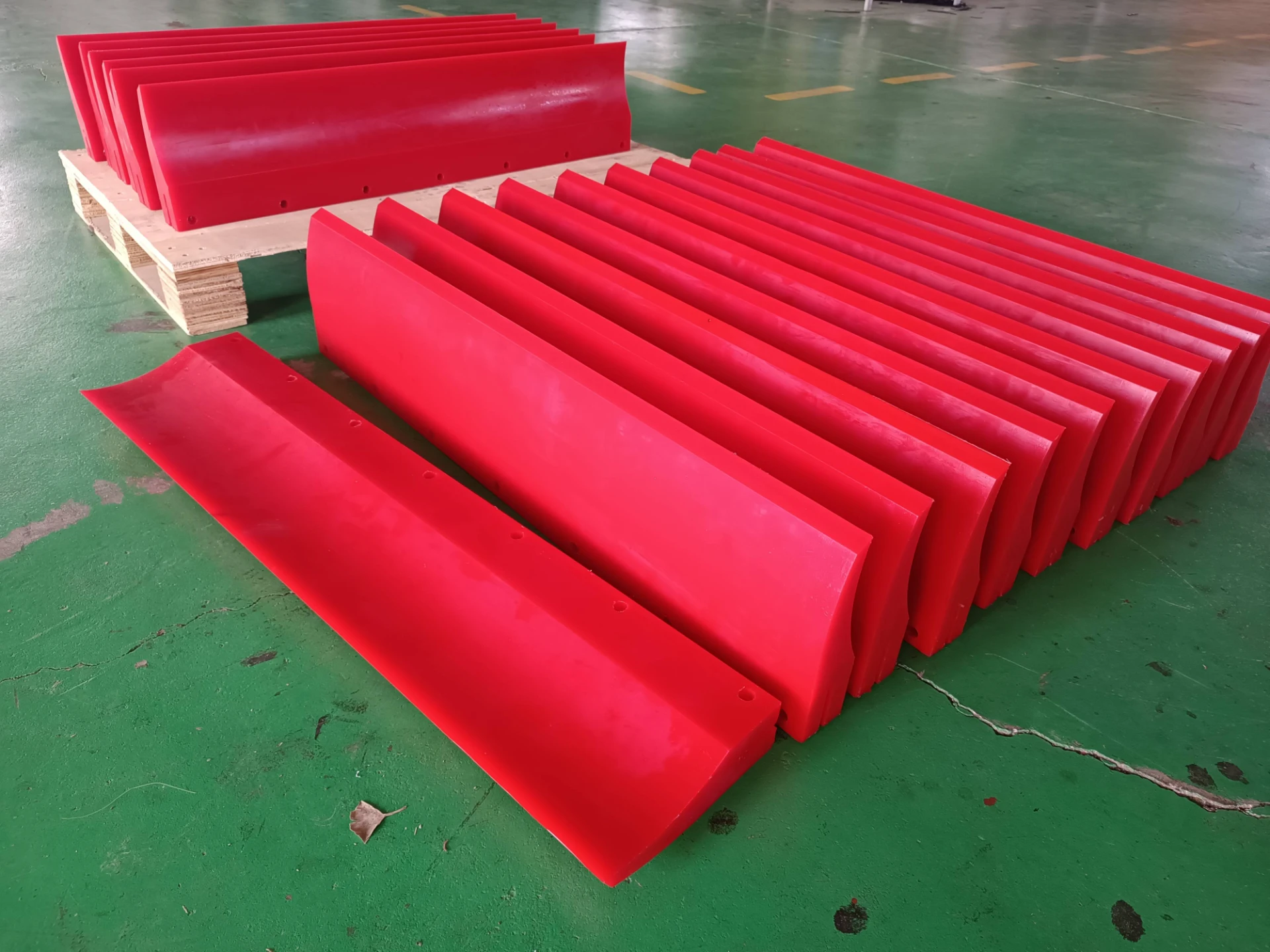
Understanding the Belt Scraper Conveyor: Why It Matters Worldwide
At first glance, a belt scraper conveyor might sound like just another industrial gadget, but in reality, it’s a quiet powerhouse in material handling. These conveyors not only ensure smooth operations in factories and mines but also address critical global challenges—from improving resource efficiency to supporting humanitarian logistics. Understanding their design and application is becoming essential, especially as industries worldwide pursue sustainability and automation.
From global mining to fast-paced manufacturing hubs, conveyor systems equipped with effective belt scrapers keep materials moving without costly downtime or environmental mess. And with increased global trade and resource extraction, the stakes are higher than ever for reliable, clean conveyor operations.
The Global Context: A Closer Look at Belt Scraper Conveyors
According to recent ISO standards on bulk material handling, conveyor belts are estimated to handle millions of tons daily worldwide. Yet, unclean belts present a massive challenge—as residue buildup can cause spillage, equipment wear, and reduce efficiency by up to 15%. Global industries, from mining giants in Australia to ports in Rotterdam, emphasize the importance of efficient belt scraper conveyor systems.
The World Bank reports that infrastructural delays due to equipment failures cost emerging economies billions annually—so belt scraper conveyors, by minimizing breakdowns and maintenance, play a surprisingly big role in economic stability. That’s why attention to them isn’t just industrial trivia; it’s an investment in global productivity and environmental care.
What Exactly Is a Belt Scraper Conveyor?
Simply put, a belt scraper conveyor is a material-moving system that includes a scraper blade or cleaning device designed to clean or scrape the material residue off the conveyor belt. Over time, materials stick to belts, and these scrapers prevent buildup by removing residual particles, ensuring the belt runs clean and smooth.
Think of it as the conveyor’s toothbrush—cleansing its surface to prevent mess, reduce wear, and keep everything flowing efficiently. They blend mechanical ingenuity with practical needs, playing a silent yet vital role in sectors like mining, construction, agriculture, and even humanitarian aids where materials move around disaster zones or temporary staging areas.
Core Components of Belt Scraper Conveyors
1. Durability
Many engineers emphasize that scraper blades must withstand abrasive materials like coal, sand, or ore without warping or wearing down prematurely. Materials such as tungsten carbide or polyurethane are popular because they balance toughness with flexibility.
2. Scalability
Conveyor systems range from small factory lines to massive mining operations spanning kilometers. Scraper systems must scale accordingly—modular designs help companies customize scraper length and blade tension to different belt sizes effortlessly.
3. Cost Efficiency
Oddly enough, a simple scraper can reduce maintenance costs drastically. Less belt damage and downtime mean long-term savings, even if the initial investment seems higher.
4. Easy Maintenance and Replacement
Many users praise scraper conveyors designed for quick blade changes in the field. This reduces labor hours and minimizes shutdowns—a pretty critical factor when production lines can’t afford stoppages.
5. Environmental Considerations
With increased pressure to reduce waste and spills, belt scraper conveyors are also designed to be eco-friendly by minimizing spillover during material transfer. It’s a small but crucial cog in sustainable operations.
Mini takeaway: The strength of a belt scraper conveyor ultimately lies in its ability to stand up to harsh environments, scale per operational need, and reduce ongoing costs — all while preserving uptime and lowering environmental impact.
Where in the World Are Belt Scraper Conveyors Making a Difference?
From the gold mines in South Africa to grain silos in the American Midwest, conveyor belt scrapers are everywhere. For example, in post-disaster relief efforts in Southeast Asia, mobile conveyor systems equipped with scrapers help sort and transport debris safely, expediting cleanup efforts. Meanwhile, in remote industrial zones like Siberia, scraped conveyor belts keep precious metal extraction smooth despite extreme weather.
Even urban recycling centers use scraper conveyors, blending technology with sustainability goals. This diversity of use cases illustrates how belt scraper conveyors adapt across different economies and climate challenges.
Advantages and Long-Term Value of Efficient Belt Scraper Conveyors
- Cost Savings: Proper scraping reduces belt tears and motor strain, saving money on repairs and energy use.
- Sustainability: Less spillage means less environmental pollution—crucial for companies trying to reduce regulatory risks.
- Safety: Clean belts reduce slip hazards and dust exposure, protecting workers.
- Trust and Reliability: When your conveyor is dependable, it builds confidence across supply chains and operational teams.
It’s not just technical efficiency; there’s an emotional comfort in knowing your machinery won’t suddenly fail during critical times. Many operators mention the peace of mind that comes with a well-maintained scraper conveyor.
Product Specification Table
| Feature | Specification |
|---|---|
| Scraper Blade Material | Tungsten Carbide / Polyurethane |
| Applicable Belt Width | 300 mm to 2400 mm (Customizable) |
| Operating Temperature | -20°C to +80°C |
| Installation Type | Adjustable Mounting Brackets |
| Maintenance Interval | Every 3-6 months (Field Replaceable) |
Emerging Innovations and Future Trends in Belt Scraper Conveyors
Looking ahead, the conveyor industry isn't exactly slowing down. Automation takes center stage with smart sensors integrated alongside belt scraper conveyors to monitor blade wear and belt tension in real time. This data-driven approach allows predictive maintenance—an industry game changer.
Plus, greener materials—think eco-friendly polymers or bio-composites—are making their way into scraper blades, marrying durability with sustainability. And oddly enough, energy recovery systems are being tested on conveyor motors to reduce the industry’s carbon footprint.
Challenges and How Industry Is Tackling Them
No system is perfect, and belt scraper conveyors face issues like premature blade wear, challenging installation in tight spaces, or maintenance downtime. However, many users and manufacturers are working on modular scraper assemblies that speed up replacement and outfitting. Also, advances in materials science help combat wear and tear, extending service life noticeably.
A few firms even pilot remote operational monitoring via IoT devices to detect scraper malfunction before it causes production delays. It’s a bit like having a sentinel watching the conveyor 24/7.
Frequently Asked Questions About Belt Scraper Conveyor
- Q1: How often should I replace the scraper blade on a conveyor?
- A: Replacement depends on material abrasiveness and operating conditions, but generally every 3-6 months for heavy use. Visual inspections monthly can help spot excessive wear early.
- Q2: Can belt scraper conveyors be customized for unusual belt widths?
- A: Absolutely. Most manufacturers offer scalable, modular scraper blades to fit belt widths from narrow to very wide applications, ensuring optimal cleaning performance.
- Q3: Are belt scraper conveyors suitable for hazardous environments?
- A: Yes, with proper materials and certifications (e.g., ATEX for explosive environments), scraper conveyors can be safely deployed in many industrial settings.
- Q4: How do belt scrapers improve sustainability efforts?
- By minimizing spillage and reducing material waste, belt scraper conveyors contribute to cleaner operations and less environmental contamination — a direct sustainability win.
- Q5: What’s the biggest challenge when installing scraper conveyors on existing equipment?
- Finding space for mounting and ensuring correct tensioning without disrupting existing processes. Expert planning and modular designs help ease these challenges.
Comparing Top Belt Scraper Conveyor Vendors
| Vendor | Material Options | Customization Level | Warranty | Pricing Tier |
|---|---|---|---|---|
| ConveyMax | Polyurethane, Steel-Ceramic | High (Fully Modular) | 5 Years | $$$ |
| BeltSure | Tungsten Carbide, Hardened Rubber | Medium (Custom Lengths) | 3 Years | $$ |
| EcoScrape Systems | Biopolymer, Silicone Blend | Low (Standard Sizes) | 2 Years | $ |
Conclusion: The Long-Term Value of Belt Scraper Conveyors
When you dive a bit deeper, belt scraper conveyors reveal themselves as much more than just cleaning tools—they’re key drivers of operational efficiency, safety, and sustainability worldwide. Whether it’s in a massive mine or a small recycling plant, they keep things moving cleanly and reliably.
Curious to explore products or solutions tailored to your needs? Visit our website: belt scraper conveyor for expert advice and cutting-edge options to ensure your conveyor belts stay in top shape.