Understanding Belt Cleaners: Why They Matter More Than You Might Think
If you’ve ever glanced at a conveyor belt in industries like mining, agriculture, manufacturing, or recycling, you might have missed the unsung hero working quietly alongside — the belt cleaner. Yeah, it’s one of those things that seems simple until you get into the nitty-gritty. Globally, keeping conveyor belts free of debris and buildup isn’t just a housekeeping issue; it impacts efficiency, safety, environmental compliance, and even worker dignity in tough industrial conditions. Understanding what a belt cleaner is and why it’s critical can save factories, mines, and logistic centers millions in downtime, repairs, and environmental penalties.
The Global Impact of Belt Cleaning Technologies
Believe it or not, conveyor belts move millions of tons of materials daily worldwide. According to the International Organization for Standardization (ISO) and industry reports, over 60% of bulk material handling equipment downtime is caused by carryback issues—that’s the material sticking to the belts and causing jams or spillage. In countries heavily dependent on mining or agriculture, such as Australia, Canada, and Brazil, belt cleaner efficiency directly affects productivity and sustainability goals.
Frankly, the challenge lies in balancing cost, durability, and reliability. Even with automation and AI creeping into industrial setups, the “mechanical rubber-and-metal” belt cleaner remains the first line of defense. Companies that ignore it often find themselves buried under fines, cleanup bills, and lost orders. All the while, workers in dusty, noisy environments face added safety risks without proper belt cleaning systems.
So, What Exactly Is a Belt Cleaner?
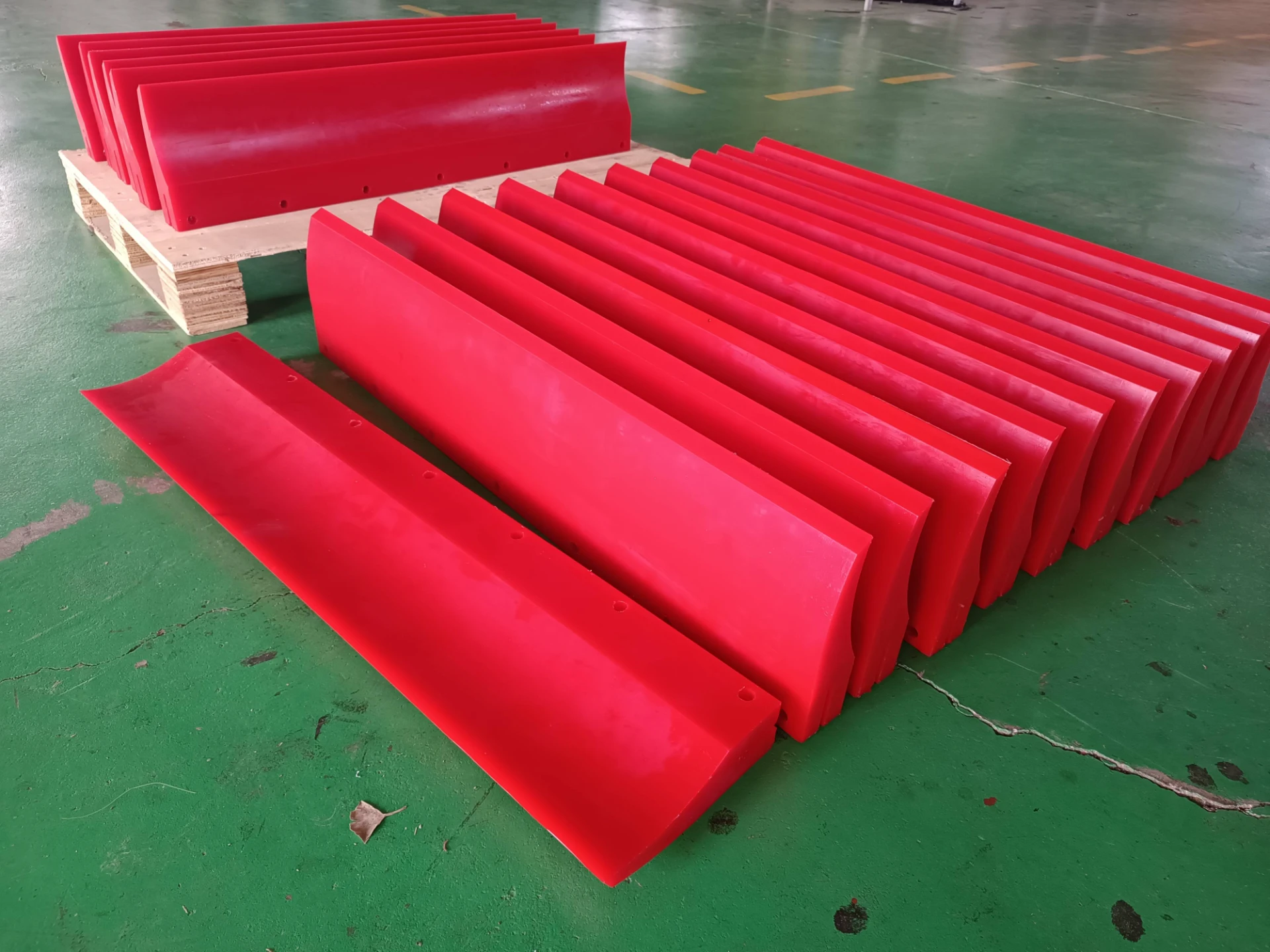
Put simply, a belt cleaner is a device designed to scrape, brush, or otherwise remove buildup from conveyor belts during operation. Think of it as a windshield wiper but for carryback material clinging onto that moving surface. It can be a single blade or multi-stage system, usually mounted at the head pulley or tail pulley sections. The cleaner ensures the belt leaves the loading point clean, avoiding material drop-offs further downstream.
On a larger scale, belt cleaners connect to the bigger humanitarian and industrial picture by helping reduce environmental pollution—contaminated runoff from spillage—and minimizing equipment wear and workplace accidents. It’s a modest but crucial part of industrial hygiene.
Key Factors That Make Belt Cleaners Tick
1. Durability & Material Composition
Most belt cleaners use polyurethane blades or tungsten carbide edges to resist abrasion. I’ve seen blades last 12 months in some operations, while others need replacement after just a few weeks. Material choice depends on what’s being transported—sharper materials like crushed rock demand tougher blades.
2. Adjustability & Tensioning Mechanism
The cleaner’s effectiveness often hinges on a smart tensioning system that keeps the blade firmly pressing the belt without causing damage. Too loose, and you get carryback; too tight, and the belt wears prematurely. It’s a fine balancing act.
3. Scalability & Customization
Conveyor systems vary wildly in size. Some plants run belts that are just 18 inches wide; others span 96 inches. Many manufacturers now offer modular cleaner kits that can be adapted on site, saving downtime and costs.
4. Cost Efficiency Over Time
At first glance, belt cleaners might seem like a minor expense. But neglecting the right system leads to costly repairs and cleanup. On the flip side, the best models reduce maintenance time and extend belt life, resulting in a clear ROI within months.
5. Ease of Maintenance
Ideally, cleaning systems can be serviced without stopping the entire operation. Engineers often praise quick blade replacement features and corrosion-resistant frames for keeping things smooth.
Where Are Belt Cleaners Put to Use? Real-World Applications
Mining operations in South Africa depend heavily on rugged belt cleaning to handle ore carryback from crushers. Over in Southeast Asia, palm oil mills use belt cleaners to minimize waste spillage — crucial for environmental compliance. In recycling facilities in Europe and North America, belt cleaners prevent contaminant buildup that could compromise sorting quality.
One interesting example: during the aftermath of natural disasters, temporary conveyor lines for debris removal rely on reliable belt cleaners to keep operations safe and swift. It may sound niche but imagine the scale of such cleanup!
Mini takeaway:
- Belt cleaners might fly under the radar but directly impact cost savings, safety, and environmental goals.
- They’re used worldwide—from disaster zones to massive mining farms—showing their industrial versatility.
The Advantages and Long-Term Value of a Quality Belt Cleaner
Besides the obvious operational savings, belt cleaners bring a surprising amount of peace of mind. They reduce the risk of dangerous cascade spillage, which can cause slips or fires. They also maintain system integrity over longer periods, which means fewer shutdowns and downtime.
And then there’s the sustainability angle: a cleaner conveyor system means less material ends up polluting the site or surrounding areas. I always found this ecological benefit oddly uplifting—little machines quietly doing their bit for the planet.
Product Specifications at a Glance
| Model | Blade Material | Belt Width Range | Temperature Range | Replacement Interval |
|---|---|---|---|---|
| CleanPro X1 | Polyurethane | 18" - 60" | -20°C to 60°C | 6-12 months |
| TungaBlade T3 | Tungsten Carbide Edged | 24" - 72" | -10°C to 80°C | 3-6 months |
| EcoClean 2000 | Recycled Rubber Composite | 12" - 48" | -15°C to 50°C | 9-15 months |
Comparing Leading Belt Cleaner Vendors
| Vendor | Product Range | Customization | Price Level | Lead Time |
|---|---|---|---|---|
| MutoScreen | Broad: Basic to Heavy Duty | High – Modular Kits | Medium | 2-4 weeks |
| ScrapeTech Inc. | Specialized Heavy Duty | Medium | High | 4-6 weeks |
| GreenEdge Systems | Eco-Material Focus | Low | Low-Medium | 3-5 weeks |
Emerging Trends in Belt Cleaner Technology
The conveyor world isn’t stagnant. Recently, I noticed a push toward greener materials—biodegradable blades and recycled composites—to minimize landfill impact. Digital tension-adjust sensors are also gaining ground, integrating with smart plant systems to signal early blade wear and maintenance needs.
Automation isn’t just fancy talk here; self-adjusting cleaners that react in real-time to belt conditions are on track to become standard in the next few years. That means fewer surprises, better uptime, and smarter resource use. For sectors aiming for net-zero emissions, reducing spillage and waste fits neatly into broader corporate sustainability goals.
Challenges—and How Industry Leaders Are Fixing Them
Common challenges include rapid blade wear on abrasive materials, installation issues in retrofit projects, and balancing cleaning with belt damage risk. Some experts suggest innovative blade coatings or hybrid metal-polymer designs as a way forward. Then there are clever mounting systems that allow tool-free blade swaps, reducing lockout/tagout downtime.
In remote or extreme environments, the timing of routine maintenance can make or break operations. Some companies contract service providers who use drones or sensors for remote diagnostics—sort of like a health check for your belt cleaner.
FAQ: Common Questions About Belt Cleaners
Q1: How often should a belt cleaner blade be replaced?
A: It varies with material and usage, but replacement typically ranges from 3 to 12 months. Regular inspections and monitoring carryback levels help schedule timely replacement before performance drops.
Q2: Can a belt cleaner damage my conveyor belt?
A: Properly adjusted belt cleaners won’t harm belts. Over-tensioning or using the wrong blade type can cause premature wear, so always follow manufacturer guidelines and inspect the tension regularly.
Q3: Are belt cleaners customizable for unique conveyor sizes?
A: Absolutely—most manufacturers offer modular or bespoke solutions tailored to belt widths, environmental conditions, and material types. This flexibility is key for upgrading existing conveyor systems.
Q4: Is it possible to install belt cleaners without halting the conveyor?
A: Many modern cleaners are designed for “live” installation, minimizing downtime. However, safety protocols must be strictly followed during installation or maintenance tasks.
Q5: How do belt cleaners contribute to environmental safety?
A: They reduce spillage and dust emissions, which lowers onsite contamination and runoff. This improves workplace air quality and prevents surrounding soil and water pollution.
Wrapping It Up: Why Investing in Belt Cleaners Pays Off
At the end of the day, a belt cleaner might feel like a tiny cog in a massive machine. But ignoring that cog can grind your entire operation to a halt. From cost savings and environmental benefits to worker safety and operational consistency, belt cleaners deliver long-term value that extends well beyond the initial price tag.
If you’re ready to see how a robust belt cleaning solution can transform your industrial workflow, visit https://www.mutoscreen.com. Trust me, your conveyor belts will thank you.