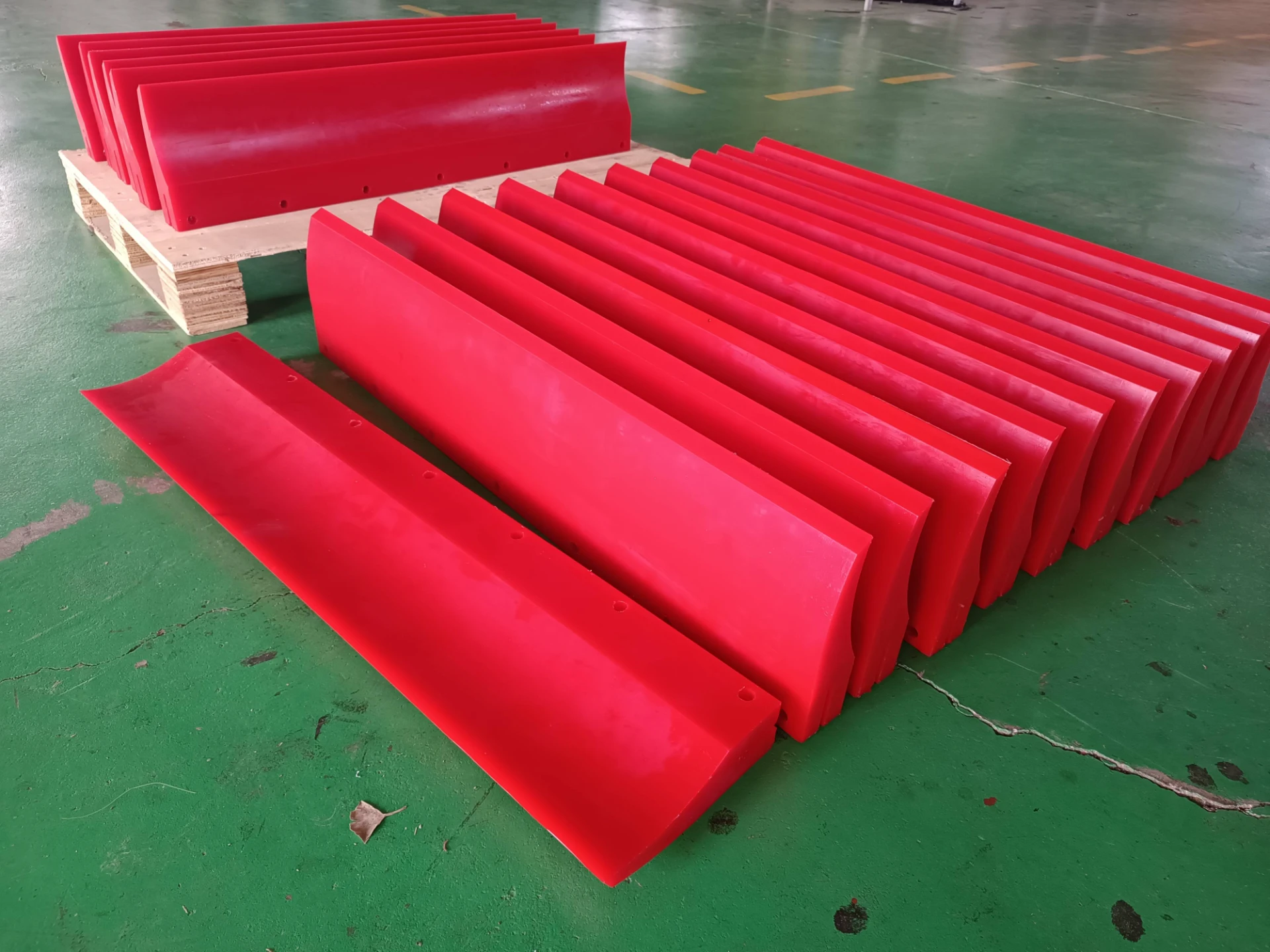
Polyurethane Conveyor Belt: The Unsung Hero of Modern Industry
At first glance, a polyurethane conveyor belt may seem like just another industrial component, but its significance on a global scale is anything but trivial. This piece of engineered simplicity powers a vast range of industries — from manufacturing lines to humanitarian aid logistics — and understanding its features and applications unlocks a crucial perspective on efficiency, sustainability, and innovation.
Why It Matters Globally
According to recent reports from the International Organization for Standardization (ISO), industrial automation — conveyor systems included — has seen growth by nearly 10% annually in emerging markets since 2018. The supply chain disruptions during the COVID-19 pandemic also highlighted the value of resilient materials like polyurethane belts, which provide unmatched durability and flexibility. Simply put, these belts keep essential goods moving, sometimes literally saving lives.
Mini Takeaway:
The polyurethane conveyor belt isn’t just a piece of factory equipment; it’s an integral part of global systems ensuring production continuity and rapid response, especially under evolving industrial challenges.
What Exactly Is a Polyurethane Conveyor Belt?
In simplest terms, a polyurethane conveyor belt is a conveyor belt made primarily from polyurethane — a versatile synthetic polymer known for its elasticity, abrasion resistance, and chemical stability. Unlike traditional rubber belts, polyurethane belts resist oil, grease, and many solvents, making them ideal for harsh industrial environments.
They’re more than just belts. They’re the lifeblood of automated processes in sectors like food processing, pharmaceuticals, packaging, and even disaster relief logistics, where precise, dependable material transport is critical.
Mini Takeaway:
Think of polyurethane conveyor belts as the adaptable, tough connectors that keep complex industrial and humanitarian systems humming smoothly.
Core Characteristics That Set Them Apart
Durability & Wear Resistance
One of the biggest selling points is their resistance to wear and tear. Polyurethane belts last significantly longer than rubber alternatives, especially when exposed to abrasion or repeated flexing. That longevity translates into less downtime and reduced maintenance costs, a welcome advantage for busy production lines.
Chemical & Oil Resistance
Industries like food processing or pharmaceuticals need belts that won’t react adversely with oils, solvents, or cleaning agents. Polyurethane’s chemical inertness ensures the belt won’t degrade quickly, which is vital for hygiene and compliance with regulatory standards.
Temperature Tolerance
Depending on the specific formulation, these belts can function efficiently in temperatures ranging roughly from -30°C up to about 80°C or more. That flexibility gives manufacturers freedom to use them in chilled warehouses or hot assembly lines without worrying about material failure.
Customization & Scalability
Polyurethane conveyor belts are available in various thicknesses, hardness levels, and colors, allowing customization for specific applications. Whether it’s a lightweight belt for delicate items or a heavy-duty belt for rugged goods, the modular sizing options support diverse needs.
Mini Takeaway:
Durability, chemical resistance, and versatile specs make polyurethane belts an industrial workhorse that suits a broad palette of applications.
How These Belts Drive Industry and Aid Globally
In real terms, you’ll find polyurethane conveyor belts behind the scenes everywhere:
- Manufacturing hubs: From electronics assembly in East Asia to automotive plants in Europe, they transport components swiftly and safely.
- Food and beverage providers: In North America and Latin America, the belts resist oils and fats, making them crucial in frozen and fresh food packaging lines.
- Humanitarian relief efforts: In disaster zones, organizations rely on conveyor belts for rapid unloading and sorting of supplies, especially where infrastructure is damaged.
- Recycling centers: Polyurethane belts survive harsh waste materials, crucial for circular economy initiatives globally.
Oddly enough, NGO logisticians mention how belt durability impacts the speed and safety of relief operations — a small detail that makes a big difference when every minute counts.
Mini Takeaway:
Polyurethane belts connect global industry with on-the-ground humanitarian efforts, ensuring swift, reliable movement of goods in varied environments.
Product Specifications at a Glance
| Specification | Typical Range | Notes |
|---|---|---|
| Material Thickness | 1.5 mm – 10 mm | Customizable for load requirements |
| Operating Temperature | -30°C to +80°C | Varies by belt grade |
| Tensile Strength | 20 – 40 MPa | Depends on reinforcement |
| Hardness (Shore A) | 80 – 95 | Denser belts for heavy industrial use |
| Color | Clear, blue, black, custom | Color coding for various applications |
Top Vendors and How They Stack Up
| Vendor | Material Quality | Customization Options | Price Range | Lead Time |
|---|---|---|---|---|
| MutoScreen | High (medical-grade polyurethane) | Extensive, including colors and thickness | Mid to high | 2–4 weeks |
| PolyBelts Inc. | Standard industrial grade | Moderate | Budget-friendly | 3–6 weeks |
| EcoConvey | Recycled polyurethane blend | Limited | Mid-range | 4–5 weeks |
Why Choose Polyurethane Conveyor Belts? The Advantages & Long-Term Value
In real-world terms, I noticed engineers often highlight how these belts combine economy with strong performance. The initial cost might be a bit higher than traditional rubber, but the long-term value is where the money really speaks:
- Cost savings through durability: Fewer replacements mean less production downtime and maintenance expenses.
- Sustainability: Many polyurethane belts are recyclable. Some manufacturers even incorporate recycled materials into their products, reducing environmental impact.
- Safety and hygiene: The belts’ resistance to bacteria buildup makes them the go-to for food and pharma industries, preserving product integrity and worker safety.
- Trust and innovation: Using advanced materials conveys a company’s dedication to quality and reliability — something clients and customers notice.
Mini Takeaway:
Polyurethane conveyor belts aren’t just a purchase; they’re an investment in sustainability, safety, and operational excellence.
The Future: Trends and Innovations Shaping Conveyor Belt Tech
The conveyor industry is not static. Frankly, it’s buzzing with innovations:
- Smart Conveyor Belts: Integration of sensors enables real-time monitoring of belt conditions, predictive maintenance, and even automated adjustments.
- Green Materials: New bio-based polyurethane formulas are emerging, reducing fossil fuel dependence without losing performance.
- Automation Synergy: Polished belt surfaces combined with robotics create ultra-smooth sorting and packaging lines, of particular importance in e-commerce hubs.
It feels like the conveyor belt, humble as it appears, will soon be an active participant in Industry 4.0 rather than a passive component.
Challenges and Expert Solutions
Yet, it’s not all roses. Some challenges persist:
- Cost barriers: Upfront spending can deter smaller operators, though increasing modularity helps.
- Temperature extremes: Some PU belts struggle in ultra-high heat or freezing cold, requiring hybrid solutions.
- Customization complexity: Over-customizing can lead to supply delays — balancing specs with availability is key.
Industry experts suggest a proactive approach to specification planning and collaboration with vendors to solve these roadblocks early.
Frequently Asked Questions (FAQ) About Polyurethane Conveyor Belts
- Q: How long does a polyurethane conveyor belt typically last in industrial usage?
- A: Under regular industrial conditions, these belts can last anywhere from 3 to 7 years, depending on load, maintenance, and environment. Proper cleaning and timely inspections help extend their longevity.
- Q: Are polyurethane conveyor belts suitable for food-grade applications?
- A: Absolutely. Their resistance to oils, fats, and chemicals combined with ease of cleaning makes them ideal for meeting stringent hygiene standards in food processing.
- Q: Can I customize the color or thickness of these belts?
- A: Yes, most vendors offer customization options in thickness, hardness, and color to fit specific operational needs and help with line differentiation.
- Q: Do polyurethane belts require special maintenance?
- A: Maintenance is straightforward but essential. Regular cleaning to remove debris, checking for wear, and avoiding exposure to temperatures outside the recommended range preserve belt integrity.
Conclusion: Steady, Sustainable, and Smart
Overall, the humble polyurethane conveyor belt stands as a testament to how material science and engineering quietly transform entire industries and supply chains. Its blend of durability, versatility, and emerging tech readiness means it’s likely to remain a foundational element across sectors for decades.
If you’re looking to upgrade your production line, enhance sustainability efforts, or need expert advice on specifications, take a moment to visit MutoScreen’s website — they’re specialists in tailoring solutions to exact industrial needs.
Mini Takeaway:
Innovation in simple things often leads to the biggest changes — and polyurethane conveyor belts embody that quietly powerful truth.