Understanding the Hammer Mill Screen: Vital Component in Material Processing
When it comes to crushing and grinding solid materials efficiently, the hammer mill screen is one of those quietly indispensable parts of the industrial machinery world. Globally, industries ranging from agriculture to recycling rely heavily on hammer mill screens to optimize output quality and workflow. It’s odd how something that sounds so niche actually underpins large swaths of daily production—think pelletizing animal feed or shredding waste for compost.
In fact, according to the International Organization for Standardization (ISO), the optimization of milling and screening processes contributes significantly to reducing production waste and energy consumption worldwide. Proper understanding and selection of hammer mill screens can improve product consistency, reduce downtime, and lower operational costs.
What Is a Hammer Mill Screen? A Simple Explanation
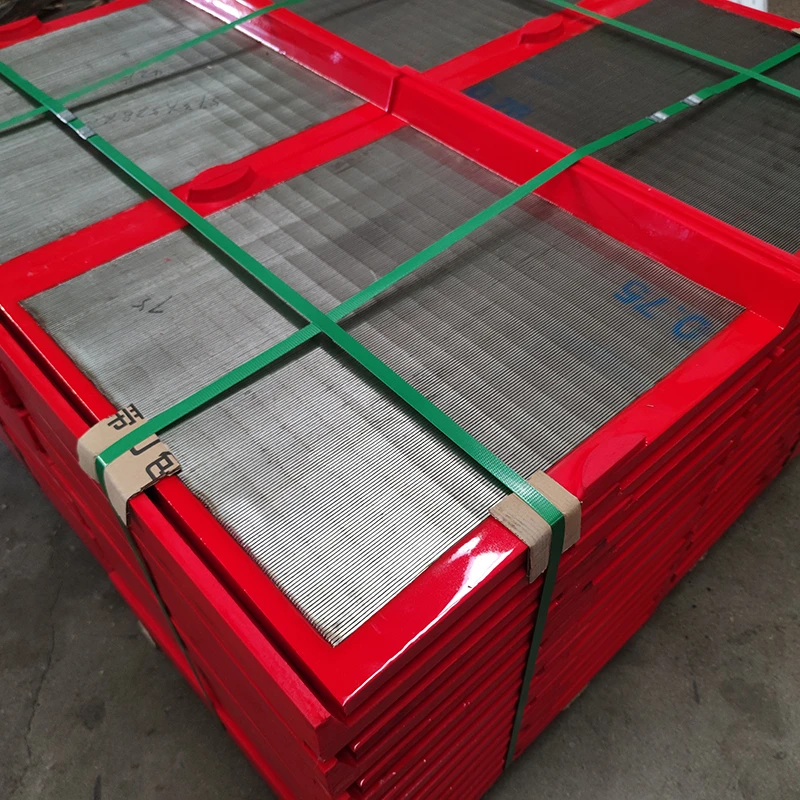
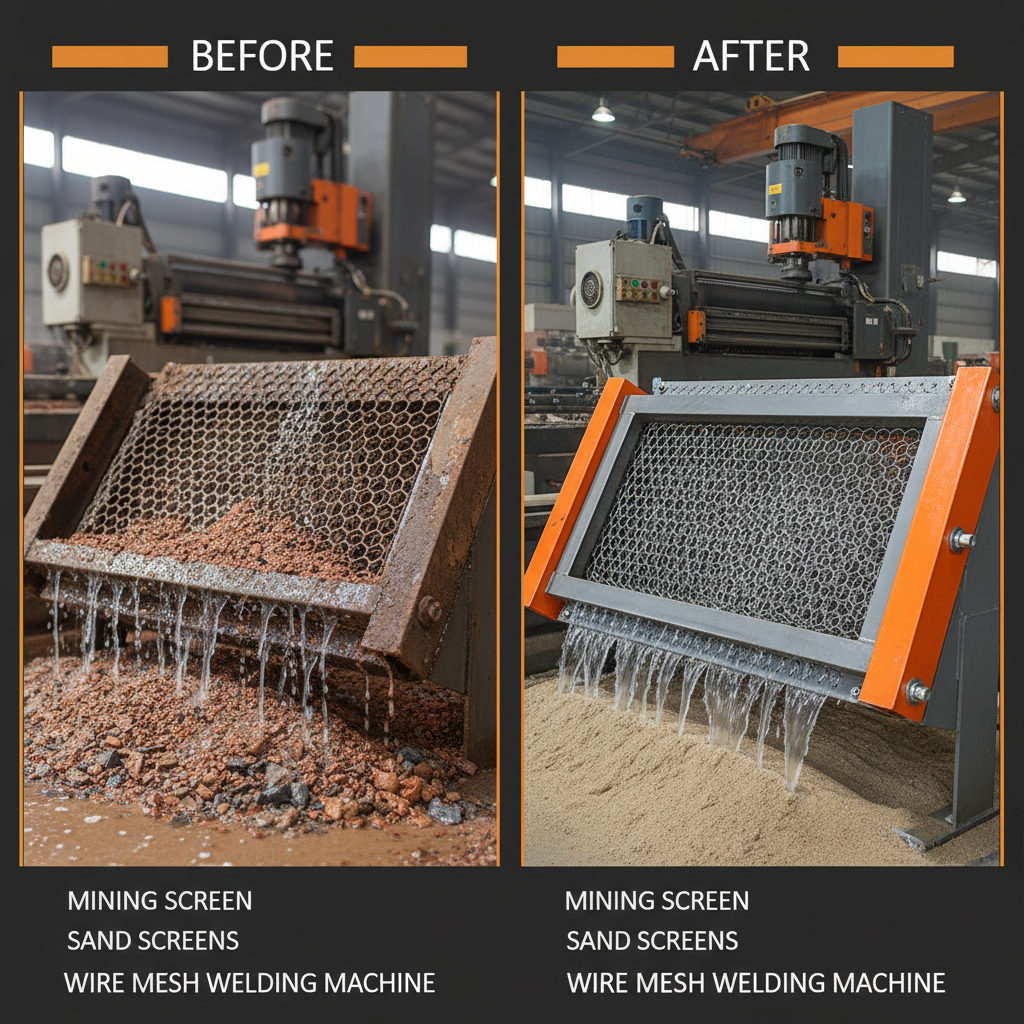
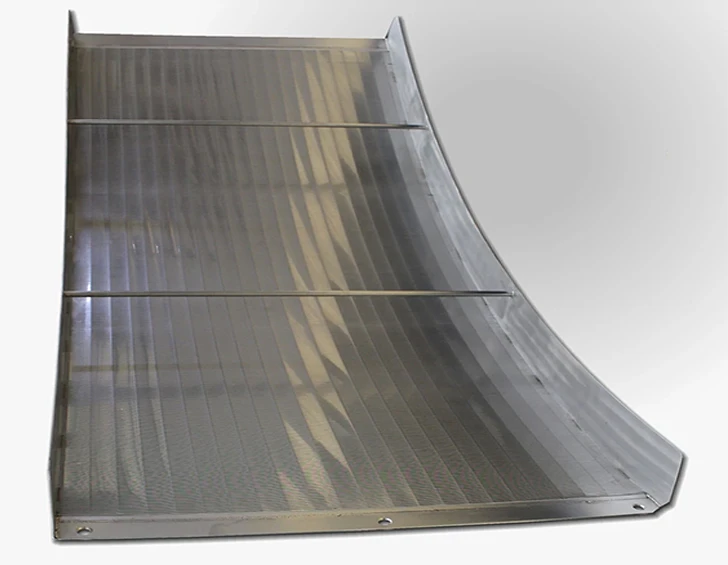
A hammer mill screen is essentially a perforated or mesh sheet positioned inside a hammer mill's grinding chamber. It serves a dual purpose: controlling the particle size of the finished material and preventing oversized debris from passing through. A typical hammer mill operates by swinging hammers that crush material against this screen, which filters out fragments based on hole size.
This component isn’t just mechanical fluff; it’s a key player in sectors like food processing, pharmaceuticals, and bioenergy, helping industries meet stringent quality and safety standards. Interestingly, in humanitarian contexts like refugee camp food production centers, the right hammer mill screens ensure feed and flour are safe and wholesome.
Key Features of Hammer Mill Screens
1. Durability and Material Quality
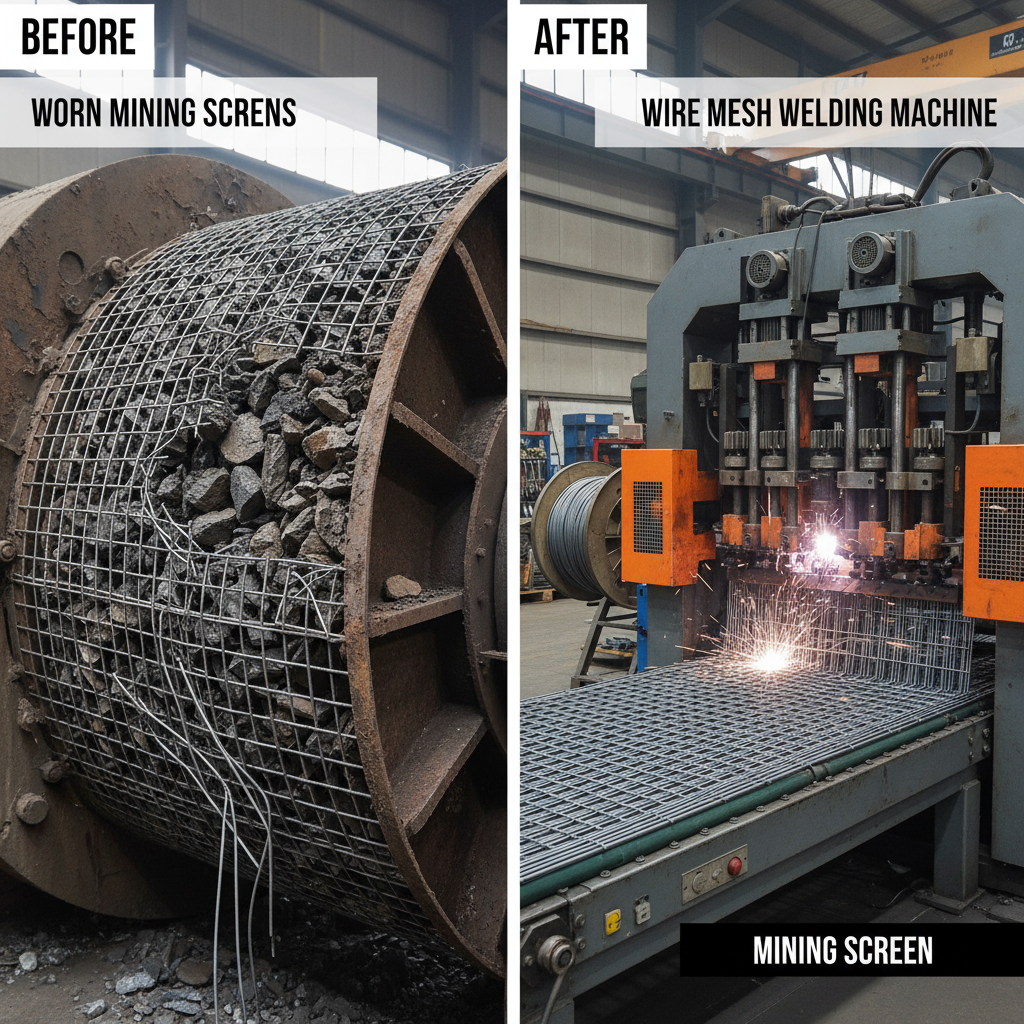
The screens are typically made from high-carbon steel, stainless steel, or specialized alloys. Why? Because they must resist abrasion and corrosion while enduring constant impact. The more durable the screen, the less frequent replacements — an economic plus.
2. Hole Size and Configuration
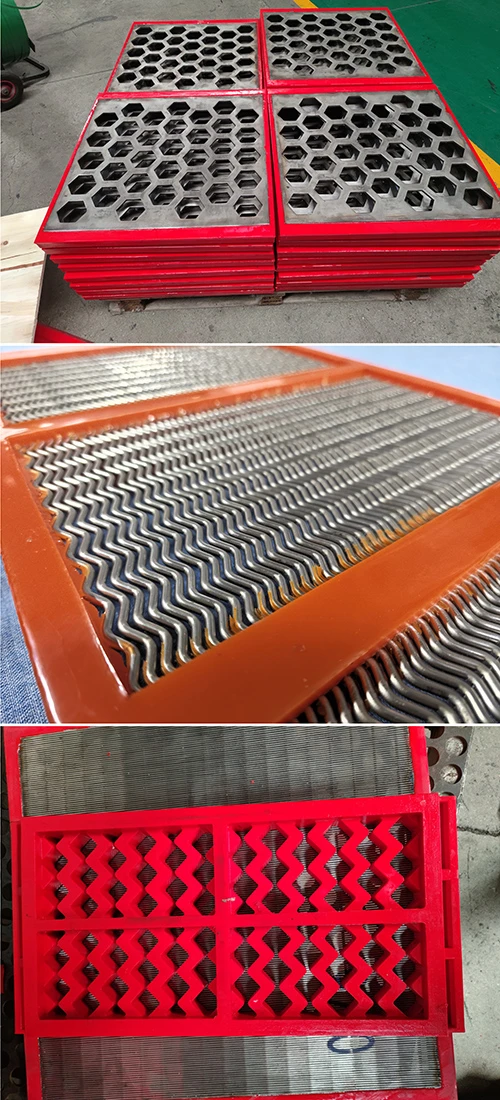
Hole sizes can range typically between 1 mm and 50 mm, depending on the intended particle size output. Equally important is the hole shape—round, square, or slotted holes influence flow and screening accuracy. Some engineers swear by slotted screens for fibrous materials.
3. Ease of Replacement and Maintenance
A practical consideration: screens need to be easy to remove and install. In high-throughput environments, downtime costs money, so a well-designed screen mounting system is essential. Quick-release clamps or bolted frames are common solutions.
4. Scalability and Customization
Whether you run a small pellet mill or a large feed processing plant, hammer mill screens come in customizable sizes and thicknesses. This scalability means operators can tailor particle size exactly to the application, enhancing product uniformity.
Applications Across the Globe
The hammer mill screen’s broad applicability is impressive. In North America and Europe, they’re pivotal in agricultural feed mills, turning grains into manageable pellets. In Asia, particularly in rice-producing regions, these screens help turn waste husks into biofuel feedstock.
Oddly enough, in disaster relief scenarios, mobile hammer mills equipped with versatile screens assist in converting organic waste into usable products rapidly, aiding both environmental cleanup and resource generation. Meanwhile, recycling plants globally depend on these screens to segregate shredded plastics or rubber, aiding circular economy goals.
Mini Takeaway:
Simply put, hammer mill screens are small but mighty components enabling diverse industries worldwide to optimize production and uphold quality.
Advantages and Lasting Impact
- Cost Efficiency: Reduces energy consumption by optimizing particle size.
- Sustainability: Enhances recycling and waste conversion initiatives.
- Reliability: Durable materials ensure minimal downtime.
- Safety: Prevents large dangerous debris from contaminating products.
Future Trends in Hammer Mill Screens
Looking ahead, manufacturers are experimenting with hardened ceramic coatings, increasing wear resistance even more. Also, digital sensors embedded in screens might soon predict clogging or wear — melding automation with maintenance. Sustainability is a key driver too: lighter screens made from recycled alloys could reduce carbon footprints.
Challenges and How Experts Are Navigating Them
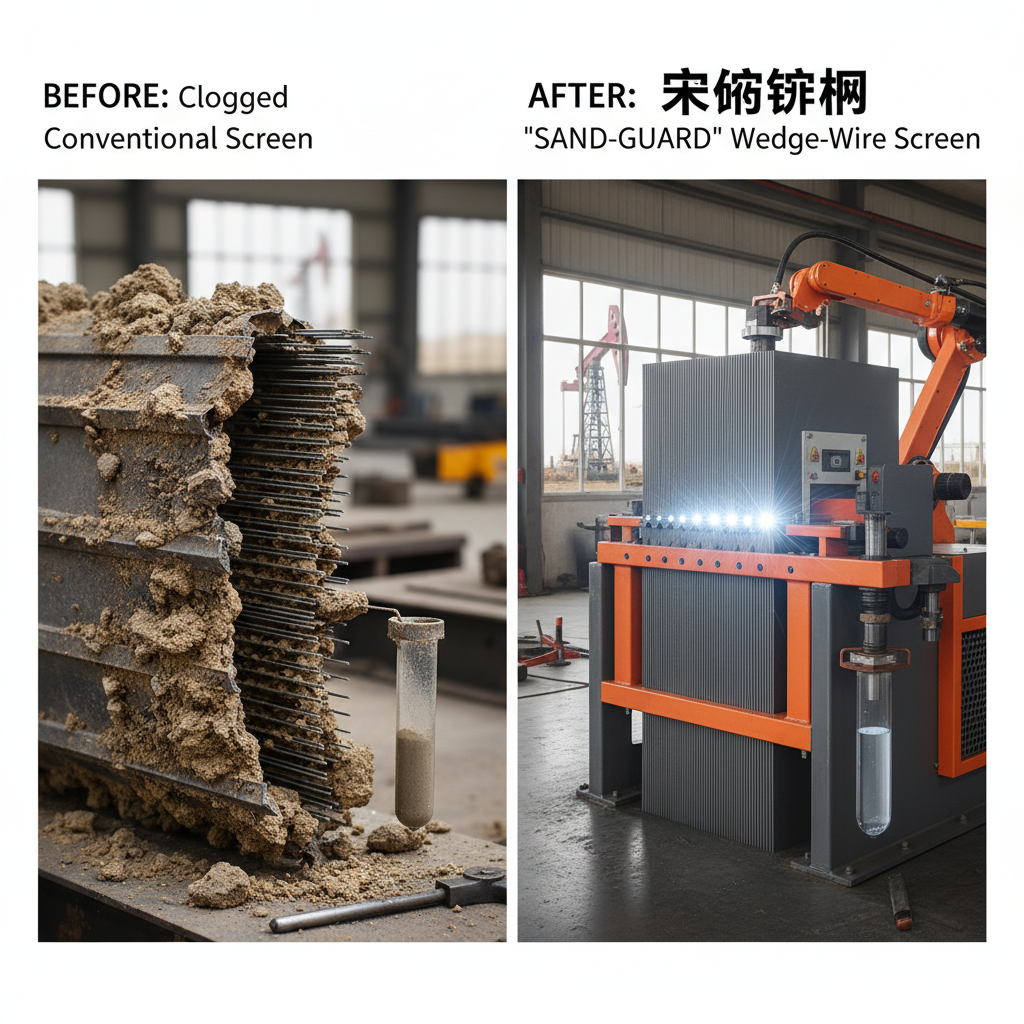
One persistent hurdle is screen clogging, especially when processing sticky or oily materials. Some companies are exploring self-cleaning screen designs or vibration-assisted screening to mitigate this. Additionally, balancing affordability with top-tier materials remains tricky but vital for broad adoption.
Hammer Mill Screen Product Specifications
| Specification | Typical Range | Notes |
|---|---|---|
| Material | High-Carbon Steel / Stainless Steel | Depends on corrosion resistance requirements |
| Hole Size | 1 mm - 50 mm | Determines output particle size |
| Thickness | 1 mm - 6 mm | Balance of durability and performance |
| Shape of Holes | Round / Square / Slotted | Application-dependent |
| Replacement Interval | 6-18 months | Varies by material processed |
Vendor Comparison for Hammer Mill Screens
| Vendor | Material Options | Custom Sizes | Lead Time | Price Range (USD) |
|---|---|---|---|---|
| MutoScreen | Stainless Steel, High Carbon Steel | Yes | 1-2 weeks | $150-$350 |
| ScreenPro | Carbon Steel Only | Limited | 2-3 weeks | $120-$280 |
| AgroEquip | Stainless Steel & Alloy | Yes | 3-4 weeks | $180-$400 |
FAQs About Hammer Mill Screens
Q1: How do I choose the right hammer mill screen hole size?
A: It depends on your desired output. Smaller holes produce finer material, but may clog more easily. Consider the material type and intended application—for example, feeding livestock versus biofuel production.
Q2: How often should hammer mill screens be replaced?
A: Usually between 6 to 18 months, depending on usage intensity and hardness of materials processed. Signs like excessive wear or increased downtime signal it's time to replace.
Q3: Are stainless steel screens better than carbon steel ones?
A: Stainless steel offers better corrosion resistance, ideal where moisture or chemicals are involved. Carbon steel is often more cost-effective but may rust faster.
Q4: Can hammer mill screens be customized for unique industrial needs?
A: Definitely. Many vendors, like MutoScreen, offer custom hole sizes, thicknesses, and materials tailored to specific operations.
Conclusion: Hammer Mill Screens Enhance Efficiency and Sustainability
In a nutshell, hammer mill screens play a quietly essential role in maintaining and elevating material processing efficiency across industries worldwide. Their proper selection and maintenance enable more sustainable production, cost savings, and reliable product quality. If you’re exploring high-quality hammer mill screens to upgrade your operations, why not check out MutoScreen? They bring both technical expertise and practical know-how to the table.
Sometimes, it’s the small stuff that moves mountains in industry — and hammer mill screens prove exactly that.
Mini Takeaway:
Whether you’re running a giant feed mill or a small recycling hub, don’t underestimate the impact of a well-chosen hammer mill screen — it’s your granular control over quality and efficiency.