Understanding Wedge Wire Panels: What They Are and Why They Matter
Wedge wire panels may not sound glamorous, but honestly, they play a quietly crucial role across industries worldwide. Whether in water treatment plants, mining operations, or construction projects, these panels help solve pressing filtration and separation challenges. Given growing environmental concerns and infrastructure demands, understanding wedge wire panels and their benefits is more relevant now than ever.
Global Context: Why Wedge Wire Panels Matter Today
Globally, industries face increasing pressure to improve efficiency and sustainability while controlling costs. According to the United Nations environment programme, water scarcity and pollution challenge billions, urging better filtration solutions. Wedge wire panels, with their robust and precise filtration capabilities, are becoming essential to meet such environmental and industrial goals.
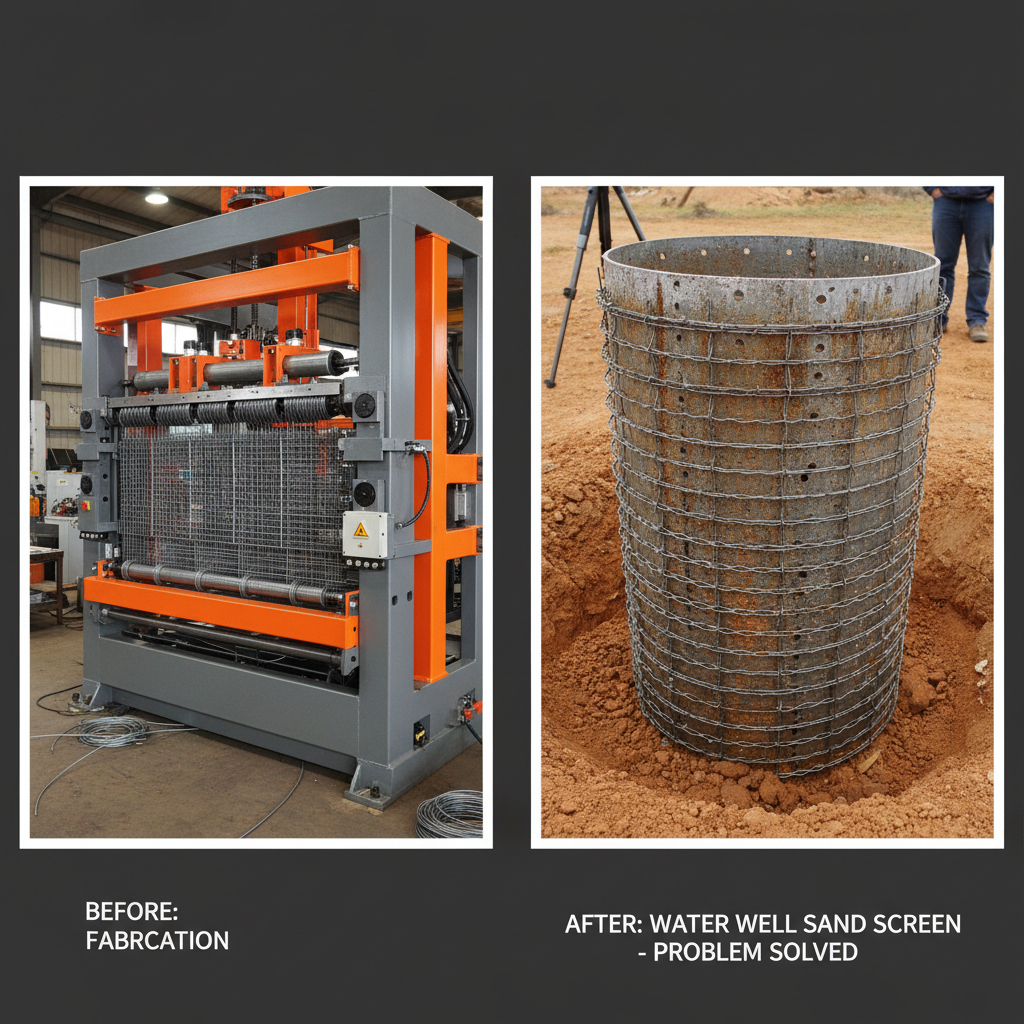
For example, the World Bank reports that approximately 2 billion people worldwide lack access to safe drinking water. Wedge wire technology helps improve filtration systems, offering clean water access in some of the world’s toughest environments. But the challenge isn’t just for water — industries like oil & gas, food processing, and wastewater management also benefit significantly from this technology.
What Are Wedge Wire Panels?
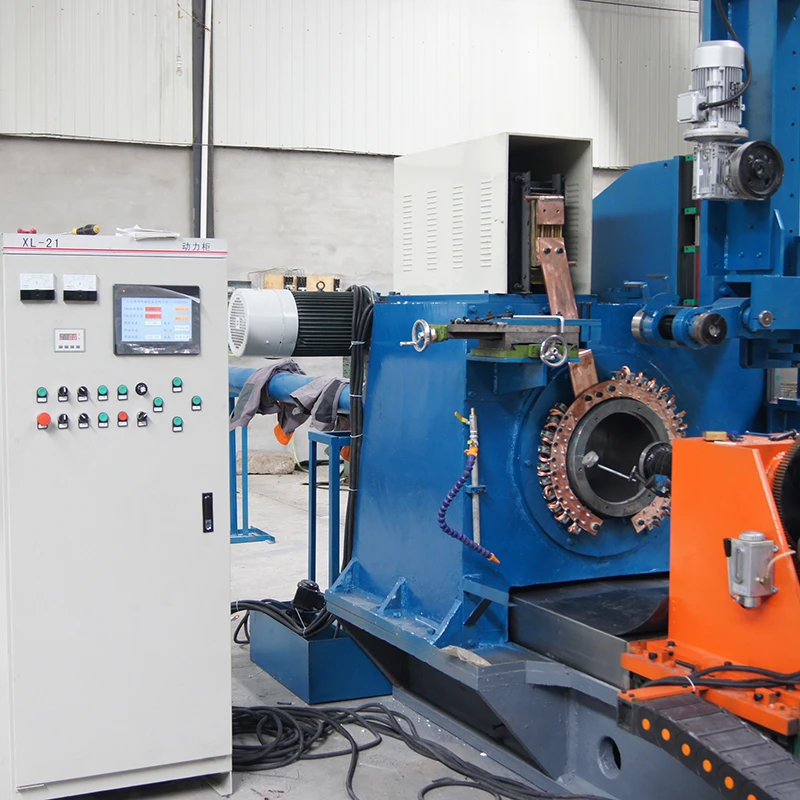
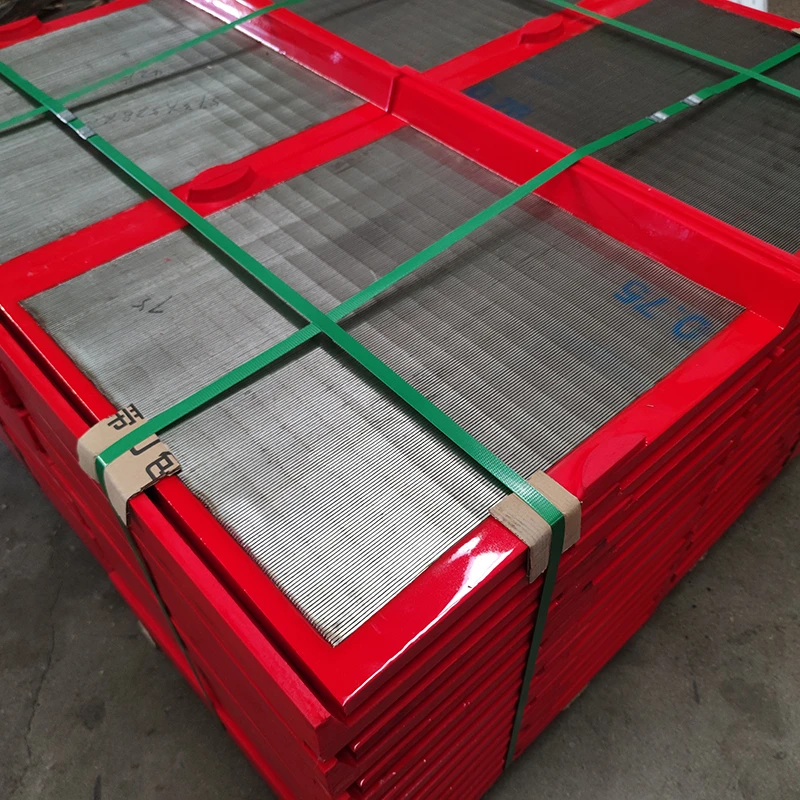
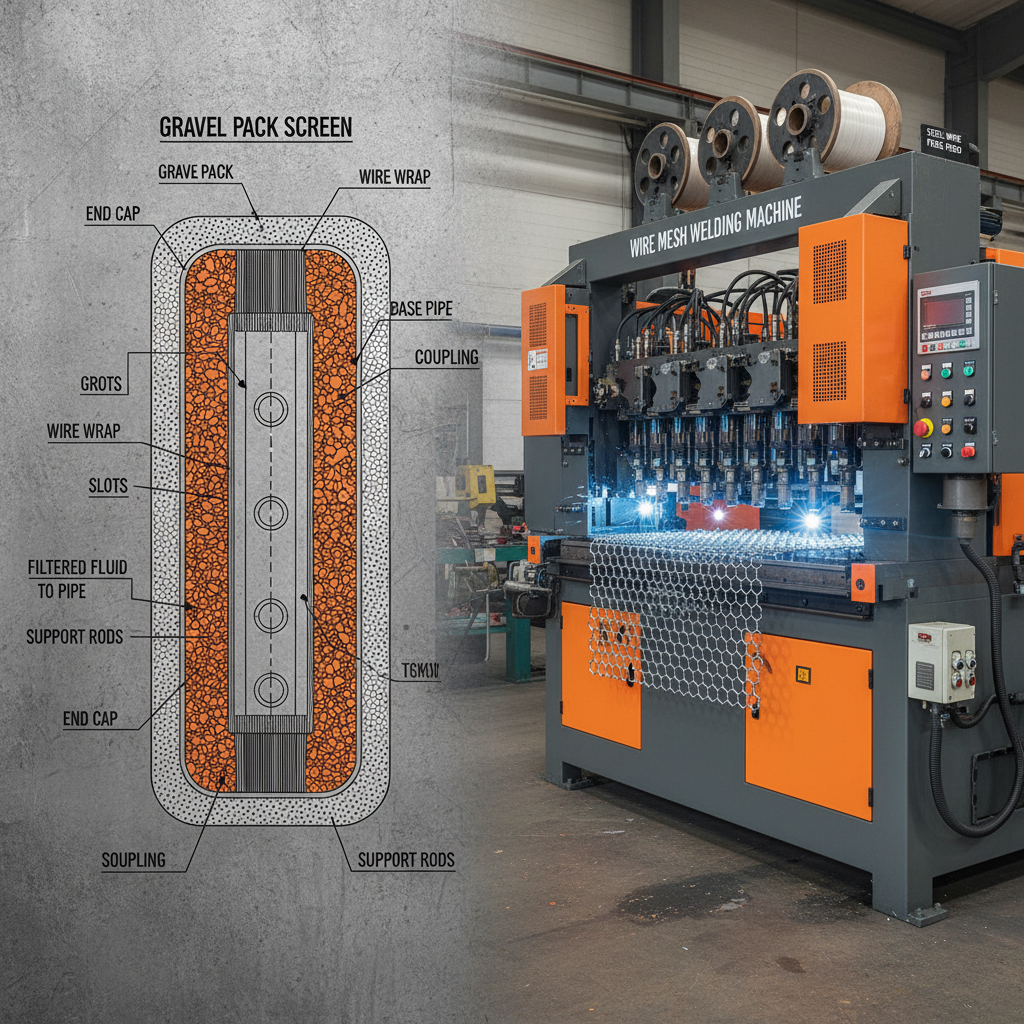
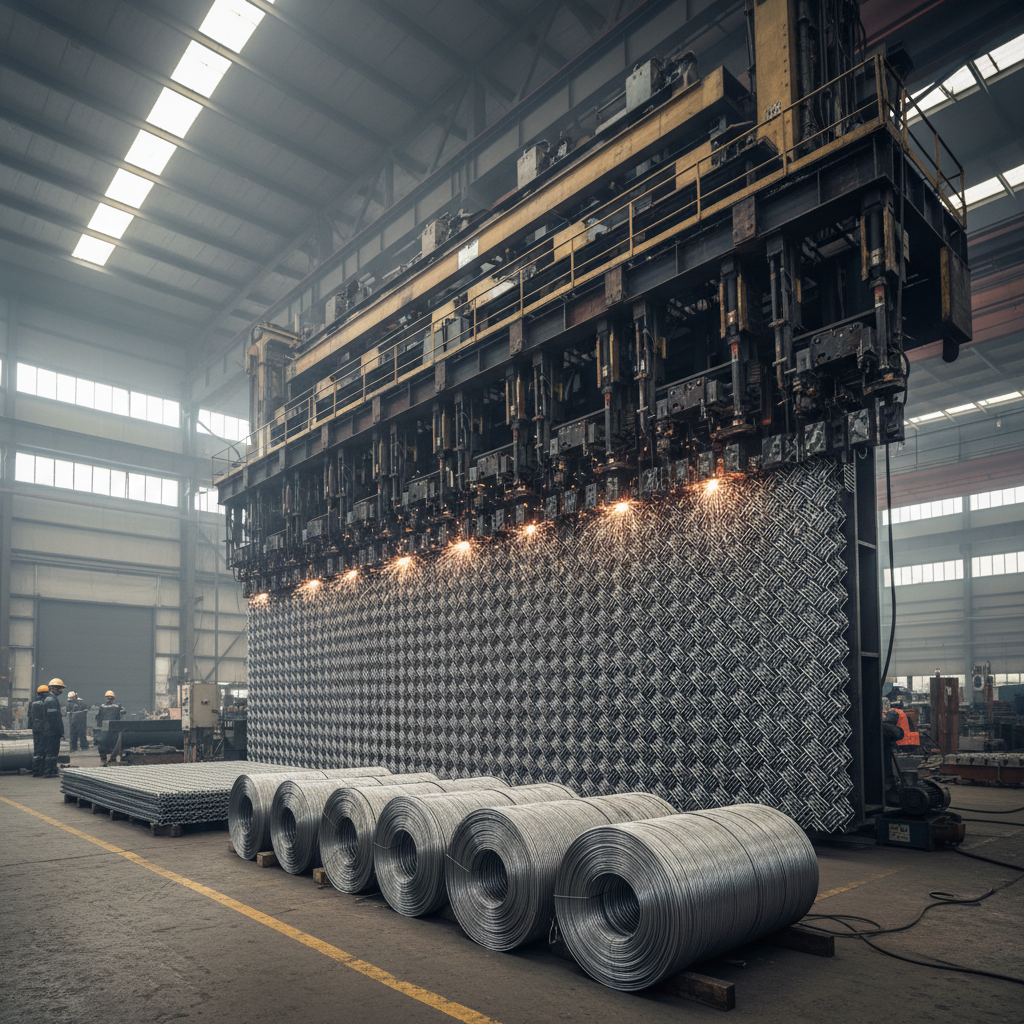
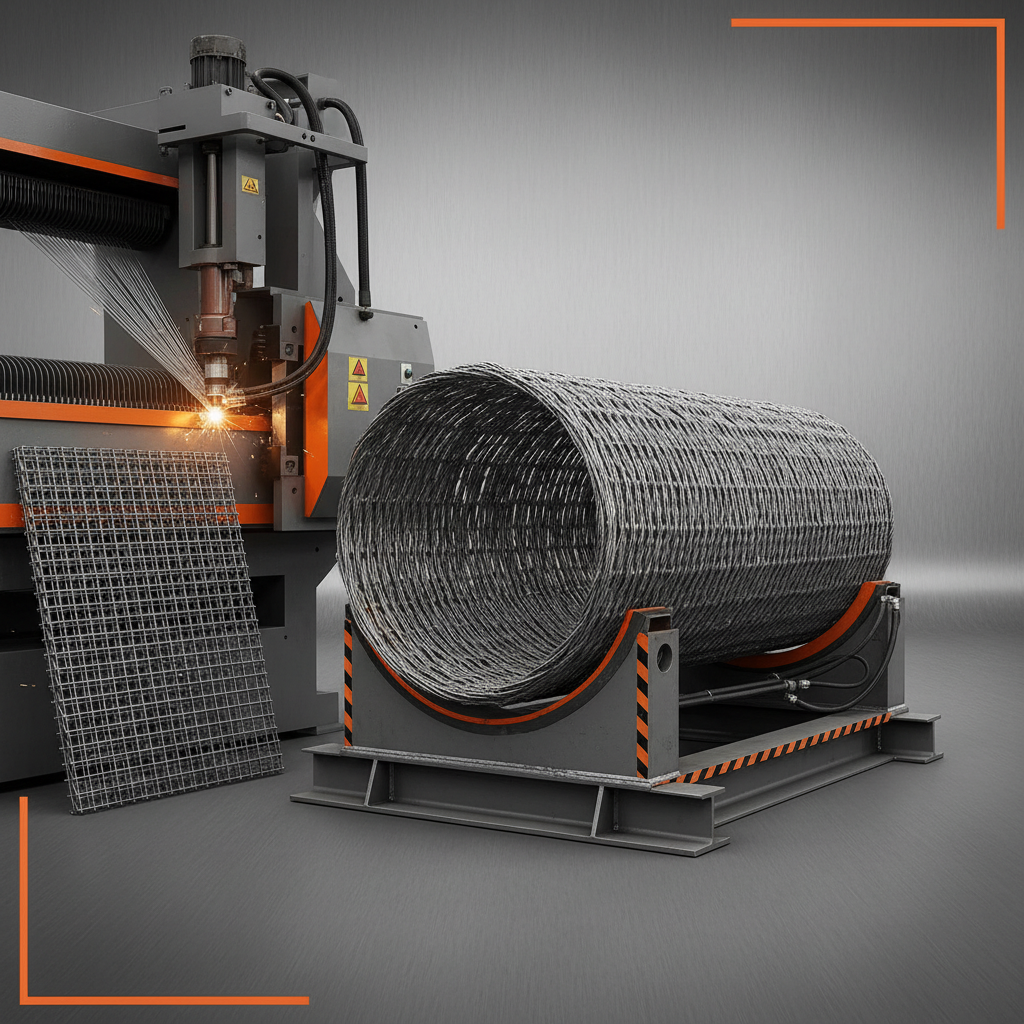
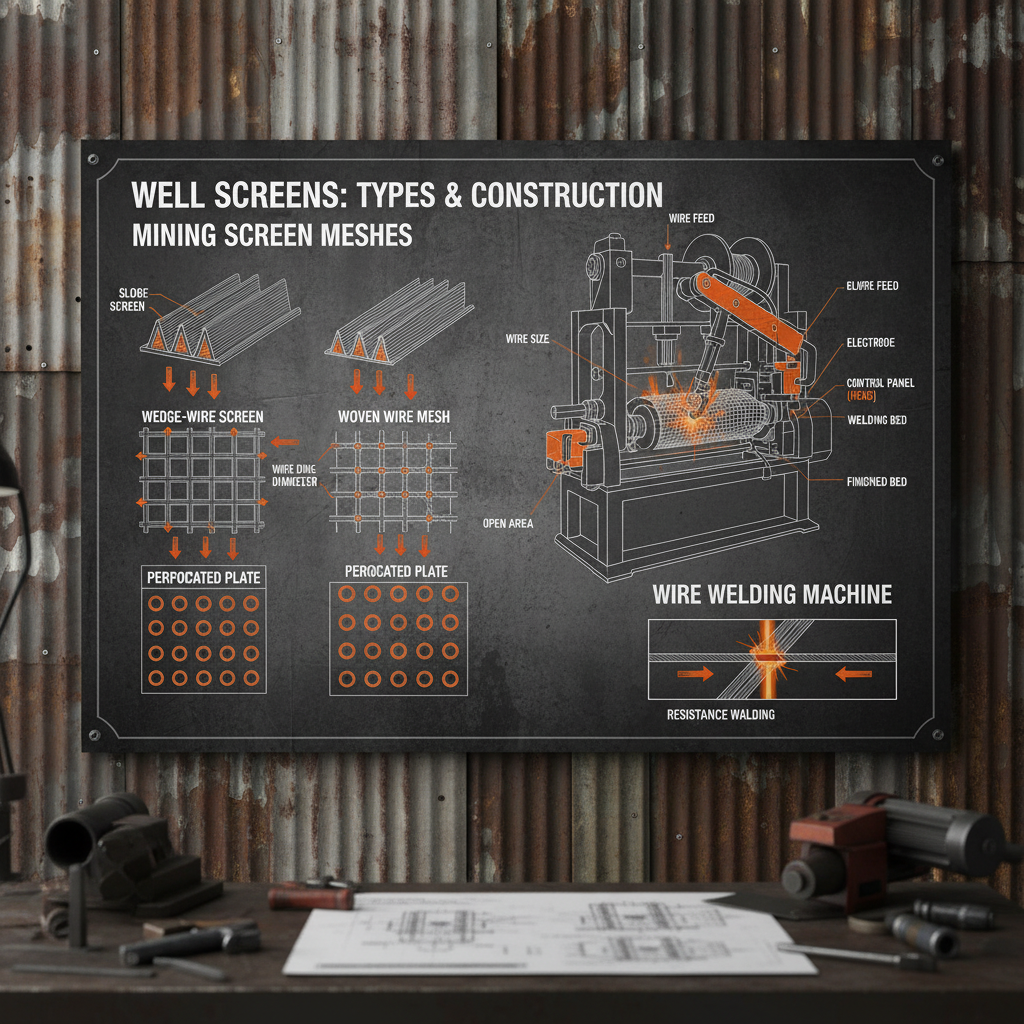
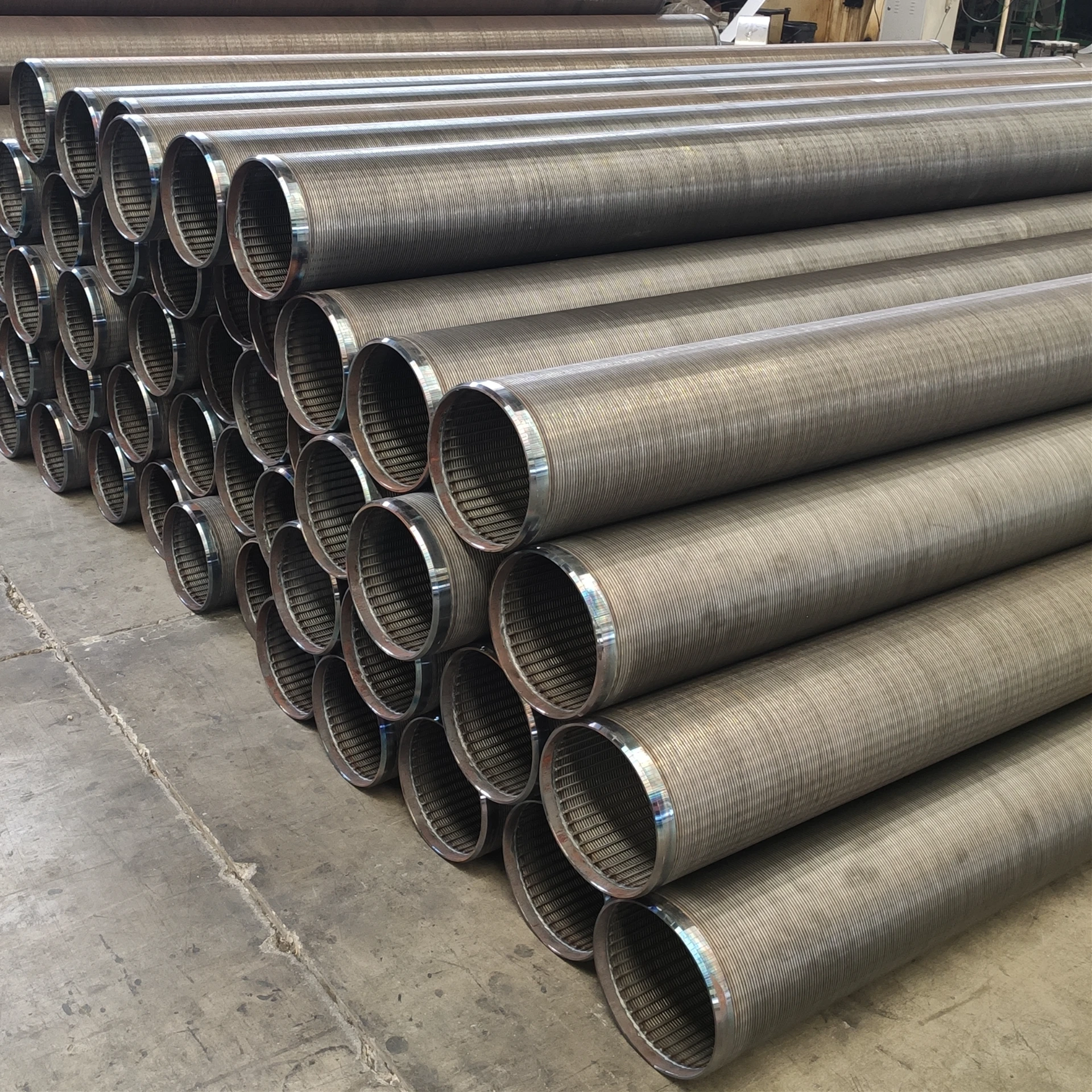
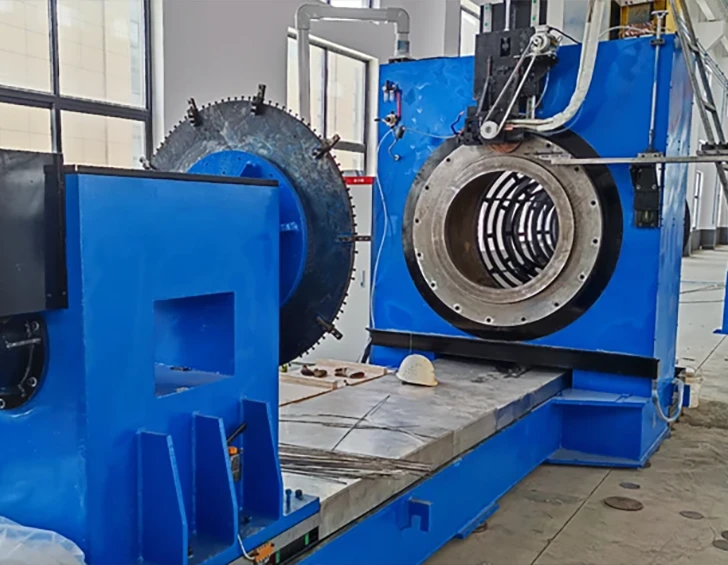
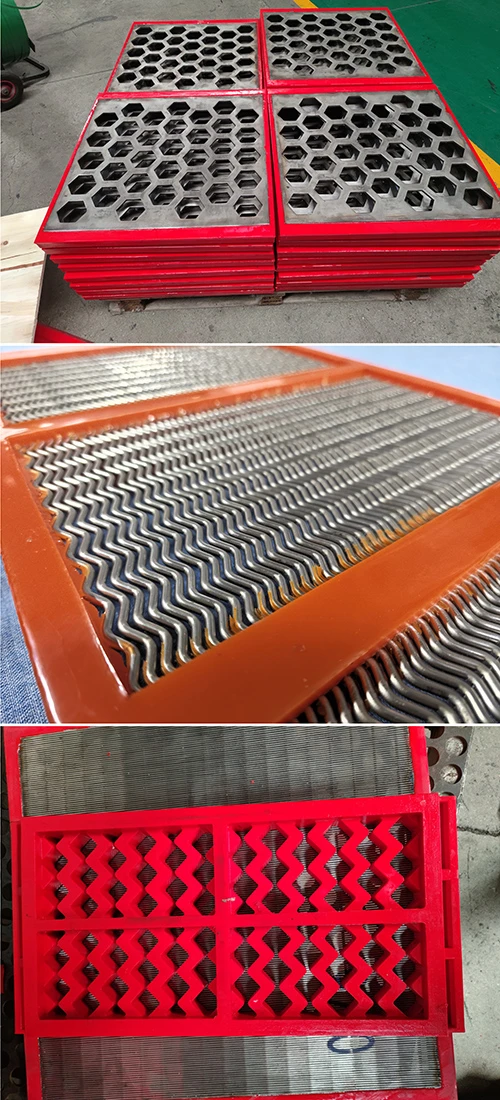
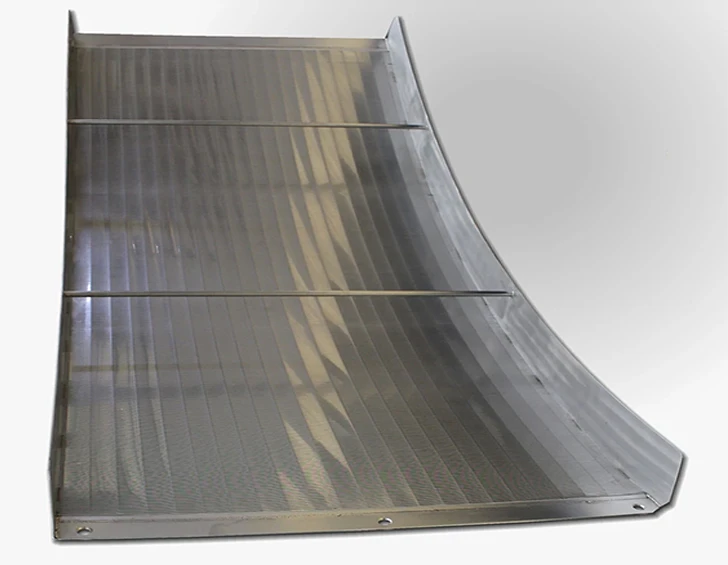
At their core, wedge wire panels are filtration screens made by winding V-shaped stainless steel wires around a series of support rods. The design creates wedge-shaped slots that precisely control what passes through, efficiently separating solids from liquids or gases. I suppose you could think of them as high-tech strainers crafted for solid industrial needs.
Modern industries rely on these panels for durability, precision, and easy cleaning — essential when processing large volumes under harsh conditions. They’re part of a broader shift toward smarter, more sustainable engineering, often favored because they reduce downtime and maintenance.
Key Components and Features of Wedge Wire Panels
1. Durability and Corrosion Resistance
Most wedge wire panels are stainless steel, often grades 304 or 316, meaning they resist rust and degradation even in aggressive environments like seawater or chemical plants.
2. Precise Slot Configuration
The wedge-shaped slots enable precise filtration down to fractions of a millimeter. This adjustability helps tailor panels to many uses — from coarse particle removal to fine screening.
3. Structural Strength and Support
The welded wire-to-rod design maximizes strength while allowing flow. Panels don’t deform easily under pressure, an important practical consideration.
4. Easy Maintenance and Cleaning
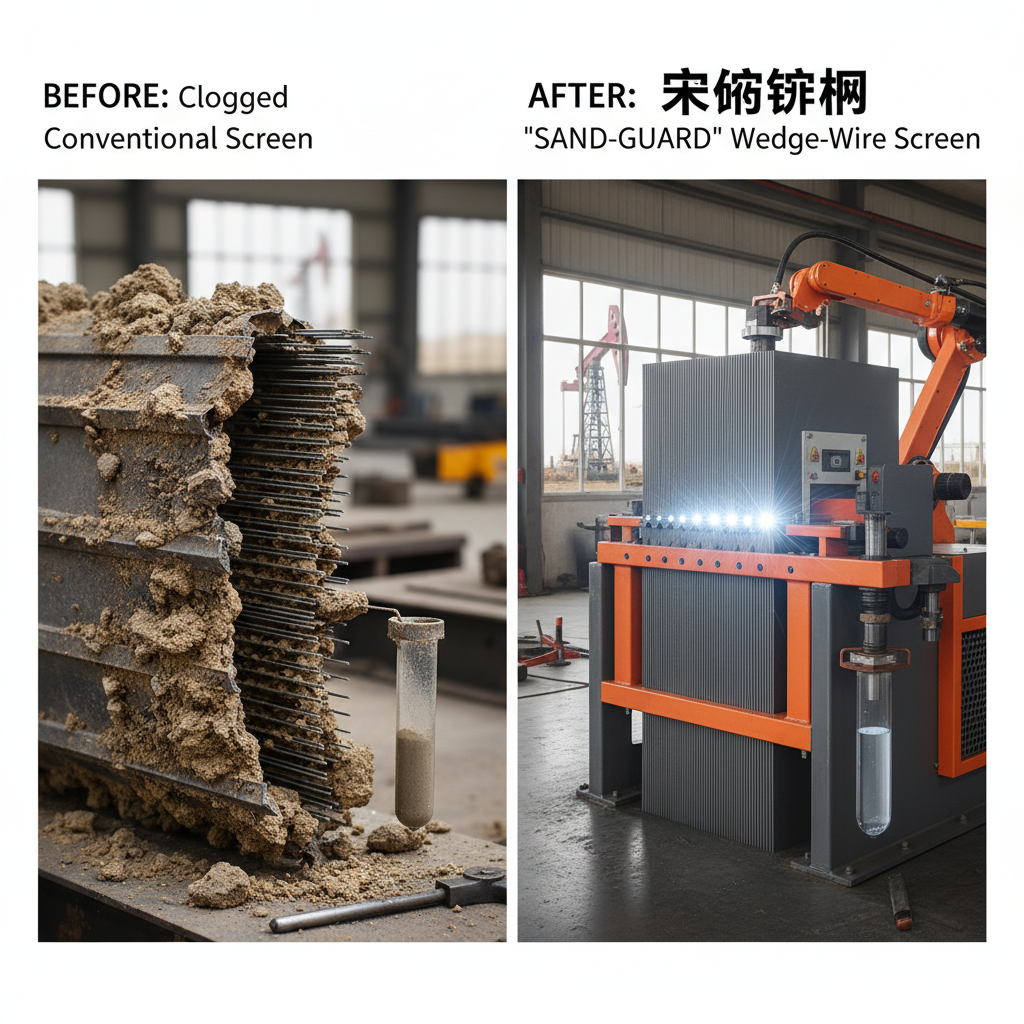
Since material rarely sticks to wedge wire surfaces, cleaning is easier and quicker — reducing costly downtime.
5. Versatility
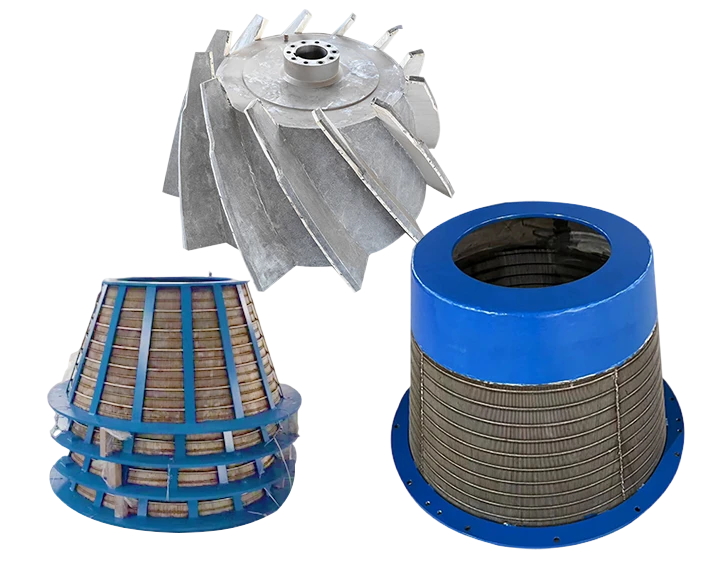
You’ll find wedge wire panels in flat sheets, cylinders, cones, or custom shapes to fit many machines and processes.
| Specification | Values |
|---|---|
| Material | Stainless Steel 304 / 316 |
| Slot Size Range | 0.05 mm to 10 mm |
| Panel Thickness | 5 mm to 25 mm |
| Panel Shapes | Flat, Cylindrical, Conical |
| Operating Temperature | -40°C to 600°C |
Global Applications & Use Cases
Wedge wire panels appear everywhere, from harsh mining sites in Australia and South Africa to municipal water treatment plants in Europe and Asia. NGOs operating in disaster zones also deploy them to filter debris from potable water sources, restoring safety quickly.
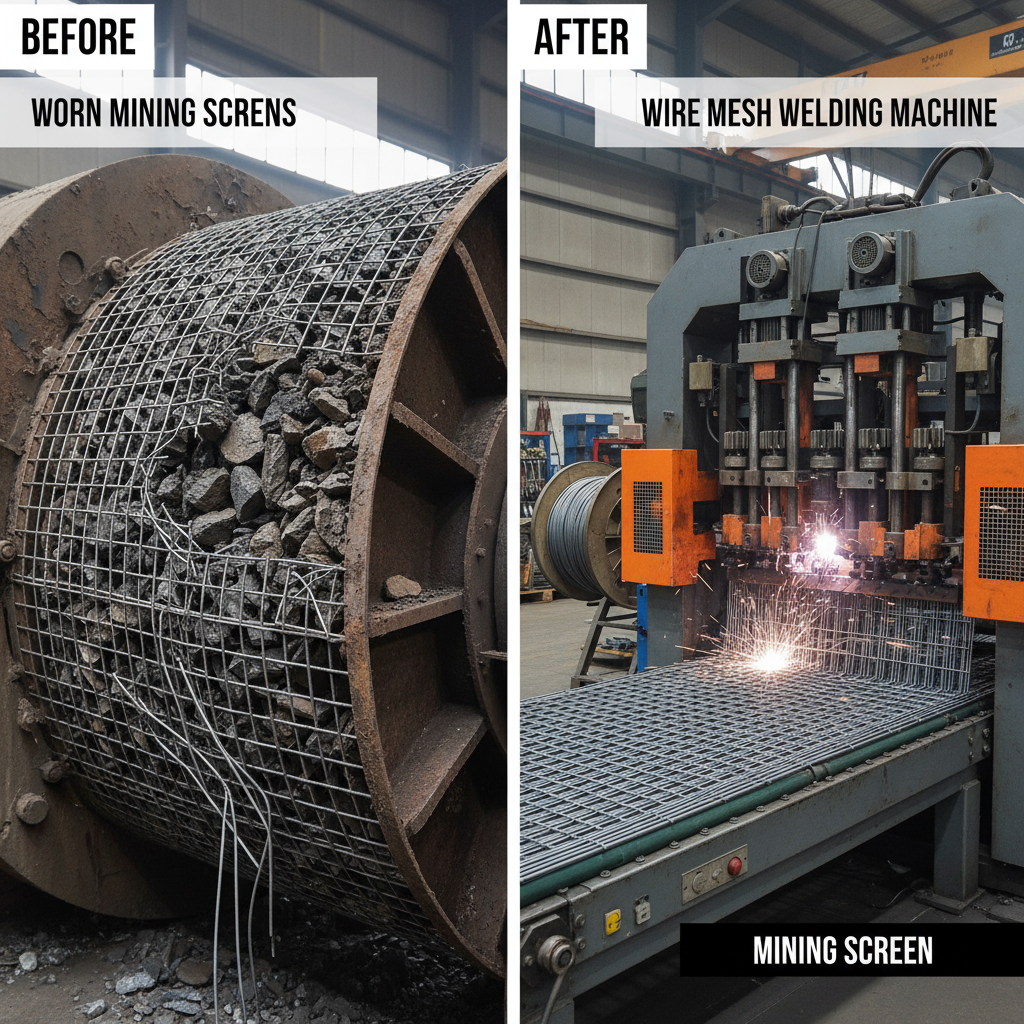
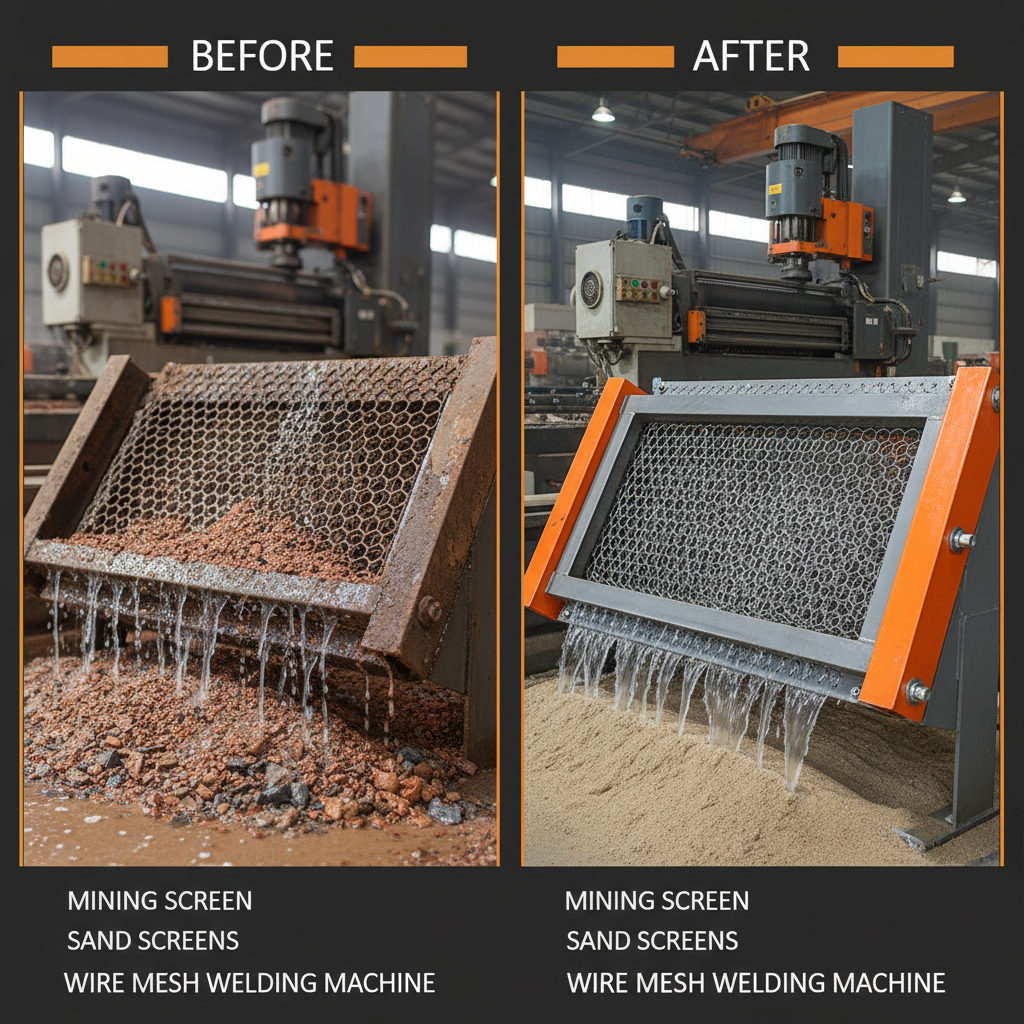
Mining: These panels separate mined solids from liquids in slurry tanks with minimal clogging — meaning operations keep running smoothly even with abrasive materials.
Wastewater Treatment: Public utilities use wedge wire panels to filter solids while withstanding chemical exposure and heavy flow rates.
Food & Beverage: Here, hygiene is non-negotiable; wedge wire’s easy-clean surfaces help meet strict regulatory standards.
In fact, wedge wire panels are frequently chosen for their reliable performance across such varied environments, which often surprises those new to the technology.
Advantages and Long-Term Value of Wedge Wire Panels
- Cost-Effectiveness: Long life spans and reduced cleaning time translate into lower lifecycle costs.
- Sustainability: Their durability lessens replacement frequency, reducing industrial waste.
- Reliability: Accurate slot sizing ensures consistent filtration results, gaining user trust.
- Safety and Dignity: Particularly in water treatment, effective filtration means safer, cleaner water — a cornerstone of human dignity.
Emerging Trends and Innovations
Looking ahead, the wedge wire panel industry is embracing advanced materials, such as duplex stainless steels for increased corrosion resistance. Automation also plays a part—digital monitoring integrated into filtration systems can predict wear or clogging, helping avoid unexpected failures.
There's interest too in greener production processes and recycling of old materials to align better with circular economy principles. Some innovative companies are even exploring designed panels optimized for renewable energy projects, like tidal and hydropower filtration systems.
Challenges and Solutions
Of course, wedge wire panels aren’t flawless. Common issues include wear from abrasive particulates and limitations on maximum pressure tolerance. However, working closely with manufacturers to tailor slot sizes and materials can mitigate many problems.
For instance, specialized coatings and periodic ultrasonic cleaning help extend longevity in demanding scenarios. It’s kind of like giving these panels a tune-up now and then — essential maintenance to keep them at peak performance.
| Vendor | Material Grades | Customization | Lead Time |
|---|---|---|---|
| MutoScreen Inc. | 304, 316, Duplex | High (slots, shapes, sizes) | 2-4 weeks |
| SteelTech Filters | 304, 316 | Medium | 3-6 weeks |
| Global Wire Screens | 316L | Low (standard sizes) | 4-8 weeks |
FAQ: Your Questions About Wedge Wire Panels
- What are wedge wire panels commonly used for?
- They’re primarily used in filtration and separation tasks across industries like mining, water treatment, and food processing. Their strength and precision make them ideal for filtering solids from liquids in tough environments.
- How do I choose the right slot size?
- Slot size depends on the particles you need to separate. Smaller slots filter finer particles but might clog faster. Consulting with manufacturers to tailor specs to your needs works best.
- Can wedge wire panels be repaired if damaged?
- Minor damages can sometimes be welded or patched. But major wear usually requires replacement to ensure filtration quality and safety.
- Are wedge wire panels eco-friendly?
- They are durable, reducing frequent replacements and waste. Additionally, many vendors focus on sustainable manufacturing and recycling processes.
- Is installation complicated?
- Installation varies with application but generally is straightforward. Many suppliers provide customization and support to simplify fitting.
Wrapping It Up
In real terms, wedge wire panels are a practical, durable solution addressing complex industrial filtration needs globally — from protecting natural water sources to enabling cleaner manufacturing. Their blend of reliability and customization is a major reason they’ve stood the test of time and continue evolving.
If you’re curious to explore how these panels might fit your project or industry, I suggest visiting MutoScreen’s website — they offer a solid range and expert guidance tailored to real-world applications.
Mini takeaway: Wedge wire panels might be “behind the scenes,” but their impact stretches from daily water safety to the heart of industrial innovation.
References:
1. United Nations Environment Programme – un.org environment
2. World Bank – Water Scarcity Dataset, 2022 edition
3. ISO Standards on filtration and industrial equipment