Understanding the Scraper Belt Cleaner: Essential Tech for Modern Conveyors
In today’s fast-paced industries, the efficiency of material handling can make or break operational success. A scraper belt cleaner, while perhaps not the flashiest piece of equipment, plays a vital role in keeping conveyor belts free from debris, improving safety and reducing downtime. Globally, industries from mining to manufacturing depend heavily on conveyor systems. Scraper belt cleaners are relatively simple but crucial devices that ensure these massive conveyor belts run smoother, longer, and with fewer interruptions.
Why the Scraper Belt Cleaner Matters Globally
On a global scale, conveyor-based transport systems move billions of tons of materials annually — whether it’s coal, grain, or manufactured goods. According to the International Organization for Standardization (ISO), maintaining conveyor belts is a critical component of industrial safety and productivity. Improper cleaning causes spillage, equipment damage, and worker hazards, which translate to significant operational losses and environmental concerns.
Take mining for example: the World Bank reports mining contributes significantly to global economies but also faces challenges with dust management and equipment wear. Here, scraper belt cleaners minimize carryback — leftover material that clings to belt undersides — which reduces spillage and dust creation, improving both safety and environmental compliance.
So, you see, the humble scraper belt cleaner has a surprisingly broad impact across sectors and geographies, making operations safer, more environmentally friendly, and economically sound.
What Is a Scraper Belt Cleaner?
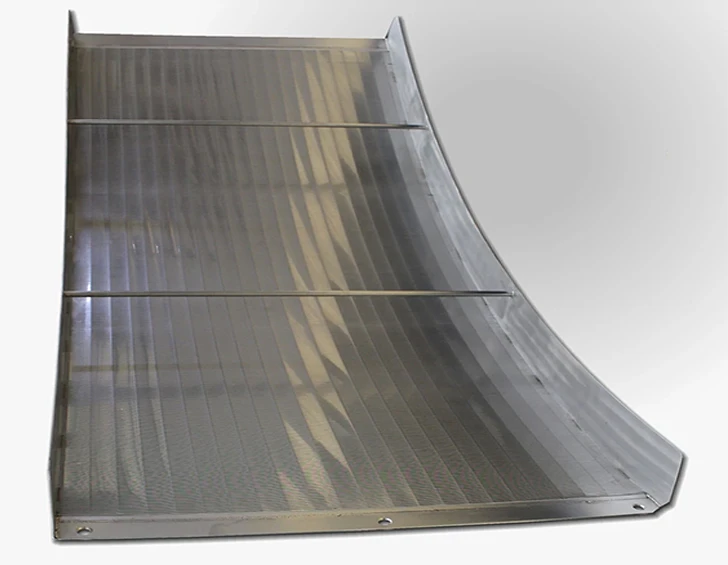
Simply put, a scraper belt cleaner is a device installed on conveyor systems designed to scrape off residual material clinging to the belt after it unloads its cargo. This residual, often known as carryback, can cause all sorts of headaches: material buildup on other machinery, increased fire risk, and accelerated wear on the belt itself.
In industries reliant on continuous material flow — like cement plants, agriculture, and waste management — scraper belt cleaners are indispensable. They ensure operation continuity, reduce manual cleaning labor, and in humanitarian contexts, like disaster debris clearance, they can dramatically improve equipment uptime.
Key Components and Design Factors of Scraper Belt Cleaners
Durability
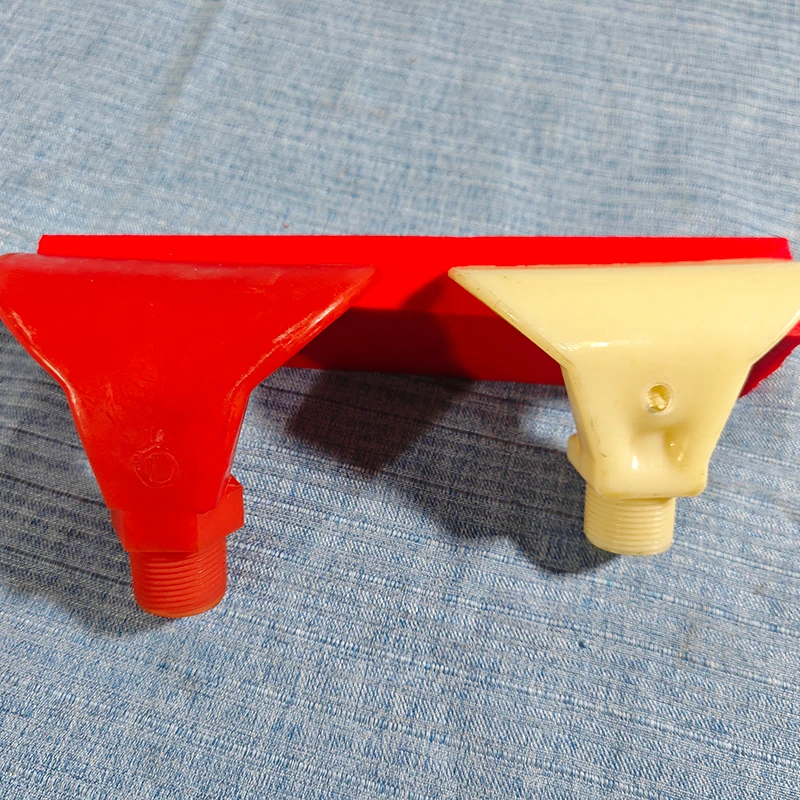
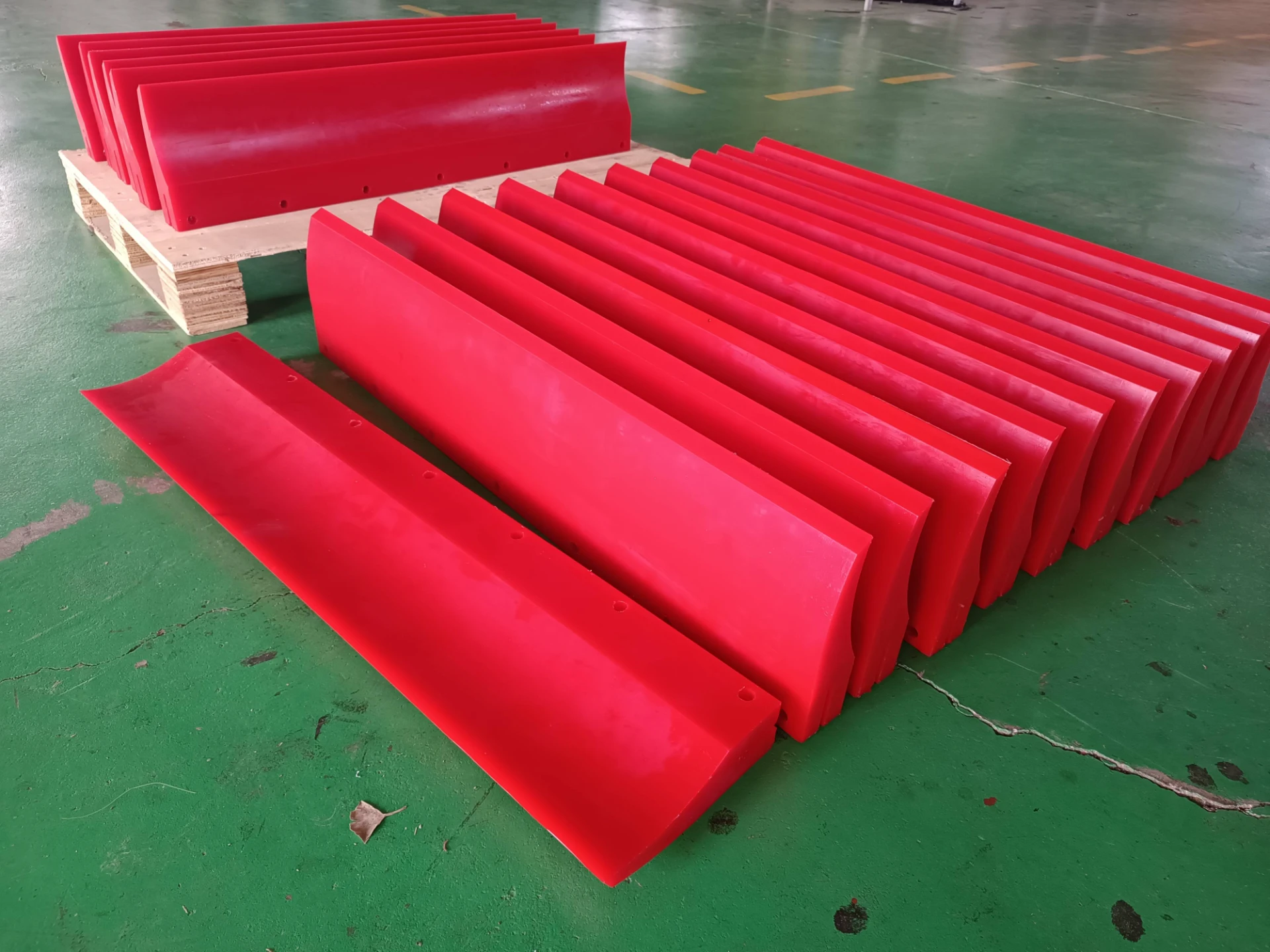
Scraper blades must withstand abrasive, heavy-duty materials like gravel, ore, or sludge. Usually constructed from polyurethane or tungsten carbide-coated steel, their longevity directly impacts maintenance frequency and costs.
Adjustability
Optimal contact pressure between the blade and belt ensures effective cleaning without damaging the conveyor. Adjustable tensioning systems allow fine-tuning, which is especially important as belts stretch or wear over time.
Compatibility
Not all belts or materials are alike. Scraper belt cleaners must be compatible with different belt widths, speeds, and materials — from sticky clays to dry grains, adaptability matters.
Ease of Maintenance
Quick blade replacement is a real selling point. If downtime is costly, then the ability to swiftly swap worn scraper blades with minimal labor can save thousands in lost production.
Cost Efficiency
While the initial investment might seem minor, in real terms, ongoing operational cost savings from reduced wear, less downtime, and lower cleanup labor add up significantly.
Typical Specifications of a Scraper Belt Cleaner
| Feature | Specification |
|---|---|
| Blade Material | Polyurethane or Tungsten Carbide-coated Steel |
| Belt Width Compatibility | 300mm - 2400mm |
| Operating Temperature Range | -20°C to 80°C |
| Mounting Type | Skid or Clamp-on |
| Tension Adjustment | Manual or Spring-loaded |
Global Applications: Where Scraper Belt Cleaners Shine
- Mining and Quarrying: Across North America and Australia, where large-scale mineral extraction occurs, scraper belt cleaners reduce spillage of costly ores and dust pollution—something environmental agencies keep a close eye on.
- Food Processing and Agriculture: In regions like the Midwest US and Europe, conveyors transport grains and seeds. Clean belts help avoid contamination and product loss, critical for food quality and safety.
- Waste Management and Recycling: Urban facilities across Asia increasingly rely on scraper belt cleaners to handle municipal solid waste conveyors, improving hygiene and mechanical uptime.
- Construction: In fast-developing economies, conveyor belts used for materials like cement and sand are kept efficient and safe with these cleaners, often under harsh conditions.
Oddly enough, one story stands out: a remote mining operation in Africa noted a 40% reduction in spillage when switching to modern scraper belt cleaners, translating into tens of thousands of dollars saved per month. It’s not just about cleaner belts—it’s about boosting the entire operation’s reliability.
Advantages and Long-Term Value: Why It’s More than Just Cleanliness
Scraper belt cleaners bring clear cost savings by extending belt life—abrasion from carryback debris is a big culprit behind frequent belt replacements. Then there's safety: reducing residue minimizes slip hazards and dust explosion risks, an emotional relief for workers and managers alike. The environmental impact can’t be ignored. Less spillage means fewer pollutants entering the soil and water nearby.
On the intangible side, these cleaners inspire confidence. When maintenance teams don’t have to chase down sticky material that gums up machinery, morale improves. Innovation in design means they’re quieter, more reliable, and simpler than ever, which feels like progress to engineers who’ve worked decades in the trenches.
Future Trends and Innovations in Scraper Belt Cleaners
The next generation of scraper belt cleaners is closely tied to sustainability and automation. Many companies are developing eco-friendly blade materials using recycled polymers or composites that last longer. Integration with IoT sensors enables real-time monitoring of blade condition and tension, so maintenance can be predictive rather than reactive. Automation means less manual adjustment, reducing human error and downtime.
There’s also a push toward modular, easy-to-install systems that fit multiple belt types worldwide — a nod to global supply chains and rapid industrial growth in emerging markets.
Common Challenges and Practical Solutions
Despite their usefulness, scraper belt cleaners aren’t perfect. Excessive wear from abrasive materials, blade damage, or improper installation can reduce efficacy. Sometimes belts with uneven surfaces or complex profiles complicate cleaning.
Yet, manufacturers now offer customizable blade hardness and tension systems tailored for specific environments. Training on proper installation and regular inspections is crucial, of course. Plus, new hybrid materials and engineering advances have improved blade resilience. It’s a constant balancing act between effective cleaning force and minimizing belt wear.
Frequently Asked Questions About Scraper Belt Cleaners
- Q: How often should scraper blades be replaced?
- A: Typically, blades last between 6-12 months depending on material abrasiveness and conveyor usage. Routine inspection for cracks or thinning helps decide the perfect time for replacement to avoid belt damage.
- Q: Can scraper belt cleaners be installed on existing conveyors?
- A: Yes, most modern scraper belt cleaners come in retrofit designs compatible with conventional belts, making installation relatively straightforward without major system modifications.
- Q: Do polyurethane blades work better than steel blades?
- A: Polyurethane blades provide flexibility and are less abrasive on belts, ideal for sticky or fine materials. Steel blades, especially carbide-coated, excel with heavy, coarse materials. Choice depends on your application.
- Q: Are scraper belt cleaners energy intensive?
- A: No, they are passive devices relying on tension and blade pressure; they don’t consume additional energy, keeping operational costs low.
- Q: How do I choose between different vendor options?
- A: Consider blade material options, adjustability features, service support, and total cost of ownership. Below is a simple comparison of top vendors:
| Vendor | Blade Material | Mounting Options | Pricing Tier | Service & Support |
|---|---|---|---|---|
| MutoScreen | Polyurethane & Steel Hybrid | Skid and Clamp-on | Mid-Range | 24/7 Remote & Onsite |
| CleanBelt Inc. | Tungsten Carbide Steel | Clamp-on Only | Premium | Onsite Tech Service |
| EcoScrape Solutions | Recycled Polymer Composite | Modular Skid | Economy | Remote Support |
In Conclusion: The Quiet Hero of Conveyor Efficiency
Scraper belt cleaners may operate behind the scenes, but they are fundamental to the seamless flow of countless industries worldwide. By preventing carryback and spillage, they contribute to cost savings, safety, environmental responsibility, and operational uptime. If you manage conveyor systems, you owe it to your operation to consider state-of-the-art scraper belt cleaners — they are investment-grade solutions.
To explore cutting-edge options and expert guidance, visit our website: scraper belt cleaner. Your conveyors will thank you.
Reflecting on these devices, it’s interesting how something so simple can have profound ripple effects — proof that sometimes, the smallest cogs hold the whole system together.