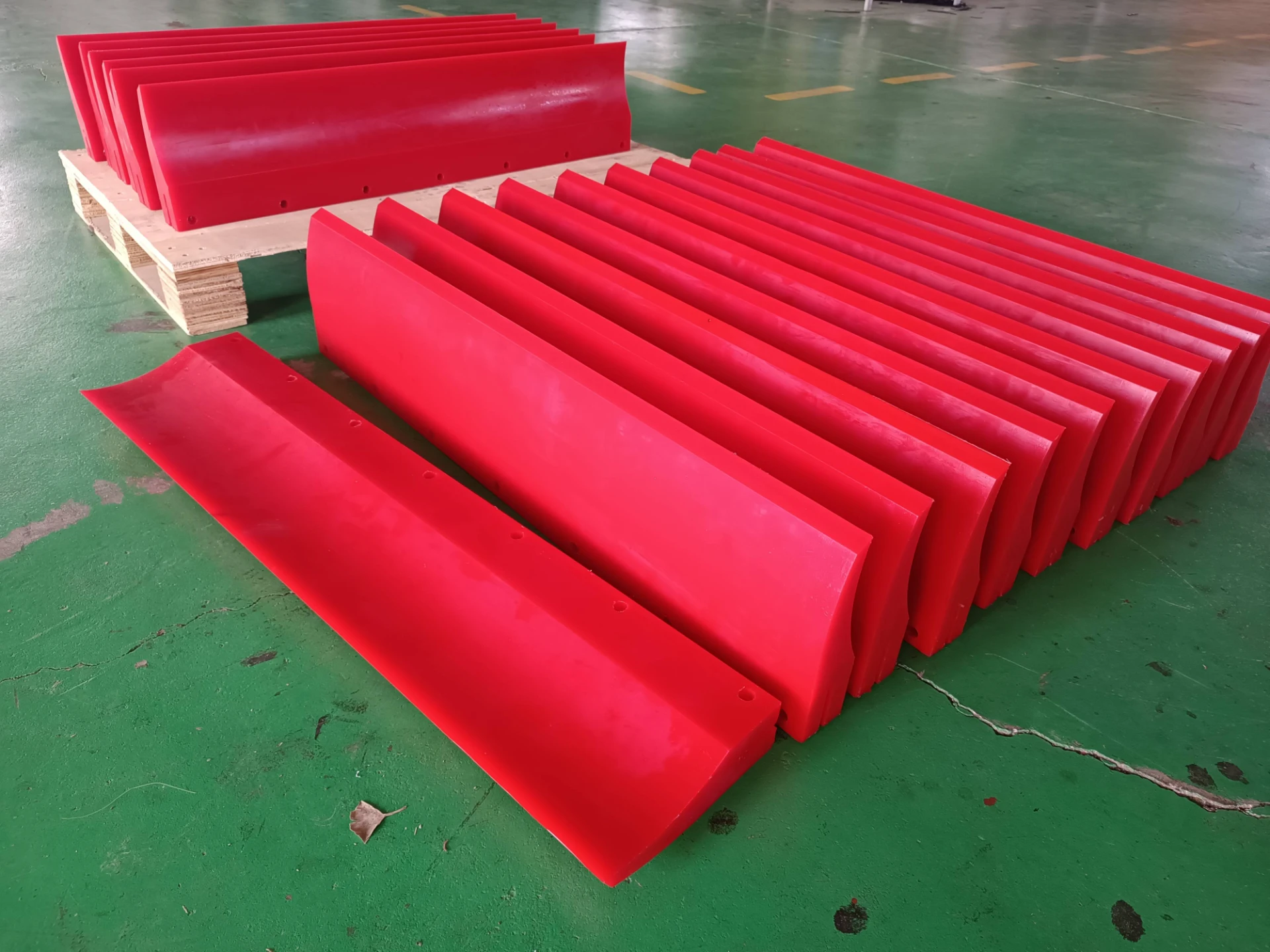
Understanding Secondary Belt Cleaners: A Critical Component in Modern Industry
At first glance, a secondary belt cleaner might not sound like the kind of equipment you’d find in global sustainability discussions—but oddly enough, it plays a surprisingly vital role in many industries around the world. To put it simply, these cleaners help maintain conveyor belts by removing residual material after the primary cleaning stage, which keeps industrial operations running smoothly and safely. Across mining, manufacturing, agriculture, and recycling, understanding secondary belt cleaners is key to reducing downtime, improving equipment longevity, and even enhancing environmental performance.
Before delving too far, here’s a brief takeaway: secondary belt cleaners help protect conveyor belts from damage, curb material spillage, and boost operational efficiency, meaning less waste and less hassle for industries that literally keep the world moving.
Introduction: Global Industry Context for Secondary Belt Cleaners
Globally, conveyor belt systems are the backbone of bulk material handling—rough estimates say over 60% of the world's mining and aggregate production relies on some form of conveyor system. The ISO even sets standards for conveyor safety and performance, emphasizing the importance of belt maintenance tools like secondary cleaners.
Material spillage from poor belt cleaning leads to significant economic losses—sometimes up to 10% of total transported volume in dusty mining environments. So, the challenge is clear: how to keep conveyors clean without adding costly downtime or maintenance headaches. Enter the secondary belt cleaner.
What Is a Secondary Belt Cleaner?
Simply put, a secondary belt cleaner is a mechanical device installed after the primary cleaner on a conveyor belt system. Its job? To scrape off stubborn, residual materials that the first cleaner missed, preventing carryback that could damage the belt, cause splice failures, or lead to unsafe, messy work sites.
Think of it like a second line of defense—less glamorous, maybe, but absolutely vital for keeping belts reliable and operations efficient. In humanitarian logistics as well, for instance, clean conveyor systems reduce contamination risks when moving food or medical supplies.
Key Factors of Secondary Belt Cleaners
1. Durability
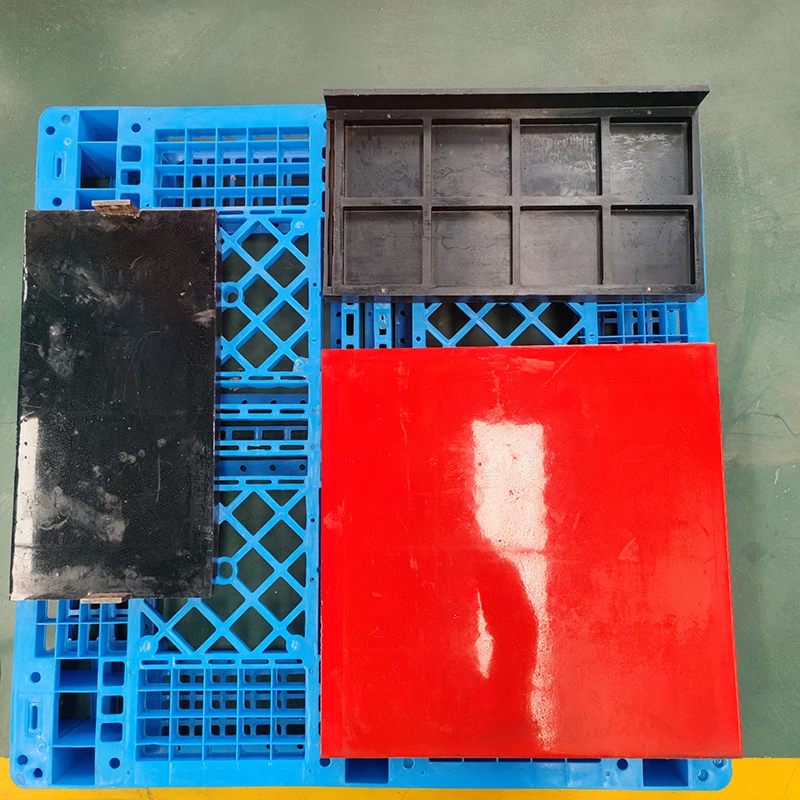
Since these cleaners operate in harsh environments—dust, abrasion, moisture—they’re typically made from wear-resistant materials like polyurethane or high-grade rubber. Longevity here means less frequent replacement, which is crucial when uptime is non-negotiable.
2. Adjustability
Secondary belt cleaners often feature tensioning systems to maintain consistent blade-to-belt contact despite wear or belt stretching. This adjustability ensures efficient cleaning without damaging the belt.
3. Compatibility
They need to integrate smoothly with various conveyor sizes and types, from small agricultural setups to massive mining belts running dozens of inches wide.
4. Installation and Maintenance
Fast, straightforward installation reduces operational interruptions. Plus, designs that ease blade replacement or adjust tension without heavy tools rank high in user preference.
Product Specifications at a Glance
| Feature | Typical Range / Value |
|---|---|
| Cleaning Blade Material | Polyurethane / Rubber |
| Belt Width Compatibility | 300 mm to 2400 mm |
| Blade Life Expectancy | 3 to 12 months (varies by material handled) |
| Tensioning Mechanism | Screw-Adjust or Spring-Loaded |
| Operating Temperature | -20°C to 80°C |
Global Applications & Use Cases
The benefits of secondary belt cleaners stretch across many continents and industries. For example:
- Mining in Australia and South America: Reduced carryback protects pricey conveyor components and local ecosystems.
- Waste management in Europe: Cleaner belts cut down cross-contamination in recycling plants.
- Agriculture in the U.S. Midwest: Clean conveyors ensure bulk grains and seeds aren’t lost or contaminated.
- Post-disaster relief: Temporary conveyor lines equipped with secondary cleaners help maintain supplies without clogging under tough conditions.
Secondary belt cleaners are also pivotal in industries like cement production, food processing, and chemical plants—where cleanliness can impact product quality and worker safety.
Vendor Comparison: Leading Secondary Belt Cleaners
| Vendor | Blade Material | Installation Time | Adjustability | Typical Cost |
|---|---|---|---|---|
| CleanMax Pro | Polyurethane | Under 1 hour | Screw-adjust tension | $$$ |
| EcoScrape | Recycled Rubber Blend | 1.5 hours | Spring-loaded | $$ |
| Duraguard XT | High-Grade Rubber | 45 minutes | Manual with tension indicator | $$$$ |
Advantages & Long-Term Value of Secondary Belt Cleaners
Frankly, the advantages go beyond just clean belts. Cost savings from lowered material waste and less frequent belt damage can be substantial. More so, cleaner conveyors help maintain environmental standards by limiting dust and leaks that harm surrounding areas.
On the human side, working around conveyors that are less prone to material buildup is simply safer. For industries handling food or sensitive goods, better belt hygiene upholds product integrity and consumer trust. It’s a win for innovation, sustainability, and operational safety all rolled into one.
Future Trends & Innovations
Looking ahead, the conveyor cleaning space is quietly embracing some neat innovations:
- Smart sensors: Some secondary cleaners now incorporate wear sensors to alert maintenance teams before blade failure—preventing unexpected downtime.
- Eco-friendly materials: New polyurethane blends derived partly from bio-based polymers aim to reduce environmental footprint.
- Automation: In high-tech plants, secondary cleaners integrate with conveyor control systems for dynamic tension adjustments based on belt load.
These advances make it easy to imagine smarter, greener, and more reliable secondary cleaning solutions in the next decade.
Challenges & Solutions in Using Secondary Belt Cleaners
Of course, things aren’t perfect. Some challenges include:
- Proper tensioning: Too tight damages the belt, too loose misses material — a balancing act many operators find tricky.
- Blade wear variability: Different materials wear blades unevenly, complicating maintenance schedules.
- Environmental exposure: Extreme heat, cold, or moisture can degrade cleaning performance over time.
Solutions? Simple but effective: regular operator training, scheduled inspections, and choosing cleaners with adaptable tensioning and durable blade compounds help tremendously. Experts also suggest pairing primary and secondary cleaners for a full-spectrum approach to belt hygiene.
FAQs About Secondary Belt Cleaners
- How often should secondary belt cleaner blades be replaced?
- Blade life depends heavily on the material transported and operating conditions but typically ranges from 3 to 12 months. Regular inspection is key to replacement timing.
- Can secondary belt cleaners fit all conveyor sizes?
- Most secondary cleaners are designed to adjust to a wide range of belt widths (from 300mm up to 2400mm or more). However, specialized or oversized belts might need custom solutions.
- Do secondary cleaners require power or automation to function?
- No, these cleaners operate mechanically through blade contact and tension. However, some models include smart tensioning sensors to optimize performance.
- Is installation disruptive to ongoing operations?
- Not usually—many secondary cleaners are designed for quick installation (often under an hour) with minimal downtime.
- Where can I learn more about selecting the right secondary belt cleaner?
- Reliable product guides and expert consultations are available at specialized suppliers like secondary belt cleaner providers, ensuring you get a solution tailored to your needs.
Conclusion
Overall, secondary belt cleaners might fly under the radar, but their impact is anything but minor. They represent a crucial piece of the industrial puzzle—helping to save money, prevent environmental issues, and ensure safety. For anyone relying on conveyor belts, understanding and investing in a quality secondary cleaner is just smart business.
If you want to explore top-notch solutions or need detailed specs to fit your setup, I recommend visiting our website. You might be surprised how much a cleaner belt can improve your bottom line.
Takeaway: Secondary belt cleaners silently safeguard global conveyor systems, quietly keeping industry’s wheels turning more efficiently and sustainably every day.