Understanding Conveyor Belt Cleaners: Essential Tools for Efficient Material Handling
In industries ranging from mining and agriculture to manufacturing and logistics, conveyor belts quietly handle vast amounts of material daily. Yet, it's often the conveyor belt cleaners—those unsung heroes—that keep these systems running smoothly and efficiently. Conveyor belt cleaners are devices designed to remove residual material from the belt surface, preventing buildup that can cause downtime, safety hazards, or costly wear and tear. Grasping the vital role of conveyor belt cleaners helps global industries reduce waste, improve performance, and underscore sustainable practices.
The Global Importance of Conveyor Belt Cleaners
Conveyor systems are integral to worldwide supply chains. The global conveyor market, valued in billions of dollars, supports everything from coal mining in Australia to food production in Europe. According to the International Organization for Standardization (ISO), maintenance difficulties and contamination are primary causes of conveyor downtime.
Imagine a mining operation in South America. If leftover material accumulates on belts, it risks spillage that pollutes waterways and escalates cleaning costs. Conveyor belt cleaners mitigate these challenges by keeping belts pristine, ensuring safer and more sustainable operations on a global scale. This makes the efficient design and deployment of these cleaners more than a technical requirement—it’s an environmental and economic imperative.
What Exactly Are Conveyor Belt Cleaners?
At their core, conveyor belt cleaners (sometimes called belt scrapers or belt wipers) are mechanical devices that scrape off residual debris clinging to conveyor belts after material discharge. They come in primary and secondary types: primary cleaners typically install at the head pulley, removing bulk material, while secondary ones are positioned further down to catch finer particles.
These cleaners connect modern industrial efficiency to practical humanitarian needs by reducing dust and spillage, promoting safer work environments, and minimizing environmental contamination. This technical solution helps vital sectors maintain operational integrity—particularly in remote or resource-scarce regions.
Key Factors in Selecting Conveyor Belt Cleaners
Durability
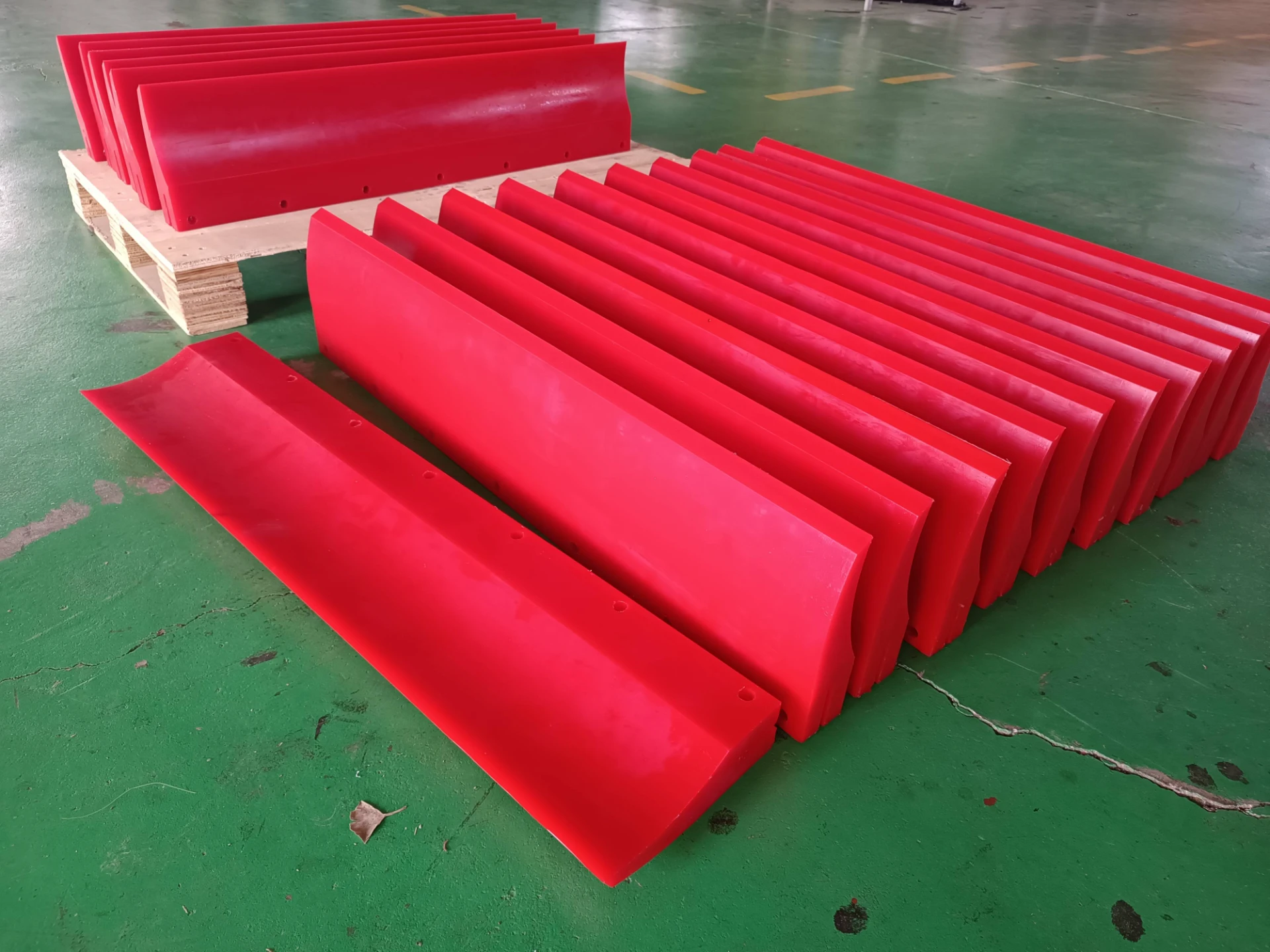
Conveyor belt cleaners must withstand abrasive materials and harsh environments. Materials like polyurethane, tungsten carbide, or stainless steel often feature in cleaner blades or components for long-lasting performance.
Adjustability
Precision in blade pressure and angle ensures thorough cleaning without damaging the belt. Modern designs allow easy adjustment to accommodate different belt widths and material types.
Ease of Installation and Maintenance
Operators prefer cleaners that can be installed without stopping the entire conveyor system, reducing downtime. Quick-release mechanisms and modular components simplify maintenance.
Cost Efficiency
While initial investment varies, high-quality cleaners save costs by preventing downtime, reducing belt wear, and lowering cleaning labor expenses. Consider total cost of ownership, not just upfront price.
Environmental Compliance
Materials and designs that minimize dust and spillage contribute to better compliance with environmental regulations, especially in regions with strict emission controls.
Product Specification Table: Typical Conveyor Belt Cleaner Features
| Feature | Standard Range | Typical Material |
|---|---|---|
| Blade Length | 500 mm to 2000 mm | Polyurethane or Tungsten Carbide |
| Blade Thickness | 6 mm to 15 mm | Polyurethane, Rubber composites |
| Mounting Type | Fixed, Spring-loaded or Pneumatic | Steel frames, corrosion-resistant coatings |
| Operating Temperature | -20°C to +80°C | Materials chosen for thermal resistance |
| Adjustability | Manual or Automated Tensioning | Springs, pneumatic cylinders |
Global Applications & Use Cases
Conveyor belt cleaners find diverse uses worldwide. In remote mining communities of Canada and Australia, they prevent costly spillage of valuable ores. In agricultural sectors from the US Midwest to India, they aid in grain and seed handling by reducing dust and residue contamination.
Post-disaster scenarios also illustrate their value. After floods or earthquakes, debris material often clogs temporary material handling setups. Deploying efficient conveyor belt cleaners in these contexts facilitates faster cleanup and material movement, indirectly supporting humanitarian relief.
Oddly enough, even emerging manufacturing hubs in Southeast Asia benefit from modern cleaner designs, which help maintain uptime amid increasing production demands and environmental standards.
Vendor Comparison Table: Key Players in the Conveyor Belt Cleaner Market
| Vendor | Material Options | Installation Features | Environmental Compliance | Typical Industries Served |
|---|---|---|---|---|
| MutoScreen | Polyurethane, Steel Composite | Quick-release, Tool-less | RoHS, ISO 14001 | Mining, Agriculture, Food |
| CleanBelt Co. | Rubber, TPU | Spring-loaded, Adjustable | EU REACH, ISO 9001 | Chemical, Waste Management |
| EcoScrape Ltd. | Biodegradable Polymers, Stainless Steel | Pneumatic tensioning | ISO 50001, Carbon Neutral | Food Production, Pharmaceuticals |
Advantages & Long-Term Value of Conveyor Belt Cleaners
Framing the benefits, conveyor belt cleaners save money by reducing downtime and maintenance costs. In practical terms, fewer belt replacement cycles mean less frequent capital expenditure. Meanwhile, by minimizing spillage, they prevent workplace hazards that could harm people or environment.
Socially, they protect worker dignity by improving safety and reducing exposure to dust or hazardous materials. Environmentally, less spillage means reduced contamination risks for soil and water systems—a crucial sustainability metric. These benefits combine to create a highly trusted tool that blends innovation with tangible value.
Future Trends & Innovations in Conveyor Belt Cleaning
Looking forward, several trends shape conveyor belt cleaner development:
- Smart Sensors & IoT Integration: Real-time monitoring of blade wear and tension helps prevent failure before it happens.
- Eco-friendly Materials: Increasing use of biodegradable or recycled polymers aligns with green manufacturing goals.
- Automation: Automated adjustment systems reduce manual labor and optimize cleaning for variable loads.
- Energy Efficiency: Designs aiming to cut energy demand during installation or operation complement broader sustainability efforts.
Challenges & Practical Solutions
Not all is perfect—common challenges include blade wear caused by highly abrasive materials, inconsistent cleaning due to belt misalignment, and installation complexities. Experts recommend regular inspection protocols, investing in higher-quality blade materials, and using conveyor tracking devices alongside cleaners to improve overall efficacy.
Innovative designs featuring self-cleaning blades, or hybrid materials balancing durability and flexibility, continue to emerge. Frankly, staying proactive with maintenance and picking the right cleaner for your specific belt and material conditions is crucial to overcoming issues.
FAQ: Frequently Asked Questions About Conveyor Belt Cleaners
- What is the typical lifespan of a conveyor belt cleaner blade?
- Blade lifespan varies based on abrasive exposure and maintenance but usually ranges between 6 months to 2 years. Selecting durable materials and performing routine inspections can extend service intervals.
- Can conveyor belt cleaners be installed without shutting down the conveyor?
- Many modern cleaners feature quick-release and adjustable mounting systems allowing installation or blade replacement without complete conveyor shutdown, minimizing downtime.
- How do conveyor belt cleaners reduce environmental impact?
- By minimizing material spillage and dust, cleaners prevent contamination of soil and water. Using eco-friendly blade materials further reduces ecological footprints.
- Are conveyor belt cleaners compatible with all types of conveyor belts?
- Most cleaners adapt to standard belt widths and materials, though custom solutions exist for unusual belt compositions or sizes. Consultation with vendors can ensure compatibility.
- What maintenance tasks are required for conveyor belt cleaners?
- Routine tasks include checking blade wear, adjusting tension and angle, inspecting mounting hardware, and cleaning residue build-up. Regular attention prevents premature failures.
Conclusion
In sum, conveyor belt cleaners are vital, often underappreciated components of global material handling systems. They reduce operational costs, increase safety, and support environmental stewardship. As industries evolve, investing in advanced cleaners will become even more critical.
To explore the latest in conveyor belt cleaner technology, including customizable options, visit MutoScreen’s conveyor belt cleaners and discover how smarter cleaning solutions can elevate your operations.
Mini takeaway: The humble conveyor belt cleaner quietly but powerfully boosts productivity, saves resources, and drives sustainability worldwide.
References: