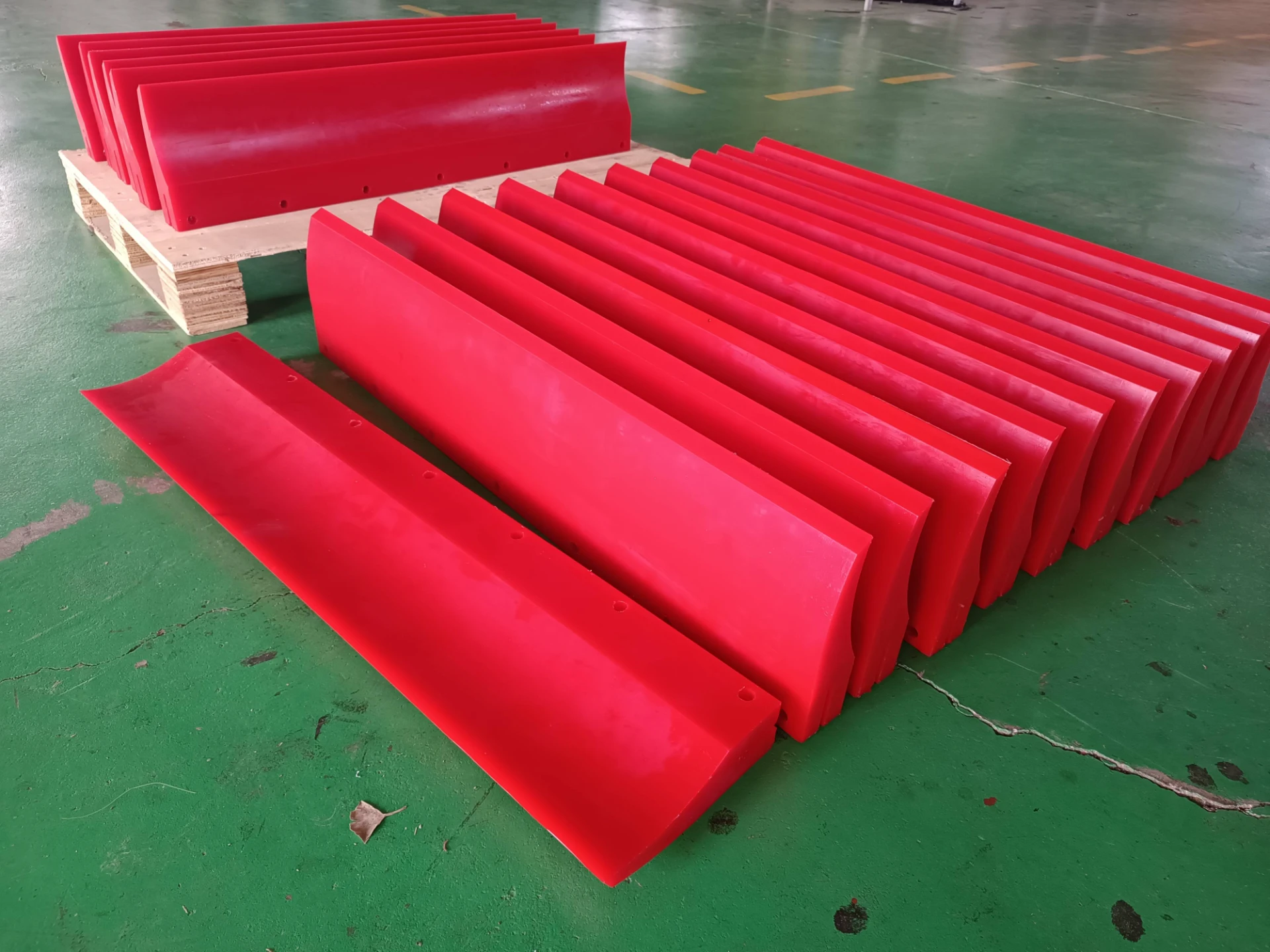
Understanding Conveyor Belt Scraper Blades: Essential Tools for Efficient Material Handling
Conveyor belt scraper blades might sound like niche industrial components, but their role in global industries is surprisingly significant. These unassuming parts ensure that conveyor systems function smoothly, reducing downtime and increasing productivity across sectors like mining, agriculture, and manufacturing. Understanding how these scraper blades work and why they matter can lead to better equipment investments and more efficient operations. It’s a topic that, frankly, deserves more attention than it gets.
Introduction: The Global Role of Conveyor Belt Scraper Blades
Globally, conveyor belt systems transport billions of tons of materials annually — think ores, coal, grains, recycled waste, and more. According to the International Organization for Standardization (ISO) and mining industry reports, material handling accounts for roughly 25% of operational costs in heavy industries. Conveyor belt scraper blades are critical in minimizing material carryback that clings to belts, reducing clean-up needs, preventing system damage, and extending belt life. In practice, this means fewer shutdowns and lower maintenance expenses worldwide.
But here’s the challenge: many operations, especially in harsh climates or remote locations, face difficulty maintaining scraper blade efficiency. Poorly designed or worn blades lead to bottlenecks and increased safety risks. That’s why the spotlight on conveyor belt scraper blades is justified – they are small parts with a big impact.
What Are Conveyor Belt Scraper Blades?
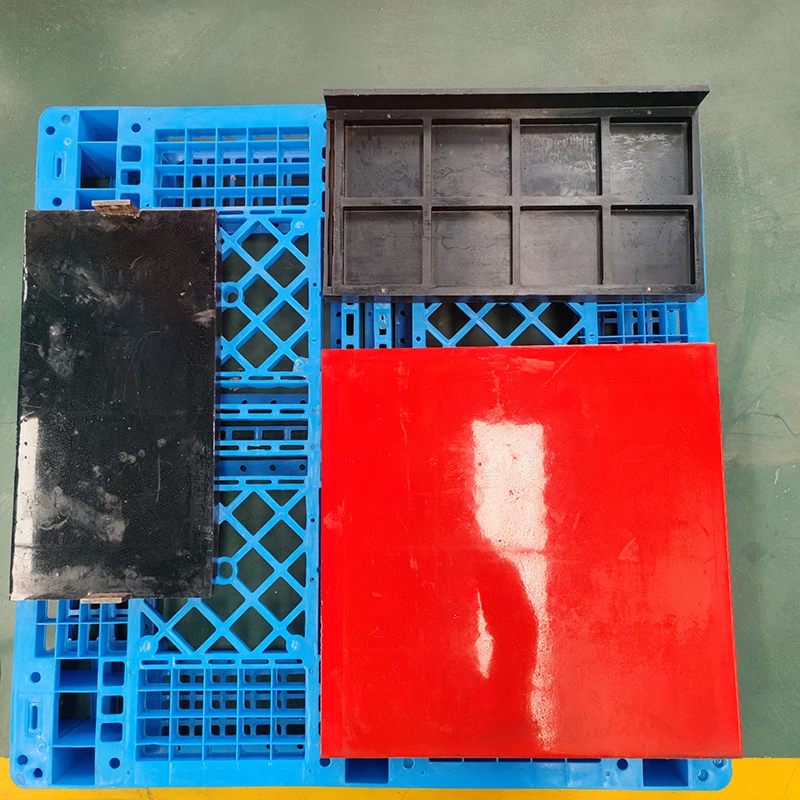
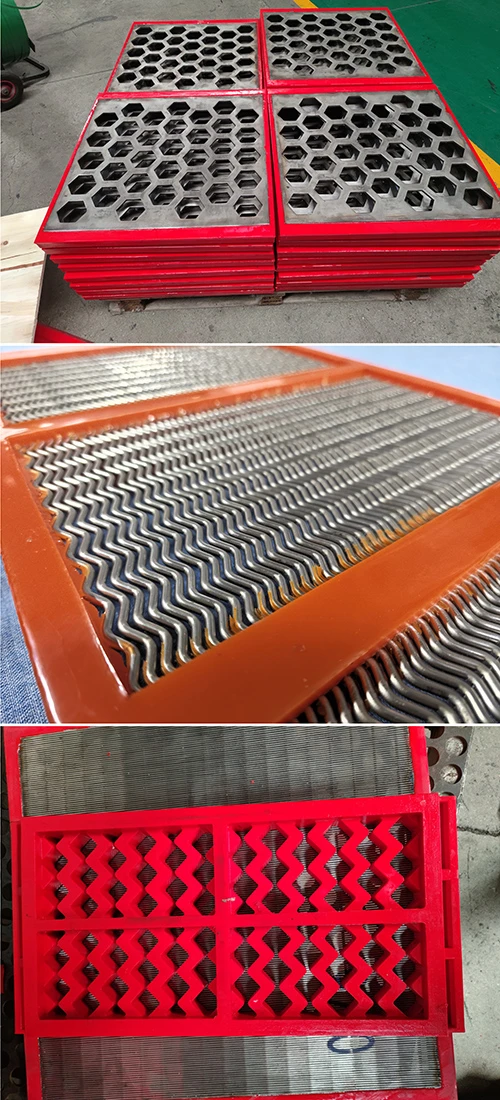
Put simply, conveyor belt scraper blades are precisely shaped strips, often made from polyurethane, rubber, or metal, designed to scrape clean residual materials from conveyor belts as they move. Think of them as a squeegee for industrial belts, ensuring no debris sticks around to cause trouble. By doing so, they keep conveyors cleaner, prevent damage to the belt, and avoid material loss.
In modern industry, these blades are frontline players in maintaining system uptime. From humanitarian logistics that transport relief materials to industrial mining operations, the reliability of these scrapers can impact project timelines and costs — not to mention worker safety.
Key Aspects of Conveyor Belt Scraper Blades
Durability
Scraper blades face constant abrasion, exposure to chemicals, dust, and varying temperatures. Materials like polyurethane offer excellent wear resistance and flexibility, extending blade life in tough conditions.
Design Compatibility
Blades must match belt specifications — width, speed, material type — for optimal scraping. Many blades are designed for easy adjustment or replacement without disassembling entire conveyor sections.
Cost Efficiency
While initial costs vary by material and design, long-lasting blades reduce downtime and maintenance costs. Investing in quality scraper blades translates to tangible savings in the long run.
Environmental Resistance
In mineral processing or food industries, scraper blades may encounter moisture, heat, or corrosive agents. Choosing blades with appropriate resistance properties is key to avoiding premature failure.
Ease of Maintenance
Many scraper blades come with quick-release features or modular components, allowing rapid replacement in demanding environments — critical in minimizing operational interruptions.
Mini takeaway: Conveyor belt scraper blades thrive at the intersection of design, material science, and practical maintenance. Their quality and fit matter — quite a bit.
Global Applications & Real-World Use Cases
Across continents and industries, conveyor belt scraper blades are quietly at work:
- Mining in Australia and Canada: Heavy-duty scrapers help handle abrasive ores, preventing excess material build-up in dusty environments.
- Agriculture in the US Midwest: Scraper blades maintain grain transporters, reducing contamination and improving hygiene.
- Post-disaster relief in Southeast Asia: Portable conveyor systems fitted with durable scraper blades streamline delivery of aid materials under tough conditions.
- Recycling plants globally: Efficient scrapers optimize the flow of mixed waste, reducing downtime caused by jams and build-ups.
Oddly enough, some NGOs and humanitarian organizations call on conveyor technology with specialized scrapers to handle everything from soil to food parcels in emergency zones, where reliability and low maintenance are critical.
Advantages & Long-Term Value
Why does it really matter to invest in good conveyor belt scraper blades?
- Cost Savings: Reduced maintenance, longer belt lifespans, and fewer shutdowns save enormous operational dollars.
- Environmental Impact: Cleaner belts mean less material spillage and waste, contributing to sustainability goals.
- Operational Safety: Less material buildup equals fewer accidents, protecting workers and equipment.
- Trust and Innovation: Reliable scraping systems boost confidence in material flow, opening doors for automation integration.
In fact, it feels like a ripple effect: good scrapers lead to safer, more efficient operations, which leads to innovation and competitive edges.
Future Trends & Innovations
Some fascinating changes are brewing in scraper blade technology:
- Advanced Materials: Nanocomposites and self-healing polymers might soon elevate durability beyond current polyurethane blends.
- Digital Monitoring: IoT sensors integrated with scraper blades could enable real-time wear tracking, predicting replacement needs.
- Automation and Robotics: Automated tensioning and blade cleaning systems are emerging for high-capacity conveyors.
- Sustainability: Manufacturers are experimenting with eco-friendly materials and end-of-life recyclability for scraper components.
I suppose the conveyor belt scraper blade is entering its own "smart era," blending old-school mechanical solutions with digital insight.
Challenges & Practical Solutions
Of course, challenges lurk:
- Wear and Tear: Tough environments wear out blades quickly — solution: layered composite blades and frequent inspections.
- Incorrect Installation: Misaligned blades cause belt damage — solution: better training and adjustable mounting mechanisms.
- Material Compatibility: Not all blades suit every conveyor load — solution: consult product specs carefully and choose application-specific blades.
Vendor expertise and customization are often the unsung heroes in overcoming these pitfalls.
Product Specification Table: Sample Conveyor Belt Scraper Blades
| Model | Material | Blade Thickness | Suitable Belt Width | Temperature Range |
|---|---|---|---|---|
| UltraScrape 3000 | Polyurethane | 8 mm | 400 - 800 mm | -20°C to 80°C |
| SteelEdge X1 | Hardened Steel | 10 mm | 600 - 1200 mm | -40°C to 150°C |
| EcoClean 2.0 | Recycled Rubber Composite | 7 mm | 300 - 700 mm | -10°C to 70°C |
Vendor Comparison Table: Leading Conveyor Belt Scraper Blade Providers
| Vendor | Material Options | Customization | Lead Time | Warranty |
|---|---|---|---|---|
| MutoScreen | Polyurethane, Rubber, Steel | High – custom sizes & grades | 2-3 weeks | 12 months |
| ScrapeTech | Premium Polyurethane only | Medium | 1-2 weeks | 6 months |
| Global Scrapers | Rubber composites | Low | 3-4 weeks | 9 months |
FAQs About Conveyor Belt Scraper Blades
1. How often should conveyor belt scraper blades be replaced?
Replacement frequency depends on material type, belt speed, and environment. Typically, blades last from 6 months to 2 years. Regular inspection for wear and damage is essential to prevent unexpected breakdowns.
2. Can scraper blades be installed on any conveyor belt system?
Most belts can be fitted with scraper blades but choosing the right blade material and design for your belt width and transported material is key. Consulting with suppliers like MutoScreen can ensure compatibility.
3. Are polyurethane blades better than steel or rubber?
Each material has pros and cons. Polyurethane offers great abrasion resistance and flexibility; steel is durable under extreme temperatures but can damage belts if misused; rubber is flexible and cost-effective for light-duty applications.
4. How do conveyor belt scrapers improve workplace safety?
By removing material buildup, scrapers reduce the risk of belt slippage and spillage, which can cause hazardous slipping conditions or machinery jams, enhancing overall safety.
5. Can conveyor belt scraper blades be customized for specific industries?
Yes, many suppliers offer custom blade sizes, materials, and mounting options to fit industry-specific needs, such as food-grade blades or extra-durable options for mining.
Conclusion
Conveyor belt scraper blades might seem like small components, but their global impact on industrial efficiency and safety is anything but minor. Investing in the right scraper blades can pay off handsomely over time through reduced downtime, enhanced safety, and sustainability benefits. If you’re considering upgrades or replacements, I’d suggest checking out expert vendors – for example, explore reliable offerings from conveyor belt scraper blades specialists to ensure the best fit for your operations.
Don’t underestimate these unsung heroes of material handling. They keep the belts—and your business—running smooth.
Quick takeaway: Durable, well-fitted scraper blades save money, time, and lives in material handling worldwide.
- ISO Standards on Conveyor Belts, iso.org
- Mining Industry Material Handling Reports, worldbank.org
- Conveyor Belt Maintenance Guidelines, Wikipedia