Understanding the Conveyor Belt Wiper: Essential Component for Cleaner, Safer Industrial Operations
In industries from mining to manufacturing, keeping conveyor belts clean isn’t just a matter of aesthetics—it's crucial for efficiency, safety, and reducing downtime. Enter the conveyor belt wiper, a small but mighty device that prevents material carryback on belts, protecting equipment and minimizing waste. Globally, as supply chains grow and demand for automation surges, understanding and selecting the right conveyor belt wiper can mean big savings and smoother operations.
Why the Conveyor Belt Wiper Matters Worldwide
Conveyor systems are the backbone of many industries worldwide. According to the International Organization for Standardization (ISO), efficient bulk material handling reduces operational costs by an average of 15%-30%, just by preventing material spillage and belt damage (ISO 5048: 2019). However, carryback—the leftover material sticking to the conveyor belt after unloading—is a persistent challenge.
This is not a trivial problem. Spillage leads to environmental hazards, safety risks for workers, and time-consuming cleanups. For example, mining operations in Australia and South Africa report significant maintenance costs linked directly to poor belt cleaning (Minerals Council of Australia, 2021). A good conveyor belt wiper reduces these issues considerably, supporting safer, greener operations.
What Exactly Is a Conveyor Belt Wiper?
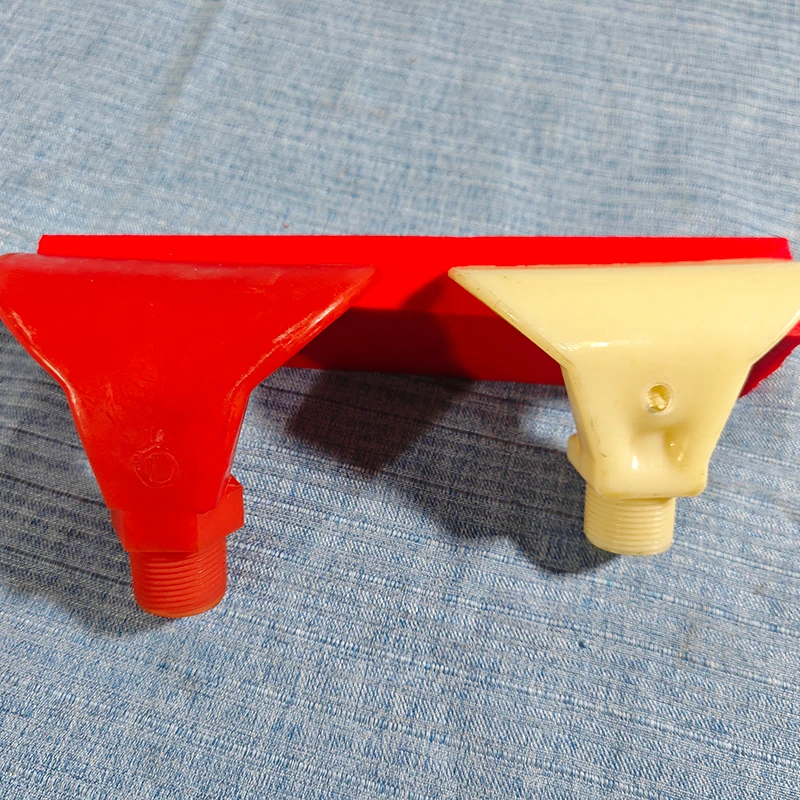
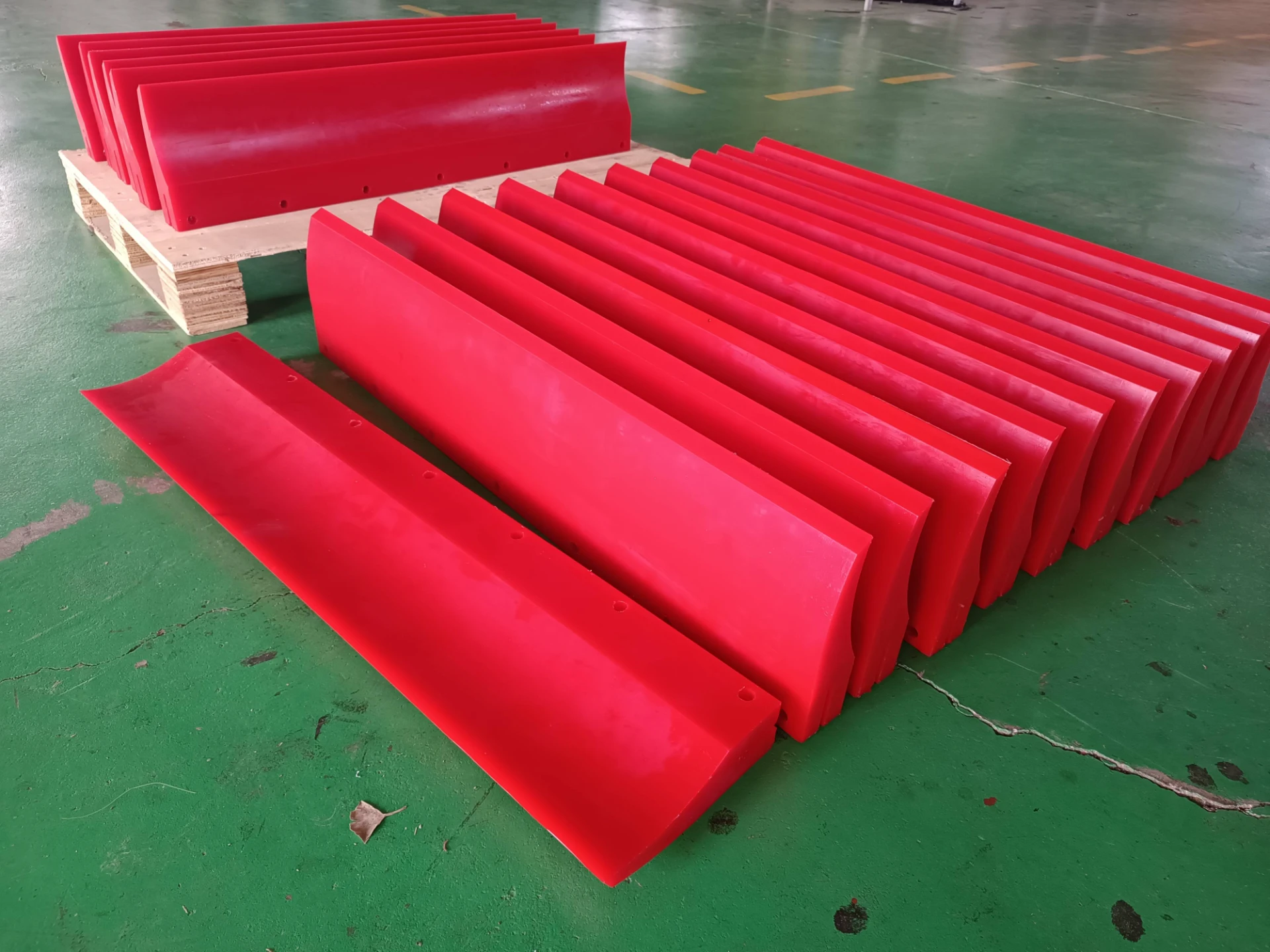
At its core, a conveyor belt wiper is a mechanical device designed to scrape or wipe residual material off the belt’s surface after the discharge point. It’s typically made from durable polyurethane or rubber blades mounted securely against the belt, often adjustable to maintain effective contact. Think of it as a windshield wiper, but for large industrial conveyor belts.
This seemingly simple component is connected deeply to modern industrial efficiency and humanitarian needs alike—by maintaining clean transport lines, it keeps downstream processes clean and workers safe, preserving equipment longevity and preventing workplace hazards.
Core Components and Key Factors of Conveyor Belt Wipers
- Durability: The wiping blade needs to withstand abrasive materials like ore or coal and resist wear for months or years. Polyurethane blades are often preferred for their wear resistance and elasticity.
- Adjustability: A wiper that allows fine-tuning blade pressure against the belt provides better cleaning without causing damage. This adaptability is crucial given variations in belt tension and materials handled.
- Ease of Maintenance: Quick blade replacement and easy access reduce downtime—critical in continuous industrial operations.
- Environmental Resistance: Given conveyors often operate outdoors, resistance to UV light, moisture, and temperature changes matters greatly in material choice and design.
- Cost Efficiency: Balancing initial investment with lifespan and performance minimizes total cost of ownership over years.
In practical terms, these factors mean an efficient conveyor belt wiper is not just a rubber scraper nailed to a frame; it's a carefully engineered solution tailored to the material and environment, balancing wear, pressure, and compatibility.
Mini takeaway:
The right conveyor belt wiper must be durable, adjustable, easy to maintain, and resistant to harsh environments, optimizing both performance and lifetime cost.
Global Applications & Use Cases of Conveyor Belt Wipers
You’ll find conveyor belt wipers everywhere—from the massive ore handling facilities in Canada’s mining heartlands to sprawling grain terminals in the U.S. Midwest, and in factories assembling electronics in Southeast Asia.
- Mining & Quarrying: These industries rely on belt conveyors to move abrasives, making durable and efficient wipers indispensable to reduce costly carryback and increase safety.
- Recycling Facilities: Here, wipers help keep belts clean of sticky or shredded materials, preventing jams and breakdowns.
- Agriculture: Conveyor belt wipers clear sticky grains or seeds, enhancing hygiene and reducing contamination.
- Disaster Relief Logistics: Less obvious, but in places where materials must be moved rapidly through makeshift conveyor setups, wipers help maintain continuous flow without delays.
For example, a Canadian mining operator told me recently, “Since upgrading to polyurethane wipers, our cleaning time dropped by half, and we avoid major spillage like before.” This real-world success story underscores how even small equipment upgrades can transform operations.
Advantages and Long-Term Value of Conveyor Belt Wipers
What gains come from investing in quality conveyor belt wipers? Let’s break it down:
- Operational Efficiency: Less material carryback means less cleanup and reduces wear on downstream machinery.
- Environmental Sustainability: Minimizing spillage reduces dust pollution and resource wastage, aligning with stricter environmental regulations worldwide.
- Worker Safety: Cleaning spilled material manually is hazardous; reliable wipers help automate this function.
- Cost Savings: Less belt damage, reduced maintenance, and fewer stoppages add up to significant budget relief over time.
- Enhanced Equipment Longevity: Preventing abrasive material buildup prolongs belt and pulley life.
In emotional terms, it’s about trust—knowing the system won’t unexpectedly fail or cause harm—and pride in running a clean, efficient operation.
Conveyor Belt Wiper Specification Table
| Feature | Polyurethane Blade | Rubber Blade | Tungsten Carbide Edges |
|---|---|---|---|
| Durability | High wear resistance | Moderate | Very high |
| Flexibility | Good | Excellent | Low |
| Cost | Medium | Low | High |
| Ideal Usage | Medium to heavy abrasion | Light to medium materials | Highly abrasive, tough environments |
Future Trends & Innovations in Conveyor Belt Wipers
Oddly enough, while conveyor belt wipers seem like a mature technology, innovation continues. Materials science brings tougher polyurethane blends, with enhanced UV and chemical resistance. Some manufacturers integrate sensors that detect blade wear and issue predictive maintenance alerts—a real game-changer for reliability.
Automation and IoT integration also help tailor blade pressure dynamically in response to load changes, optimizing cleaning without damaging belts. Meanwhile, sustainability drives experimentation with recycled materials and less toxic manufacturing processes. Clearly, even humble conveyor belt wipers are riding the wave of Industry 4.0.
Challenges & How Experts Are Solving Them
Of course, challenges remain. Blades wearing unevenly or causing belt damage rank high on complaints. In addition, improper installation or neglect of adjustability often leads to premature failure.
The solution often lies in education and proper selection. Vendors now offer comprehensive guides, on-site training, and tailored solutions rather than one-size-fits-all. Innovations like tungsten carbide-tipped blades can extend service life in extremely abrasive environments but at a higher upfront cost, balancing performance with budget.
Vendor Comparison Table: Leading Conveyor Belt Wiper Manufacturers
| Vendor | Blade Material Options | Adjustability Features | Price Range | Service & Support |
|---|---|---|---|---|
| MutoScreen | Polyurethane, Rubber | Manual & pneumatic options | $$ | 24/7 support, on-site service |
| CleanBelt Co. | Rubber, Carbide Tips | Manual only | $ | Basic phone support |
| BeltWipe Solutions | Polyurethane, Hybrid | Automated adjustability | $$$ | On-site training & remote monitoring |
Frequently Asked Questions About Conveyor Belt Wipers
- How do I know if my conveyor belt wiper needs replacement?
- The most common signs include visible blade wear, increased material carryback, or if cleaning efficiency drops noticeably. Regular inspections, ideally monthly, help detect these early. Sensors on advanced wipers can also alert you automatically.
- Can conveyor belt wipers damage the belt surface?
- If the blade pressure is too high or abrasive materials are involved, yes. That’s why adjustable wipers are preferred—they let you fine-tune the blade contact, preventing undue wear while maintaining cleaning.
- What materials are best for conveyor belt wipers in mining?
- Polyurethane blades are typically best because of their wear resistance, elasticity, and ability to handle rough, abrasive materials without damaging belts.
- How difficult is it to install a conveyor belt wiper?
- Installation complexity depends on the design, but many modern wipers from vendors like MutoScreen are designed for relatively quick installation with minimal downtime.
- Are conveyor belt wipers customizable?
- Absolutely. Many manufacturers offer tailored blade shapes, sizes, mounting options, and even smart sensor integrations to fit your specific conveyor setup and material type.
Conclusion: Why Your Operation Needs a Quality Conveyor Belt Wiper
In the grand scheme, a conveyor belt wiper may seem minor, but its impact is anything but small. Cleaner belts improve safety, reduce maintenance, and contribute to environmental stewardship—benefits that compound over time, cutting costs and fostering trust in your operation.
If you’re looking to improve your conveyor system’s reliability, visiting suppliers with proven experience like MutoScreen is a good start. Their range balances innovation, durability, and thoughtful design tailored to diverse industrial needs.
Final Reflection:
Though unsung, the conveyor belt wiper plays a crucial role in modern bulk material handling. Mastering its selection and maintenance is a simple but effective lever for safer, greener, and more reliable industry.