Belt Scraper Design: The Unsung Hero of Industrial Efficiency
Ever paused to wonder what keeps massive conveyor belts in mines, factories, and ports from turning into giant dust clouds or causing costly downtime? That’s where belt scraper design plays a pivotal role. Essentially, these small but mighty components clean conveyor belts by removing lingering material, preventing buildup and slippage.
Why should anyone outside heavy industry care? Well, globally, conveyor belts move tons of raw materials crucial for energy production, agriculture, and construction. Improving belt scraper design means smoother operations, less waste, and fewer environmental hazards — benefits that ripple far beyond factory floors.
Introduction: The Global Importance of Belt Scraper Design
Conveyor belts are the arteries of modern industry. According to the International Conveyor Manufacturers Association, the global conveyor belt market is expected to grow steadily, fueled by increasing mining, food processing, and recycling demands. Yet, they face a universal problem: carryback — the residual material stuck to the belt after transfer points.
Carryback causes headaches worldwide. It can result in equipment wear, increased maintenance costs, contaminated products, and workplace hazards. ISO 5048 outlines testing methods for belt cleaning devices, showing the technical seriousness given to this issue.
This is where optimizing belt scraper design becomes essential. Better designs reduce downtime, increase safety, and support sustainability goals — a challenge of global scale as industries push towards greener, more efficient operations.
What Is Belt Scraper Design?
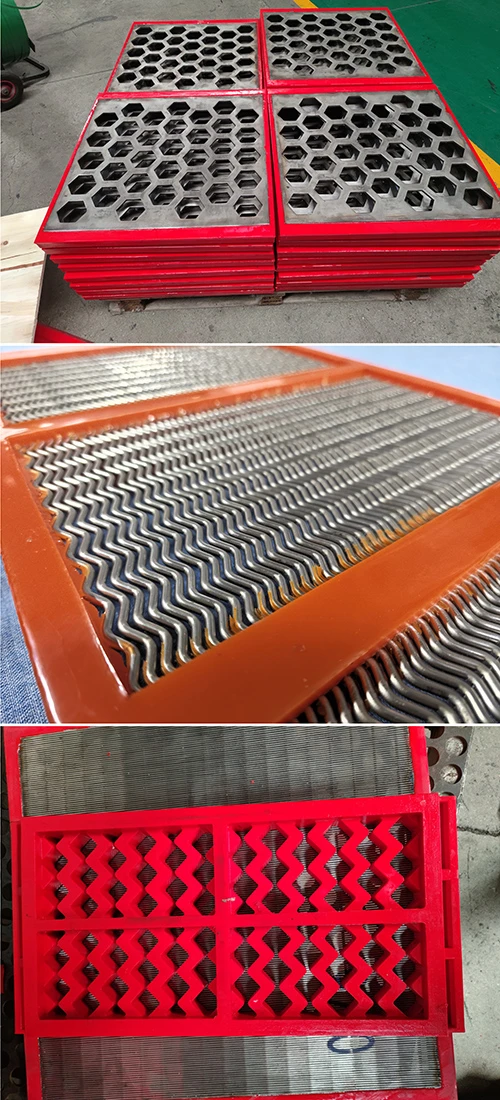
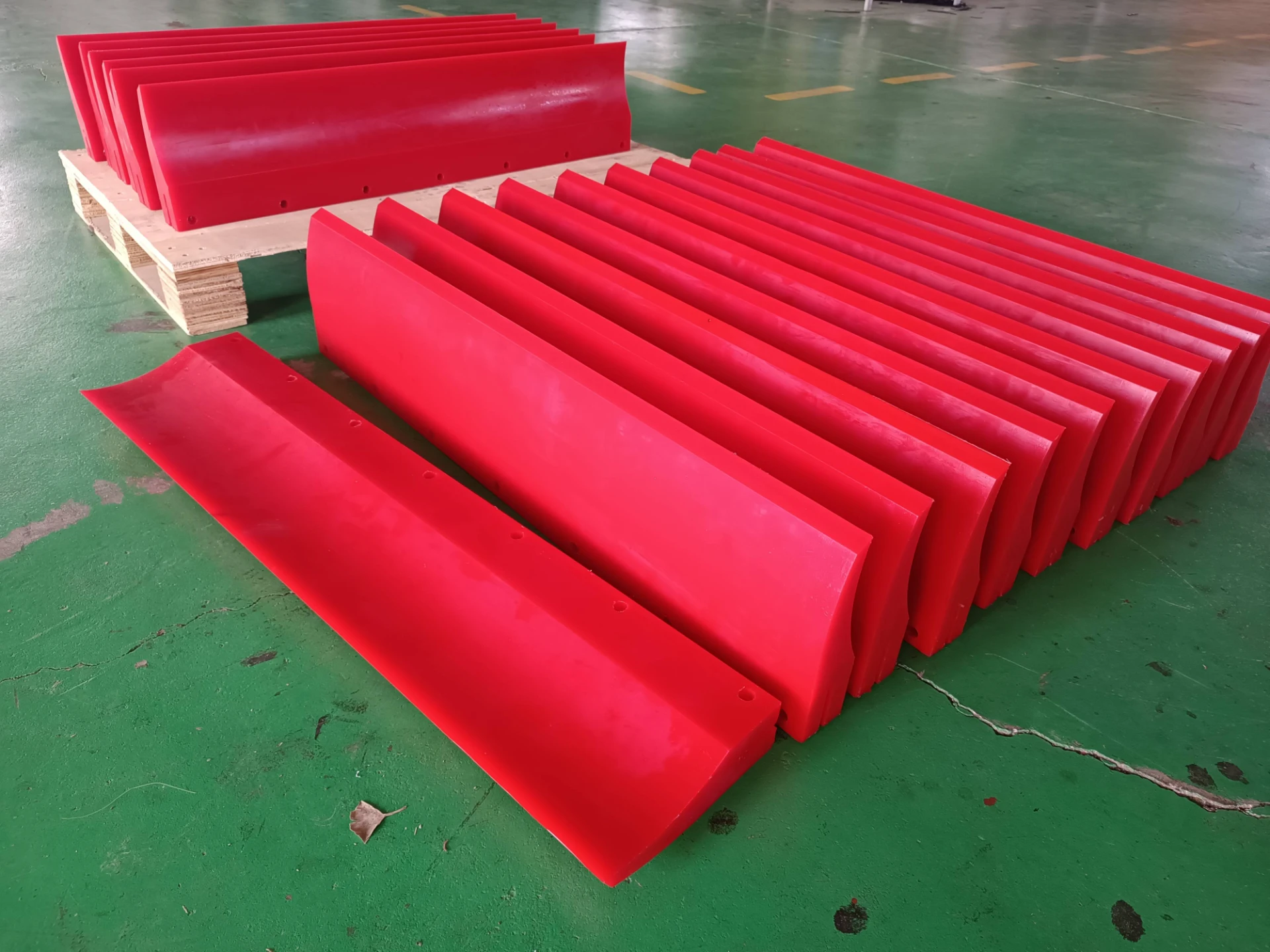
At its core, belt scraper design refers to the engineering and material choices behind cleaning mechanisms that scrape residual material off conveyor belts. These scrapers can be made from polyurethane blades, steel, or even specialized composite materials. Their goal? Maintain belt cleanliness without damaging the belt surface—a delicate balance.
In practical terms, belt scraper design has direct connections to broader humanitarian efforts. For example, in disaster relief logistics, clean conveyor belts are critical to quick handling of supplies without contamination. So, behind the scenes, these designs are supporting not only industry but also emergency responses that save lives.
Key Components of Effective Belt Scraper Design
1. Durability
Belt scrapers endure constant friction and harsh conditions. Materials must resist abrasion, chemical exposure, and temperature extremes. Polyurethane, for instance, often outperforms rubber in longevity, yet engineers still debate which suits best for specific environments.
2. Adjustability
The scraper’s angle and pressure must be finely tuned to avoid excessive wear on belts while guaranteeing effective cleaning. Many modern designs include spring-loaded tensioners or automatic adjustment features, helping balance cleaning efficiency and belt lifespan.
3. Ease of Maintenance
Quick replacement or blade reversal reduces downtime. Designs incorporating user-friendly fasteners and modular parts mean technicians can service scrapers with minimal disruption — crucial in 24-7 operations such as ports or power plants.
4. Cost Efficiency
Beyond initial purchase price, one must consider lifecycle cost: frequency of blade replacements, energy consumed by cleaner mechanisms, and impact on belt life. Cost-effective belt scraper design marries upfront affordability with long-term savings.
5. Environmental Impact
Scraper materials that can be recycled or cause less waste contribute to sustainability goals. Moreover, reducing carryback cuts down on dust emissions, improving workplace air quality — a subtle but meaningful advantage.
Global Applications & Use Cases
- Mining Industry: In Australia and South Africa, belt scrapers handle abrasive ores, where durability and adjustability are critical to prevent costly shutdowns.
- Food Processing: In Europe, scrapers must meet food-grade standards, ensuring no contamination while efficiently cleaning belts transporting ingredients.
- Disaster Relief: In parts of Southeast Asia hit by floods, clean conveyor belts in logistic centers speed up the distribution of aid goods.
- Recycling Facilities: In the U.S. and EU, scrapers remove sticky residues from mixed waste conveyors, enabling smoother automated sorting.
It’s odd but true that a small belt scraper design nuance can make huge operational differences across decades and continents.
Product Specification Table
| Feature | Polyurethane Scraper | Steel Scraper |
|---|---|---|
| Material Hardness | Shore A 90–95 | HRC 45–55 |
| Flexibility | High | Low |
| Typical Lifespan | 12–18 months | 24–36 months |
| Cost | Lower initial | Higher initial |
| Best Use Case | Light to medium duty | Heavy, abrasive environments |
Vendor Comparison: Choosing the Right Belt Scraper Supplier
| Vendor | Product Range | Customization Options | Lead Time | Warranty | Sustainability Commitment |
|---|---|---|---|---|---|
| CleanBelt Inc. | Polyurethane, Steel, Composite | Custom blade profiles, mounting kits | 3–5 weeks | 1 year | Recyclable materials used |
| ScrapeTech Solutions | Mostly Steel | Limited customization | 2–4 weeks | 2 years | Low energy manufacturing |
| EcoScrape Co. | Biodegradable polyurethane | Moderate customization | 4–6 weeks | 18 months | Strong focus on sustainability |
Advantages & Long-Term Value of Optimal Belt Scraper Design
Getting the design right isn’t just about engineering finesse — it directly impacts operational reliability and safety. Proper belt scrapers reduce costly belt wear, prevent spillage, and cut cleanup labor. That saves money but also creates safer working environments by reducing dust and slip hazards.
From a sustainability angle, fewer replacements mean less waste. For many operators, it’s a boost to reputations too — customers increasingly favor companies with responsible resource use and better environmental controls.
And of course, there’s a bit of pride and peace of mind knowing you’ve innovated in a small but mighty corner of industrial design. Trust me, operators notice.
Emerging Trends & Innovations in Belt Scraper Design
Looking ahead, automation and smart sensors are making their way into belt scraper design. Imagine scrapers that adjust tension automatically based on belt speed or material build-up, reducing manual adjustments.
Materials science innovations are also afoot. Biodegradable scrapers and composites infused with nanomaterials for increased wear resistance could soon set new industry standards.
Additionally, the drive towards greener energy means scrapers that consume less power in cleaning mechanisms or are made from recycled content will gain traction.
Challenges & Solutions
The biggest pain points I’ve heard from engineers? Wear and tear in highly abrasive conditions and maintaining effectiveness on belts that vary in speed or material. Sometimes scrapers cause belt damage if set incorrectly — a frustrating trade-off.
Innovating with materials that self-heal or integrating IoT sensors to detect wear early are promising solutions. Plus, supplier partnerships focusing on customization foster better matching of scraper design to specific site needs.
FAQ: Frequently Asked Questions About Belt Scraper Design
- What material is best for a belt scraper in a mining operation?
- Steel scrapers typically endure harsh abrasion better, making them suitable for mining. However, polyurethane is preferred where flexibility and less belt damage are concerns. The choice depends on your specific material and belt type.
- How often should belt scrapers be replaced?
- Replacement frequency varies with usage and material. Usually, polyurethane blades last 12–18 months, while steel can last up to 3 years. Regular inspections help determine optimal replacement times.
- Can belt scraper design reduce dust emissions?
- Yes, effective scraping reduces carryback material, which in turn lowers dust emissions around conveyors, enhancing air quality and worker safety.
- Is customization necessary for all industries?
- Not always, but in industries with unique conveyor profiles or specialized materials (food-grade, chemicals), custom scraper designs improve cleaning effectiveness and compliance.
- Where can I learn more about belt scraper design innovations?
- Industry trade publications, ISO technical reports (e.g., ISO 5048), and vendors’ technical datasheets are great sources. Also, organizations like the International Conveyor Manufacturers Association often host webinars and case studies.
Conclusion
So, there it is. Although belt scraper design might seem a niche concern, it touches vital threads of industry, sustainability, safety, and innovation worldwide. Proper design means saving costs, preserving equipment, and even enhancing lives by supporting crucial logistics and environmental goals. Honestly, it’s one of those quietly essential technologies that powers modern life.
If you’re interested in exploring cutting-edge solutions or need expert advice on belt scraper design, don’t hesitate to visit our website and see how we can partner with you to optimize your operations.
Mini takeaway: Behind every efficient conveyor belt is a well-designed scraper quietly keeping things clean and smooth — a small innovation with vast impact.
References:
1. ISO 5048 – Conveyor belt testing
2. International Conveyor Manufacturers Association
3. Wikipedia – Conveyor Belt