Primary Conveyor Belt Scraper: What It Is and Why It Matters Globally
If you’ve ever worked around conveyor belts—or seen those massive setups in mining, agriculture, or manufacturing—you probably understand how critical cleanliness and efficiency are to the whole process. A primary conveyor belt scraper is the unsung hero in all this. It’s the device that scrapes off residual material stuck to the belt right after it leaves the loading point, reducing belt carryback and helping avoid costly downtime, damage, or environmental hazards.
This technology isn’t just a small mechanical detail; it affects industries all over the world. According to the International Organization for Standardization (ISO), material handling inefficiencies can skyrocket operational costs and cause premature equipment failure. Frankly, a good scraper can save millions globally by boosting equipment longevity, improving safety, and slashing maintenance costs.
Introduction: The Global Context for Primary Conveyor Belt Scrapers
Industries such as mining, cement manufacturing, and bulk cargo transport depend enormously on conveyor belts that run 24/7. The global bulk material handling systems market is projected to reach nearly $50 billion by 2030, revealing just how integral these components are to industrial progress.[1]
Yet, one persistent challenge in these operations is material carryback—the leftover material sticking to the belt after unloading. This leads to build-up, belt misalignment, and material spillage that’s both an environmental hazard and a safety risk. Thus, the primary conveyor belt scraper emerges as a practical, cost-saving solution.
What Is a Primary Conveyor Belt Scraper?
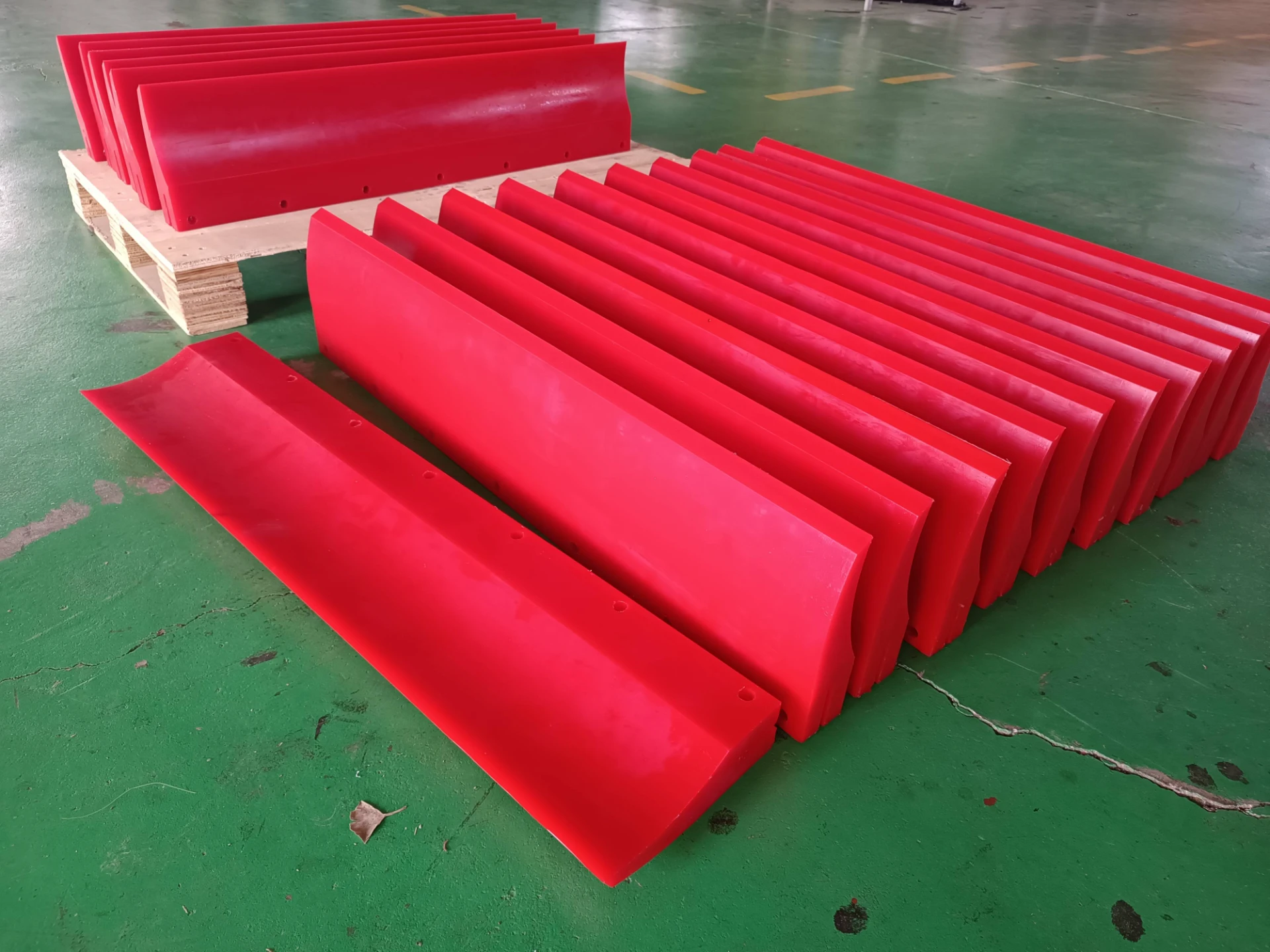
In simple terms, a primary conveyor belt scraper is a device fitted directly after the loading point to remove excess material from the conveyor belt’s surface. It usually consists of a blade made from urethane, rubber, or steel, mounted on a scraper frame with a tensioning and cleaning system.
Its function is straightforward but critical: by scraping off carryback immediately, it prevents accumulation that can lead to belt damage, downtime, and safety hazards. In modern industry and even humanitarian aid (like rapid debris clearing after disasters), keeping conveyor belts clean and operational is vital.
Key Components and Factors of Primary Conveyor Belt Scrapers
- Durability: These scrapers must withstand abrasion, chemical exposure, and heat. High-quality polyurethane blades last longer and resist wear better than rubber alternatives.
- Adjustability: To accommodate different belt widths and materials, scraper tension and blade angle must be adjustable for optimal cleaning efficiency.
- Cost Efficiency: Beyond initial purchase price, the cost of maintenance and downtime due to carryback must be factored in.
- Mounting Options: Customizable mounting frames allow installation in tight spaces or harsh environments.
- Material Compatibility: Some scrapers are better with fine powders, others with abrasive ores or sticky materials.
- Environmental Impact: Reducing spillage means less environmental contamination and cleanup concerns.
Quick Product Specification Table: Sample Primary Conveyor Belt Scraper
| Feature | Description |
|---|---|
| Blade Material | Polyurethane (high abrasion resistance) |
| Operating Temperature | -20°C to 80°C (-4°F to 176°F) |
| Belt Width Compatibility | 300 mm to 2400 mm (12" to 94") |
| Mounting Type | Adjustable tension frame |
| Expected Blade Lifespan | 6-12 months (varies with material) |
Mini takeaway: The perfect primary scraper balances resilience with flexibility, adapting to different belts and materials for maximum uptime.
Global Applications & Use Cases
Primary conveyor belt scrapers are pretty ubiquitous—used extensively in mining operations throughout Australia’s Pilbara region, coal transport in the U.S. Appalachians, or cement factories from Europe to Southeast Asia. Oddly enough, even humanitarian organizations find uses: after natural disasters, rapid removal of debris from conveyor belts in recycling or clearing operations speeds recovery.
In remote industrial zones, where maintenance teams are few and spare parts scarce, a high-quality scraper becomes reliability insurance. One interesting example is a gold mine in South America where replacing worn conveyor scrapers reduced unplanned downtime by 25%, saving tons of operational costs.
Vendor Comparison Table: Top Primary Conveyor Belt Scraper Suppliers
| Vendor | Blade Material Options | Adjustability | Price Range (USD) | Warranty |
|---|---|---|---|---|
| MutoScreen | Polyurethane, Rubber | Highly Adjustable | $300 – $800 | 12 months |
| ConveyorTech | Steel, Polyurethane | Moderate | $250 – $700 | 6 months |
| BeltClear | Rubber Only | Basic | $150 – $500 | 3 months |
Advantages and Long-Term Value
Choosing the right primary conveyor belt scraper can be a game-changer for plant managers. Not only does it reduce material spillage and wear, but it cuts back on cleaning time and maintenance labor. In the long run, this translates to fewer belt replacements and less environmental compliance headaches.
Frankly, the benefits go beyond pounds saved and downtime avoided. These scrapers help foster safer workplaces by preventing slippery floors and airborne dust. Plus, well-maintained belts mean consistent production, building stronger client trust and smoother supply chains.
The Future of Primary Conveyor Belt Scrapers: Trends and Innovations
Innovation, oddly enough, never slows down here. Emerging materials like self-healing polyurethane and smart sensors that monitor scraper blade wear are beginning to enter the market. Coupled with Industry 4.0 automation, scrapers can soon alert maintenance teams before the blade fails.
Moreover, sustainability is key: manufacturers are exploring recyclable and eco-friendly blade materials to reduce landfill waste. There’s also a push for energy-efficient scraper designs that minimize friction, helping reduce conveyor motor loads.
Challenges & Solutions
Of course, no system is perfect. Some challenges include wear variability depending on the material type, improper tension leading to poor cleaning, and complicated access for replacement in tight spaces. Expert installers recommend routine inspections and proper staff training as the best ways to maximize scraper lifespan.
Also, I’d mention that tailoring scraper selection to your specific material payload tends to avoid costly trial-and-error. Sometimes investing a bit more upfront saves a lot down the road.
FAQ: Frequently Asked Questions About Primary Conveyor Belt Scraper
- Q1: How often should I replace a primary conveyor belt scraper blade?
A: It depends on your material abrasiveness and operating hours but typically every 6 to 12 months. Regular inspections help catch wear before performance drops. - Q2: Can I install a scraper on any conveyor belt?
A: Most conveyors are compatible, but scrapers need to match belt width and material type. Proper mounting space and adjustability should be checked. - Q3: Does a polyurethane blade work better than rubber?
A: Polyurethane offers higher abrasion resistance and longer life, especially with rough materials, though it usually costs more. - Q4: Are primary scrapers adjustable for different load conditions?
A: Yes, high-quality scrapers include tensioning systems and blade angle adjustments to maintain efficiency under variable loads.
Conclusion: Why a Primary Conveyor Belt Scraper Is a Must-Have
In the long run, investing in the right primary conveyor belt scraper is just smart business. It reduces downtime, lowers costs, and ensures safer, cleaner operations. These small devices can lead to big gains in reliability and environmental stewardship—plus, honestly, it just feels good to see a conveyor belt running cleanly without hiccups.
To explore reliable solutions tailored to your operational needs, I highly recommend checking out primary conveyor belt scrapers from trusted providers. Your belts (and budget) will thank you.
Mini takeaway: A clean conveyor is a productive conveyor — and the primary scraper is the first defense line.
References: