Understanding Conveyor Belt Scrapers Manufacturers: Why They Matter Worldwide
If you’ve ever seen a conveyor belt in action, moving tons of coal, minerals, or grain, you might not have thought much about what keeps that belt clean and efficiently running. Conveyor belt scrapers manufacturers play a crucial yet often unseen role ensuring industrial operations remain smooth, safe, and cost-effective — not just locally but on a global scale. These manufacturers design and produce the devices that remove residual material clinging to conveyor belts after they’ve done their job. It might sound niche, but this small component prevents costly downtime, reduces environmental pollution, and even supports complex humanitarian and industrial logistics worldwide.
In a world increasingly dependent on heavy industries, mining, agriculture, and distribution, conveyor belt scrapers are quietly essential. Understanding the manufacturers behind these tools helps grasp a vital link in the supply chain that many take for granted. Plus, innovations here can lead to more sustainable operations and safer working environments. So, let’s uncover what conveyor belt scrapers manufacturers do, why they’re important, and how their products impact everything from major mining plants to remote field operations.
Global Industry Context: Scaling With World Demand
Conveyor belts transport over 60% of bulk materials worldwide, according to the International Organization for Standardization (ISO).[1] But with so much material moving constantly, belt cleaning becomes a major challenge. Residual debris not only wastes product but can cause abrasion damage, spillage, and unsafe dusty conditions.
Manufacturers specializing in conveyor belt scrapers are responding to a global push for more efficient resource extraction, cleaner workplaces, and reduced environmental impact. Mining sectors in Australia, South Africa, and Canada, as well as huge agricultural exporters in Brazil and the U.S., rely heavily on advanced belt cleaning technologies developed by these manufacturers. Frankly, without effective cleaning solutions, many modern industries would risk higher costs and serious operational delays.
What Are Conveyor Belt Scrapers Manufacturers?
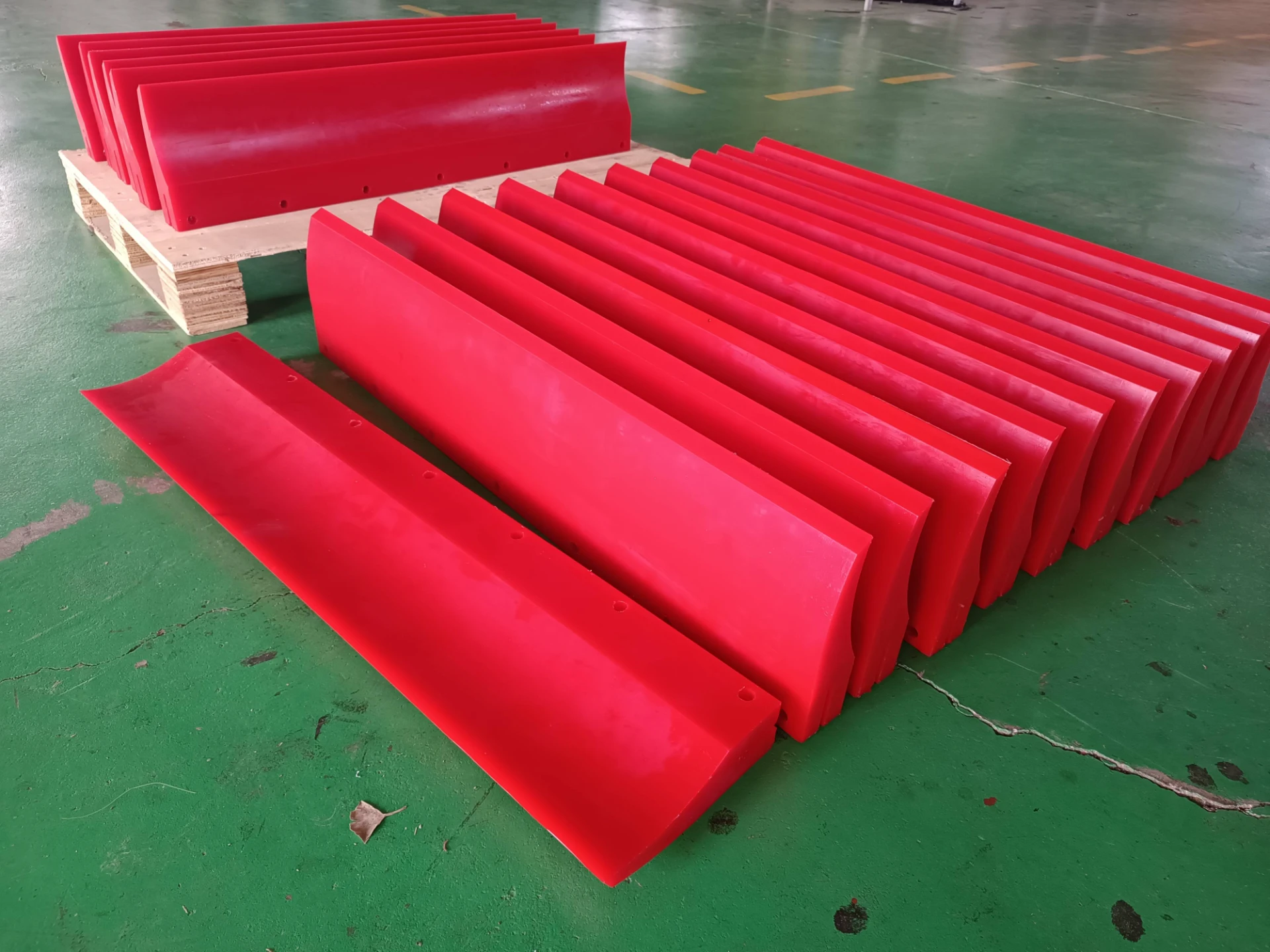
At its core, conveyor belt scrapers manufacturers produce the equipment that removes carryback materials from conveyor belts. A “scraper” is a device—usually a blade or a series of blades—mounted on a conveyor system to clean the belt’s surface, preventing material buildup.
The manufacturers design, engineer, and test these scrapers to fit diverse applications with varying materials, belt sizes, and environmental conditions. They’re the experts who innovate on durability, adaptability, and deployment methods. This means the manufacturers don’t just build a scraper—they provide a tailored solution that keeps industries moving efficiently.
Core Components That Define Quality Conveyor Belt Scrapers
Durability
One key factor is material longevity. Since scrapers handle abrasive residues, manufacturers favor wear-resistant materials like polyurethane or tungsten carbide-tipped blades to extend product life. The design must withstand moisture, temperature extremes, and impacts without warping or fouling.
Scalability and Customization
Not all scrapers are one-size-fits-all. Manufacturers offer scalable solutions that can be fine-tuned to fit conveyor widths, speed, and contamination levels, often delivering modular and adjustable scraper assemblies.
Cost Efficiency
Buying from a reputable manufacturer means fewer replacements and less downtime. Though initial costs might seem higher, robust designs reduce long-term maintenance and labor expenses.
Ease of Installation and Maintenance
Leading manufacturers focus on scraper designs that simplify installation and adjustment, minimizing belt downtime and maximizing operational uptime.
Environmental Compatibility
Some newer models use eco-friendly materials or designs that reduce dust and spillage, helping companies meet stricter environmental regulations globally.
Mini Takeaway: Conveyor belt scrapers manufacturers blend engineering precision and practical design, targeting improved durability, efficiency, and environmental safety.
Product Specifications: Typical Conveyor Belt Scraper
| Feature | Specification |
|---|---|
| Blade Material | Polyurethane or Tungsten Carbide |
| Blade Thickness | 3–6 mm |
| Belt Width Compatibility | 300 mm – 2400 mm |
| Temperature Range | -20°C to 80°C |
| Installation Method | Bolt-On or Clamp Fastening |
| Expected Lifespan | 12–24 months depending on conditions |
Global Applications and Use Cases
Mining companies in South Africa harness robust scrapers to enhance throughput and safety by reducing dust. In agricultural hubs like the U.S. Midwest, scrapers installed on grain conveyors drastically cut product loss during harvest processing. Even in humanitarian logistics, where supplies must be transported reliably and cleanly through rugged terrains, conveyor belt scraper manufacturers’ innovations ensure humanitarian agencies can depend on fast, uninterrupted delivery pathways.
For example, the mining industry in Canada facing harsh winters relies on scrapers that resist ice buildup and maintain belt cleanliness, showing how these devices adapt regionally. In post-disaster relief, clean conveyor belts help sort and distribute materials swiftly, indirectly aiding communities in urgent need.
Mini Takeaway: Conveyor belt scrapers support a wide spectrum of industries worldwide by improving efficiency, product quality, and safety in various climates and challenges.
Long-Term Advantages of Quality Conveyor Belt Scrapers
- Cost Savings: Lower maintenance, reduced product carryback, and fewer shutdowns significantly cut operational costs.
- Sustainability: By minimizing material spillage and dust leakage, scrapers contribute to environmentally responsible operations.
- Workplace Safety: Cleaner belts reduce slip hazards and improve air quality around conveyors.
- Trust and Reliability: Businesses trust suppliers who deliver proven scraper solutions that maximize uptime.
It’s a blend of emotional and practical benefits — workers feel safer, companies save money, and the environment loses less raw material to waste. You don’t often get all that from one product, but here we do.
Looking Ahead: Innovations and Trends
The conveyor belt scraper market is moving in fascinating directions. Manufacturers are experimenting with smart sensors that monitor scraper wear and belt cleanliness in real-time—imagine automated alerts when a scraper needs replacement, minimizing surprise downtime.
Materials science is evolving too. Bio-based polymers and recycled composites offer promising eco-friendly alternatives to traditional plastics used in scraper blades. Plus, some companies are incorporating solar-powered conveyor belt accessories, further shrinking carbon footprints in remote mining regions.
Automation and IoT integration also hint at conveyor belt systems of the future that largely self-regulate cleaning schedules, adapt dynamically to clogs or belt wear, and improve predictive maintenance strategies overall.
Challenges & Solutions in Conveyor Belt Scraper Manufacturing
Of course, it’s not all smooth conveyor travel. Maintaining blade sharpness in extreme abrasion environments, coping with variable belt speeds, and customizing solutions for unconventional conveyor layouts remain challenges. Manufacturers are tackling these problems through modular designs, easier blade replacement mechanisms, and more precise custom-engineering.
Additionally, improving global supply chains—ensuring scrapers reach remote sites rapidly and with support—is a non-trivial hurdle. This is where partnerships with local suppliers and conveyor belt scrapers manufacturers become invaluable.
FAQ: Frequently Asked Questions About Conveyor Belt Scrapers Manufacturers
- Q: How do conveyor belt scrapers improve operational safety?
- A: By removing residual materials, conveyor belt scrapers reduce dust and material spillage, which lowers slip hazards and airborne particles—creating a safer environment for personnel around moving conveyors.
- Q: What factors should I consider when choosing a scraper manufacturer?
- Look for proven durability of materials, customization options, warranty and support services, and a manufacturer’s experience with your specific industry requirements.
- Q: Can conveyor belt scrapers be retrofitted on existing conveyor systems?
- Yes, most manufacturers design scrapers that can be easily installed on existing belts with minimal downtime, often with adjustable mounting brackets.
- Q: How does environmental regulation impact scraper design?
- Scrapers now often incorporate dust control features and use environmentally friendly materials to meet increasingly strict local and international environmental standards.
Vendor Comparison Table: Key Players in Conveyor Belt Scraper Manufacturing
| Manufacturer | Material Options | Customization | Warranty | Global Reach |
|---|---|---|---|---|
| Mutoscreen | Polyurethane, Carbide | High degree | 3 years | Worldwide |
| CleanBelt Inc. | Rubber, PU | Moderate | 2 years | North America, Europe |
| Global Belt Tech | Carbide, Steel | High | 4 years | Asia, Australia |
Conclusion: Why Conveyor Belt Scrapers Manufacturers Deserve Your Attention
To sum it up, conveyor belt scrapers manufacturers quietly keep vital industries running at peak efficiency, often in tough environments where downtime is costly. Their innovations drive cost savings, operational safety, and environmental responsibility. If you’re looking at ways to optimize conveyor operations or just curious how these small components make a big difference, exploring manufacturers’ offerings is a solid step.
Interested in learning more or sourcing the ideal scraper for your operation? Take a moment to visit https://www.mutoscreen.com — a prime resource for expert solutions in the conveyor belt scrapers space.
Thanks for joining me on this dive into what often feels like the 'hidden gear' of industrial progress. I suppose that’s the charm — some of the most essential things aren’t flashy but foundational.