... full article HTML ...

Comprehensive Guide to Screen In Well Solutions for Industrial Water Management
Related Products
-
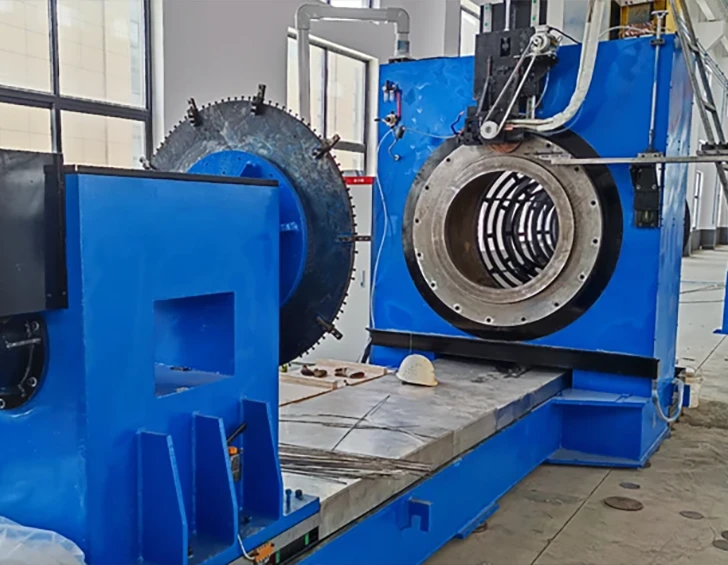
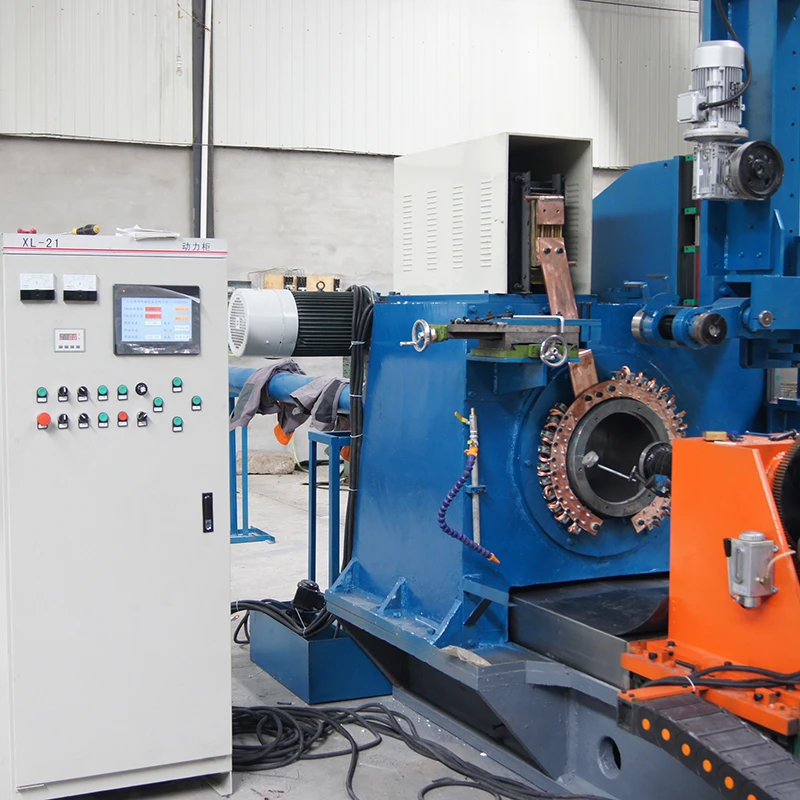 Wedge Wire Screen Welding MachineryThe wedge wire screen produced by the equipment is widely used in the oil, gas and water well sand control industry, especially used in the water and oil well industry. It is also widely used in sewage treatment and water purification. Customized specification is available by different mold.(SY/T5182-2008)
 -
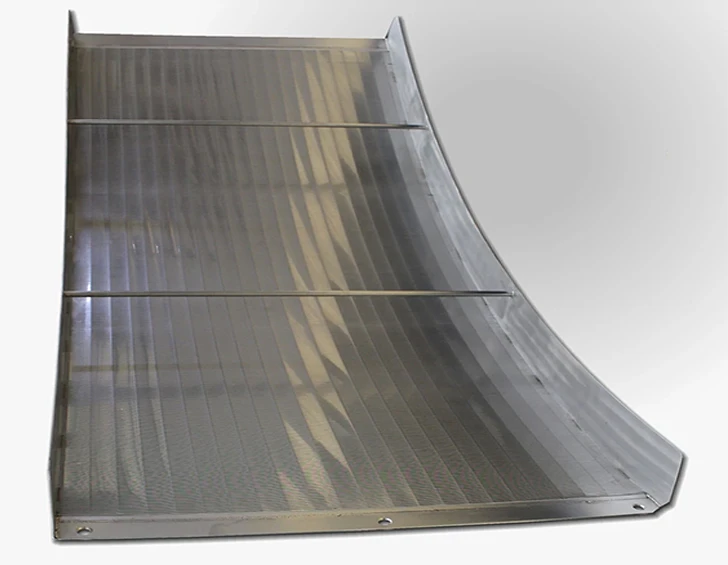
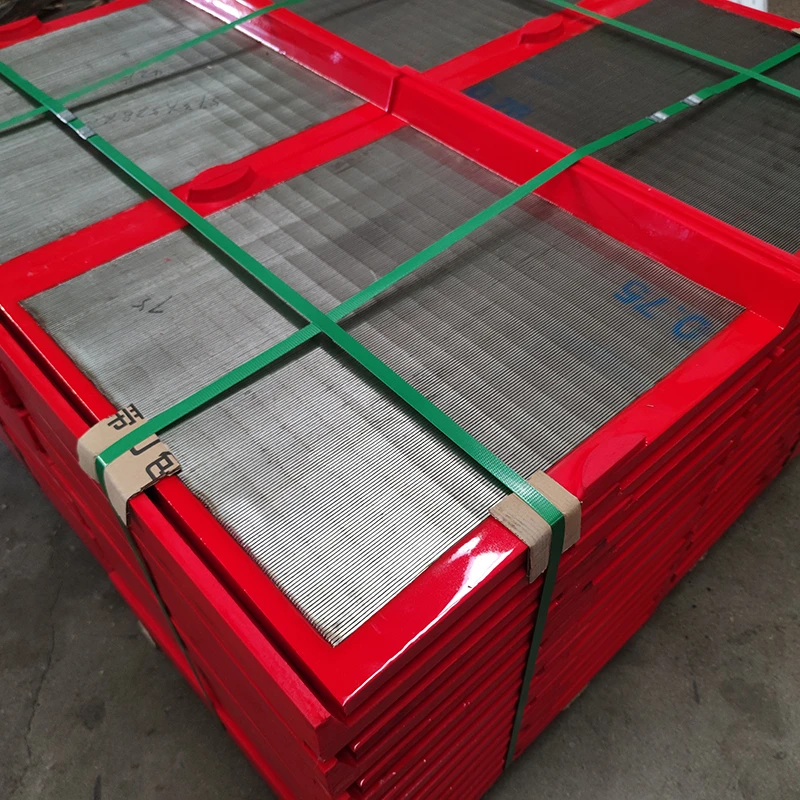 Flat Wedge Wire ScreenThe flat wedge wire screen is a crucial component in mining processing. The screens adopt the stainless steel wedge wire screens to form a robust screen surface; The edge may adopt resilient and wear-resistant polyurethane material or the stainless steel material frame.
 -
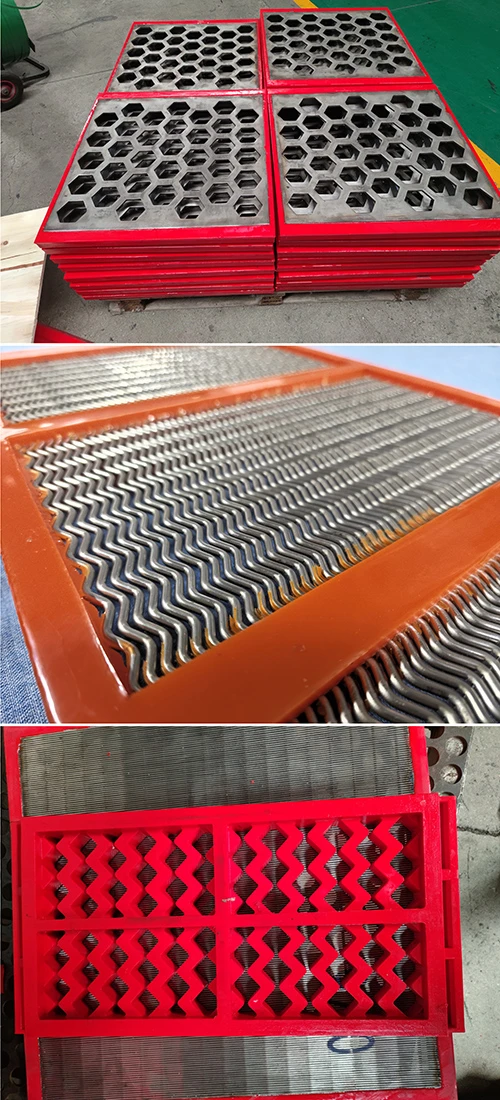
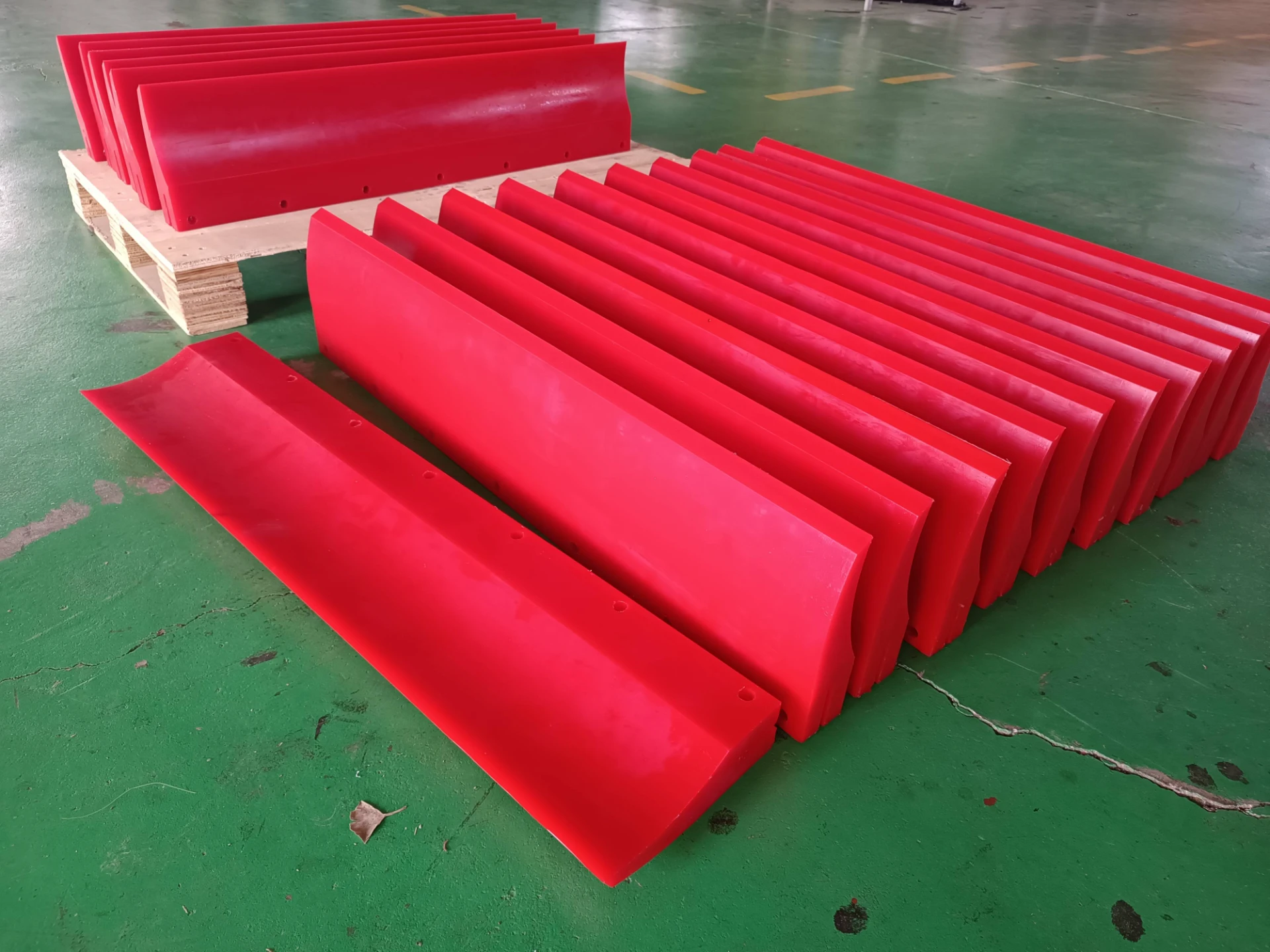
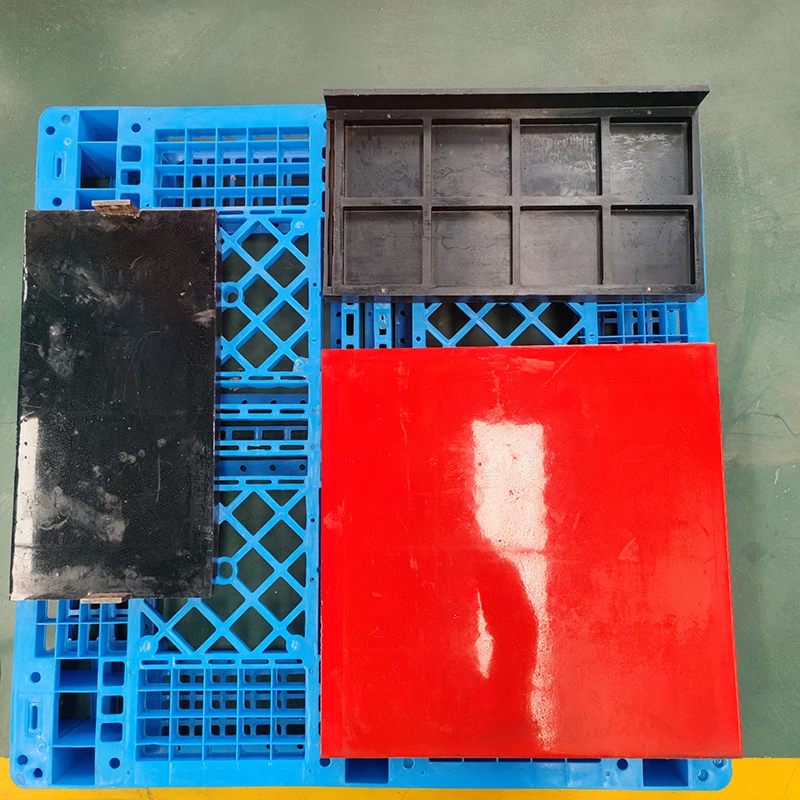 Polyurethane Blind PlateThe polyurethane blind plate is a type of screen plate with many excellent properties, which is widely used in vibration screening equipment.
 -
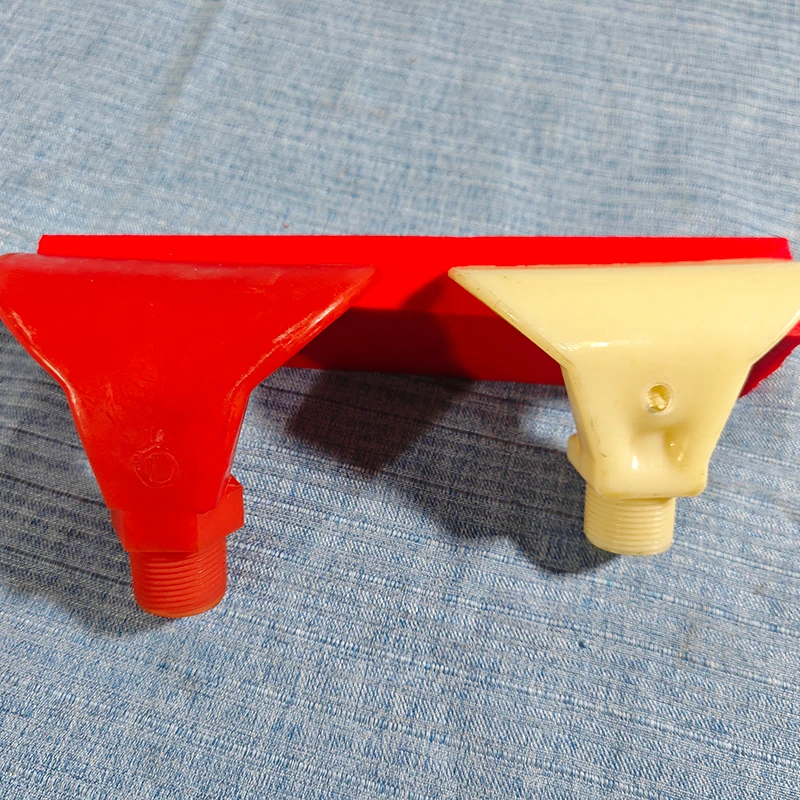 Polyurethane Spray NozzlePolyurethane spray nozzles are specifically designed for wet screening and dust control applications, delivering water to the screen deck to wash material effectively.
Related News
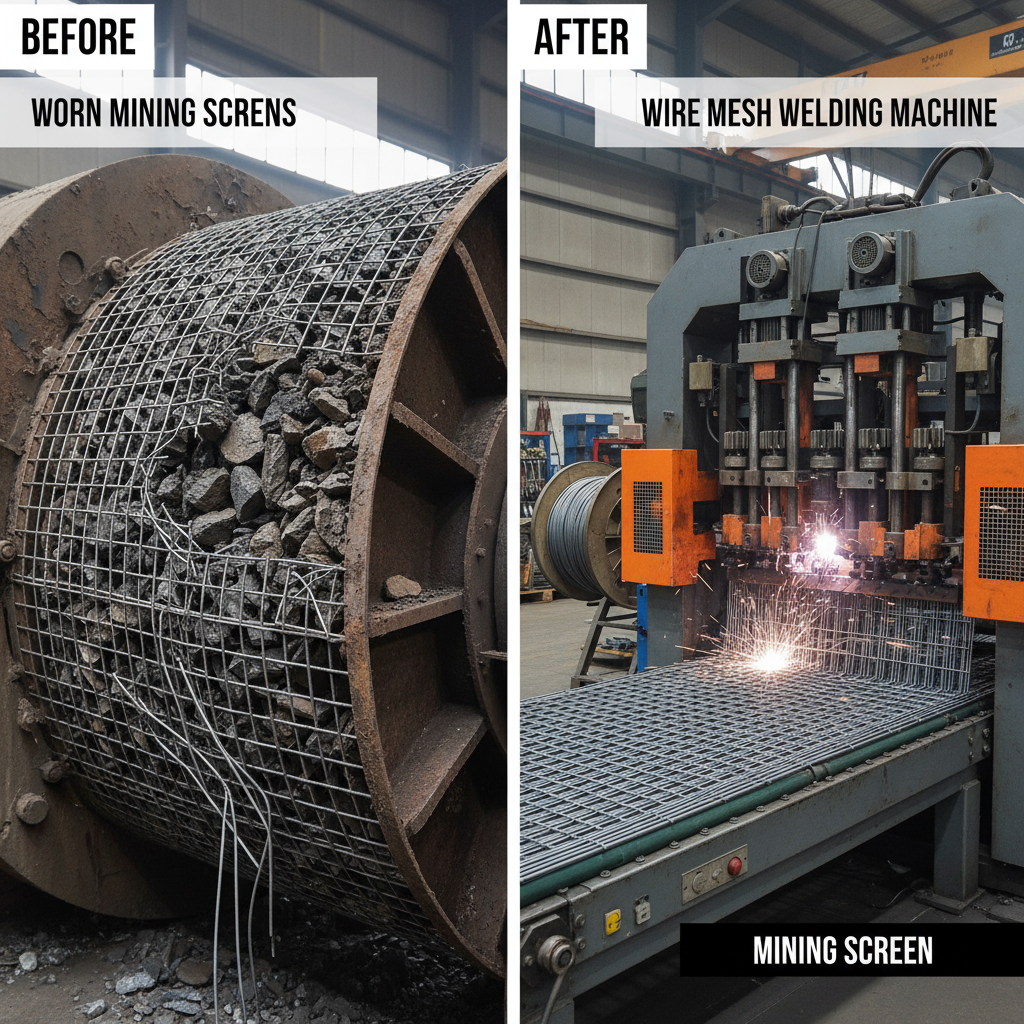
The Ultimate Guide to Coarse Screens in Industrial Filtration
In the world of water treatment and industrial waste management, the first line of defense is critical. coarse screens serve as this essential primary barrier, designed to remove large debris, rags, and floating objects from influent streams. By preventing oversized materials from entering downstream pumps and sensitive equipment, these systems significantly reduce maintenance costs and prevent catastrophic system failures. Whether you are managing a municipal wastewater plant or an industrial processing facility, understanding the nuances of coarse screening is the key to operational efficiency. In this guide, we will explore how these systems work and how to choose the right one for your specific needs.
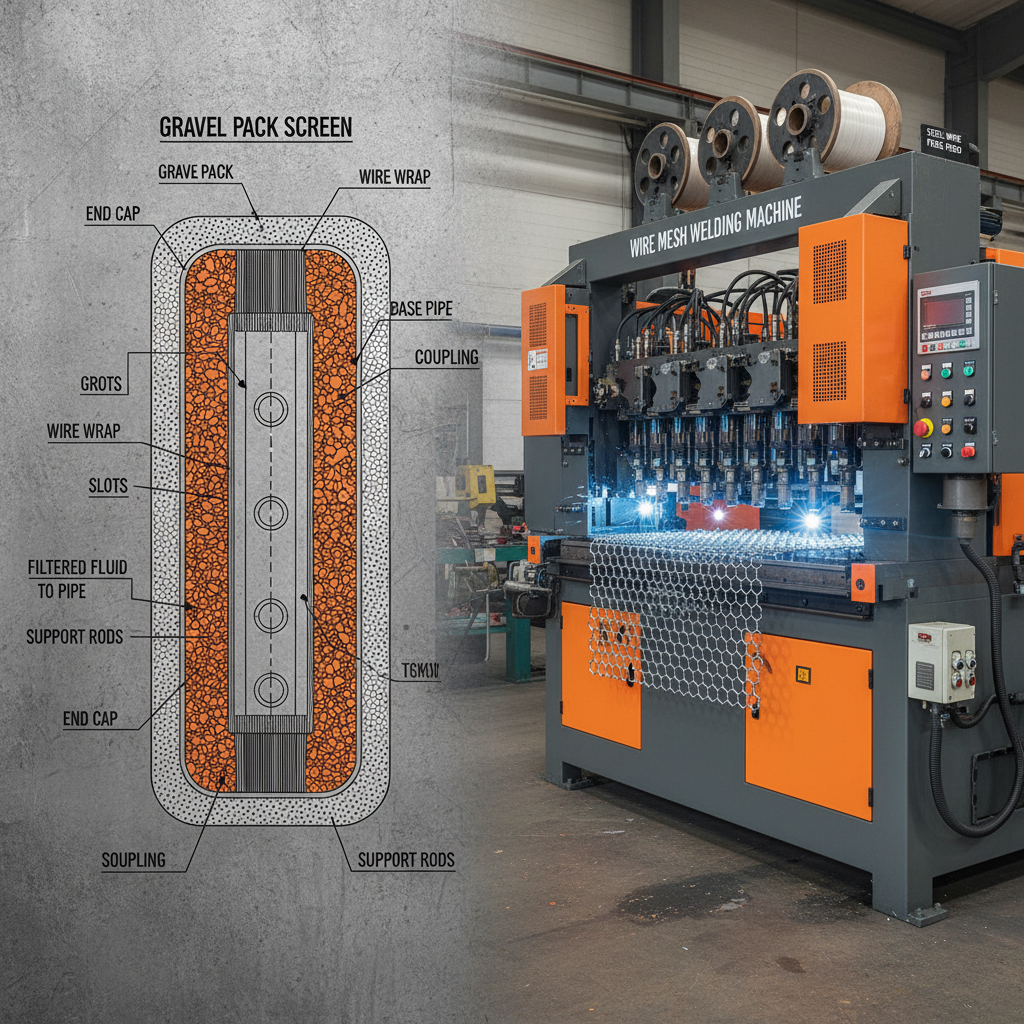
Maximize Well Productivity with High Performance Gravel Pack Screen
In the challenging environment of oil and gas extraction, sand control is one of the most critical factors for ensuring the longevity of a well. A high-quality gravel pack screen serves as the primary defense mechanism, preventing formation sand from entering the production stream while allowing hydrocarbons to flow efficiently. By creating a precise filtration barrier, these screens minimize erosion and prevent costly downtime caused by sand bridging. Choosing the right screen design is not just about filtration; it is about optimizing the total cost of ownership and maximizing the recovery rate of the reservoir.
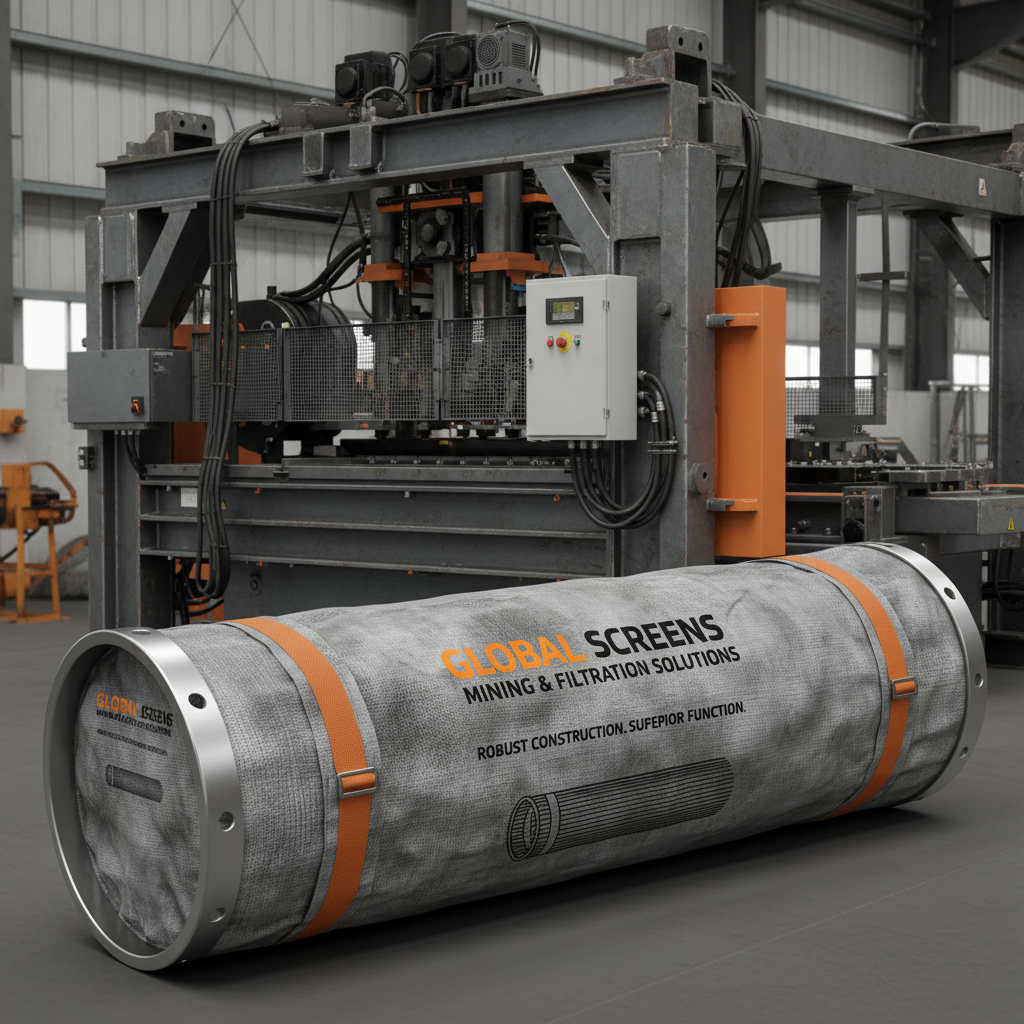
Comprehensive Guide to High Performance Pipe Based Well Screens
Ensuring efficient water extraction and well longevity requires carefully selecting the right well screen. Pipe based well screens offer a robust and effective solution for a wide range of applications. This article provides an in-depth look at pipe based well screens, their benefits, applications, and why Muto Screen is a leading provider. Understanding the nuances of these screens can significantly improve your well's performance and reduce maintenance costs.
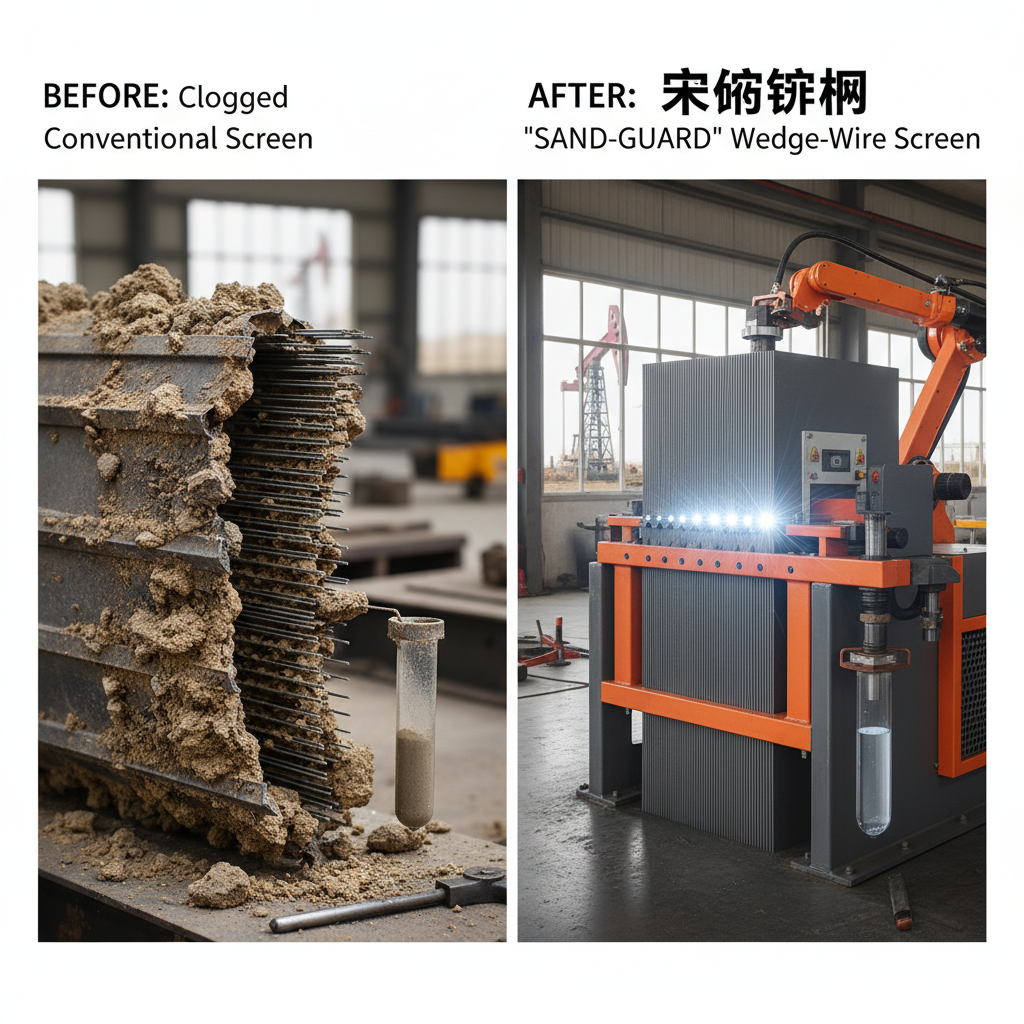
Comprehensive Guide to Effective Sand Control in Oil and Gas Wells
Efficient and reliable sand control in oil and gas wells is crucial for maximizing production and preventing costly damage. The influx of sand into wellbores can lead to erosion, equipment failure, and reduced flow rates. This article delves into the various techniques, challenges, and advancements in sand control technology, offering a comprehensive overview for engineers, operators, and industry professionals.
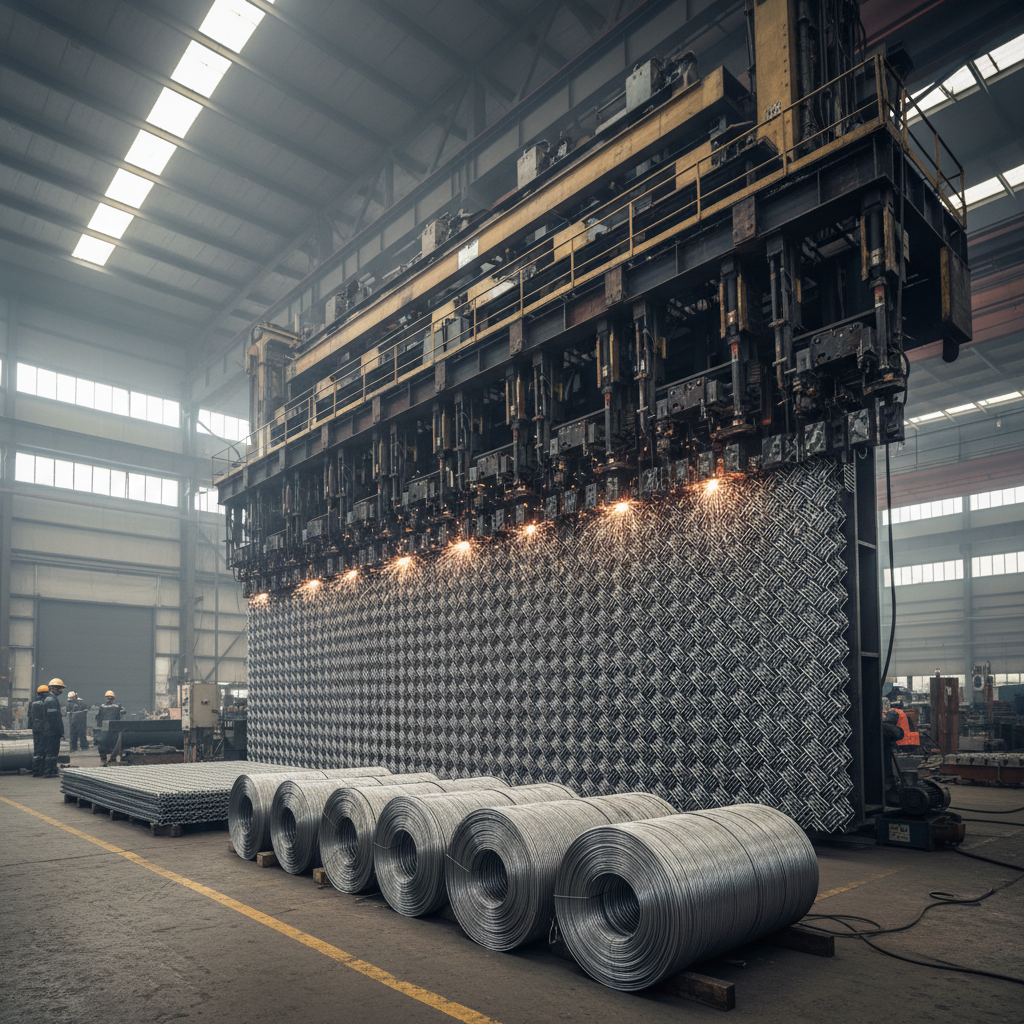
Optimizing Oil and Gas Production with Advanced Sand Screen Technology
In the challenging environment of oil and gas extraction, ensuring efficient and reliable well performance is paramount. A critical component in achieving this is the sand screen, a vital tool used to prevent damaging sand production. This article explores the role of sand screens in oil and gas operations, detailing their types, benefits, selection criteria, and the advancements driving their effectiveness. Effective sand control is crucial for maximizing production rates and minimizing costly well interventions.
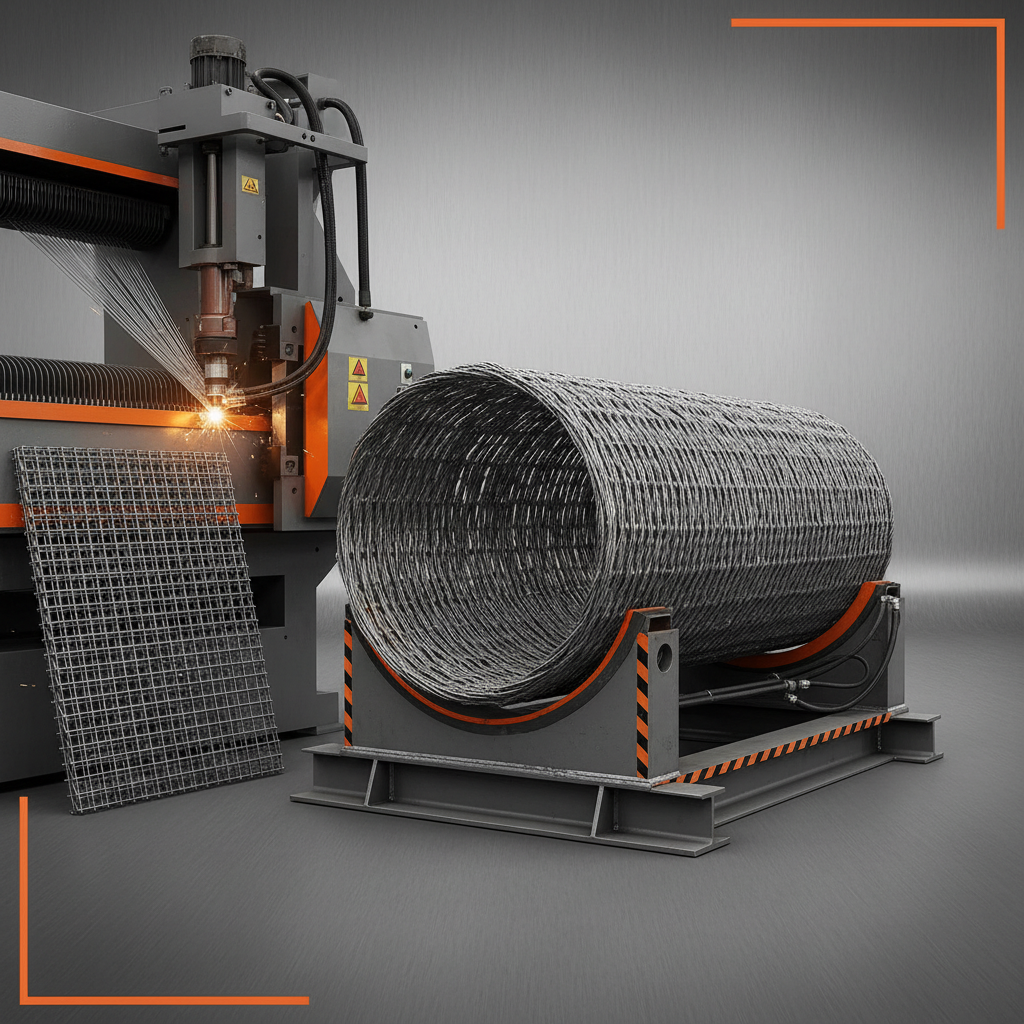
Comprehensive Guide to Wire Wrapped Screen Pipe Applications and Benefits
When it comes to filtration solutions for various industries, wire wrapped screen pipe stands out as a robust and highly effective option. This article will provide an in-depth look at what wire wrapped screen pipe is, its manufacturing process, the benefits it offers, its diverse applications, and how it compares to other filtration methods. Understanding the nuances of this technology can help you make informed decisions for your specific project needs.
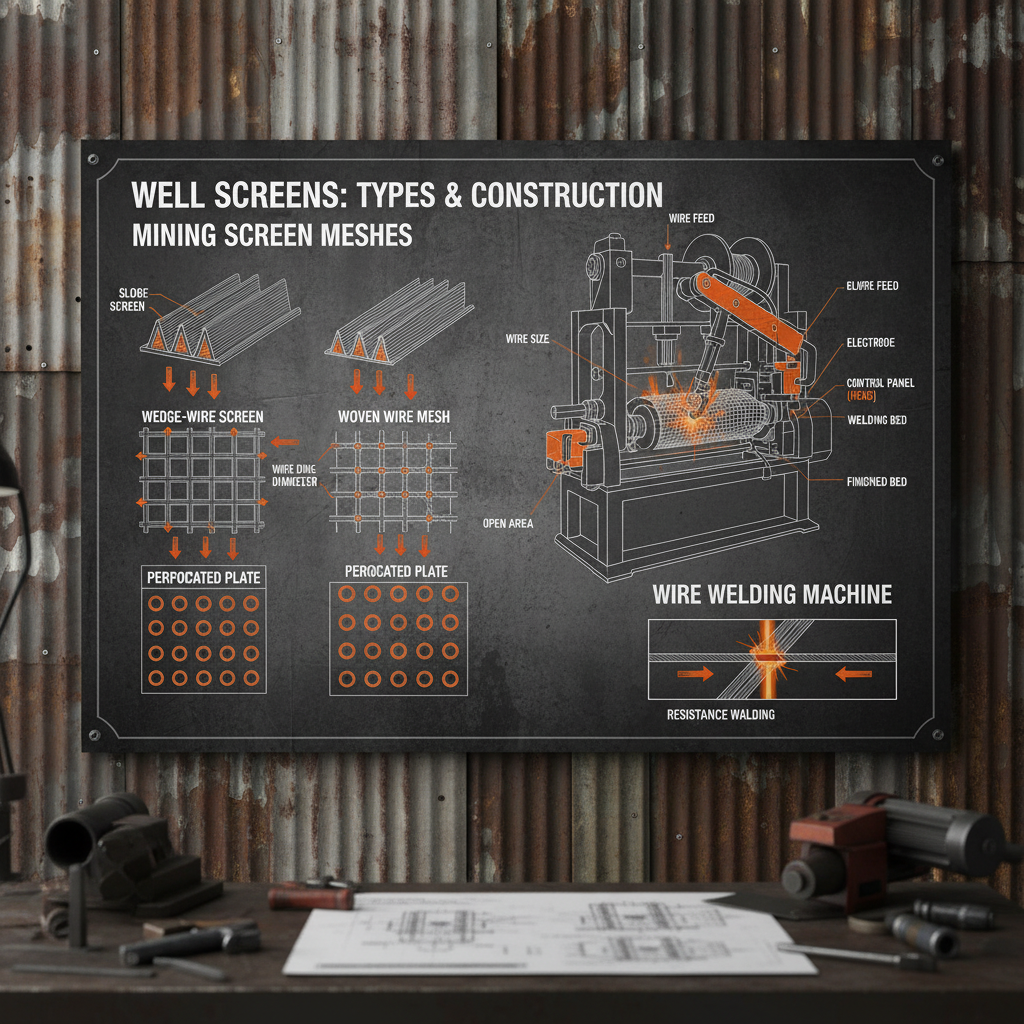
Comprehensive Guide to Understanding Different Types of Well Screens for Optimal Performance
Well screens are critical components in water well construction, serving as a filtering barrier against sand, gravel, and other debris. Choosing the right type of well screen is essential for optimal well performance and longevity. This guide will explore the various types of well screens available, their applications, and considerations for selecting the best option for your needs. Understanding these differences will ensure efficient water extraction and prevent costly well rehabilitation. Well screens are designed to allow water to enter the well while preventing the influx of formation materials. They are typically cylindrical structures with a series of openings (slots or perforations) that control the size of particles entering the well. Properly selected screens improve water quality, reduce pump wear, and maintain well yield. The selection process depends on several factors, including the aquifer’s grain size distribution, well depth, and desired water production rate. Effective well screen design is crucial for sustainable groundwater management.
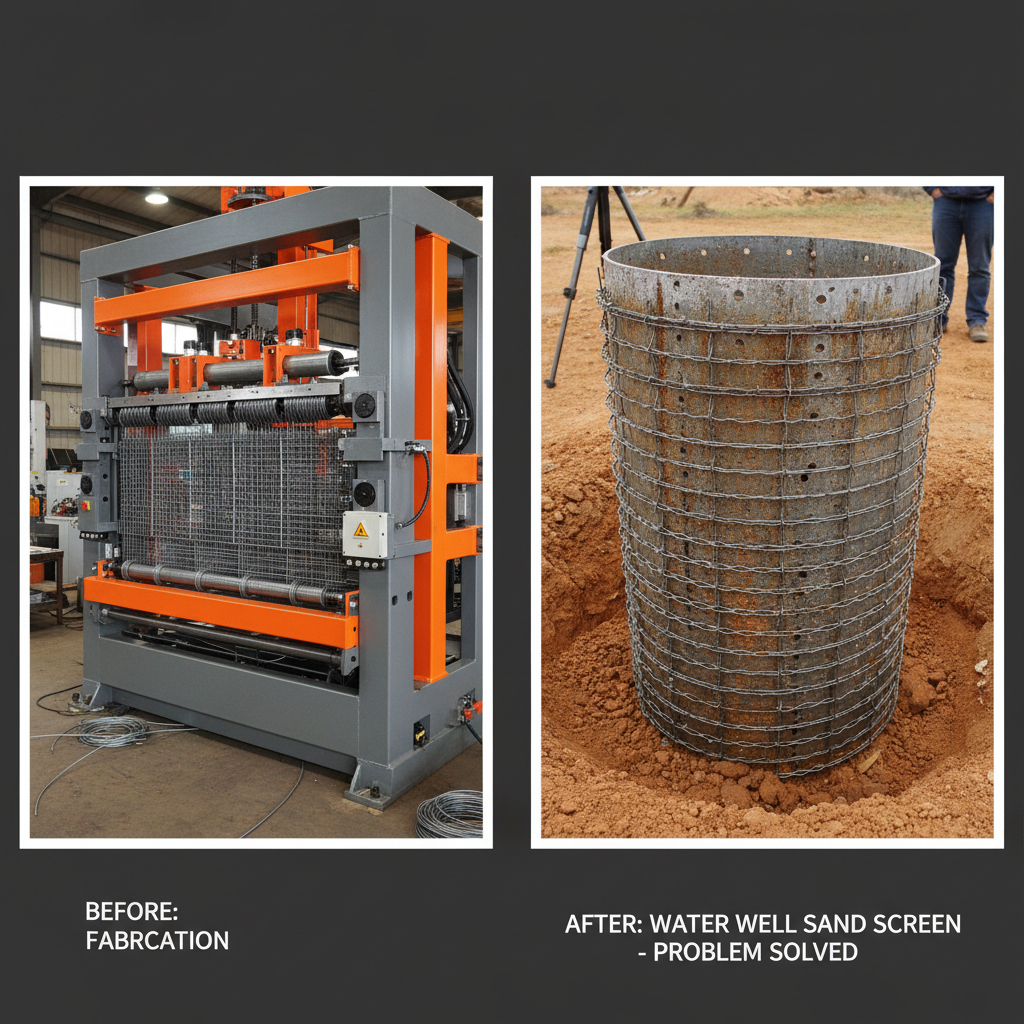
Essential Guide to Water Well Sand Screen Technology and Selection
When drilling a water well, ensuring the longevity and efficiency of your investment is paramount. A key component in this process is the water well sand screen. This critical filter prevents sand and other particulate matter from entering the well, safeguarding your pump and preserving water quality. This article will delve into the world of water well sand screens, exploring their function, types, materials, and crucial selection considerations. We’ll provide an in-depth look to help you make the best choice for your specific needs. The primary function of a water well sand screen is to act as a filtration barrier. During well development and operation, fine sand and silt particles can be drawn into the wellbore. Without a screen, these particles can cause significant problems, including pump wear and failure, reduced well yield, and compromised water quality.
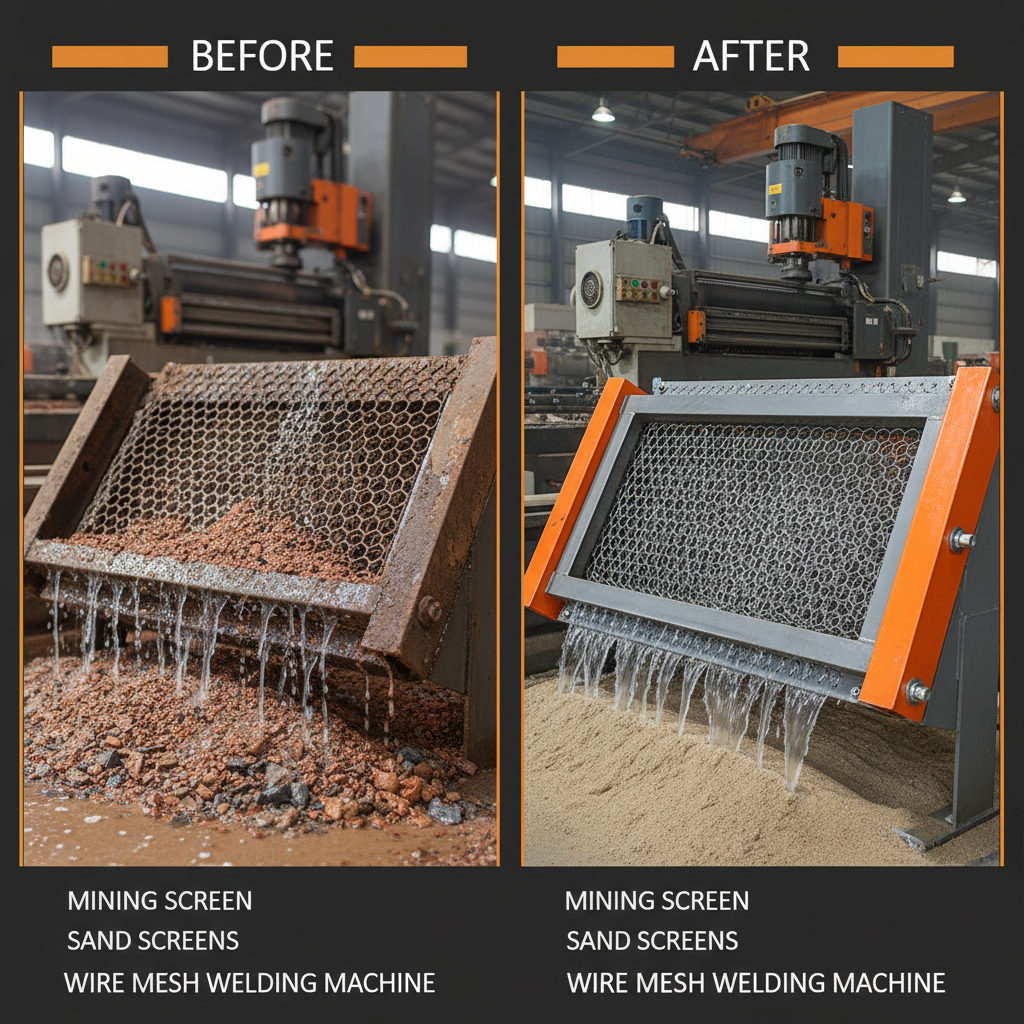
Comprehensive Guide to Sand Screens for Effective Solids Control and Optimization
In numerous industries – from water well drilling and environmental remediation to aggregate processing – effective solids control is paramount. Sand screens are a crucial component in achieving this, protecting sensitive downstream equipment and optimizing operational efficiency. This article delves into the world of sand screens, exploring their function, types, applications, and how to choose the right screen for your specific needs. A well-chosen sand screen can significantly reduce maintenance costs and improve overall performance. Sand screens, also known as well screens or filter screens, are specialized filtration devices designed to separate sand and other large solids from fluids like water, oil, or drilling mud. They are typically cylindrical, constructed from a woven wire mesh or perforated metal, and installed in a wellbore or pipeline. The primary function of a sand screen is to prevent these solids from entering and damaging pumps, valves, and other sensitive equipment. Without effective sand control, costly downtime and repairs are inevitable. Moreover, sand production can lead to environmental concerns and reduced production rates.
Optimizing Well Productivity with Advanced Sand Control Screens and Technologies
In the oil and gas industry, maximizing well productivity while minimizing sand production is a constant challenge. Sand control screens are crucial components used to address this issue, preventing formation sand from entering the wellbore and damaging equipment. This article provides a comprehensive overview of sand control screens, their types, applications, and the benefits they offer. Effective sand control is paramount for ensuring long-term well integrity and optimizing hydrocarbon recovery. We'll explore the latest advancements and best practices in this vital field. Sand control screens are specialized filters installed inside a wellbore to prevent sand production. Sand production can lead to erosion of downhole equipment like pumps, valves, and tubing, causing costly repairs or even well abandonment. These screens selectively allow hydrocarbons to flow into the wellbore while retaining formation sand.