Screen Casing Pipe: An Insider’s Perspective on a Vital Industrial Component
Having spent well over a decade working with industrial equipment—especially in sectors involving water wells, oil fields, and mining—I've come to appreciate the quiet but crucial role of the screen casing pipe. Oddly enough, it’s often overlooked unless it starts to fail. But trust me, the design and quality of these pipes directly impact operational efficiency and long-term reliability.
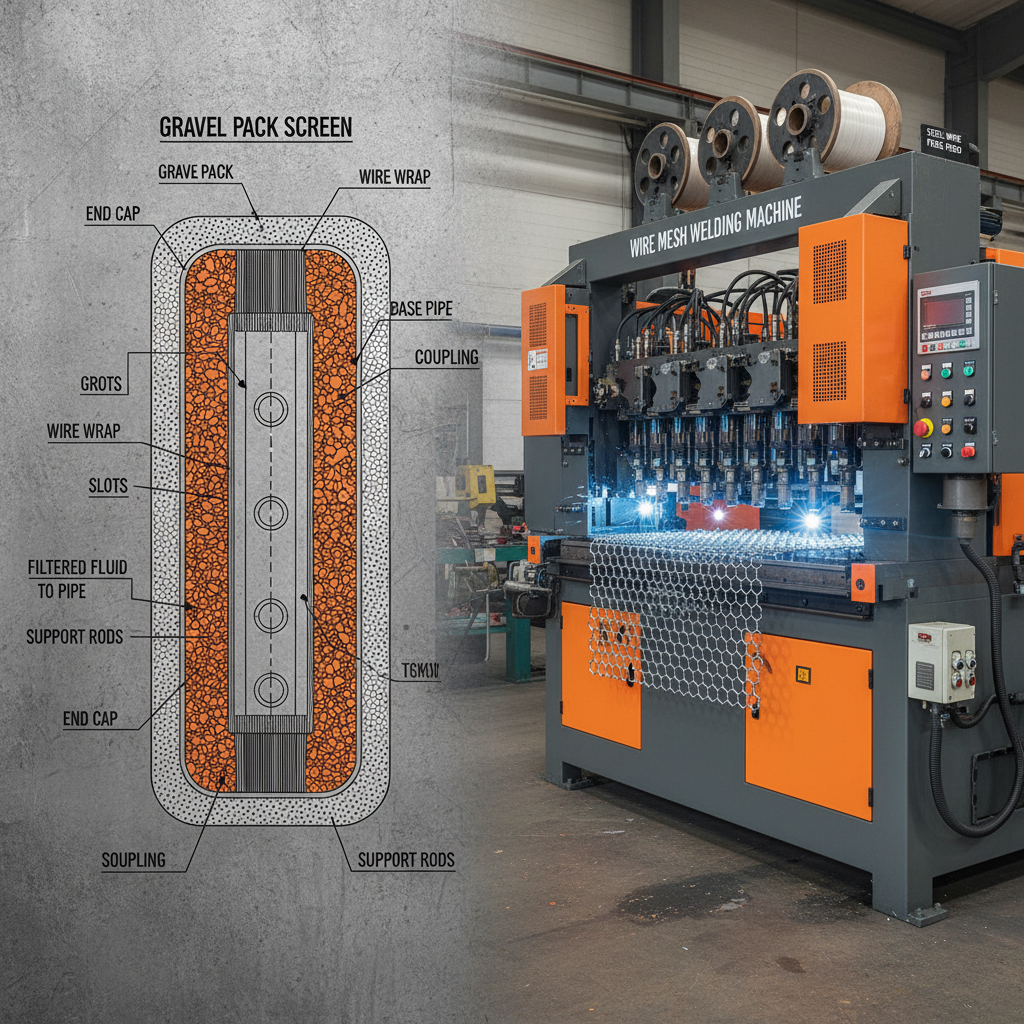
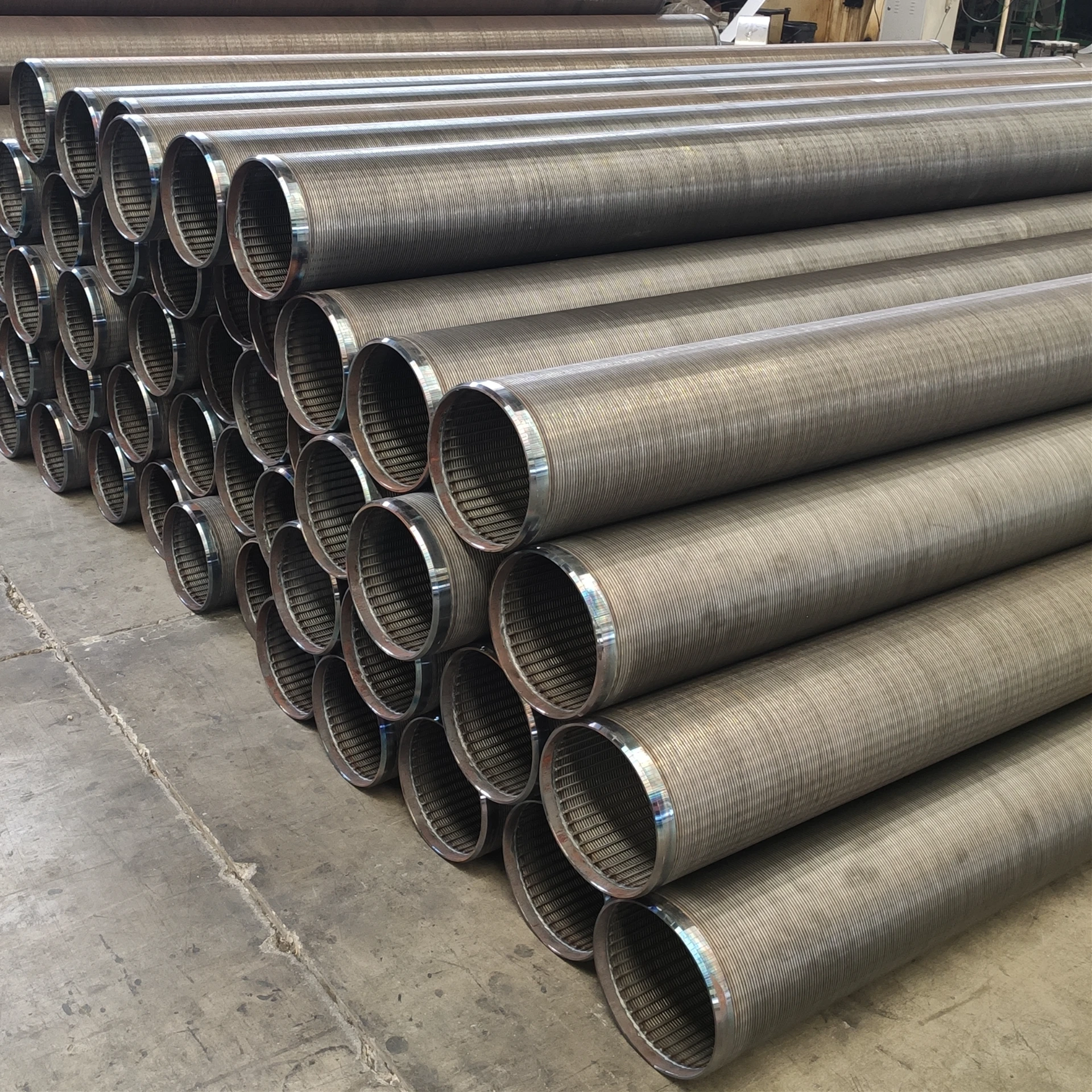
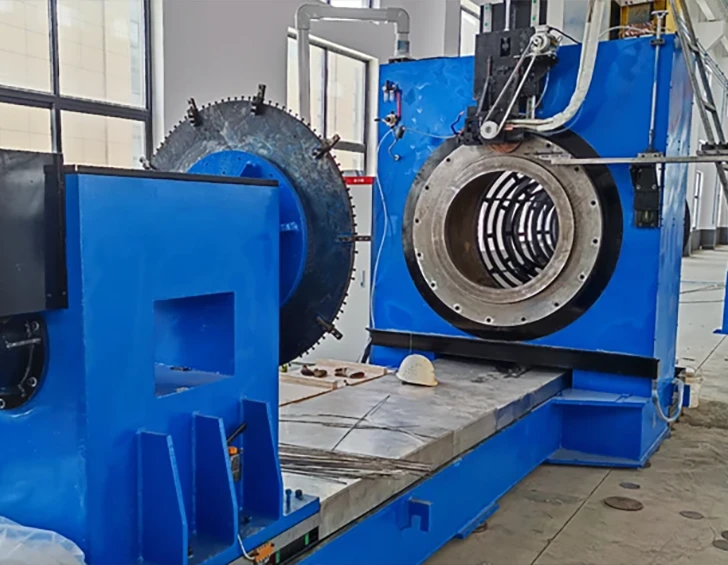
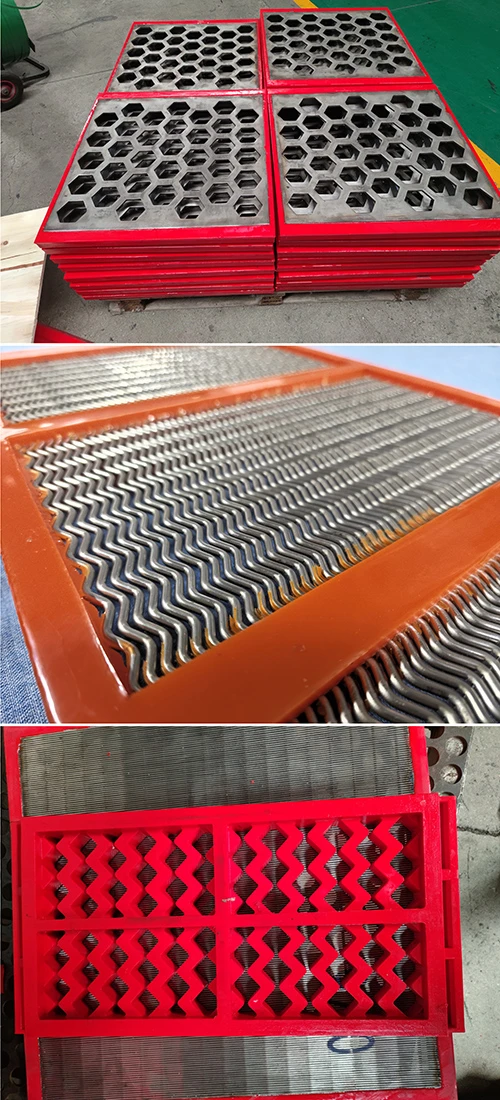
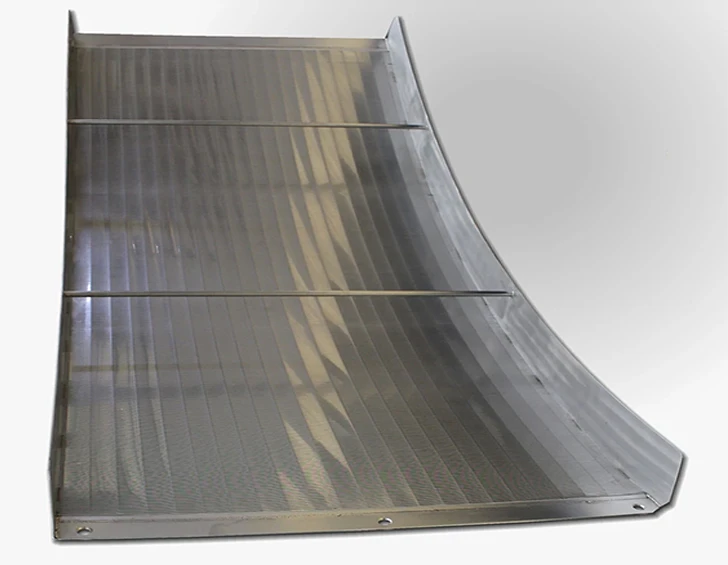
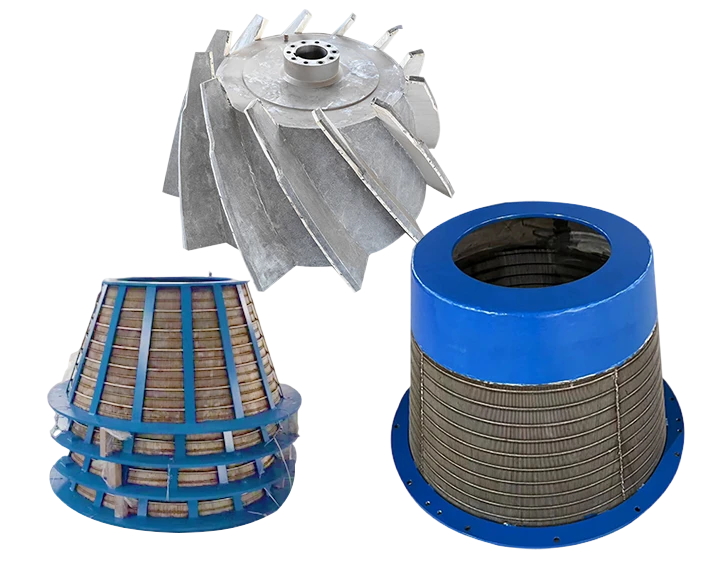
Screen casing pipes, in essence, serve as protective shells that also filter out unwanted particles while allowing liquids to flow freely. Most engineers I’ve worked with emphasize the importance of the material—usually high-grade stainless steel or specialized alloys—combined with a precisely engineered slot pattern. This balance controls debris intrusion without compromising flow capacity. It’s sort of like threading a needle through a fence: small enough openings, but sturdy enough not to break under pressure.
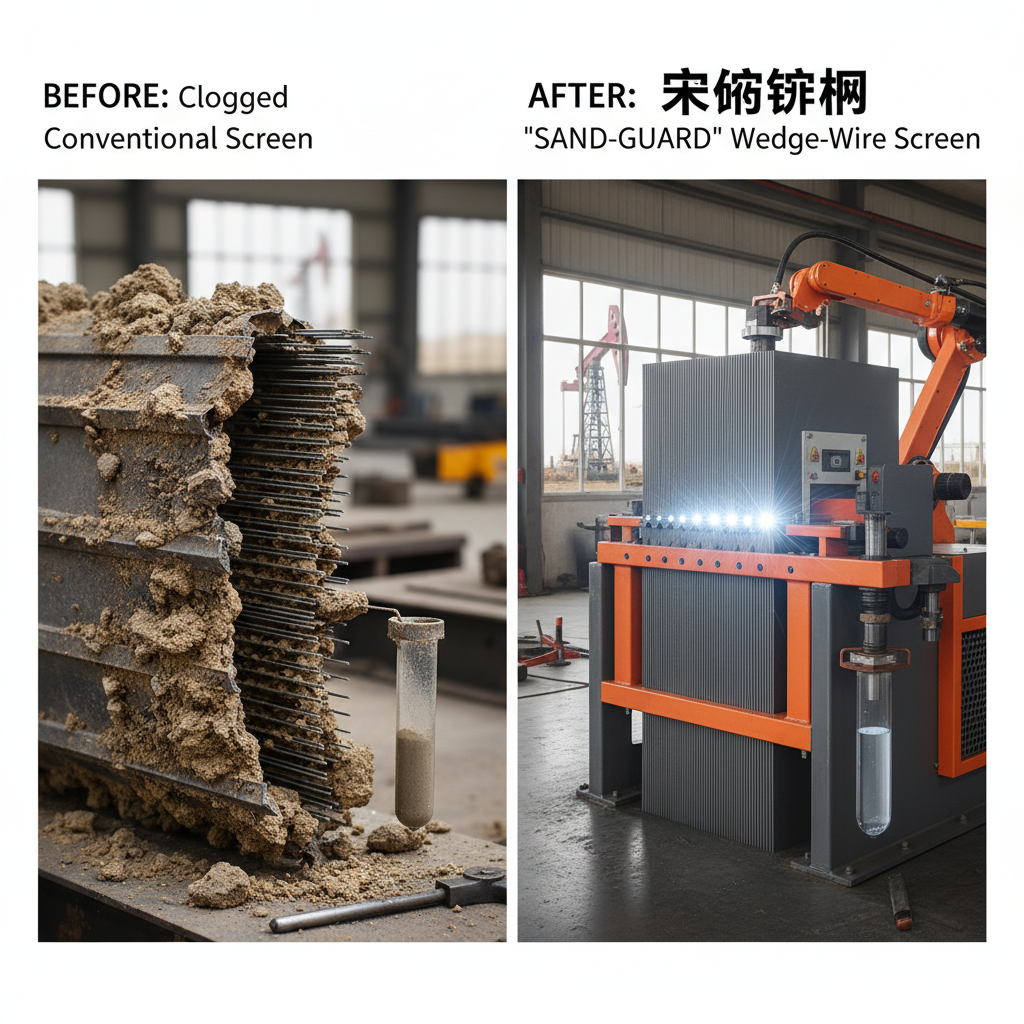
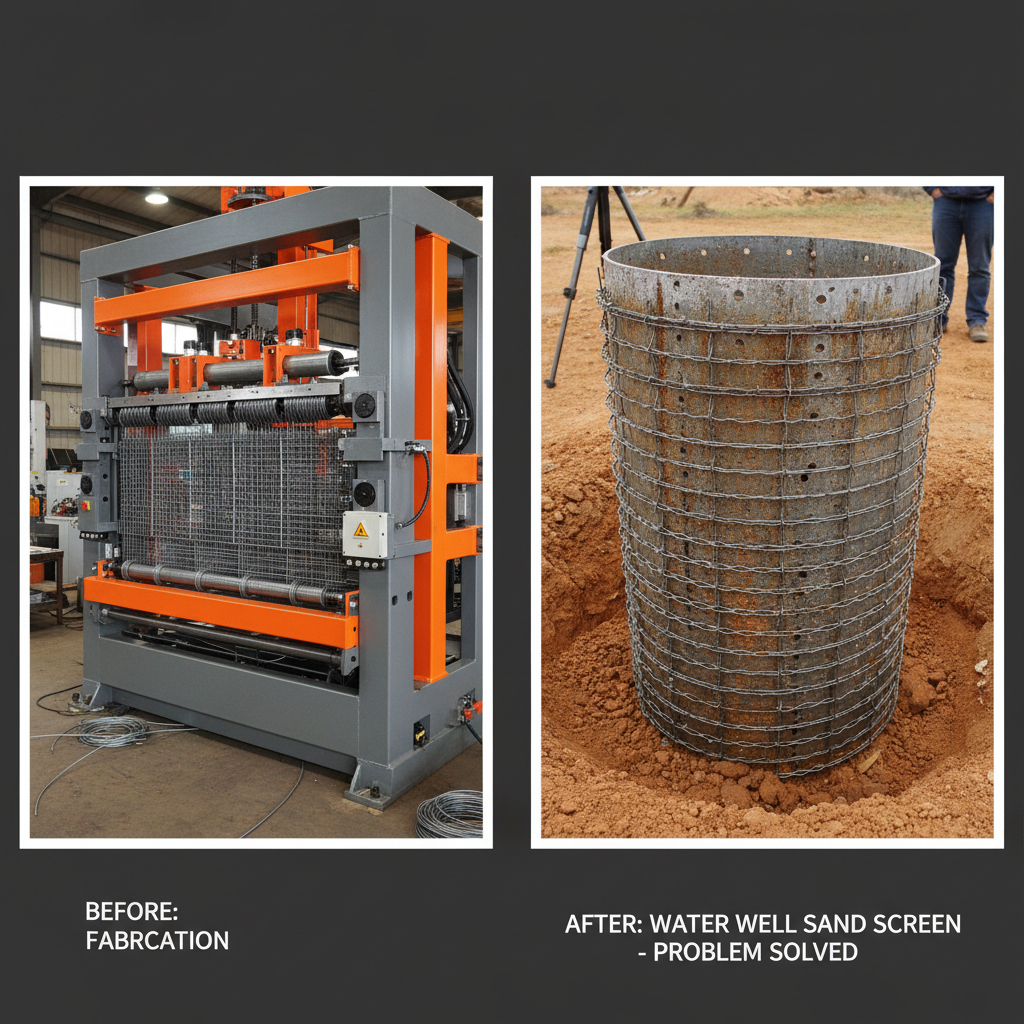
From manufacturing to field installation, the demands are pretty straightforward but unforgiving. Pipes need to withstand corrosion, abrasion, and mechanical stress. And frankly, each well or project brings unique challenges. I remember one job in a sandy aquifer where the standard design almost failed — until we switched to a heavier gauge pipe with a narrower slot that cut down sand infiltration drastically.
| Specification | Typical Range / Value |
|---|---|
| Material | 304 or 316 Stainless Steel, Alloy Steel |
| Outside Diameter | 2.375" to 12" (Standard Sizes) |
| Slot Size | 0.010" to 0.125" (Customizable) |
| Pipe Wall Thickness | 0.065" to 0.250" |
| Length | 20 ft standard, custom lengths available |
| Surface Finish | Polished or shot blasted |
Manufacturers now often provide customization options tailored to project needs—something that wasn’t as common a decade ago. You’ll find slots oriented longitudinally or helically, varying the number and width of openings, depending on sediment size and flow rate. It feels almost like engineering meets artistry.
Testing standards—usually ASTM F480, in my experience—ensure these pipes meet critical performance benchmarks, such as slot accuracy, structural integrity, and corrosion resistance. Many vendors even offer third-party verification or factory inspection reports. This kind of transparency is reassuring, especially when millions of dollars hinge on the well’s output.
| Vendor | Materials Offered | Customization | Testing Certifications | Lead Time |
|---|---|---|---|---|
| MutoScreen | 304/316 SS, Duplex Steel, Alloy Steel | Highly customizable slot patterns, pipe diameter, length | ASTM F480, API, third-party QA available | 4-6 weeks |
| Vendor B | 316 SS, Carbon Steel | Limited customization, standard sizes | ASTM F480 | 6-8 weeks |
| Vendor C | Alloy Steel | Custom slotting on request | Internal QA only | 5 weeks |
It’s not just about specs or testing though — in real terms, selecting the right screen casing pipe affects maintenance and downtime. With poor design, you risk clogging, premature wear, and headaches galore. I spoke once to a well operator who saved tens of thousands in annual maintenance by switching to a better-designed screen casing pipe, reducing sediment ingress significantly.
Of course, price and availability influence decisions, but I’ve learned that skimping on quality often costs more in the long haul. I’d say it pays off to work with vendors like MutoScreen who understand the nuances of slot accuracy and material endurance. Plus, the option to customize helps you tailor the product exactly to your site conditions, which, frankly, is a game-changer in project success.
In sum, screen casing pipes might not steal the spotlight on an equipment spec sheet, but they’re everywhere in the background—quietly keeping operations flowing smoothly. Pay attention to the details, and you’ll thank yourself down the line.
References:
- ASTM F480 Standard Test Methods for Physical Dimensions of Metallic Well Screen
- API Recommended Practice for Well Construction and Completion Materials
- Industry case studies and field reports from water well and oil extraction projects