Understanding the sand screen for water well: Insights from the field
After spending well over a decade in the industrial equipment sector—mostly dealing with water well components—I've come to appreciate the subtle art behind choosing the right sand screen. It’s not just a part you slap on and forget; it’s the frontline soldier against sand intrusion, the protector of the pump and aquifer system. Oddly enough, the quality of this piece can set the tone for a water well’s longevity and efficiency.
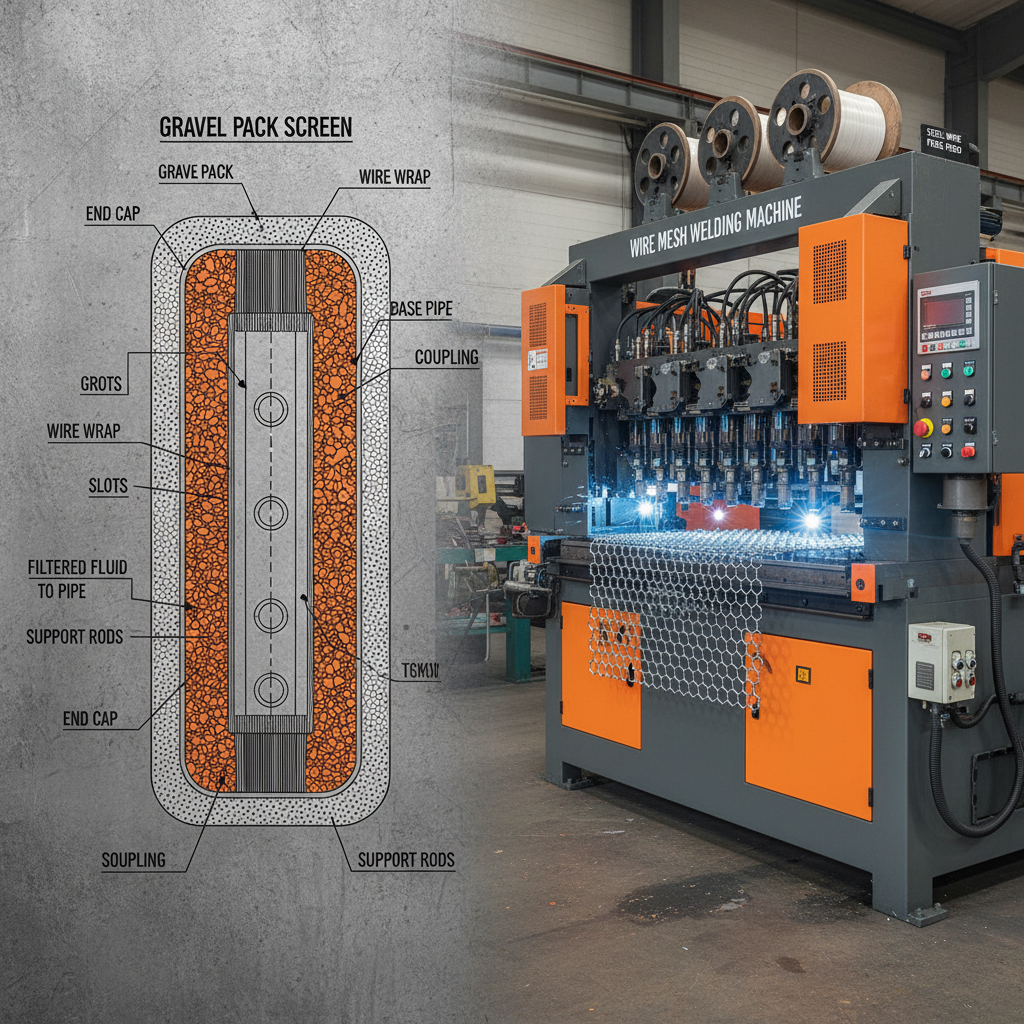
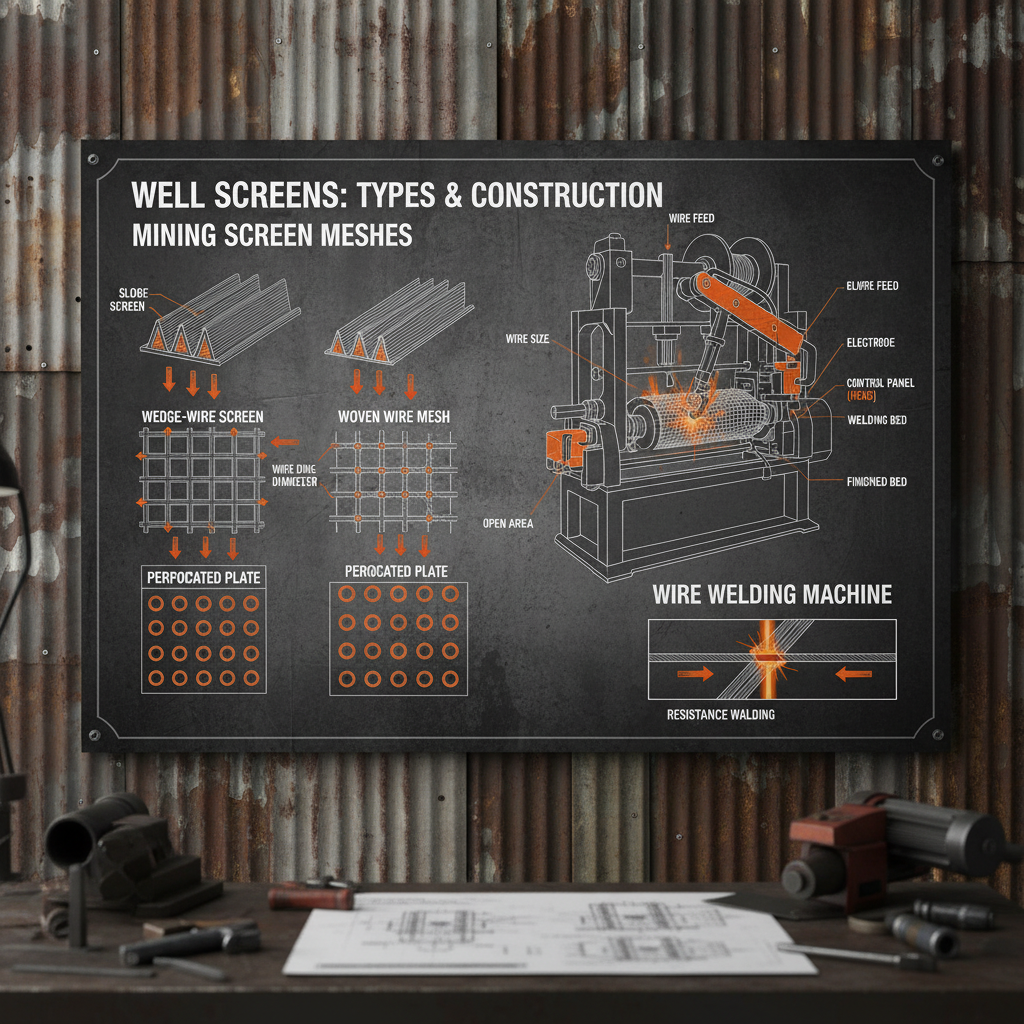
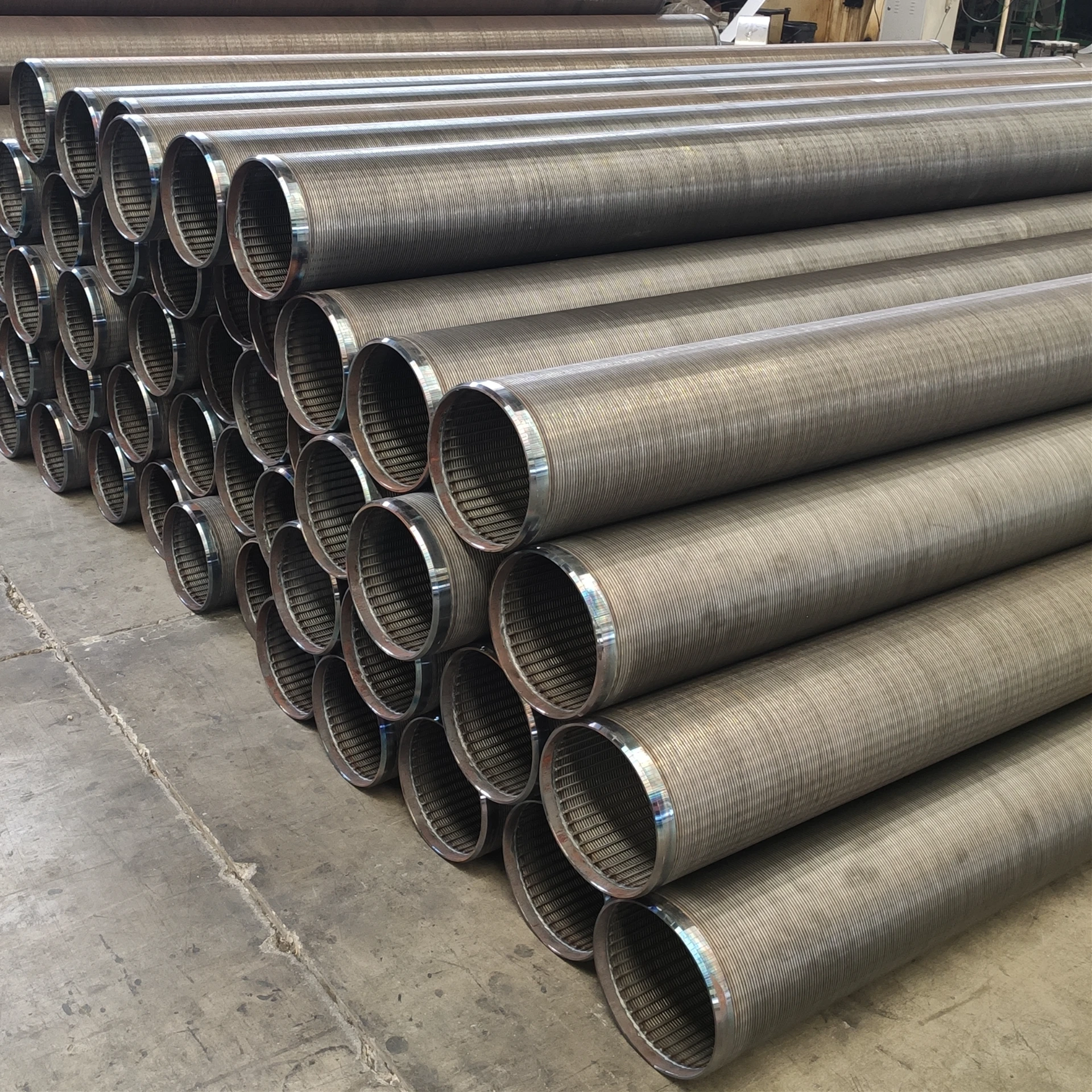
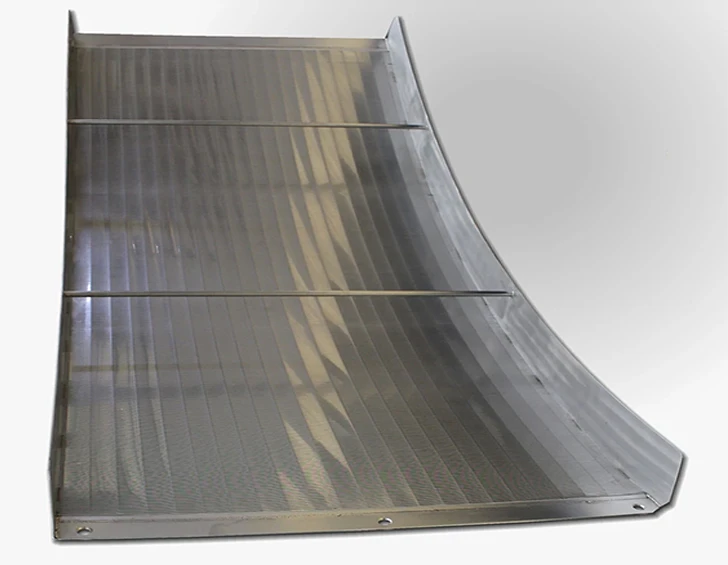
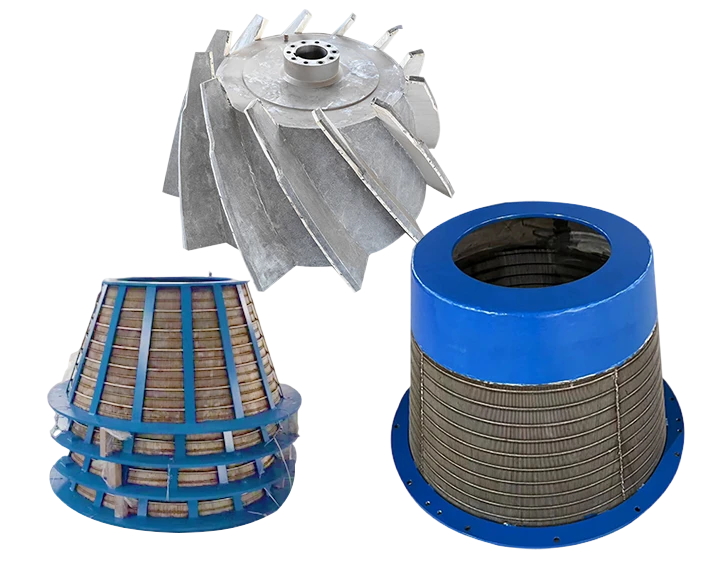
In real terms, a sand screen for water well is a filtering device installed in the well casing. Its job? To stop sand and fine sediments from entering the well while allowing water to flow freely. The science behind it involves balancing screen aperture sizes, material strength, and corrosion resistance—critical factors that make all the difference in demanding underground conditions.
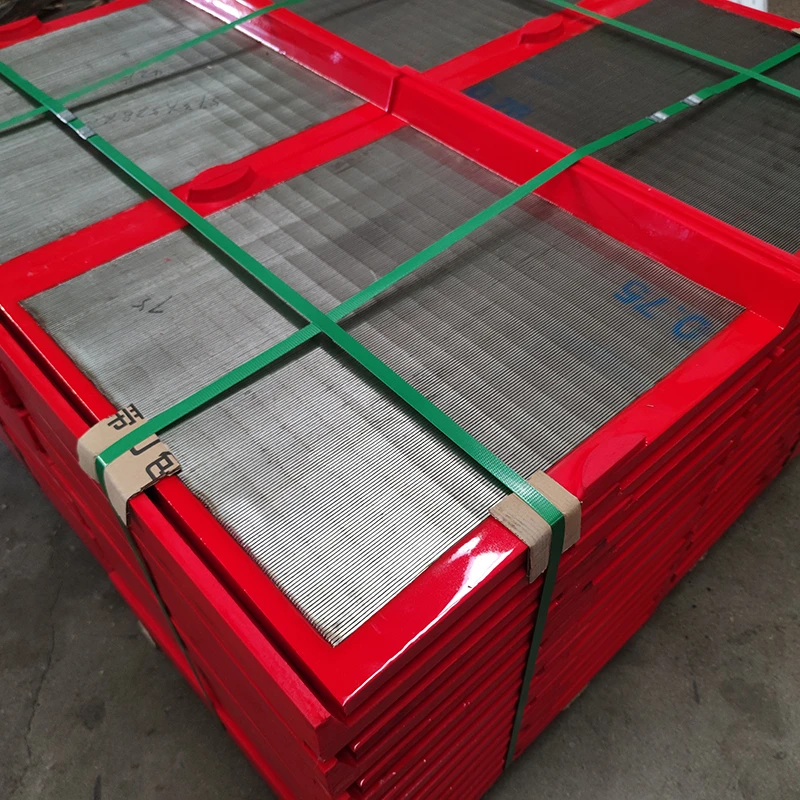
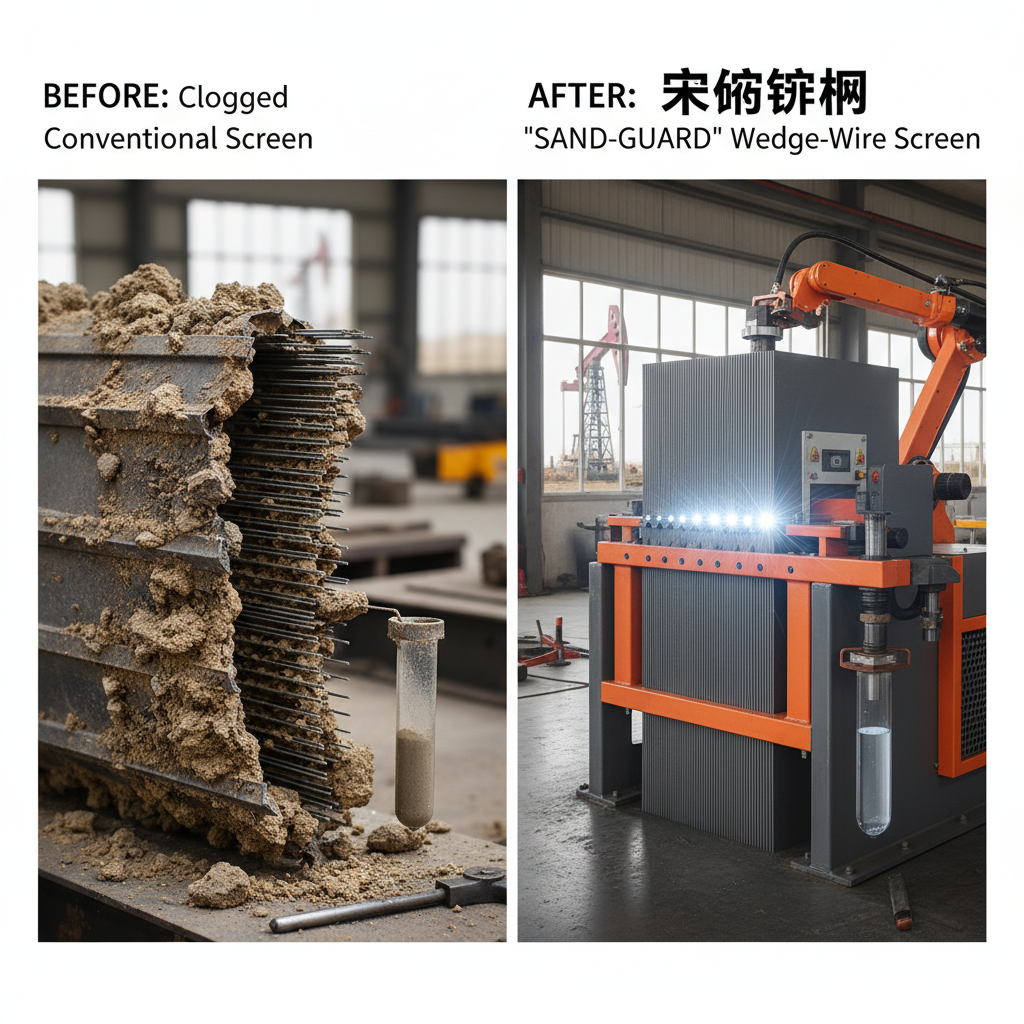
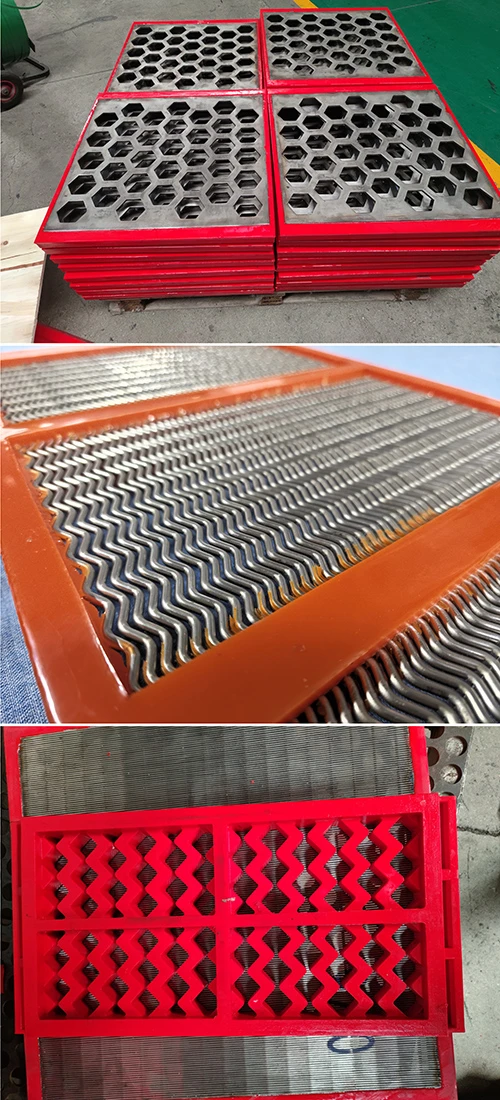
One notable trend I've noticed is the shift toward stainless steel wedge wire screens, like those offered by Muto Screen. Their design combines durability with precise filtration, which frankly, seems to stay ahead of cast iron or simple slotted pipe screens that tend to clog or degrade faster.
Let me lay out some core specs that I’ve seen widely valued in the industry—these are the benchmarks I personally trust and recommend when specifying sand screens for water wells:
| Specification | Typical Values | Comments |
|---|---|---|
| Material | Stainless Steel 304/316 | Corrosion resistance & strength |
| Aperture Size | 0.15 to 1.0 mm | Depends on sand size and water clarity |
| Weld Type | Continuous weld | Prevents loosening under pressure |
| Wire Profile | Wedge wire / V-shaped profile | Optimizes flow and reduces clogging |
| Dimensions | Multiple diameters, lengths custom | Tailored per well specifications |
Customization is really where the magic happens—water well projects are never exactly alike, right? Sometimes the local sand is finer; other times, the water flow is unexpectedly high. That’s why vendors who offer flexible aperture sizes and varied screen diameters add immense value.
Speaking of vendors, I’ve had to evaluate several manufacturers through the years. Here’s a quick comparison of three leading suppliers known in our field, to give you a sense of their offerings. Keep in mind, this is based on field data and my own hands-on experience rather than marketing fluff:
| Vendor | Material Quality | Customization | Lead Time | Field Reliability |
|---|---|---|---|---|
| Muto Screen | 304/316 Stainless Steel (High grade) | Wide range (apertures & sizing) | 2-4 weeks | Excellent, minimal clogging |
| Vendor B | 316 Stainless Steel | Moderate customization | 3-6 weeks | Good, occasional maintenance |
| Vendor C | Carbon Steel with coating | Limited | 1-3 weeks | Fair, coating sometimes peels |
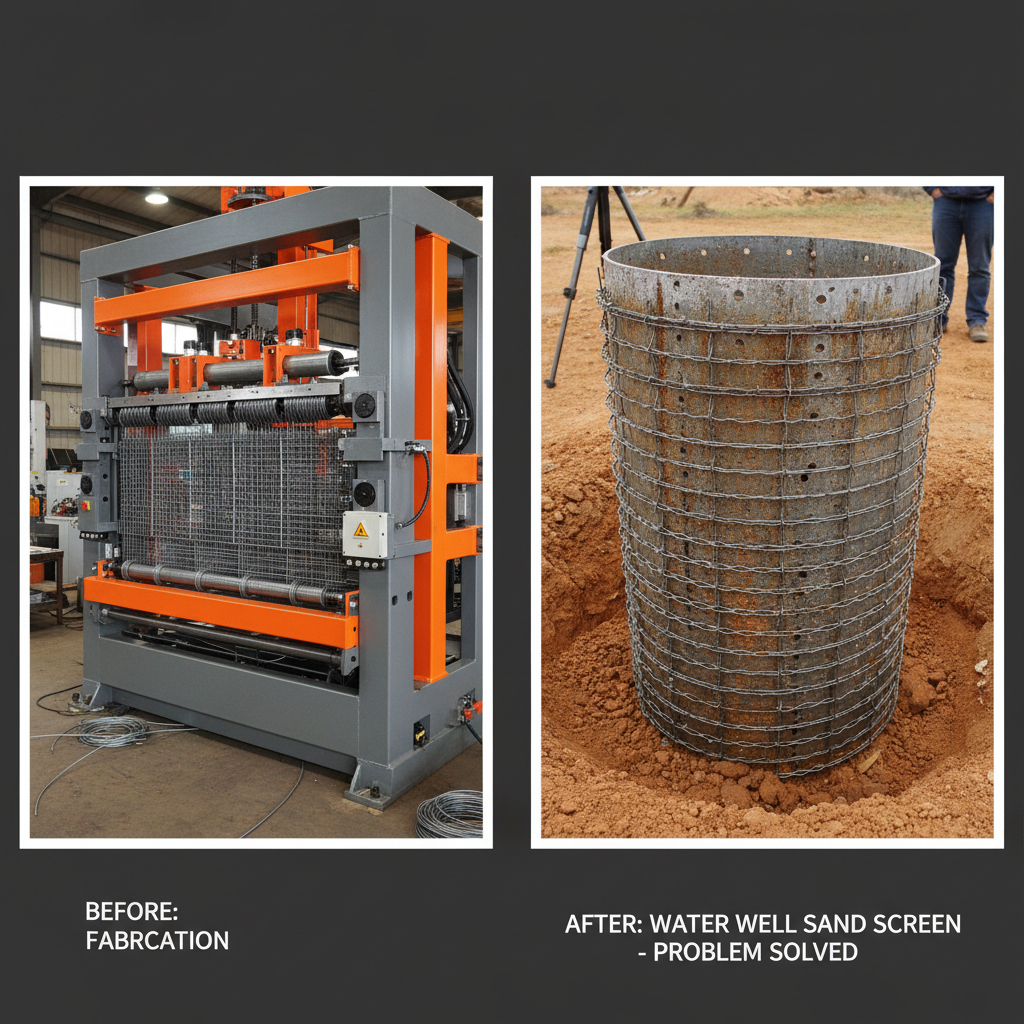
One memorable project that springs to mind involved a fairly sandy site in New Mexico. The client was struggling with frequent well clogging and pump failures. We specified wedge wire stainless steel screens from Muto Screen—because frankly, their precision aperture and weld quality gave me confidence. Six months later, the site reported zero sediment-related issues, a rare feat in that terrain.
When I think about what makes a sand screen truly valuable, durability and ease of maintenance top the list. You want something robust enough to handle abrasive particles but also designed to keep cleaning and replacement intervals low. I suppose that's where the experience of working with multiple well builds over years really informs one’s viewpoint.
So, if you’re in the market for a reliable sand screen for water wells, look for those wedge wire designs, high-grade stainless steel materials, and flexibility in sizing. And don't shy away from reaching out to specialists like Muto Screen who know their stuff and back their product with solid field data.
This isn’t just about filtering—it's about safeguarding an essential water source with technology that's proven, dependable, and tailored for your needs.
Thanks for sticking with me here. Hopefully, this gave you some practical insight grounded in years at the frontlines of industrial water well equipment.
Feeling confident about your sand screen selection can make all the difference downstream—and that’s no small thing.
- “Water Well Screens: Designs and Applications,” Journal of Water Resources Engineering.
- Muto Screen Product Catalog, 2024 Edition.
- Field Case Study: Sand Control Solutions in Arid Climates, Engineering Reports 2023.