The Global Importance of Dewatering Screen Panels: A Quick Overview
Dewatering screen panels might seem like a mouthful, but they’re quietly pivotal in industries worldwide. Simply put, these panels help separate water from solids—think of them as the hardworking gatekeepers ensuring that materials like minerals, sand, or waste sludge shed their excess water efficiently. Why does this matter? Well, around the globe, water management and resource recovery are key to sustainable practices—whether in mining, construction, or even humanitarian relief efforts. Understanding how dewatering screens operate and what makes them effective translates to not only better environmental stewardship but also improved cost efficiency and operational reliability for businesses big and small.
A Look at the Global Context: Why Dewatering Screen Panels Matter Today
According to the United Nations, over 70% of industrial water withdrawals are used for processes including mineral extraction and waste management. This highlights the critical role of efficient water separation technologies in minimizing resource wastage and tackling pollution. Industries across Australia’s mineral-rich outback, South America’s copper mines, and Europe’s recycled material plants all lean heavily on robust dewatering screen panels. Yet, challenges persist—excess water in mining tailings can cause environmental disasters and increased disposal costs. So the question is: how do these panels make a practical difference in cutting water volumes and streamlining operations on a global scale?
What Are Dewatering Screen Panels?
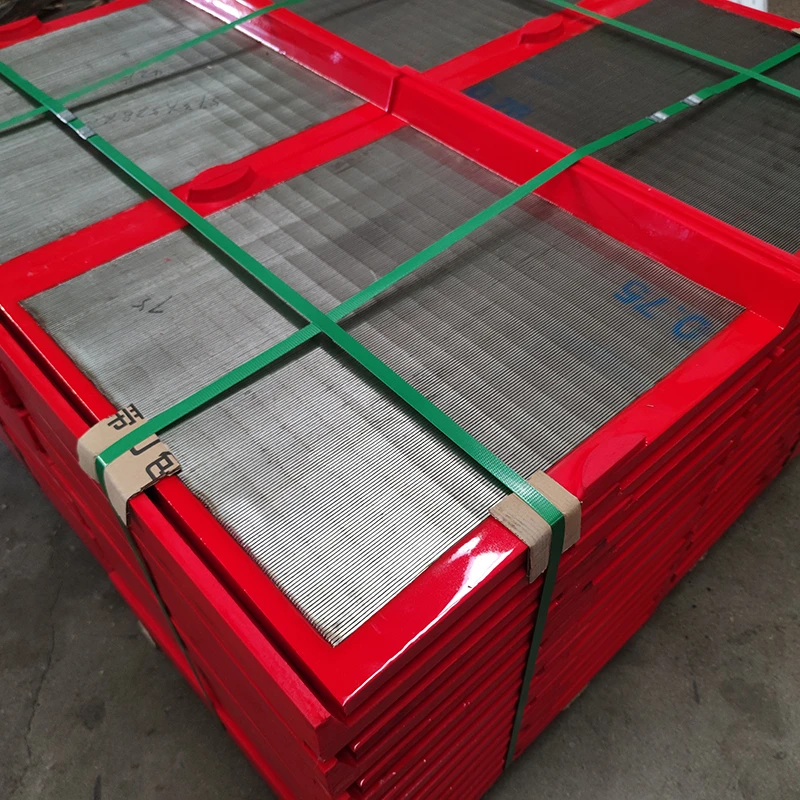
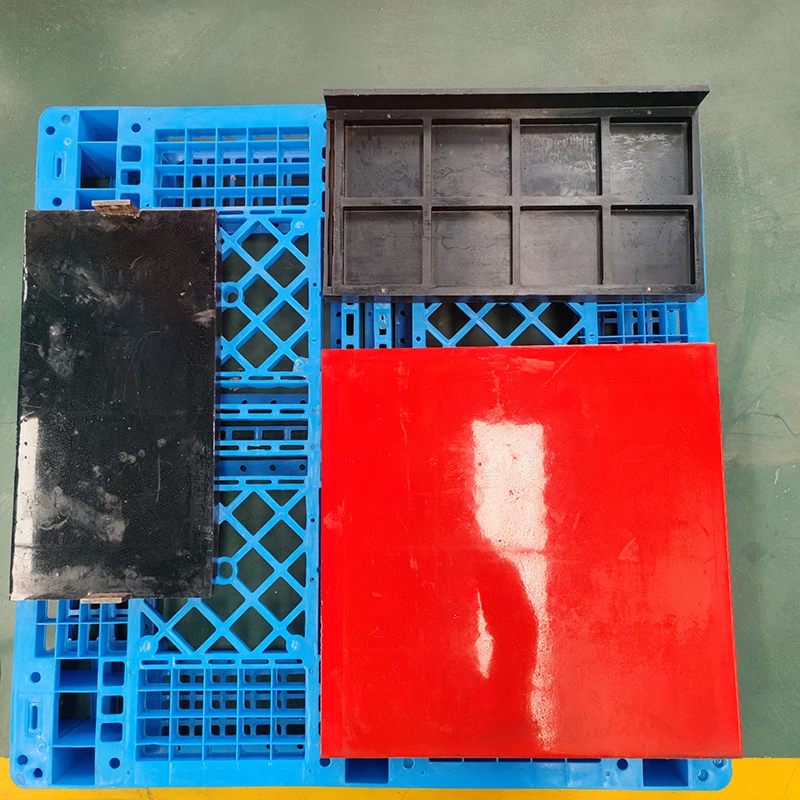
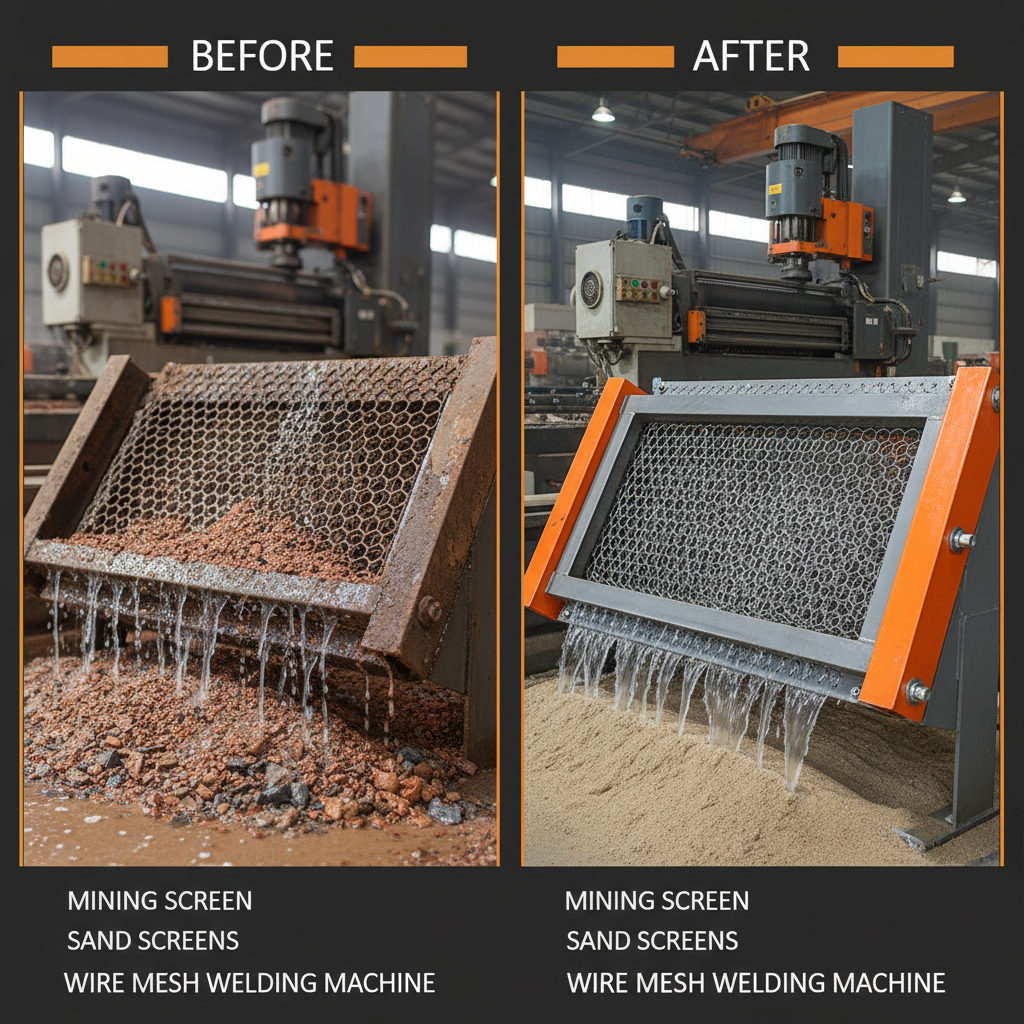
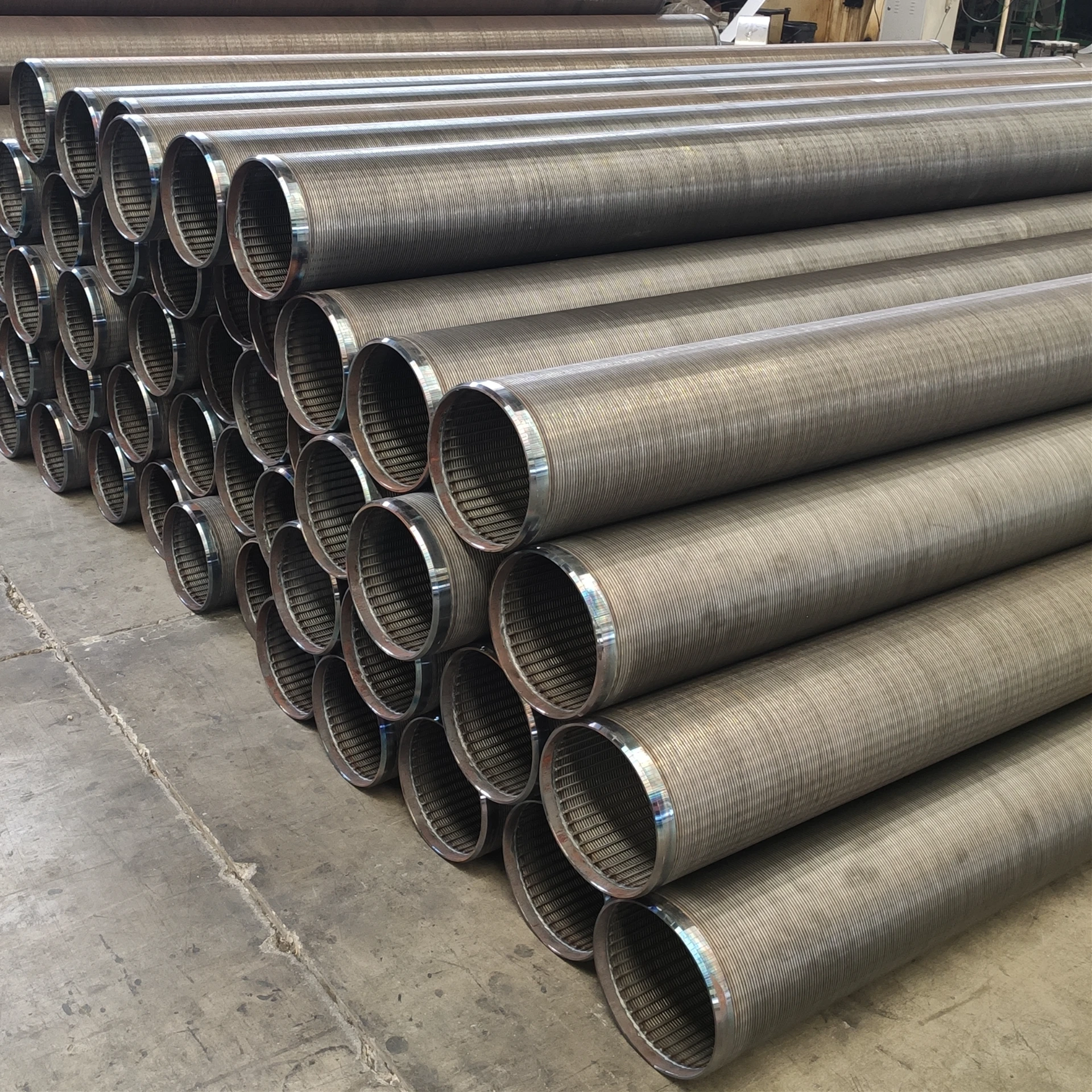
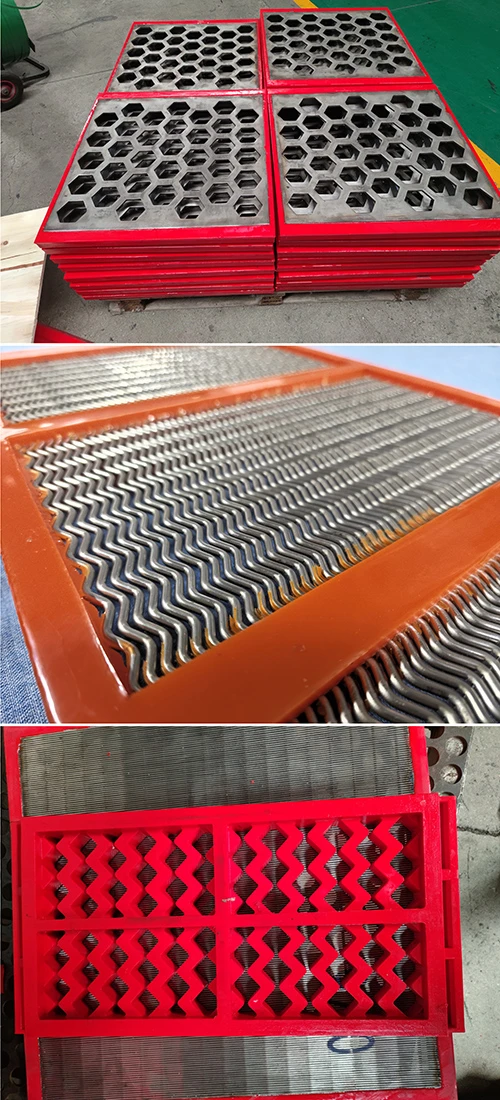
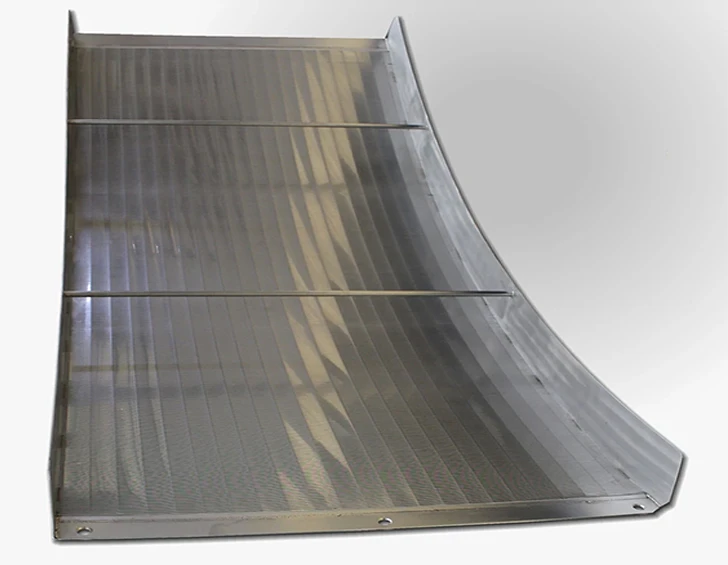
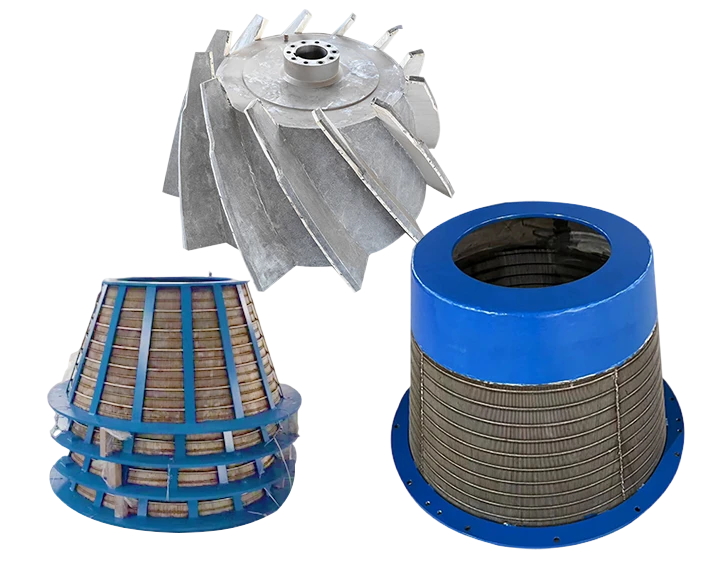
At its core, a dewatering screen panel is a specialized surface designed to let water flow through while retaining fine solids on top. Imagine shaking wet sand in a sieve to let the water run off—the panels do just that but on an industrial and highly controlled level. Often made from durable polyurethane, rubber, or metal alloys, these panels are mounted on vibrating screens to expedite the drying of material before it moves to the next stage. This process ends up saving industries millions in hauling and drying costs—not to mention the environmental benefits of reducing waste water volume. Their relevance extends from mining tailings ponds to wastewater treatment in urban centers.
Key Factors Behind Dewatering Screen Panels’ Effectiveness
Durability
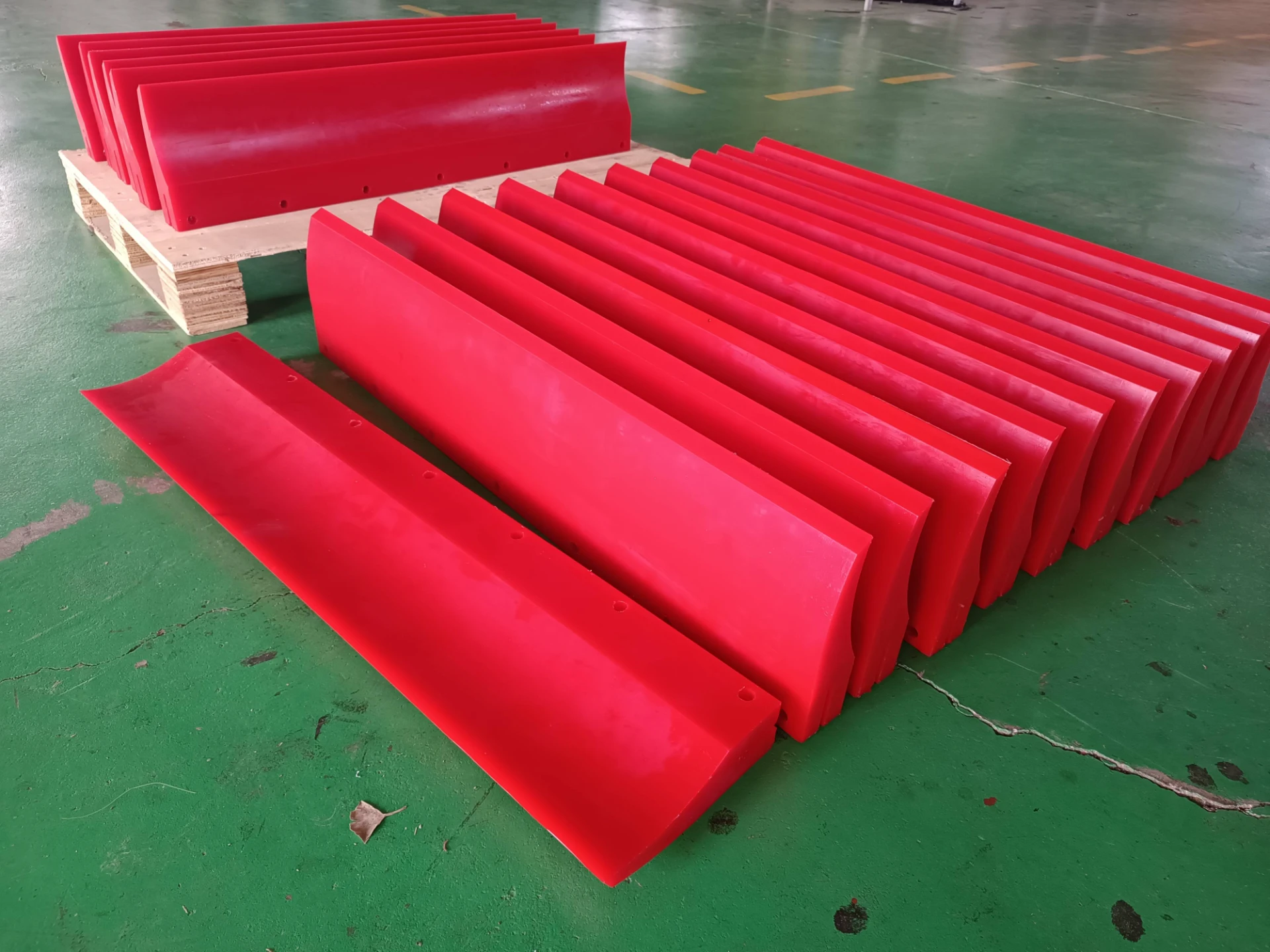
Since these panels constantly endure abrasive solids and heavy vibrations, their lifespan hinges on material toughness. Polyurethane panels are especially prized for resisting wear and tear while maintaining flexibility—something that metal panels sometimes struggle with.
Screening Efficiency
The size and shape of apertures, panel thickness, and surface design (like woven mesh or slotted plate) dictate how well water escapes and solids are retained. Too large, and valuable fine particles get lost; too small, and clogging becomes a headache.
Scalability & Customization
Roughly speaking, no two operations have the same needs. Thankfully, manufacturers often offer modular panels tailored by size, material composition, and surface contouring. This lets plants optimize for throughput, particle size, and water flow.
Cost Efficiency
A good panel means fewer downstream drying stages or less hauling of water-heavy waste. Over time, the upfront investment pays off in energy savings, faster cycle times, and reduced maintenance downtime.
Mini takeaway: Durability tied with smart design choices directly translates into operational efficiencies—exactly what industries crave.
Where in the World (and Industry) Do Dewatering Screen Panels Make the Biggest Splash?
- Mining sectors: In Australia and Chile, these panels help mineral processors separate valuable ore from tailings efficiently, preventing environmental runoff.
- Wastewater treatment plants: European cities deploy advanced panels to clean municipal sludge before disposal or reuse.
- Construction & aggregates: North American quarries use these screens for sand and gravel prep—saving water and speeding workflow.
- Humanitarian aid: In disaster zones, modular water treatment units rely on screen panels to quickly dewater sludge, restoring clean water faster.
For example, during relief efforts after the 2010 Haiti earthquake, portable dewatering screens were crucial in managing debris and wastewater, enabling safer and faster reconstruction.
Advantages That Keep Industry Leaders Coming Back
- Reduced environmental footprint: Shrinking water volumes eases strain on natural resources and lowers contamination risks.
- Lower operational costs: Less hauling and drying = big savings, especially with fluctuating energy prices.
- Reliability and uptime: Quality panels minimize maintenance and avoid costly screen failures.
- Social impact: By enabling cleaner wastewater, communities enjoy improved health, dignity, and sustainable economies.
Product Specification Table
| Specification | Polyurethane Panel | Rubber Panel | Metal Mesh Panel |
|---|---|---|---|
| Material Hardness | 85 Shore A | 70 Shore A | High-grade steel |
| Typical Thickness (mm) | 4-10 | 6-12 | 1.5-3 |
| Aperture Size Range (mm) | 0.5-12 | 1-15 | 0.3-10 |
| Wear Resistance | Excellent | Good | Very good |
| Typical Application | Fine mineral slurries | Sludges and waste solids | Heavy-duty aggregates |
Comparing Leading Vendors of Dewatering Screen Panels
| Feature | MutoScreen | EcoClear Screens | VibraTech Inc. |
|---|---|---|---|
| Custom Sizes | ✓ Extensive | ✓ Moderate | Limited |
| Material Options | Polyurethane, Rubber | Rubber, Metal | Metal, Composite |
| Lead Time | 2–4 weeks | 3–5 weeks | 4–6 weeks |
| Warranty | 18 months | 12 months | 12 months |
| Global Shipping | ✓ Yes | Limited | Yes |
Looking Ahead: Innovations and Emerging Trends
Engineering advances in materials science hint at even more durable and lightweight panels on the horizon, often integrating nano-coatings for ultra-wear resistance. Digital sensors embedded directly into panels can provide real-time clog detection and wear analysis—making maintenance more predictive than reactive. On the sustainability front, companies are beginning to develop bio-based polymers, reducing environmental cost further. Such innovations align perfectly with global green energy efforts and smart mining policies.
Challenges Still on the Radar (and Clever Solutions)
Despite their value, dewatering screen panels can face clogging in sticky sludge, or premature wear under highly abrasive conditions. To counter these, combined screening technologies are gaining popularity—integrating ultrasonic vibration or adjustable aperture sections. Maintenance training and rapid replacement services also alleviate downtime problems. Frankly, it’s a continuous evolution, with every site fine-tuning their approach as knowledge pools grow.
Frequently Asked Questions About Dewatering Screen Panels
Q1: How do I choose the right dewatering screen panel for my application?
Choosing depends largely on material type, particle size, and operating conditions. Polyurethane panels suit fine slurry, while metal or rubber panels work better for coarse or abrasive solids. Consulting suppliers with sample testing is often the best route to avoid costly trial-and-error.
Q2: How long can these panels typically last under heavy use?
Lifespans range from 12 to 36 months depending on material quality, workload, and maintenance. High-quality polyurethane panels often last longer due to their wear resistance, but conditions vary widely.
Q3: Are modular dewatering screen panels easy to replace on site?
Yes, most manufacturers design them for quick swapping without specialized tools, minimizing downtime. Some panels even feature bolt-on modular frames for fast service.
Q4: Can these panels be used in portable treatment units for disaster relief?
Absolutely. Their lightweight and adaptable design make them ideal for rapid deployment in field units, helping communities recover safer drinking water faster.
Q5: How do shipping and lead times affect procurement?
Lead times typically range from 2-6 weeks depending on customization and vendor location. International shipping adds time, so planning ahead is advised for urgent projects.
Wrapping Up: Why Dewatering Screen Panels Should Be on Your Radar
In an increasingly resource-sensitive world, these panels quietly drive efficiency and sustainability efforts in countless industries. Their evolving designs reflect not only engineering rigor but a commitment to global water challenges. If you’re involved in materials processing, environmental management, or humanitarian aid, exploring top-tier dewatering screen panels might just be the leap forward you need.
For a deeper dive, visit https://www.mutoscreen.com and discover how tailored solutions can transform your operation’s water management.