The Dewatering Screen: Why It Matters to Industry and Environment Globally
If you’re involved in mining, construction, or wastewater management, chances are you’ve heard of dewatering screens. But why should this piece of equipment warrant global attention? Well, the truth is, managing water content in solids isn’t just a minor technical detail — it’s central to reducing environmental footprint, optimizing processes, and lowering costs. From disaster zones to industrial plants, understanding and employing efficient dewatering technology can make all the difference.
Globally, industries lose billions annually due to inefficient separation of solids and liquids. For example, the World Bank reports that inappropriate water management exacerbates environmental degradation and operational waste in mining and construction sectors. Dewatering screens are frontline fighters in this battle, offering a practical, scalable solution.
Understanding Dewatering Screens: What They Are and Why It’s Crucial
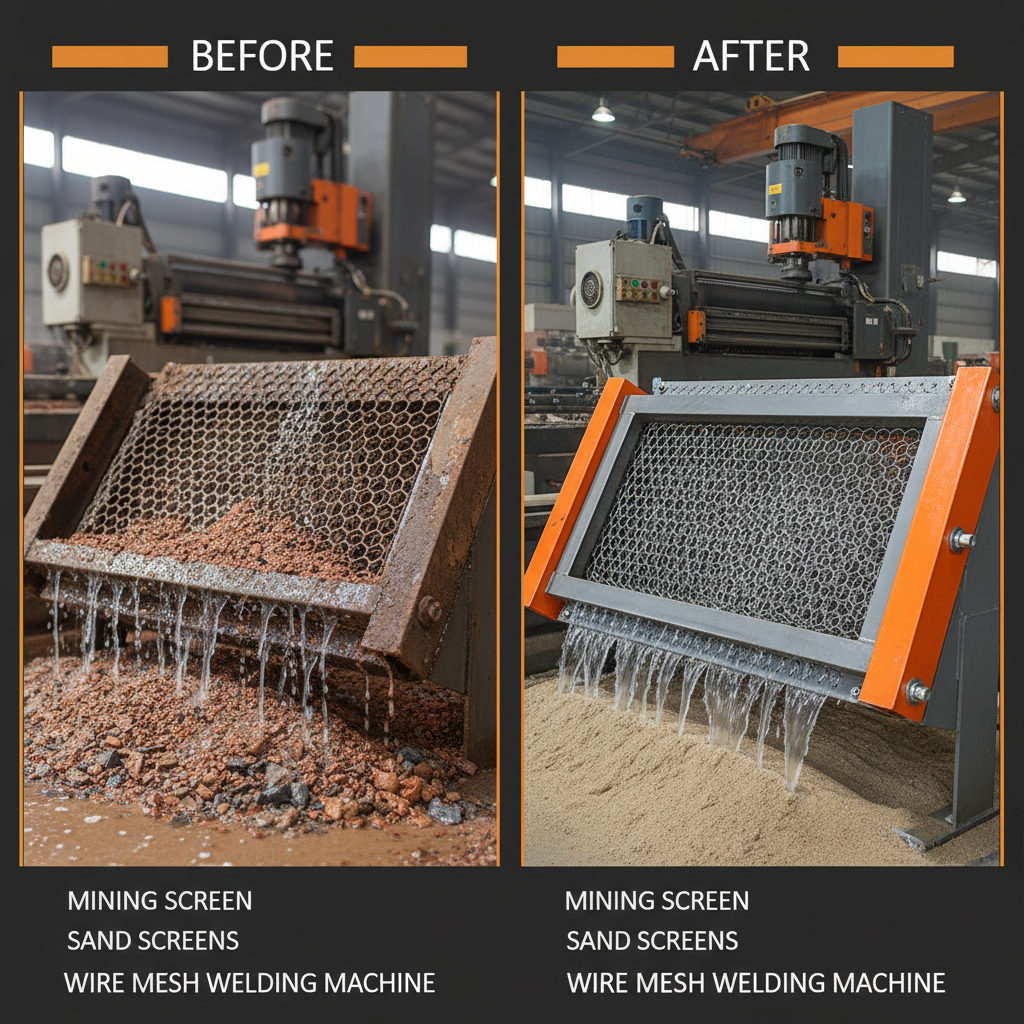
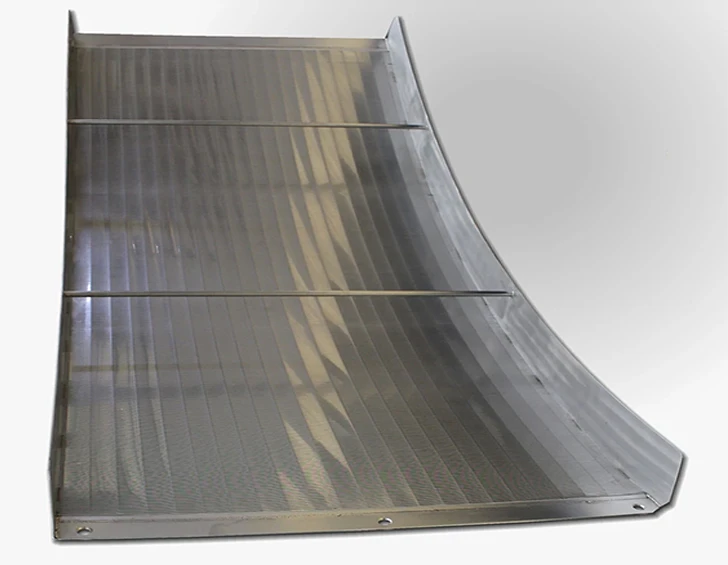
Simply put, a dewatering screen is a mechanical device designed to separate water from solid materials, reducing the moisture content by passing the mixture over vibrating or rotating screens. Imagine you just finished an underwater excavation or mining operation — the soil or aggregate you pull out is sopping wet. You don’t want to ship or process all that water weight, right? That’s precisely where these screens come in, helping industries save energy and cut logistical headaches.
They don’t just belong in factories. Dewatering is critical in humanitarian operations, like rebuilding flood-hit regions, where drying sediment quickly affects soil stability and infrastructure safety. So the technology actually connects deeply with not only industrial efficiency but also community resilience.
Mini takeaway:
Dewatering screens bridge the gap between raw wet material and usable dry product, serving industries and disaster relief alike by streamlining water removal in an efficient, eco-friendly way.
Core Components & Key Features of Dewatering Screens
1. Screen Media and Mesh Size
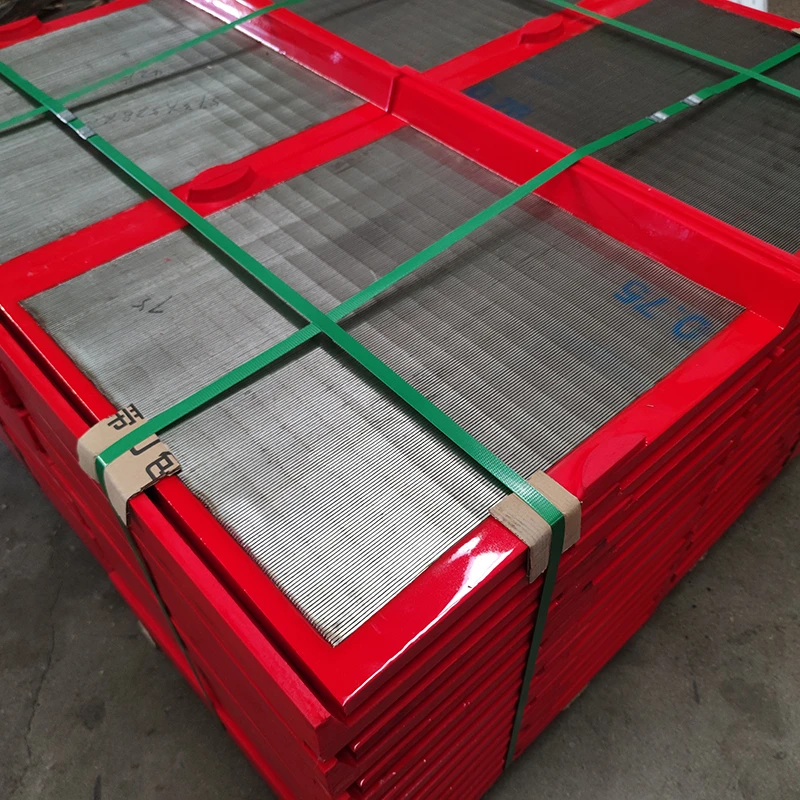
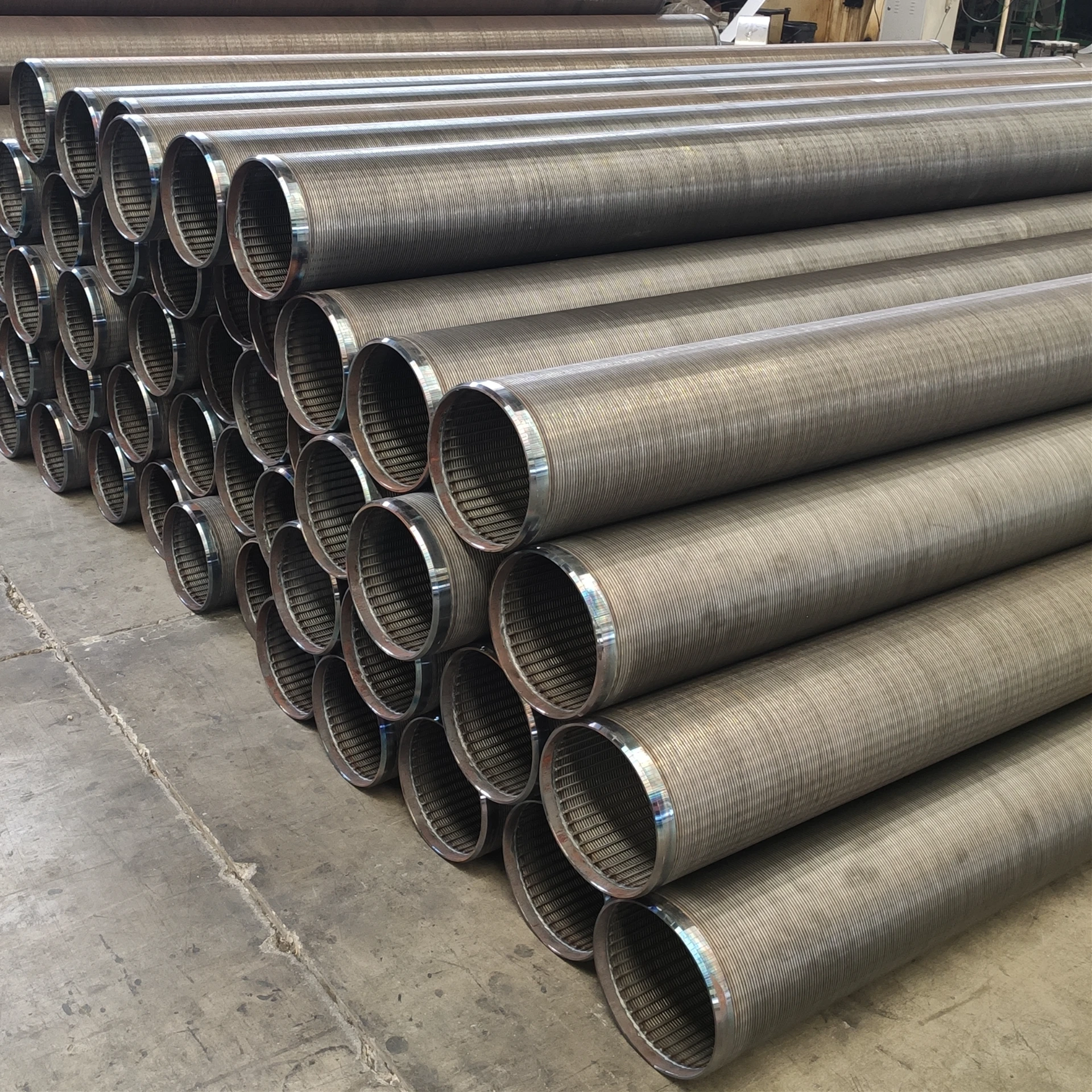
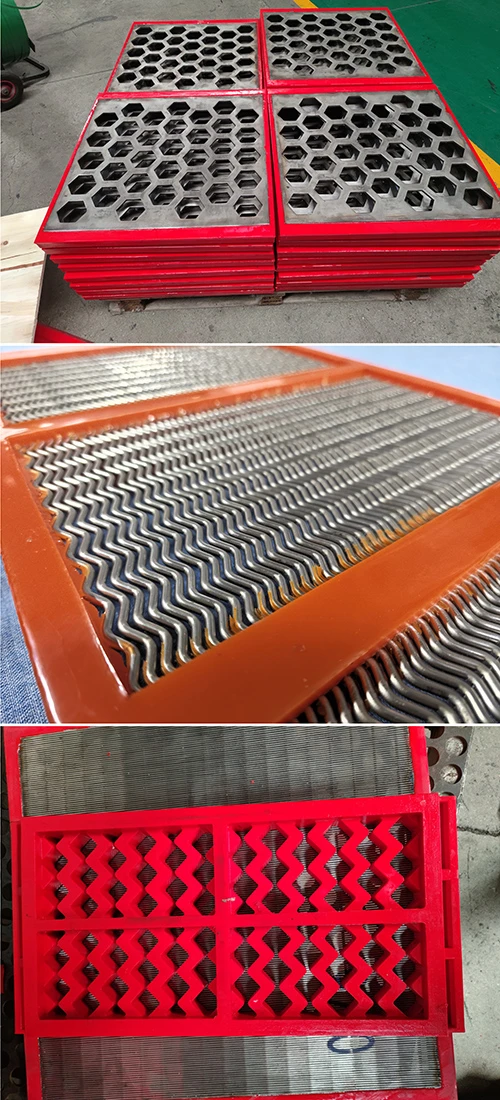
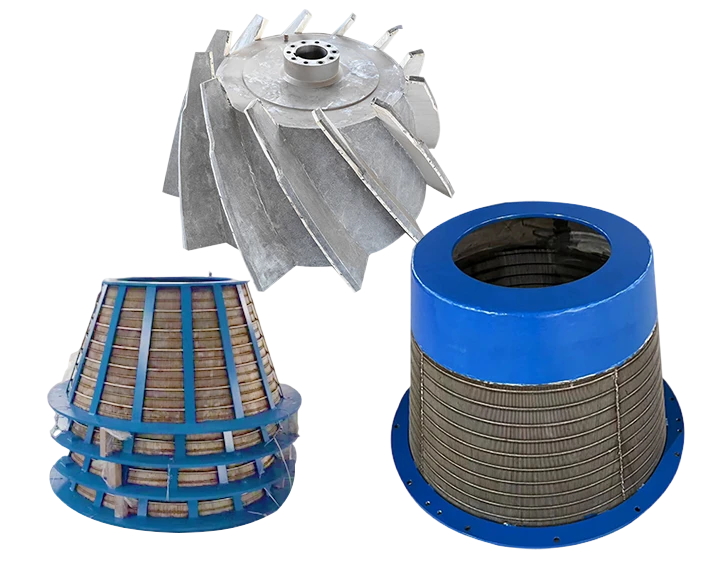
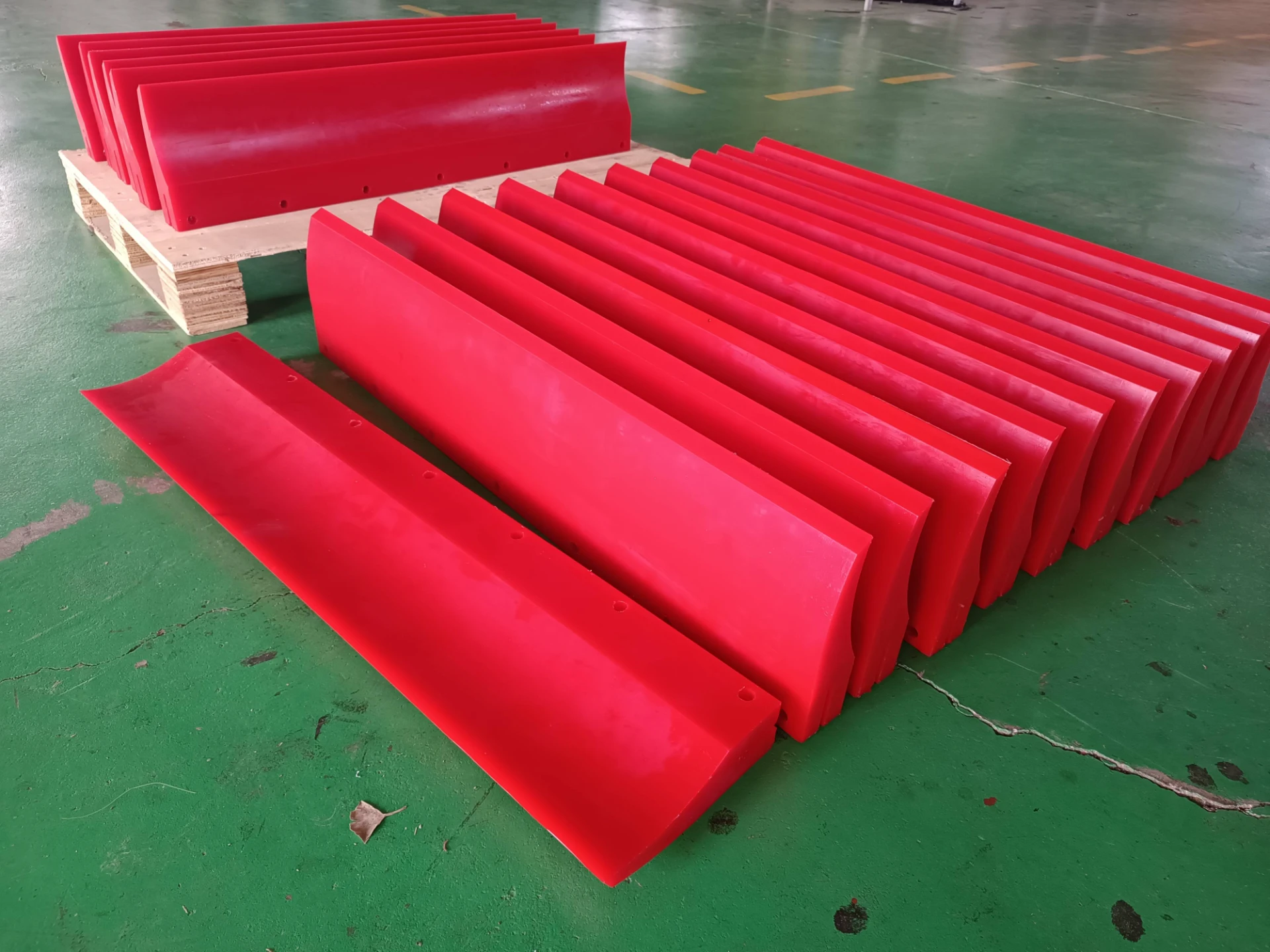
The screen’s mesh size dictates what particle sizes pass through and what stays on top. Mesh choice varies wildly: finer meshes for sludge dewatering, coarser screens for larger aggregates. The material—often stainless steel or polyurethane—also affects wear resistance, a crucial factor because abrasive loads can be brutal.
2. Vibration Mechanism
This is the heartbeat of the operation. Typically, screens vibrate mechanically or electromagnetically to shake excess water from solids. Getting frequency and amplitude right is an art. Too vigorous, and you risk breaking material; too gentle, and moisture clings stubbornly.
3. Durability and Corrosion Resistance
Water is corrosive, and materials like slurry and sediment are abrasive. So, screens are often specially coated or made from corrosion-resistant alloys. This isn’t just for longevity. Downtime due to failure means major losses, so ruggedness pays off in dollars.
4. Scalability and Mobility
Some units are stationary, designed for huge scale plants; others are mobile, perfect for field operations or disaster zones. Rapid deployment features and modular components increasingly shape the market, because real-world needs are rarely static.
5. Cost Efficiency
Initially, it might seem these machines carry a hefty price tag. But when you factor in reduced water hauling, decreased drying time, and lower fuel consumption, they quickly become economical long term. Many operators mention an ROI timeframe of two to three years, depending on usage.
Mini takeaway:
Durable materials, proper vibration, and adaptability are the pillars that make dewatering screens practical and valuable in real applications.
Real-World Applications: Where Dewatering Screens Make a Difference
Across continents and industries, dewatering screens are not just tools but critical enablers.
- Mining and Quarrying: In Latin America and Australia, screens reduce moisture in tailings and aggregates before transport, slashing costs and environmental risks.
- Construction: Post-construction sites in Asia frequently use them to dry excavated spoil or backfill, speeding up site rehabilitation.
- Wastewater Treatment Plants: Europe leads in employing dewatering screens to separate biosolids from water, lessening landfill masses and improving water recycling.
- Disaster Recovery: NGOs working in flood-prone South Asia and East Africa rely on these devices to stabilize soil and clear debris efficiently.
Mini takeaway:
Whether it's large-scale mining or emergency relief, dewatering screens adapt to vastly different settings, proving their versatility and value.
Advantages and Why They Matter Long-Term
- Cost Savings: Less water to transport = fewer trips, less fuel, lower costs.
- Sustainability: Reducing moisture means less wastewater discharged and improved soil health.
- Operational Efficiency: Faster processing, less downtime, more reliable output.
- Social Impact: In disaster zones, quick drying means faster rebuilding, safer ground for communities.
- Trust & Innovation: Early adopters report increased trust from stakeholders for embracing eco-friendly tech.
Product Specification Table: Basic Dewatering Screen Models
| Model | Screen Area (m²) | Vibration Type | Typical Feed Size | Moisture Content Reduction (%) | Mobility |
|---|---|---|---|---|---|
| DS-100 | 1.2 | Mechanical | 0-25mm | 30-40% | Fixed |
| DS-200 | 2.5 | Electromagnetic | 0-40mm | 40-50% | Mobile |
| DS-300 | 3.0 | Mechanical | 0-50mm | 45-55% | Fixed |
Comparing Leading Vendors
| Vendor | Product Range | After-Sales Support | Customization Options | Delivery Time |
|---|---|---|---|---|
| MutoScreen | Wide (Mobile & Fixed) | 24/7 global support | High (materials, sizes) | 4-6 weeks |
| EcoSieves Inc. | Medium (Fixed units) | Business hours | Medium (mesh type) | 8-10 weeks |
| HydroClean Systems | Niche (Wastewater focus) | Limited to region | Low | 6-8 weeks |
Looking Ahead: Future Trends in Dewatering Screen Technology
Innovation in dewatering screens is booming. Engineers talk about integrating IoT sensors to monitor moisture reduction in real time, ultimately reducing guesswork and improving throughput. Green energy powered vibrating motors are another hot topic — solar or battery-driven units could revolutionize off-grid deployment.
Material science breakthroughs hint at ultra-durable composites that resist corrosion and abrasion far longer than traditional steel or urethane. And, frankly, in an era of circular economy and strict environmental policies, the demand for customization aimed at specific waste streams or soil types is skyrocketing.
Common Challenges and How They're Being Tackled
In real-world conditions, a few headaches pop up repeatedly:
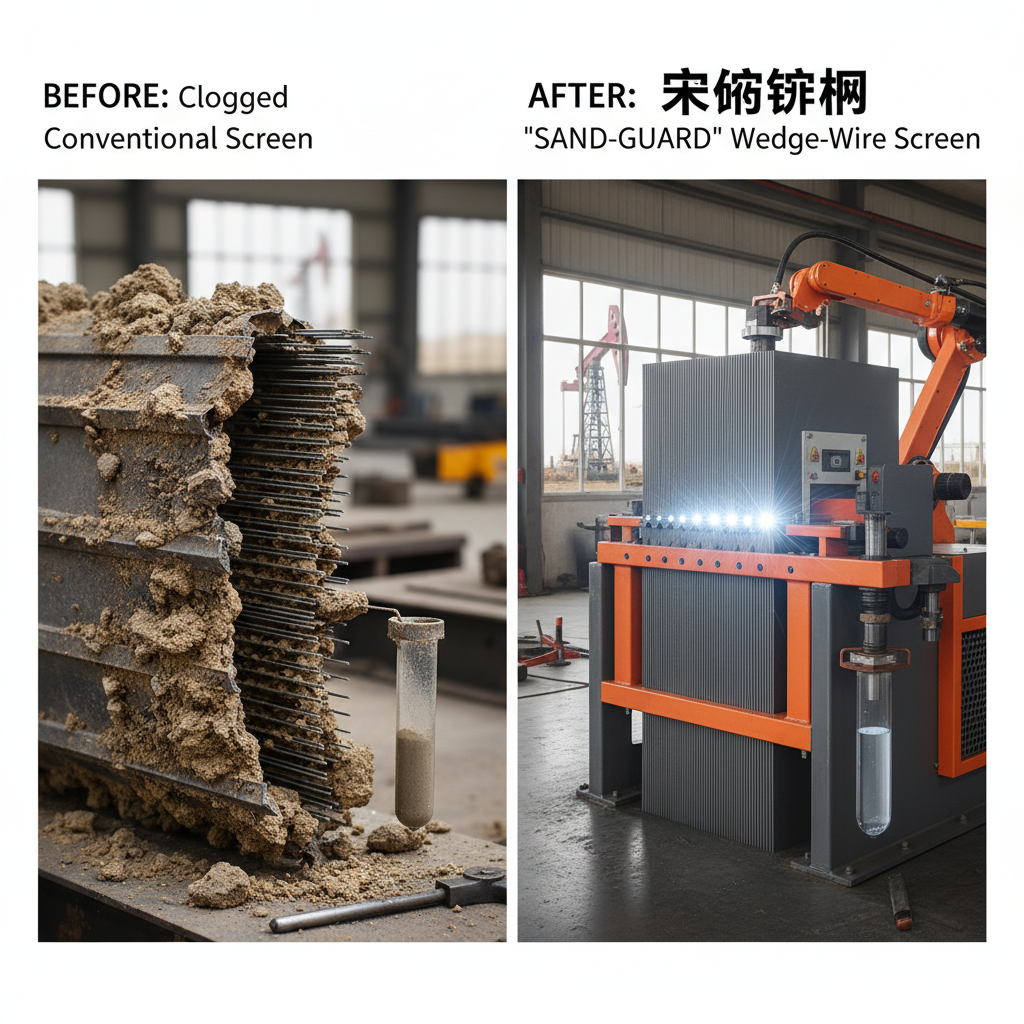
- Screen blinding and clogging: Regular maintenance helps, but vendors also are developing self-cleaning screen surfaces to minimize this.
- Energy consumption: Improved motor efficiency and optimized vibration settings can cut energy use dramatically.
- Limited versatility for unusual feed materials: Modular screen designs now allow quick swaps of mesh types or sizes on-site.
The key seems to be a mix of smart design, user training, and decent preventative maintenance plans.
FAQ: Common Questions About Dewatering Screens
Q1: How does a dewatering screen differ from a standard vibrating screen?
A dewatering screen specifically targets the reduction of moisture content in solids, using specialized mesh angles and vibration to maximize water separation. Standard vibrating screens are more about sizing or classification without focusing on water removal.
Q2: Can dewatering screens be used in freezing climates?
Yes, but special considerations apply. Anti-freeze systems and heated enclosures may be necessary to avoid clogging or damage from ice. Many vendors offer cold-climate options suitable for harsh environments.
Q3: What maintenance is typically required?
Routine checks for screen wear, cleaning to prevent blinding, lubrication of mechanical parts, and inspection of vibration motors are common. Following manufacturer guidelines can extend screen life substantially.
Q4: Are mobile dewatering screens as effective as fixed ones?
Mobile units are incredibly versatile and effective for field operations, though sometimes fixed models provide higher throughput for large industrial plants. It depends on your project scale and mobility needs.
Q5: How do I choose the right mesh size?
Mesh size selection depends on the feed material particle size and desired moisture content post-processing. Consulting with vendors or engineers familiar with your material type usually yields the best outcome.
Wrapping Up: Why Investing in Dewatering Screens is Smart
So, reeling it all in — dewatering screens are quietly revolutionizing multiple heavy industries by cutting costs, protecting the environment, and supporting critical humanitarian work. The technology keeps evolving, promising smarter, greener, and more adaptable machines ahead.
If you’re curious to explore how a reliable dewatering solution fits your operations, well, why not visit our website? It’s a good place to start that conversation.
Final mini takeaway:
Think of dewatering screens as unsung heroes — they remove water, save money, and shape a more sustainable future, one grain at a time.