Understanding the Polyurethane Plate: A Subtle Game Changer in Modern Manufacturing
Polyurethane plates might not be the flashiest topic at your next dinner party, but they quietly play a massive role in industries worldwide. From heavy machinery components to intricate conveyor systems, these seemingly simple slabs make manufacturing smoother, safer, and more efficient. Given the global push for materials that combine longevity with adaptability, understanding polyurethane plates is becoming more than just a niche interest—it’s relevant to sectors as diverse as automotive, packaging, and even humanitarian relief.
Mini takeaway: Polyurethane plates are a quiet backbone for many industries, offering durability and versatility, which makes them a small detail with a huge impact worldwide.
The Global Context: Why Polyurethane Plates Matter Now More Than Ever
Manufacturers and engineers face increasing pressure to optimize operations while controlling costs and minimizing environmental impact. According to ISO standards and World Bank reports, industries worldwide are adopting advanced materials that extend equipment life and reduce downtime. Polyurethane plates fit this demand perfectly—they resist wear, absorb shocks, and tolerate harsh chemicals better than many traditional materials.
However, challenges remain, especially regarding sustainability and recycling of synthetic materials. The polyurethane plate addresses these partly by its long service life, which means less frequent replacements and waste. Plus, innovation in recycling polyurethane is catching up.
Mini takeaway: As industries globalize, choosing materials like polyurethane plates that balance performance with longevity aligns well with economic and environmental goals.
Defining the Polyurethane Plate in Real Terms
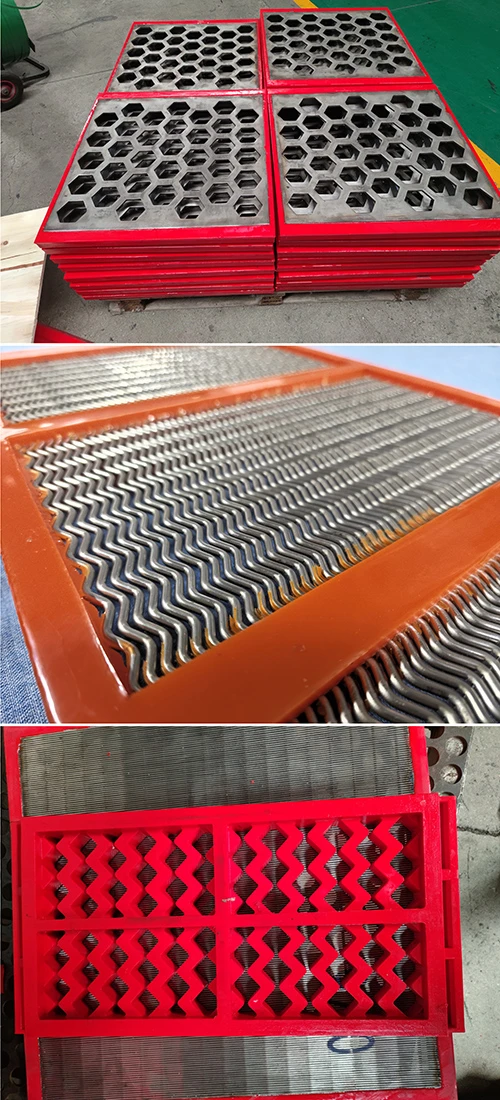
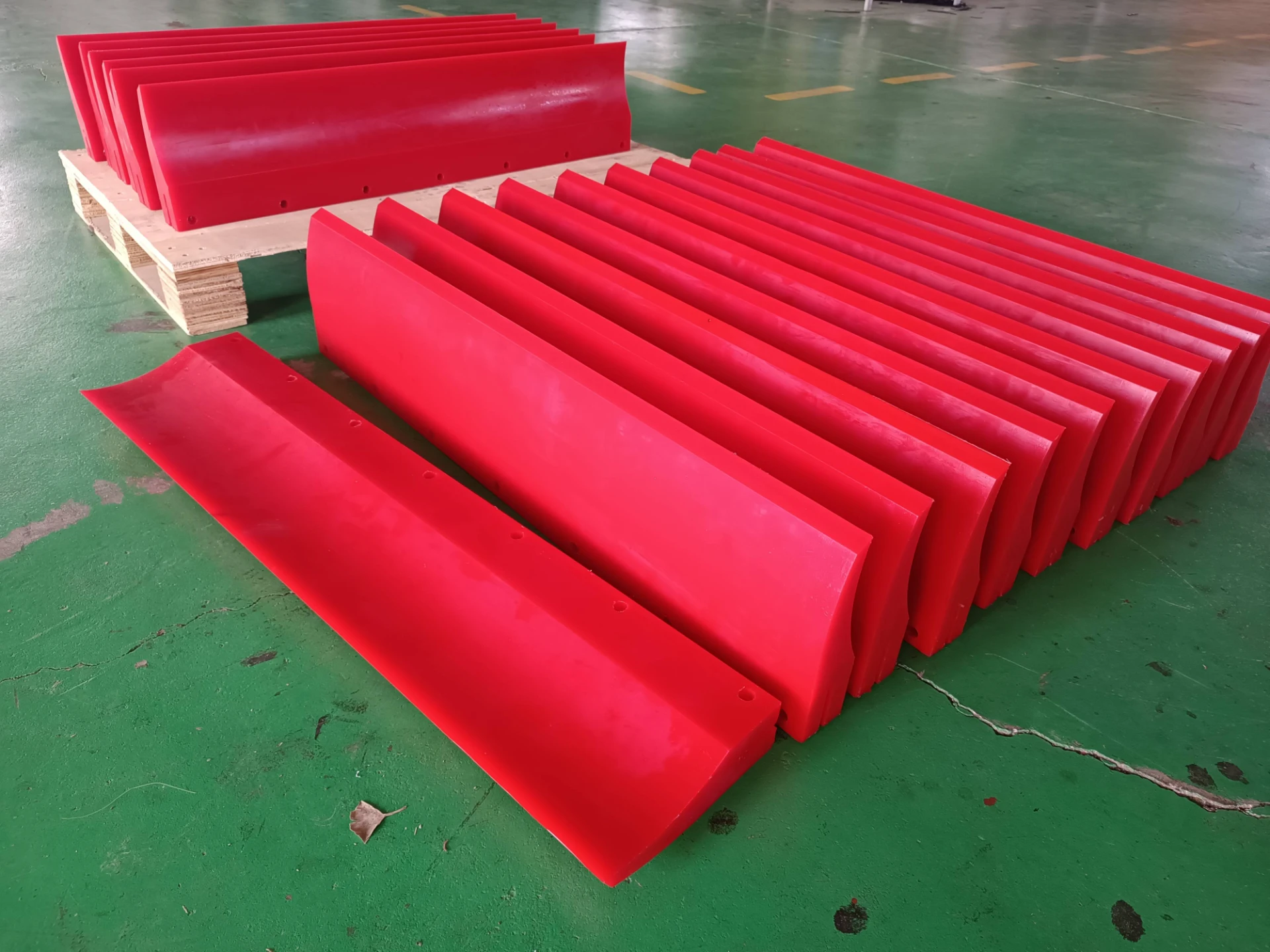
Simply put, a polyurethane plate is a flat, molded sheet made from polyurethane—a versatile polymer known for its elasticity, toughness, and chemical resistance. Unlike traditional metal or rubber plates, polyurethane bridges the gap between flexibility and strength, making it invaluable in cushioning, sealing, and impact absorption applications.
This is why modern factories, automotive workshops, and even humanitarian aid groups—notably those designing durable, rapid-deploy systems or machinery components—lean on polyurethane plates. It’s sort of like having a reliable dance partner who can keep pace no matter how fast you move or what twists you throw.
Core Components and Key Factors of Polyurethane Plates
Durability and Wear Resistance
Many engineers say polyurethane plates outperform rubber or metals in harsh operating conditions. Their molecular structure offers abrasion resistance that prolongs machinery life and minimizes maintenance frequency—a real money saver.
Versatility and Customization
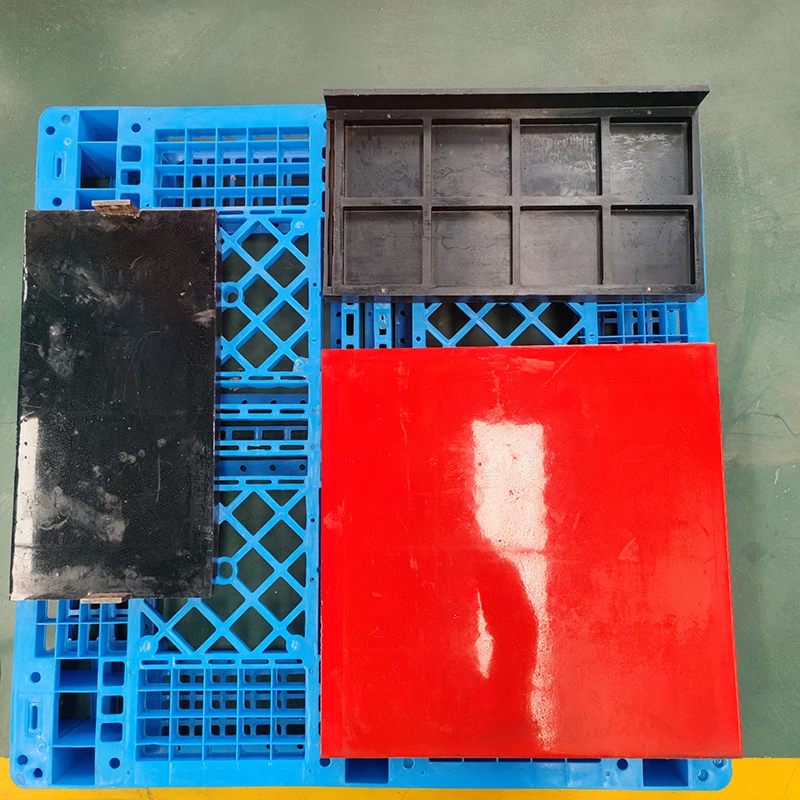
Polyurethane plates are available in various hardness levels and thicknesses. Whether you need a soft cushioning pad or a rigid separator, options abound. They can be custom-cut, drilled, or molded, fitting a wide range of industrial setups.
Chemical and Corrosion Resistance
Unlike metals prone to rust or rubber susceptible to swelling, polyurethane stands tough against oils, solvents, and acids. This characteristic is crucial in chemical plants or food processing lines where contamination is a big no-no.
Cost Efficiency Over Lifecycle
While the initial price might seem higher than basic rubber sheets, polyurethane plates often pay for themselves via longer service lives, reduced downtime, and less frequent emergency repairs.
Environmental Factors and Sustainability
Thanks to their robustness, fewer replacements mean less waste. Plus, companies are developing more eco-friendly recycling methods for polyurethane, which is encouraging for long-term sustainability.
| Specification | Typical Value | Units |
|---|---|---|
| Hardness (Shore A) | 70-95 | - |
| Tensile Strength | 25-40 | MPa |
| Elongation at Break | 300-600 | % |
| Operating Temperature | -40 to +80 | °C |
| Thickness Range | 1-50 | mm |
Mini takeaway: Polyurethane plates combine tailored engineering with practical material science, offering a balance of strength, flexibility, and resistance that suits a wide variety of needs.
How Polyurethane Plates Power Real-World Applications
Polyurethane plates appear everywhere if you know where to look. In Asia’s high-volume automotive factories, these plates reduce machine wear on stamping equipment, ensuring parts pop out flawless and on schedule. Meanwhile, in Europe, food packaging lines rely on polyurethane’s chemical resistance to remain sanitary and efficient. Oddly enough, they even have a role in humanitarian sectors—NGOs use them in rapid-deploy shelter construction because their impact absorption properties help structures resist damage during transportation and setup.
Remote mining operations in Africa also benefit by using polyurethane plates as cushioning pads under heavy machinery. This reduces maintenance costs and extends operational uptime, a crucial factor when supply chains are stretched thin.
Mini takeaway: This material’s adaptability makes it a global favorite—from bustling Asian factories to African mining sites and emergency relief zones alike.
Advantages and Long-Term Value of Polyurethane Plates
- Cost Saving: Fewer replacements, less downtime, lower labor costs.
- Sustainability: Longer lifecycle means reduced waste footprint.
- Performance Reliability: Resistant to abrasion, chemicals, and temperature variations.
- User Confidence: Safer equipment means peace of mind for operators and managers.
- Innovation: Material customization allows new designs and applications continually.
What’s Next? Trends and Innovations around Polyurethane Plates
New polyurethane formulas reduce environmental impact by incorporating bio-based polyols, an exciting trend underway globally. Also, digital manufacturing technologies—like 3D printing—are beginning to explore customized polyurethane parts, which will unleash fresh possibilities for producing complex industrial components on-demand.
Automation gurus hint at sensors embedded within polyurethane components that could track wear in real time—imagine a conveyor belt that tells you exactly when its plates are getting tired!
Challenges and Expert Solutions in Polyurethane Plate Usage
Despite its many strengths, polyurethane plates can suffer from UV degradation if used outdoors without proper coatings. Also, their recycling remains less straightforward than metals. Yet, eco-focused manufacturers apply specialized surface treatments and develop chemical recycling processes to push these boundaries.
For the user: proper specification, careful installation, and routine inspection are your best bets to get the most life (and value) out of these plates.
| Vendor | Material Quality | Customization Options | Price Range (USD) | Delivery Time |
|---|---|---|---|---|
| Mutoscreen | High-grade, durable | Full range, from thin to thick | $50–$200 | 2-4 weeks |
| EcoPoly | Bio-based variants | Limited customization | $70–$220 | 3-5 weeks |
| IndustrialPoly | Standard commercial grade | Custom cutting only | $40–$150 | 1-3 weeks |
FAQ: Frequently Asked Questions About Polyurethane Plates
- What makes polyurethane plates better than rubber sheets for industrial use?
- Polyurethane plates offer higher abrasion resistance, better chemical tolerance, and a longer lifespan than many rubber sheets. They maintain structural integrity under heavy load and harsh conditions, making them ideal for demanding industrial environments.
- How adaptable are polyurethane plates to different industry needs?
- Very adaptable. They come in a wide range of thicknesses and hardness levels, allowing users to select plates tailored to specific shock absorption, chemical resistance, or mechanical wear requirements.
- Can polyurethane plates be recycled or repurposed?
- While polyurethane recycling isn't as widespread as metal recycling, chemical recycling methods are emerging. Also, their long service life reduces waste generation over time, indirectly supporting sustainability goals.
- Are polyurethane plates suitable for outdoor use?
- Standard polyurethane may degrade under direct UV exposure if untreated. However, UV-stabilized options or protective coatings can greatly extend their outdoor lifespan.
- Where can I buy high-quality polyurethane plates?
- Vendors like Mutoscreen offer a range of polyurethane plates customizable to many requirements, combined with reliable delivery and expert support.
Wrapping It Up: The Quiet Power of Polyurethane Plates
Polyurethane plates symbolize the kind of unsung hero in industry—materials that don’t always flash in the headlines but keep operations running smoothly, reliably, and sustainably. They blend technical prowess with practical advantages that matter from Shanghai assembly lines to African mining facilities. If you’re looking to upgrade your operations or simply want a better understanding of materials that make a difference, diving deeper into polyurethane plates is well worth your time.
Explore more details and options at Mutoscreen, where quality and customization meet modern manufacturing demands.
Mini takeaway: Choosing the right polyurethane plate isn’t just about the part—it’s about the performance, reliability, and future-proofing your investment.
References
- Polyurethane - Wikipedia
- ISO 12439: Testing standard for polyurethane materials
- World Bank - Global Manufacturing Industry Data