Understanding PU Plate: A Versatile Material Shaping Modern Industry
Polyurethane plates, commonly called PU plates, might not be the talk of the town in daily conversations, but in industrial and manufacturing circles, they’re quietly everywhere — from conveyor belts in sprawling factories to protective panels in the most demanding environments. Their significance on a global scale is surprisingly broad, aiding industries from automotive to packaging, and even cutting across humanitarian and construction efforts where durability and flexibility matter most. Knowing what a PU plate is and why it’s so valued can open doors for engineers, buyers, and innovators alike.
In brief: PU plates are tough, adaptable, and cost-effective — qualities that help streamline complex operations worldwide.
Mini takeaway:
- PU plates are essential in industrial processes that require durable, flexible materials.
- They influence cost-efficiency and longevity in many global sectors.
The Global Context: Why PU Plates Matter More Than You Think
Across continents, manufacturing hubs lean on high-performance materials to keep production lines running smoothly. According to the ISO, polyurethane products represent a significant part of synthetic polymer applications, contributing to a global market estimated at over $25 billion by 2025. A major challenge industries face today is balancing durability with sustainability — enter PU plates, whose wear resistance and recyclability provide an intriguing solution.
In emerging markets and remote industrial zones, logistical hurdles raise the demand for materials that can withstand harsh conditions yet remain lightweight and easy to transport. PU plates fit right into that niche; they enhance efficiency, reduce downtime, and ultimately cut operational costs. Oddly enough, the humble PU plate is almost like the unsung hero bridging high-tech ambitions and practical challenges.
Mini takeaway:
- PU plates help industries meet durability demands amidst globalization pressures.
- They’re particularly vital where supply chains are fragile or infrastructure is still developing.
What Exactly Is a PU Plate?
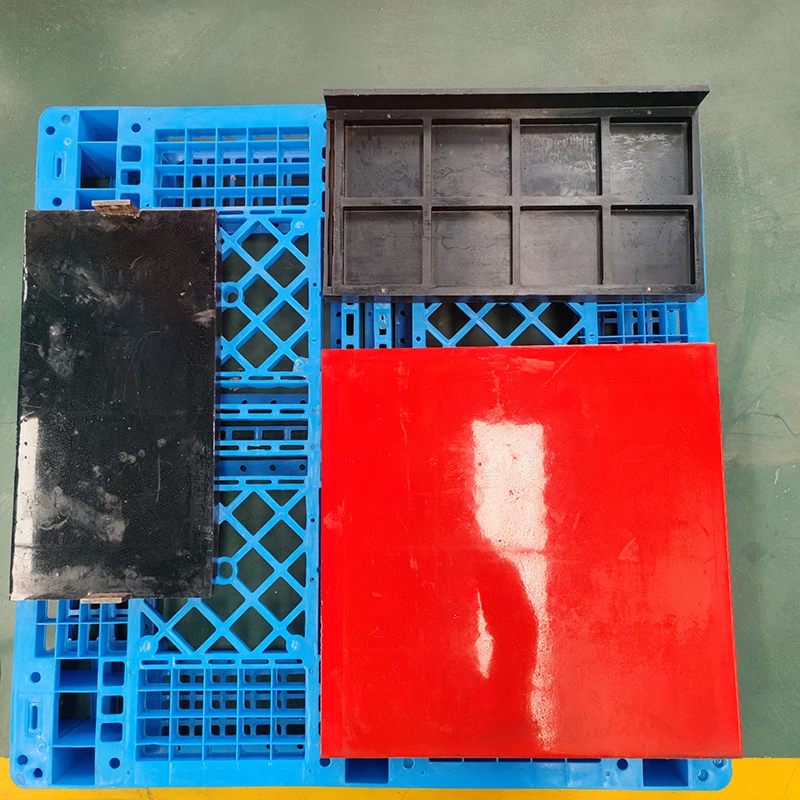
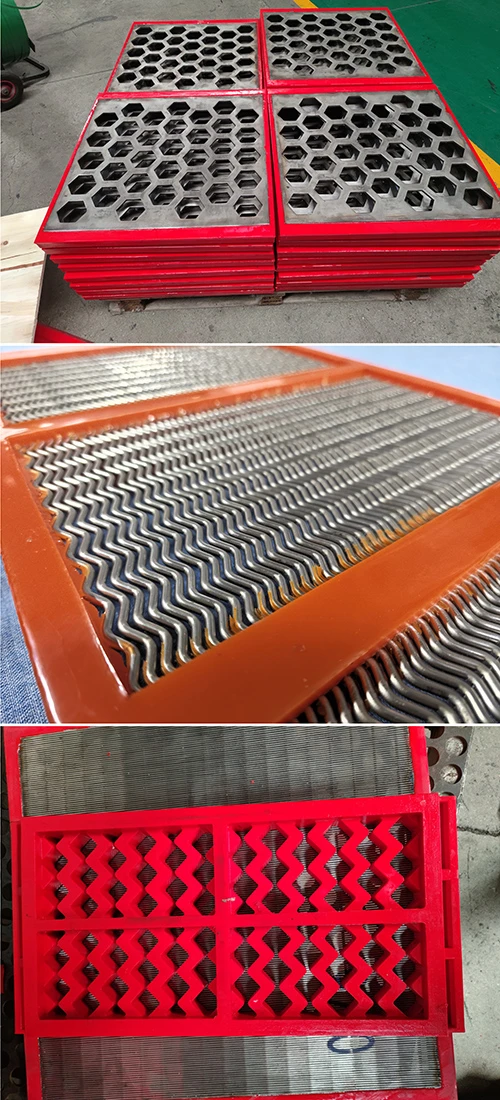
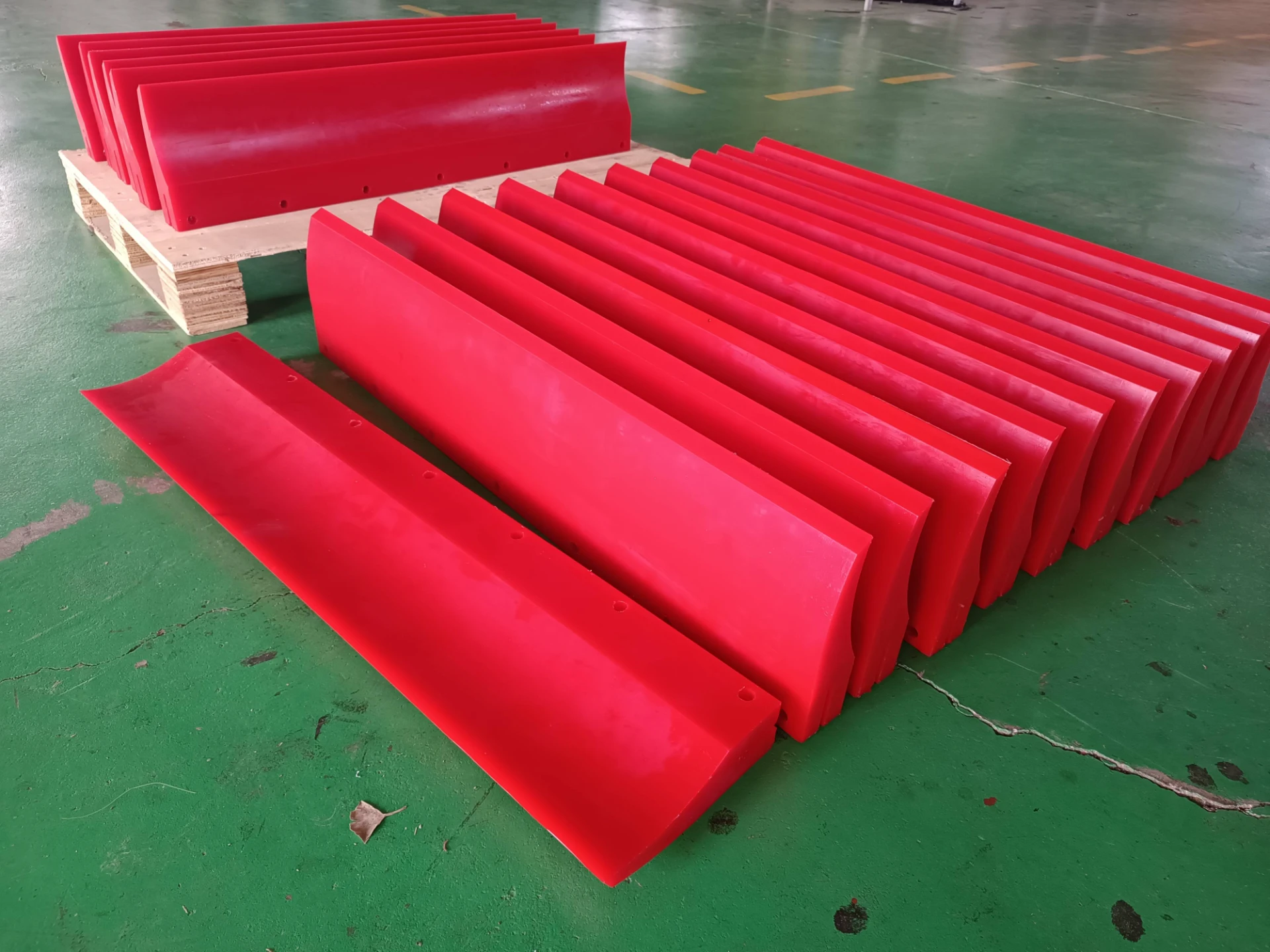
To keep it simple: a PU plate is a solid sheet made from polyurethane, a type of polymer renowned for its elasticity, resilience, and wear resistance. These plates are manufactured via processes that vary from casting to extrusion, depending on the desired thickness and physical properties.
Polyurethane itself falls somewhere between rubber and plastic in terms of flexibility, which explains why PU plates are favored for applications requiring impact absorption, abrasion resistance, and chemical stability. They’re often used instead of traditional rubber or metal parts because of their lighter weight and longer lifespan.
In humanitarian terms, PU plates have even appeared in protective equipment and temporary structures — proof of their versatility beyond heavy industry.
Key Features of PU Plates Worth Knowing
Durability That Stands the Test
One of the most lauded properties of PU plates is their exceptional wear resistance. They handle friction, impacts, and even some chemical exposures that would quickly degrade standard plastics. For conveyor systems, this means less frequent replacements — which translates directly to fewer interruptions and lower maintenance costs.
Flexibility Meets Strength
PU plates bend without breaking, but they don’t lose structural integrity under pressure. This elastomeric nature is critical where thermal expansions or mechanical stress occur regularly. So, it’s no surprise engineers prefer PU plates in dynamic or vibration-prone settings.
Cost Efficiency Over Time
While the initial price of PU plates might be higher than rubber or some plastics, their durability and ease of installation provide savings in the long run. Some factories report a lifespan multiplied by two or three compared to older materials—something any production manager deeply appreciates.
Customization Potential
PU plates come in various hardness grades, thicknesses, and colors, customizable to specific project requirements. This versatility allows industries from food processing to mining to fine-tune their equipment.
Environmental Considerations
Interestingly, many companies are now demanding eco-friendlier versions of PU materials. Recyclable and low-VOC (volatile organic compounds) polyurethane plates are gaining ground, merging industrial needs with sustainability goals.
Mini takeaway:
- Durability and flexibility make PU plates a material of choice for harsh environments.
- Customization allows tailored solutions, maximizing efficiency and lifespan.
Real-World Applications of PU Plates Around the Globe
PU plates have quietly infiltrated diverse sectors:
- Manufacturing & Automation: Conveyor roller covers and wear strips in factories worldwide depend on PU plates to reduce downtime.
- Mining: Specialized liners and protective shields in heavy machinery use PU plates to extend equipment life under abrasive conditions.
- Food Processing: Since some grades comply with food safety standards, PU plates appear in contact surfaces where hygiene is critical.
- Construction & Humanitarian Aid: Some NGO projects use PU plate composites to create lightweight, durable shelter panels.
For instance, in post-disaster relief operations across Southeast Asia, teams have employed pu plate-based flooring solutions that resist moisture and wear but remain easy to deploy and transport.
Mini takeaway:
- PU plates address challenges in industries where both performance and reliability are non-negotiable.
- The material’s adaptability ensures it meets global demands ranging from industrial to humanitarian.
Advantages That Make PU Plates a Long-Term Investment
There’s a mix of practical and almost intangible benefits attributed to PU plates:
- Safety & Reliability: They reduce mechanical failure risks, protecting both equipment and personnel.
- Cost Savings: Less frequent replacements and lower maintenance reduce overall expenditures.
- Sustainability: Growing availability of recyclable options helps industries lower their environmental footprints.
- Innovation Encouragement: Their customizable nature sparks new designs in automation and machinery.
On the emotional side, it kind of reassures engineers and operators — knowing their gear is protected by a material that’s proven and predictable.
PU Plate Specifications Table
| Specification | Value | Notes |
|---|---|---|
| Material | Polyurethane (various grades) | Thermoplastic or thermoset |
| Hardness Range | 60A - 95A (Shore) | Customizable per application |
| Thickness | 2mm – 30mm | Standard sizes available |
| Operating Temp. | -30°C to 80°C | Heat resistant grades optional |
| Abrasion Resistance | Up to 10x rubber standard | Measured by DIN abrasion tests |
Comparing leading PU Plate Vendors
| Vendor | Product Range | Customization | Price Level | Delivery Speed |
|---|---|---|---|---|
| MutoScreen Industries | Wide (standard & custom pu plate) | High | Mid-range | Fast (global shipping) |
| PolyTech Solutions | Narrow focus on industrial applications | Medium | Premium | Moderate |
| EcoPoly Materials | Eco-friendly and recycled options only | Low | Higher | Slow |
Looking Ahead: Future Developments in PU Plate Technology
The future feels exciting for PU plate innovation. Researchers are exploring bio-based polyurethanes, which could reduce reliance on fossil fuels and increase biodegradability. Combining PU plates with digital manufacturing techniques like 3D printing opens doors to highly customized parts made in smaller batches — say goodbye to long lead times and hello to agile production.
Sustainability trends push vendors toward lower emissions in production and enhanced recyclability. Automation across industries also means PU plates will increasingly integrate with sensor-embedded systems for smart maintenance — a kind of “living” material that sends signals before it wears out.
Mini takeaway:
- Eco-friendly and smart PU plates will shape sustainability and efficiency goals.
- Emerging tech allows more customization and responsiveness to usage conditions.
Challenges and How to Overcome Them
PU plates aren’t magic. They can be sensitive to UV degradation if not specially treated, which limits outdoor usage without coatings. High temperatures beyond their operating range can degrade performance. Cost is always a factor, especially for smaller businesses seeking bulk orders.
However, ongoing material science advances, like enhanced UV stabilizers and hybrid composites incorporating carbon fibers, help extend life and robustness. Partnering with experienced vendors who offer support on application-specific solutions reduces the risk of costly mistakes.
Frequently Asked Questions about PU Plates
- Q: How long does a typical PU plate last in heavy industrial use?
- A: Depending on use and maintenance, PU plates can last 3–7 years, often outperforming rubber by a factor of two or more, reducing downtime significantly.
- Q: Are PU plates easy to install on existing machinery?
- A: Yes, many PU plates are designed for easy retrofitting, often requiring just cutting to size and secure fastening. Some vendors provide tailored kits to simplify installation.
- Q: Can PU plates be recycled or reprocessed?
- A: While traditional PU materials were challenging to recycle, newer thermoplastic polyurethanes allow reprocessing. Recycling options vary, so always check with your supplier.
- Q: What industries benefit most from PU plates?
- A: Manufacturing, mining, food processing, and construction are primary users, though their flexibility makes them valuable across many sectors.
- Q: How can companies source custom PU plates internationally?
- A: Vendors like mutoScreen offer global shipping and customization services, ensuring that specifications meet regional standards and needs.
Conclusion: Why PU Plates Are Worth Considering
At the crossroads of durability, flexibility, and innovation, PU plates stand out as a material solution for diverse industrial needs — both now and in the future. They balance cost-effectiveness with long-term reliability, helping manufacturers and businesses worldwide keep their operations smooth and sustainable. If you’re in the market for materials that blend performance with adaptability, it’s well worth exploring what pu plate options can do for you.
Curious to learn more or find the perfect PU plate for your needs? Visit our website: mutoscreen.com. Innovation rarely waits, and neither should you.