Poly Screen Panels: A Silent Revolution in Screening Solutions
Poly screen panels are quietly reshaping how industries screen, filter, and protect operations worldwide. From mining to construction, their lightweight, durable nature has made them a go-to choice — and understanding why matters not only for suppliers but also engineers, site managers, and procurement pros looking for smarter, cost-efficient solutions. This article dives into what poly screen panels are, why they truly matter, and how they’re set to redefine sectors — even in places hit hardest by environmental or economic challenges.
Global Context: Why Poly Screen Panels Hold Growing Relevance
It might surprise you, but the global demand for poly screen panels is linked to bigger trends — urbanization, resource extraction, and sustainability goals. According to the World Bank, over 55% of the world’s population now lives in urban areas, pushing construction and mining projects into overdrive. These industries rely on efficient screening materials that balance strength with adaptability. Moreover, the ISO’s recent environmental standards push for reusable, lightweight materials to reduce carbon footprints during operations.
Yet, challenges like harsh weather and resource scarcity leave traditional metal gratings or wire mesh wanting. Poly screen panels step in to address these gaps, helping industries worldwide—from bustling metros in Asia to remote African mining sites—work smarter and more sustainably. The stakes? Better safety, longer service life, and lower maintenance budgets.
Mini takeaway:
- Poly screen panels are globally relevant due to urbanization and sustainability pressures.
- They address industry challenges like durability and environmental impact.
What Exactly Are Poly Screen Panels?
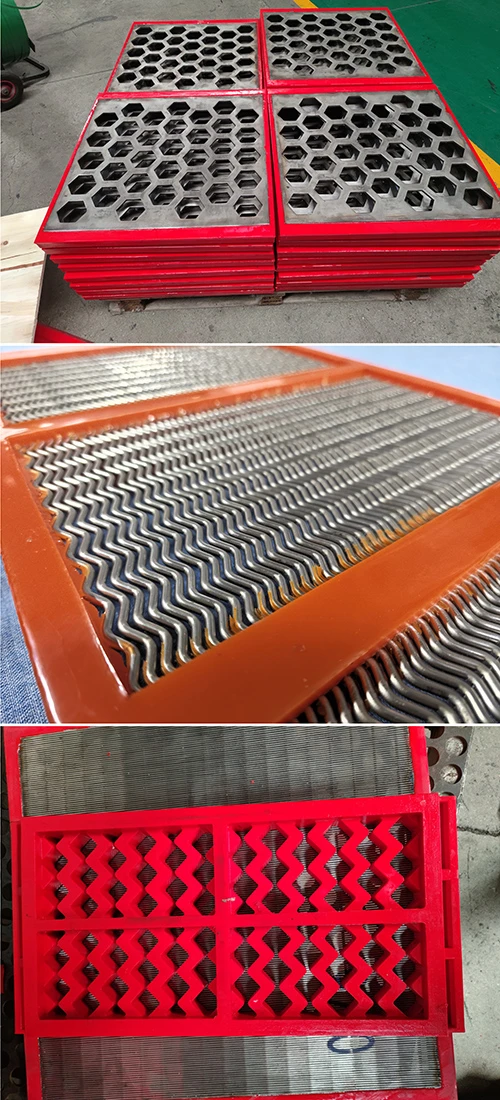
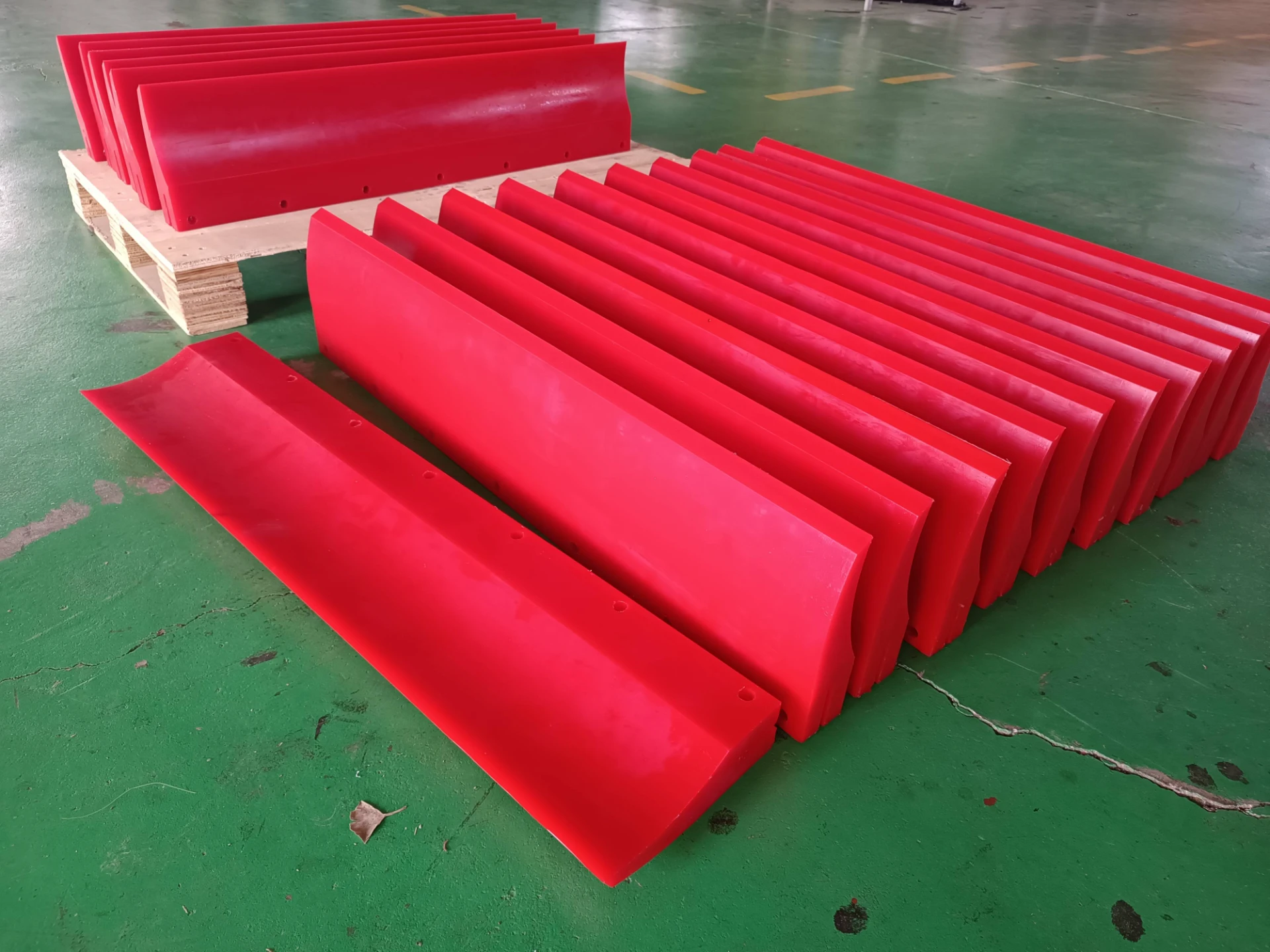
Simply put, poly screen panels are modular sheets made from engineered polymers designed for screening and filtering purposes. Unlike metal meshes prone to rust or brittleness, these panels feature synthetic compounds—often polypropylene—that offer flexibility paired with toughness. They can be cut, installed, or stacked easily, making them a favorite among engineers who embrace versatility.
In modern industry, these panels serve as protective barriers, sieves, and partitioners. Humanitarian organizations also use them in temporary shelters and sanitation setups, thanks to their lightweight and resilience. It’s this blend of practicality and adaptability that makes poly screen panels indispensable.
Core Components: What Makes Poly Screen Panels Tick?
1. Durability
Poly screen panels resist corrosion from water, chemicals, or salt—something metal screens struggle with. This reliability translates to fewer replacements and less downtime.
2. Customizability
They come in various hole sizes, thicknesses, and sheet dimensions, allowing customization for specific screening needs—whether for fine filtration in food processing or coarse gravel separation.
3. Light Weight & Easy Handling
One of the biggest perks is how light poly screen panels are, making transport and installation faster and safer. Field teams often note the contrast compared to bulky metal grids.
4. Cost Efficiency
Though initial investment might feel comparable to metal, lower maintenance, longevity, and reduced downtime often tip the scales in favor of poly panels.
5. Environmental Resistance
They perform well in extreme heat, UV exposure, and moist conditions, which is why industries operating in deserts or coastal zones trust poly screen panels for their projects.
Mini takeaway:
- Poly screen panels bring together durability, lightweight design, and customization.
- They’re crafted for real-world conditions and cost-conscious operations.
Global Applications & Use Cases
From Australia’s iron ore mines to emergency relief camps in Southeast Asia, poly screen panels see versatile deployment. For instance:
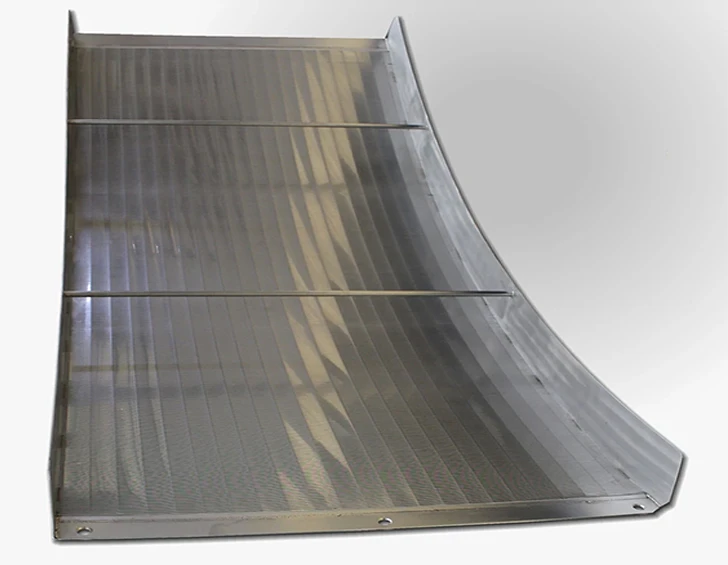
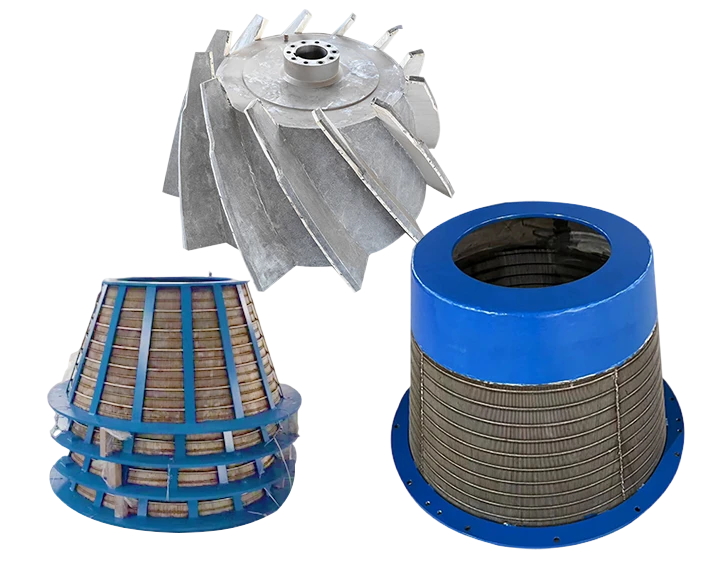
- In mining, they serve as vibrating deck screens to separate stone sizes efficiently.
- Construction sites use them for lightweight protective fencing and dust controls.
- NGOs incorporate poly panels into modular sanitation units, providing durable but portable screening.
- In recycling centers, poly screens help sort plastics thanks to their resistance to abrasion and chemicals.
Interestingly, many remote industrial zones benefit from their ease of repair and rapid replacement, reducing costly project delays. I once heard of a site in Chile where poly screen panels cut downtime during a rainy season by almost half.
Mini takeaway:
- Poly screen panels find use in mining, construction, humanitarian projects, recycling, and more.
- They enable faster, safer operations across diverse environments.
Advantages & Long-Term Value
Why consider poly screen panels over traditional alternatives? Several tangible benefits stand out:
- Cost Savings: The durability cuts frequent replacements, while the light weight lowers logistics costs.
- Sustainability: Many panels are recyclable; their polymer base demands less energy in manufacturing versus metal.
- Enhanced Safety: Reduced breakages mean fewer injuries on site. Plus, they don’t conduct electricity.
- Adaptability: Easy to cut and configure, ideal for fast-changing project demands.
Emotionally, the panels foster trust—not just for companies seeking reliability, but also for workers who appreciate sturdier, safer environments. It’s something that’s often overlooked but vital for morale and retention.
Product Specification Table
| Specification | Value | Notes |
|---|---|---|
| Material | Polypropylene (PP) | UV-resistant and recyclable |
| Panel Size | 1.2 m × 2.4 m standard | Custom sizes available |
| Thickness | 6 mm to 12 mm | Depends on usage |
| Hole Diameter | 3 mm to 50 mm | For varied particle sizes |
| Operating Temperature | -20°C to 80°C | Suitable for most industrial sites |
Vendor Comparison Table
| Vendor | Material Quality | Customization Options | Delivery Speed | Price Range |
|---|---|---|---|---|
| Mutoscreen | High-grade UV stabilized PP | Fully custom hole sizes and panels | 2-3 weeks | Mid to high |
| PolyTech Solutions | Standard PP blend | Limited presets | 1-2 weeks | Low to mid |
| ClearScreen Panels | Recycled polymers | Moderate customization | 3-4 weeks | Mid |
What Does the Future Hold for Poly Screen Panels?
Technology and sustainability go hand in hand here. Research into bio-based polymers could soon replace polypropylene, making panels 100% biodegradable while maintaining strength. Digital automation in manufacturing means faster, more precise cuts, and even IoT-enabled screening surfaces might improve real-time monitoring. Imagine a screening panel that alerts operators to clogging or damage—it’s not sci-fi anymore, just around the corner.
The industry is also eyeing circular economy policies pushing manufacturers and users to recycle and reuse materials in closed loops. This could fundamentally change how panels are designed, leased, or serviced over their lifecycles.
Challenges & How Experts Are Tackling Them
No solution is without hurdles. Poly screen panels sometimes struggle with impact resistance compared to steel in highly abrasive contexts. UV degradation over several years can vary depending on usage and region. There’s also a perception that plastic equals "cheap" or less trustworthy, which often leads to overselling metal alternatives despite the downsides.
Innovations like polymer blends with additives for greater toughness are stepping up. And companies like Mutoscreen offer warranties and on-site training to assure customers. Modular designs also make it easier to replace damaged panels without costly overhauls.
FAQ: Your Top Questions About Poly Screen Panels
Q1: How long do poly screen panels last in harsh environments?
Generally, high-quality poly screen panels last between 5-10 years, depending on exposure to UV, chemicals, and physical wear. Proper maintenance like cleaning and avoiding sharp impacts extends their lifespan.
Q2: Are poly screen panels suitable for heavy-duty mining applications?
Yes, especially when custom thick panels with reinforced polymers are chosen. They handle abrasive materials well, though extremely heavy impact areas may still require metal reinforcement.
Q3: Can poly screen panels be recycled?
Most are recyclable polypropylene, so at end-of-life, they can often be reprocessed. Check with local recycling programs and suppliers for specifics.
Q4: How can NGOs import poly screen panels for disaster relief?
Working with established vendors who provide export documentation, certifications, and global shipping services—like poly screen panels suppliers—streamlines logistics and compliance.
Q5: Do poly screen panels offer better safety than metal screens?
In many cases, yes. They don’t rust or have sharp edges after cutting, reducing injury risks. Plus, they don't conduct electricity, important near power sources.
Conclusion: Why Poly Screen Panels Should Be on Your Radar
To wrap up, poly screen panels bring a blend of innovation, practicality, and sustainability to industries worldwide. Their adaptability, cost-effectiveness, and environmental benefits create long-term value you can count on—even in tough conditions. Whether you’re running a mining operation or setting up relief centers, these panels simplify operations and build safer, smarter work environments.
Curious to see them in action or explore customization? Visit our website: https://www.mutoscreen.com and discover how they can fit your project needs.