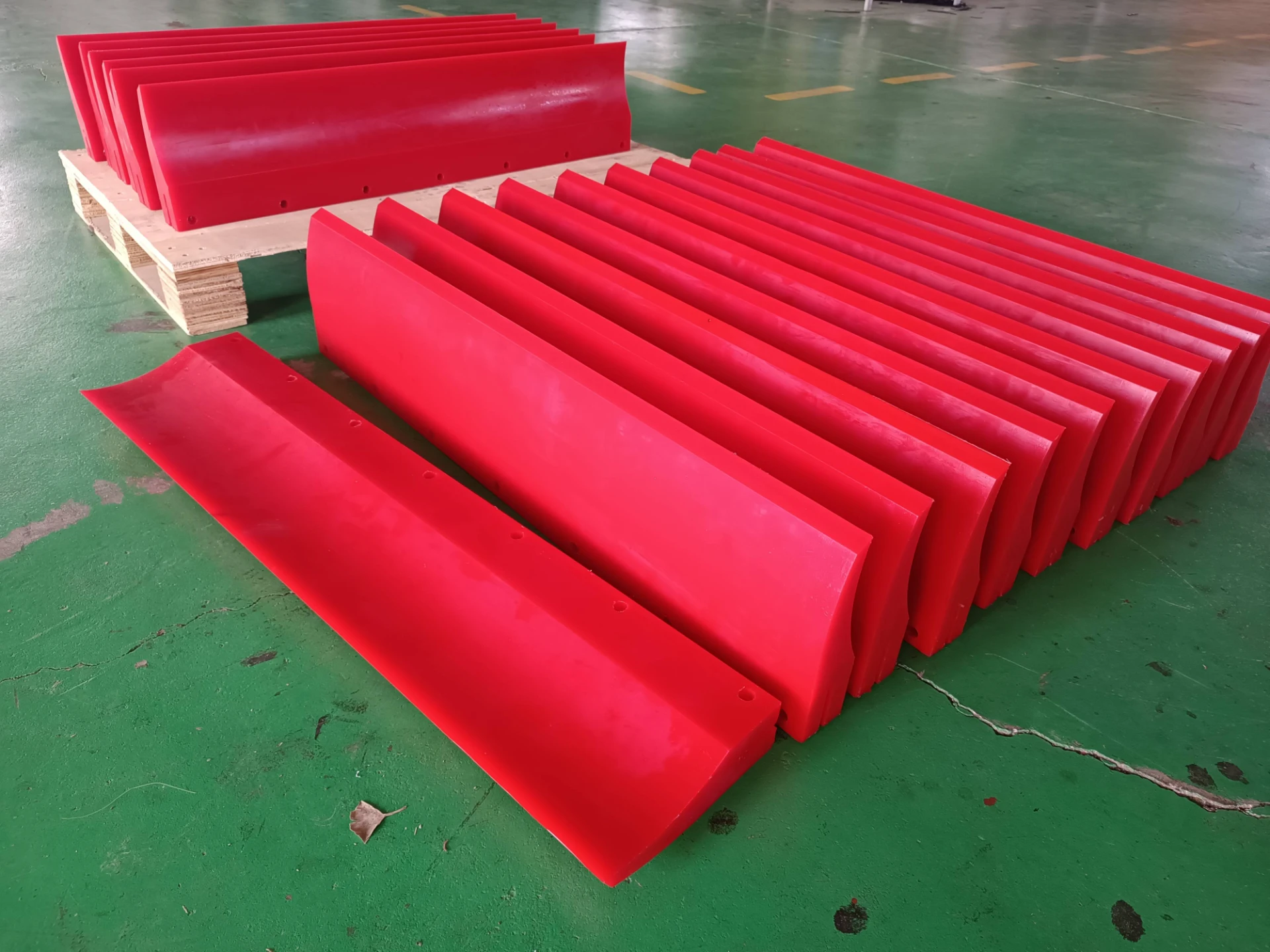
What Is a Polyurethane Screen and Why Does It Matter?
If you’ve ever wondered how certain industries manage to filter, separate, or sieve fine materials with incredible efficiency, you might be surprised to learn that polyurethane screen components are often the unsung heroes in these processes. From mining operations deep underground to food production lines and recycling plants, polyurethane screen materials have become indispensable. But the story behind their importance is far from trivial.
Worldwide, industries face the constant challenge of maintaining high throughput and quality while minimizing downtime and waste. That’s where polyurethane screens come into play. These versatile and durable components, made from a tough elastomer called polyurethane, solve problems that simpler metal or fabric screens just can’t handle over longevity or efficiency.
Understanding what makes polyurethane screens tick isn’t just technical jargon — it can directly impact everything from operational costs to environmental footprints globally. So buckle up: let’s break down the key benefits and explore why these screens matter so much today.
The Global Context: Why Polyurethane Screens Are More Relevant Than Ever
Turn on any economic or industrial news channel and you’ll hear about rising demands for raw materials, expanding recycling efforts, or food security challenges. According to the International Organization for Standardization (ISO), sectors like mining, agriculture, and waste management rely heavily on efficient screening solutions to keep their supply chains running smoothly and sustainably.
Interestingly, the global polyurethane market — which includes these screens — is forecasted to grow steadily, partly due to increasing environmental regulations pushing industries to optimize processes. For example, mining companies aim to reduce ore loss and water use, while recycling plants work to get cleaner fractions. Polyurethane screens offer critical advantages here, such as high abrasion resistance and chemical stability, which metal screens can’t easily match.
Still, the challenge remains: how do you maintain both efficiency and durability under tough operating conditions? Polyurethane screens are among the best solutions, enabling industries worldwide to tackle these demands head-on.
What Exactly Is a Polyurethane Screen?
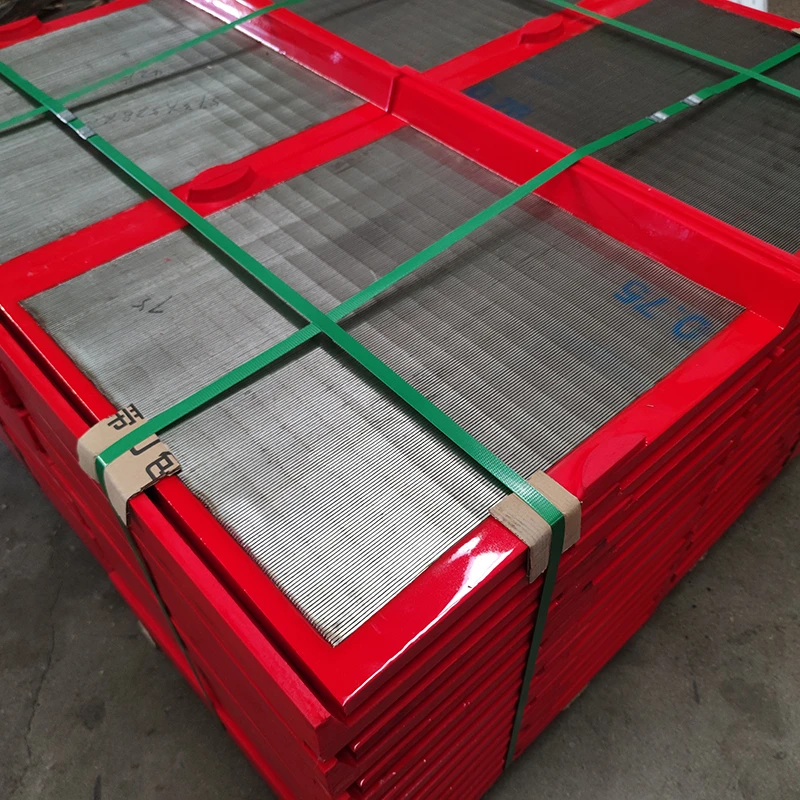
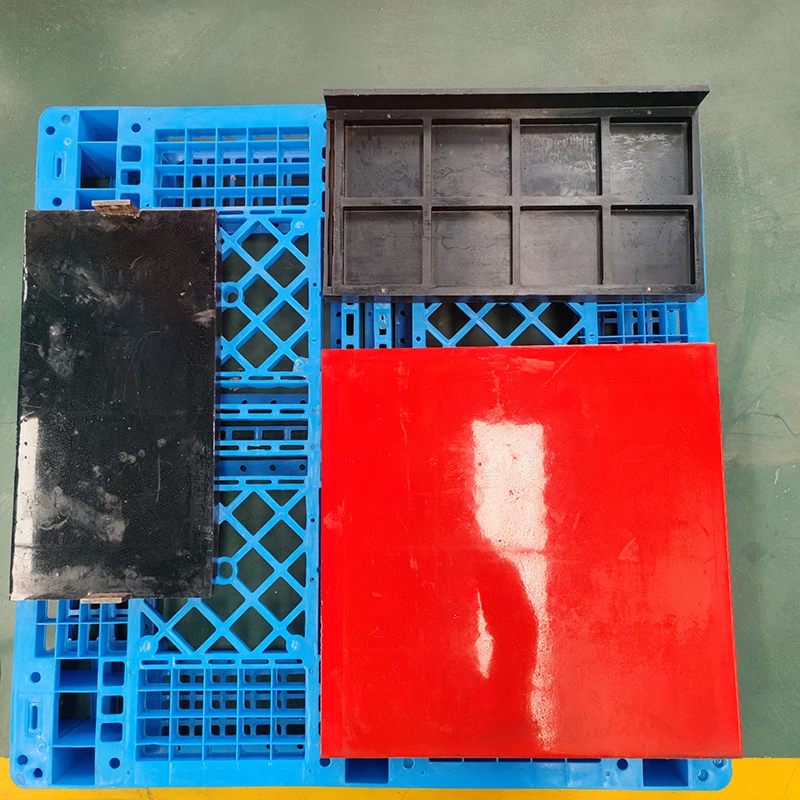
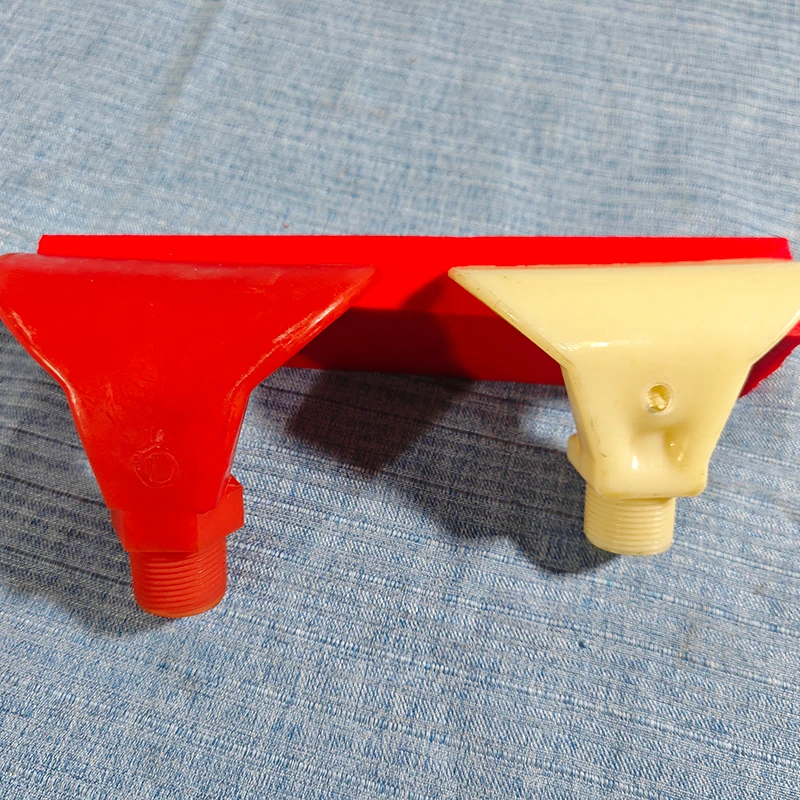
In simple terms, a polyurethane screen is a screening or filtering device made primarily from polyurethane elastomer, a polymer known for its toughness and flexibility. Think of it as the modern, high-tech cousin of traditional metal or fabric screens but far more adaptable to rough environments.
Unlike rigid metal screens, polyurethane screens bend, stretch, and resist wear while offering excellent separation precision. This flexibility makes them invaluable in mining, where ore particles vary wildly in size and composition, or in food production where hygiene and delicacy are paramount.
Beyond just separation, these screens enable industries to optimize workflows, reduce downtime from screen failure, and maintain product quality — all vital for humanitarian aid logistics, industrial safety, and sustainable resource use.
Core Components That Make Polyurethane Screens Tick
Durability and Abrasion Resistance
This is arguably the marquee feature. Polyurethane’s molecular structure offers exceptional resistance to abrasion, tearing, and impact. In practice, this means these screens last longer and require less frequent replacement than traditional options — a cost saver that also reduces downtime.
Flexibility and Vibration Damping
Unlike brittle metal meshes that can crack, the elasticity of polyurethane cushions impact and vibration, promoting consistent screening without damage. Especially in vibrating machines, this feature reduces noise and structural stress.
Customizable Slot Shapes and Sizes
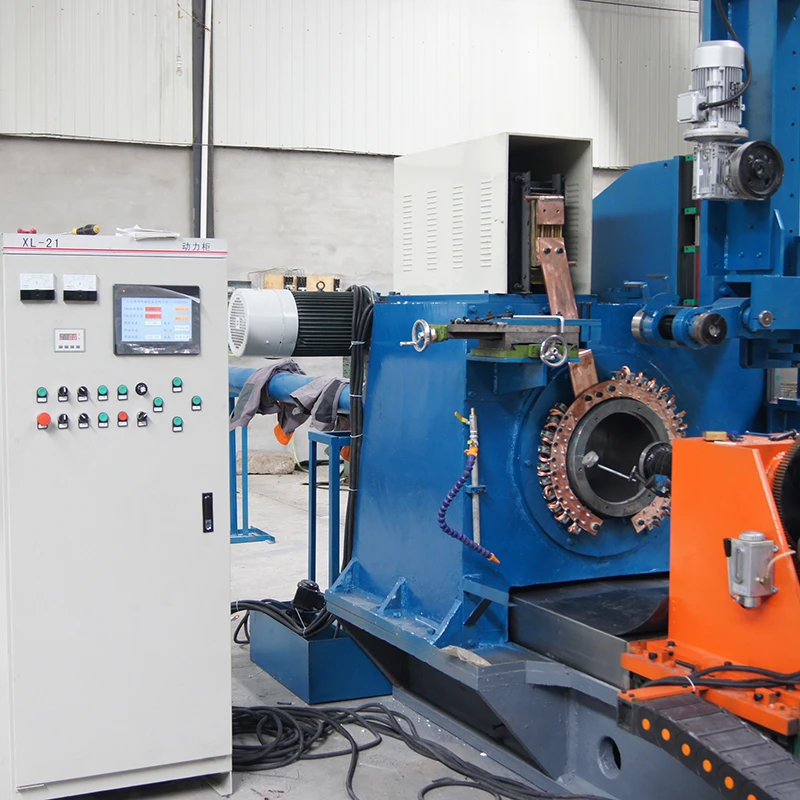
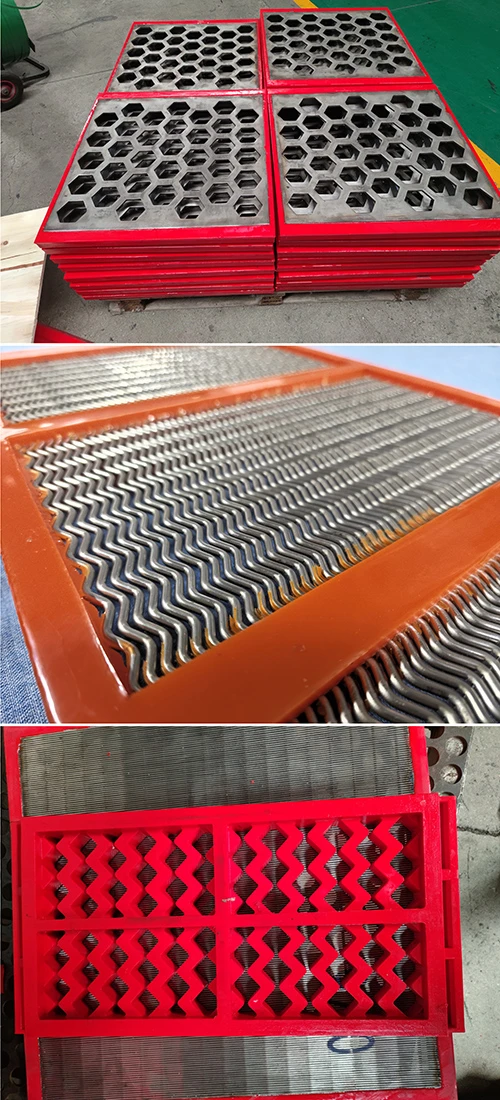
The manufacturing process allows precise tailoring of apertures — round, square, slotted, you name it — designed exactly for the target material. This kind of customization is a game-changer for processes needing very particular particle sizes.
Chemical and Weather Resistance
Polyurethane doesn’t just shrug off abrasive minerals; it also stands strong against oils, solvents, and humidity. For outdoor applications or harsh industrial settings, this resilience extends service life and maintains screening efficiency.
Cost Efficiency Over Time
While initially pricier than some metal meshes, polyurethane screens’ longevity and performance consistency make them more economical long-term. I often hear engineers describe them as an “investment” rather than a cost.
Mini Takeaway: Polyurethane screens combine durability, flexibility, and chemical resistance — allowing industries to customize solutions that don’t just filter but optimize entire operations.
Real-World Uses of Polyurethane Screen Across the Globe
When you think about it, these screens quietly support major sectors, sometimes literally sorting out the world’s resources. Here are a few critical applications:
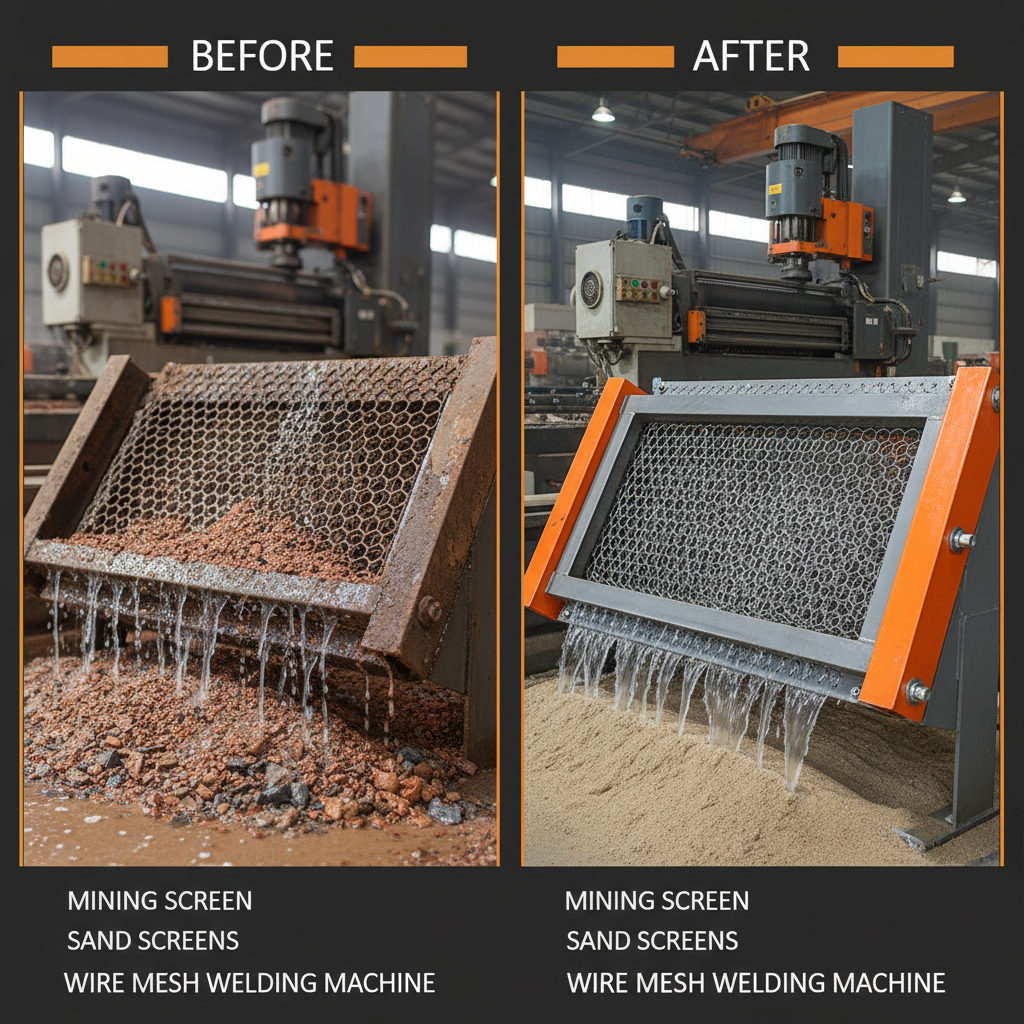
- Mining & Mineral Processing: From South Africa’s gold mines to Australia’s coal fields, polyurethane screens separate valuable ore from waste rock with remarkable precision and durability.
- Food Industry: In Europe and North America, they help sift flour, seeds, and snacks with strict hygiene standards — their easy cleaning and non-corrosive nature being a key advantage.
- Recycling Facilities: In rapidly developing countries like India and Brazil, these screens sort plastics, metals, and organic waste, improving recycling rates and reducing landfill pressures.
- Construction & Quarrying: They separate aggregates and sand, crucial for producing concrete and asphalt, ensuring material consistency.
- Environmental Remediation: Special projects, such as cleaning contaminated soils or tailings ponds, often use polyurethane screens to separate fine pollutants efficiently.
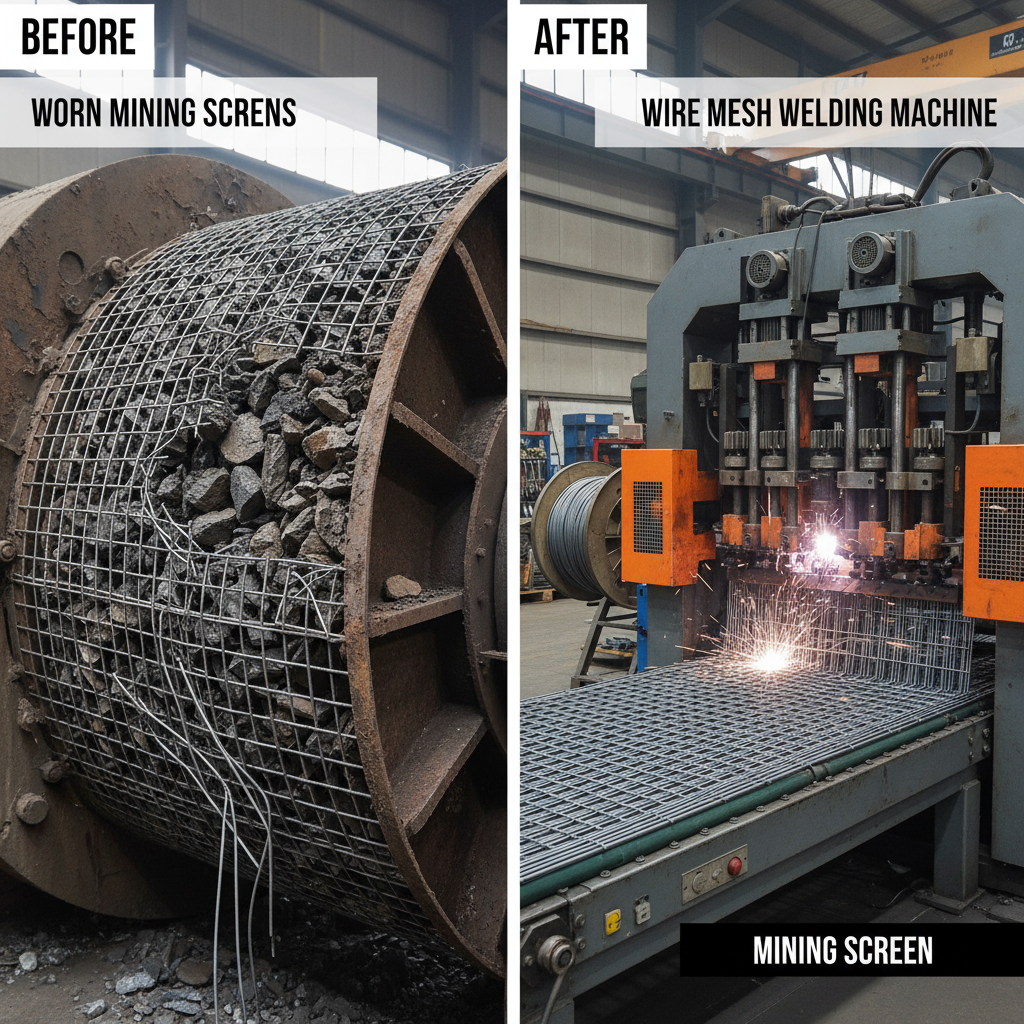
One case I recall: a remote mining operation in Canada replaced its worn steel screens with polyurethane equivalents and saw a 30% uptick in uptime, saving thousands in maintenance costs almost immediately.
Advantages & Lasting Value of Polyurethane Screen Solutions
Why so many companies keep switching? Beyond the technical specs, the benefits hit logical and emotional notes:
- Cost-saving and Sustainability: Less downtime, fewer replacements, and increased throughput lower environmental impacts and boost margins.
- Reliability & Safety: The reduced risk of screen failure means safer working conditions and trusted product quality.
- Innovation & Adaptability: Their flexibility in design supports continuous innovation, helping industries evolve with changing needs.
- Social Impact: Especially in humanitarian or developing regions, efficient screening can mean faster access to clean water or reliable food processing — improving dignity and health.
Looking Forward: Trends and Innovations in Polyurethane Screen
Honestly, the future is bright. Two trends stand out:
- Green and Bio-Based Polyurethanes: Companies are developing eco-friendlier raw materials that break down easier or reduce carbon footprint. Wikipedia has some fascinating insights on this transition.
- Smart Screening Solutions: Integration of sensors and digital monitoring to predict wear or clogging, enabling predictive maintenance and reducing downtime drastically.
Plus, additive manufacturing (3D printing) of screening components could lead to rapid production and fully bespoke screens tailored on site. Imagine ordering your exact screen and having it ready within hours in the future.
Common Challenges and How Experts Tackle Them
Not everything is perfect. Polyurethane screens can be prone to UV degradation if badly formulated, and in extremely high-temperature settings, they may soften or lose shape.
However, advances in material chemistry help. Adding UV stabilizers and heat-resistant compounds, or combining polyurethane with metal supports, extends life even in tough scenarios. Also, correct installation and maintenance routines are emphasized to optimize lifespan.
I’ve seen some companies adopt a hybrid approach: use metal screens for coarse screening upfront, then polyurethane screens downstream for fine, delicate separation — the best of both worlds.
Practical FAQs About Polyurethane Screen
- How does polyurethane compare to metal screens in mining?
- Polyurethane offers superior abrasion resistance and flexibility, reducing breaks and downtime in tough mining environments. Metal screens usually wear faster and require more frequent replacement.
- Can polyurethane screens be customized for specific particle sizes?
- Absolutely. One of their biggest advantages is customizable aperture shapes and sizes — crucial to achieving precise separation and meeting unique process needs.
- Are polyurethane screens eco-friendly?
- They last longer, reducing waste, and newer bio-based formulations enhance environmental friendliness. However, disposal and recycling require care to avoid microplastic issues.
- What industries benefit most from polyurethane screens?
- Mining, recycling, food production, quarrying, and environmental remediation are prime beneficiaries, but their use is expanding as technologies improve.
- How do I get polyurethane screens that fit my machines?
- Working with experienced manufacturers ensures proper sizing and material choice. Many vendors offer custom engineering solutions — visit polyurethane screen suppliers to explore options.
Product Specification Table
| Specification | Details |
|---|---|
| Material | Polyurethane Elastomer (Thermoplastic) |
| Aperture Sizes | 0.5 mm to 50 mm (customizable) |
| Thickness | 3 mm to 25 mm |
| Temperature Tolerance | -40°C to 80°C (enhanced grades up to 120°C) |
| Abrasion Resistance | Excellent; up to 20x metal mesh lifespan |
| Chemical Resistance | Resistant to oils, solvents, mild acids and alkalis |
Vendor Comparison Table
| Vendor | Customization Options | Typical Lead Time | Notable Strength | Price Range |
|---|---|---|---|---|
| PolyScreen Inc. | High (slot size, shape, thickness) | 2-3 weeks | Advanced abrasion resistance tech | $$$ |
| ScreenTech Solutions | Medium (standard sizes, some customization) | 1-2 weeks | Fast delivery and responsive support | $$ |
| EcoPoly Screens | High (eco-friendly materials, custom design) | 3-4 weeks | Sustainability focus and bio-based options | $$$ |
Wrapping It Up: The Lasting Impact of Polyurethane Screens
In the end, polyurethane screens have quietly but firmly established themselves as a must-have solution for industries looking to combine efficiency with durability and flexibility. Their ability to tailor solutions, withstand harsh conditions, and reduce costs over time means they’re not just a short-term fix — they’re a long-term partner for operational success.
Whether you’re in mining, food production, waste recycling, or beyond, understanding this screen technology opens doors to better performance and sustainability. If you want to learn more or find custom solutions for your operation, be sure to check out polyurethane screen specialists.
Feel free to come back here anytime for updates — the future of screening is evolving, and it’s kind of exciting to watch.