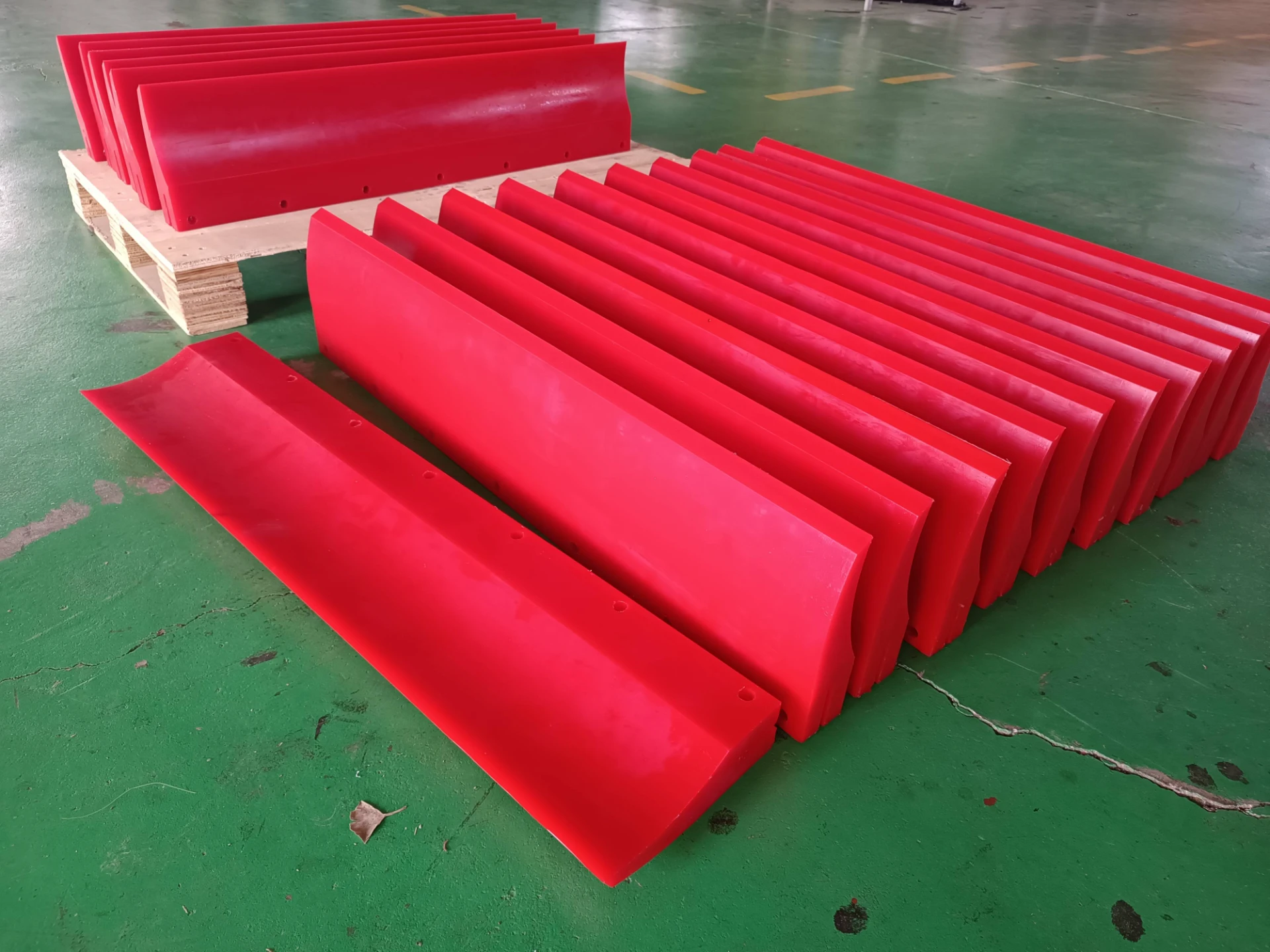
Understanding the Polyurethane Sieve Plate: Why It Matters Worldwide
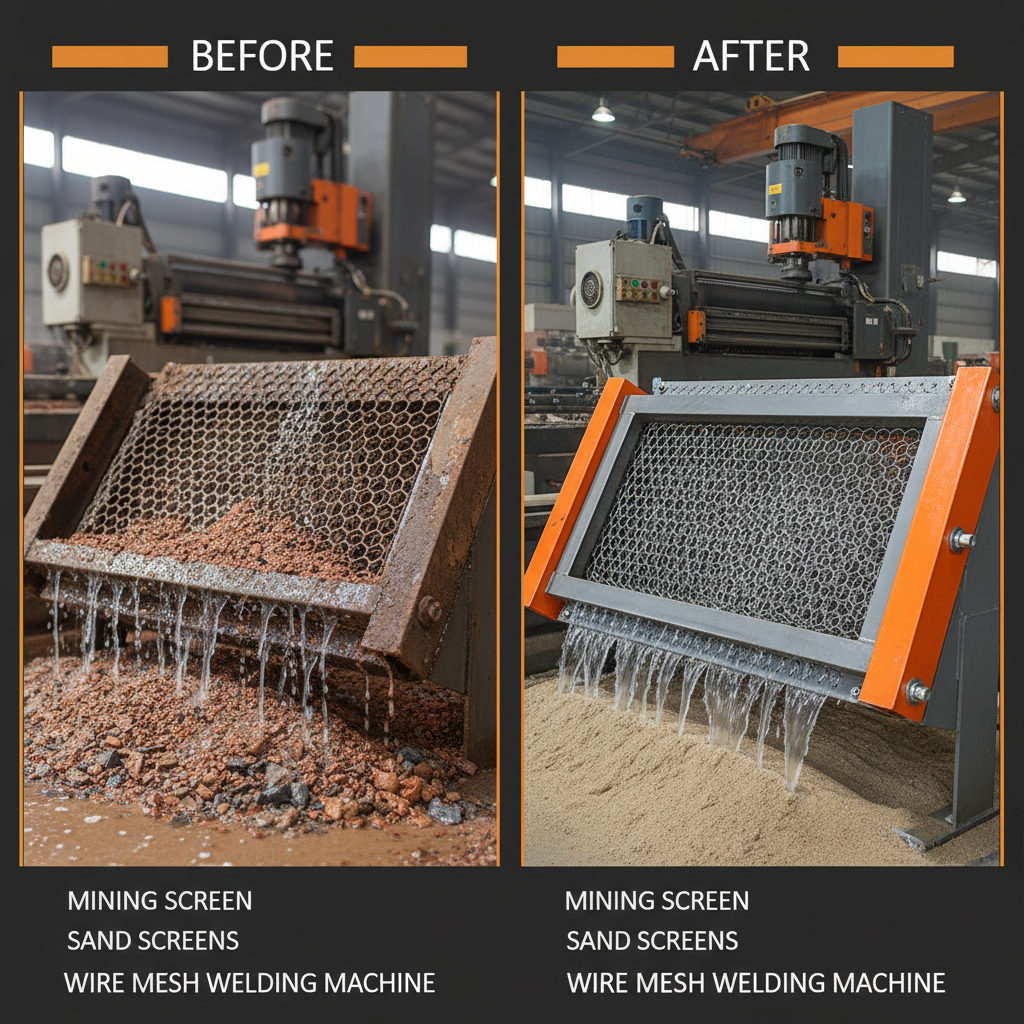
Polyurethane sieve plates might not be a household name, but their impact quietly stretches across industries and continents. At their core, these are specialized components designed to filter, separate, or strain materials in various processing settings — think water treatment, chemical manufacturing, and pharmaceuticals. The global importance? Well, as we push for cleaner resources, more efficient production, and smarter infrastructure, the right materials and technologies become pivotal. Polyurethane sieve plates offer a unique blend of durability and flexibility, helping industries reduce waste and improve quality control.
In an increasingly resource-conscious and regulated world, understanding such tools means more than just technical know-how — it's about enabling sustainability and innovation on a big scale.
Global Relevance: How Polyurethane Sieve Plates Fit Into the Industry Puzzle
To truly appreciate polyurethane sieve plates, you have to zoom out to the broader industrial landscape. According to the International Organization for Standardization (ISO), manufacturing output worldwide has grown steadily, demanding more precise and scalable filtration methods (ISO). Meanwhile, the United Nations has highlighted water pollution management as a critical global challenge, with millions lacking access to clean water (UN Water Report).
Enter polyurethane sieve plates. They help industries effectively separate particles and contaminants in fluids, making processes cleaner and more efficient. The challenge they address, in real terms, is the difficult balance between filtering precision and durability under harsh conditions. Many traditional sieve materials struggle to last or fall short in chemical resistance.
What Exactly Is a Polyurethane Sieve Plate?
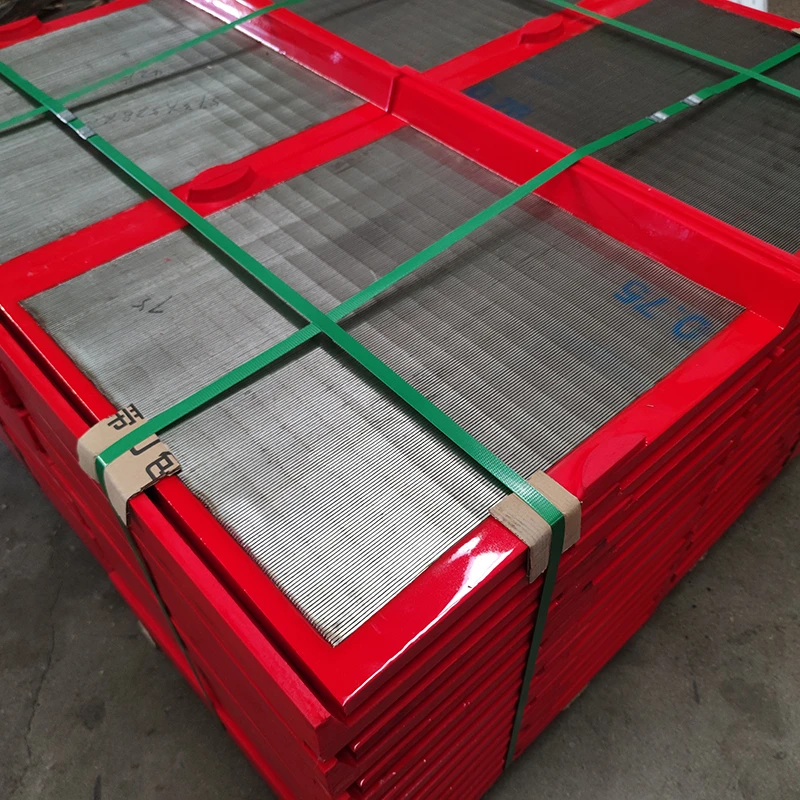
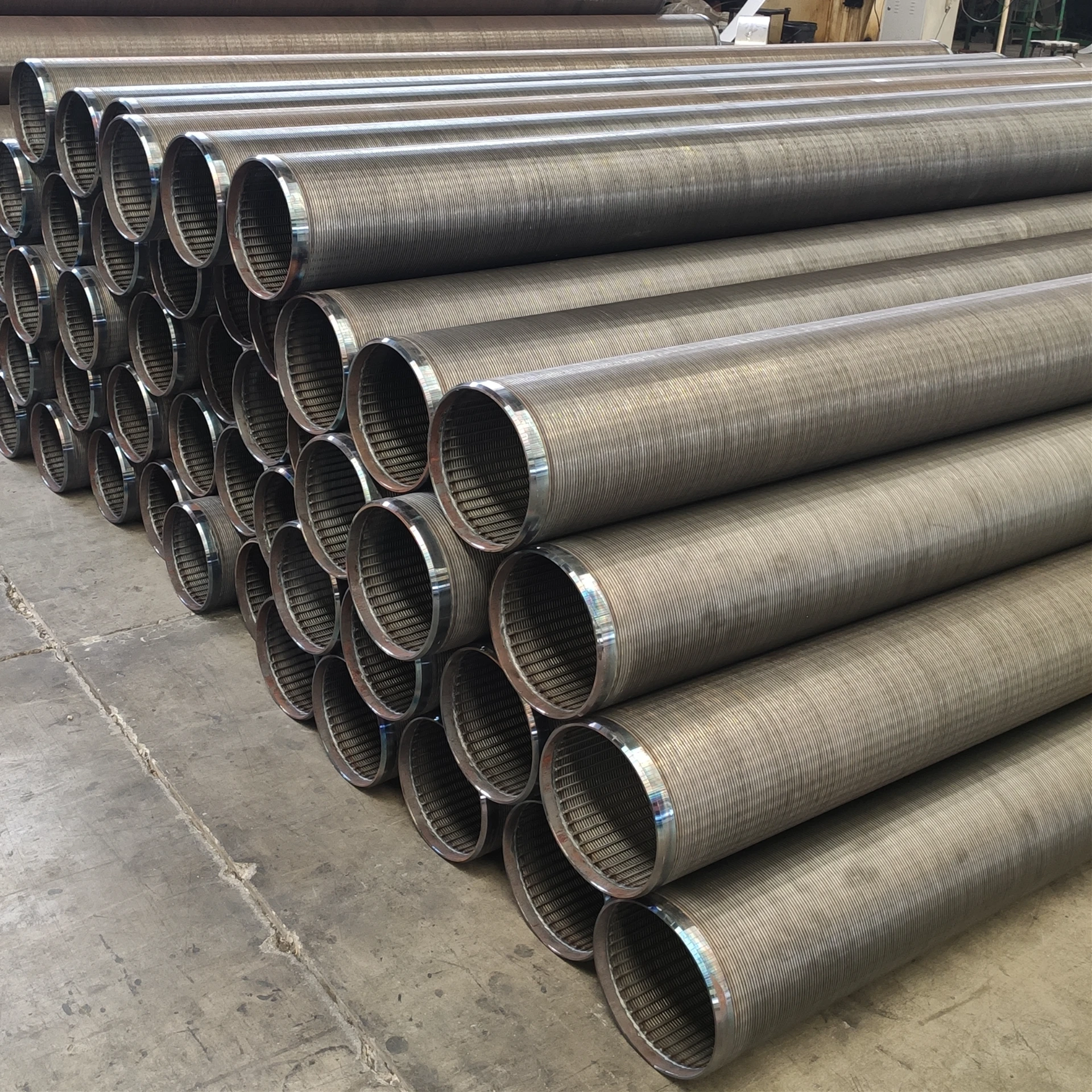
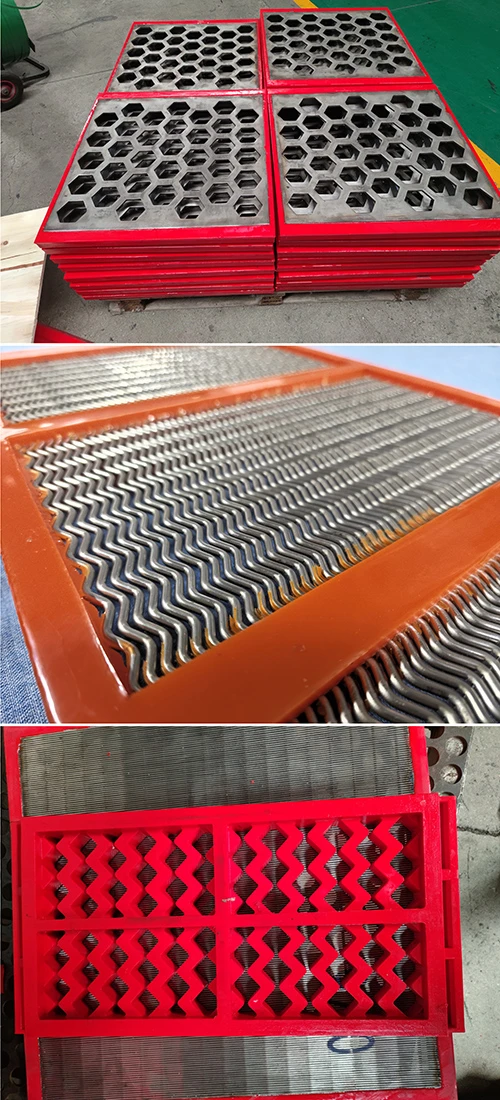
In simple terms, a polyurethane sieve plate is a flat or curved panel embedded with a network of small, evenly spaced slots or holes, made from polyurethane — a versatile and robust polymer. Unlike metal meshes or ceramic filters, these plates bring elasticity along with toughness, meaning they withstand impact and chemical exposure while keeping their shape.
Industries from wastewater treatment plants to food processing rely on them to separate solids from liquids efficiently, reducing downtime and maintenance.
Mini Takeaway:
- Polyurethane sieve plates combine flexibility and strength to enable effective filtration.
- They tackle common issues in separation tasks across demanding industries.
Core Components & Key Attributes
1. Durability
Polyurethane naturally resists abrasion, chemical corrosion, and tearing. Many engineers I’ve spoken with highlight this material's resilience as a game-changer, especially in environments where metals corrode or ceramics shatter too easily.
2. Chemical Compatibility
Thanks to their chemical inertness, polyurethane sieve plates maintain integrity when exposed to acids, alkalis, or solvents—crucial for chemical and pharmaceutical sectors.
3. Customizable Pore Size & Design
Depending on the filtration requirements, the size and pattern of perforations can be precisely engineered. This comes in handy when filtering different particle sizes or adapting to system pressures.
4. Ease of Maintenance
Polyurethane’s flexible nature allows for easier cleaning — it resists clogging better than many rigid alternatives and can sometimes be cleaned on-site with simple methods, reducing downtime.
5. Cost Efficiency
Although initially sometimes pricier than metal meshes, the longevity and lower replacement frequency of polyurethane sieve plates often reduce total operational costs.
6. Environmental Impact
Interestingly, recent advances make it possible to recycle or safely dispose of used polyurethane components, aligning with sustainability goals.
Mini Takeaway:
- Durability and chemical resistance make polyurethane sieve plates versatile in harsh settings.
- Customization and maintenance ease boost their practical value.
Global Applications & Real-World Use Cases
Now, where do you actually see these sieve plates in action? The answer is everywhere, but here are some highlights:
- Water Treatment Facilities: In regions like Europe and North America, polyurethane plates help filter suspended solids from wastewater, ensuring cleaner discharge.
- Mining Operations: South American and African mines use these plates to separate mineral particles efficiently, improving resource recovery.
- Food & Beverage Industry: In Asia’s booming food processing plants, their flexibility prevents contamination while handling viscous liquids.
- Post-Disaster Relief: Oddly enough, in disaster-hit zones where water purification equipment must be swift, durable sieve plates are lifesavers embedded in mobile filtration units.
- Chemical & Pharmaceutical Manufacturing: High precision filtering in Germany, Japan, and the US ensures product purity.
Mini Takeaway:
- Polyurethane sieve plates provide reliable filtration across diverse industries and geographies.
- They contribute to both operational efficiency and humanitarian efforts.
Comparing Polyurethane Sieve Plate Product Specs
| Feature | Specification | Notes |
|---|---|---|
| Material | Polyurethane (custom grade) | Chemical resistant grades available |
| Thickness | 5-20 mm | Depends on application pressures |
| Pore Size | 0.1 - 5 mm | Customizable |
| Operating Temp | -40°C to 90°C | Stable under most industrial conditions |
| Service Life | 3-10 years | Varies by environment and maintenance |
Advantages & Long-Term Value of Polyurethane Sieve Plates
From a practical standpoint, their durability slashes replacement frequency, easing budgets in the long run. But beyond dollars, think about the safety factor: cleaner water means healthier communities; reliable chemical filtering reduces hazardous exposure. There's a growing sense that these plates embody a quiet innovation — one that supports dignity and trust in industries that affect daily life.
I’ve heard plant managers say they finally sleep better at night, knowing their filtration systems won’t suddenly fail or cause contamination. In the end, that peace of mind is invaluable.
Looking Ahead: Future Trends in Polyurethane Sieve Plate Technology
One exciting development is incorporating nanotechnology coatings that prevent biofouling — bacteria buildup that clogs sieves. Also, polyurethane formulations adapted for greater heat tolerance are in the pipeline as industries push for greener, higher-efficiency processes.
Automation and real-time sensor integration are also reshaping filtration, meaning sieve plates might soon communicate their status digitally, flagging when cleaning or replacement is due. polyurethane sieve plate innovations don’t exactly grab headlines but are quietly steering industries toward sustainable futures.
Overcoming Challenges: Limitations & Innovative Solutions
Of course, no solution is perfect. Polyurethane can degrade under extreme UV or prolonged exposure to certain harsh chemicals. But manufacturers are addressing this by blending additives and co-polymer formulations for enhanced resistance.
Another hurdle: sizing and fitting bespoke plates can be tricky — but newer CNC machining and 3D printing techniques let engineers prototype rapidly, cutting lead times.
Frequently Asked Questions About Polyurethane Sieve Plates
- Q1: How does polyurethane compare to metal sieve plates in harsh chemical environments?
- A1: Polyurethane sieve plates offer superior chemical resistance in many cases, especially against acids and alkalis, where metals might corrode or weaken. Plus, their flexibility prevents cracking under impact.
- Q2: Can polyurethane sieve plates be customized for specific filtration needs?
- A2: Absolutely. One of their strengths is customizable pore size and pattern, tailored to particle sizes and flow rates required by different industries.
- Q3: What maintenance is required to keep polyurethane sieve plates functional?
- A3: Typically, regular cleaning to avoid clogging, inspection for any abrasions or tears, and monitoring operating conditions to avoid exceeding temperature or chemical limits.
- Q4: Are these sieve plates environmentally friendly?
- A4: Modern polyurethane grades can be recycled or safely disposed of; plus, their long service life reduces waste generation compared to traditional materials.
- Q5: Where can I find reliable suppliers of polyurethane sieve plates?
- A5: Several manufacturers specialize in these plates. It’s important to compare based on quality certifications, customization options, and lead times. See the table below for a rough comparison.
Vendor Comparison: Leading Polyurethane Sieve Plate Suppliers
| Vendor | Customization | Lead Time | Certifications | Price Range |
|---|---|---|---|---|
| Mutoscreen Inc. | High (custom pore sizes & thickness) | 2–4 weeks | ISO 9001, RoHS | Mid to High |
| FilterTech Solutions | Medium | 3–5 weeks | ISO 14001 | Mid |
| PureFilter Systems | Low (standard sizes only) | 1–3 weeks | ISO 9001 | Low |
Conclusion: Why Polyurethane Sieve Plates Are a Smart Long-Term Investment
So, what’s the big deal with polyurethane sieve plates? They blend performance with reliability and sustainability, answering a complex set of industry demands. From helping reduce water contaminants globally to improving production quality in pharmaceuticals, these components quietly support many of the systems we take for granted.
Thinking ahead, investing in them means embracing a resilient, adaptable technology that keeps pace with industrial innovation and environmental responsibility.
If you’re intrigued and want to know more or source high-quality polyurethane sieve plates, visit https://www.mutoscreen.com and explore how they’re shaping the future of filtration.
Final Thought
In many ways, polyurethane sieve plates are unsung heroes — the kind of tech you don’t notice until it’s not there. Keeping an eye on innovations in this niche might just pay off in unexpected ways.