What Exactly Is a Self Cleaning Screen Mesh and Why Should You Care?
In a world that’s increasingly leaning into automation and efficiency, materials that minimize downtime and maintenance are more valuable than ever. Among these, self cleaning screen mesh stands out—not just a nifty product name, but a serious innovation with global significance. Whether in industrial plants, water treatment facilities, or even post-disaster relief, this technology helps keep apertures clear of blockages without constant human intervention.
Understanding how this mesh works can save industries millions in maintenance costs, improve sustainability, and enhance operational reliability worldwide. Oddly enough, it’s one of those behind-the-scenes heroes that quietly boosts productivity and safety.
The Global Context: Why Self Cleaning Screen Mesh Matters
Let me set the scene: globally, industries spent billions on filter and screen maintenance yearly, according to the International Organization for Standardization (ISO). Problems like clogging, corrosion, and manual cleaning not only cause delays but also risk worker safety. In water-scarce regions or disaster-stricken zones, maintaining clean water flow and filtration is critical — and that’s exactly where these mesh solutions shine.
For example, the World Bank estimates that 2.1 billion people worldwide lack access to safe, treated water, highlighting a bottleneck in filtration technology and infrastructure. Solutions like self cleaning screen mesh have the potential to reduce these challenges by ensuring continuous filtration without frequent manual cleaning.
Simply put, self cleaning screen mesh is bridging gaps — between downtime and uptime, contamination and purity, inefficiency and innovation.
Defining Self Cleaning Screen Mesh: What’s Under the Hood?
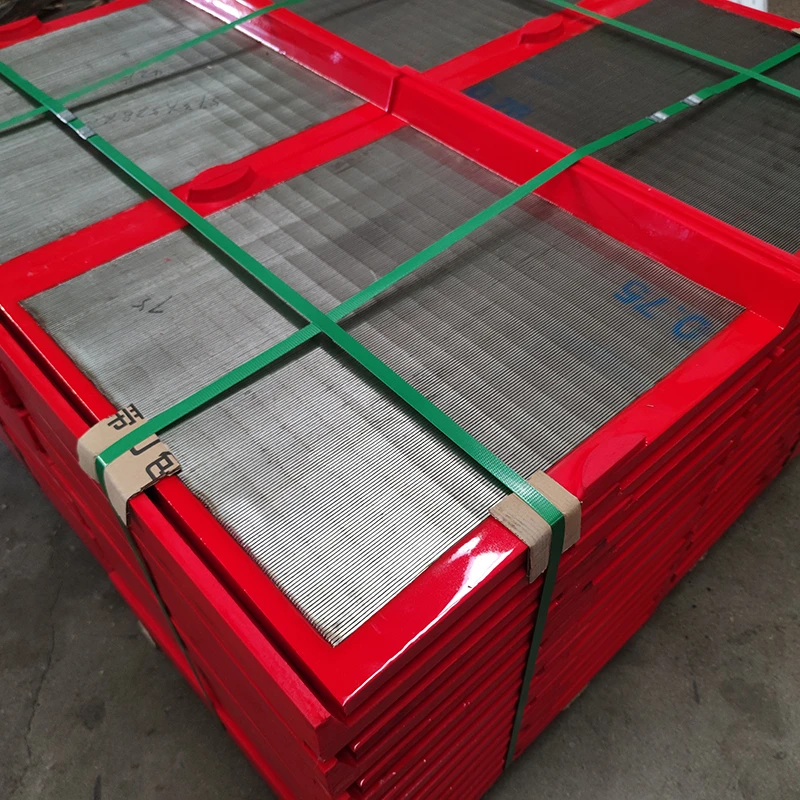
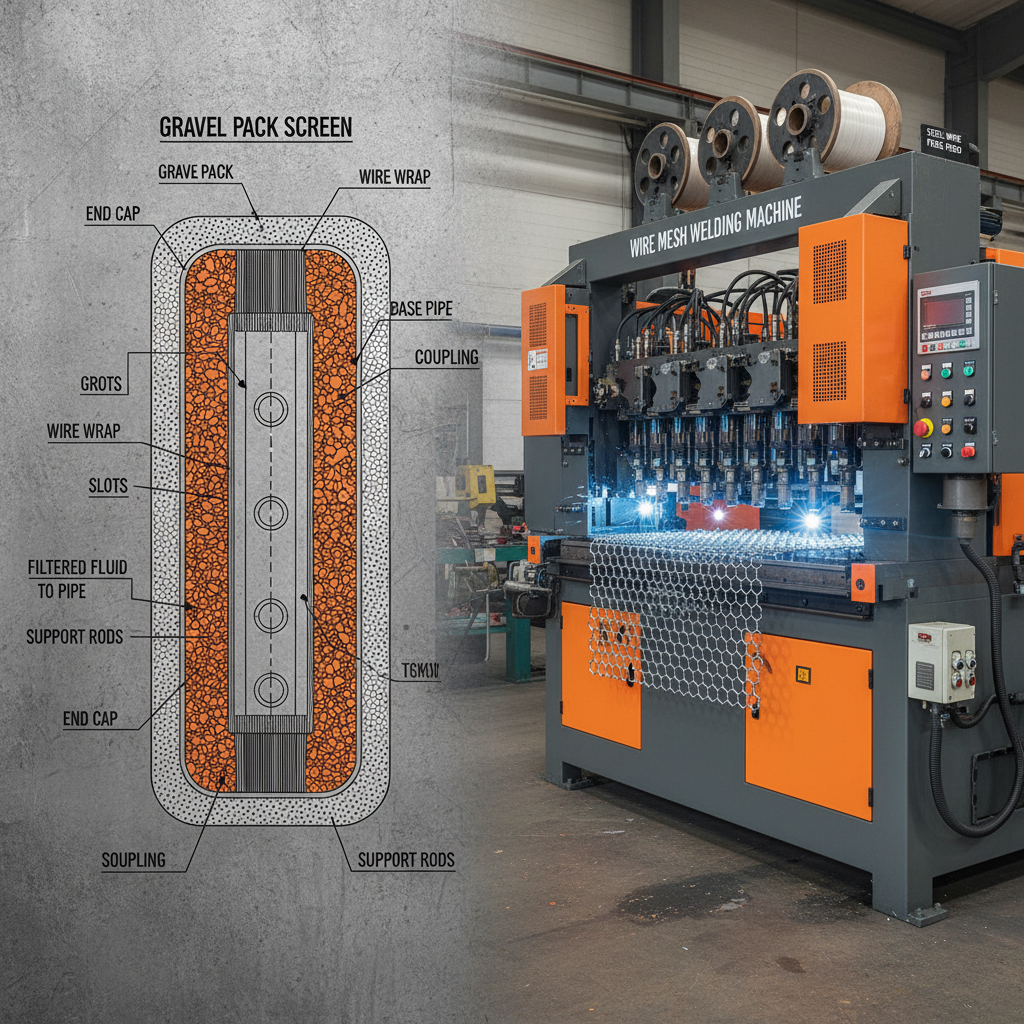
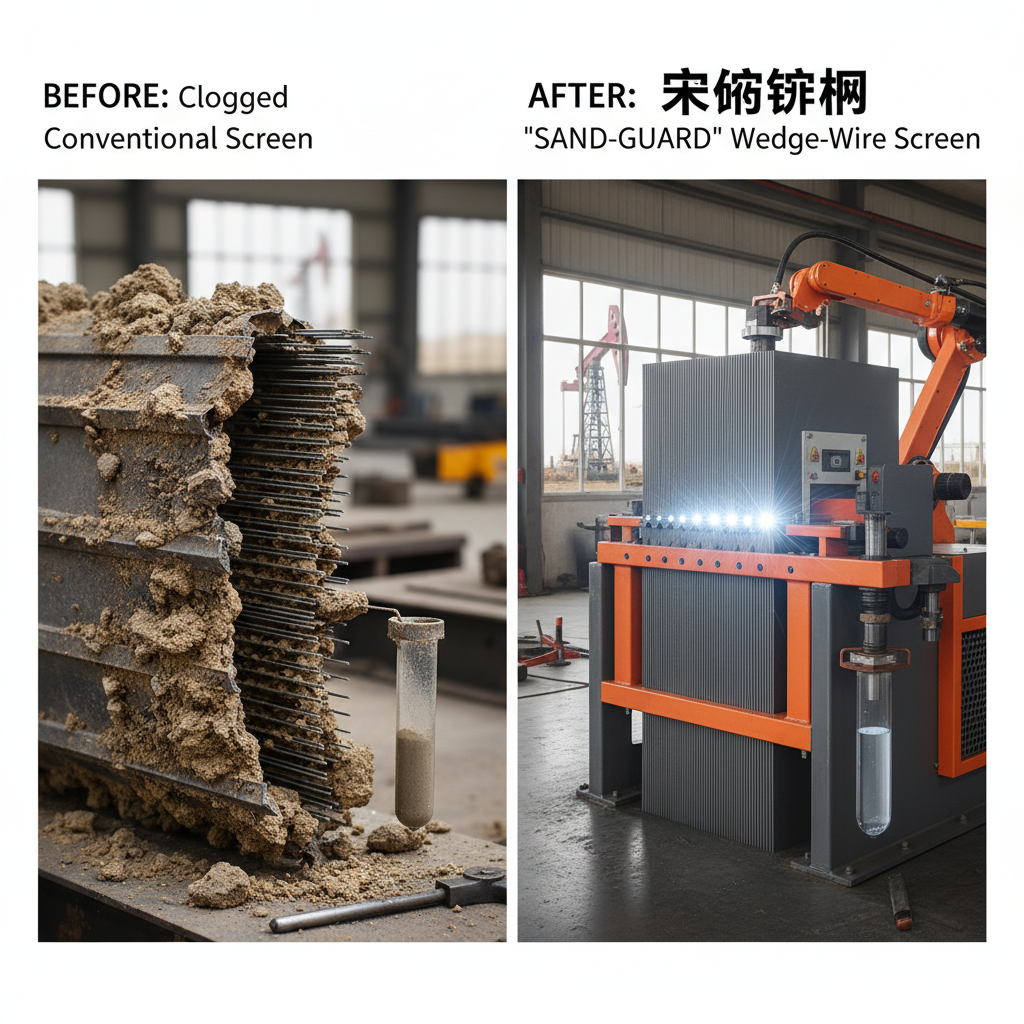
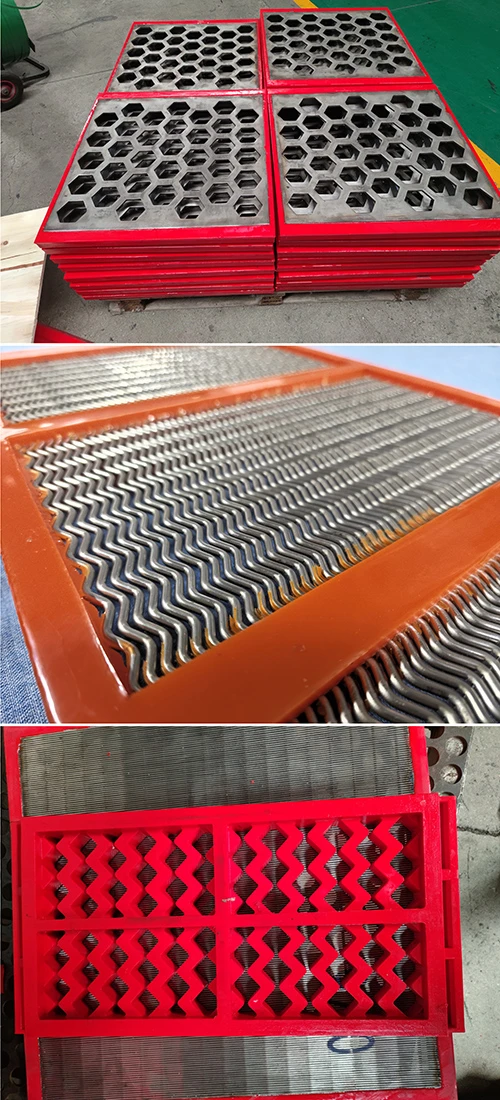
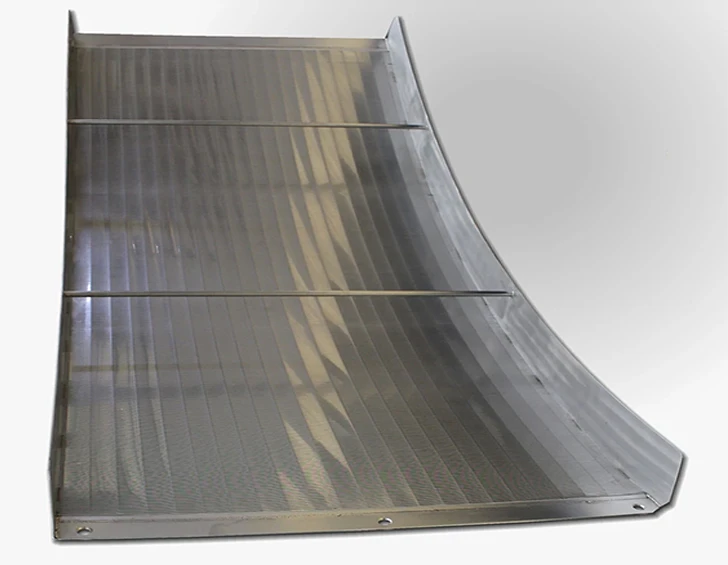
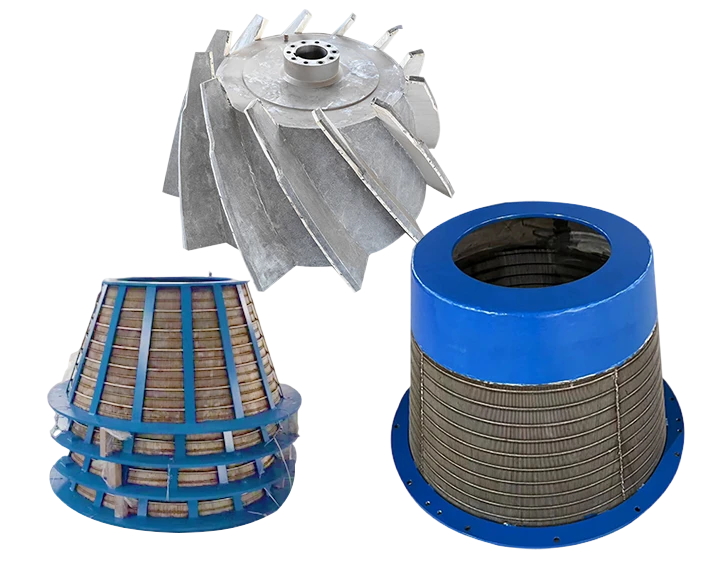
If you’re picturing a regular screen with tiny holes, guess again. Self cleaning screen mesh is essentially a high-tech filtering material with engineered surfaces or mechanical systems that prevent debris or particles from clinging to it. This can be achieved through:
- Special coatings that repel particles
- Vibratory or mechanical motions integrated into the meshframe
- Innovative weave patterns that minimize clogging
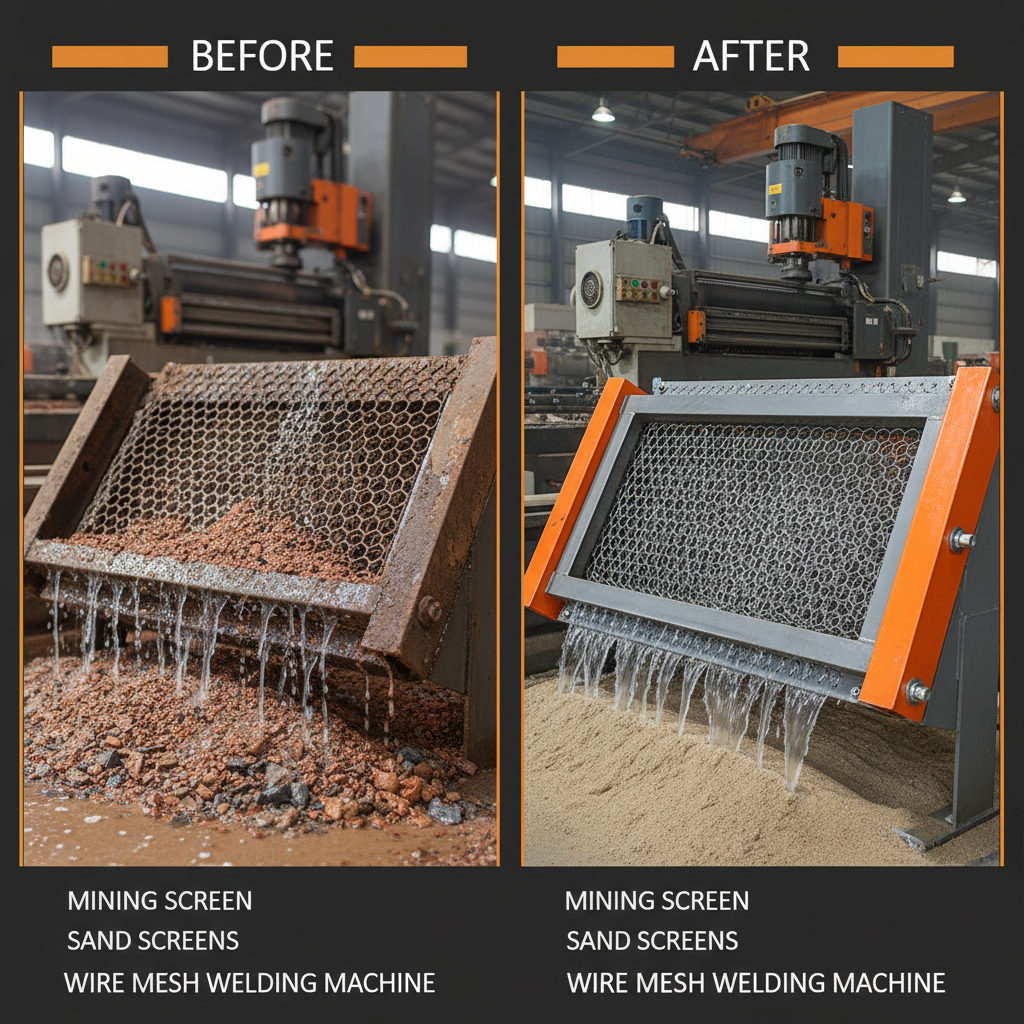
By reducing maintenance needs, it supports continuous operation, especially in harsh or remote environments. Think of it as a screen that doesn’t need hand-washing every week.
Key Features That Make This Mesh Tick
1. Durability
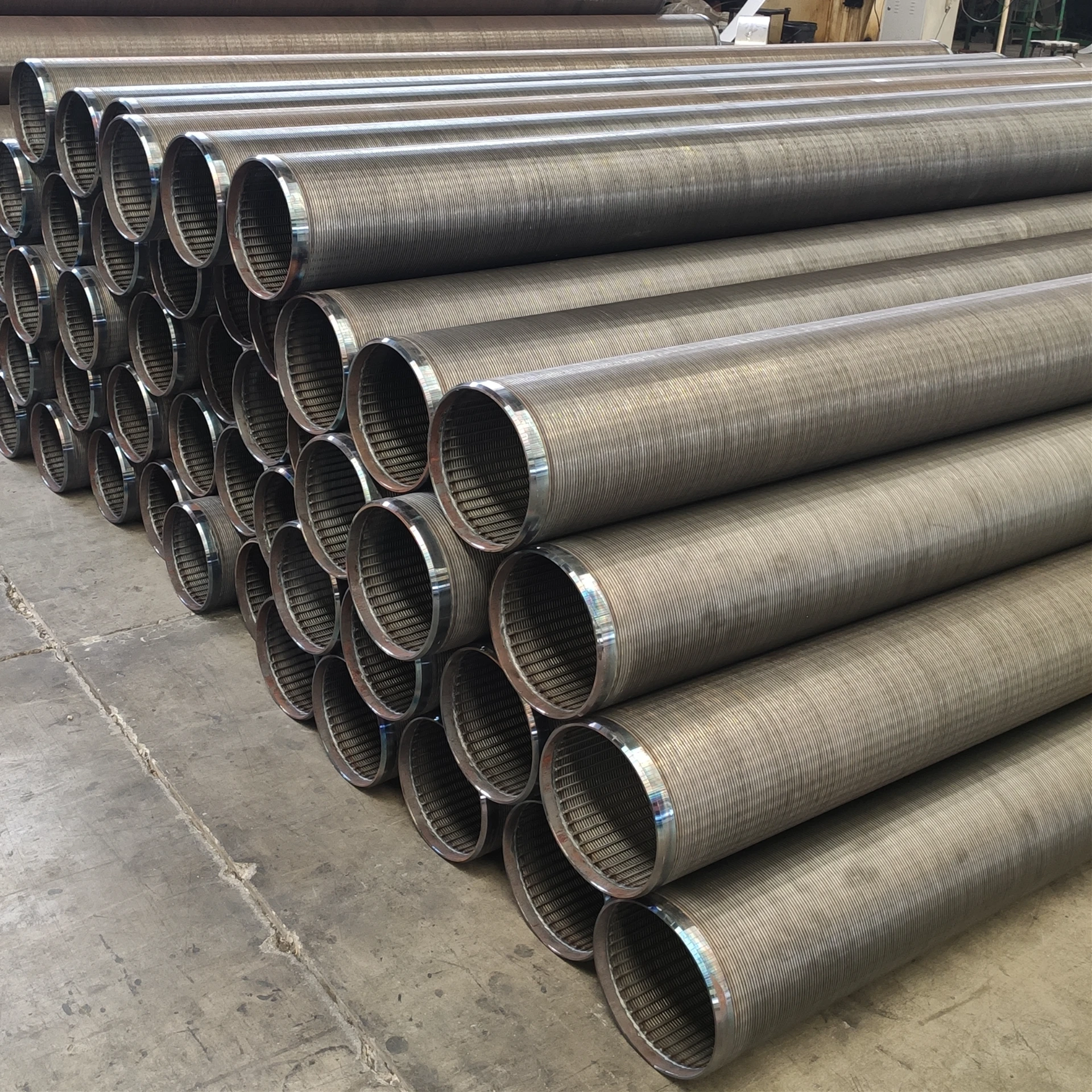
This is no lightweight, draping fabric. Most self cleaning meshes are crafted from stainless steel, polymer blends, or even composite materials designed to resist corrosion, UV exposure, and physical abrasion. Durability ensures the mesh stays effective over time, which is crucial for industries where changing screens means downtime measured in days or even weeks.
2. Effective Self Cleaning Mechanism
Here you find the heart of the technology. Some meshes rely on passive techniques, like hydrophobic coatings that naturally repel particles; others use automated brushes or vibration motors integrated with the frame to shake debris free.
3. Scalability & Customization
Because different industries and applications need different mesh sizes, materials, and cleaning intervals, most vendors offer customizable options. Small portable units for fieldwork coexist with massive stationary screens for municipal water treatment plants.
4. Cost Efficiency Over Time
Upfront costs might be higher compared to basic screens, but the long-term savings in labor, downtime, and replacement parts usually tip the scale in favor of self cleaning solutions.
5. Easy Integration
The best meshes can be retrofitted without changing existing filter housings or pump settings. For companies, this reduces the barrier to adoption.
Where in the World Does Self Cleaning Screen Mesh Make a Difference?
Numerous sectors and regions are already enjoying the benefits. In water treatment plants across Europe and North America, the mesh keeps screens clog-free, dramatically reducing maintenance staff hours.
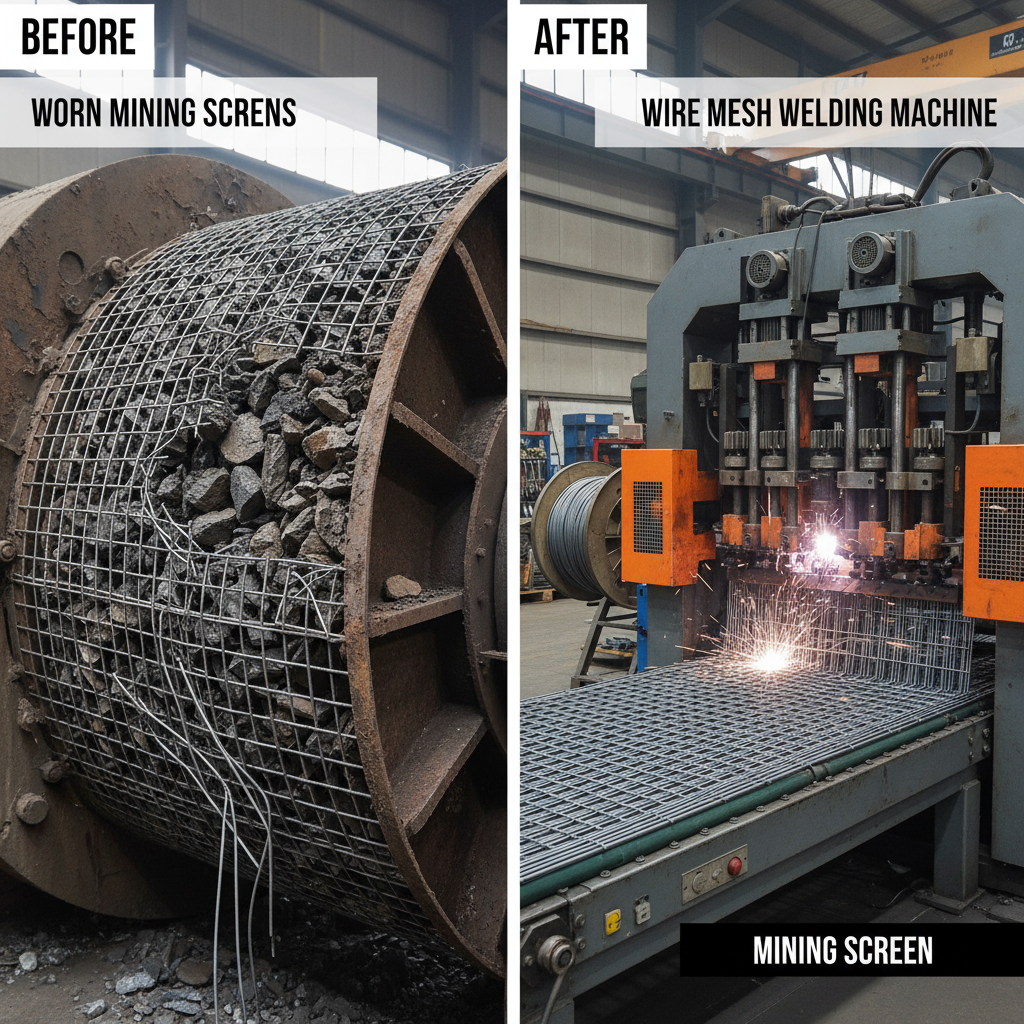
In Southeast Asia, where frequent flooding and sediment loads create massive filtration challenges, NGOs use self cleaning screen mesh in water purification setups during disaster relief. Similarly, mining operations in Australia and South America employ these meshes to separate solids from liquids efficiently, ensuring process continuity.
Furthermore, agricultural irrigation systems in arid regions like parts of Africa depend on these meshes to keep filters clean, enabling consistent water flow with minimal operator intervention.
Industries ranging from food production to petrochemical processing find this technology helpful—the adaptability is frankly impressive.
What’s In It For You? The Concrete Advantages
- Reduced Maintenance Costs: Less manual cleaning equals fewer labor hours.
- Improved Sustainability: Less downtime means less energy waste and fewer replacement materials.
- Enhanced Safety: Reduces risks for workers who would otherwise perform hazardous cleaning.
- Operational Reliability: Consistent filtration means smoother processes and better product quality.
- Trusted Innovation: Using advanced materials signals a forward-thinking approach.
It’s a win-win; emotionally, operators feel better not wrestling clogged filters during a night shift, and financially, companies enjoy more predictable operations and expenses.
Peeking Ahead: Future Trends in Self Cleaning Screen Mesh Technology
The field isn’t standing still. Some exciting directions include:
- Smart Meshes: Embedded sensors detect clogging early and trigger cleaning cycles automatically.
- Eco-friendly Materials: Biodegradable polymers and coatings reducing environmental impact.
- Green Energy Integration: Solar-powered cleaning mechanisms for off-grid applications.
- Advanced Coatings: Nano-technology based surfaces that repel bacteria and biofilms as well as dirt.
Such innovations promise even less human intervention and more sustainable filtration across multiple sectors.
Every Silver Lining Has Its Cloud: Challenges and Solutions
Despite the clear benefits, challenges remain. Some users report upfront costs and integration difficulties. Environmental factors—extreme temperatures, chemical exposure—can degrade certain coatings faster than expected.
Addressing these issues, vendors are:
- Offering flexible financing and leasing.
- Improving material compositions for harsher conditions.
- Providing detailed installation support.
Frankly, it’s a process of continuous refinement, but the trajectory feels promising.
Product Specification: A Typical Self Cleaning Screen Mesh Model
| Specification | Details |
|---|---|
| Material | 316 Stainless Steel with Hydrophobic Coating |
| Mesh Aperture Size | 100 microns (customizable) |
| Cleaning Mechanism | Integrated Vibratory Motor (programmable intervals) |
| Operating Temperature | -20°C to 150°C |
| Lifespan | Up to 7 years under normal conditions |
| Integration | Fits standard filter frames; custom sizing available |
Vendor Comparison: Picking the Right Partner Matters
| Feature | Vendor A | Vendor B | Vendor C |
|---|---|---|---|
| Material Options | Stainless Steel, Polymer | Stainless Steel only | Composite blends |
| Cleaning Method | Vibratory motor + coating | Hydrophobic coating only | Brush system + sensors |
| Customization | Yes, full range | Limited | Moderate |
| Price Range | $$$ | $$ | $$$$ |
| Warranty | 5 years | 3 years | 7 years |
| Notable Clients | Water utilities, Mining | Food & beverage | Chemical plants, NGOs |
Frequently Asked Questions About Self Cleaning Screen Mesh
Q1: How often does a self cleaning screen mesh really need maintenance?
While these meshes drastically reduce manual cleaning, periodic checks (typically annually) are recommended to ensure mechanical parts or coatings are intact, especially in extreme environments.
Q2: Can self cleaning screen mesh be retrofitted to existing filtration systems?
Most models are designed with retrofitting in mind, fitting standard frames or casings, though measuring and customization might be necessary for an optimal match.
Q3: Are the cleaning mechanisms energy intensive?
Not usually. Vibratory motors or brushes often consume a fraction of the energy used by pumps, and some units can be paired with solar or low-voltage power sources.
Q4: What industries benefit most from this technology?
Water treatment, mining, food processing, agriculture, and disaster relief agencies rely heavily on self cleaning screen mesh to maintain uninterrupted filtration in challenging conditions.
Q5: How does self cleaning mesh contribute to sustainability?
By reducing water waste, minimizing chemical usage for cleaning, and lowering energy consumption linked to downtime, it supports greener and more sustainable industrial operations.
Wrapping Up: Why You Should Consider Self Cleaning Screen Mesh
At the end of the day, self cleaning screen mesh represents a smart marriage of materials science and practical engineering. It eases operational headaches, slices costs, and frankly, makes life just a little better for plant operators and maintenance teams.
Whether you’re running a factory, managing a water works, or heading up a disaster relief effort, this technology deserves a closer look. For those curious to explore options, or keen to dive into specifications, check out self cleaning screen mesh and see what’s possible.
Mini takeaway:
Investing in self cleaning screen mesh today is about future-proofing operations—less manual hassle, more uptime, and a nod toward sustainability. And in a world that won’t slow down, that’s priceless.
References: