The Quiet Revolution: What’s a Self Cleaning Screen and Why Should You Care?
In an increasingly resource-conscious world, technologies that reduce maintenance while bolstering efficiency tend to rise quickly in importance. Among these somewhat unsung heroes is the self cleaning screen — a tool designed to keep filters, filters, and protective meshes clear of debris without constant human intervention. Oddly enough, it matters not just for industry but also in environmental management, water treatment, and humanitarian aid. Understanding this technology means unlocking practical, scalable solutions that save time, money, and sometimes even lives.
Globally, as we push toward sustainability and automation, the role of screens that clean themselves is becoming increasingly pivotal. You might find one lurking invisibly in a high-tech factory or in a remote village’s water system — all designed to keep operations smooth with minimal fuss.
Why the Global Spotlight on Self Cleaning Screens?
Look at the numbers: according to the International Organization for Standardization (ISO), industrial downtime due to clogged or dirty filtration systems can cost billions annually. The World Bank also flags efficient water filtration as critical for sustainable development goals (SDGs). The rise of automated and low-maintenance equipment is thus no accident; it's a necessity.
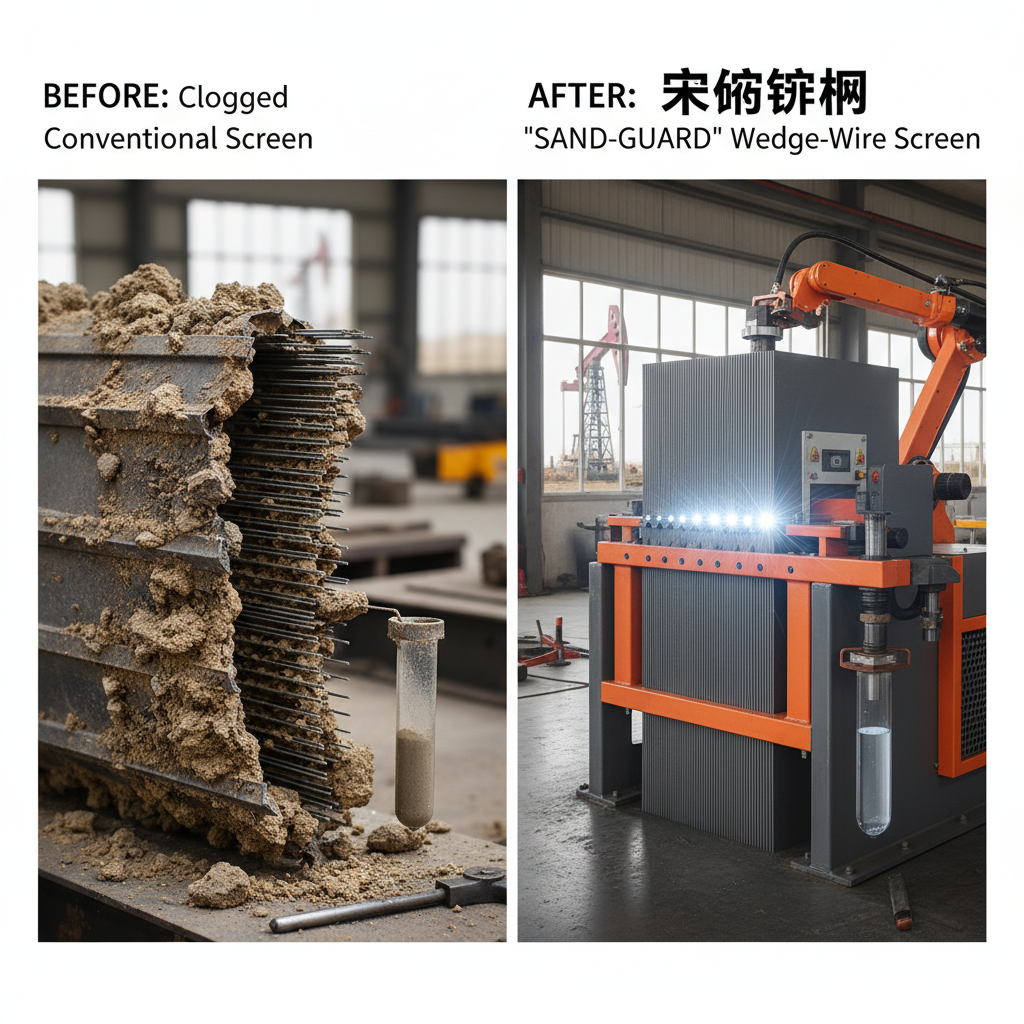
One big problem addressed by self cleaning screens is clogging — a frequent culprit in water treatment plants, irrigation systems, and even air filtration units around the world. In places where manual maintenance is costly or unsafe, this can slow operations or risk contamination. That’s where these screens step in, often allowing operations to keep running without a horde of maintenance workers constantly on call.
What Exactly Is a Self Cleaning Screen?
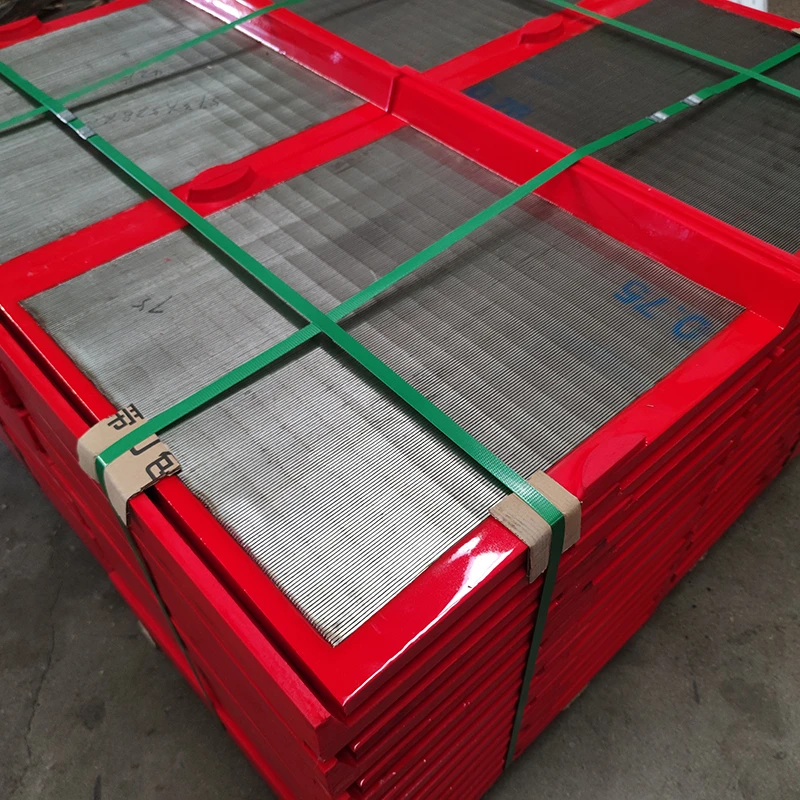
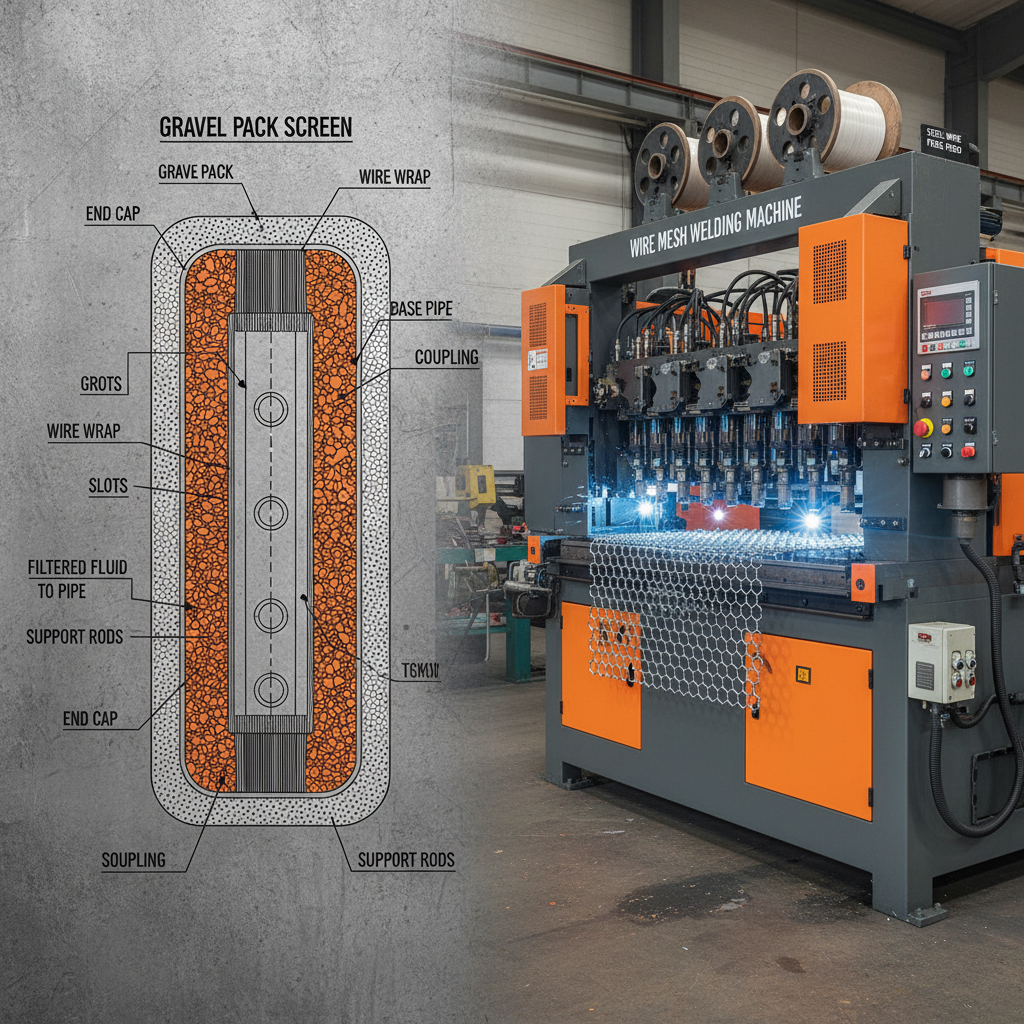
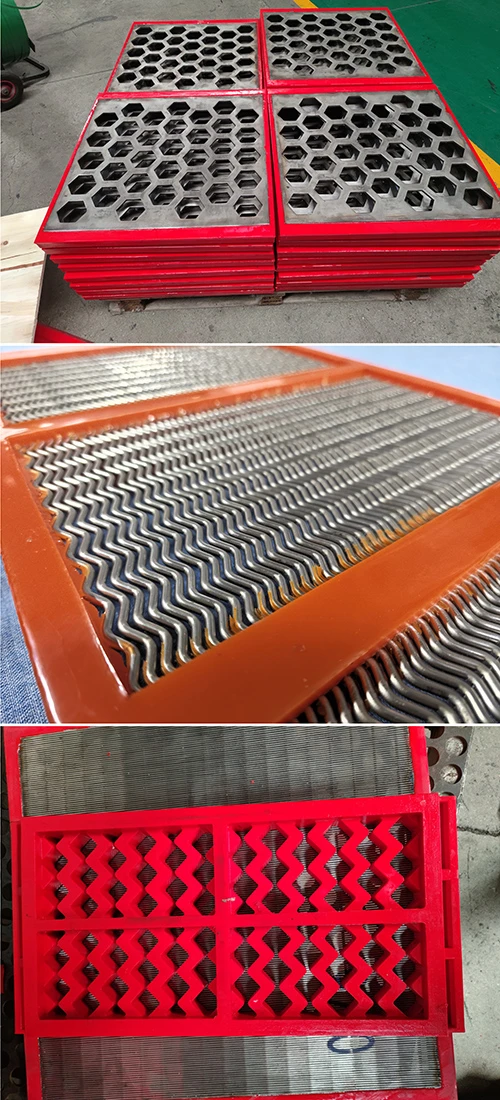
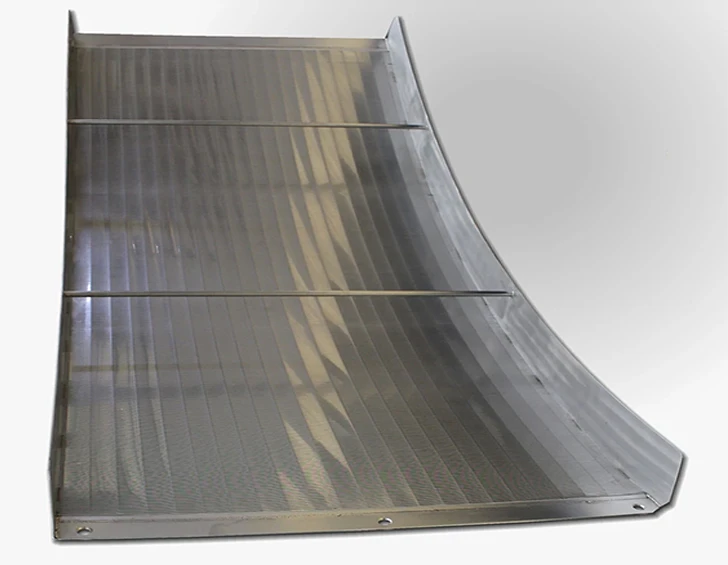
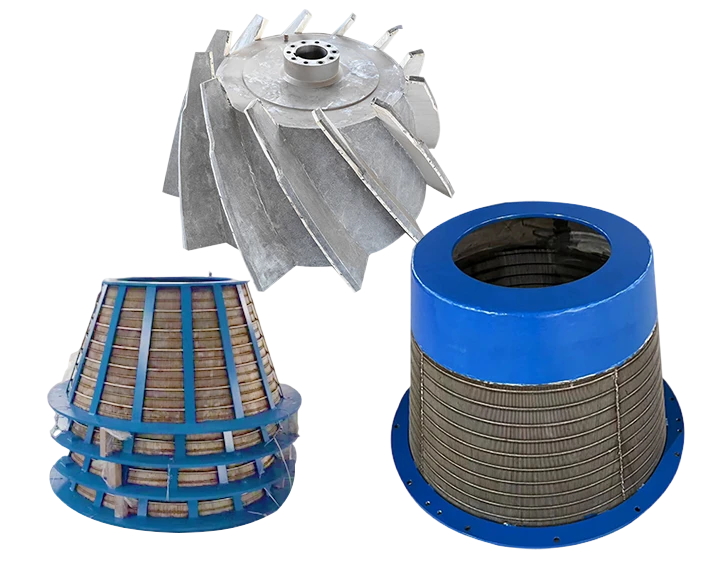
Put simply, a self cleaning screen is a mesh or perforated surface designed to filter particulates from a fluid (water, air, or industrial liquids) that includes a mechanism to clear away trapped debris automatically. This can be mechanical (like brushes or scrapers), hydraulic (backflushing with water or air), or even magnetic.
Industries ranging from wastewater treatment and mining to agriculture and food processing rely heavily on these to keep vital flows uninterrupted. Even humanitarian relief groups appreciate them for water purification in disaster-hit zones. So they're not just fancy factory bits; they're linked to real-world challenges and urgent needs.
Breaking Down the Core Components of Self Cleaning Screens
Durability
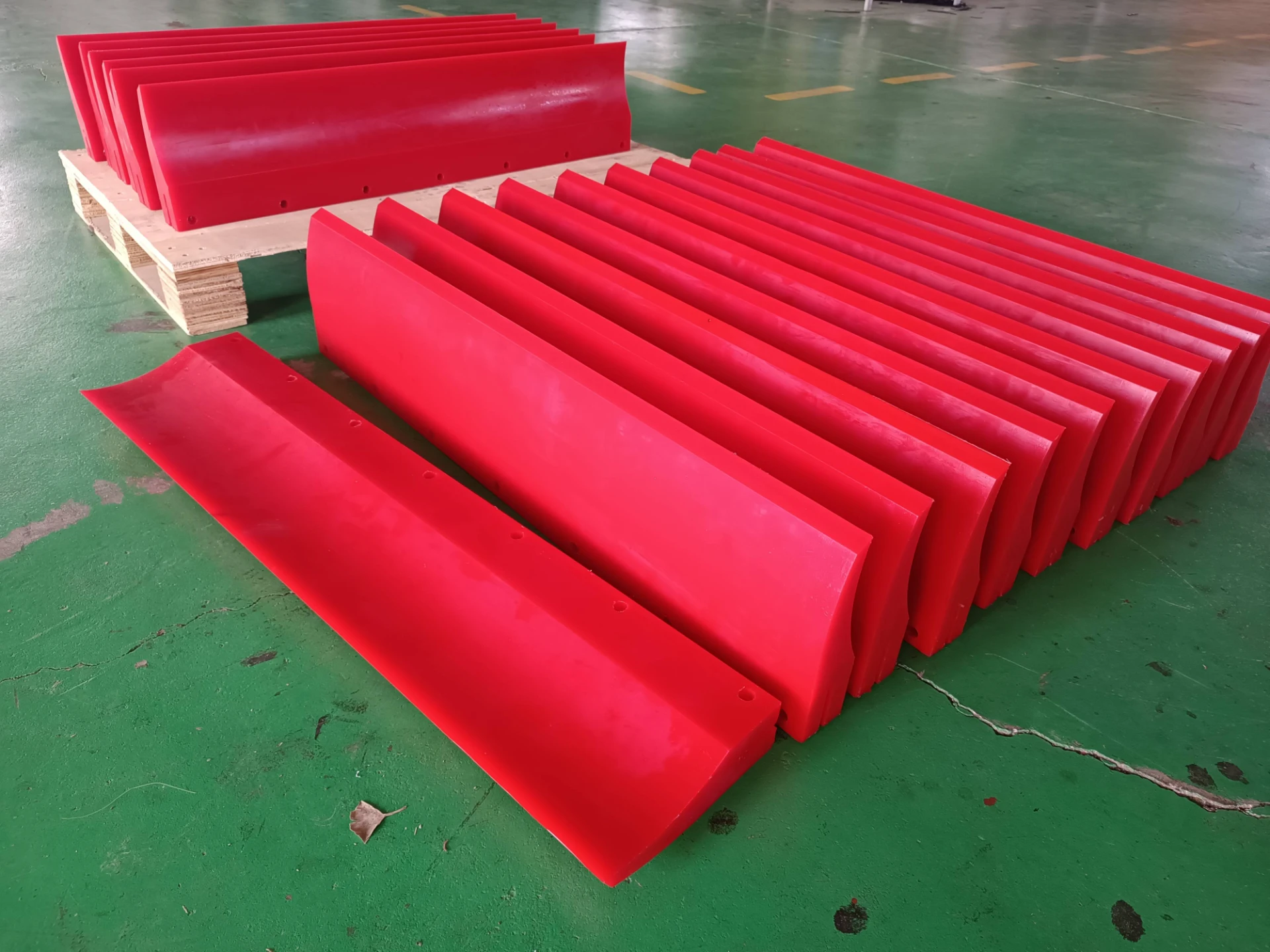
Many engineers say durability is the backbone. Screens face abrasive particles, corrosion, and constant mechanical stress. Manufacturers now use stainless steel, high-grade polymers, or coated alloys to handle harsh environments without frequent breakdowns.
Scalability
These screens aren’t one-size-fits-all. From tiny municipal water filters to massive mining slurry separators, scalable designs ensure customers get tailored solutions. This flexibility is key to adoption in diverse sectors.
Cost Efficiency
Investing in a self cleaning screen can be pricey upfront, but the savings in labor, downtime, and replacement parts often offset this over time. Plus, they reduce the risk of secondary damage downstream.
Automation & Control
More modern models link to smart controls. They activate cleaning cycles based on sensed pressure changes or clog detection, minimizing human oversight and boosting reliability.
Ease of Maintenance
A paradox: while designed to reduce upkeep, these units still require occasional checkups. Designs now emphasize easy access to critical parts, so techs aren’t stuck dismantling huge assemblies.
Environmental Compatibility
Using sustainable materials and minimizing water or energy use in cleaning cycles is an emerging priority. It feels like every new product is trying to be greener.
Real-World Applications: Where Self Cleaning Screens Make a Difference
- Wastewater Treatment Plants: Prevent clogging in inflow pipes and screens, maintaining steady treatment capacity.
- Agriculture & Irrigation: Clean screens prevent debris buildup, avoiding disrupted water flow to crops.
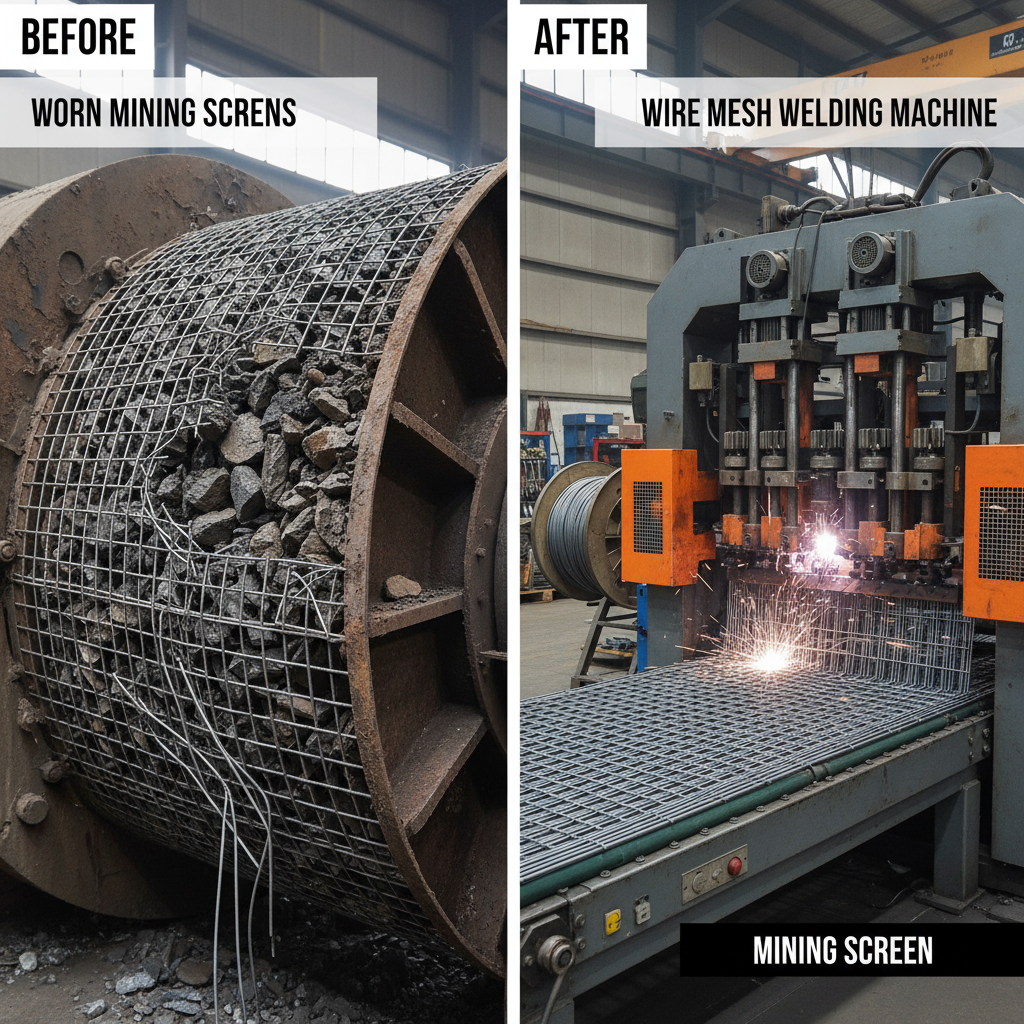
- Mining & Minerals: Filter slurry efficiently, helping both product purity and equipment longevity.
- Disaster Relief & Remote Regions: Portable water purification systems with self cleaning screens provide safe water access with minimal maintenance in harsh conditions.
- Industrial Manufacturing: Protect sensitive machinery from particulate intrusion while ensuring minimal interruption.
For instance, in post-disaster relief efforts in Southeast Asia, several NGOs have integrated self cleaning screens into water filtration units to help communities access clean water quickly. The impact is not only logistical but deeply human — safe, dignified living depends on systems that "just work" when everything else is uncertain.
Benefits That Last: Why Invest in Self Cleaning Screens?
From an economic perspective, cutting downtime and human maintenance is a godsend. Sustainability-wise, fewer wasted resources align with growing environmental mandates. Socially, reliable filtration improves public health and community trust.
Emotionally, there’s reassurance, too: operators know systems will stay cleaner longer, meaning fewer emergencies and a smoother workday. Innovation builds confidence — these screens embody a shift toward smarter, proactive infrastructure.
Looking Ahead: Future Trends in Self Cleaning Screen Technology
Emerging materials, such as nanocoatings and bio-inspired surfaces, promise improved debris repellency. Digital transformation means more self cleaning screens will have IoT-enabled diagnostics, alerting teams remotely to status changes.
Green energy integration might soon allow solar-powered cleaning cycles, particularly important in remote areas. Automation combined with AI could tweak cleaning frequency dynamically based on real-time data — a step closer to fully autonomous filtration systems.
Common Challenges and How the Industry Is Tackling Them
Despite obvious perks, there are hurdles. Initial cost barriers remain high for smaller operators. Mechanical parts require occasional replacement, and overly aggressive cleaning cycles can reduce screen lifespan.
Innovators suggest modular designs, leasing models, and better user training as solutions. There’s also a push toward hybrid technologies combining mechanical and ultrasonic cleaning to minimize wear — roughly doubling lifespan in some tests.
FAQ: Practical Answers on Self Cleaning Screens
- How does a self cleaning screen differ from a regular filter?
- A self cleaning screen automatically removes trapped debris without needing a manual clean. This minimizes downtime and labor, whereas regular filters require periodic manual cleaning or replacement.
- Are self cleaning screens suitable for all types of debris?
- They’re best for particulate matter like sediment, leaves, or scale. Extremely sticky or oily contaminants might require specialized designs or additional pre-filtration.
- How often do these screens need maintenance?
- While they reduce manual cleaning, recommended inspections typically occur quarterly or biannually, depending on usage and environment.
- Can these screens be retrofitted into existing systems?
- Yes, many models are designed for easy integration into established pipelines or tanks to upgrade filtration without major overhauls.
- What is the environmental impact of the cleaning process?
- Modern designs use minimal water or compressed air during cleaning to reduce waste, and manufacturers prioritize recyclable materials.
Product Specifications: A Typical Self Cleaning Screen Model
| Feature | Specification |
|---|---|
| Screen Material | Stainless Steel 316L |
| Mesh Size | 100 to 500 microns (customizable) |
| Cleaning Method | Hydraulic backflushing + scraper |
| Max Operating Pressure | 10 bar (145 psi) |
| Control System | PLC with clog sensor integration |
| Power Supply | 110-240 V AC or optional solar |
| Average Weight | 35 kg (varies by size) |
Vendor Comparison: Leading Self Cleaning Screen Providers
| Company | Technology | Price Range | Global Reach |
|---|---|---|---|
| MutoScreen | Hydraulic + Mechanical Scraper | $$ - $$$ | Asia, Europe, Americas |
| ClearFlow Systems | Ultrasonic + Backflush | $$$ - $$$$ | North America, Europe |
| EcoClean Filters | Magnetic + Mechanical Hybrid | $ - $$ | Global, with NGO focus |
Wrapping It Up: Why Self Cleaning Screens Matter More Than Ever
Sometimes it feels like the most crucial parts of an operation are the least flashy — and the self cleaning screen is definitely one of those underappreciated gems. Over time, investing in these systems translates to fewer headaches, lower costs, and more consistent safety. From bustling factories to remote relief camps, they quietly keep the world oiled and flowing.
If you’re intrigued by how this technology can fit into your operations or community projects, don’t hesitate: check out self cleaning screen options available and become part of this subtle yet vital innovation.