Introduction to Polyurethane Sieve Plates: Enhancing Industrial Screening Efficiency
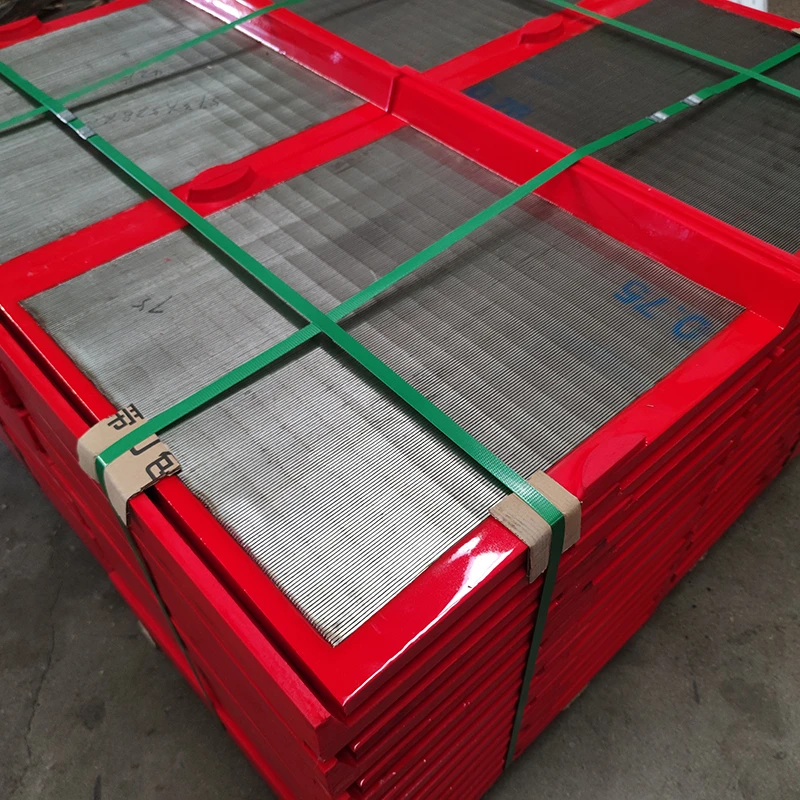
In demanding industrial applications, the efficiency and durability of screening media are paramount for optimizing material processing and reducing operational costs. The polyurethane sieve plate stands as a cornerstone technology, offering superior performance compared to traditional metal screens. These specialized panels are engineered from high-grade polyurethane elastomers, designed to withstand severe abrasive conditions, corrosive environments, and high-impact stresses commonly found in mining, aggregate production, and chemical processing.
Industry trends indicate a continuous shift towards more durable, efficient, and environmentally friendly screening solutions. With global demand for minerals and construction materials steadily rising, the emphasis on maximizing throughput while minimizing downtime has never been greater. Polyurethane screen panels, often referred to as poly screen panels, are increasingly preferred due to their extended service life, reduced noise levels, and non-blinding properties, which collectively contribute to enhanced productivity and a safer working environment. The integration of advanced manufacturing techniques and customizable designs further solidifies their position as essential components in modern material handling systems, including highly effective dewatering screen applications.
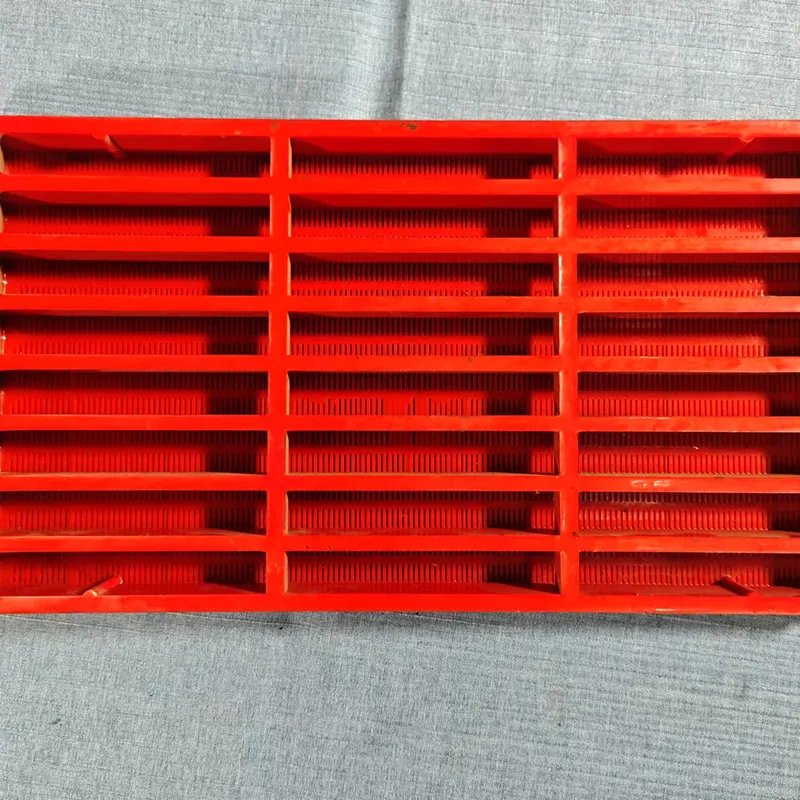
The Advanced Manufacturing Process of a Polyurethane Sieve Plate
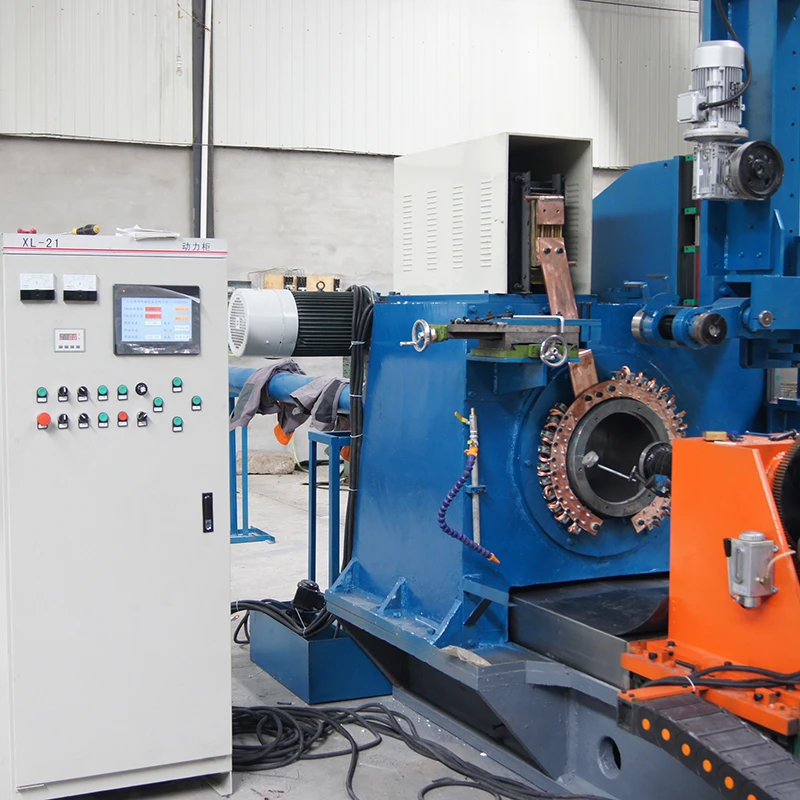
The production of a high-performance polyurethane sieve plate involves a meticulous multi-stage manufacturing process, ensuring the final product meets stringent quality and performance criteria. This process leverages advanced polymer science and precision engineering to achieve the desired physical and mechanical properties.
Detailed Process Flow:
- Material Selection & Preparation: High-quality polyurethane elastomers are chosen, typically based on polyether or polyester polyols and various isocyanates, optimized for specific applications requiring abrasion, hydrolysis, or chemical resistance. Additives for UV stability, anti-static properties, or flame retardancy may be incorporated.
- Mixing and De-aeration: The chosen polyurethane components are precisely metered and thoroughly mixed. This is often followed by a vacuum de-aeration step to remove any entrapped air bubbles, which can compromise the structural integrity and performance of the finished screen.
- Mold Preparation: Custom-designed molds, often CNC machined for precision, are prepared. These molds define the specific slot sizes, panel dimensions, and fastening mechanisms. A release agent is applied to ensure easy demolding without damaging the product.
- Casting or Compression Molding:
- Casting: The liquid polyurethane mixture is poured into the pre-heated molds. This method allows for complex geometries and excellent surface finish.
- Compression Molding: For certain designs, a pre-polymerized polyurethane sheet or granular material is placed into a heated mold and compressed under high pressure.
- Curing: The filled molds undergo a controlled curing process in ovens. This heat treatment facilitates the polymerization reaction, cross-linking the polymer chains and developing the final physical properties such as hardness, tensile strength, and elasticity. Curing temperatures and times are critical and closely monitored.
- Demolding and Finishing: Once cured, the panels are carefully demolded. Excess flash material is trimmed, and edges are smoothed. Any necessary post-processing, such as drilling additional mounting holes or further CNC machining for specialized profiles, is performed.
- Quality Control & Testing: Each polyurethane screen undergoes rigorous quality checks. This includes visual inspection, dimensional accuracy verification (adhering to standards like ISO 3310-1 for test sieves), hardness testing (Shore A/D), and occasionally, abrasion resistance tests. Adherence to international standards such as ISO 9001 and ANSI specifications for material properties and manufacturing processes ensures product consistency and reliability.
The rigorous manufacturing process ensures an extended service life, often 3-10 times longer than steel counterparts. This longevity, coupled with exceptional energy saving potential due to reduced machinery load and superior corrosion resistance, makes them indispensable in target industries such as petrochemicals, metallurgy, and water supply & drainage, particularly for applications requiring effective separation under harsh conditions.
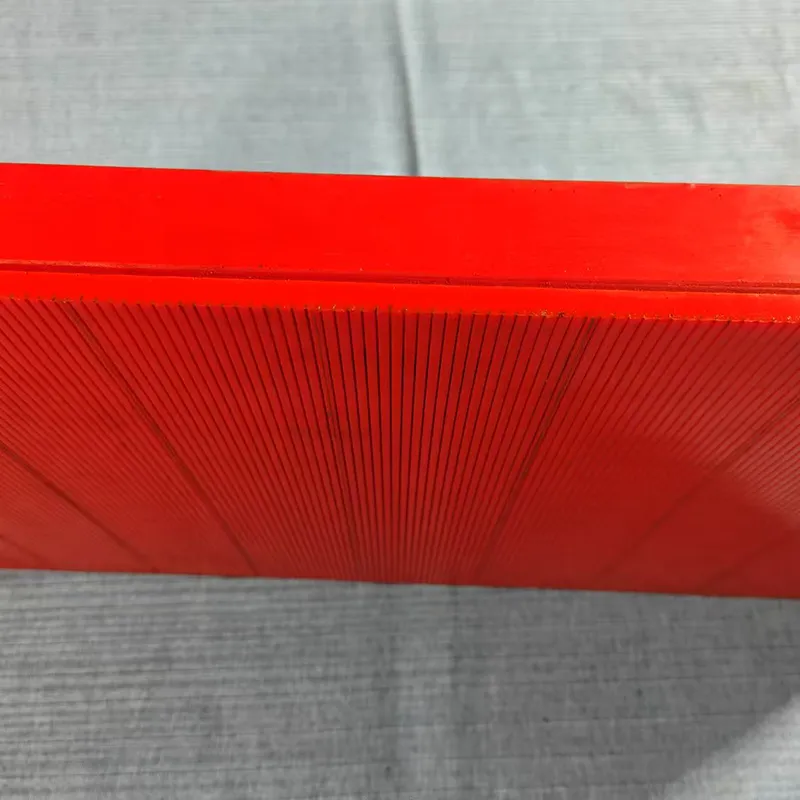
Technical Specifications and Performance Parameters
Understanding the precise technical specifications of a polyurethane sieve plate is crucial for optimal selection and application. These parameters define the material's structural integrity, wear characteristics, and overall performance in specific screening environments.
Key Material Properties:
- Hardness (Shore A/D): Typically ranging from 70 Shore A to 95 Shore A for screening applications, indicating resistance to indentation. Higher Shore A values denote greater hardness and often enhanced abrasion resistance for coarser materials. Shore D values are used for harder formulations.
- Tensile Strength: The maximum stress a material can withstand while being stretched or pulled before breaking. For polyurethane screens, values often exceed 30 MPa, demonstrating robust structural integrity.
- Elongation at Break: The percentage increase in length before a material breaks under tensile stress. Polyurethane's high elongation (often >400%) signifies its excellent elasticity and ability to absorb impact without fracturing.
- Abrasion Resistance: Measured by volume loss in specific tests (e.g., DIN 53516), polyurethane significantly outperforms rubber and steel, crucial for longevity in abrasive material handling.
- Operating Temperature Range: Generally effective from -40°C to +85°C, allowing for broad application across various climates and industrial processes.
- Chemical Resistance: Good resistance to weak acids, bases, oils, and greases, though specific formulations may vary.
Geometric and Performance Parameters:
- Slot/Aperture Size: Critical for accurate sizing and separation, ranging from 0.1 mm to 150 mm, tailored to specific aggregate or mineral sizes.
- Open Area: The percentage of the total screen surface that allows material passage. Higher open area generally means higher throughput, but must be balanced with structural integrity. Modern designs can achieve open areas exceeding 40%.
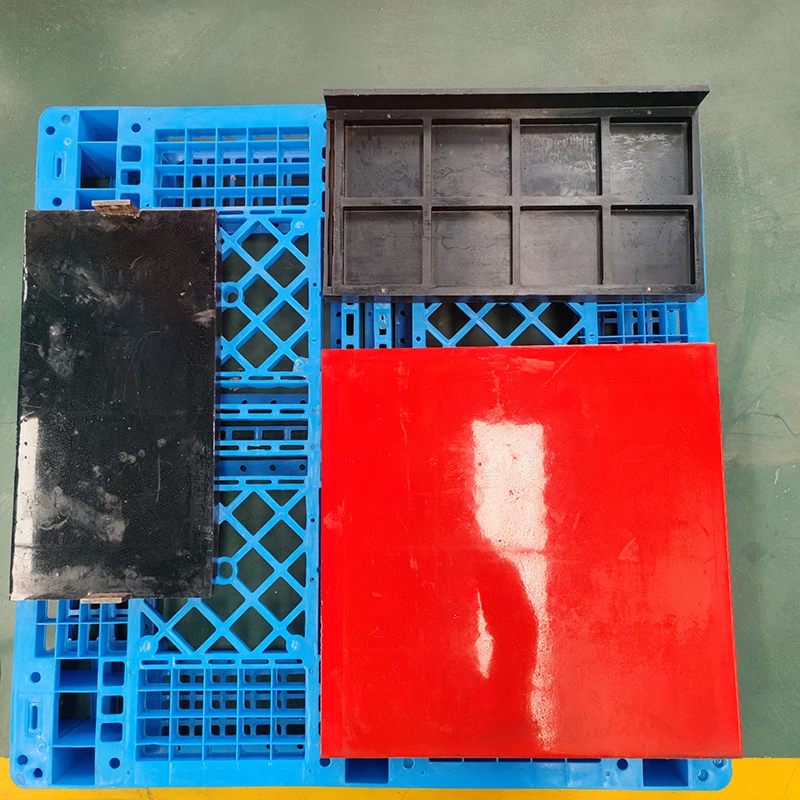
- Panel Dimensions: Standard sizes are available (e.g., 305x305mm, 305x610mm, 305x915mm, 305x1220mm, 450x450mm, 450x610mm, 500x500mm, 1000x1200mm), with customized options for specific vibrating screens.
- Thickness: Varies based on application and material size, typically from 25mm to 60mm.
- Mounting Systems: Available with various fixing methods, including pin & sleeve, bolt-down, and rail systems, for secure and quick installation.
Typical Product Specification Table: Polyurethane Slot Screen Plate
| Parameter | Value/Range | Description/Standard |
|---|---|---|
| Material Type | Polyether/Polyester Urethane | Selected for specific wear and chemical resistance |
| Hardness (Shore A) | 85A - 95A | ASTM D2240 |
| Tensile Strength | >35 MPa | ASTM D412 |
| Elongation at Break | >450% | ASTM D412 |
| Abrasion Resistance (Volume Loss) | < 50 mm³ | DIN 53516 (1000 cycles) |
| Operating Temperature | -40°C to +85°C | Typical range; specific grades may vary |
| Slot Size (Aperture) | 0.5mm - 50mm | Customizable to application |
| Open Area | 30% - 45% | Optimized for throughput and wear |
| Panel Thickness | 25mm - 45mm | Dependent on material and application |
| Standard Panel Size | 305x305mm, 305x610mm, 500x500mm | Modular design for easy installation |
Key Advantages and Benefits of Polyurethane Sieve Plates
The adoption of polyurethane sieve plate technology offers a multitude of advantages that directly translate into significant operational efficiencies and cost savings for industrial operations. These benefits are particularly pronounced when compared to conventional steel wire mesh screens.
- Exceptional Abrasion Resistance: Polyurethane’s inherent elasticity and toughness provide superior resistance to abrasive wear from minerals, aggregates, and other hard materials. This translates to a service life typically 3 to 10 times longer than steel, drastically reducing replacement frequency and maintenance costs.
- Corrosion Resistance: Unlike metal screens, polyurethane is largely unaffected by moisture, acids, and many chemicals, making it ideal for wet screening applications, corrosive environments, and wastewater treatment plants. This property prevents rust and material degradation, maintaining screening efficiency over time.
- Reduced Blinding and Pegging: The elastic nature of polyurethane panels allows for self-cleaning. The flexible screen surface vibrates and flexes, preventing fine or damp materials from sticking or pegging in the apertures, thereby maintaining consistent open area and maximizing throughput. This is a critical advantage for dewatering screen applications where moisture content can cause significant blinding issues.
- Noise Reduction: Polyurethane significantly dampens impact noise from falling materials, contributing to a quieter and safer working environment, which is a major benefit for worker well-being and regulatory compliance. Noise levels can be reduced by as much as 8-10 dB compared to steel screens.
- Lower Maintenance and Downtime: The extended wear life and self-cleaning properties mean fewer stoppages for screen cleaning or replacement. This drastically reduces maintenance labor, spare parts inventory, and costly production downtime, directly improving overall plant availability and profitability.
- Impact Resistance: Polyurethane's elastomeric properties allow it to absorb impact energy from large, heavy materials, resisting deformation and damage that would typically crack or break steel screens.
- Lighter Weight: Polyurethane panels are considerably lighter than equivalent steel screens, simplifying handling, installation, and reducing the structural load on screening equipment.
- Improved Safety: Being lighter and less prone to sharp edges or breaks, polyurethane screens offer a safer option for installation and handling compared to heavy, sharp metal screens.
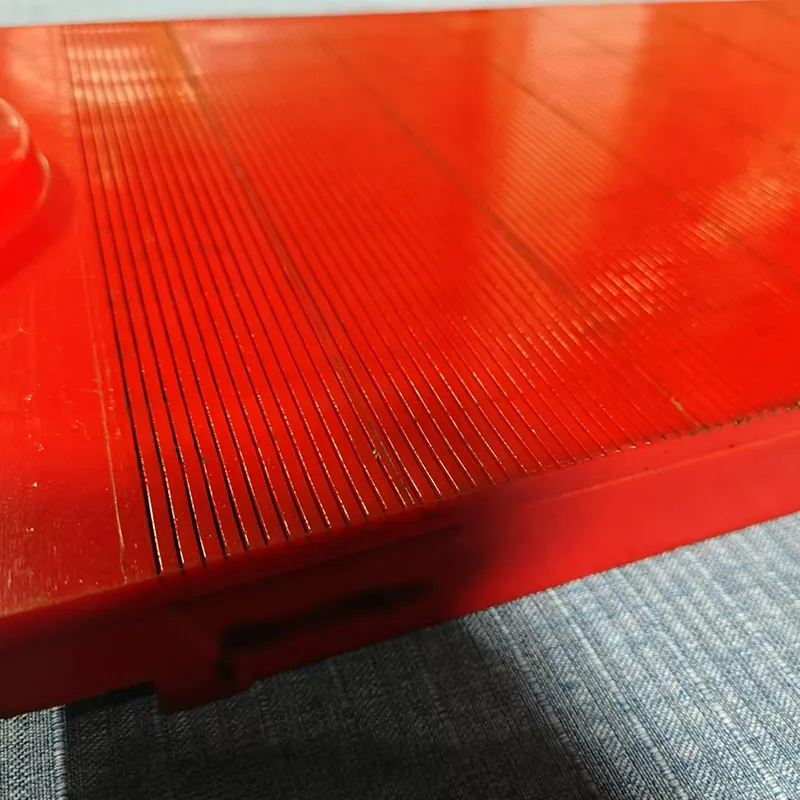
Application Scenarios Across Diverse Industries
The versatility and robust performance of polyurethane screen panels make them indispensable across a wide array of heavy industrial sectors. Their ability to handle diverse materials under challenging conditions ensures efficient and cost-effective separation processes.
Target Industries:
- Mining & Mineral Processing: Essential for the classification, sizing, and dewatering of various ores (iron ore, copper, gold, diamond), coal, and other minerals. The high abrasion resistance is crucial for handling large volumes of sharp, heavy material.
- Aggregate Production: Widely used in sand and gravel pits, quarries, and concrete recycling plants for screening aggregates, crushed stone, and asphalt. They ensure precise grading and prevent screen blinding from sticky clay or damp sand.
- Coal Preparation Plants: For screening, washing, and dewatering coal to separate impurities and size the product effectively. Their resistance to corrosion from acidic mine water is a significant advantage.
- Chemical Processing: Employed in applications requiring separation of granular or particulate chemicals, where chemical resistance and prevention of contamination are critical.
- Wastewater Treatment: Used for preliminary screening of solids from industrial and municipal wastewater, preventing damage to downstream equipment and facilitating efficient treatment processes.
- Recycling Industry: For separating different types of waste materials, such as construction and demolition debris, plastics, and metals.
Typical Application Scenarios:
- Primary & Secondary Screening: For coarse and fine material separation on vibrating screens.
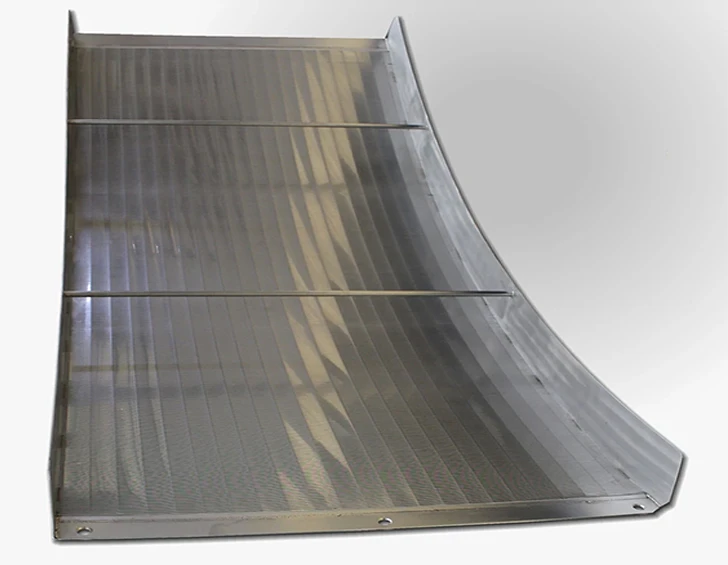
- Dewatering: Polyurethane slot screen plates are exceptionally effective as dewatering screen panels due to their precise aperture sizes and non-blinding properties, facilitating efficient removal of water from slurries and wet materials.
- Sizing and Classification: To achieve specific particle size distributions for various end products.
- Scrubbing and Washing Applications: Capable of withstanding the vigorous action of washing processes, ensuring long life even when subjected to high-pressure water jets and abrasive slurries.
Vendor Comparison and Customization Solutions
Choosing the right supplier for polyurethane sieve plate solutions is a critical decision that impacts operational efficiency and long-term costs. While many polyurethane screen panels manufacturers exist, discerning between them often comes down to material quality, manufacturing precision, and the extent of customization offered.
Factors for Vendor Comparison:
- Material Grade and Formulation: Reputable vendors use virgin, high-quality polyurethane elastomers with specific formulations tailored for different applications (e.g., enhanced hydrolysis resistance for wet environments, higher hardness for coarse impact).
- Manufacturing Precision: Consistent aperture sizing, uniform panel thickness, and robust mounting features are hallmarks of quality manufacturing, ensuring optimal screening accuracy and secure fit.
- Certifications and Standards: Adherence to ISO 9001 for quality management and relevant industry standards (e.g., for material testing) indicates a commitment to consistent product quality.
- Technical Support and Expertise: A strong vendor provides expert advice on screen selection, installation, and optimization, leveraging deep industry knowledge.
- Customization Capabilities: The ability to produce bespoke solutions is a key differentiator.
- Lead Time and Supply Chain Reliability: Timely delivery and consistent supply are crucial for minimizing operational disruptions.
Customized Solutions: Tailoring Polyurethane Screens to Your Needs
Recognizing that no two screening operations are identical, leading manufacturers offer extensive customization options for their polyurethane screen panels. This ensures that screens are perfectly matched to specific equipment, material characteristics, and desired separation outcomes.
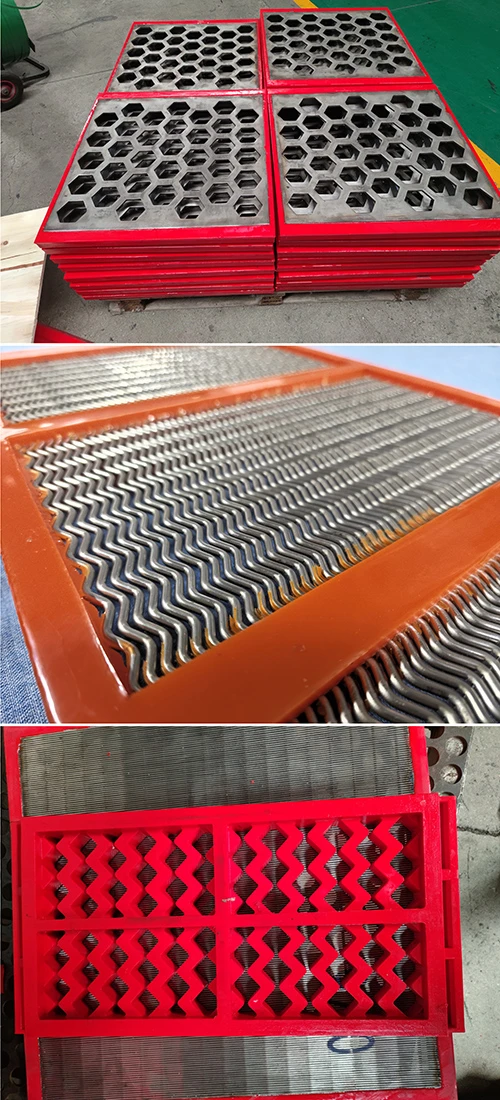
- Custom Aperture Sizes & Shapes: Beyond standard square or slot apertures, specialized shapes (e.g., elongated, round, or staggered) can be designed to optimize screening efficiency for particular materials, reduce blinding, or enhance dewatering.
- Tailored Panel Dimensions: Panels can be manufactured to precisely fit existing vibrating screen decks, regardless of their make or model, minimizing the need for costly frame modifications.
- Specific Hardness & Polymer Blends: Adjusting the Shore hardness and polymer formulation allows for screens optimized for different material sizes, abrasion levels, and environmental conditions (e.g., enhanced oil or chemical resistance).
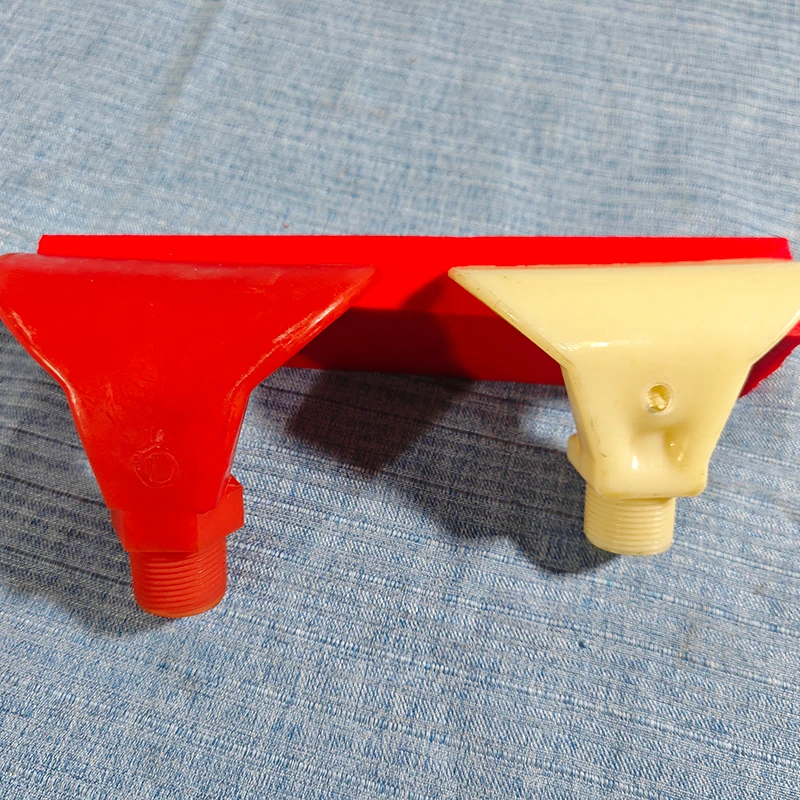
- Integrated Accessories & Fixing Systems: Custom designs can incorporate specific lip designs, anti-clogging elements, or alternative fixing systems (e.g., pin, bolt-down, rail, or side tension) to integrate seamlessly with the client's screen deck.
- Reinforcements: For extreme impact applications, panels can be manufactured with internal steel reinforcements to enhance structural integrity without compromising polyurethane’s wear benefits.
Comparative Analysis: Polyurethane vs. Traditional Screening Media
| Feature | Polyurethane Screen | Woven Wire Mesh (Steel) | Perforated Plate (Steel) |
|---|---|---|---|
| Abrasion Resistance | Excellent (3-10x longer life) | Good (Shortest life) | Good (Better than wire, less than PU) |
| Blinding/Pegging | Minimal (Self-cleaning effect) | High (Prone to clogging) | Moderate |
| Corrosion Resistance | Excellent | Poor (Rusts easily) | Poor (Rusts easily) |
| Noise Reduction | Significant (8-10 dB reduction) | Poor (High noise levels) | Moderate |
| Maintenance Cost | Low (Less frequent replacement) | High (Frequent replacement & cleaning) | Moderate |
| Impact Resistance | Excellent (Elastic, absorbs shock) | Poor (Prone to tearing, deformation) | Good (Can deform, crack) |
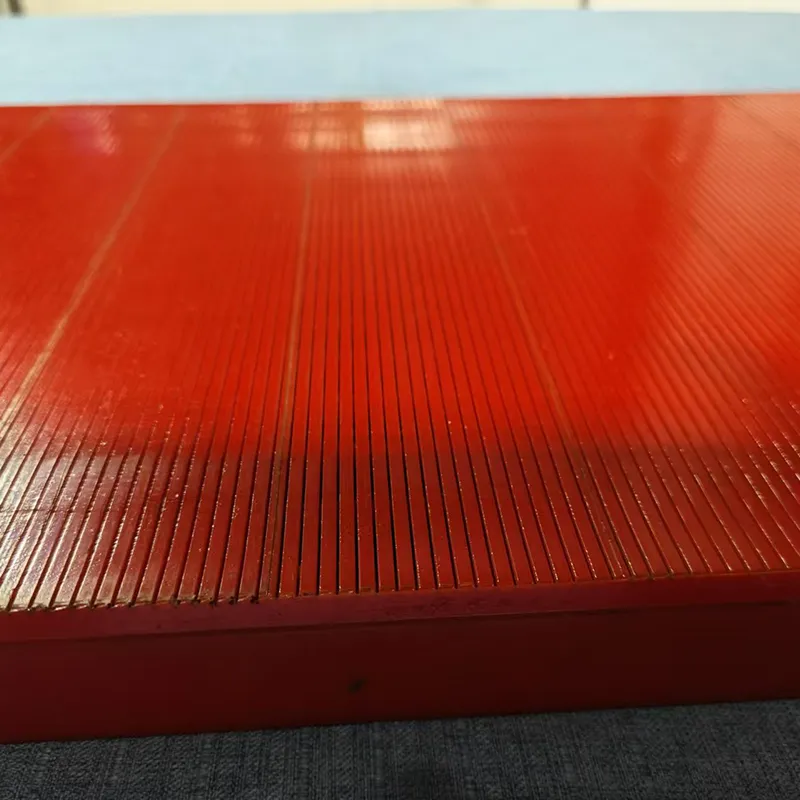
Real-World Case Studies and Customer Experience
The practical benefits of polyurethane sieve plate technology are best illustrated through real-world applications and direct customer feedback. These case studies highlight the tangible improvements in productivity, efficiency, and cost reduction that businesses achieve by transitioning to advanced polyurethane screening solutions.
Case Study 1: Iron Ore Processing Plant
An iron ore processing plant in Western Australia faced significant challenges with rapid wear and frequent blinding of traditional steel screens in their primary sizing operations. The highly abrasive nature of the iron ore led to screen replacements every 2-3 weeks, causing considerable downtime and labor costs. Upon implementing custom-designed 30mm slot polyurethane screen panels, the plant reported an increase in screen life to 4 months, an 8-fold improvement. This resulted in a 75% reduction in screen replacement frequency and a 15% increase in annual throughput due to consistent classification and reduced blinding, directly contributing to a lower cost per ton of processed ore. The client praised the exceptional durability and minimal maintenance required.
Case Study 2: Sand & Gravel Quarry
A large sand and gravel quarry operation in the Midwest of the United States struggled with wet, sticky sand blinding their fine screening decks, especially during spring and autumn. This required daily manual cleaning, impacting productivity and increasing safety risks. The quarry switched to polyurethane dewatering screen panels with a fine 1.5mm slot aperture. The inherent flexibility and anti-blinding properties of the polyurethane material virtually eliminated blinding issues. Throughput for the fine sand product increased by 20%, and the need for manual cleaning was reduced to once a week. The site manager noted, "Our operators are happier, our production is more consistent, and we've significantly cut down on overtime for cleaning. The investment paid for itself in less than a year."
Customer Feedback Highlights:
"The durability of these polyurethane screens is unmatched. We've seen a dramatic reduction in screen change-outs, which has directly boosted our uptime and profitability." - Operations Manager, Copper Mine, Chile.
"The self-cleaning nature of the poly screen panels has been a game-changer for our wet screening process. No more blinding, consistent product quality, and safer operations." - Production Supervisor, Aggregate Plant, Germany.
Authoritativeness, Trustworthiness, and Support
Establishing trust and demonstrating authority are paramount in the B2B sector. Our commitment to quality, backed by rigorous certifications, transparent policies, and dedicated customer support, ensures our clients receive reliable and high-performance polyurethane sieve plate solutions.
Certifications and Quality Assurance:
Our manufacturing processes and products adhere to internationally recognized quality standards. We hold ISO 9001 certification, underscoring our commitment to a robust quality management system that governs every stage from raw material procurement to final product inspection. This ensures that every polyurethane screen panel meets stringent performance and durability specifications. We also comply with relevant industry-specific standards for material testing and product dimensional accuracy, providing certified test data upon request.
Warranty and Lead Time Commitments:
- Warranty: We offer a comprehensive warranty against manufacturing defects and premature wear, reflecting our confidence in product quality. Specific warranty terms vary by product type and application, typically ranging from 12 to 24 months, ensuring peace of mind for our customers.
- Lead Time & Fulfillment: Our optimized production and logistics ensure efficient order fulfillment. Standard products typically have a lead time of 2-4 weeks. Custom orders, depending on complexity, generally range from 4-8 weeks from design approval to dispatch. We provide transparent communication throughout the order process, including real-time updates and expedited shipping options for urgent requirements.
After-Sales Support and Technical Assistance:
- Dedicated Support Team: Our experienced technical support team is available to assist with installation guidance, troubleshooting, and optimization advice. We understand the critical nature of screening operations and are committed to minimizing any potential disruptions.
- On-Site Consultation: For complex applications or performance challenges, we offer on-site consultation services where our engineers can assess your specific requirements and recommend tailored solutions.
- Product Training: We provide training resources and sessions for client operational and maintenance teams to ensure correct handling, installation, and maintenance of our polyurethane screen panels, maximizing their lifespan and performance.
- Global Partner Network: Leveraging a network of authorized distributors and service partners, we ensure prompt local support and product availability across various regions.
Frequently Asked Questions (FAQ)
Q1: What are the primary benefits of using a polyurethane sieve plate over steel mesh?
A1: Polyurethane sieve plates offer significantly higher abrasion resistance, leading to 3-10 times longer service life, superior resistance to blinding and pegging, reduced noise levels, excellent corrosion resistance, lower maintenance costs, and improved safety compared to traditional steel mesh screens.
Q2: How do polyurethane screen panels prevent blinding?
A2: The inherent elasticity and flexibility of polyurethane allow the screen surface to vibrate and slightly flex during operation. This self-cleaning action dislodges fine or damp particles that might otherwise stick and block the apertures, maintaining a consistent open area for efficient screening.
Q3: Can polyurethane screens be customized for specific applications?
A3: Yes, customization is a key advantage. Manufacturers can tailor aperture sizes and shapes, panel dimensions, polyurethane hardness (Shore A/D), and mounting systems to precisely match your equipment, material characteristics, and desired screening outcomes.
Q4: What industries commonly use polyurethane sieve plates?
A4: They are widely used in mining and mineral processing (coal, iron ore, aggregates), sand and gravel quarries, wastewater treatment, chemical processing, and recycling industries due to their durability and efficiency in harsh environments.
Q5: What is the typical service life of a polyurethane sieve plate?
A5: Depending on the application and material being screened, polyurethane sieve plates typically last 3 to 10 times longer than equivalent steel screens. This translates to several months or even years of operational life, significantly reducing replacement frequency.
Conclusion
The polyurethane sieve plate represents a pivotal advancement in industrial screening technology, offering a compelling blend of durability, efficiency, and cost-effectiveness. Its superior abrasion and corrosion resistance, coupled with exceptional anti-blinding properties and significant noise reduction, translate directly into enhanced operational uptime, reduced maintenance expenditures, and improved safety. As industries continue to seek sustainable and high-performance solutions, polyurethane screen panels stand out as an indispensable component for optimizing material processing across mining, aggregates, and other heavy industrial applications. Investing in high-quality polyurethane screening media is a strategic decision that delivers long-term benefits and a competitive edge in today's demanding market.
References:
- ASTM International. (2020). Standard Test Method for Rubber Property—Durometer Hardness. ASTM D2240-15.
- ISO (International Organization for Standardization). (2018). Test sieves — Technical requirements and testing — Part 1: Test sieves of metal wire cloth. ISO 3310-1:2018.
- Polyurethane Manufacturers Association. (2021). Technical Handbook on Polyurethane Elastomers.
- Coal Preparation and Mineral Processing Journal. (Various Issues). Articles on screening media performance and efficiency.
- Journal of Mining and Earth Sciences. (Various Issues). Research on wear resistance of screening surfaces.