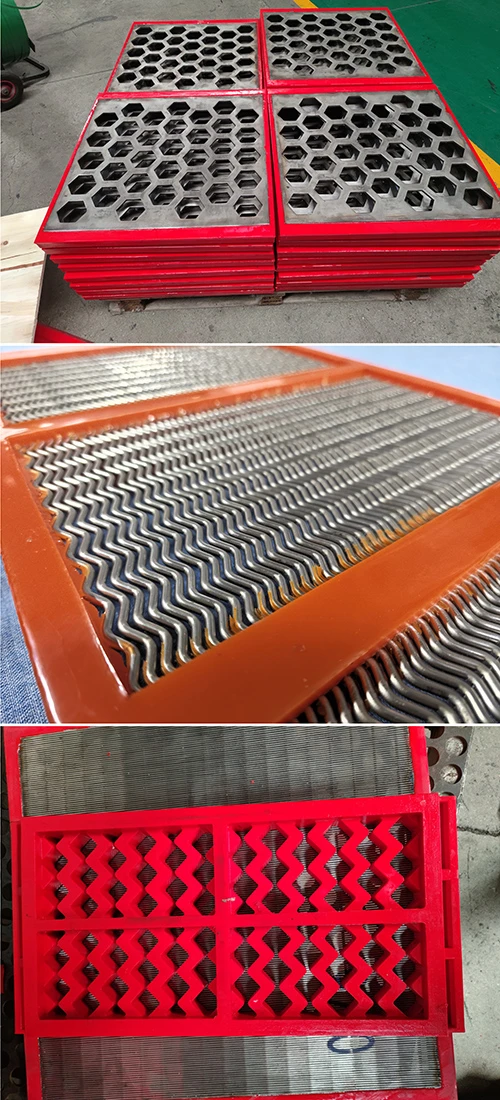
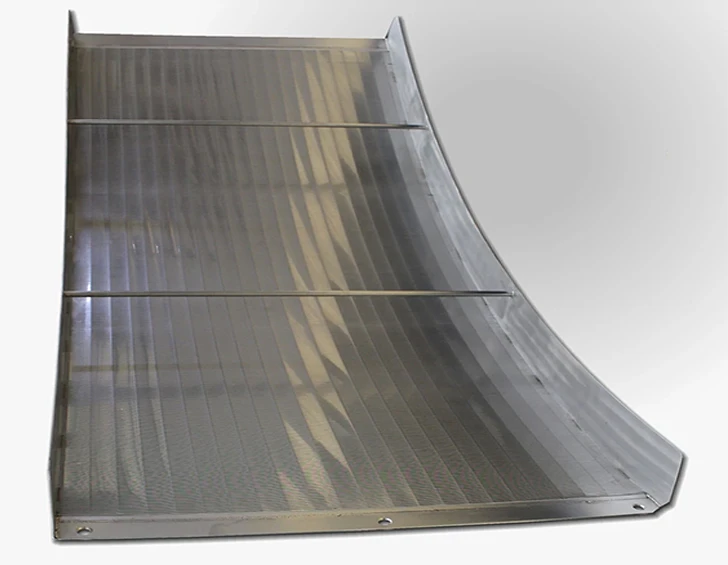
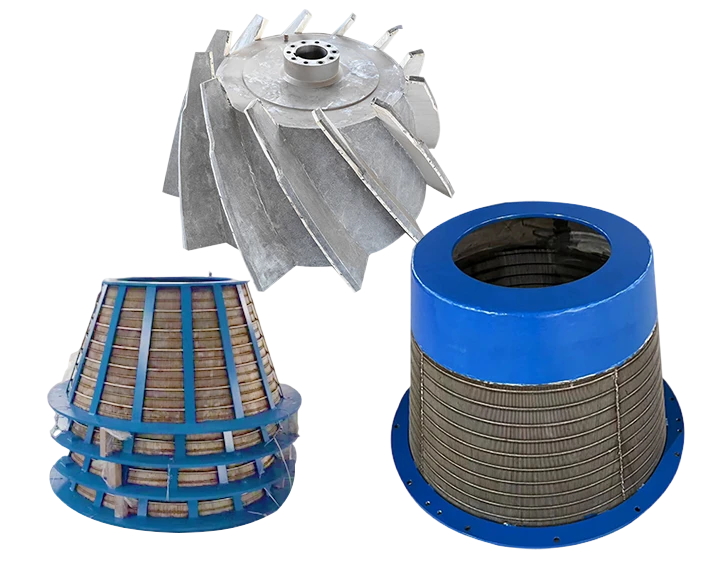
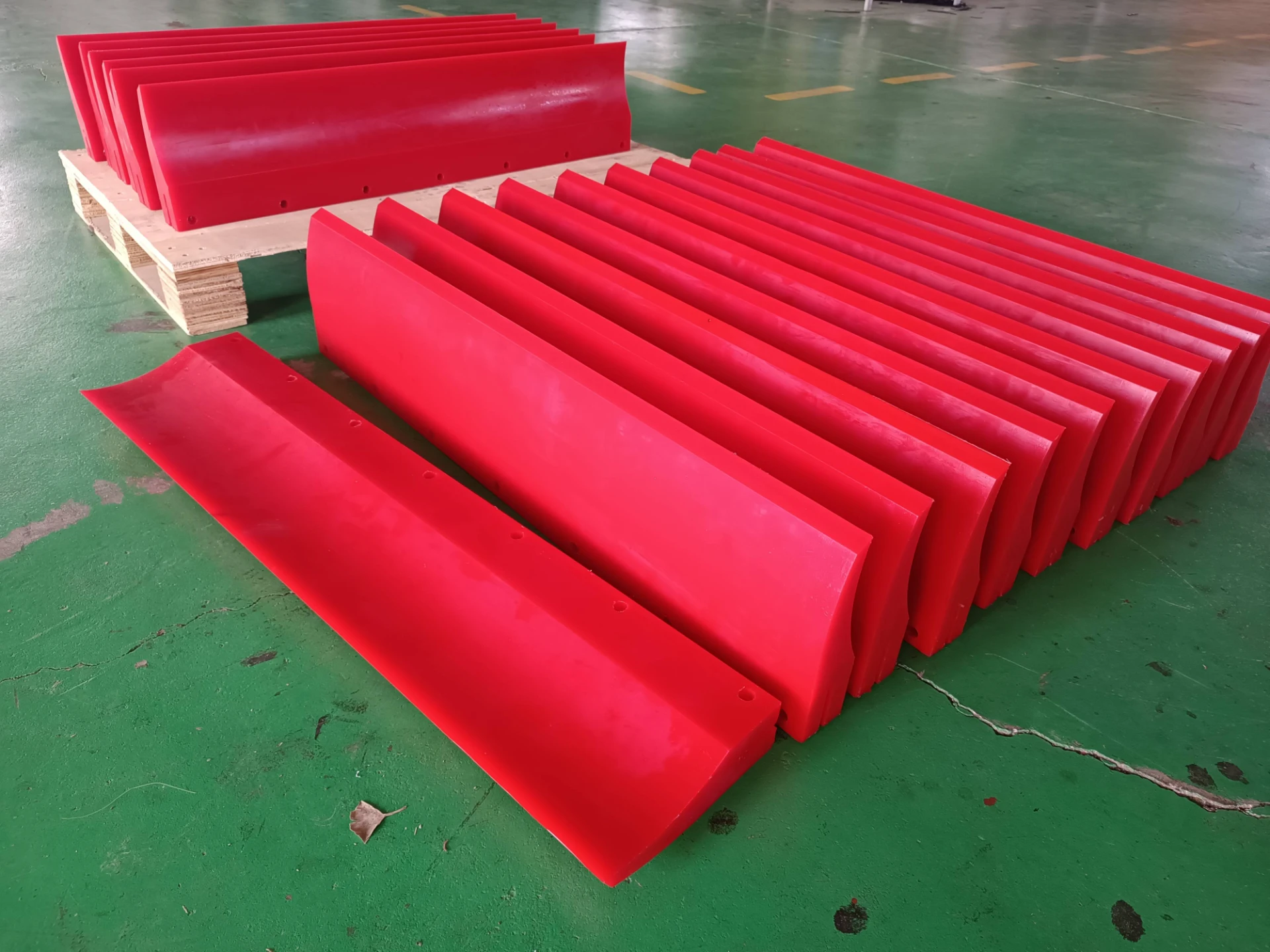
Advanced Polyurethane Plate Solutions for Industrial Demands
In demanding industrial environments, the selection of robust and high-performance materials is paramount for operational efficiency and longevity. The polyurethane plate stands out as a superior choice, offering an unparalleled combination of durability, flexibility, and resistance. These engineered elastomeric components are critical in applications requiring exceptional wear resistance, shock absorption, and protection against chemical degradation. From heavy-duty mining operations to precision manufacturing processes, the strategic deployment of polyurethane material mitigates downtime, reduces maintenance costs, and extends the service life of critical infrastructure.
This article delves into the technical intricacies, manufacturing excellence, and diverse applications of advanced polyurethane solutions, providing B2B decision-makers and engineers with comprehensive insights into their capabilities and strategic advantages. We will explore the latest industry trends, technical specifications, and real-world case studies to demonstrate why these plates are increasingly becoming the material of choice for challenging industrial requirements.
Manufacturing Process Flow of Polyurethane Plates
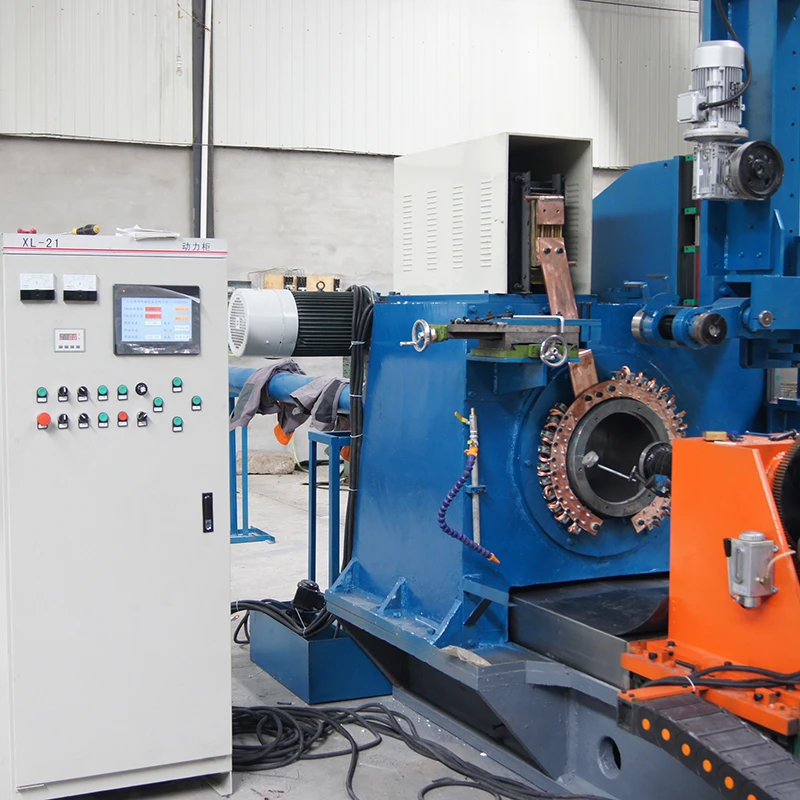
The production of a high-quality polyurethane plate involves a meticulously controlled manufacturing process, ensuring optimal physical and chemical properties. Typically, this process centers around a sophisticated casting method, allowing for precise control over material composition and final product characteristics.
Detailed Process Steps:
1. Raw Material Preparation
High-grade polyols (e.g., polyester or polyether based) and isocyanates (e.g., MDI, TDI) are selected based on desired end-product properties (hardness, flexibility, chemical resistance). Additives like catalysts, colorants, and anti-aging agents are precisely measured.
2. Pre-polymer Synthesis
Polyols and isocyanates are reacted under controlled temperature and mixing conditions to form a pre-polymer. This stage is crucial for controlling molecular weight distribution and achieving desired polymer chain lengths, influencing the material's final strength and elasticity.
3. Mixing and Degassing
The pre-polymer is then mixed with a curative agent (e.g., diols, diamines) and any remaining additives. Thorough mixing at specific temperatures ensures homogeneity. Vacuum degassing removes air bubbles, preventing voids and ensuring material integrity, which is vital for the performance of the final polyurethane plate.
4. Casting
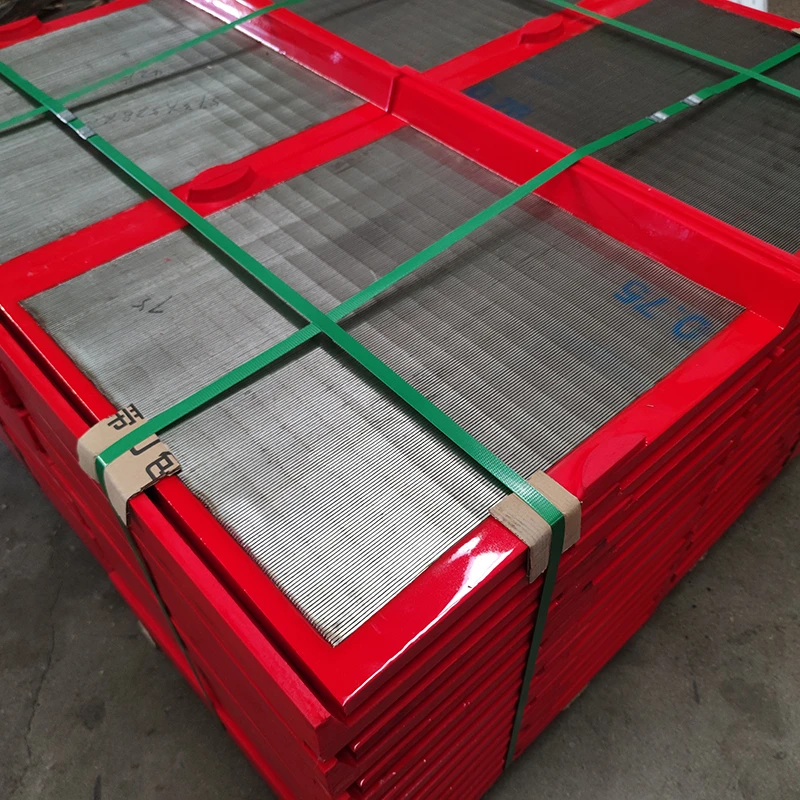
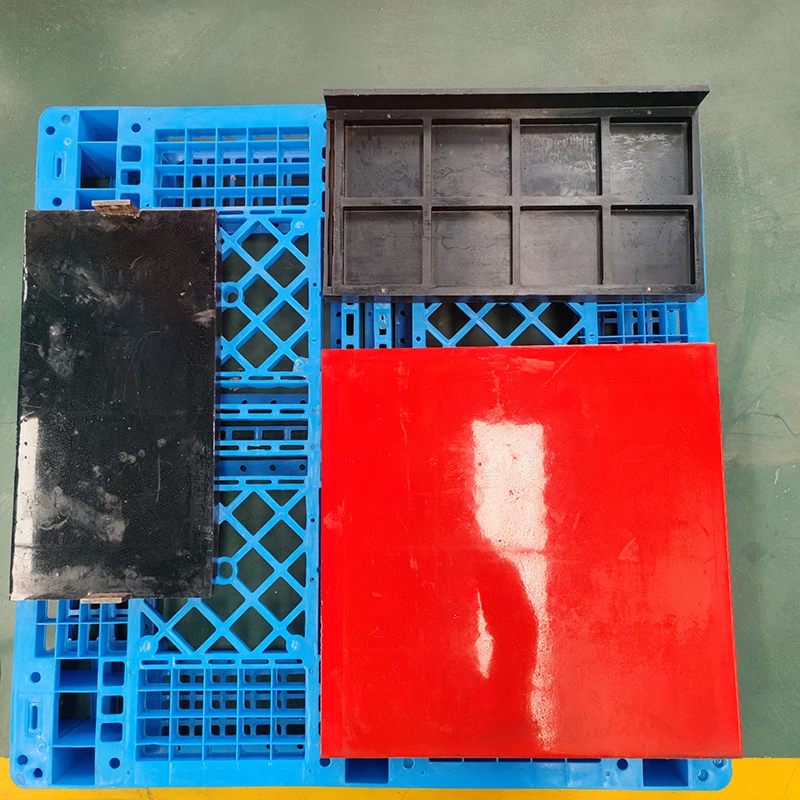
The liquid polyurethane mixture is poured into precisely engineered molds. These molds are pre-heated to facilitate optimal curing. The casting process allows for the creation of various shapes and sizes, including large sheets or specialized blind plates, with excellent surface finish.
5. Curing and Post-Curing
Once cast, the material undergoes an initial curing period in the mold, typically under controlled temperature and humidity. Post-curing, often performed in ovens, fully develops the polymer's cross-linking structure, maximizing its mechanical properties and chemical resistance. This stage is critical for achieving optimal service life.
6. Finishing and Quality Control
After curing, the pu plate is demolded and subjected to finishing processes such as trimming, grinding, or CNC machining to achieve final dimensions and tolerances. Strict quality control measures, including hardness testing (Shore A/D), tensile strength, elongation, and abrasion resistance tests, are conducted according to international standards (e.g., ASTM D2240, ASTM D412, ISO 34-1) to ensure product consistency and performance.
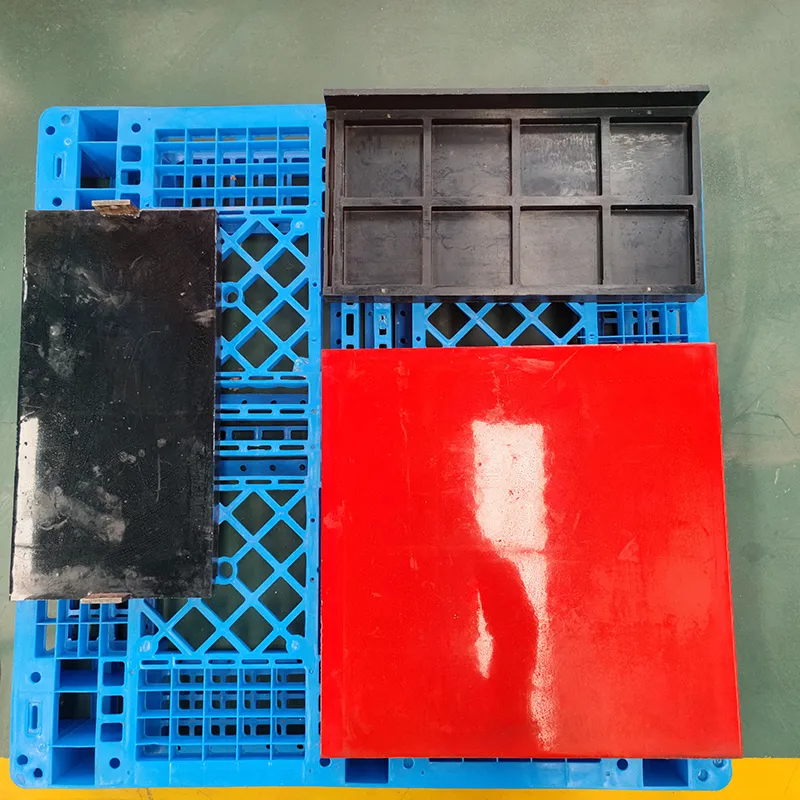
The service life of a high-quality plate pu can significantly exceed that of traditional materials like rubber or mild steel, often lasting 3 to 5 times longer in abrasive applications. Target industries benefiting from this robust material include petrochemicals (for seals and liners), metallurgy (for chute liners, screens), and water supply & drainage (for wear components, buffers). In these scenarios, polyurethane’s superior energy absorption capacity and unparalleled corrosion resistance translate directly into energy savings and reduced structural wear.
Industry Trends and Market Dynamics
The market for industrial polyurethane products, particularly the polyurethane plate, is experiencing steady growth driven by increasing demand for high-performance, durable, and sustainable materials across various sectors. Key trends include:
- Sustainability Focus: Growing emphasis on eco-friendly formulations, including bio-based polyurethanes and recyclable options, to meet environmental regulations and corporate responsibility goals.
- Customization and Specialization: Increasing demand for tailored solutions, with specific hardnesses, chemical resistances, and physical properties optimized for unique application challenges. This includes specialized geometries for blind plates or wear liners.
- Advanced Manufacturing: Adoption of advanced techniques like additive manufacturing (3D printing) for prototyping and producing complex polyurethane components, although casting remains dominant for bulk production.
- Smart Materials Integration: Research into incorporating sensors or conductive elements into polyurethane materials for real-time monitoring of wear and performance, particularly relevant for critical mining and processing equipment.
- Global Infrastructure Development: Significant investments in infrastructure projects worldwide continue to fuel demand for durable materials like plate pu in construction, transportation, and resource extraction industries.
These trends highlight the ongoing innovation within the polyurethane industry, driven by a need for materials that offer both superior performance and greater operational efficiency.
Technical Specifications and Parameters
Understanding the precise technical parameters is crucial for selecting the correct polyurethane plate for a specific application. Our products are engineered to meet stringent industry benchmarks, offering exceptional performance characteristics.
Typical Polyurethane Blind Plate Specifications:
| Parameter | Value Range | Test Standard |
|---|---|---|
| Hardness (Shore A/D) | 60A to 75D | ASTM D2240 |
| Tensile Strength | 30-50 MPa | ASTM D412 |
| Elongation at Break | 400-600% | ASTM D412 |
| Tear Strength | 60-120 kN/m | ASTM D624 |
| Abrasion Resistance | Excellent (Low volume loss) | ASTM D1630 / DIN 53516 |
| Operating Temperature | -40°C to +85°C (continuous) | Internal Testing |
| Specific Gravity | 1.15-1.25 | ASTM D792 |
| Chemical Resistance | Good against oils, greases, solvents | ASTM D543 |
These values underscore the robust nature of the pu plate, making it ideal for applications subjected to dynamic loads, impact, and abrasive media. The ability to maintain elasticity and integrity across a wide temperature range further enhances its versatility.
Application Scenarios and Strategic Advantages
The versatility of the polyurethane plate allows for its successful deployment across a myriad of challenging industrial applications, where traditional materials often fall short.
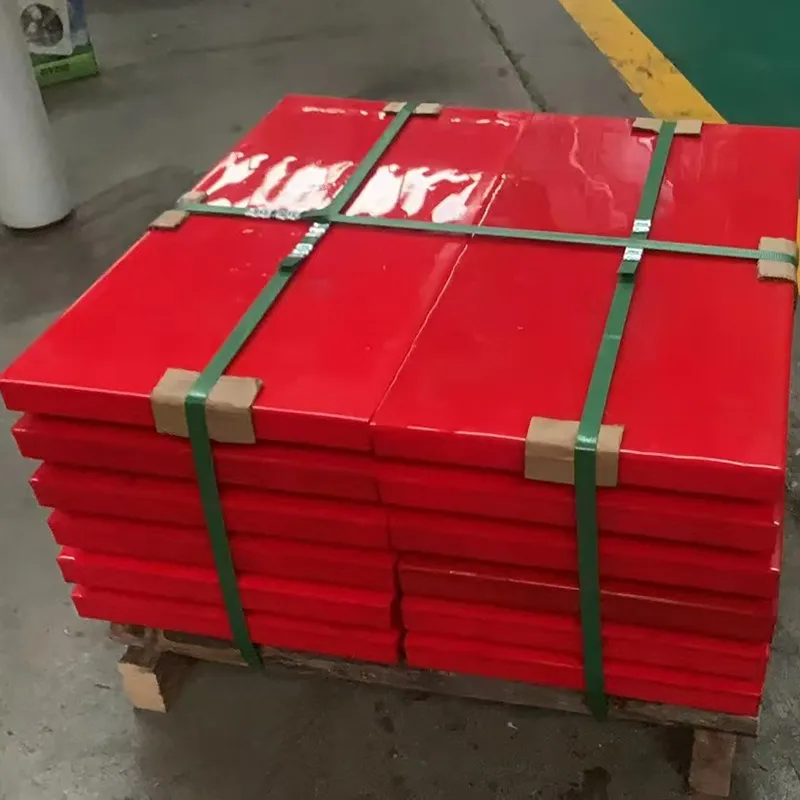
Key Application Areas:
- Mining & Mineral Processing: Used as liners for chutes, hoppers, and launders; screening media; impact pads; and conveyor belt scrapers. Its superior abrasion and cut resistance significantly extends equipment life in environments exposed to abrasive slurries and sharp rocks.
- Material Handling: Employed in wear plates for vibratory feeders, deflector plates, and impact absorption pads in conveyor systems. The elastic memory of polyurethane helps to absorb impact energy, reducing wear on machinery.
- Automotive & Manufacturing: Utilized in stamping pads, forming dies, press brake tooling, and jig/fixture components. The precise elastic properties of a pu plate allow for non-marring forming and reliable shock absorption.
- Oil & Gas: Found in pipeline pigs, seals, gaskets, and protective linings for drilling equipment. Its resistance to hydrocarbons and harsh chemicals is invaluable in corrosive environments.
- Construction & Civil Engineering: Used for bridge bearing pads, expansion joints, and protective linings for concrete structures, offering excellent load-bearing capacity and weather resistance.
- Marine & Offshore: Utilized in fender systems, cable protection, and anti-vibration mounts due to its resistance to saltwater and excellent shock absorption.
What is the purpose of polyurethane in these applications?
The primary purpose of polyurethane in these diverse industrial settings is to provide enhanced performance and longevity where traditional materials fail. Specifically, it offers:
- Superior Abrasion Resistance: Outperforming rubber and many metals in high-wear conditions, directly extending the service life of equipment and reducing replacement frequency.
- High Load-Bearing Capacity: Capable of withstanding heavy dynamic and static loads without permanent deformation, crucial for structural support and impact zones.
- Excellent Impact Resistance: Absorbs shock effectively, protecting underlying structures and components from damage caused by impacts and vibrations.
- Chemical & Corrosion Resistance: Inert to many oils, greases, solvents, and environmental chemicals, making it suitable for harsh processing environments.
- Noise Reduction: Its elastomeric properties contribute to significant noise and vibration damping, improving working conditions and machine health.
- Customizability: Can be formulated and molded into virtually any shape, size, and hardness, allowing for precise engineering solutions.
These advantages translate into tangible benefits for businesses, including reduced operational costs, increased uptime, and enhanced safety.
Vendor Comparison: Polyurethane vs. Traditional Materials
When evaluating material choices for industrial applications, a comprehensive comparison of polyurethane against traditional materials like rubber, steel, or plastics reveals its distinct competitive edge. The initial cost of a plate pu might be slightly higher than some conventional options, but its total cost of ownership (TCO) is often significantly lower due to extended service life and reduced maintenance.
| Feature | Polyurethane | Industrial Rubber | Mild Steel | UHMW-PE |
|---|---|---|---|---|
| Abrasion Resistance | Excellent | Good (limited) | Fair to Poor | Good |
| Tear Strength | Excellent | Good | N/A (Brittle) | Good |
| Impact Resistance | Excellent | Good | Fair | Good |
| Chemical Resistance | Very Good | Varies (Poor to Good) | Poor (Rusts) | Excellent |
| Load-Bearing Capacity | High | Low to Medium | Very High | Medium |
| Flexibility/Elasticity | High | High | Very Low | Medium |
| Weight | Low | Very Low | High | Very Low |
| Cost-Effectiveness (TCO) | High | Medium | Medium | Medium |
This comparison highlights that while steel offers high load capacity and UHMW-PE excellent chemical resistance, the unique combination of properties in polyurethane plate provides a balanced and superior solution for demanding industrial wear and impact applications, often leading to significant long-term savings and operational improvements.
Customized Solutions and Expertise
Recognizing that no two industrial applications are exactly alike, we specialize in providing highly customized polyurethane plate solutions. Our expertise extends beyond standard offerings to encompass bespoke formulations and intricate designs, ensuring a perfect fit for specific operational requirements.
Our team of polymer engineers collaborates closely with clients to understand their unique challenges, whether it's extreme abrasion, specific chemical exposure, or unique mechanical demands. We leverage advanced simulation tools and in-house testing facilities to develop and validate custom materials and geometries. This consultative approach ensures that the final product, be it a specialized blind plate or a custom-shaped liner, delivers optimal performance and longevity.
Our commitment to quality is underpinned by robust certifications, including ISO 9001, which governs our design and manufacturing processes. With over 20 years of experience in the industry, we have cultivated partnerships with leading global corporations, testament to our authoritative standing and consistent delivery of high-trust solutions. Client feedback consistently highlights our responsiveness, technical acumen, and the significant performance improvements observed after implementing our customized pu plate solutions.
Application Case Study: Enhanced Durability in Mining Operations
Client: Large-scale Iron Ore Mining Corporation in Western Australia
Challenge: The client faced persistent issues with rapid wear and frequent replacement of steel liners in their primary crushing plant's transfer chutes. The aggressive slurry and large-particle ore caused significant abrasion and impact damage, leading to substantial downtime and high maintenance costs. Steel liners typically lasted only 3-4 months, requiring costly scheduled and unscheduled replacements.
Solution: After a thorough site assessment and analysis of material flow and impact points, our engineers recommended a custom-designed polyurethane plate lining system. We developed specialized, high-durometer polyurethane sheets with an optimized thickness and tailored mounting configurations to absorb impact energy more effectively and resist abrasive wear. The custom plates were designed for easier installation and replacement compared to the heavy steel alternatives.
Results:
- Extended Service Life: The plate pu liners achieved an average service life of 12-18 months, representing a 300-450% improvement over steel.
- Reduced Downtime: Maintenance-related downtime for chute lining replacement was drastically cut by over 70% annually, contributing to increased operational throughput.
- Cost Savings: Annual maintenance costs associated with material replacement and labor were reduced by approximately 45%, demonstrating a significant return on investment.
- Enhanced Safety: The lighter weight of polyurethane plates made installation safer and less labor-intensive for maintenance crews.
This case study exemplifies the tangible benefits of choosing advanced polyurethane solutions for severe industrial applications, showcasing superior performance, significant cost savings, and improved operational efficiency.
Frequently Asked Questions (FAQ)
Q: What is the typical lead time for a custom polyurethane plate order?
A: Our lead times for custom orders typically range from 3 to 6 weeks, depending on the complexity of the design, volume, and current production schedule. Standard products usually have shorter lead times of 1-2 weeks. We strive to meet urgent requirements and provide accurate lead time estimates upon quotation.
Q: What warranty do you offer on your pu plate products?
A: We offer a standard 12-month warranty against manufacturing defects for all our polyurethane products. This warranty ensures that our products meet specified technical parameters and are free from defects in material and workmanship. Extended warranties can be discussed for specific large-scale projects.
Q: How do I determine the correct hardness (Shore A/D) for my application?
A: Selecting the correct hardness is critical. Generally, softer polyurethanes (lower Shore A) offer better impact absorption and tear resistance, while harder polyurethanes (higher Shore D) provide superior abrasion resistance and load-bearing capacity. Our technical sales team can assist you in selecting the optimal hardness based on your specific operational conditions, material characteristics, and required performance metrics.
Q: What kind of after-sales support do you provide?
A: Our commitment to our clients extends beyond delivery. We offer comprehensive after-sales support including technical consultations for installation, performance monitoring, and troubleshooting. Our engineers are available to provide guidance and address any performance-related queries to ensure maximum satisfaction and optimal product life.
Authoritative References
- Smith, J. (2018). Polyurethane Elastomers: Science, Technology, and Applications. CRC Press.
- American Society for Testing and Materials (ASTM) Standards. (Accessed 2023).
- International Organization for Standardization (ISO) Standards. (Accessed 2023).
- Saunders, J. H., & Frisch, K. C. (1962). Polyurethanes: Chemistry and Technology (Part I: Chemistry). Interscience Publishers.