Introduction to Advanced Conveyor Solutions
In industrial material handling, the efficiency and reliability of conveyor systems are paramount. At the heart of many robust systems lies the polyurethane conveyor belt. Renowned for its exceptional durability, abrasion resistance, and versatility, polyurethane plays a crucial role in maintaining clean and efficient material transport, particularly when integrated into advanced belt cleaner and belt scraper conveyor systems. This article delves into the technical aspects, applications, and strategic advantages of leveraging polyurethane in demanding industrial environments.
Industry Trends and Market Dynamics
The global industrial conveyor systems market is experiencing consistent growth, driven by increasing automation, demand for higher throughput, and stringent safety regulations across sectors like mining, aggregates, manufacturing, and logistics. A significant trend within this evolution is the increasing adoption of specialized components like the polyurethane conveyor belt, particularly within advanced cleaning systems such as the belt cleaner and primary belt cleaner. Operators are increasingly prioritizing solutions that offer extended service life, reduced maintenance, and superior material retention to minimize spillage and enhance operational safety.
Technological advancements are leading to more sophisticated designs and material compositions for conveyor belts and their associated cleaning mechanisms. Innovations in polymer science allow for tailored polyurethane formulations, providing enhanced resistance to specific abrasive materials, chemicals, and extreme temperatures. Furthermore, there's a growing emphasis on sustainability, with manufacturers exploring recyclable polyurethane options and systems designed for optimal energy efficiency. This focus on performance, longevity, and environmental responsibility positions polyurethane components as critical elements in modern, high-performance conveyor operations.
Manufacturing Process of Polyurethane Conveyor Belt Scrapers
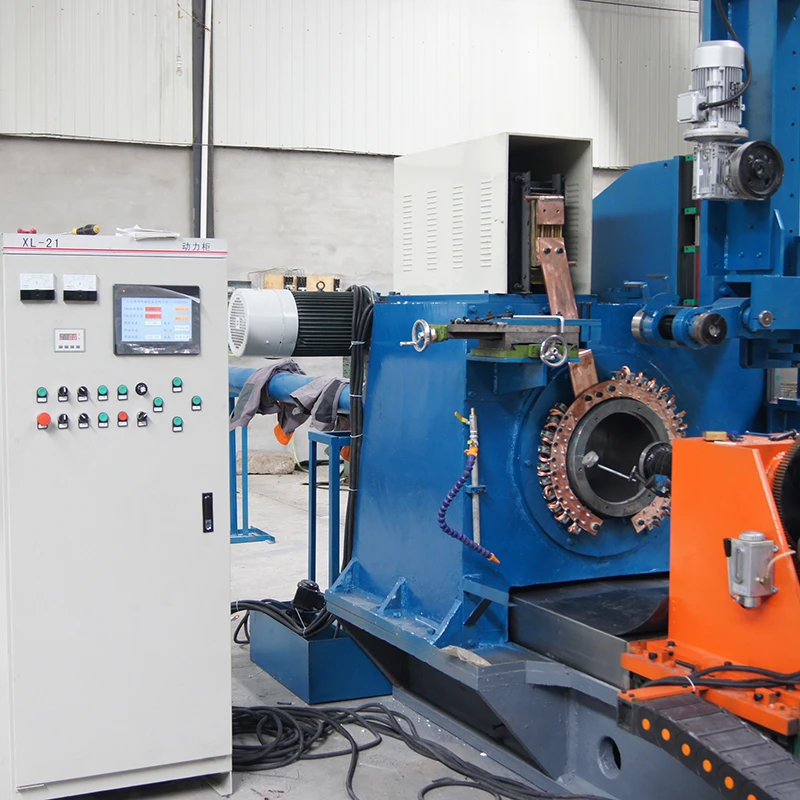
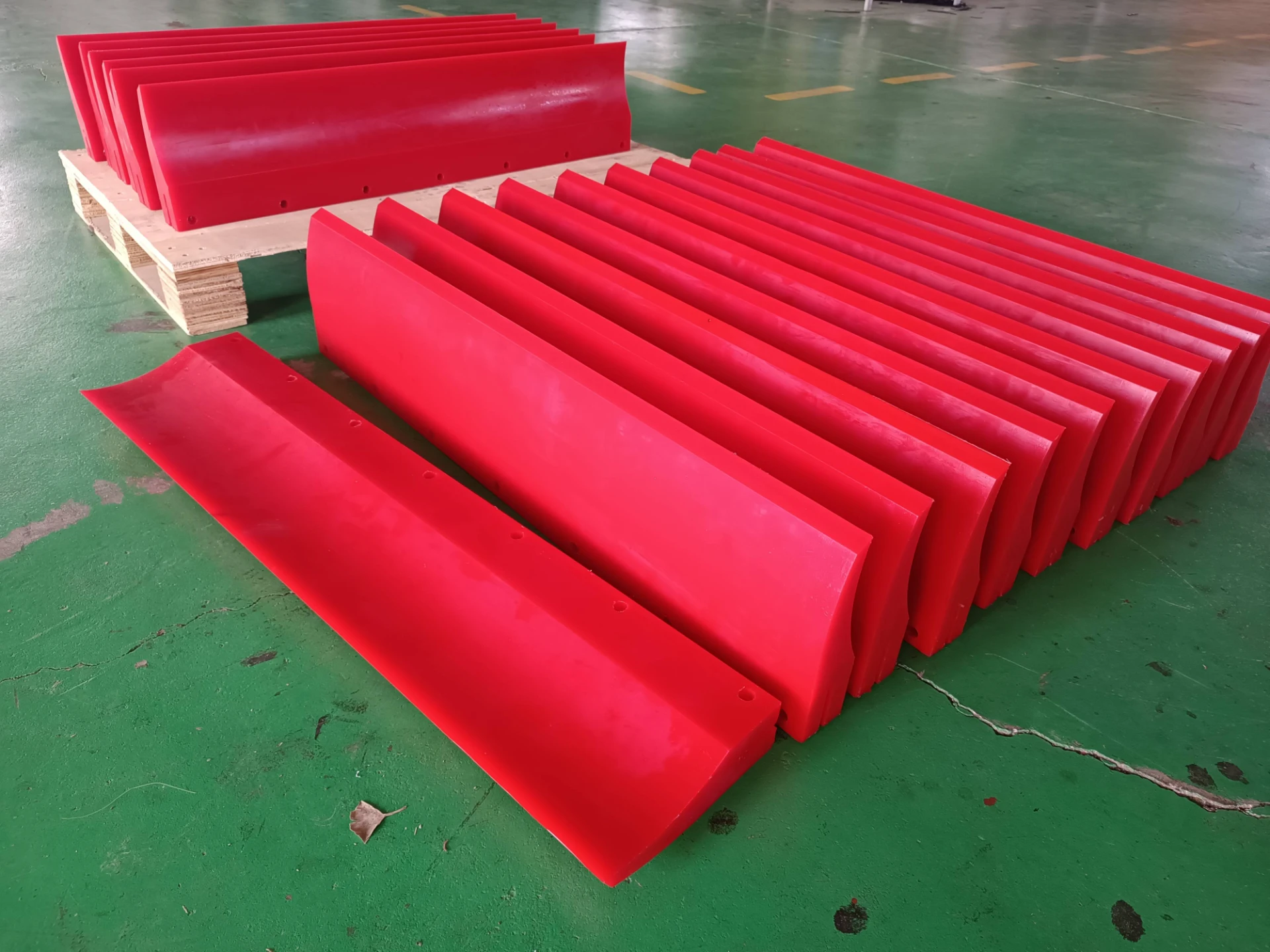
The production of high-performance polyurethane conveyor belt scrapers involves a meticulously controlled process to ensure optimal material properties and structural integrity. This detailed process ensures the final product meets rigorous industry standards for durability and effectiveness.
Schematic Process Steps:
1. Raw Material Selection & Preparation
High-grade polyols and isocyanates are selected, often with specific additives for UV resistance, hydrolysis resistance, or enhanced abrasion properties. Materials undergo strict quality checks (e.g., viscosity, moisture content) to ensure optimal reactivity.
2. Mixing & Casting/Molding
The raw components are precisely mixed under controlled temperature and pressure. The resulting liquid polyurethane is then cast into molds (e.g., open casting, centrifugal casting) or injected into injection molds, depending on the required shape and volume.
3. Curing & Demolding
The cast material undergoes a controlled curing process in ovens, often at elevated temperatures, to achieve full polymerization and desired mechanical properties. After curing, the parts are carefully demolded.
4. Finishing & Machining
Post-curing, parts may undergo secondary operations such as trimming, grinding, or CNC machining to achieve precise dimensions and surface finishes required for optimal belt cleaning performance. This ensures compatibility with existing belt scraper conveyor systems.
5. Quality Control & Testing
Each batch undergoes rigorous testing to comply with standards like ISO 9001 for quality management, and specific mechanical property tests (e.g., ASTM D2240 for hardness, ASTM D412 for tensile strength). Dimensional accuracy is verified with advanced metrology.
6. Packaging & Dispatch
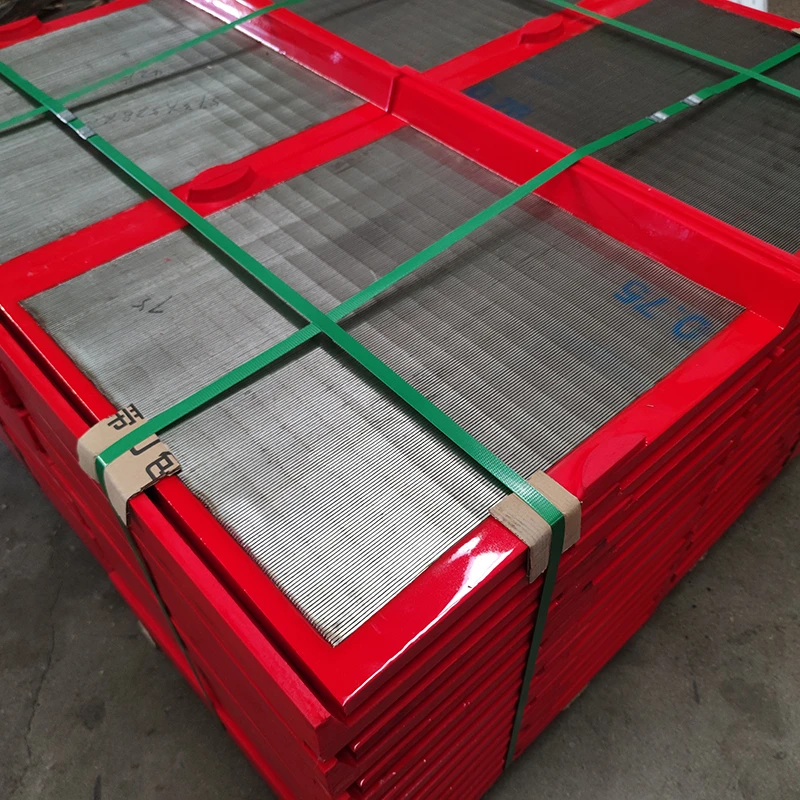
Finished products are carefully packaged to prevent damage during transit and dispatched with full traceability, ready for deployment as critical components in conveyor belt cleaning applications.
The emphasis on precise control throughout this manufacturing process, from material selection to final testing, guarantees a product with superior service life and consistent performance across target industries such as petrochemical, metallurgy, and water supply & drainage.
Technical Specifications and Performance Parameters
Understanding the technical specifications of a polyurethane conveyor belt scraper is crucial for selecting the right component for specific industrial demands. Polyurethane's unique molecular structure allows for a wide range of hardness (durometer), elasticity, and chemical resistance, making it highly adaptable.
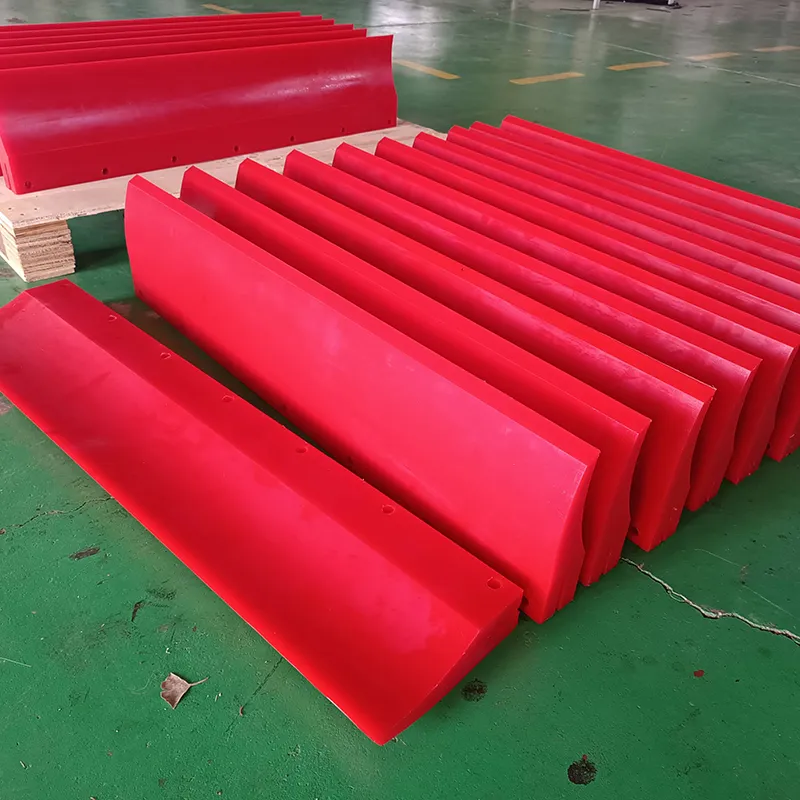
Polyurethane belt scrapers designed for optimal cleaning performance.
Key Polyurethane Material Specifications:
| Parameter | Typical Value Range | Testing Standard | Significance for Conveyor Belts |
|---|---|---|---|
| Hardness (Shore A) | 75A - 90A | ASTM D2240 | Directly impacts cleaning effectiveness and wear life. Higher hardness for abrasive materials. |
| Tensile Strength | 30 - 50 MPa | ASTM D412 | Indicates resistance to tearing and stretching under operational stress. |
| Abrasion Resistance | 50 - 200 mm³ (DIN 53516) | DIN 53516 | Key for longevity in abrasive environments (e.g., mining, aggregates). Lower value is better. |
| Operating Temperature Range | -40°C to +80°C (up to 120°C short-term) | Internal Testing | Ensures performance stability in diverse climates and process conditions. |
| Chemical Resistance | Excellent to oils, greases, many solvents | ASTM D543 | Crucial for applications in chemical plants, petrochemical facilities. |
These parameters are critical in determining the suitability of a particular polyurethane formulation for an application. For instance, a primary belt cleaner in a coal mine requires a high Shore A hardness and exceptional abrasion resistance, while a belt cleaner in a food processing plant might prioritize FDA-compliant materials with good chemical resistance.
Application Scenarios and Target Industries
The versatility and robust performance of the polyurethane conveyor belt scraper make it indispensable across a wide array of demanding industries. Its ability to effectively clean conveyor belts, reducing material carry-back and spillage, translates directly into operational efficiency and cost savings.
Typical Application Scenarios:
- Mining & Aggregates: Handling abrasive materials like coal, iron ore, crushed stone, and sand. Polyurethane primary belt cleaner systems ensure maximum material recovery and minimize wear on the conveyor structure.
- Cement & Concrete: Managing sticky, fine powders and clinker. The non-stick properties of polyurethane help prevent material buildup, reducing downtime for manual cleaning.
- Power Generation (Coal-fired): Efficient removal of coal dust and ash, contributing to reduced fugitive dust emissions and improved plant safety.
- Ports & Terminals: Loading and unloading bulk materials like grains, fertilizers, and minerals where high throughput and clean transfer points are essential.
- Recycling Facilities: Cleaning belts carrying diverse waste materials, where resistance to various contaminants and consistent scraping action are key.
- Food Processing (with specific formulations): Gentle yet effective cleaning of belts in hygienically sensitive environments, often utilizing FDA-compliant polyurethane grades.
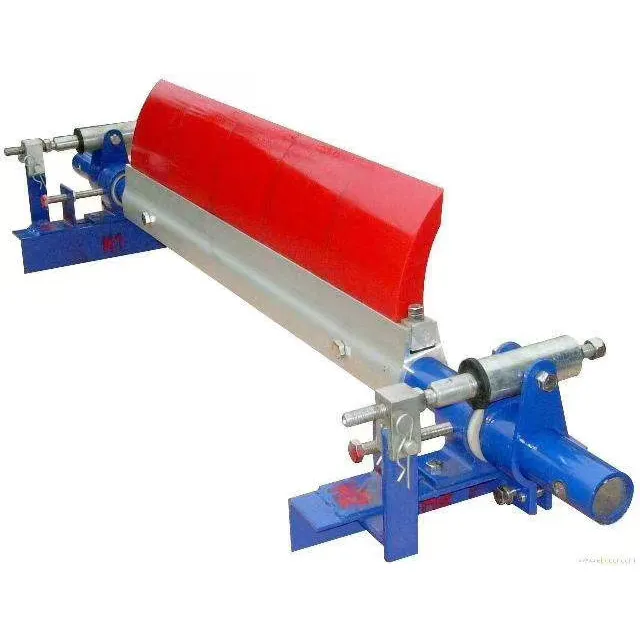
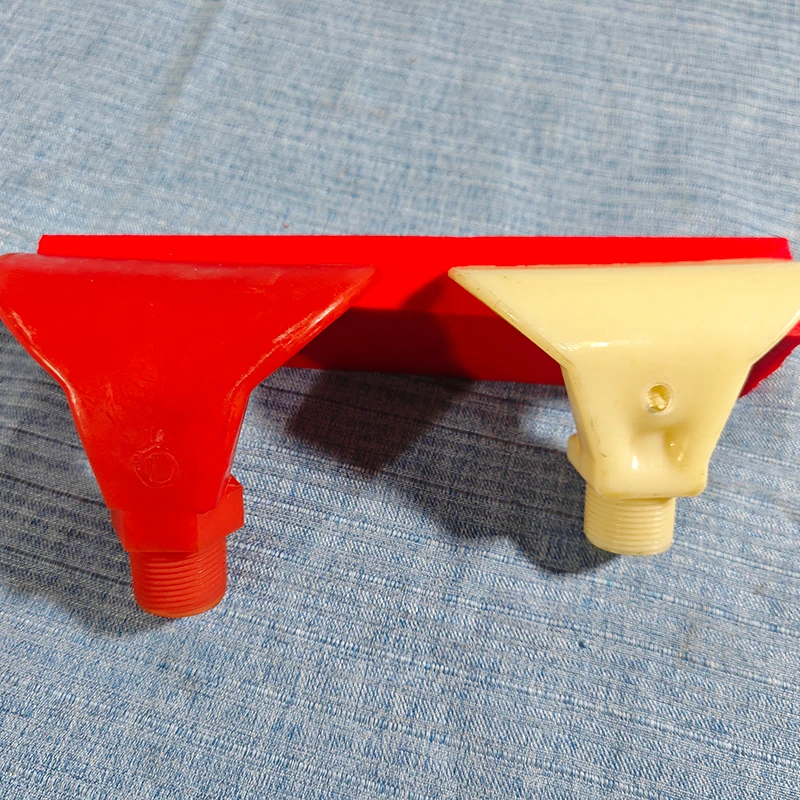
A belt cleaner system with polyurethane blades in operation.
In these scenarios, the technical advantages of polyurethane – such as superior energy saving through reduced friction and excellent corrosion resistance – become critically apparent. The material's inherent flexibility ensures effective contact with the belt surface while minimizing damage, leading to longer belt life and reduced operational costs.
Technical Advantages and Benefits
The adoption of polyurethane conveyor belt scrapers offers a range of compelling technical and operational advantages over traditional materials like rubber or steel. These benefits contribute significantly to the overall efficiency, safety, and cost-effectiveness of conveyor systems.
Key Advantages:
- Superior Abrasion Resistance: Polyurethane significantly outlasts rubber in abrasive environments, leading to extended service life for the belt cleaner blade and reduced replacement frequency. This means less downtime and lower maintenance costs.
- Excellent Material Compatibility: Polyurethane is less aggressive on the conveyor belt surface compared to steel, extending the life of the main conveyor belt itself. It cleans effectively without gouging or premature wear.
- Corrosion Resistance: Unlike metallic scrapers, polyurethane is highly resistant to chemical attack from moisture, acids, and alkalis, making it ideal for environments where corrosive materials are transported.
- Non-Stick Properties: Its smooth, low-friction surface helps prevent carry-back from adhering to the blade, ensuring continuous, effective cleaning and reducing manual clean-up.
- Energy Efficiency: The optimized contact pressure and low coefficient of friction of polyurethane blades can contribute to marginal energy savings by reducing drag on the conveyor system compared to less efficient cleaning methods.
- Temperature Stability: Maintains performance over a broad temperature range, ensuring consistent cleaning in varied climatic conditions or process heat applications.
- Noise Reduction: The inherent damping properties of polyurethane contribute to quieter operation compared to metallic scraping elements, improving the work environment.
These advantages collectively lead to enhanced operational uptime, reduced operational expenditure (OpEx), and a safer working environment, solidifying polyurethane's position as the preferred material for high-performance belt scraper conveyor systems.
Vendor Comparison and Material Selection
When selecting a supplier for polyurethane conveyor belt scrapers, industrial buyers must evaluate vendors not just on price, but on material quality, manufacturing precision, customization capabilities, and post-sales support. The choice of polyurethane formulation is paramount and can significantly impact the cleaning system's overall performance and longevity.
Key Factors for Vendor Comparison:
- Material Expertise: Does the vendor offer diverse polyurethane formulations tailored for specific applications (e.g., high abrasion, oil resistance, FDA compliance)?
- Manufacturing Quality: Evidence of stringent quality control, adherence to ISO standards, and precision machining capabilities.
- Technical Support & R&D: Ability to provide engineering advice, problem-solving, and continuous product improvement.
- Customization: Capacity to produce custom blade profiles, dimensions, or specialized material compositions.
- Lead Times & Logistics: Reliability in meeting delivery schedules and efficient global logistics for critical spares.
Polyurethane vs. Alternative Scraper Materials:
| Feature/Material | Polyurethane | Rubber | Steel/Carbide |
|---|---|---|---|
| Abrasion Resistance | Excellent | Good | Very Good (but hard on belt) |
| Conveyor Belt Life Impact | Extends life | Moderate impact | Shortens life (can damage) |
| Chemical Resistance | Excellent (variable by type) | Fair to Good | Poor (corrosion risk) |
| Temperature Range | Broad | Moderate | Very Broad |
| Cost (Blade only) | Moderate to High | Low to Moderate | High |
| Total Cost of Ownership | Low (due to longevity, less belt wear) | Moderate | High (due to belt wear, maintenance) |
This comparison highlights that while the initial cost of a polyurethane blade might be higher than rubber, its superior performance and durability lead to a significantly lower total cost of ownership by reducing maintenance, downtime, and the wear on expensive conveyor belts.
Customized Solutions for Specific Applications
Recognizing that no two industrial applications are identical, leading manufacturers offer highly customized polyurethane conveyor belt scraper solutions. This bespoke approach ensures optimal performance, even in the most challenging or unique operating environments.
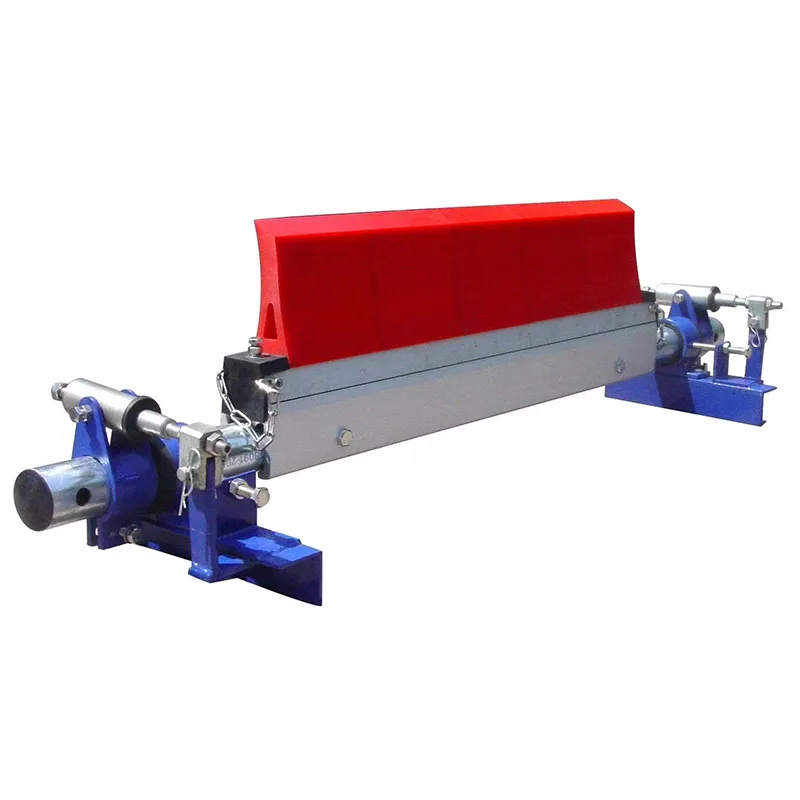
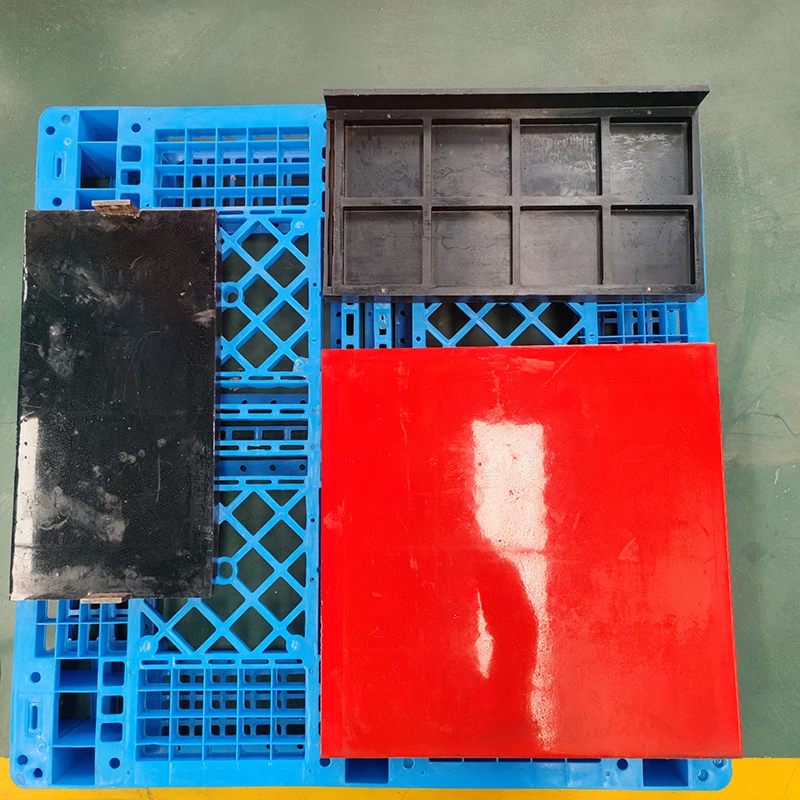
Custom-engineered polyurethane blades for specific belt cleaner configurations.
Areas of Customization:
- Material Formulation: Tailoring polyurethane hardness (durometer), rebound, and chemical resistance to perfectly match the conveyed material's characteristics (e.g., highly abrasive ore, sticky clay, corrosive chemicals).
- Blade Profile & Dimensions: Designing specific blade angles, widths, and thicknesses to optimize cleaning efficiency for different belt speeds, material types, and conveyor geometries. This includes multi-stage belt cleaner systems.
- Mounting Options: Developing custom mounting plates and hardware to ensure seamless integration with existing belt scraper conveyor frames and tensioning systems, minimizing installation time and effort.
- Specialized Additives: Incorporating anti-static agents for flammable environments, FDA-compliant additives for food processing, or UV stabilizers for prolonged outdoor exposure.
- Temperature Resistance: Engineering polyurethane grades capable of performing reliably in extreme hot or cold environments, beyond standard operating ranges.
By collaborating closely with clients, providers of polyurethane solutions can leverage their material science expertise to deliver products that not only fit perfectly but also provide a measurable improvement in operational efficiency and longevity, thereby optimizing the performance of the entire conveyor system.
Application Case Studies and Customer Feedback
Real-world application demonstrates the tangible benefits of high-quality polyurethane conveyor belt scrapers. These case studies highlight improved performance, reduced costs, and enhanced safety across various industries.
Case Study 1: Large-Scale Coal Mining Operation
- Challenge: A major coal mine faced excessive coal fines carry-back on its primary conveyor belts, leading to significant material spillage, increased cleaning costs, and premature wear on idlers and rollers. Their existing rubber belt cleaner blades required monthly replacement.
- Solution: Implementation of a robust primary belt cleaner system equipped with high-abrasion-resistant polyurethane blades (88A Shore hardness). The blades were custom-designed for the specific belt width and speed.
-
Results:
- 95% reduction in material carry-back, virtually eliminating spillage.
- Blade service life extended from 1 month to 8 months, reducing replacement frequency by 87%.
- Estimated annual savings of $75,000 in labor, cleanup, and component replacement costs.
- Improved worker safety due to cleaner walkways and reduced dust.
Case Study 2: Petrochemical Plant - Corrosive Sludge Transport
- Challenge: A petrochemical facility transporting acidic sludge experienced severe corrosion and rapid wear of metallic belt scraper conveyor components. The material's stickiness also led to significant belt fouling.
- Solution: Installation of an advanced belt cleaner system utilizing chemically resistant, anti-corrosive polyurethane blades specifically formulated for aggressive environments.
-
Results:
- Complete elimination of corrosion issues on scraper components.
- Reduced sludge adhesion to the belt and scraper by over 80%.
- Blade life increased by 6 months compared to previous materials.
- Minimized environmental impact from spillage of hazardous materials.
Customer feedback consistently praises the longevity, effectiveness, and low maintenance requirements of polyurethane-based cleaning solutions, reinforcing their reputation as a superior choice for industrial conveyor applications.
Trustworthiness: FAQ, Lead Time, Warranty & Support
Frequently Asked Questions (FAQ)
Q: What is the typical service life of a polyurethane conveyor belt scraper blade?
A: Service life varies significantly based on material conveyed, belt speed, blade material hardness, and operating conditions. However, high-quality polyurethane blades typically offer 3-6 times the life of traditional rubber blades, often ranging from 6 months to over a year in demanding applications.
Q: Are these polyurethane blades compatible with existing belt cleaner systems?
A: Many polyurethane blades are designed to be retrofittable with common belt cleaner systems. It is crucial to verify mounting dimensions and blade profiles with the manufacturer. Custom solutions are also available for unique configurations.
Q: How do polyurethane blades contribute to energy savings?
A: By efficiently removing carry-back, polyurethane blades reduce the weight on the return side of the belt, lessening the load on idlers and the drive motor. The optimized contact pressure and lower friction coefficient also contribute to marginal power savings compared to less effective or more aggressive scraping methods.
Lead Time and Fulfillment
Standard polyurethane conveyor belt scraper blades typically have a lead time of 2-4 weeks, depending on order volume and specific material requirements. For urgent requirements, expedited manufacturing and shipping options may be available upon request. Custom-engineered solutions may require slightly longer lead times for design, prototyping, and specialized production runs, generally between 4-8 weeks. We maintain a robust inventory of common blade types to ensure swift fulfillment for critical replacement needs.
Warranty Commitments
Our polyurethane conveyor belt scrapers are backed by a comprehensive warranty against manufacturing defects and premature wear under normal operating conditions. Standard warranty periods typically range from 12 to 24 months from the date of purchase, depending on the specific product line and application. Full warranty terms and conditions are provided with each order and are available upon request. Our commitment is to deliver products of the highest quality and reliability.
Customer Support Information
We offer dedicated technical support to assist with product selection, installation guidance, and troubleshooting. Our team of experienced engineers and customer service professionals is available via phone and email during business hours. On-site technical assistance can also be arranged for complex installations or performance optimization. Our goal is to ensure your conveyor cleaning systems operate at peak efficiency with minimal downtime.
Conclusion
The strategic integration of polyurethane into conveyor belt cleaning systems represents a significant advancement in material handling efficiency and sustainability. From its meticulously controlled manufacturing process to its proven advantages in diverse industrial applications, the polyurethane conveyor belt scraper stands as a testament to engineering innovation. By offering superior abrasion resistance, extended service life, and tailored solutions, polyurethane components significantly reduce operational costs, enhance safety, and contribute to the overall productivity of modern industrial operations. Partnering with a knowledgeable vendor capable of providing high-quality, customized polyurethane solutions is crucial for unlocking these benefits and ensuring optimal performance of your belt cleaner and belt scraper conveyor systems.
References
- ASTM International. "Standard Test Method for Rubber Property – Durometer Hardness." ASTM D2240.
- DIN Deutsches Institut für Normung e.V. "Testing of rubber – Determination of abrasion resistance (volume loss method)." DIN 53516.
- ISO (International Organization for Standardization). "Quality management systems – Requirements." ISO 9001.
- NIOSH (National Institute for Occupational Safety and Health). "Conveyor Belt Maintenance and Safety." Centers for Disease Control and Prevention.
- "The Role of Polyurethane in Industrial Conveyor Systems." Polymer Engineering & Science Journal.