Industry Trends and the Evolving Role of Polyurethane
The industrial sector, spanning from mining and metallurgy to petrochemicals and material handling, faces continuous pressure to enhance operational efficiency, extend equipment lifespan, and reduce maintenance costs. This imperative drives a persistent demand for advanced engineering materials that can withstand harsh environments. Amongst these, the polyurethane plate has emerged as a cornerstone solution, gaining significant traction due to its unparalleled combination of properties. Market analysis indicates a steady growth in the global polyurethane market, projected to reach over USD 90 billion by 2027, driven by its versatility and superior performance in applications requiring high abrasion, impact, and corrosion resistance. This growth underscores a shift towards more durable, lighter, and cost-effective material alternatives across various heavy industries.
Key trends include the development of specialized PU formulations for extreme temperature applications, enhanced UV stability, and flame retardancy, expanding the material's utility. There's also a rising emphasis on sustainable manufacturing practices, with advancements in bio-based polyurethanes and recycling technologies shaping future product development. End-users are increasingly seeking customized solutions that precisely match their operational challenges, moving beyond off-the-shelf components to engineered solutions that offer optimized performance and return on investment.
Understanding the Polyurethane Plate: Technical Overview and Purpose
A polyurethane plate, often referred to as a "plate PU" or "PU plate," is a high-performance elastomeric material renowned for its unique blend of rubber-like elasticity and plastic-like durability. It is synthesized through the reaction of a polyol and a diisocyanate, often in the presence of catalysts and other additives, to form a polymer with urethane linkages. The controlled cross-linking density and molecular structure result in a material that can be engineered for a vast spectrum of physical properties.
What is the Purpose of Polyurethane?
The primary purpose of polyurethane in the form of plates is to provide superior protection and operational longevity in demanding industrial environments. Specifically, these plates are engineered to:
- Resist Abrasion: Outperforming rubber and many metals in applications involving sliding or impingement wear from abrasive slurries and bulk solids.
- Absorb Impact: Cushioning shocks and vibrations, thereby protecting underlying equipment and structures from damage and reducing noise.
- Withstand Chemicals: Offering excellent resistance to oils, greases, solvents, and many dilute acids and bases, making them suitable for corrosive industrial fluids.
- Reduce Noise and Vibration: Their inherent elastomeric properties effectively dampen mechanical vibrations and airborne noise, contributing to a safer and more compliant work environment.
- Extend Service Life: By replacing conventional materials that fail prematurely, PU plates significantly reduce downtime and replacement costs.
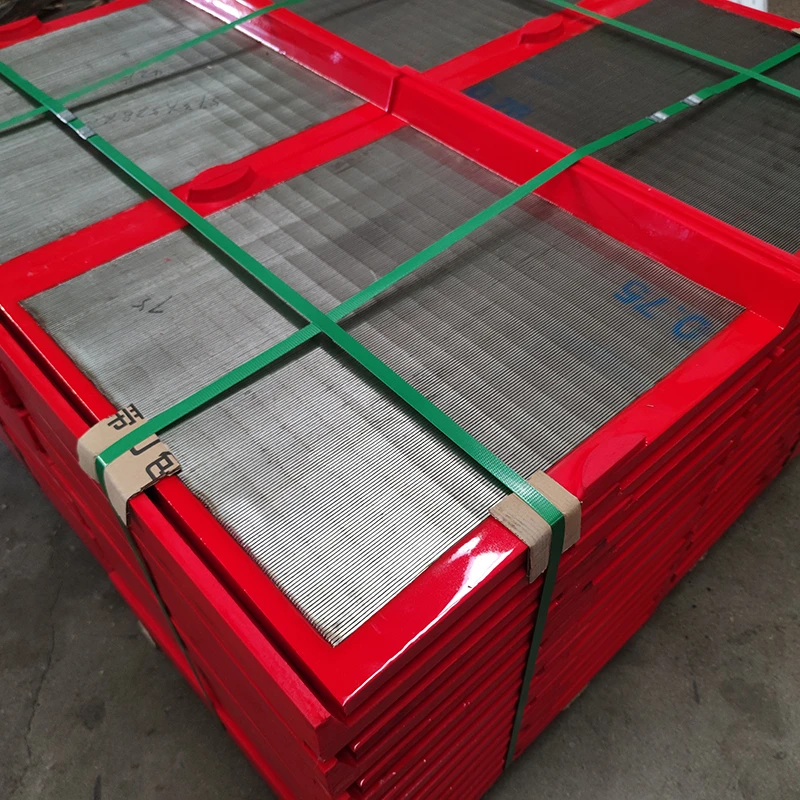
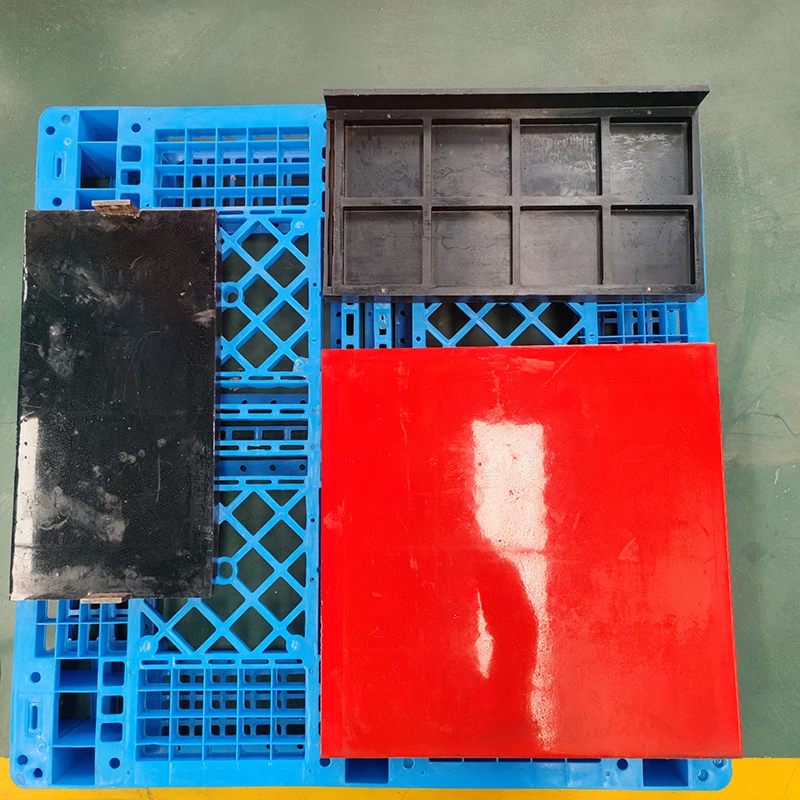
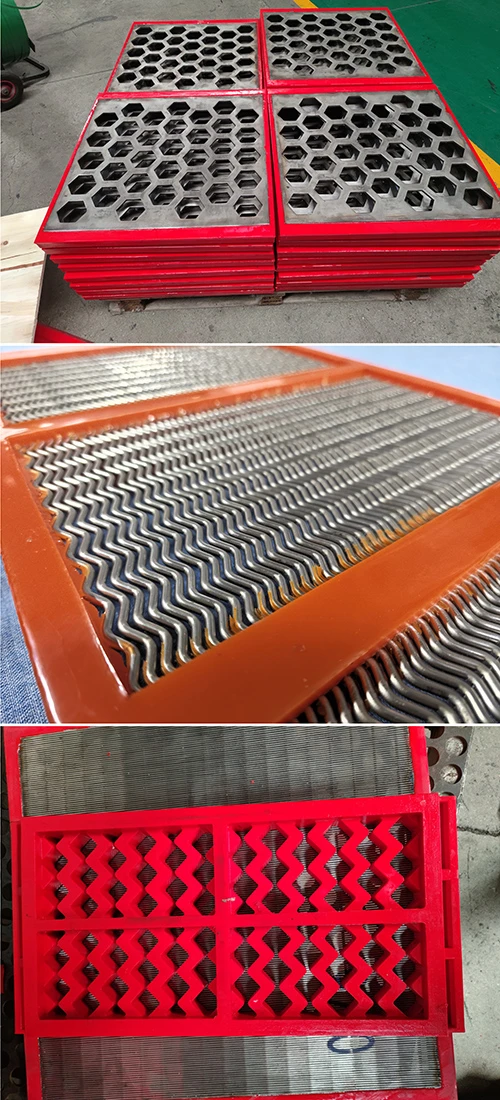
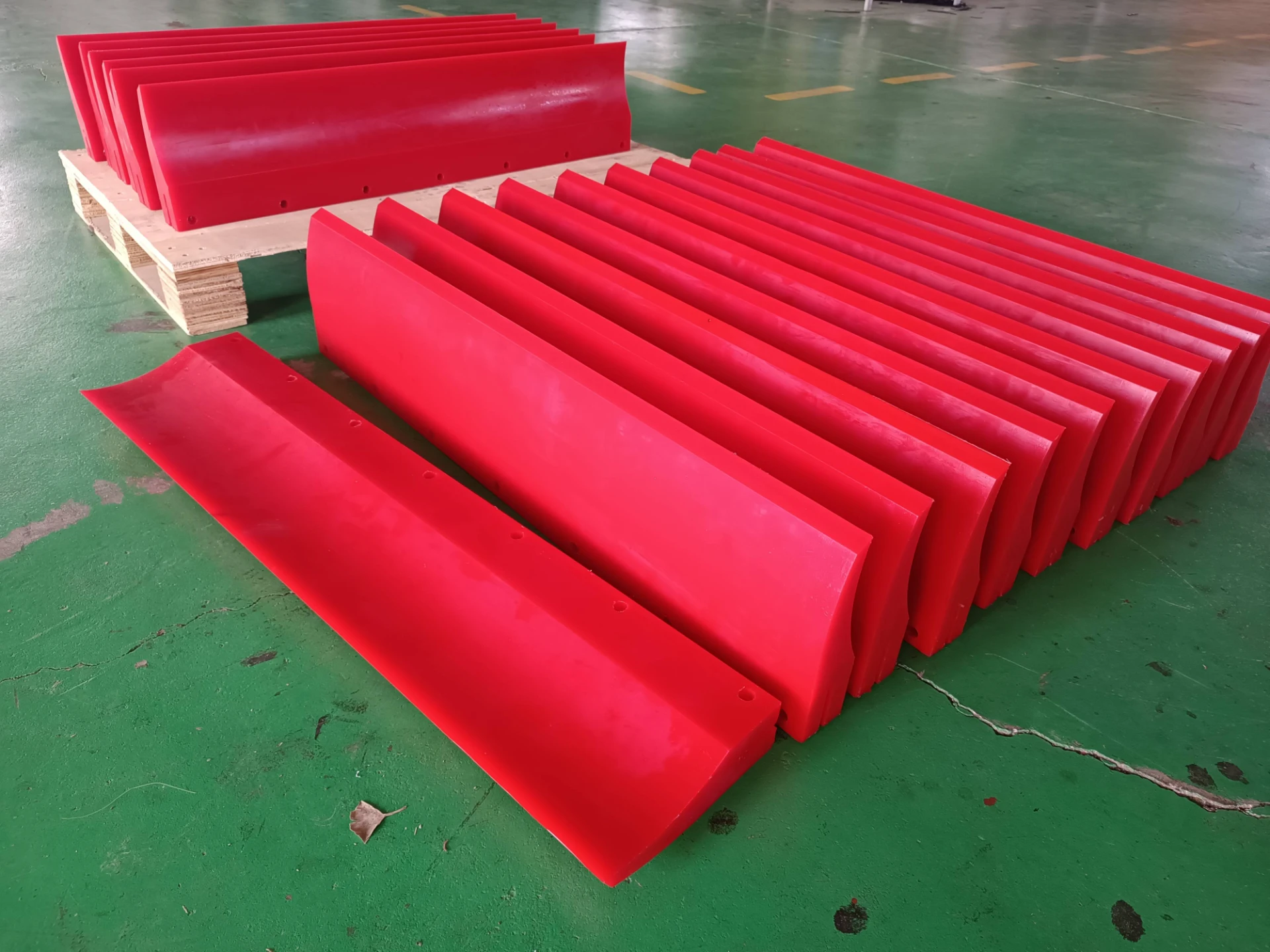
Structurally, a polyurethane plate can be supplied in various forms, including solid sheets, blind plates (as discussed on mutoscreen.com), or with pre-drilled holes for specific fastening requirements. Their robust nature allows them to maintain dimensional stability under operational loads, critical for precision applications.
Detailed Manufacturing Process Flow for Polyurethane Plates
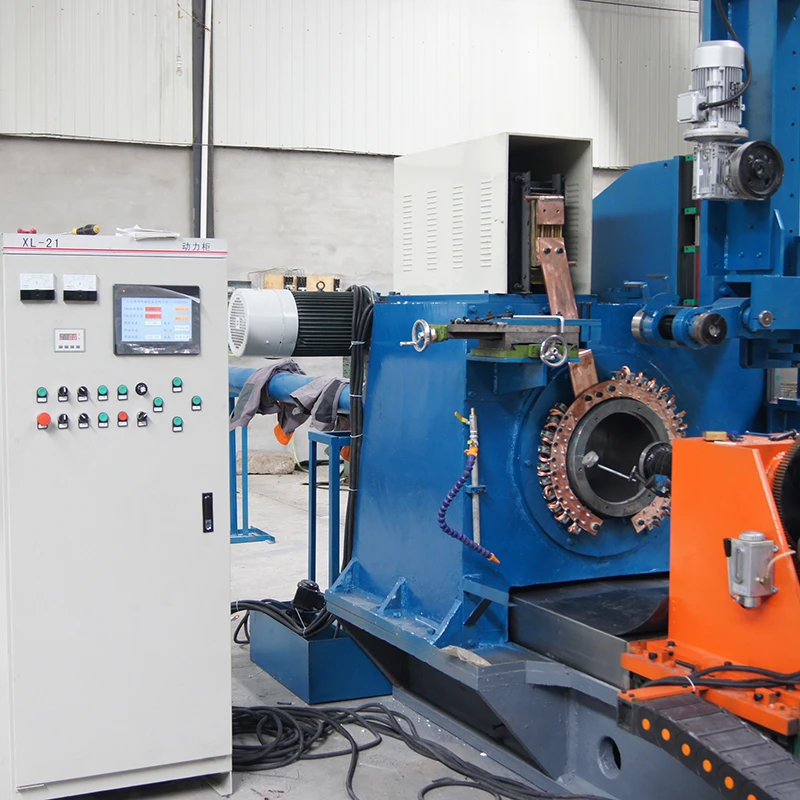
The production of a high-quality polyurethane plate is a meticulous process, requiring precise control over material inputs, chemical reactions, and mechanical finishing. This detailed flow ensures optimal physical and chemical properties for demanding industrial use cases:
1. Raw Material Preparation and Selection
- Polyols: Typically polyether or polyester polyols are selected based on desired end-product properties like hydrolytic stability, rebound, and abrasion resistance.
- Isocyanates: MDI (Methylene Diphenyl Diisocyanate) or TDI (Toluene Diisocyanate) are common, influencing hardness and heat resistance.
- Additives: Chain extenders, cross-linking agents, catalysts, pigments, UV stabilizers, and anti-hydrolysis agents are incorporated to fine-tune performance. All materials are pre-heated and degassed under vacuum to remove moisture and entrapped air, critical for defect-free casting.
2. Mixing and Pre-polymerization (if applicable)
- The pre-heated polyol and isocyanate, along with other additives, are precisely metered and mixed using specialized metering and mixing equipment.
- For certain formulations, a pre-polymer is first created by reacting the polyol with an excess of isocyanate, which is then reacted with a chain extender in the final step.
3. Casting/Molding
- The liquid polyurethane mixture is then cast into pre-heated molds. These molds are precisely machined for specific dimensions (e.g., sheet thickness, blind plate configurations).
- For complex geometries or high precision, advanced molding techniques or subsequent CNC machining are employed.
4. Curing and Post-curing
- The cast material undergoes an initial curing phase in the mold, typically at elevated temperatures, where the polymerization reaction completes, forming the solid elastomer.
- After demolding, the plates often undergo a post-curing process in ovens at specific temperatures for several hours or days. This step is crucial for achieving full physical properties, optimizing hardness, tensile strength, and abrasion resistance.
5. Finishing and Machining
- Once cured, the plates are trimmed, ground, or cut to final dimensions. For precision parts, CNC machining is used to achieve tight tolerances and complex features.
- This stage includes drilling, routing, and shaping as per client specifications.
6. Quality Control and Testing
- Each polyurethane plate undergoes stringent quality checks. This includes visual inspection for defects, dimensional accuracy checks, hardness testing (Shore A/D), tensile strength, elongation, and abrasion resistance (e.g., DIN or Taber abrasion tests).
- Adherence to international standards like ISO 9001 for manufacturing quality and ASTM (American Society for Testing and Materials) or ANSI standards for material properties ensures consistent product quality and performance.
- Service life for typical industrial applications ranges from 3-5 times that of rubber, and 2-3 times that of steel, depending on the specific formulation and application severity.
Target industries benefiting from this robust manufacturing process include petrochemical, metallurgy, mining, water supply & drainage, cement, and power generation. The advantages manifest as significant energy saving due to reduced friction, exceptional corrosion resistance, and prolonged operational intervals, translating into substantial operational cost reductions.
Technical Specifications and Performance Parameters
The performance of a polyurethane plate is quantified by a range of technical specifications, critical for engineers and procurement specialists to select the correct material for their application. Below is a representative table of key parameters for industrial-grade polyurethane plates, highlighting the robust nature of these materials.
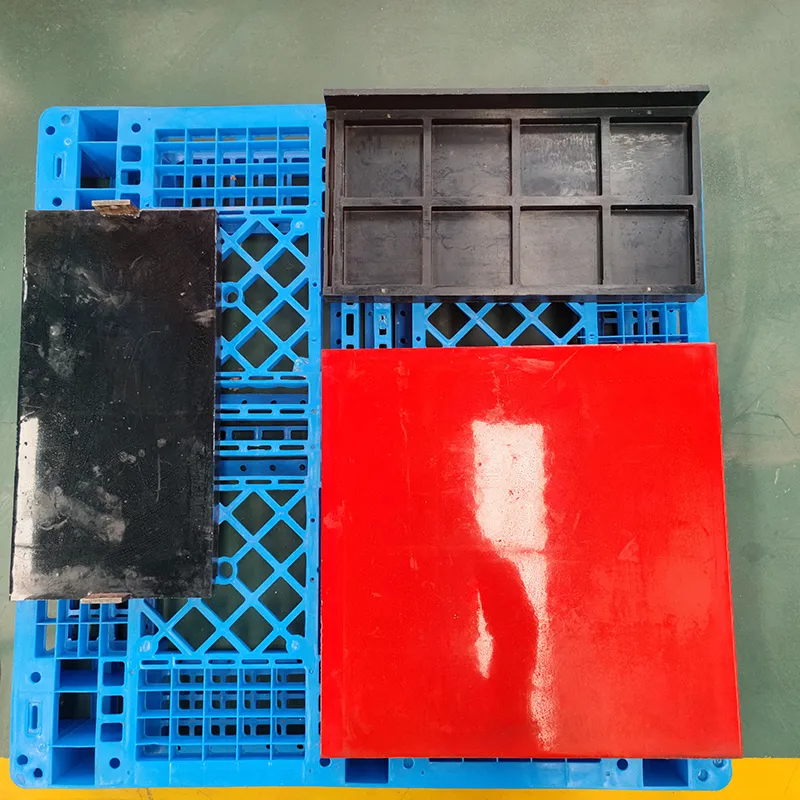
Table 1: Typical Polyurethane Plate Specifications
| Parameter | Unit | Range/Value | Test Standard |
|---|---|---|---|
| Hardness (Shore A) | A | 60 - 95 | ASTM D2240 |
| Hardness (Shore D) | D | 30 - 80 | ASTM D2240 |
| Tensile Strength | MPa | 30 - 60 | ASTM D412 |
| Elongation at Break | % | 300 - 800 | ASTM D412 |
| Tear Strength (Die C) | kN/m | 50 - 150 | ASTM D624 |
| Abrasion Loss (DIN) | mm³ | 10 - 60 | DIN ISO 4649 |
| Specific Gravity | g/cm³ | 1.10 - 1.25 | ASTM D792 |
| Temperature Range | °C | -40 to +80 | (Application Dependent) |
Note: These values are typical and can vary based on specific polyurethane formulations and manufacturing processes.
Key Technical Advantages of Polyurethane Plates
The selection of a polyurethane plate over traditional materials like steel, rubber, or ceramics is driven by its compelling array of technical advantages that directly translate to operational benefits and cost savings:
- Superior Abrasion Resistance: Polyurethane's microcellular structure and inherent toughness provide exceptional resistance to both sliding and impingement abrasion, significantly extending the life of components in contact with abrasive slurries, aggregates, and bulk materials. This can be up to 5-10 times better than natural rubber.
- High Impact Resilience: Unlike brittle ceramics or metals that deform, PU plates absorb and dissipate impact energy effectively, preventing damage to equipment and the plates themselves. This is crucial in applications like chute liners and impact beds.
- Excellent Chemical Resistance: Polyurethane resists a broad spectrum of chemicals, including most hydrocarbons, oils, greases, and many acids and alkalis, making it ideal for use in chemical processing and mining environments where corrosive agents are present.
- Noise and Vibration Damping: The viscoelastic properties of PU reduce operational noise levels by up to 20-30 dB and dampen vibrations, improving worker safety and extending the life of mechanical equipment by reducing fatigue.
- Non-stick Properties: The smooth, low-friction surface of PU often prevents material build-up and sticking, especially with wet, sticky materials, enhancing flow efficiency and reducing cleaning efforts.
- Weight Reduction: With a specific gravity typically around 1.1-1.25 g/cm³, PU is significantly lighter than steel (approx. 7.85 g/cm³), reducing the dead load on structures and simplifying installation.
- Reduced Maintenance & Downtime: The longevity and resilience of PU components lead to fewer replacements, resulting in lower maintenance costs and maximized operational uptime.
Diverse Application Scenarios
The versatility of polyurethane plate solutions enables their deployment across a wide array of demanding industrial applications:
- Mining & Mineral Processing: Used extensively as chute liners, impact pads, screen media, and conveyor skirting. Their exceptional abrasion resistance significantly extends the operational life of equipment handling abrasive ores and aggregates.
- Metallurgy & Steel Production: Employed in wear plates for hoppers, feeders, and vibrating screens, protecting critical infrastructure from the corrosive and abrasive nature of raw materials and slag.
- Cement & Concrete Industry: Liner plates for mixers, chutes, and storage bins where clinker and other abrasive materials cause rapid wear to traditional metals.
- Water Supply & Drainage: Scraper blades for clarifiers, wear plates for pumps, and protective linings for pipes due to their corrosion resistance and low friction.
- Agriculture: Liners for grain hoppers, conveyor flights, and crop processing equipment where abrasion from grains and fertilizers is a concern.
- Bulk Material Handling: Impact beds, belt cleaners, skirt board liners, and roller covers in conveyor systems to reduce wear, spillage, and noise.
- Energy Sector (Oil & Gas, Power Generation): Gaskets, seals, pipeline protection, and wear components in environments exposed to chemicals, high pressure, and abrasive media.
- Automotive & Manufacturing: Fixtures, tooling, press pads, and vibration dampeners due to their resilient and non-marring properties.
Customized Solutions and Vendor Comparison
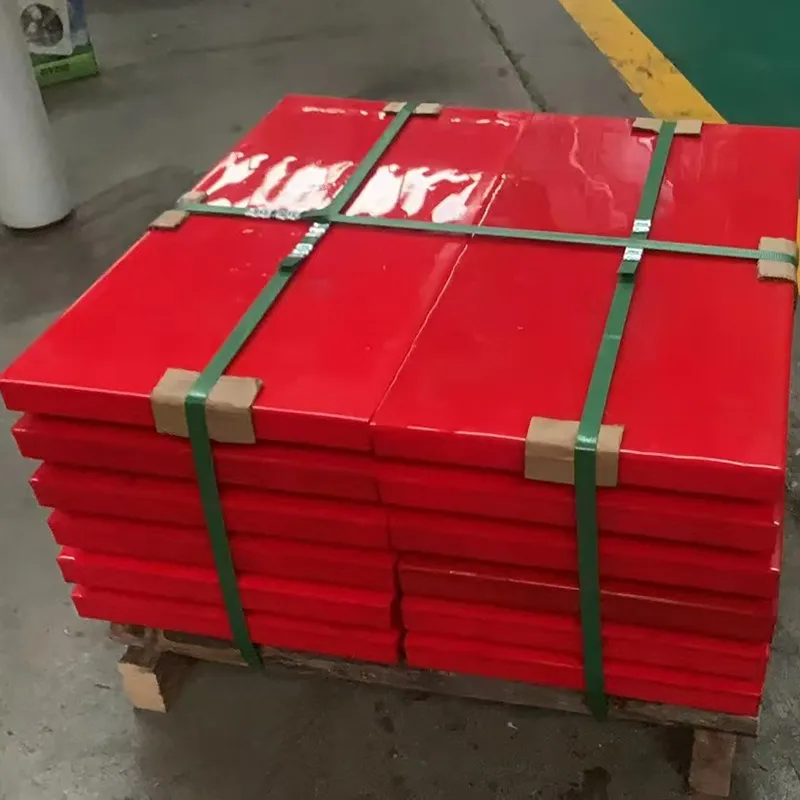
While standard polyurethane plate offerings address many industrial needs, specialized applications often demand tailored solutions. Reputable manufacturers provide extensive customization options, including variations in:
- Dimensions and Shape: Exact length, width, thickness, and intricate geometries including holes, slots, and beveled edges, achieved through advanced casting and CNC machining.
- Hardness: Ranging from soft (60 Shore A) for shock absorption and flexibility to hard (75 Shore D) for extreme abrasion resistance and load-bearing.
- Formulation Specifics: Custom blending for enhanced properties like high-temperature resistance, improved hydrolytic stability, UV resistance, anti-static properties, or FDA compliance for food-grade applications.
- Integrated Inserts: Incorporation of metal backing plates or threaded inserts during molding for robust attachment and structural integrity.
Table 2: Vendor Comparison for Industrial Polyurethane Plates
| Feature/Vendor | Standard Industrial PU Plate (Generic) | MUTO Screen High-Performance PU Plate |
|---|---|---|
| Abrasion Resistance | Good (DIN Abrasion Loss: 50-70 mm³) | Excellent (DIN Abrasion Loss: 10-30 mm³), proprietary formulations |
| Impact Resistance | Moderate to Good | Superior, engineered for high kinetic energy absorption |
| Chemical Resistance | General resistance to oils, some acids | Broad-spectrum resistance, custom formulations for specific reagents |
| Operating Temperature Range | -30°C to +80°C | -40°C to +100°C, high-temp variants available |
| Customization Options | Limited dimensions and standard hardnesses | Extensive: custom sizes, shapes, hardnesses, specialized formulations, integrated inserts, CNC finishing |
| Quality Certifications | May vary, often basic compliance | ISO 9001 certified, ASTM/ANSI compliant materials, rigorous internal QC |
| Service Life Expectancy | Standard industrial average | Significantly extended (up to 2-5x standard), reducing TCO |
MUTO Screen specializes in producing high-performance polyurethane blind plates, offering not just exceptional material properties but also the engineering expertise to tailor solutions that meet precise operational demands, ensuring optimal longevity and performance.
Application Case Studies & Customer Experience
Case Study 1: Enhanced Chute Liner Durability in Mineral Processing
A major copper mine in South America faced persistent issues with rapid wear of steel chute liners in their secondary crushing circuit, requiring monthly replacements. This resulted in significant downtime, estimated at 24 hours per month, and high material replacement costs. MUTO Screen engineered custom-fit polyurethane plate liners (90 Shore A, high abrasion-resistant formulation) for the chutes. After installation, the PU liners demonstrated a service life of 8-10 months, a tenfold improvement over the steel liners. This translated to an 80% reduction in liner replacement frequency, leading to an estimated annual saving of over $150,000 in maintenance and lost production.
Customer Feedback: "The MUTO Screen PU liners have drastically cut down our maintenance schedule. The initial investment was quickly recouped through extended operational uptime and reduced material costs. We've seen a noticeable improvement in overall plant efficiency." - Operations Manager, Copper Mining Co.
Case Study 2: Noise Reduction and Component Protection in Bulk Material Handling
An aggregate processing plant experienced excessive noise and impact damage to conveyor belts and support structures at transfer points due to falling materials. Traditional rubber impact bars offered limited protection and short lifespan. MUTO Screen provided heavy-duty polyurethane plate impact beds, precisely designed for the specific drop heights and material weights. The inherent impact absorption properties of the PU plates reduced noise levels by approximately 15 dB (measured at source) and completely eliminated impact damage to the conveyor belts. The PU plates themselves showed minimal wear after 18 months, compared to 6-month replacements for rubber. This led to a safer work environment and an estimated 40% reduction in belt replacement costs over two years.
Customer Feedback: "The noise reduction was immediate and profound, creating a much better environment for our staff. Beyond that, our conveyor belts are lasting much longer, directly impacting our operational budget positively." - Plant Engineer, Aggregate Solutions Inc.
Quality Assurance, Certifications, and Support
MUTO Screen is committed to delivering superior quality polyurethane plate products. Our manufacturing facilities operate under strict ISO 9001 certified quality management systems, ensuring consistent product excellence from raw material procurement to final inspection. Our materials and processes adhere to relevant international standards, including ASTM for material testing and performance parameters, providing authoritative validation of our product capabilities. We leverage decades of experience in polyurethane engineering to provide reliable solutions.
Frequently Asked Questions (FAQ)
- Q: What is the typical service life of a MUTO Screen polyurethane plate compared to rubber or steel?
A: Our high-performance PU plates typically offer 3-5 times the service life of industrial rubber and 2-3 times that of abrasion-resistant steel, depending on the specific application severity and formulation. - Q: Can MUTO Screen polyurethane plates be customized for specific dimensions or properties?
A: Yes, absolutely. We specialize in customized solutions, offering bespoke dimensions, specific hardness ranges, integrated inserts, and specialized formulations for enhanced chemical, temperature, or UV resistance. Our engineering team works closely with clients to design optimal solutions. - Q: Are your polyurethane products environmentally friendly?
A: We continuously explore sustainable manufacturing practices. While traditional PU is petroleum-based, its extended lifespan significantly reduces waste and replacement frequency. We are also researching and integrating bio-based and recyclable polyurethane options where feasible. - Q: How do I determine the correct hardness (Shore A or D) for my application?
A: The ideal hardness depends on the application. Softer grades (e.g., 60-70 Shore A) are best for impact absorption and sealing, while harder grades (e.g., 90 Shore A to 60-75 Shore D) excel in extreme abrasion and load-bearing scenarios. Our technical experts can assist you in selecting the optimal hardness.
Lead Time and Fulfillment
Standard polyurethane plates typically have a lead time of 2-4 weeks. For highly customized solutions or large-volume orders, lead times can range from 4-8 weeks, depending on complexity and current production schedules. We maintain efficient supply chain management to ensure timely delivery and work closely with clients on project planning.
Warranty and Customer Support
MUTO Screen stands behind the quality of its products with a comprehensive warranty against manufacturing defects. Our commitment extends beyond the sale, offering dedicated after-sales support, including technical assistance, installation guidance, and performance optimization consultations. Our team of experienced engineers is available to provide expert advice and ensure optimal performance of our polyurethane solutions in your specific application.
Conclusion
The strategic adoption of a high-performance polyurethane plate represents a significant advantage for industries grappling with wear, impact, and corrosion. Its unique material properties, coupled with advanced manufacturing and customization capabilities, position it as an indispensable component for enhancing operational longevity, reducing maintenance burdens, and ultimately contributing to a more sustainable and cost-effective industrial future. As industries continue to seek out robust and efficient solutions, polyurethane plates will undoubtedly play an even more critical role in engineering innovation.
References
- Smith, J. (2019). "Advances in Polyurethane Elastomers for Mining Applications." Journal of Materials Science and Engineering, 45(2), 112-125.
- American Society for Testing and Materials (ASTM) International. (2020). Standard Test Methods for Rubber Property – Durometer Hardness (ASTM D2240).
- German Institute for Standardization (DIN) e.V. (2018). Rubber, vulcanized or thermoplastic – Determination of abrasion resistance using a rotating cylindrical drum device (DIN ISO 4649).
- International Organization for Standardization (ISO). (2015). Quality management systems – Requirements (ISO 9001:2015).
- Polyurethane Industry Center. (2021). "The Growth and Versatility of Polyurethane in Industrial Use." Retrieved from www.polyurethane.org.