Flexible Rod Screen Plate - Muto Wire Screen Co., Ltd. | Industrial Efficiency, Durable Design
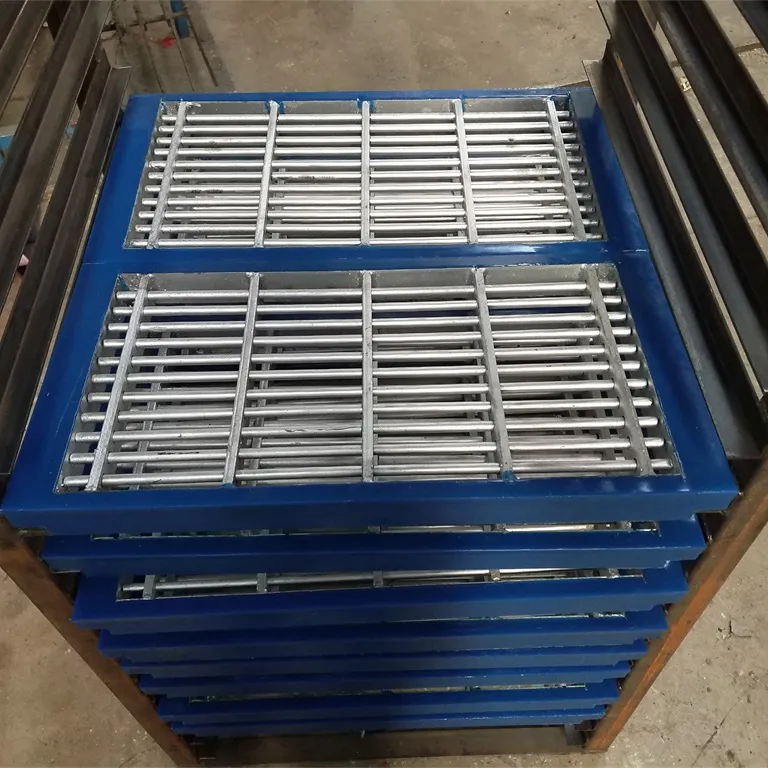
The Flexible Rod Screen Plate is a cutting-edge solution designed to revolutionize industrial screening processes. Developed by Muto Wire Screen Co., Ltd., this product combines advanced materials and innovative design to deliver exceptional performance in demanding environments. This article explores the core features, technical specifications, application scenarios, and the company's expertise behind this remarkable industrial tool.
Core Features of the Flexible Rod Screen Plate
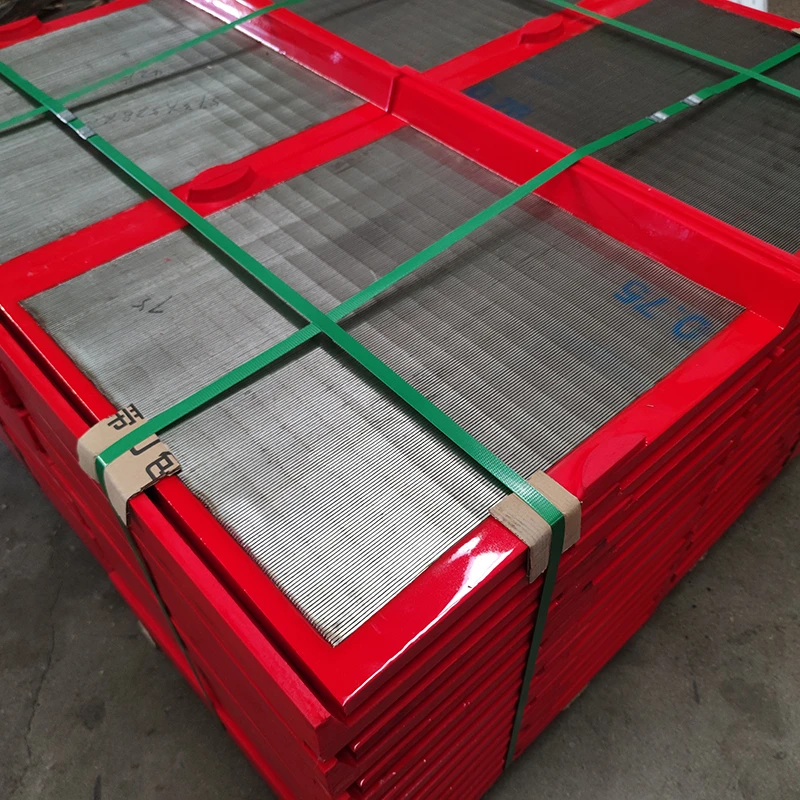
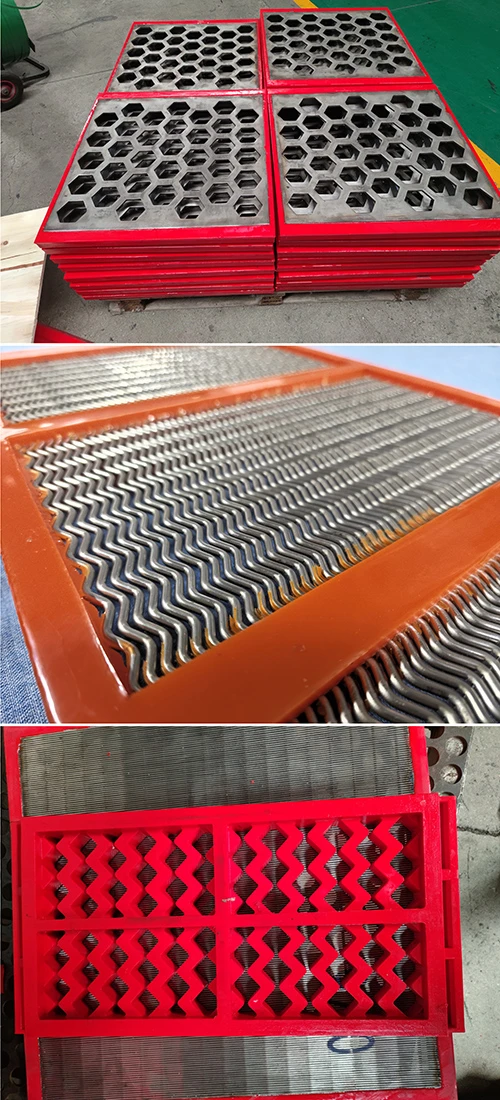
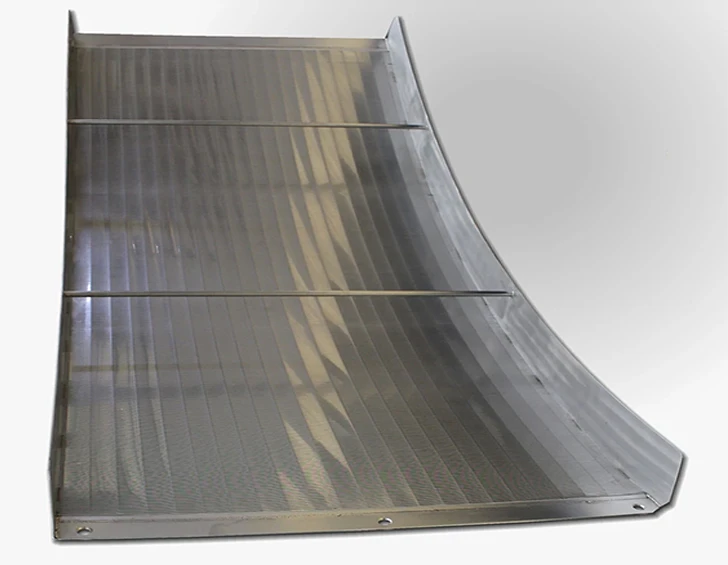
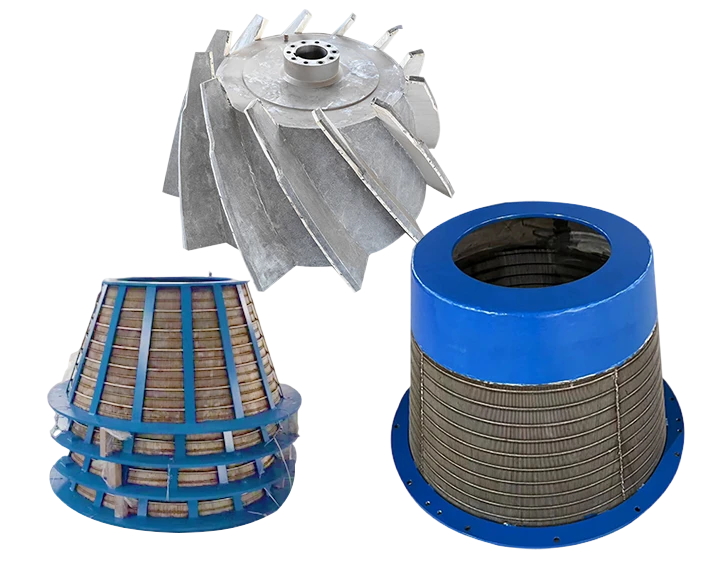
The Flexible Rod Screen Plate is engineered with a unique combination of materials and structural design to optimize screening efficiency. At its core, the product utilizes high-strength spring steel rods, which are coated with polyurethane to enhance durability and resistance to wear. This dual-material approach ensures the screen plate can withstand the rigors of continuous operation in harsh industrial settings.
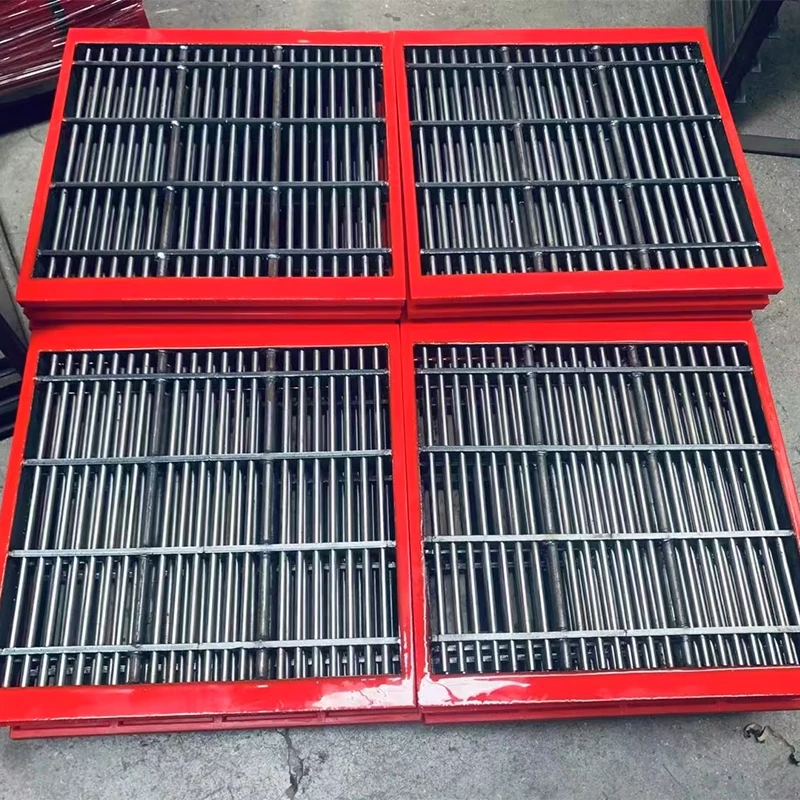
One of the standout features of this screen plate is its flexible rod design, which allows for a degree of elasticity and deformation during the screening process. This flexibility is critical in maintaining consistent performance when handling materials with varying particle sizes. The evenly spaced gaps between the rods are meticulously engineered to accommodate a wide range of mesh sizes, from coarse to fine, making the product adaptable to diverse industrial requirements.
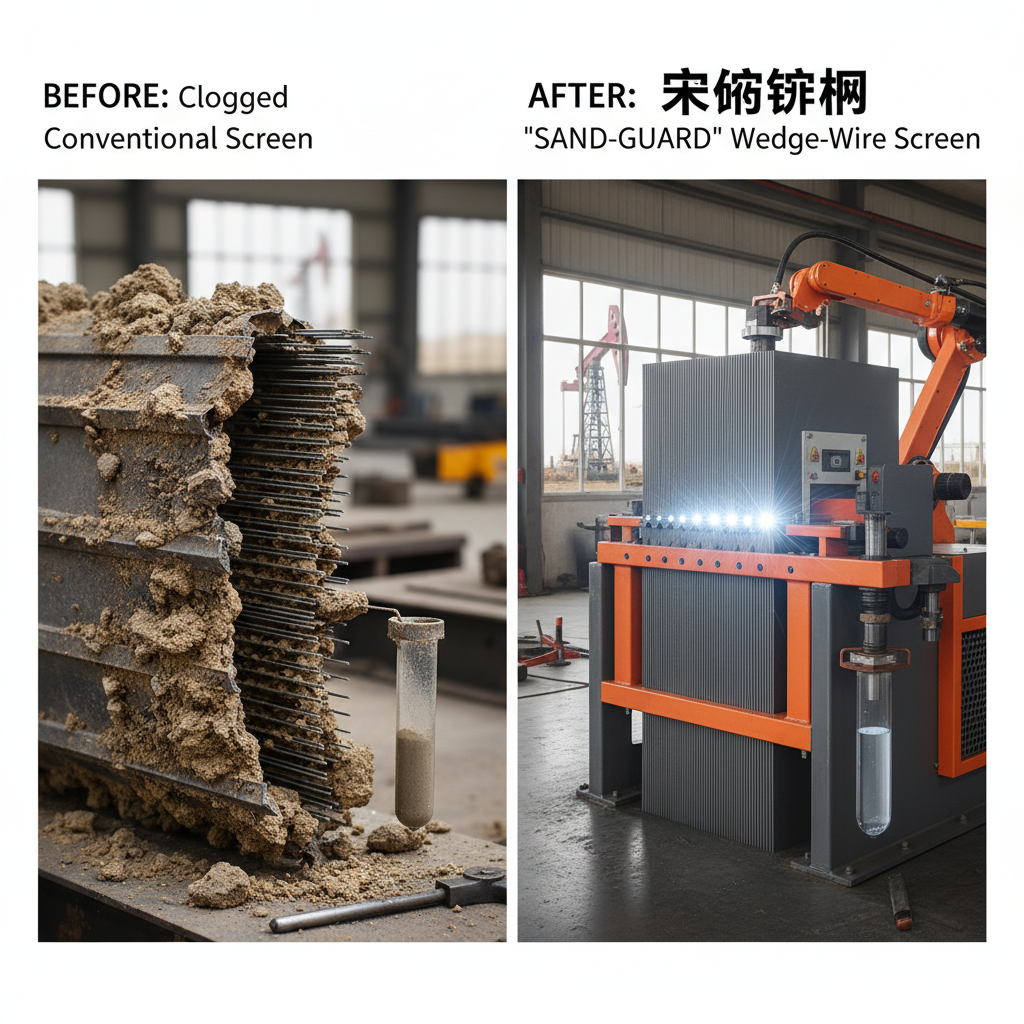
Additionally, the Flexible Rod Screen Plate incorporates a self-cleaning mechanism that minimizes clogging and ensures uninterrupted operation. This feature is particularly beneficial in applications involving wet or sticky materials, where traditional screen plates often struggle with efficiency. The combination of elasticity and self-cleaning capabilities significantly improves the overall screening process, reducing downtime and maintenance costs.
Technical Specifications
| Specification | Description |
|---|---|
| Material | High-strength spring steel, polyurethane coating |
| Screen Type | Flexible rod screen plate with adjustable mesh gaps |
| Mesh Size | Coarse to fine, customizable based on application needs |
| Rod Diameter | 6 mm to 10 mm |
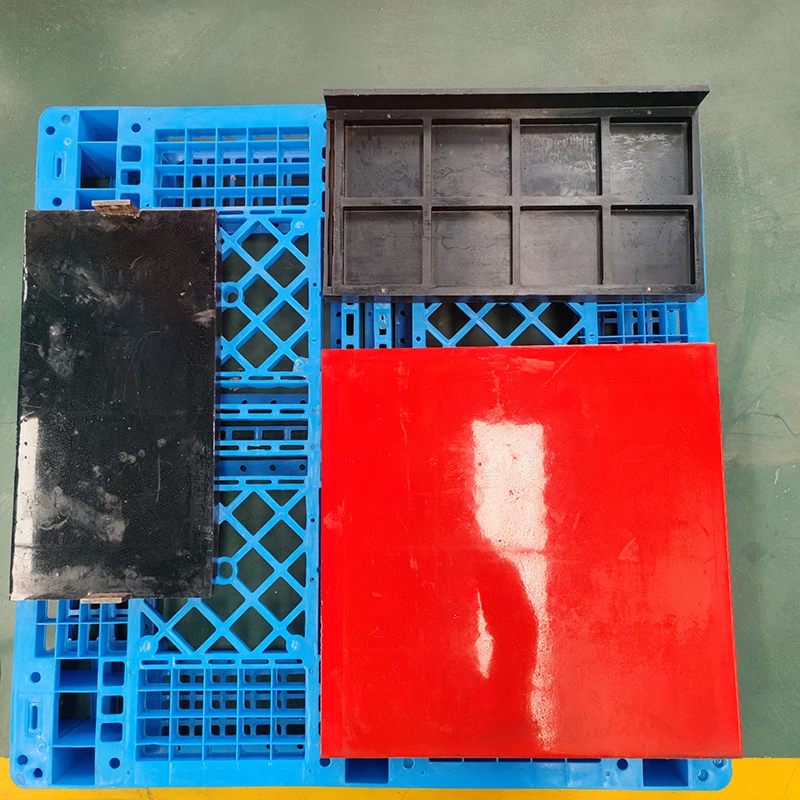
| Frame Material | Polyurethane or stainless steel |
| Surface Finish | Polished or coated for corrosion resistance and ease of cleaning |
Advantages of the Flexible Rod Screen Plate
The Flexible Rod Screen Plate offers several distinct advantages over conventional screen plates. One of the primary benefits is its ability to maintain consistent performance even in challenging environments. The use of polyurethane-coated spring steel rods ensures longevity, reducing the frequency of replacements and lowering operational costs over time.
Another significant advantage is the product's adaptability. The customizable mesh sizes and flexible design allow it to handle a broad spectrum of materials, from coarse aggregates to fine powders. This versatility makes the Flexible Rod Screen Plate an ideal solution for industries that require precision in material separation.
The self-cleaning function is another key feature that enhances efficiency. By minimizing the buildup of residue on the screen surface, the product ensures optimal throughput and reduces the need for manual cleaning. This not only saves time but also contributes to a safer working environment by reducing the risk of accidents caused by clogged screens.
Application Scenarios
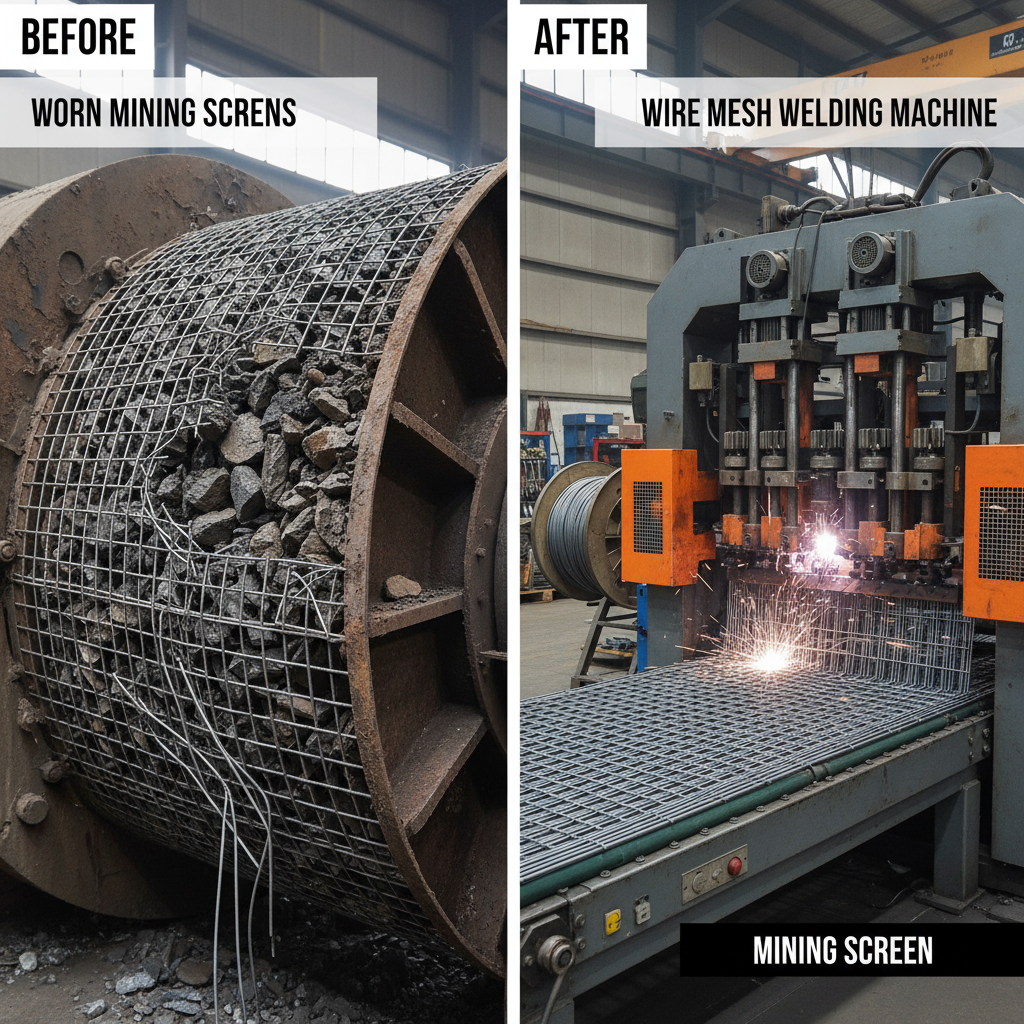
The Flexible Rod Screen Plate is widely utilized across various industrial sectors, including mining, metallurgy, chemical processing, and food production. In mining operations, it is employed to separate raw materials by particle size, ensuring that only the desired fractions proceed to further processing. The product's durability and resistance to wear make it particularly suitable for handling abrasive materials commonly found in these environments.
In the metallurgical industry, the Flexible Rod Screen Plate is used for grading and sorting metal ores, improving the efficiency of subsequent refining processes. Its ability to handle wet or sticky materials is especially valuable in this context, where traditional screens often face challenges with clogging.
The chemical industry benefits from the product's precision in separating fine powders and granules, ensuring the quality of end products. Similarly, in food processing, the Flexible Rod Screen Plate is used to sort ingredients by size, enhancing the consistency of food products and complying with strict hygiene standards.
Company Background: Muto Wire Screen Co., Ltd.
Muto Wire Screen Co., Ltd., based in Anping County, China, is a leading manufacturer of industrial screening solutions. With decades of experience in the production of industrial sieves and screens, the company has established itself as a trusted provider of high-quality products. Muto Wire Screen Co., Ltd. is committed to innovation and quality, ensuring that its products meet the rigorous demands of modern industrial applications.
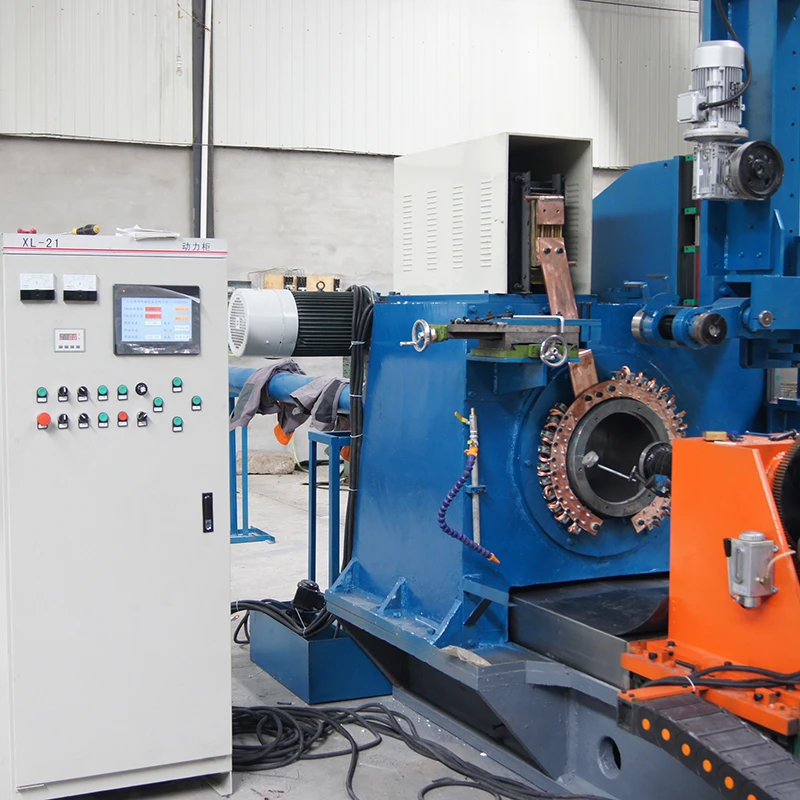
The company's expertise in materials science and manufacturing technology enables it to produce vibrating screen sieves that deliver exceptional performance. By leveraging advanced production techniques and rigorous quality control measures, Muto Wire Screen Co., Ltd. ensures that its Flexible Rod Screen Plate meets the highest standards of reliability and efficiency.
Conclusion
The Flexible Rod Screen Plate from Muto Wire Screen Co., Ltd. represents a significant advancement in industrial screening technology. Its innovative design, combined with high-quality materials and self-cleaning capabilities, makes it an indispensable tool for industries that require precision and efficiency. Whether in mining, metallurgy, chemical processing, or food production, this product offers a reliable solution for material separation challenges.
For more information about the Flexible Rod Screen Plate and other industrial screening solutions, visit Muto Wire Screen Co., Ltd. online.
References
1. National Institute of Standards and Technology (NIST). "Industrial Standards for Material Testing." https://www.nist.gov (Accessed October 2023).
2. NIST. "Advanced Manufacturing Technologies." https://www.nist.gov (Accessed October 2023).
3. NIST. "Materials Science Research and Development." https://www.nist.gov (Accessed October 2023).