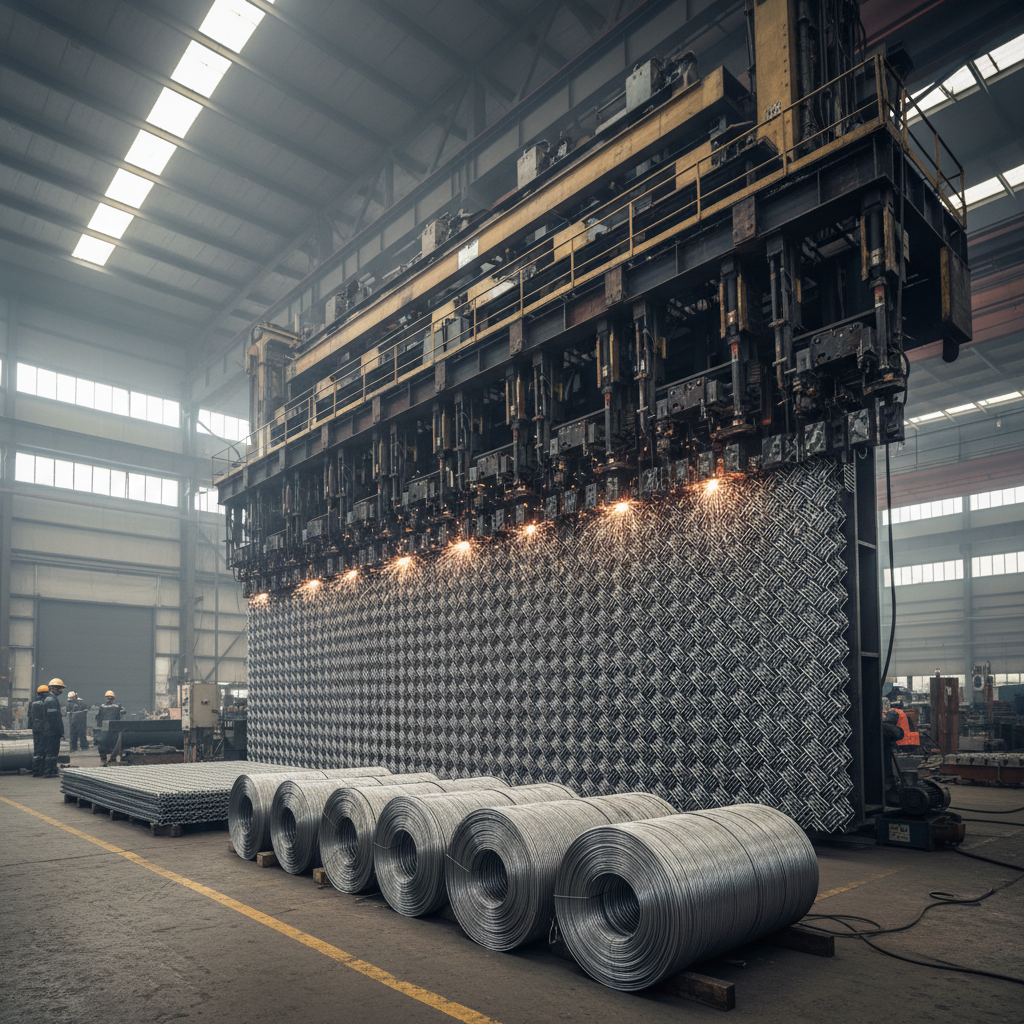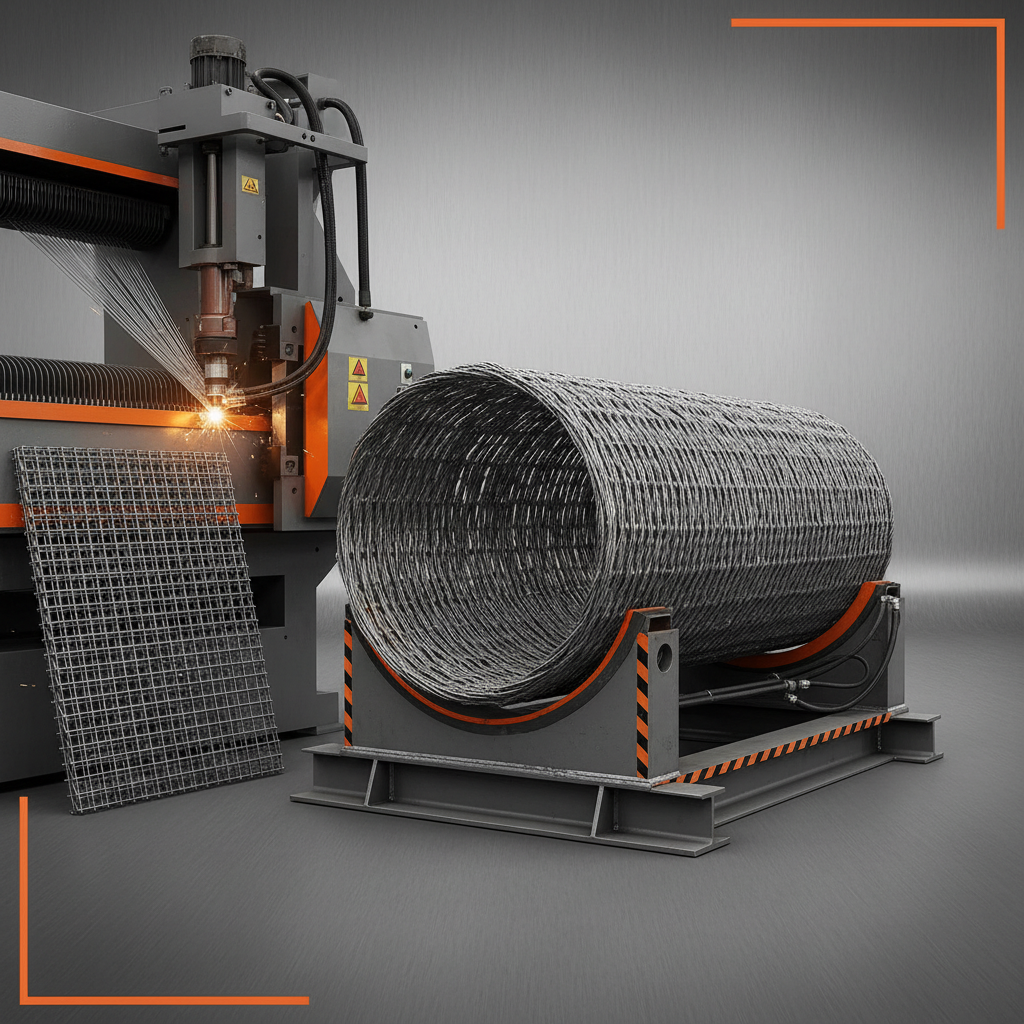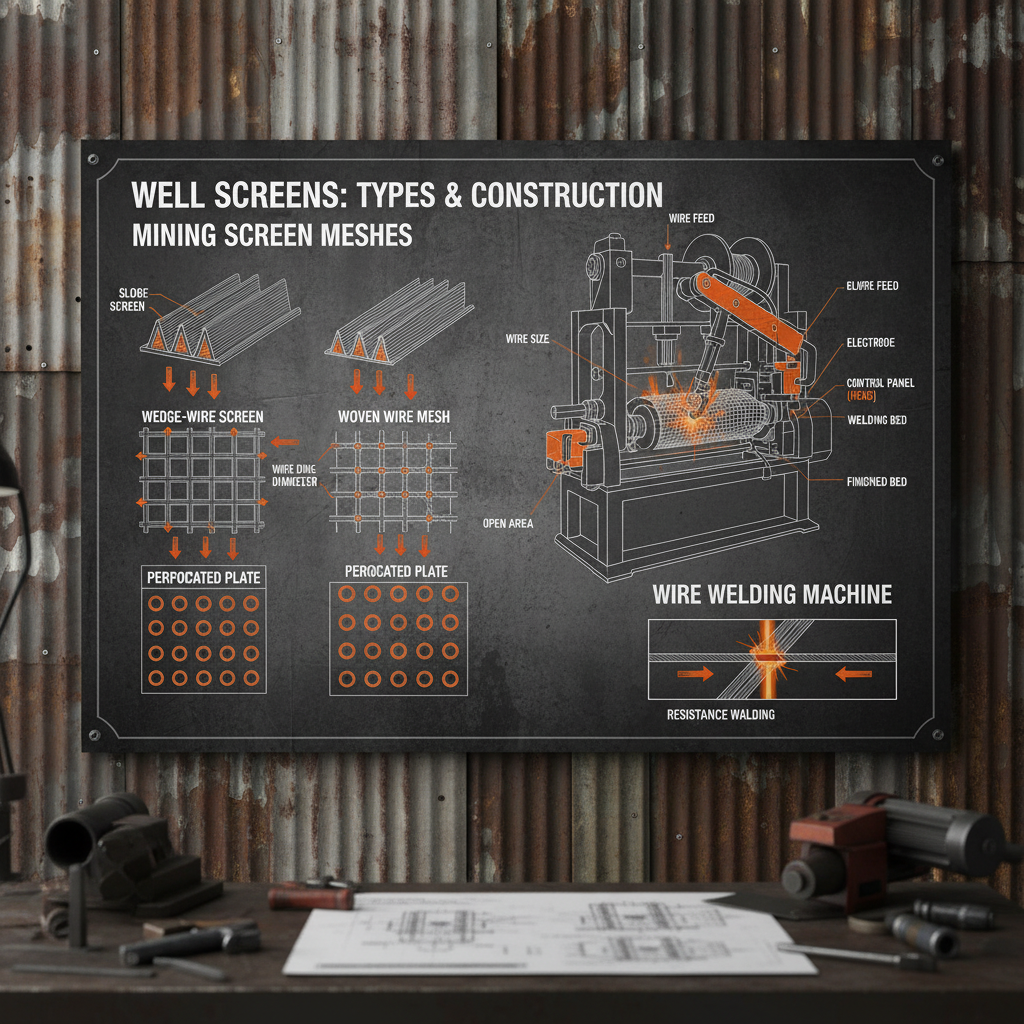
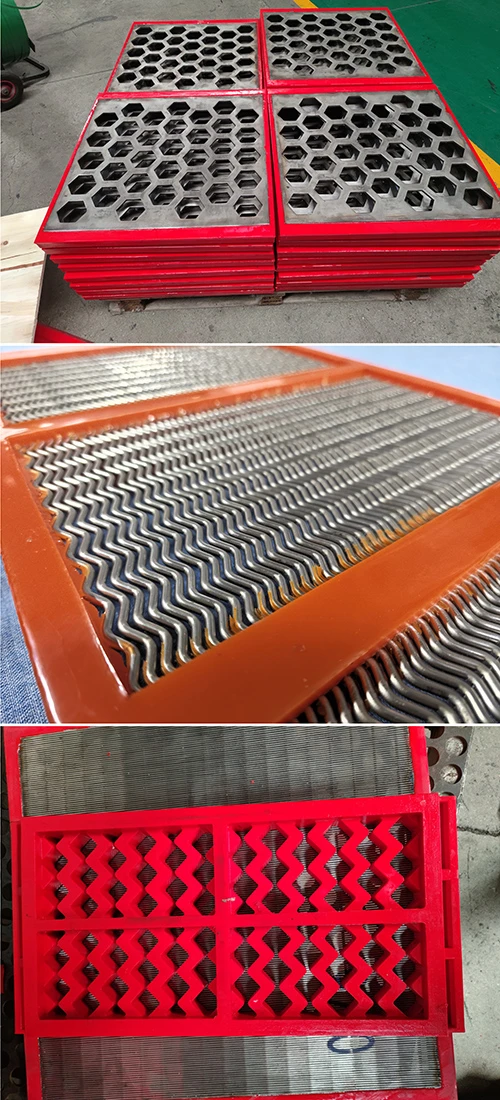
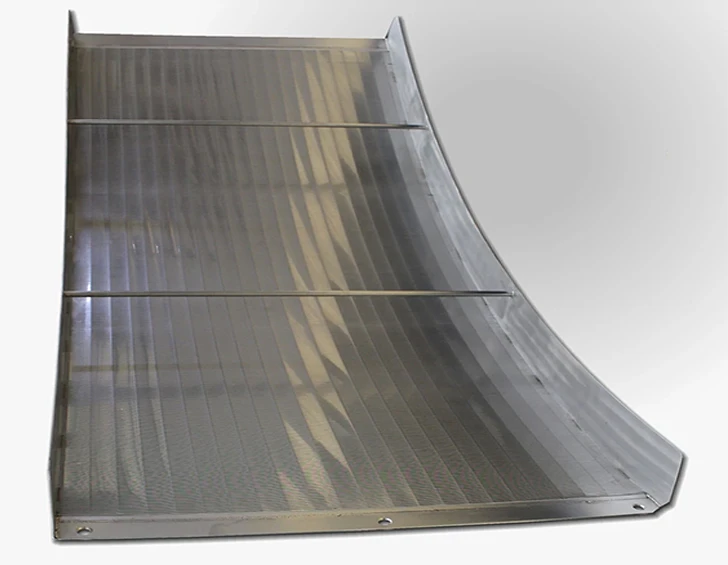
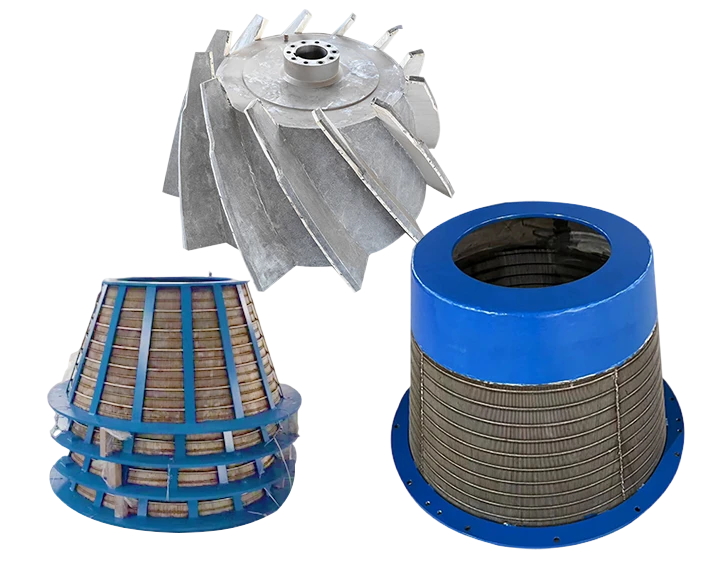
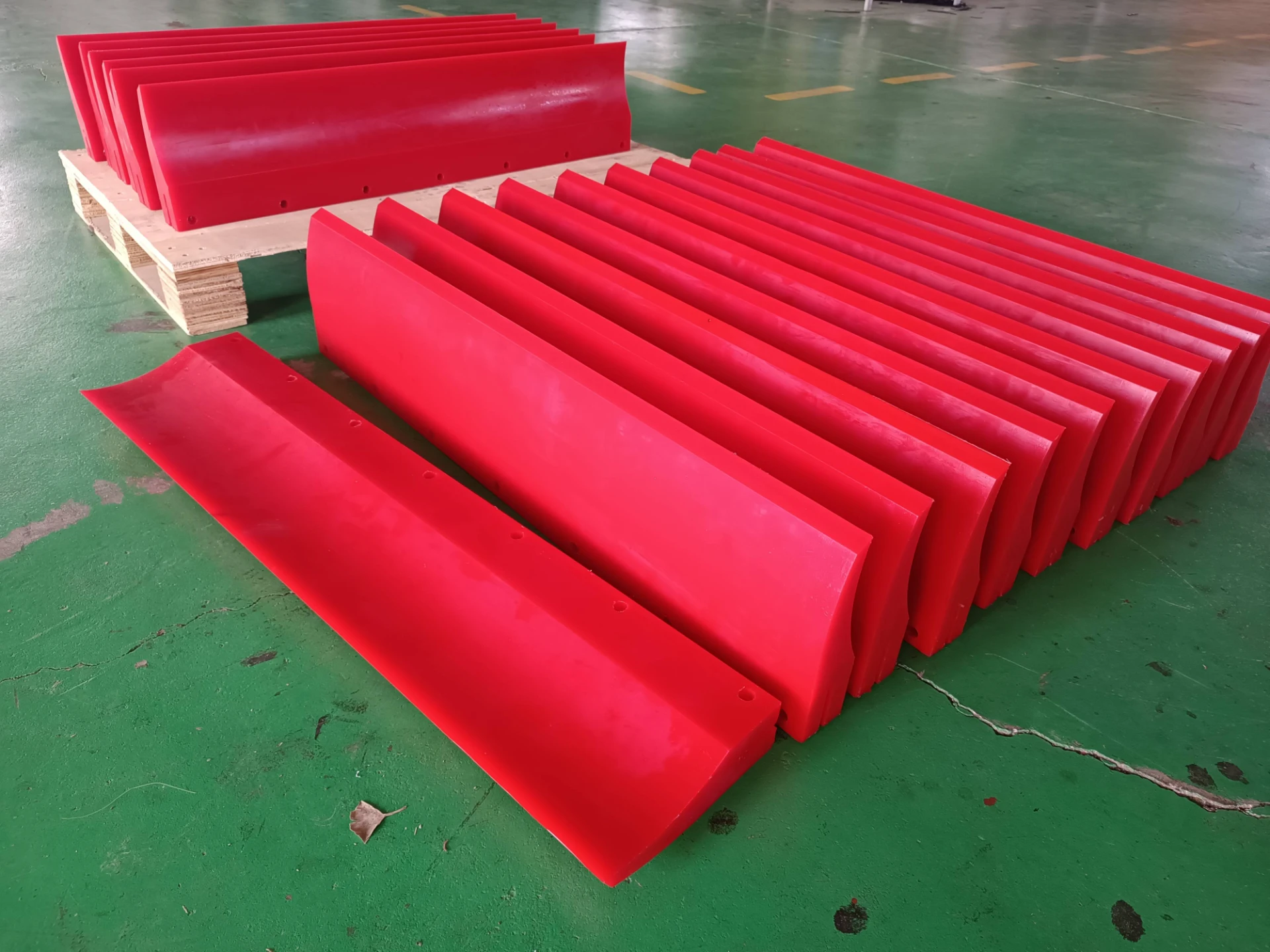
If you work anywhere near dewatering or separation, you’ve probably heard the term wedge wire basket. In practice, most of us mean centrifuge baskets built from V-profile wire—precise slots, rugged welds, and, frankly, the kind of reliability that keeps salt, sugar, fine coal, and starch lines humming shift after shift.
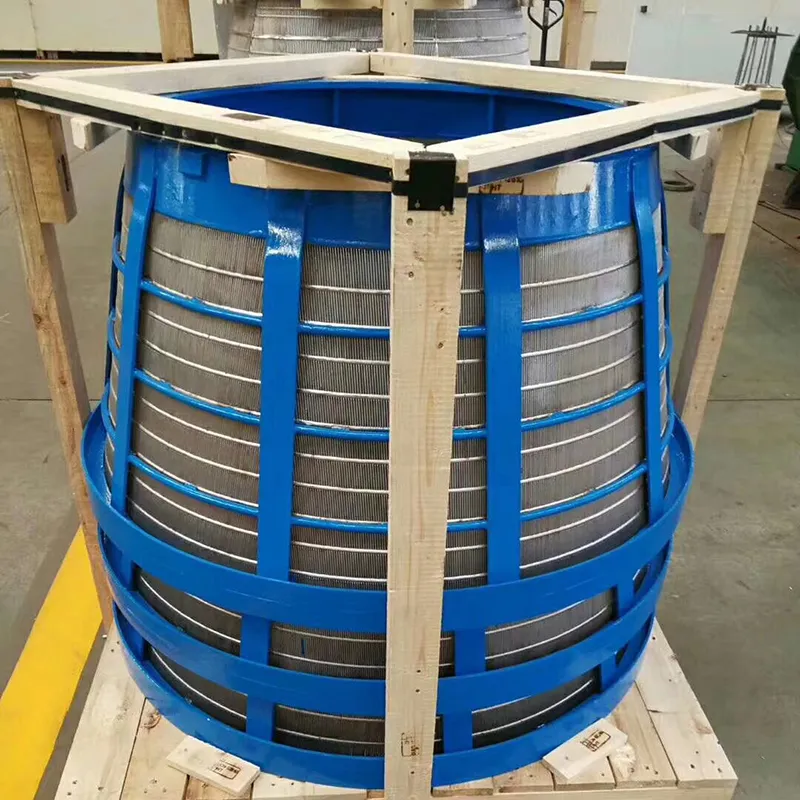
What’s different about these Centrifugal Baskets
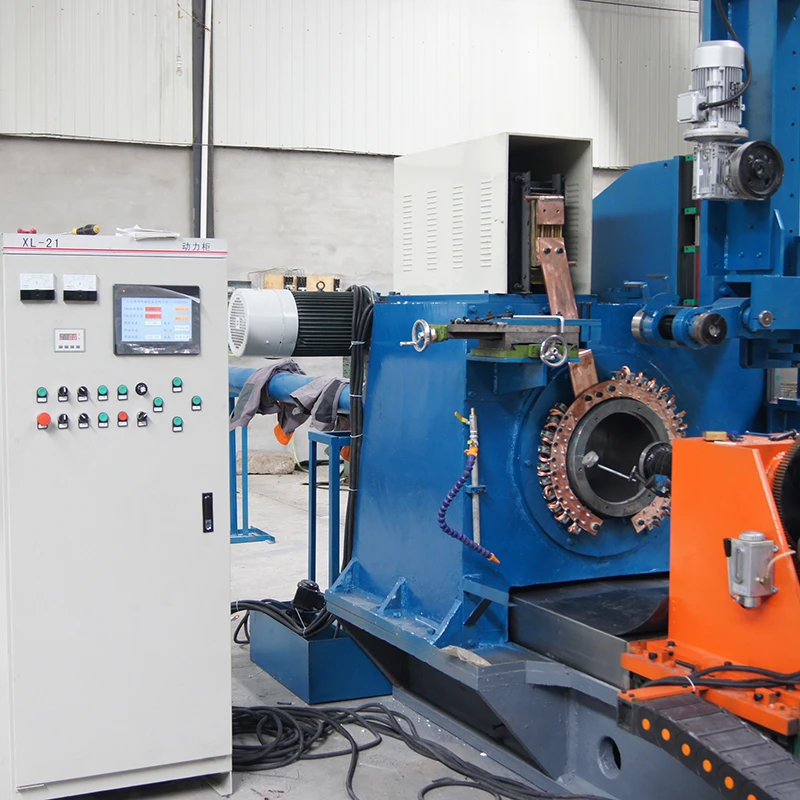
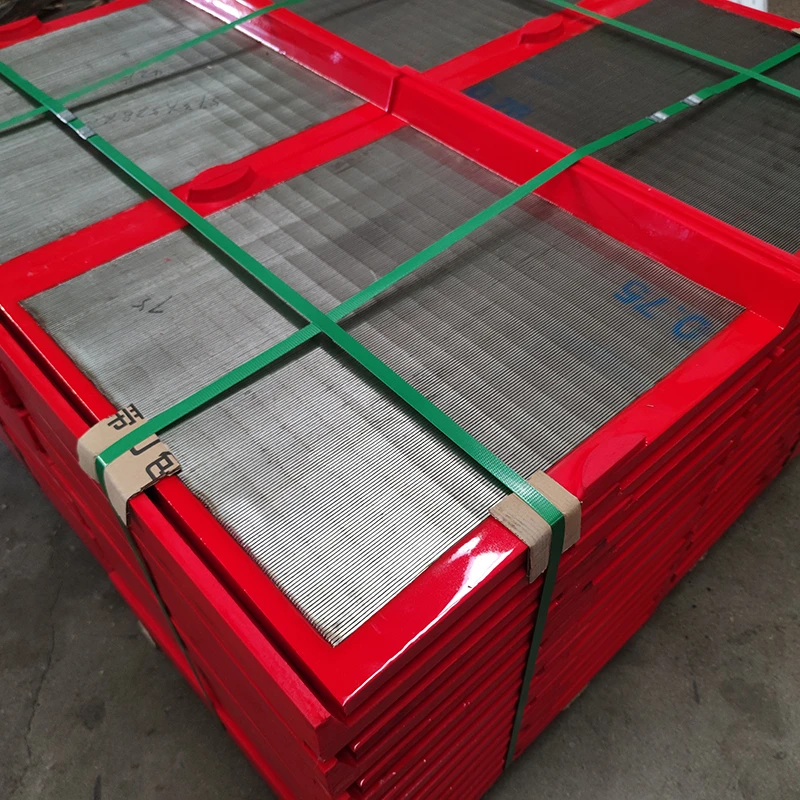
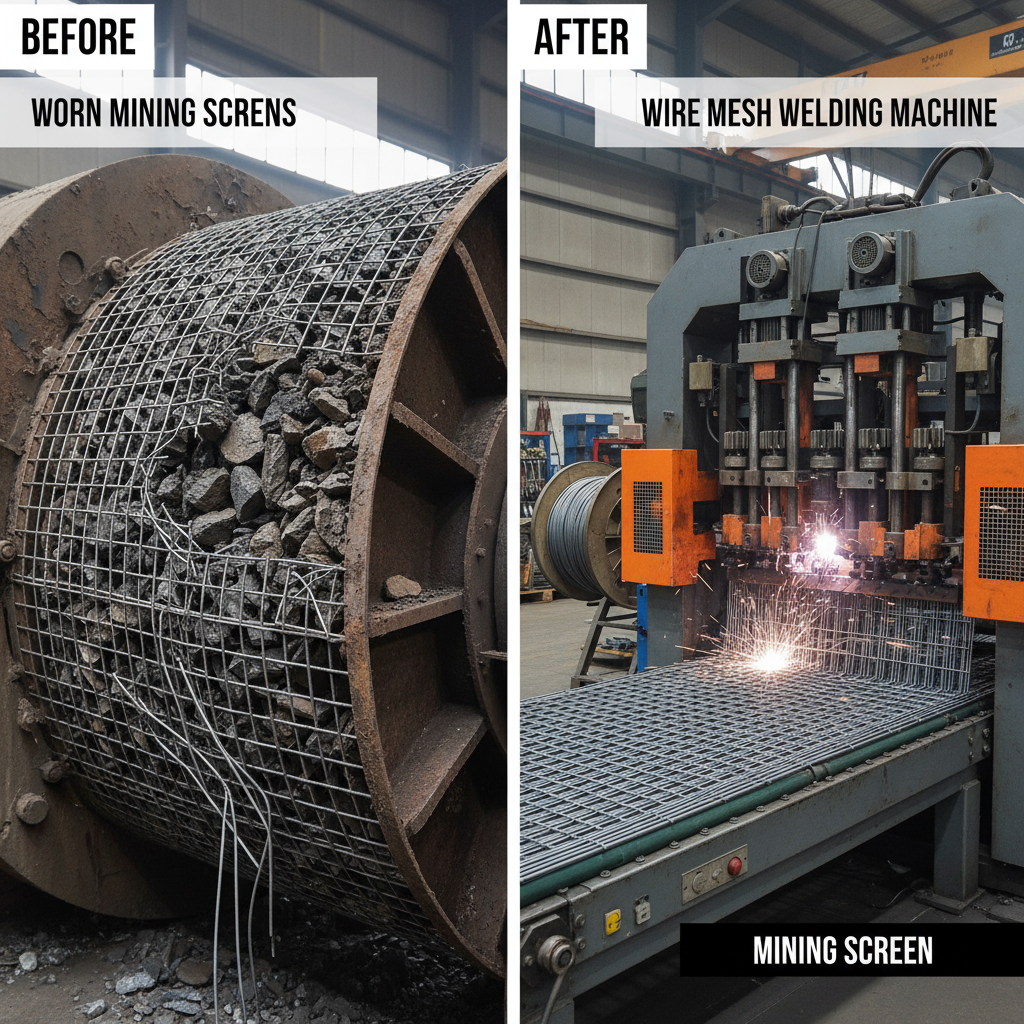
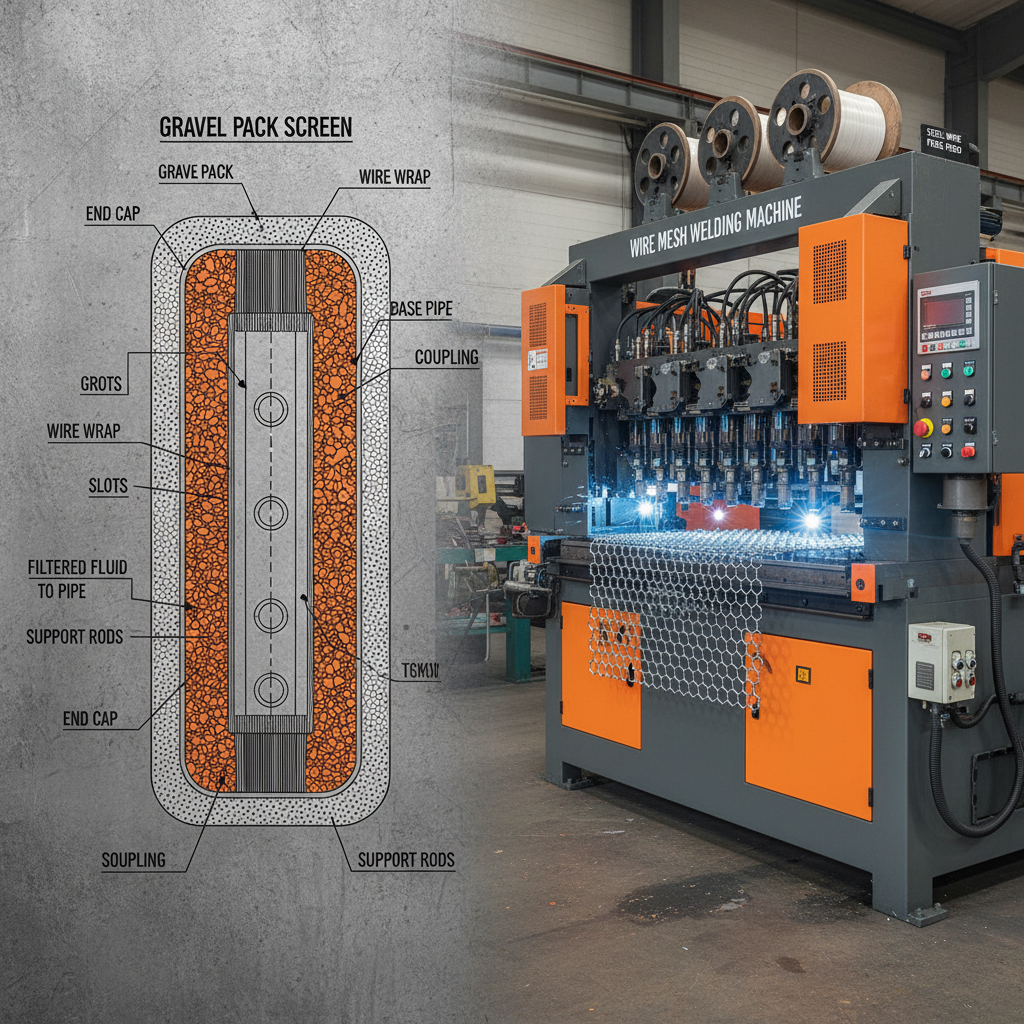
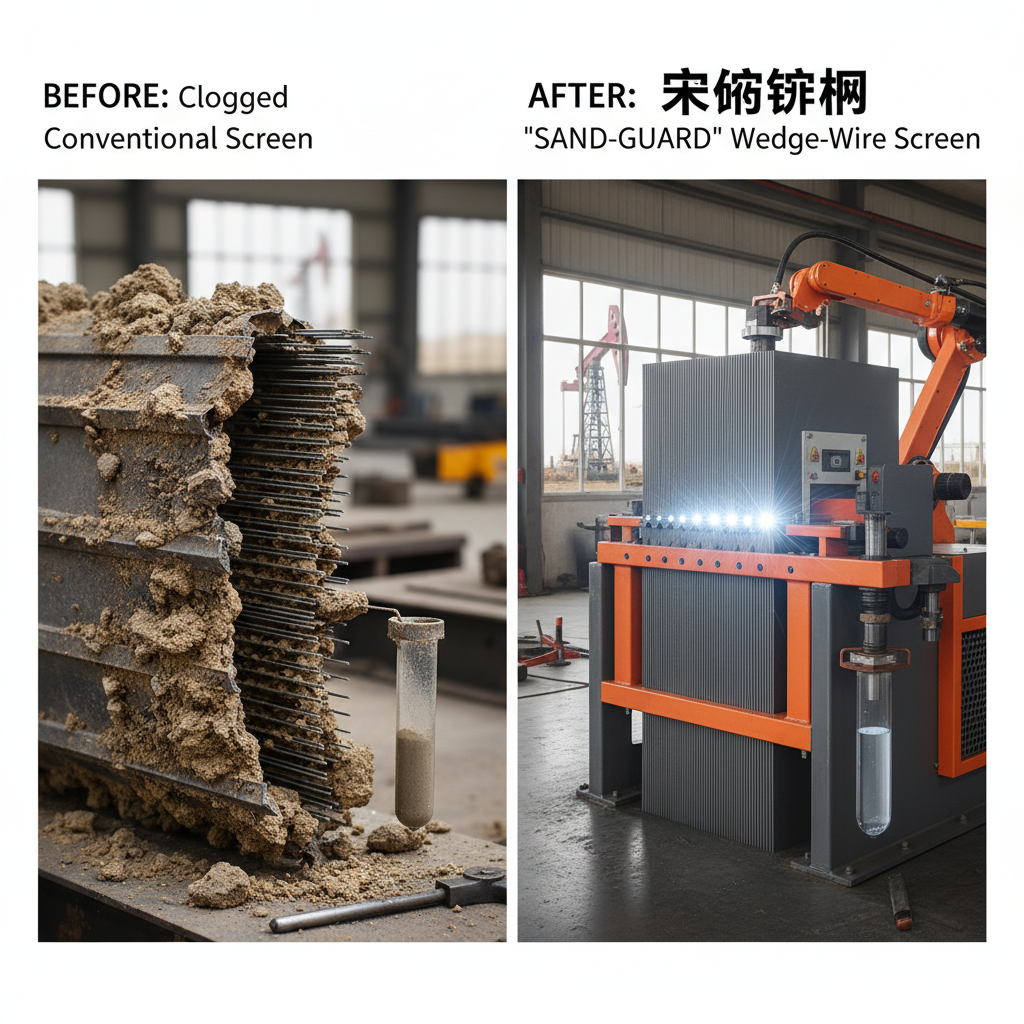
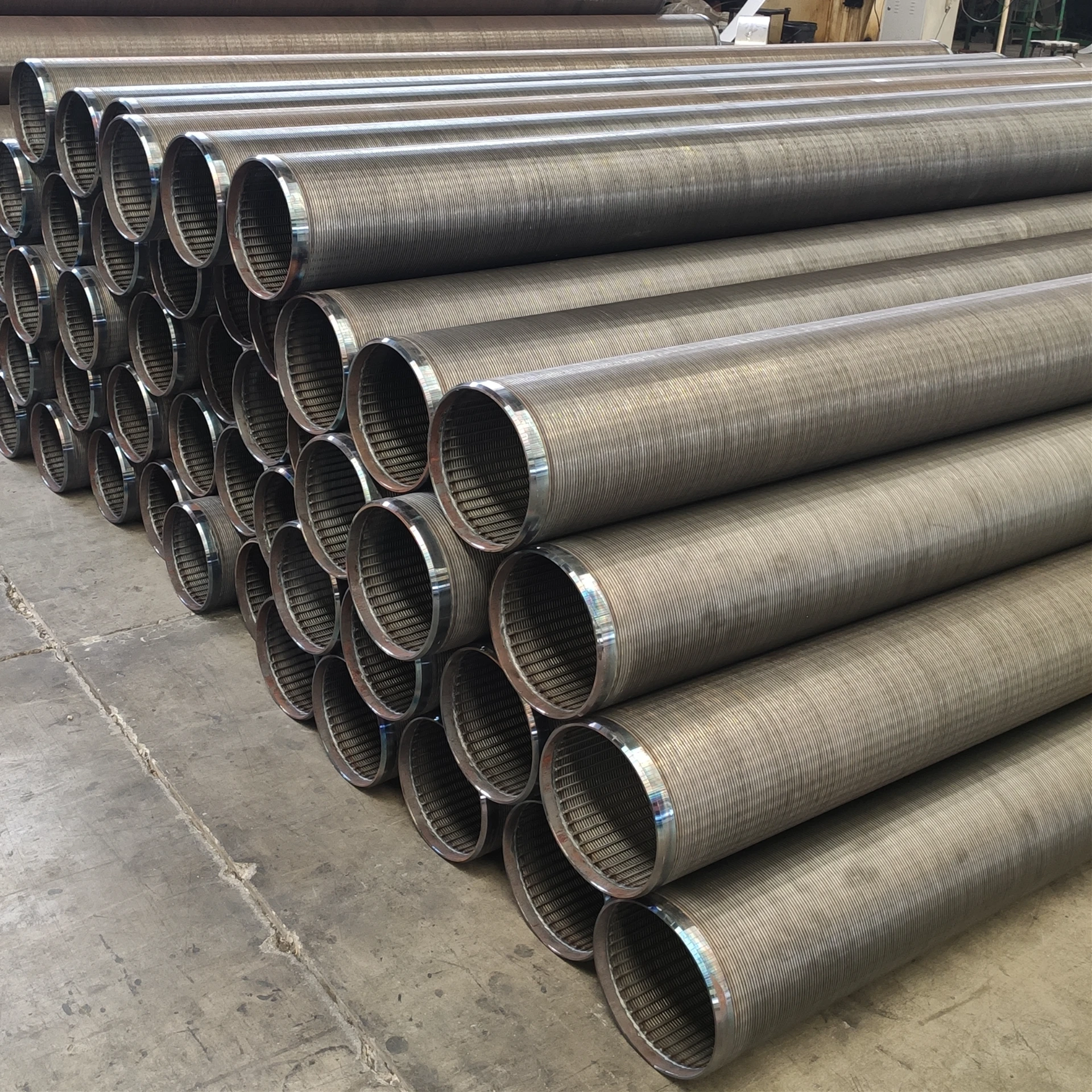
Built in Hehuang Road, Anping County, Hengshui, Hebei Province, the design uses resistance-welded V-wire over support ribs. The profile wire presents a narrow slot on the process side and a wider opening behind it, so particles are retained while liquids accelerate out. It sounds simple; it isn’t. Slot accuracy and dynamic balance determine whether you hit moisture targets or babysit a vibrating machine all day.
Where they’re used (and why)
- Salt production and mineral processing
- Fine coal separation (HSG/FGX, etc.)
- Sugar refining and starch manufacturing
- Wastewater treatment—sludge thickening, screenings wash
- Metal chip oil recovery—quick payback, surprisingly
Many customers say the big win is moisture control without chewing through power or liners. I guess that’s what consistent slot geometry does for you.
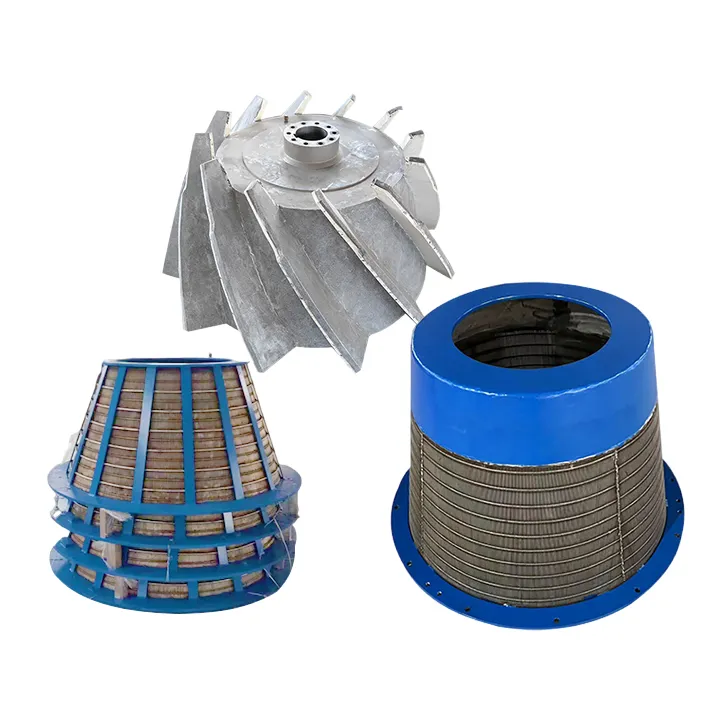
Process flow and quality controls
- Materials: SS304/316L, Duplex 2205 for chlorides; optional hardfacing in high-silica slurries.
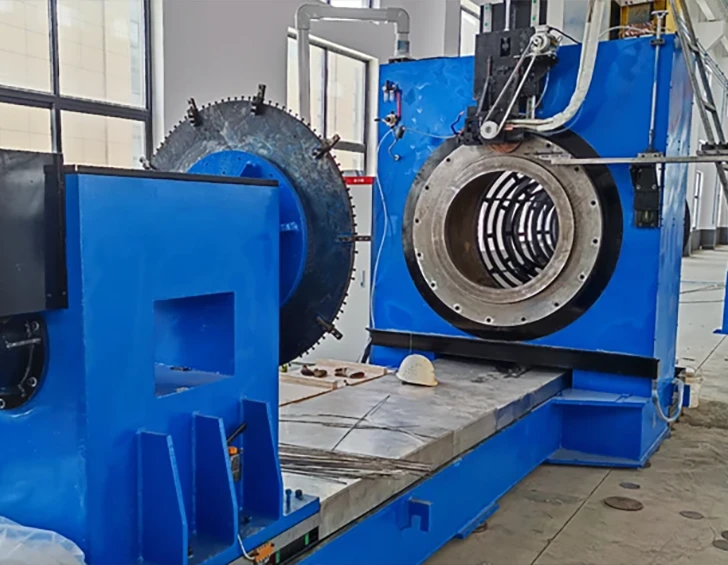
- Methods: V-wire wrapped and resistance welded to support rods; CNC truing; balance to ISO 1940-1 G6.3 (often G2.5 on request).
- Surface: Pickling/passivation per ASTM A967; Ra typically ≤1.6 μm inside.
- Testing: Slot gauge mapping (±0.02–0.03 mm typical), dye penetrant on critical welds, runout check ≤0.30 mm, trial-rotation.
- Service life: ≈12–36 months in real-world use; abrasive feeds may be lower, brine service with 2205 trends longer.
Representative product specs
| Diameter | 450–1600 mm (custom ≈ ±0.5 mm) |
| Length/Height | 300–1200 mm (application-dependent) |
| Slot size | 0.10–1.00 mm; uniformity ±0.02–0.03 mm |
| Wire profile | V-wire 2×3, 2.2×4.4, 3×5 mm; support rods 3×5 or 5×8 mm |
| Open area | ≈8–18% (varies with slot and profile) |
| Balance grade | ISO 1940-1 G6.3 (G2.5 available) |
Vendor snapshot (what buyers actually compare)
| Vendor | Typical materials | Slot tolerance | Balance | Certs | Lead time |
|---|---|---|---|---|---|
| MUTO (Anping) | 304/316L/2205 | ±0.02–0.03 mm | G6.3; G2.5 on request | ISO 9001 | ≈2–5 weeks |
| Generic Importer A | 304/316 | ±0.05 mm | G16 | — | ≈6–10 weeks |
| OEM B (EU) | 316L/2205 | ±0.02 mm | G2.5 | ISO 9001 | ≈4–8 weeks |
Real-world performance may vary with feed PSD, RPM, and maintenance culture—worth stating out loud.
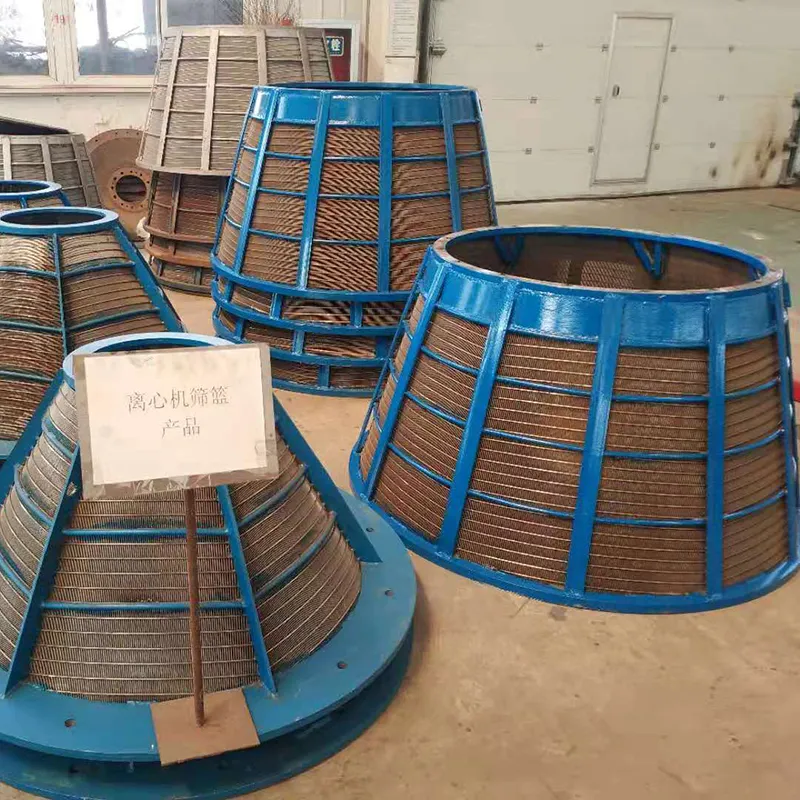
Field notes and case snippets
- Sugar refinery, ASEAN: swapped in 316L wedge wire basket with 0.30 mm slots; moisture dropped ≈0.6%, power steady; 14-month service life reported.
- Coal prep, Queensland: duplex 2205 wedge wire basket survived silica-rich feed; uptime +9% over prior year; balance held G6.3 after 2,000 hours.
“We stopped chasing vibration alarms,” one maintenance lead told me—always a good day.
Compliance, testing, and documentation
- Materials certified per ASTM A240/A276; optional PMI reports.
- Passivation per ASTM A967; chloride environments often specify 316L or 2205 (ASTM G48 guidance considered).
- Dynamic balance per ISO 1940-1; QMS under ISO 9001:2015.
Customization quick list
Custom diameters, conical or cylindrical geometries, slot patterns, feed and discharge flanges, hardfacing on wear zones, and alignment to legacy centrifuge footprints. Send PSD, target moisture, RPM range, and solids loading; they’ll tune the wedge wire basket to the duty.
References:
- [1] ASTM A240/A240M – Stainless Steel Plate, Sheet, and Strip Specification.
- [2] ISO 1940-1 – Balance quality requirements for rigid rotors.
- [3] ASTM A967/A967M – Chemical Passivation Treatments for Stainless Steel Parts.
- [4] ISO 9001:2015 – Quality management systems—Requirements.
- [5] ASTM G48 – Pitting and Crevice Corrosion Resistance of Stainless Steels.