Flexible Rod Screen Plate - Muto Wire Screen Co., Ltd.|Industrial Screening Efficiency, Self-Cleaning Technology
The Flexible Rod Screen Plate is a cutting-edge solution designed to revolutionize the screening process in industrial applications. Engineered with advanced materials and innovative design, this product addresses the challenges of handling wet, sticky, or fine particulate materials with unmatched efficiency. Its unique combination of durability, flexibility, and precision makes it a preferred choice across industries such as mining, metallurgy, chemical processing, and food manufacturing.
Key Features and Advantages
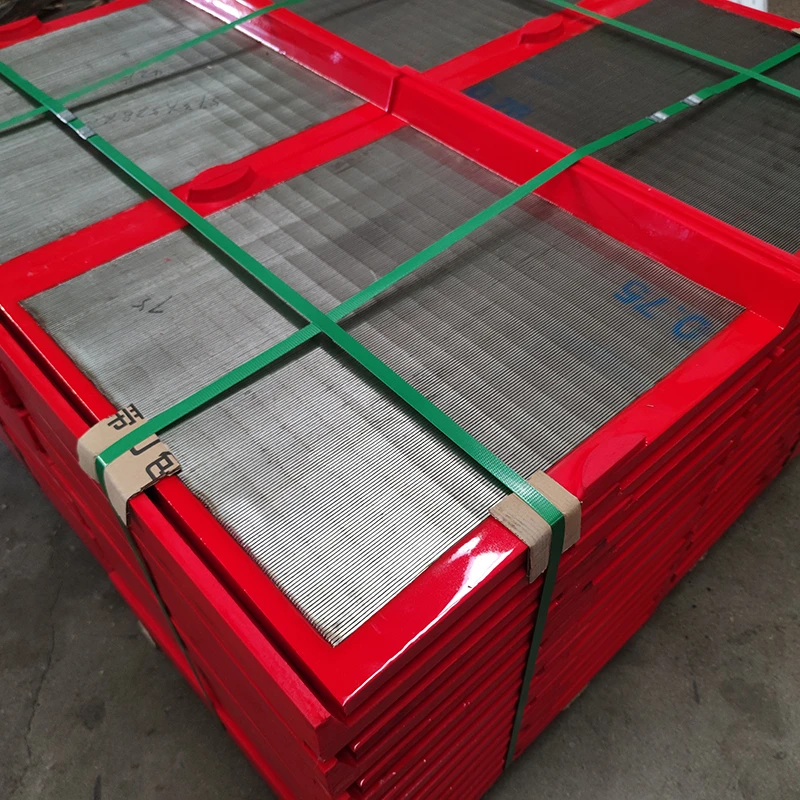
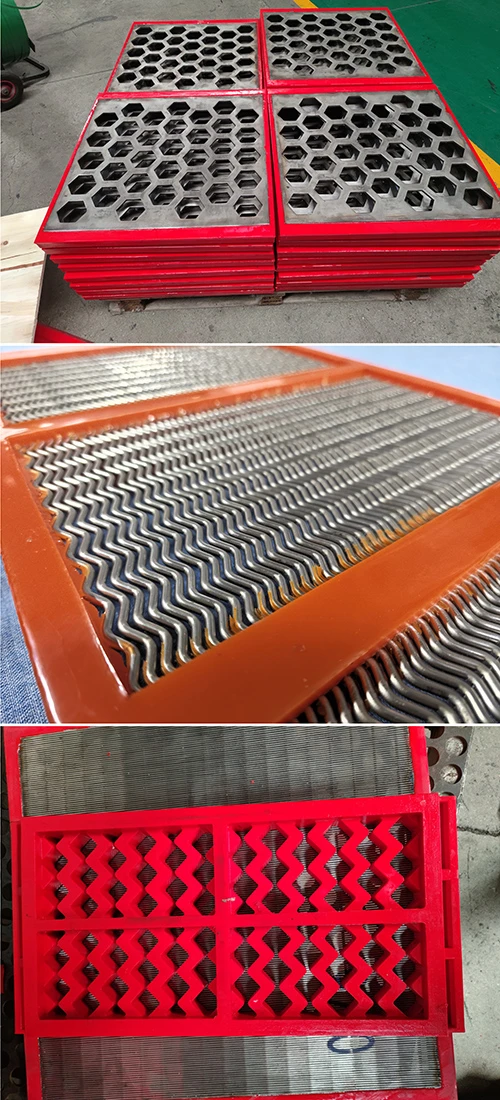
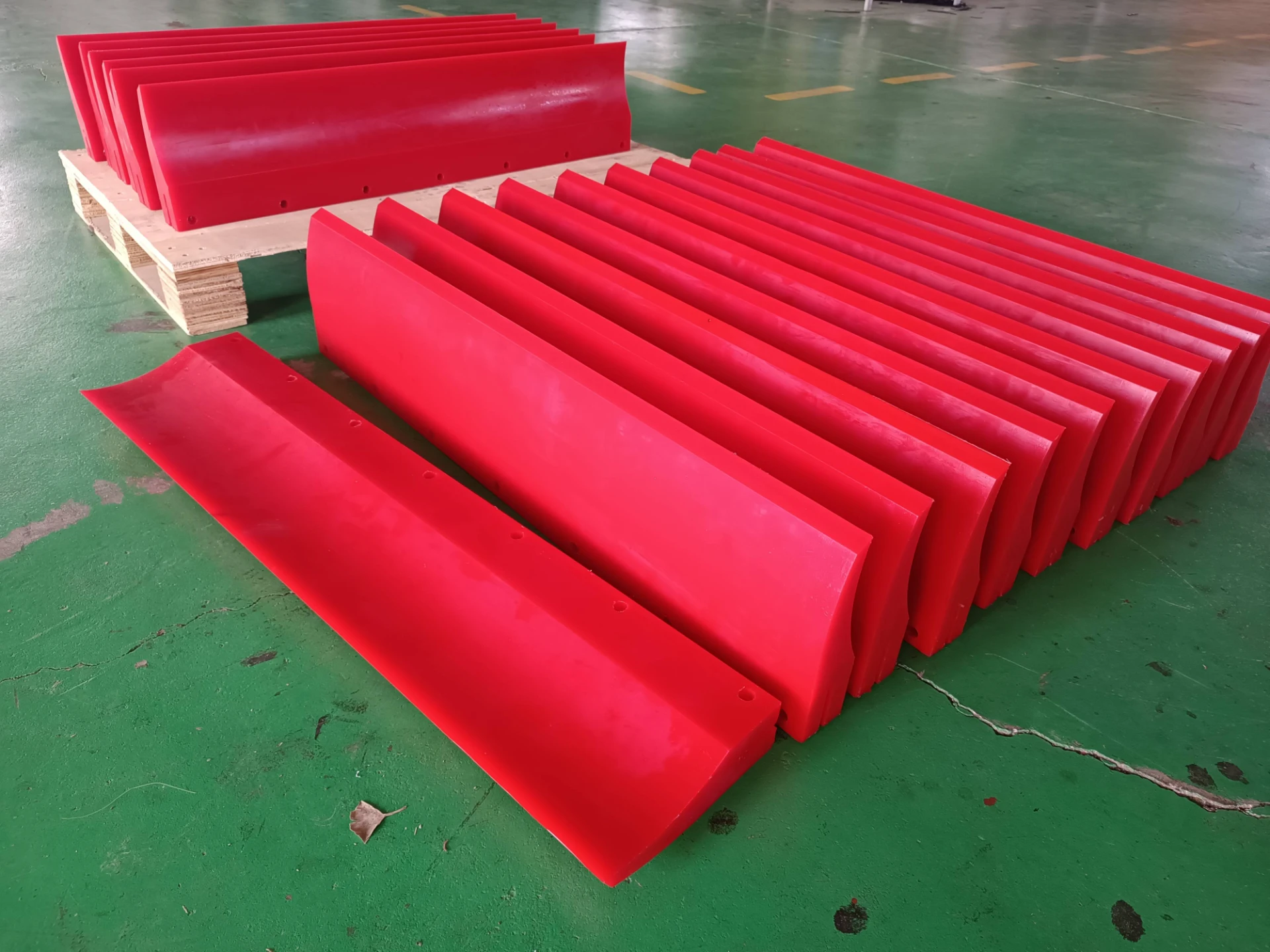
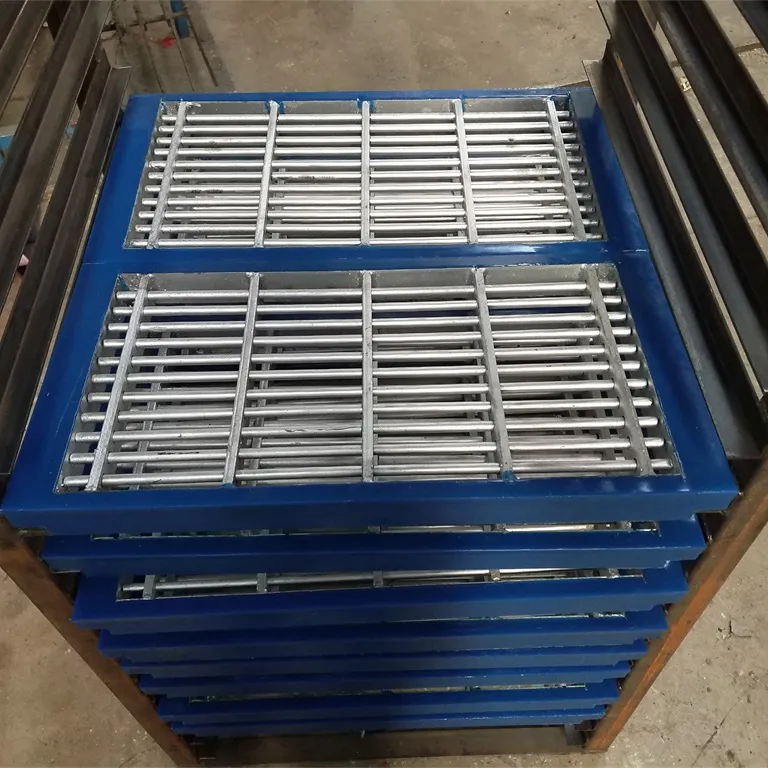
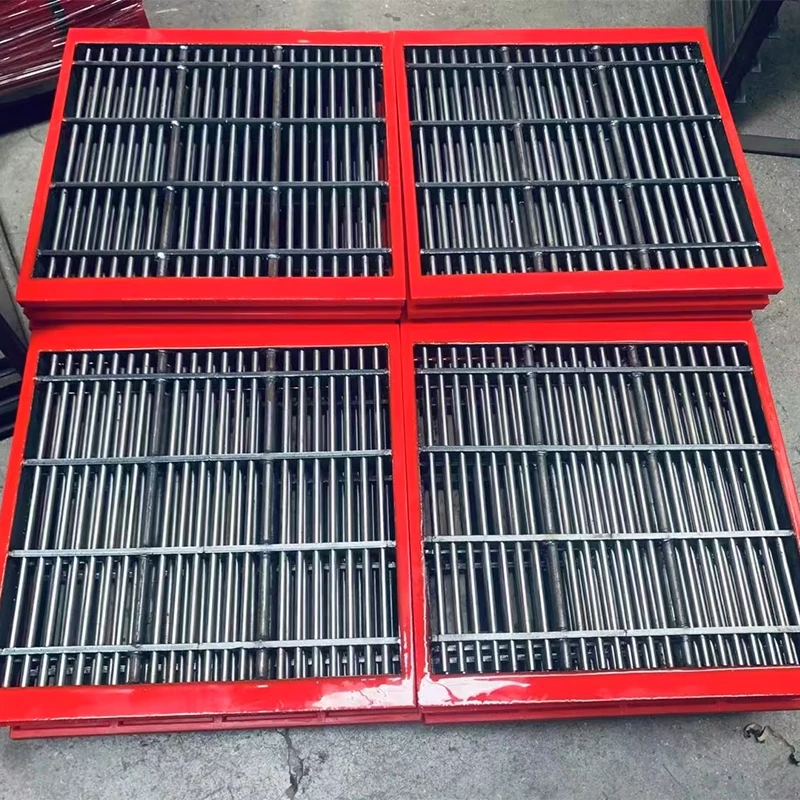
The Flexible Rod Screen Plate is constructed using high-quality spring steel and polyurethane, ensuring exceptional strength and resistance to wear. The flexible rods, arranged in a precise pattern, allow the screen to adapt to varying material densities while maintaining optimal separation efficiency. This design not only enhances screening performance but also reduces maintenance costs by minimizing clogging and material buildup.
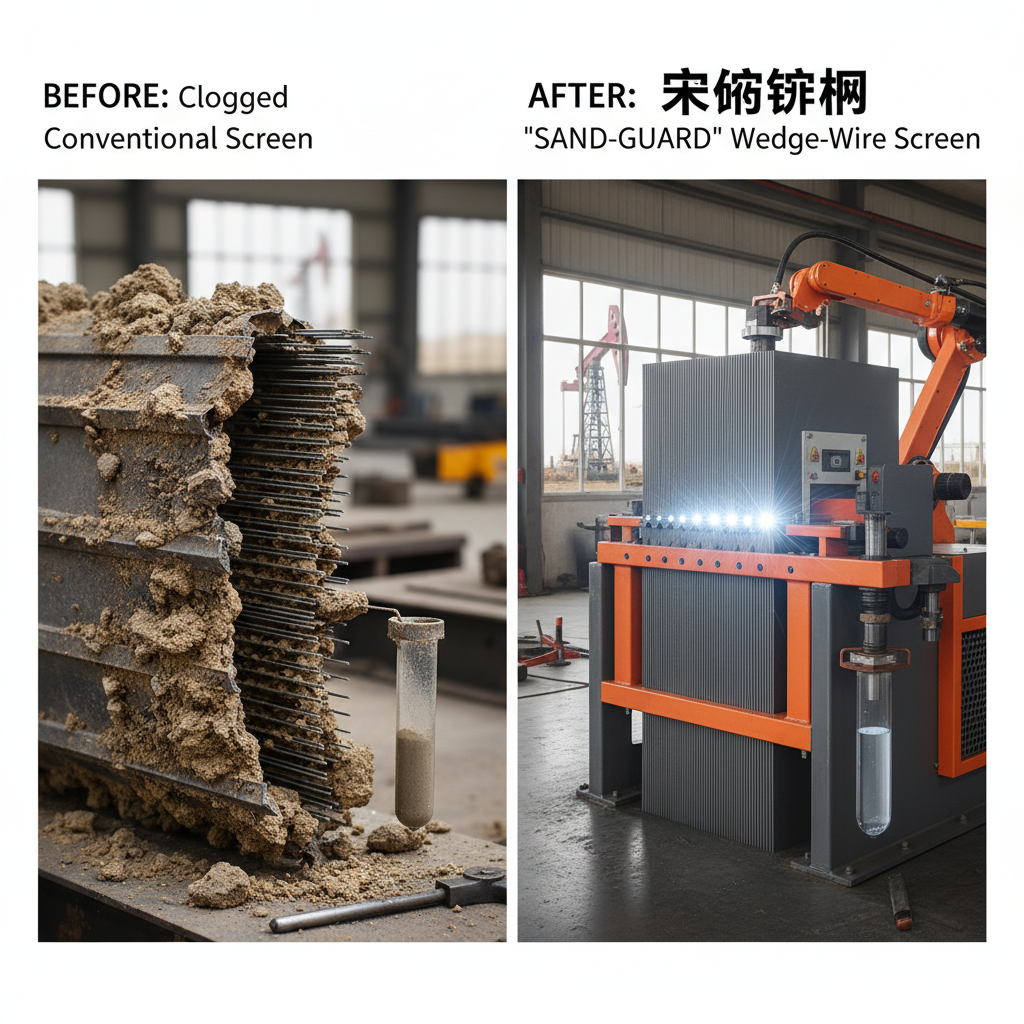
One of the standout advantages of this product is its self-cleaning capability. The elasticity of the rods enables them to vibrate and shake off fine particles, preventing blockages and ensuring continuous operation. This feature is particularly beneficial in industries dealing with wet or sticky materials, where traditional screens often struggle with efficiency and reliability.
Additionally, the Flexible Rod Screen Plate is designed to withstand harsh working environments. Its corrosion-resistant surface finish and robust construction make it suitable for use in high-temperature, high-moisture, or chemically aggressive conditions. This durability translates to a longer service life, offering a cost-effective solution for industrial operations.
Technical Specifications
| Specification | Description |
|---|---|
| Material | Durable stainless steel, spring steel, and polyurethane. |
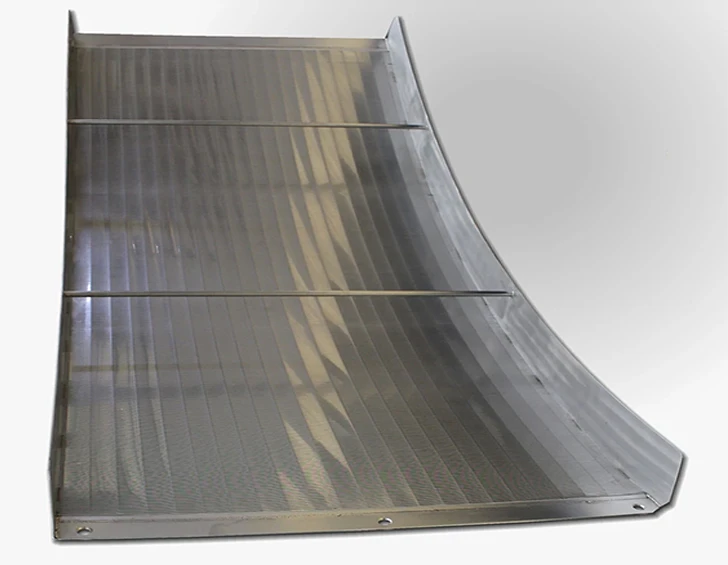
| Screen Type | Flexible rod screen plate with adjustable gaps for varying particle sizes. |
| Mesh Size | Coarse to fine, customizable based on application requirements. |
| Rod Diameter | Typically ranges from 6 mm to 10 mm. |
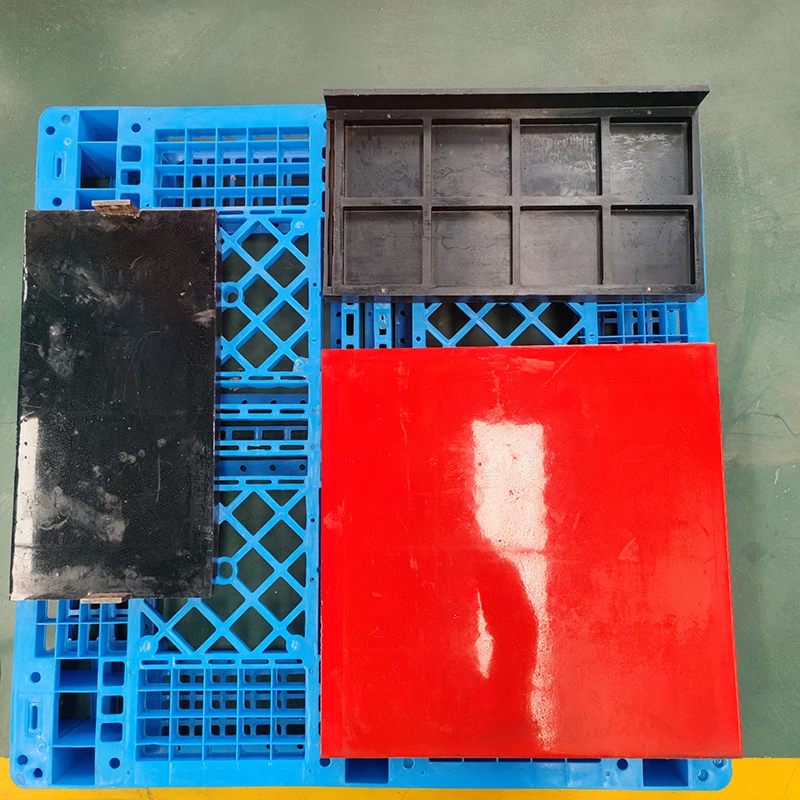
| Frame Material | Polyurethane or stainless steel for enhanced durability. |
| Surface Finish | Polished or coated to resist corrosion and facilitate cleaning. |
Applications in Industrial Processes
The Flexible Rod Screen Plate is a versatile solution with applications across multiple industries. In the mining and metallurgy sector, it is used to separate valuable minerals from raw ore, ensuring efficient extraction and reducing waste. In the chemical industry, it helps in grading and filtering powders, liquids, and granules, maintaining product quality and consistency.
In the food processing sector, the screen plate is employed to sort ingredients by size, remove impurities, and ensure hygiene standards. Its ability to handle wet materials makes it ideal for applications like fruit and vegetable grading or grain separation. Additionally, the Flexible Rod Screen Plate is widely used in the pharmaceutical industry for precise powder screening and tablet production.
Company Background: Muto Wire Screen Co., Ltd.
Manufactured by Muto Wire Screen Co., Ltd., a leading provider of industrial screening solutions, the Flexible Rod Screen Plate reflects the company’s commitment to innovation and quality. Based in Anping County, China, the company has established itself as a trusted name in the production of industrial sieves and screens, serving clients globally with reliable and high-performance products.
With over a decade of expertise in metal wire mesh and screening technology, Muto Wire Screen Co., Ltd. combines advanced manufacturing techniques with a deep understanding of industrial needs. Their products are designed to meet stringent standards, ensuring durability, efficiency, and compliance with international quality certifications.
Why Choose the Flexible Rod Screen Plate?
The Flexible Rod Screen Plate offers several advantages that set it apart from traditional screening solutions. Its elastic design allows it to adapt to different materials, reducing the risk of jams and improving throughput. This flexibility is particularly beneficial in applications where material composition varies frequently.
Another key benefit is the self-cleaning mechanism, which minimizes downtime and maintenance. Unlike conventional screens that require frequent manual cleaning, the Flexible Rod Screen Plate automatically clears blockages during operation, ensuring uninterrupted productivity.
Furthermore, the product’s long service life reduces the need for frequent replacements, lowering operational costs. The use of high-quality materials like polyurethane and stainless steel ensures resistance to wear and tear, even in demanding environments.
Industry Standards and Compliance
The Flexible Rod Screen Plate adheres to international standards for industrial screening equipment, ensuring reliability and performance. Muto Wire Screen Co., Ltd. collaborates with organizations like the National Institute of Standards and Technology (NIST) to align its manufacturing processes with best practices in precision and quality control. According to NIST research, advanced screening technologies play a critical role in optimizing industrial efficiency and reducing material waste [1].
Conclusion
The Flexible Rod Screen Plate is a transformative solution for industries seeking to enhance their screening processes. With its innovative design, durable construction, and self-cleaning capabilities, it addresses the challenges of modern industrial operations while delivering cost-effective results. Whether in mining, food processing, or pharmaceuticals, this product stands out as a reliable and efficient choice for material separation.
For more information about the Flexible Rod Screen Plate and other industrial screening solutions, visit Muto Wire Screen Co., Ltd..
References
[1] National Institute of Standards and Technology (NIST). "Advancing Industrial Efficiency Through Precision Technology." Retrieved from https://www.nist.gov/.