Why operations teams quietly swear by the modern polyurethane conveyor belt scraper
If you run a polyurethane conveyor belt line, you already know: carryback is the enemy of uptime. I’ve walked enough quarries and port terminals to see the same pattern—great belts, but middling cleaners. The result? Spillage, mistracking, and a maintenance crew that never quite catches up.
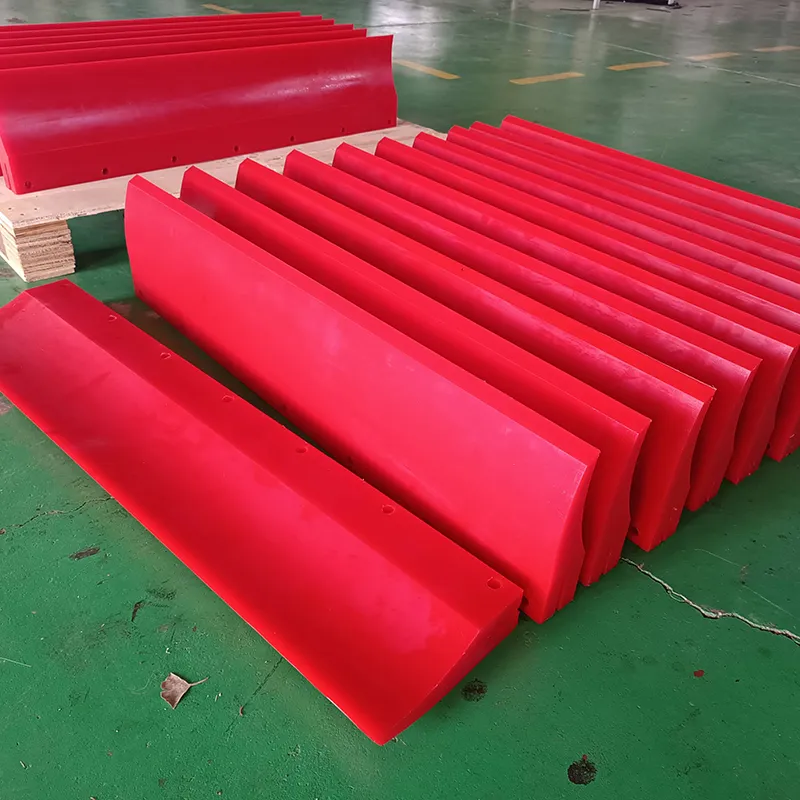
What’s trending (and what actually works)
Two trends are reshaping belt cleaning: tougher, low-abrasion polyurethane compounds and smarter tensioning that stays true between shutdowns. Food-grade and anti-hydrolysis grades are appearing more often, and—even in harsh mines—teams are pairing primary and secondary scrapers to hit cleanliness targets without chewing through the belt cover. It sounds simple, but it’s taken a while for compounds to catch up.
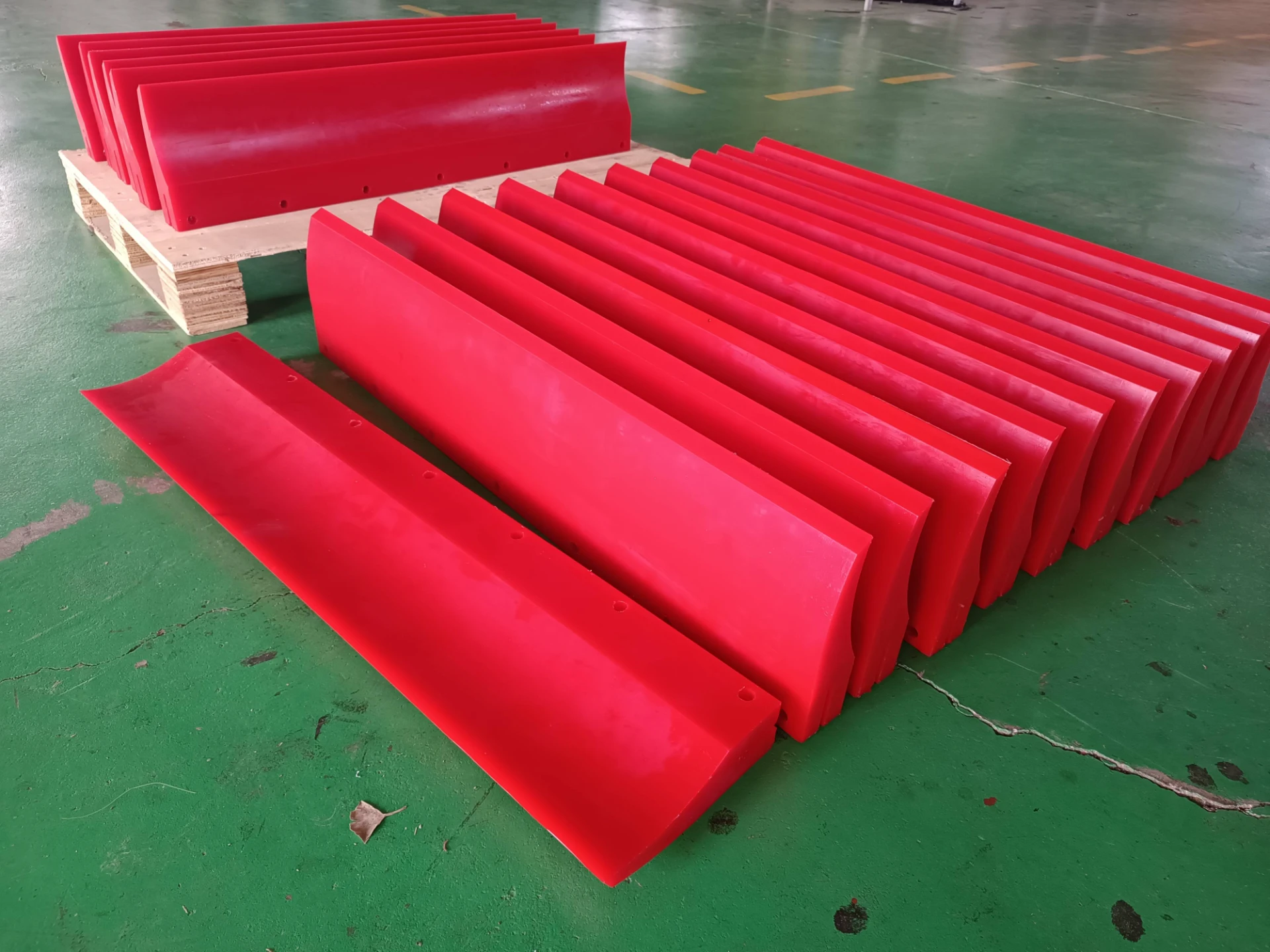
Product focus: Polyurethane Conveyor Belt Scraper
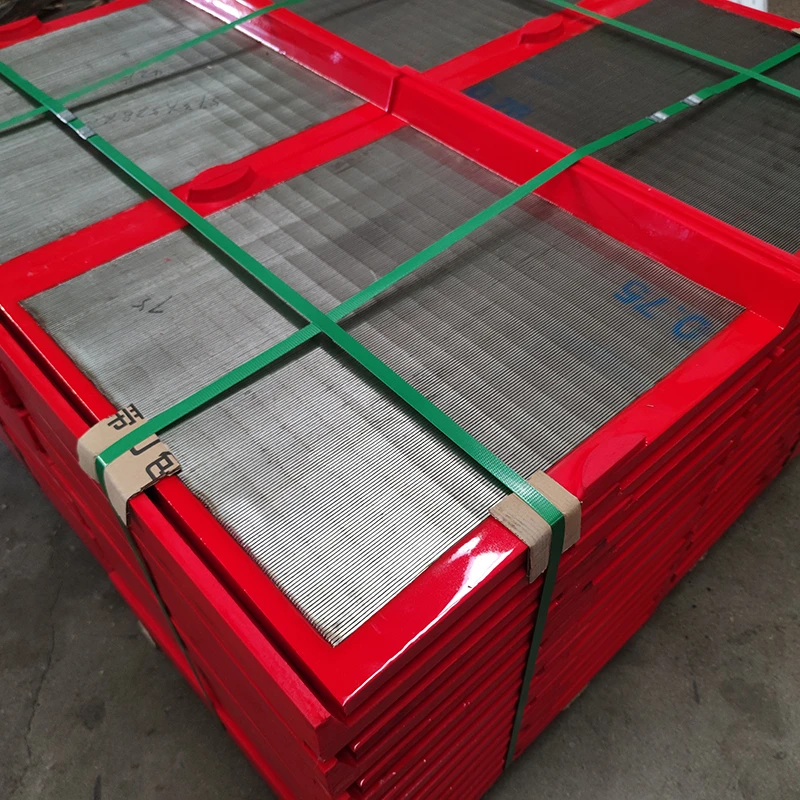
Origin: Hehuang Road, Anping County, Hengshui, Hebei Province. In practice, this scraper has been showing up in quarries, mines, ports, and chemical plants—anywhere a polyurethane conveyor belt or rubber belt is moving bulk material and build-up is quietly stealing efficiency.
| Parameter | Typical value (≈, real-world may vary) | Test/Standard |
|---|---|---|
| Polyurethane hardness | 90 ±3 Shore A | ASTM D2240 |
| Tensile strength | ≥ 35 MPa | ASTM D412 |
| Abrasion loss | ≤ 80 mm³ | DIN 53516 |
| Temp range | -30 to +80 °C (short spikes +100 °C) | Internal validation |
| Max belt speed | ≈ 2–7 m/s | CEMA 576 guidance |
| Blade thickness | 12–25 mm options | OEM spec |
| Service life | 6–24 months (duty dependent) | Field data |
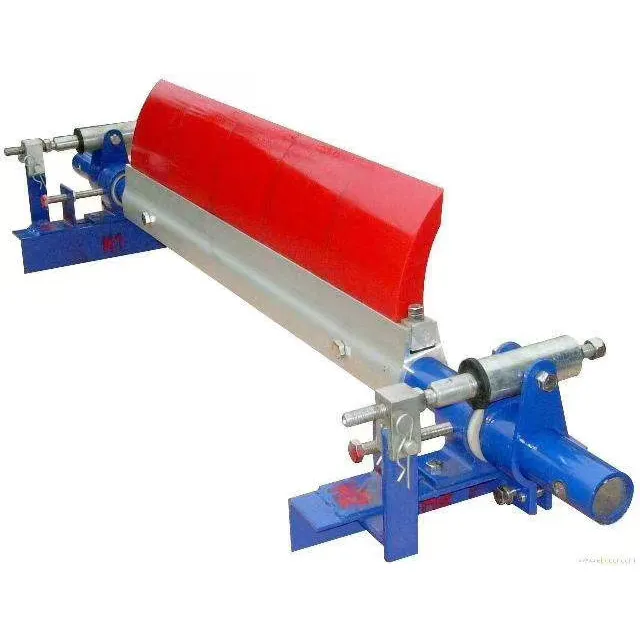
Materials, methods, testing
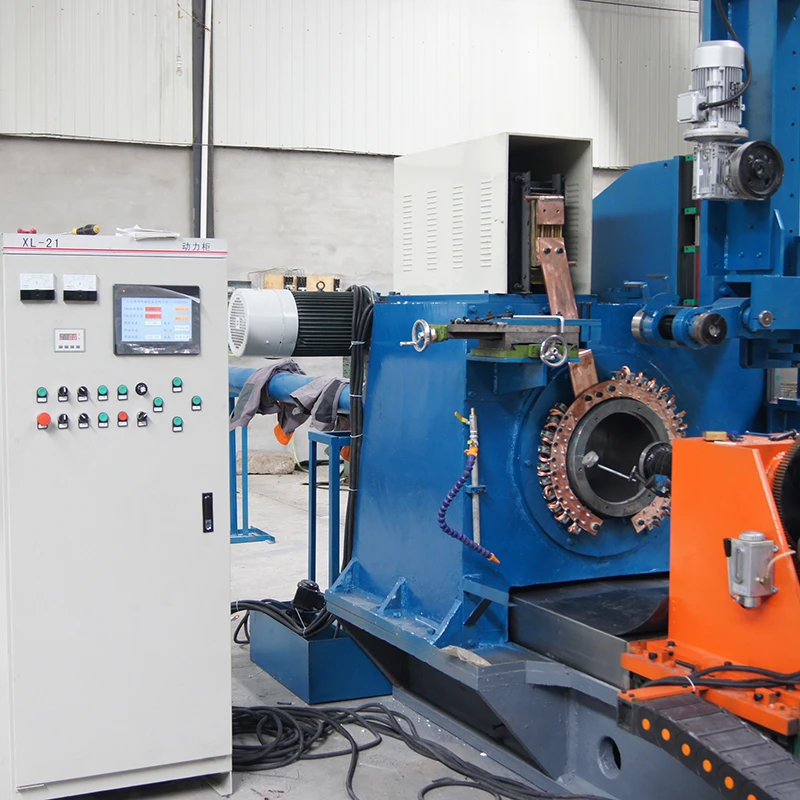
The blade uses cast MDI-based polyurethane with anti-hydrolysis additives; base options include stainless or coated carbon steel. Manufacturing is a mix of precision casting, post-cure, and CNC profiling for edge geometry. Testing typically covers hardness, tensile, abrasion, compression set, and accelerated hydrolysis. In food-adjacent lines (yes, some do this), facilities ask for FDA 21 CFR compliant grades and ISO 9001 traceability.
Where it fits
- Quarry and mining: primary cleaner at the head pulley; optional secondary after the snub.
- Ports and grain: lower belt wear, fewer dust plumes. Noise dips by ≈3–5 dBA after cleanup, according to one maintenance chief.
- Chemicals and fertilizers: hydrolysis-resistant grades pay off; less sticky buildup on a polyurethane conveyor belt means fewer cleanup shutdowns.
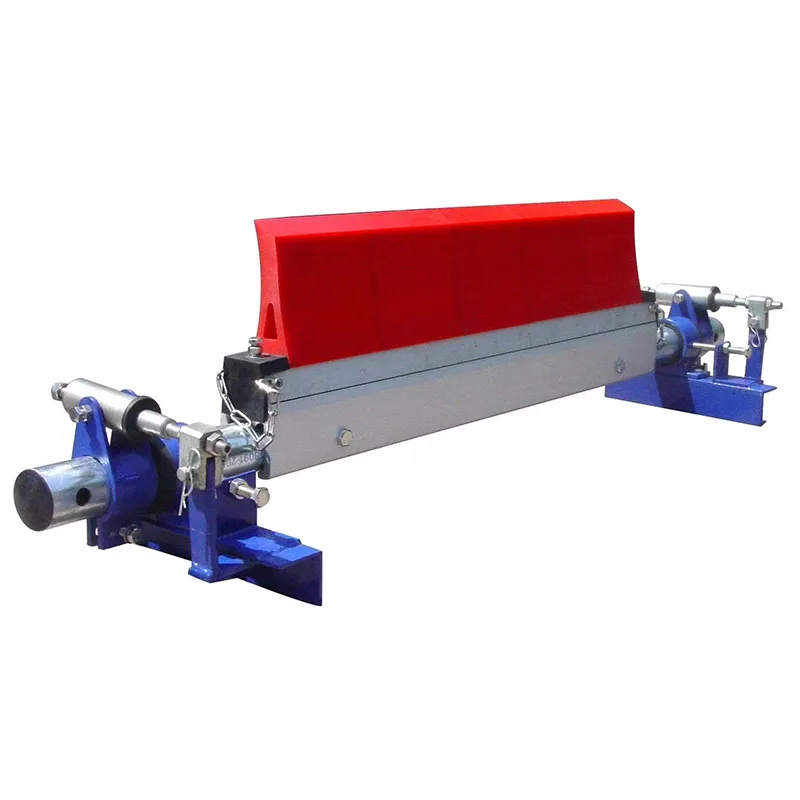
Vendor snapshot (what buyers actually compare)
| Vendor | Lead time | Certs | Customization | Warranty |
|---|---|---|---|---|
| MutoScreen (Anping, Hebei) | ≈ 7–15 days | ISO 9001; optional FDA-grade PU | Blade hardness, profile, width, logos | 12 months standard |
| Vendor A (intl.) | 2–4 weeks | ISO 9001 | Moderate | 6–12 months |
| Vendor B (regional) | In stock / 1–2 weeks | Local QMS | Limited SKUs | 6 months |
Customization and field notes
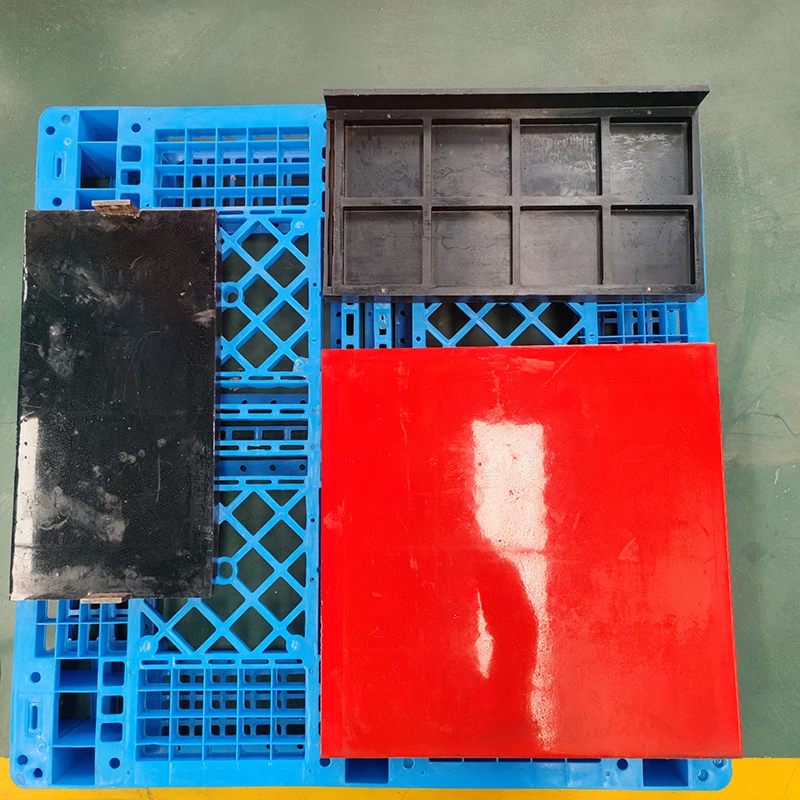
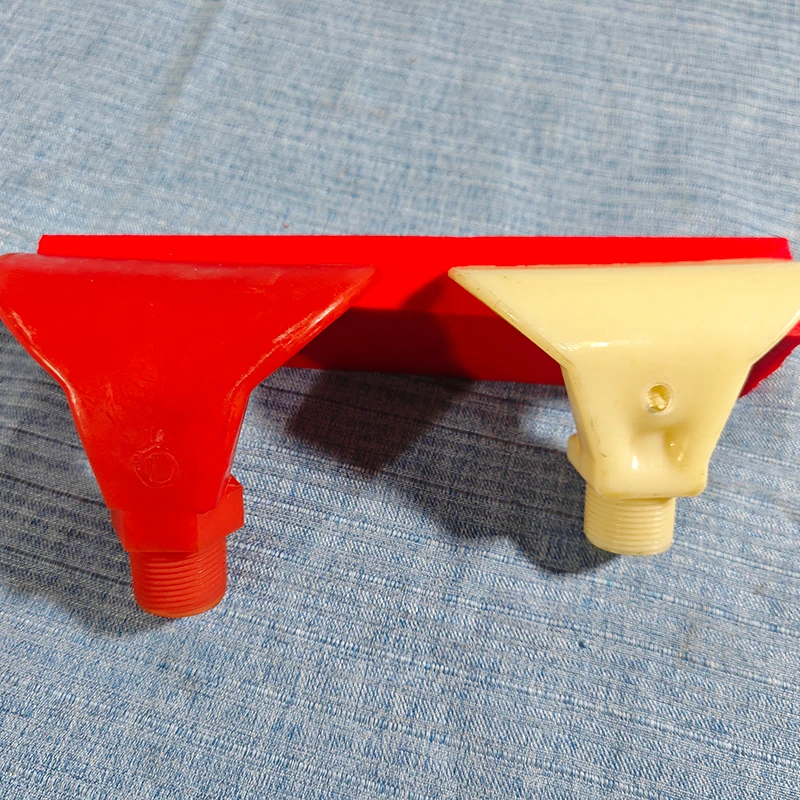
Options include segmented blades for crowned pulleys, color-coded hardness (85/90/95A), quick-release tensioners, and stainless frames for corrosive washdowns. Many customers say the 90A compound hits the sweet spot—gentle on a polyurethane conveyor belt, still aggressive on fines.
Mini case studies
- Hard rock quarry: carryback cut ≈72%, cleanup hours down 8/wk; ROI in 5 months.
- Bulk port terminal: belt drift events dropped from 6/month to 1–2; dust complaints eased.
- Fertilizer plant: hydrolysis-resistant blades lasted 14 months vs. 7 previously.
Standards and compliance
Selection and setup typically reference CEMA 576 for cleaner class, ISO 14890 for conveyor belt properties (to match cleaner aggressiveness), ASTM D2240/D412 for polymer checks, and DIN 53516 for abrasion. Food-contact variants can align with FDA 21 CFR parts for polyurethane; flame-retardant requests sometimes cite ISO 340. To be honest, not every site needs all that—just pick what fits risk and audit scope.
References
- CEMA Standard 576 – Classification of Applications for Bulk Material Belt Cleaner Selection.
- ASTM D2240 – Standard Test Method for Rubber Property—Durometer Hardness.
- DIN 53516 – Testing of rubber; determination of abrasion resistance.
- ISO 14890 – Conveyor belts — Specification for rubber- or plastics-covered belts.
- FDA 21 CFR 177.1680 – Polyurethane resins (food contact materials).