Understanding How a Centrifuge Separates Materials: Why It Matters Globally
If you’ve ever wondered exactly how does a centrifuge separate materials, you’re not alone—it’s one of those quietly brilliant technologies that powers everything from medical labs to wastewater treatment plants. Globally, mastering this process affects industries that touch on health, environmental safety, and even humanitarian aid. Separating liquids based on density isn’t just about spinning stuff around; it’s about enabling clean water supplies, salvaging critical minerals, or speeding vaccine production.
In real terms, understanding the principle and applications of centrifugation can drive progress in reducing contamination, lowering operational costs, and increasing efficiency in sectors worldwide. From developing countries battling infectious diseases to manufacturing hubs looking to streamline material purity, this technology holds undeniable transformative power.
The Global Context: Why Separation Technology Is a Critical Piece of the Puzzle
According to the United Nations, over 2 billion people globally lack access to safely managed drinking water, and industries continually seek reliable, cost-effective separation techniques to meet rising demands. Whether it’s the oil refining industry, food processing, or pharmaceuticals, the question “how does a centrifuge separate materials” is tied closely to sustaining quality and safety.
Moreover, industries face increasing pressure to reduce waste and manage resources sustainably. Traditional sedimentation or filtration doesn’t always cut it — that’s where centrifuges shine. Their ability to accelerate natural sedimentation allows faster, more efficient splitting of complex mixtures.
So, What Exactly Is Centrifugal Separation?
Simply put, centrifugation involves spinning a mixture rapidly so that components with different densities separate due to the forces exerted. Imagine spinning a salad spinner: heavier bits press outward and settle differently than lighter ones. This is physics meeting practical engineering.
Centrifuges connect deeply with modern needs—from industrial-scale production of clean fuels and pharmaceuticals to humanitarian efforts where field-deployable units assist in water purification post-disaster. Knowing how this separation works ties into everything: from lab diagnostics to environmental cleanup.
Key Aspects That Define Centrifugal Separation Efficiency
1. Speed and Force
The speed of rotation creates centrifugal force, pushing materials outward based on density. Faster spins means finer separation, but also increases wear and energy consumption.
2. Rotor Design and Capacity
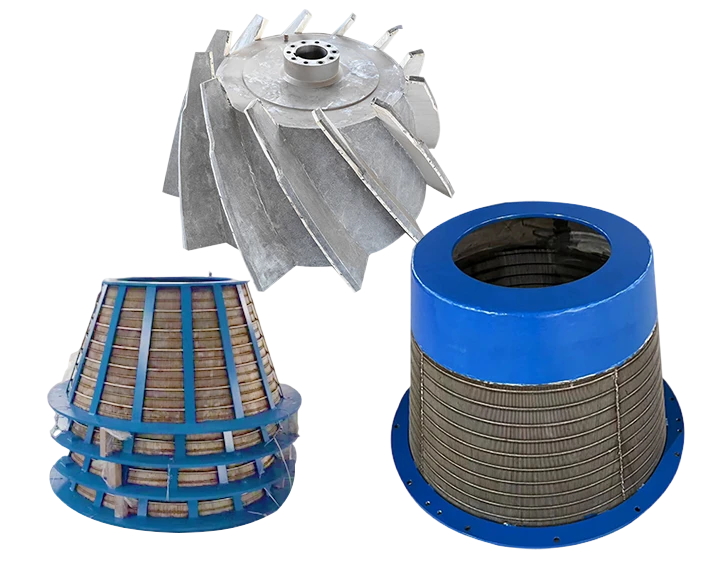
Different rotors fit different needs—some handle small doses for lab work, others bulk for industrial waste treatment. Size impacts flow and throughput.
3. Durability and Materials Used
Stainless steel and specialized polymers resist corrosion and fatigue, important for handling harsh substances or continuous operation.
4. Automation and Controls
Modern centrifuges often feature programmable speeds, timers, and sensors to optimize separation without constant human oversight.
5. Energy Efficiency
This is a growing concern globally; manufacturers design centrifuges that consume less power while maintaining performance.
Mini takeaway: These factors blend together, turning a centrifuge from a simple spinning bowl into a sophisticated tool customized for diverse industrial needs.
Where Centrifugal Separation Makes a World of Difference
Industries all over rely on centrifuges — here are a few examples to illustrate:
- Healthcare and Medical Labs: Blood plasma separation, vaccine production, even DNA extraction rely on precise centrifugation.
- Wastewater Treatment Plants: Cities worldwide use centrifuges to dewater sludge efficiently, reducing volume and environmental impact.
- Food and Beverage: Clarifying juices or separating cream from milk ensures product quality and consistency.
- Mining and Oil: Dense mineral slurries and crude oil mixtures get separated to maximize resource extraction and reduce impurities.
- Disaster Relief: Mobile centrifuge units provide emergency water purification after floods or earthquakes.
Global Reach
From Scandinavian bio-refineries prioritizing green tech to African NGOs deploying compact centrifuges for clean water, the separation process happens everywhere. Oddly enough, the basic principle never really changes, but local adaptations make huge differences in impact.
Advantages and the Long-Term Value of Efficient Material Separation
So why invest in mastering how does a centrifuge separate materials? Here’s the emotional and logical lowdown:
- Cost Savings: Reduced waste handling and faster processing shrink operational expenses.
- Sustainability: Recycling resources or cleaning water lessens environmental footprint.
- Safety & Trust: Cleaner pharmaceuticals or water means healthier communities — trust that builds brand loyalty and social goodwill.
- Innovation & Flexibility: Advanced centrifuges allow companies to adapt quickly to market changes or new regulatory standards.
Mini takeaway: The benefits ripple far beyond the machine itself — touching ecology, economy, and empathy.
The Future of Centrifugal Separation: A Glimpse Ahead
Experts expect ongoing trends like smart automation, AI-guided process tweaks, and new materials that resist fouling or corrosion to surge forward. Digital twins—virtual models that simulate centrifuge performance—allow predicting maintenance needs before breakdowns happen.
Green initiatives push for lower energy consumption and carbon-neutral operation, whilst modular units minify footprints for field use. The fusion of IoT and centrifuge tech means remote monitoring becomes standard.
Common Challenges and How They’re Being Tackled
No tech is perfect, and centrifuges face hurdles like:
- High Energy Use: New motor designs and variable frequency drives reduce unnecessary power draw.
- Wear and Maintenance: Advancements in coating and component materials extend lifespans.
- Handling Complex Mixtures: Multi-stage centrifuges and ultra-high-speed models improve separation of tricky emulsions.
Many engineers I spoke to emphasize the importance of tailored solutions — one size rarely fits all. But with ever-improving diagnostics and user-friendly controls, these challenges feel surmountable.
Practical FAQ About How Does a Centrifuge Separate Materials
- Q: How does speed affect the separation quality in a centrifuge?
- A: Higher speeds increase centrifugal force, improving separation by pushing denser materials outward faster. However, extremely high speeds can cause wear or overheating, so there’s a balance.
- Q: Can centrifuges separate materials with very close densities?
- A: Yes, but it requires precision rotors, longer run times, or multi-stage setups to achieve effective separation of materials with similar densities.
- Q: Are centrifuges energy-intensive? How is energy consumption managed?
- A: While they do consume power, modern designs use energy-efficient motors and smart controls. Some models recycle heat generated or optimize speed for reduced consumption.
- Q: How portable are centrifuge units for field use in disaster relief?
- A: Portable centrifuges exist and are increasingly lightweight with battery options—enabling water purification and medical sampling right where help is needed.
- Q: What maintenance is generally required to keep a centrifuge running smoothly?
- A: Regular checks include rotor inspection, lubrication, balancing, and sensor calibration to prevent downtime and ensure safety.
Quick Look: Centrifuge Product Specification Table
| Specification | Basic Model 300 | Pro Ultra 1200 | FieldMobile X |
|---|---|---|---|
| Max RPM | 5,000 | 12,000 | 4,500 |
| Capacity (liters) | 1.5 | 15 | 0.8 |
| Power Consumption (kW) | 0.8 | 4.5 | 0.6 |
| Automation Level | Manual | Full | Semi-automatic |
| Weight (kg) | 45 | 180 | 22 |
Comparing Top Centrifuge Vendors
| Feature | SpinTech Inc. | PureFlow Systems | AquaCentrifuge Ltd. |
|---|---|---|---|
| Product Range | Lab to Industrial | Industrial Only | Portable + Mid-size |
| Customization Options | High | Moderate | Low |
| Energy Efficiency | Up to 25% Savings | Standard | Optimized for Mobile Units |
| After-Sales Service | Global 24/7 Support | Regional Hubs | Field Technician Visits |
| Typical Industries Served | Pharma, Mining, Food | Oil & Gas, Water | NGOs, Medical, Remote Plants |
Final Thoughts: Why Understanding Centrifugal Separation Is Worth It
Knowing how does a centrifuge separate materials unlocks a deeper appreciation for a technology that hums quietly behind modern science, infrastructure, and daily life. It’s a blend of physics and art, where engineers, scientists, and technicians collaborate to tweak forces and shapes that save lives, improve industries, and protect the planet.
Whether you’re in medical research, environmental management, or relief work, embracing this knowledge equips you to choose the right tech or innovate new solutions tailored to your needs. Interested in exploring the latest centrifuge solutions? Visit our website for detailed product info and expert advice.
Thanks for sticking through — there’s a peculiar satisfaction in seeing what simple spinning can accomplish!