What Is Wedge Wire? Unlocking A Key Filtering Technology
If you’ve ever been curious about that mesh-like, finely slit metallic surface that filters everything from water to industrial fluids, you’re on the right page. What is wedge wire and why has it steadily built global recognition in industries ranging from oil & gas to water treatment? This seemingly simple construct plays a surprisingly vital role in ensuring clean operations, environmental safety, and even humanitarian responses worldwide.
In today’s world, where clean water access and resource management are increasingly critical, technologies like wedge wire screens provide a sustainable and efficient solution. So whether you’re an engineer, a procurement manager, or just a curious mind, understanding wedge wire and its benefits may surprise you.
The Global Context: Why Wedge Wire Matters Today
Globally, water scarcity affects over 2 billion people according to the UN, and industrial processes need ever-more reliable filtration to meet strict environmental standards (UN Water, 2022). This is where wedge wire screens step in — their unique design allows them to filter particles with precision, efficiency, and durability.
Take the water treatment sector for example: The ISO 14001 environmental standards encourage sustainable practices, and wedge wire’s minimal clogging and high flow rates help reduce energy use and maintenance costs. Industries from mining operations in Australia to wastewater plants in Europe count on these screens daily to keep matters flowing smoothly.
But it’s not just about filtering — the challenge is to do so efficiently, safely, and on a global scale, where harsh environments can otherwise wreak havoc on equipment and budgets. Wedge wire’s design answers many of these tough challenges head-on.
Mini takeaway: As clean water and resource efficiency become universal priorities, wedge wire’s reliability and versatility make it a globally essential filtering technology.
What Exactly Is Wedge Wire Fabrication?
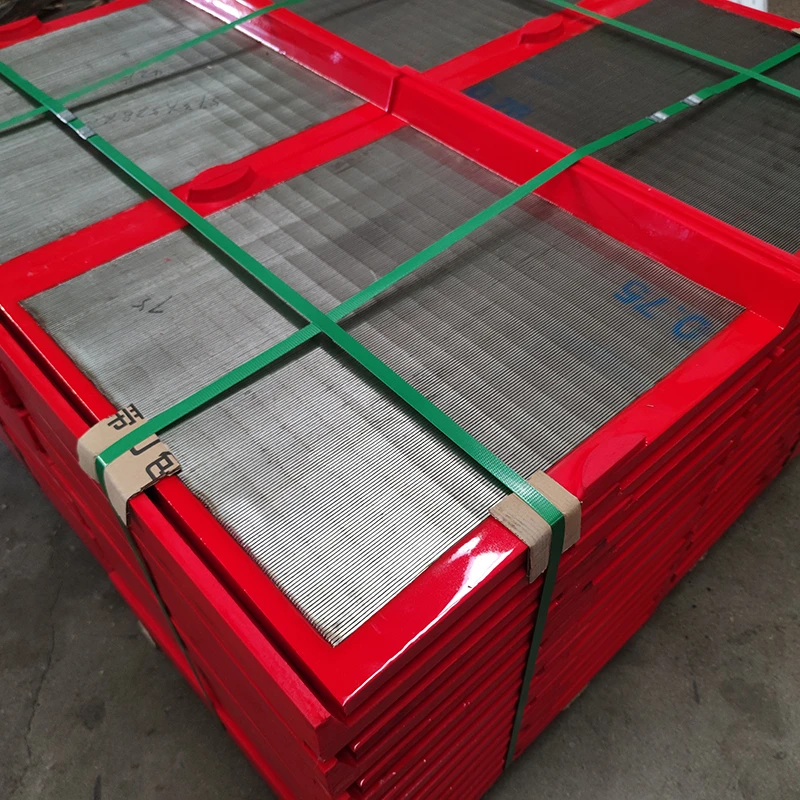
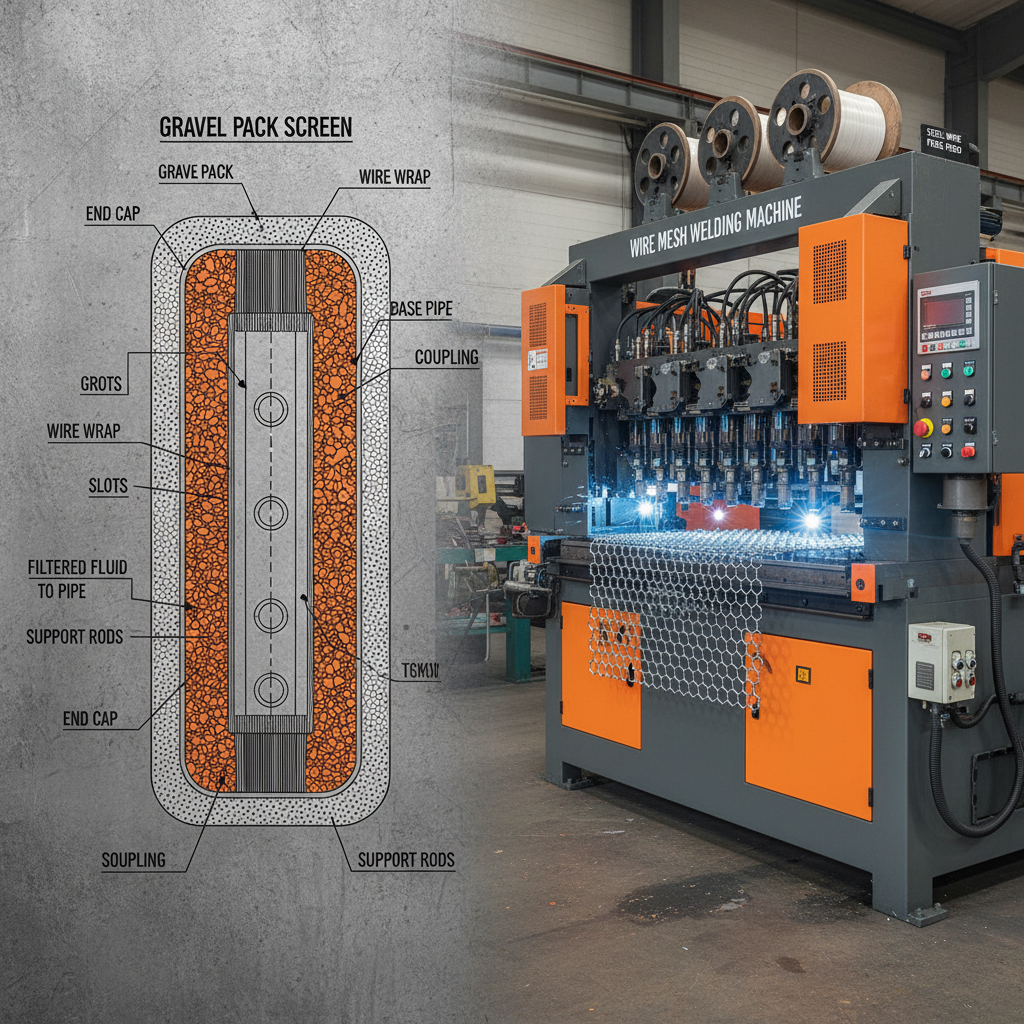
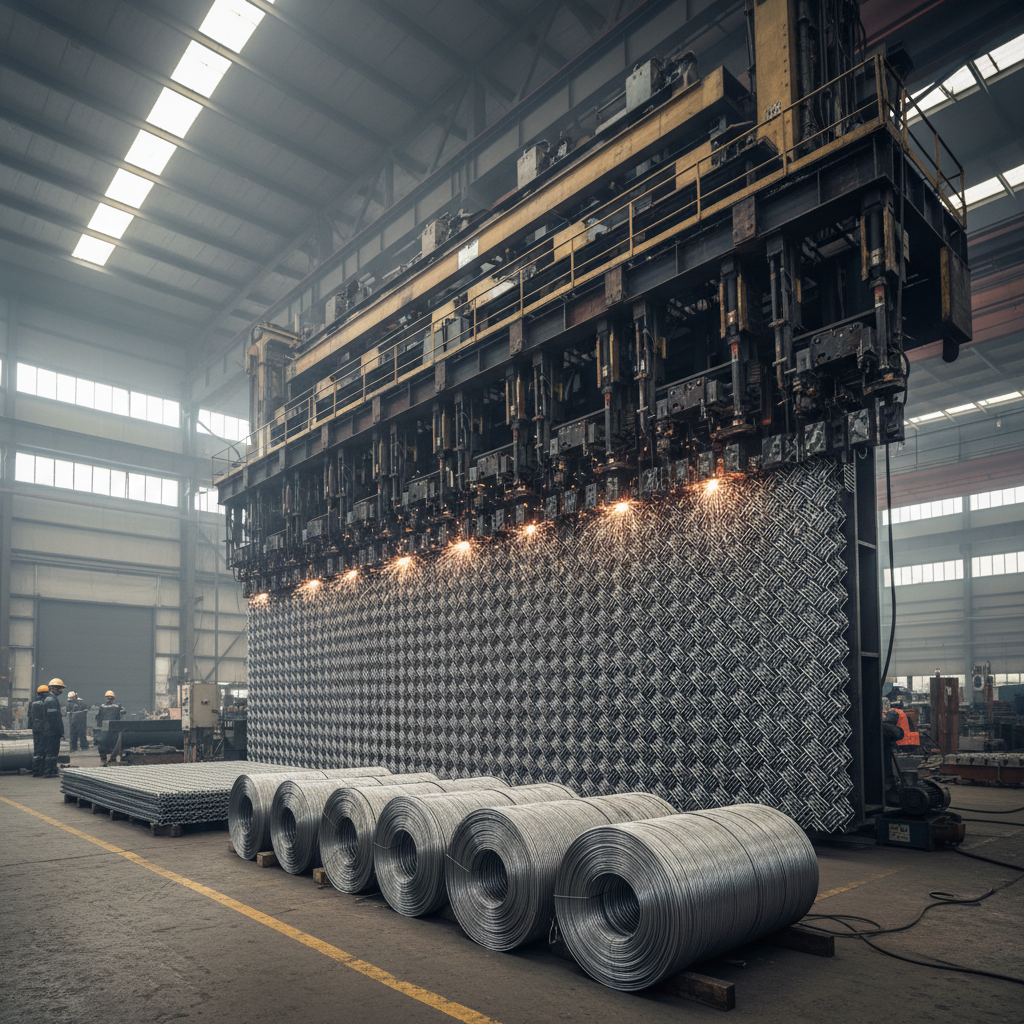
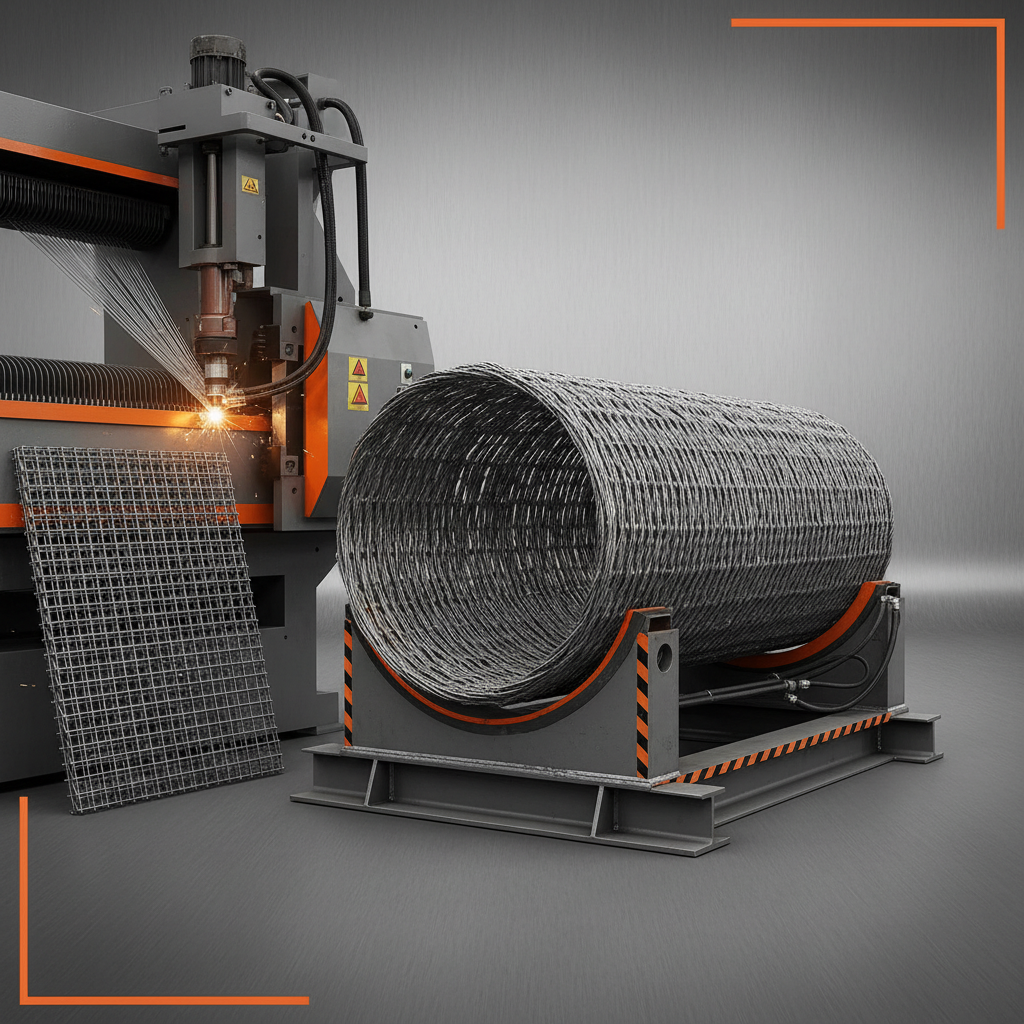
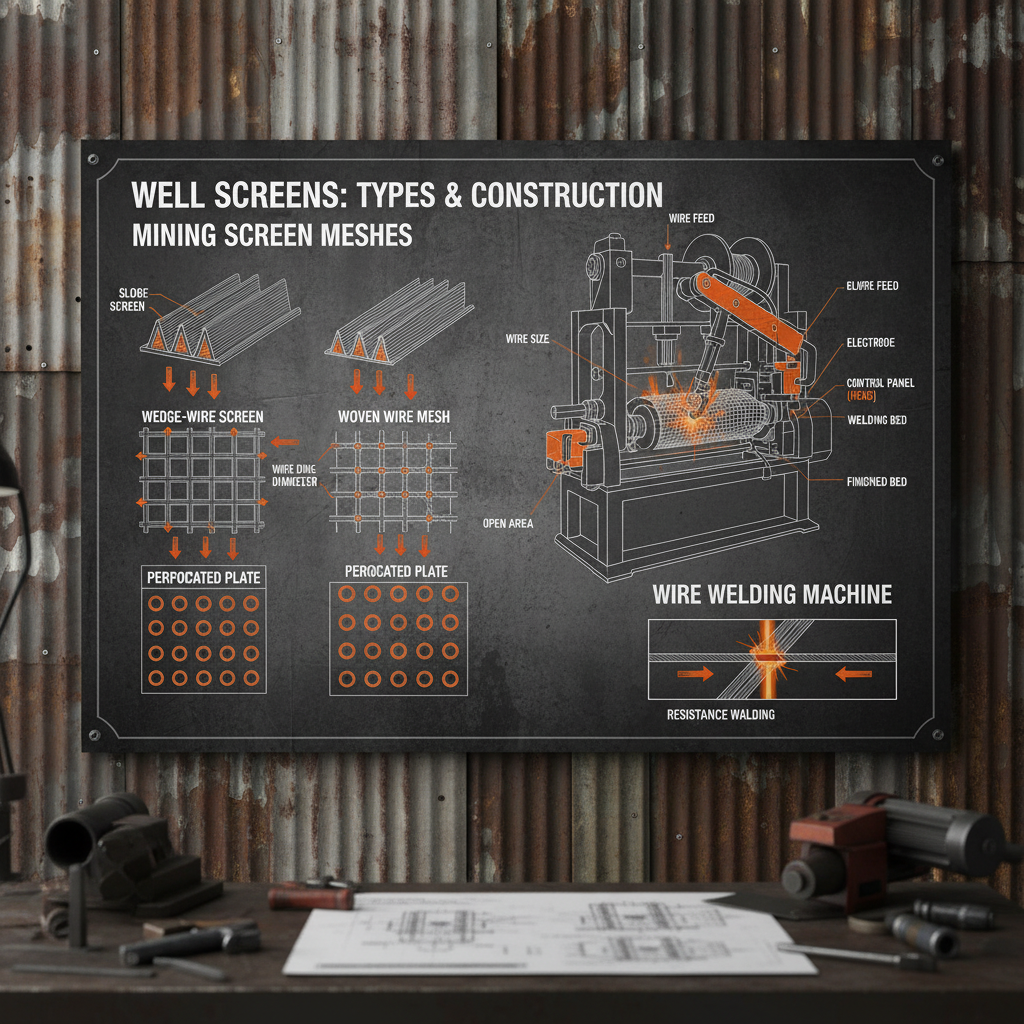
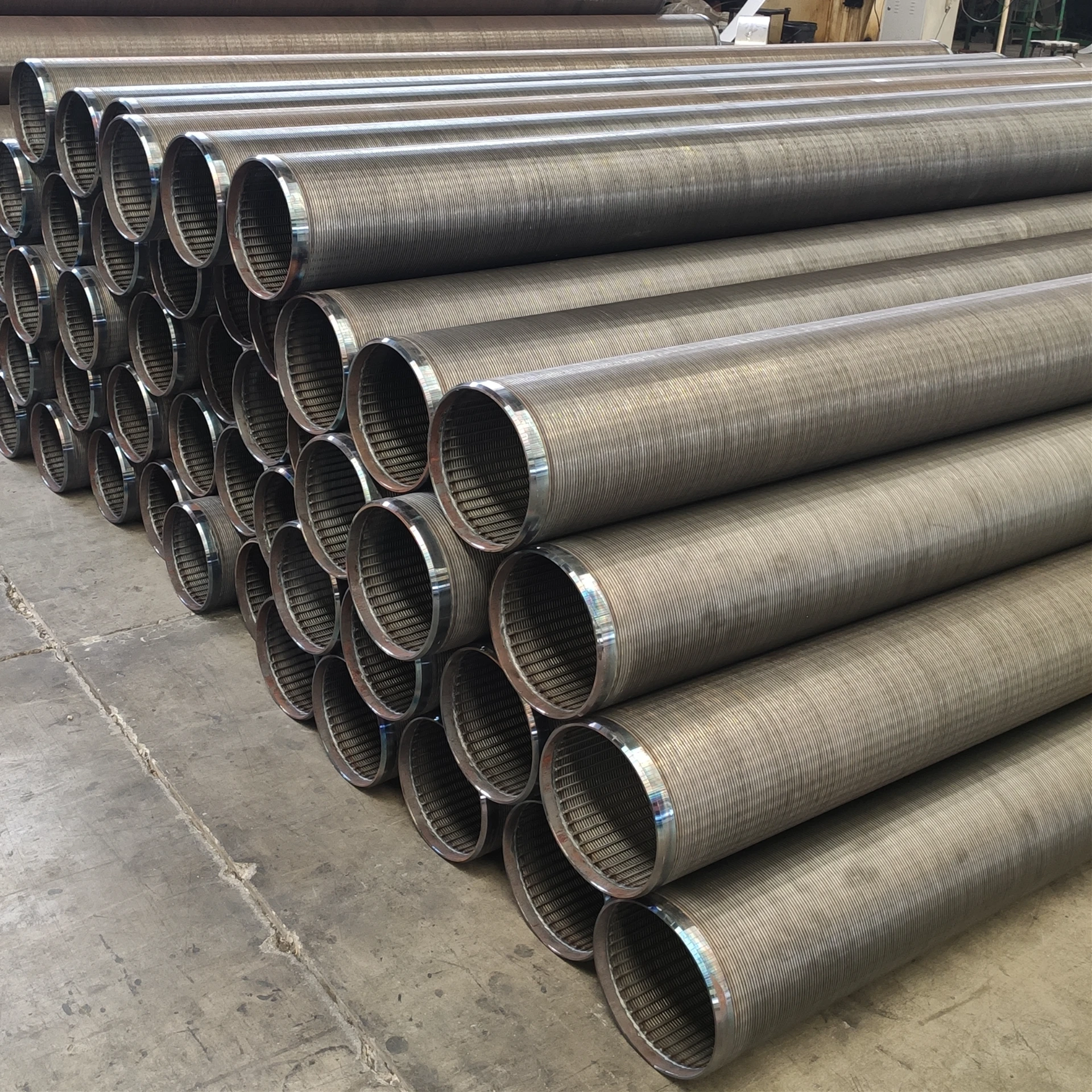
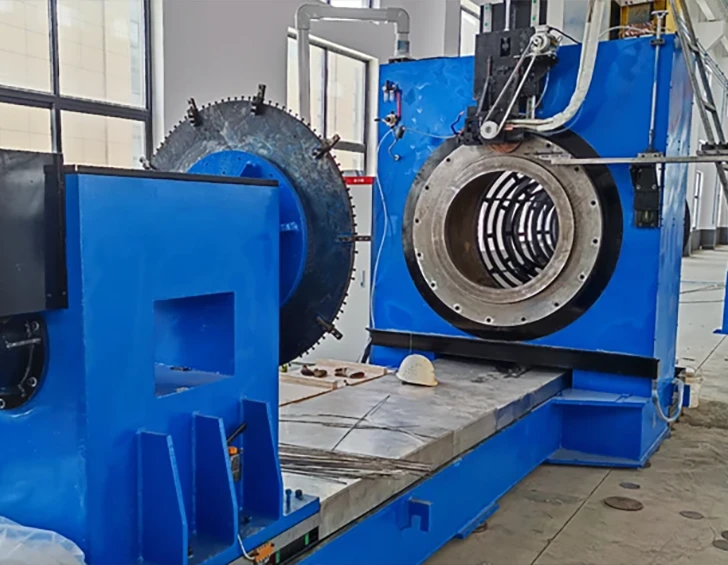
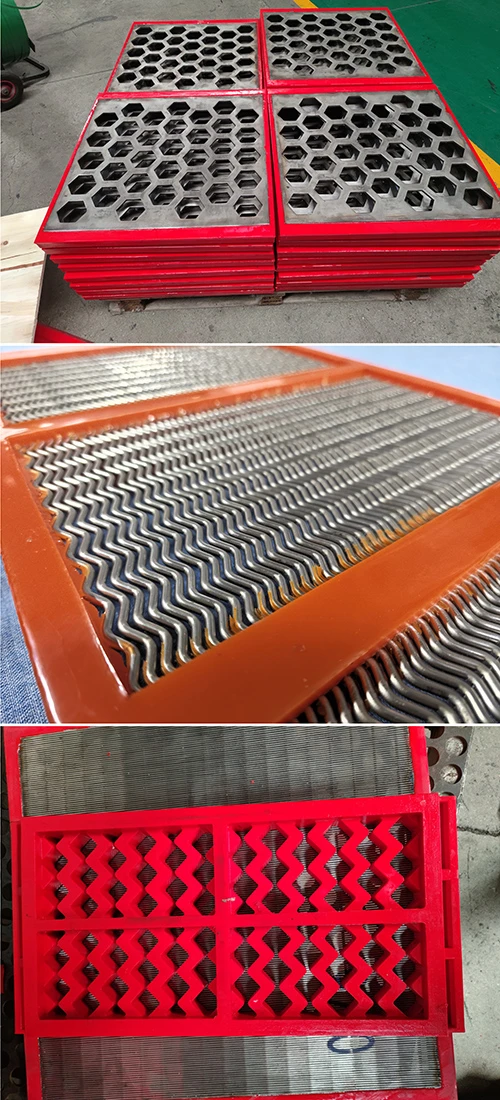
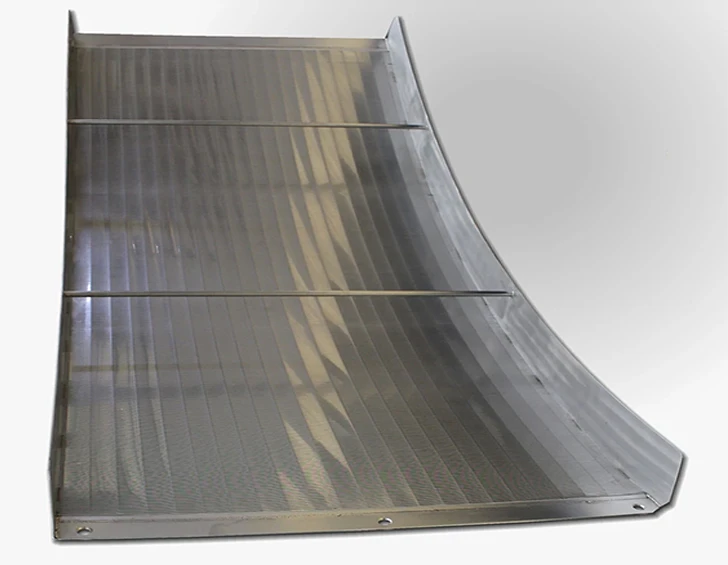
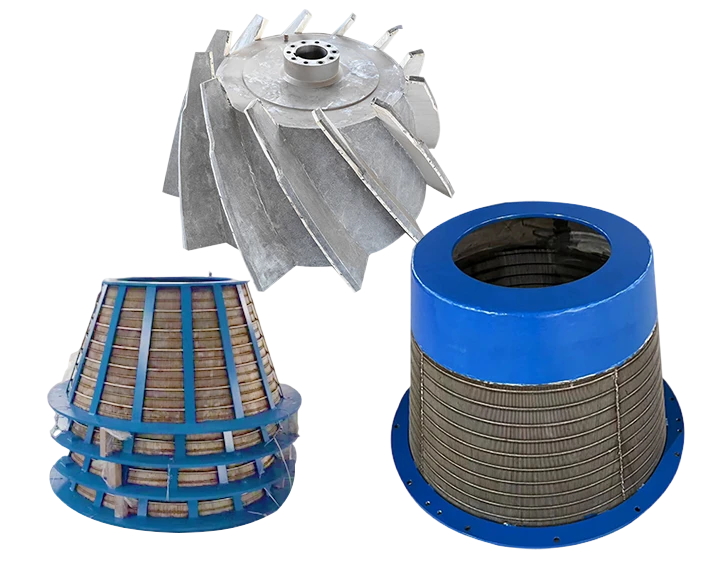
At its core, wedge wire is a type of metal screening, made up of V-shaped wires wound on a frame or support rods. This creates a durable, precisely slotted screen with extremely narrow openings — designed to filter solids from liquids without clogging.
Imagine a sieve optimized not just for coarse particles but for screening down to sub-millimeter debris, with a self-cleaning effect as solids cannot easily get stuck. This is what distinguishes wedge wire screens from traditional mesh or perforated sheets.
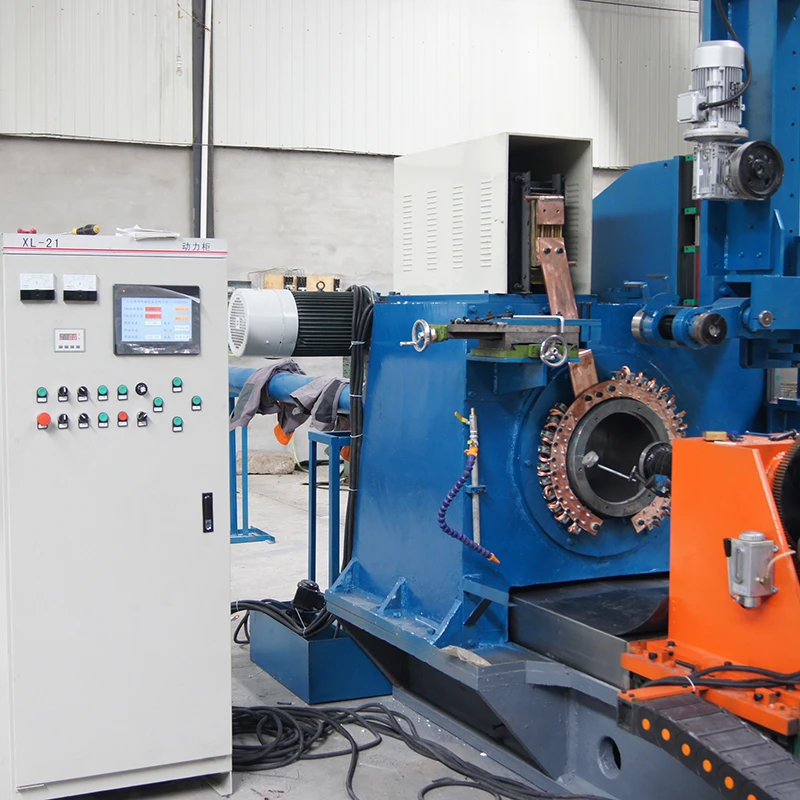
What is wedge wire in industry terms also relates to several material choices — typically stainless steel grades like 304, 316, or even duplex variants — chosen to withstand corrosion and mechanical stress. The fabrication techniques have evolved to ensure that every wire is tensioned and spaced precisely, allowing for scalable and repeatable quality.
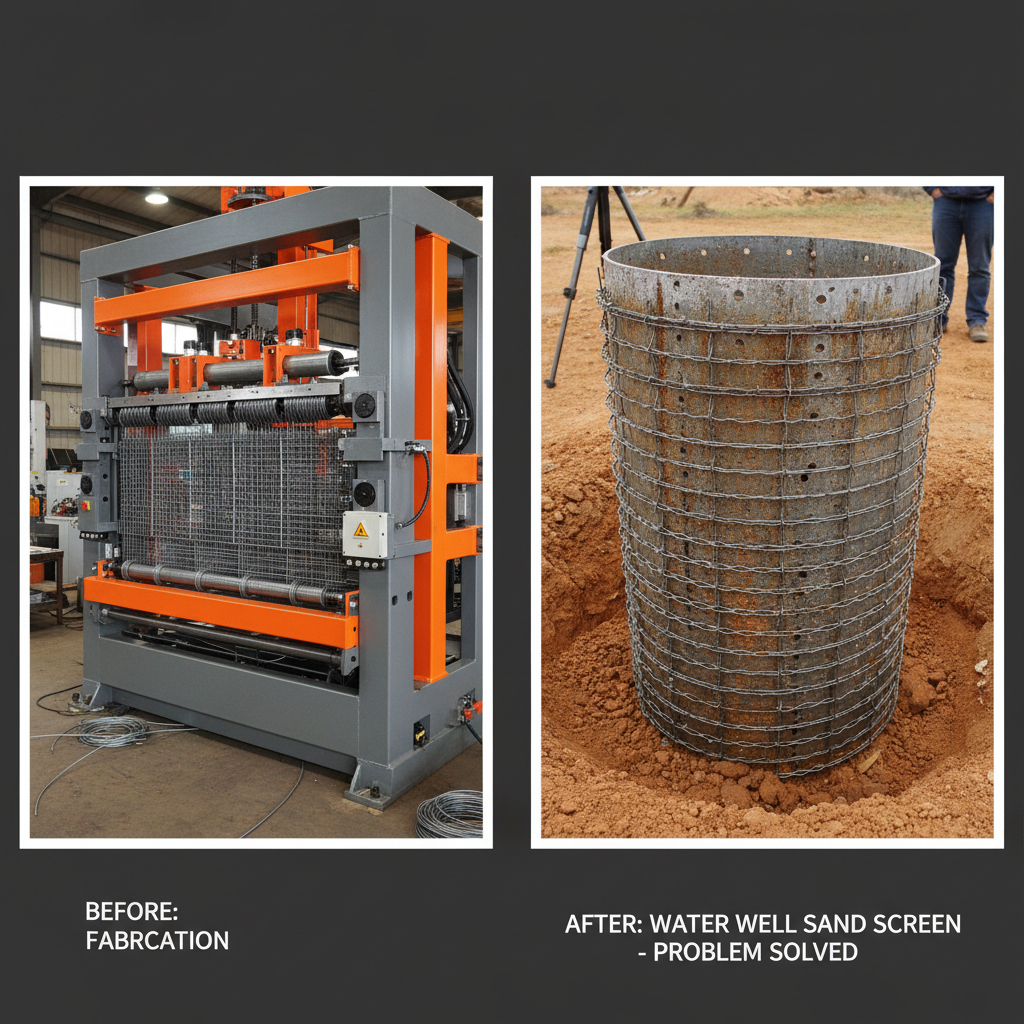
In humanitarian terms, these screens facilitate clean water access in disaster zones or rural areas by making filtration easier and more dependable, often forming the core of water purification units.
Mini takeaway: Wedge wire is essentially a high-precision, self-cleaning metal screen, engineered for durability and fine filtration across a range of industries.
Key Features That Make Wedge Wire Screens Stand Out
1. Durability & Corrosion Resistance
Stainless steel wedge wire screens excel in harsh environments — saltwater, chemicals, abrasive slurries — thanks to high-grade alloys and rugged design. This means fewer replacements and less downtime, especially relevant in offshore oil rigs or mining.
2. Scalability & Customization
Whether it’s a tiny filter for electronics cooling or a massive screen for municipal water intake, wedge wire can be customized in slot size, shape, and dimensions. This flexibility allows engineers to tailor filters for optimal performance specific to their fluid and particle size.
3. Cost Efficiency Over Lifespan
Though initial costs may seem higher than traditional screens, wedge wire’s self-cleaning, low fouling design reduces maintenance labor and downtime costs. Over time — especially in continuous operations — this adds up.
4. Precision & High Flow Rates
The unique V-shaped wire profile maintains open area greater than conventional mesh screens, allowing higher flow with less pressure drop. This is critical in processes that must maximize throughput and reduce energy consumption.
5. Environmental & Safety Impact
By reducing chemical and mechanical cleaning needs and ensuring filtration quality, wedge wire supports both environmental protection and operational safety — an increasingly non-negotiable factor globally.
Mini takeaway: The combined durability, precision, and adaptability of wedge wire screens make them a natural choice in any critical filtration system.
Global Applications: Wedge Wire at Work Around the World
Wonder where these screens actually make a difference? Well, the list is long and growing:
- Water Treatment Plants: From Paris to Mumbai, wedge wire screens filter intake water, reducing sediments that could damage pumps and treatment processes.
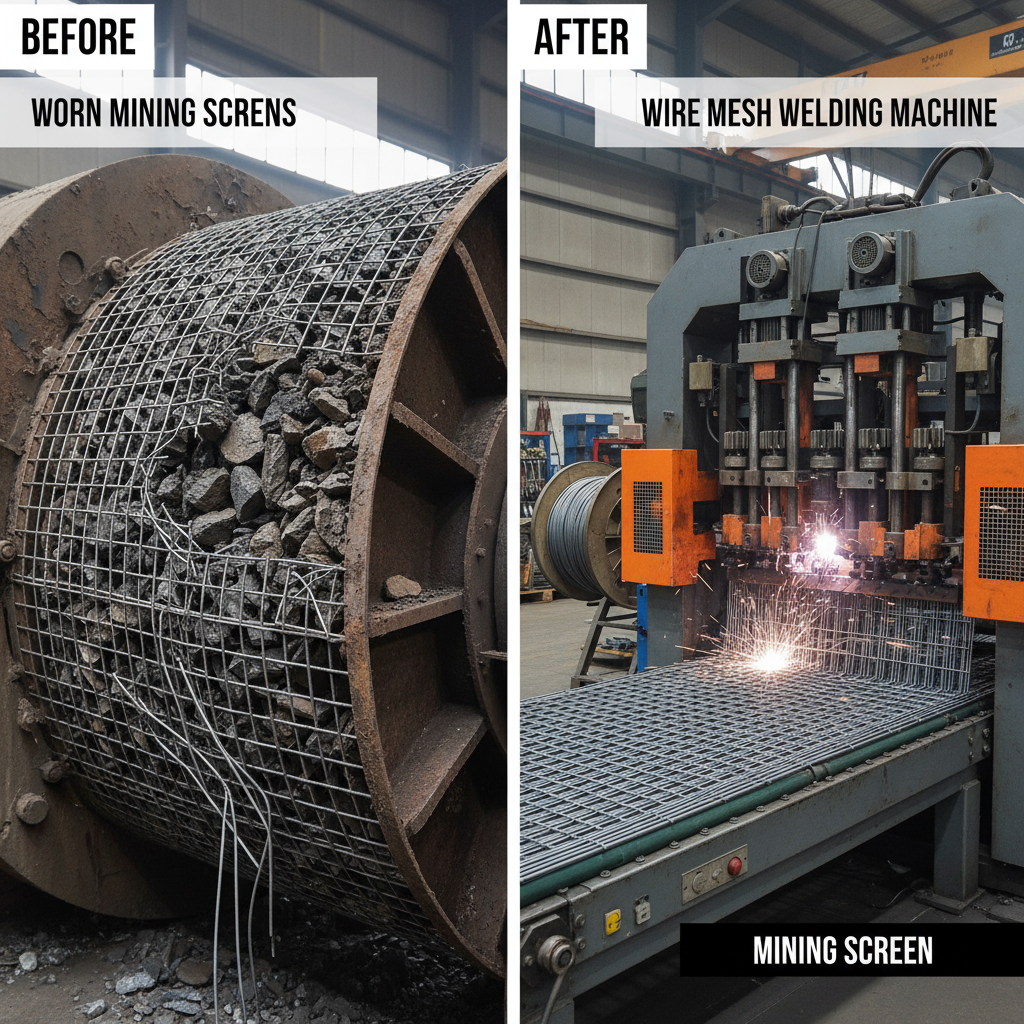
- Mining Operations: Mines in Chile and Canada depend on wedge wire screens to classify ores and remove impurities with minimal maintenance in dusty, abrasive conditions.
- Agriculture & Irrigation: Farmers in arid regions use wedge wire filters to protect irrigation systems from clogging, ensuring water efficiency.
- Oil & Gas Sectors: Offshore rigs rely on wedge wire for screen filtration in seawater injection and separation processes—critical under extreme pressures.
- Disaster Relief: NGOs employ portable water filtration units using wedge wire screens in refugee camps or after floods to guarantee potable water.
Mini takeaway: Across continents and industries, wedge wire remains a trusted ally in managing fluids and solids effectively.
Wedge Wire Screen Product Specifications
| Specification | Parameter | Typical Range |
|---|---|---|
| Material | Stainless Steel | 304, 316L, Duplex |
| Slot Width | Microns (μm) | 50 - 5000 μm |
| Wire Diameter | Millimeters (mm) | 1.2 - 5.0 mm |
| Open Area | % | 20% - 45% |
| Operating Temp | °C | -20°C to 400°C |
Comparing Leading Wedge Wire Vendors
| Vendor | Material Options | Customization | Global Reach | Lead Time |
|---|---|---|---|---|
| Mutoscreen | 304, 316L, Duplex | Full Custom Slot Sizes & Dimensions | Worldwide | 4 - 8 weeks |
| WireTech Co. | 304, 316 | Standard Sizes Mostly | North America & Asia | 6 - 10 weeks |
| AquaFilters Inc. | 316L | Moderate Custom Options | Europe & Middle East | 5 - 9 weeks |
Advantages & Long-Term Benefits of Wedge Wire Screens
When you boil it down, wedge wire screens offer a blend of durability, efficiency, and cost savings over their life cycle. Low maintenance means fewer operational hiccups and a safer working environment — consider the peace of mind engineering teams get from knowing their filtration won’t suddenly clog or break down.
There’s also an emotional and social element. Clean water, safer industrial processes, and reliable filtration uphold human dignity and foster trust in infrastructure — important in both developed cities and fragile post-disaster zones.
Emerging Trends & Innovations in Wedge Wire Design
Frankly, the wedge wire industry isn’t standing still. We’re seeing exciting new materials like duplex stainless steels that push corrosion resistance even further. Digital monitoring solutions integrate sensors with wedge wire filters to predict clogging before it happens — very 21st-century.
Green energy applications also lean on wedge wire screens, for example in biomass filtration systems or geothermal water treatments, where natural resource protection is paramount.
Challenges & How Industry Experts Are Tackling Them
Of course, wedge wire screens aren’t a silver bullet. Limitations include capital cost perceptions and the need for exact specifications to avoid over- or under-performance. Yet, experts recommend thorough consulting in early project phases and the adoption of modular designs that allow field flexibility.
New welding and tensioning techniques are also improving the strength-to-weight ratio, meaning lighter but stronger screens that reduce framework loads and simplify installation.
Frequently Asked Questions About What Is Wedge Wire
- Q: How does wedge wire compare in clogging to traditional mesh filters?
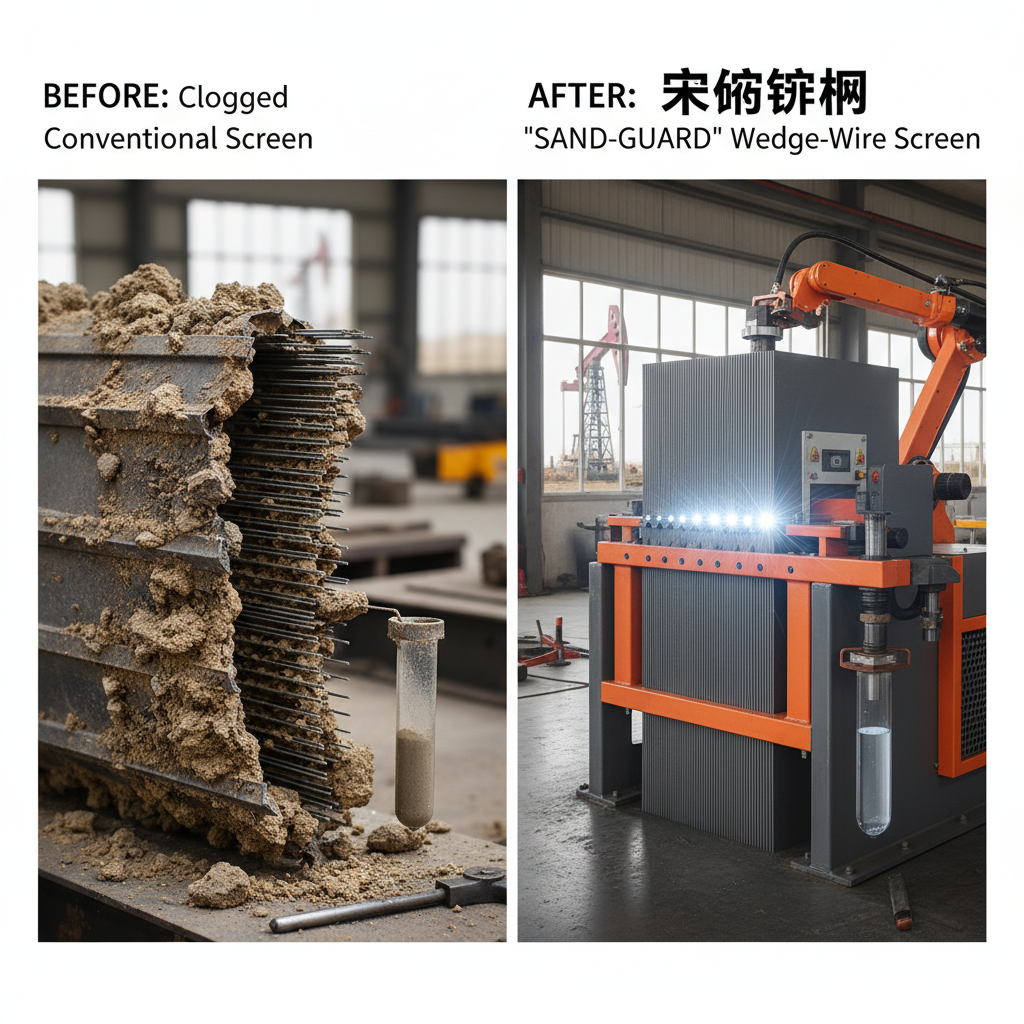
A: Wedge wire’s V-shaped profile means particles pass through or fall away easily, which drastically reduces clogging versus flat or woven meshes. - Q: Can wedge wire screens be used in food processing?
A: Absolutely. Stainless steel wedge wire is hygienic, corrosion-resistant, and precise — meeting many food industry standards. - Q: What slot size should I choose for river water filtration?
A: Typically, slots between 100-300 microns suit river water intake, but it depends on sediment type; consultation with vendors like Mutoscreen helps refine specs. - Q: Is custom fabrication possible if my project needs special dimensions?
A: Yes, most vendors offer custom sizes and wire spacing — customizing improves performance and lifespan. - Q: What maintenance do wedge wire screens require?
A: Mostly visual inspections and occasional flushing; self-cleaning properties often reduce labor significantly.
Wrapping Up: Why Wedge Wire Screens Are Worth Every Penny
In real terms, understanding what is wedge wire opens a window into a quiet hero of filtration technologies. Its robust design, adaptability, and efficiency ensure it keeps playing a growing role globally — a role that really matters in the big picture of sustainability, industrial safety, and humanitarian needs.
Curious to see how wedge wire can specifically enhance your projects? Visit our website and explore detailed product lines and custom options: https://www.mutoscreen.com
References:
- United Nations Water. (2022). Water Scarcity Facts and Figures. https://www.unwater.org
- ISO 14001:2015 Environmental management systems. International Organization for Standardization.
- World Bank Group. (2021). Sustainable Water Management Practices. https://www.worldbank.org